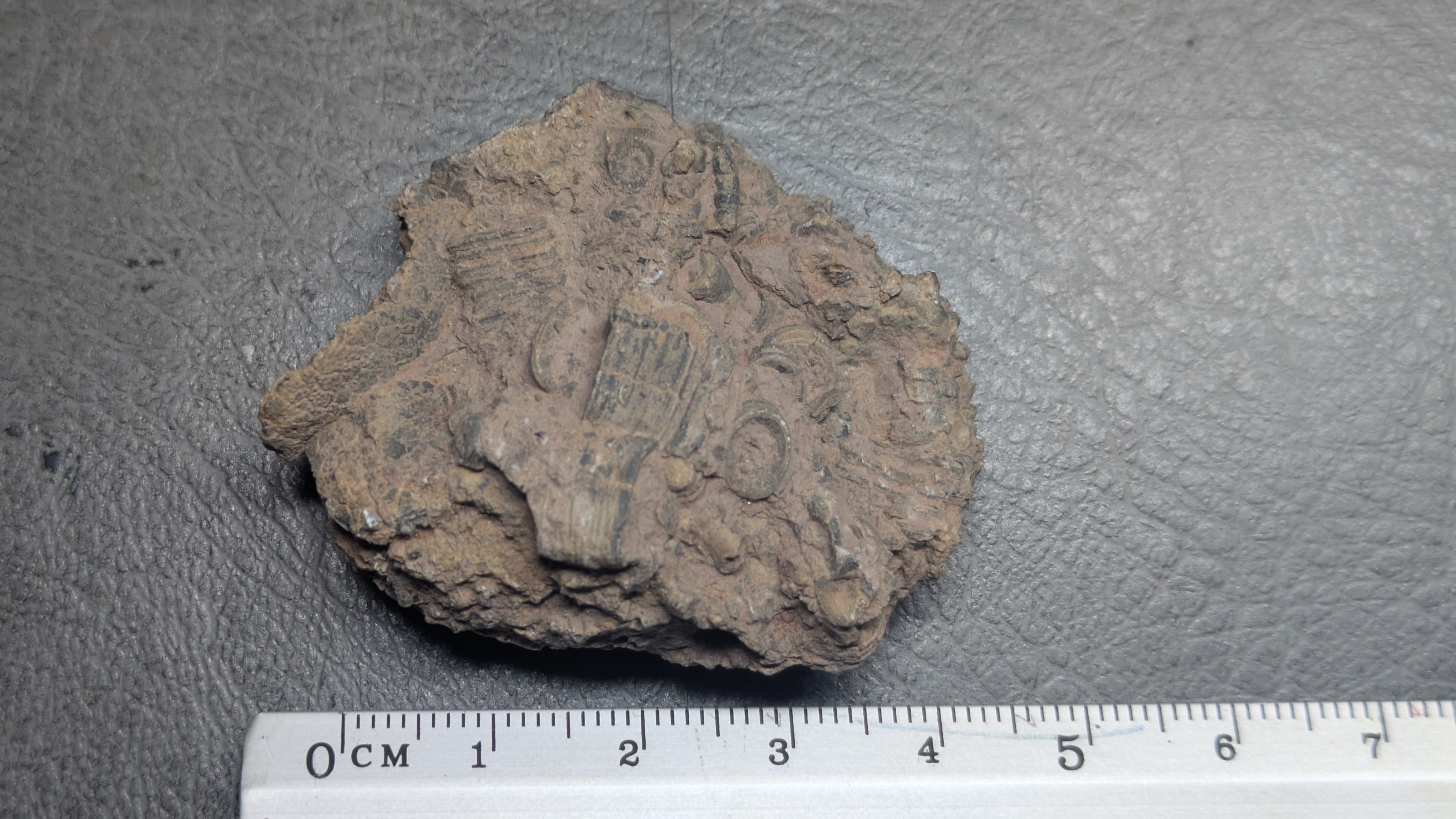
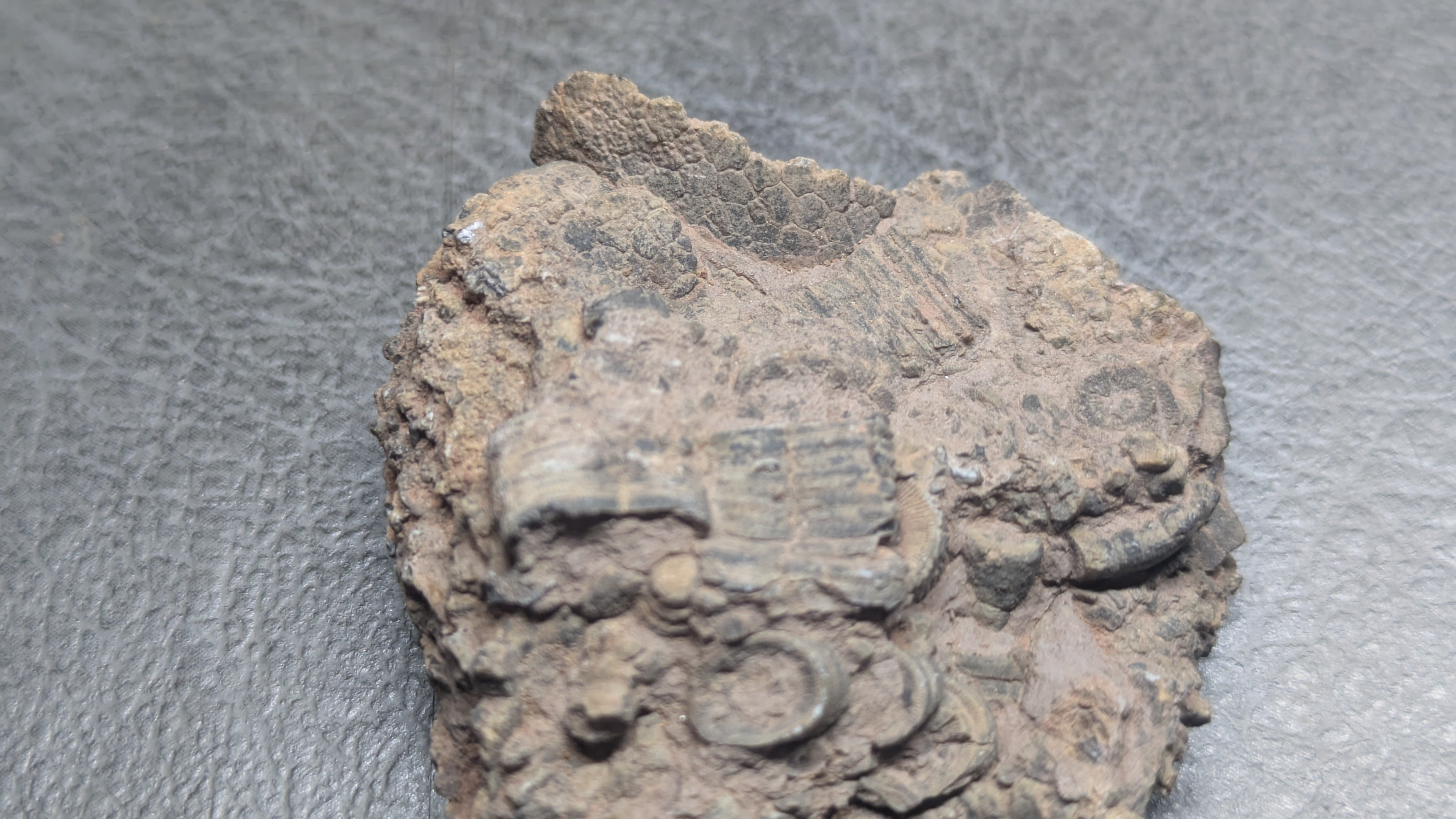
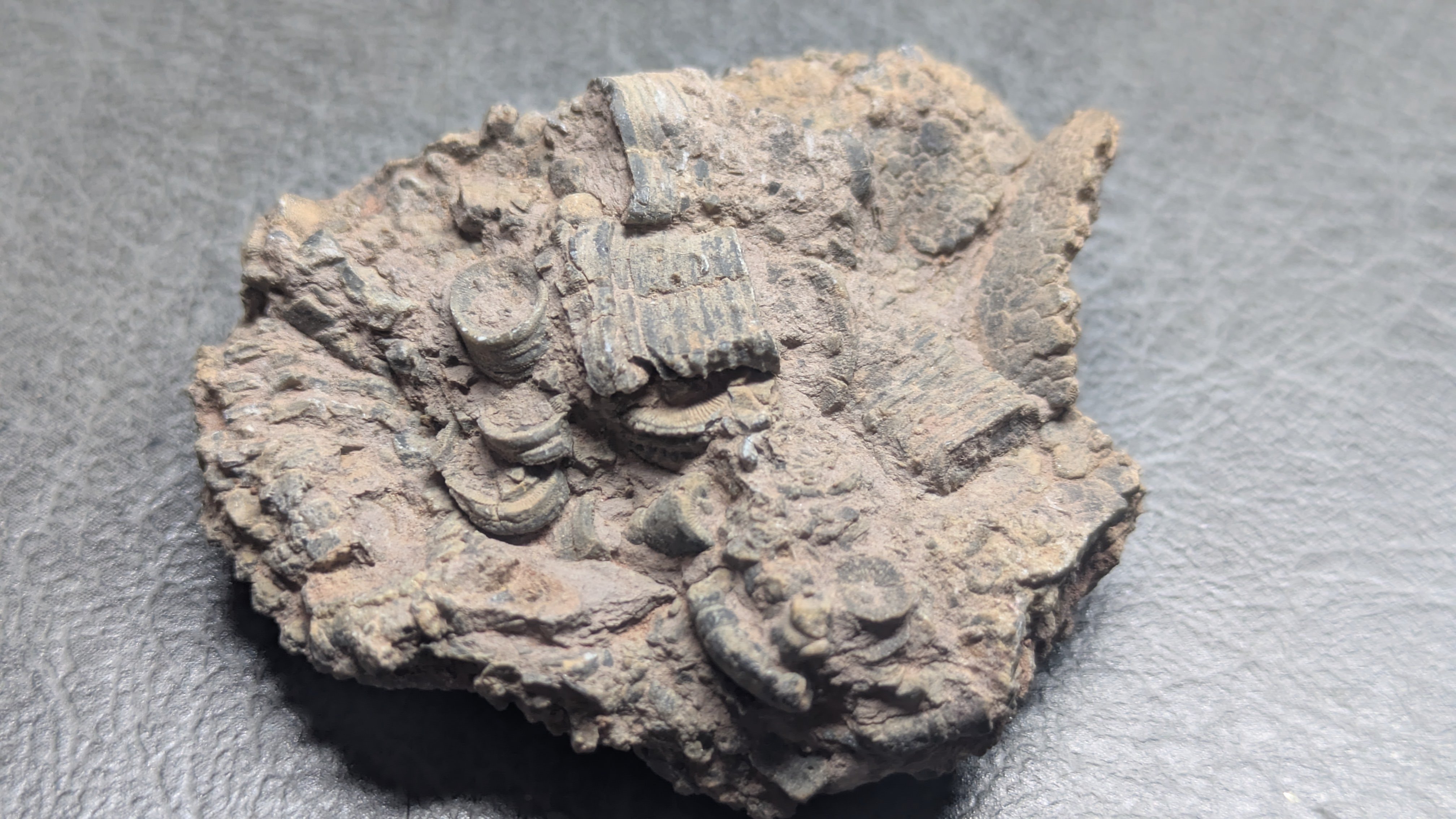
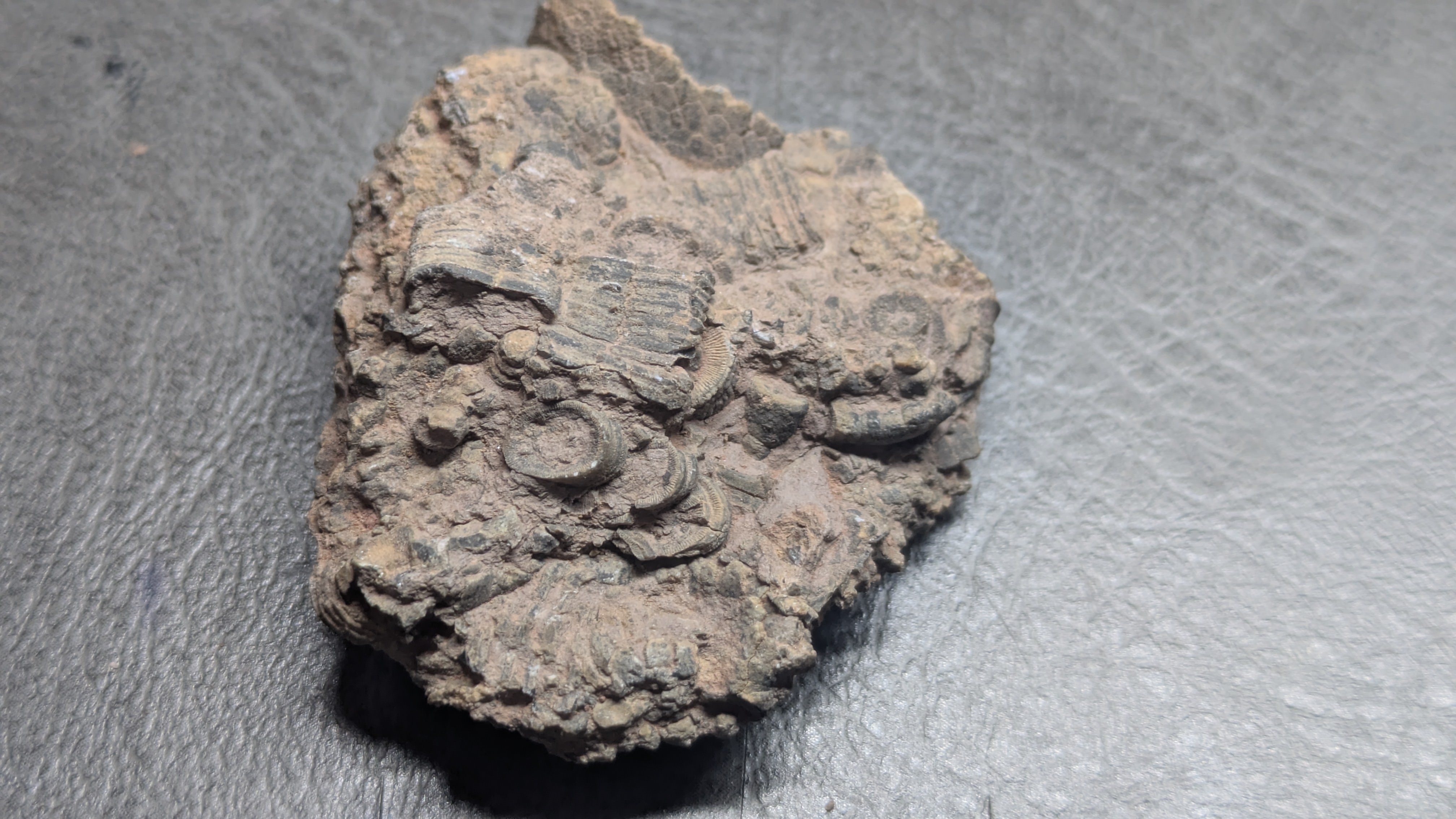
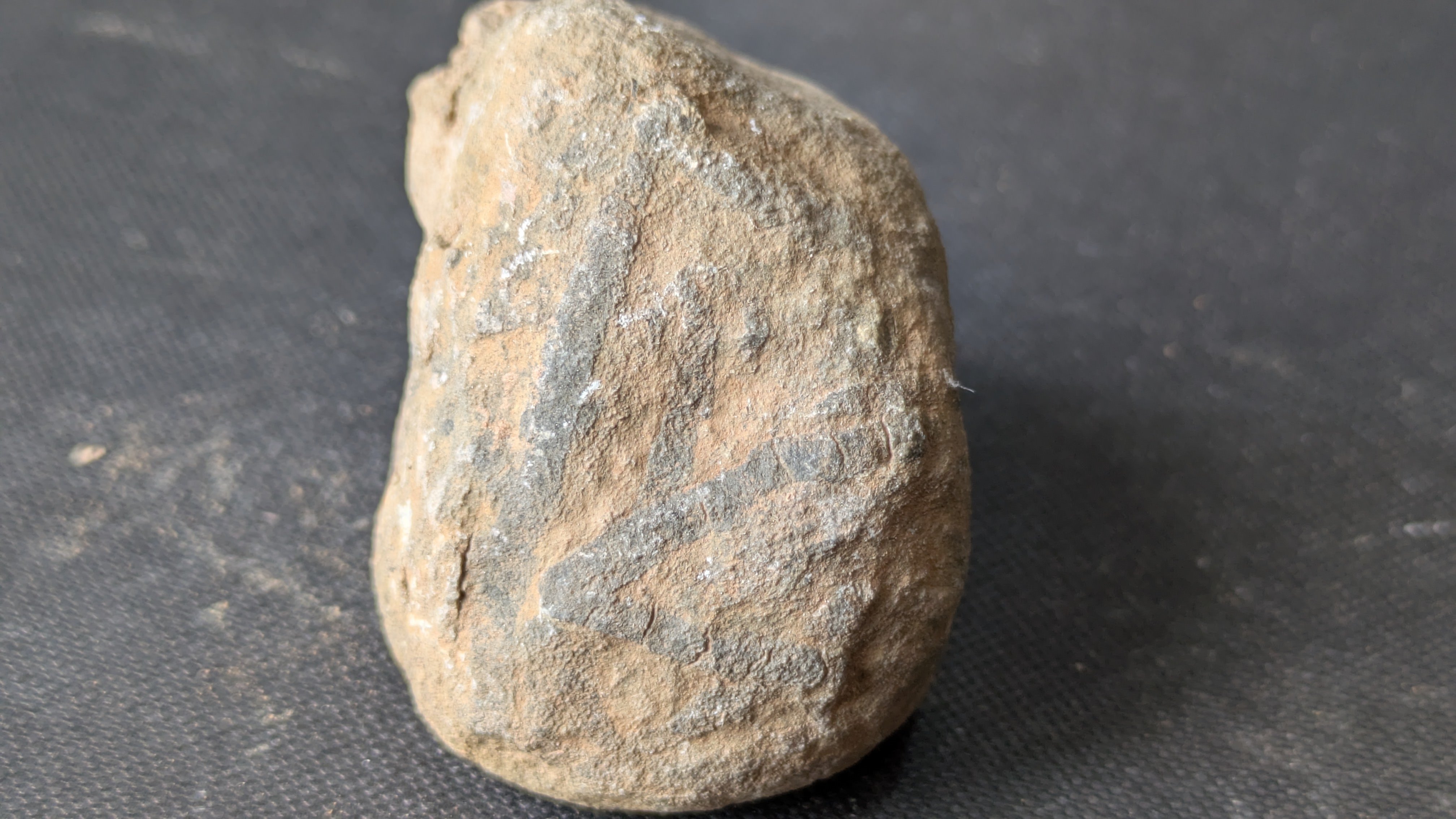
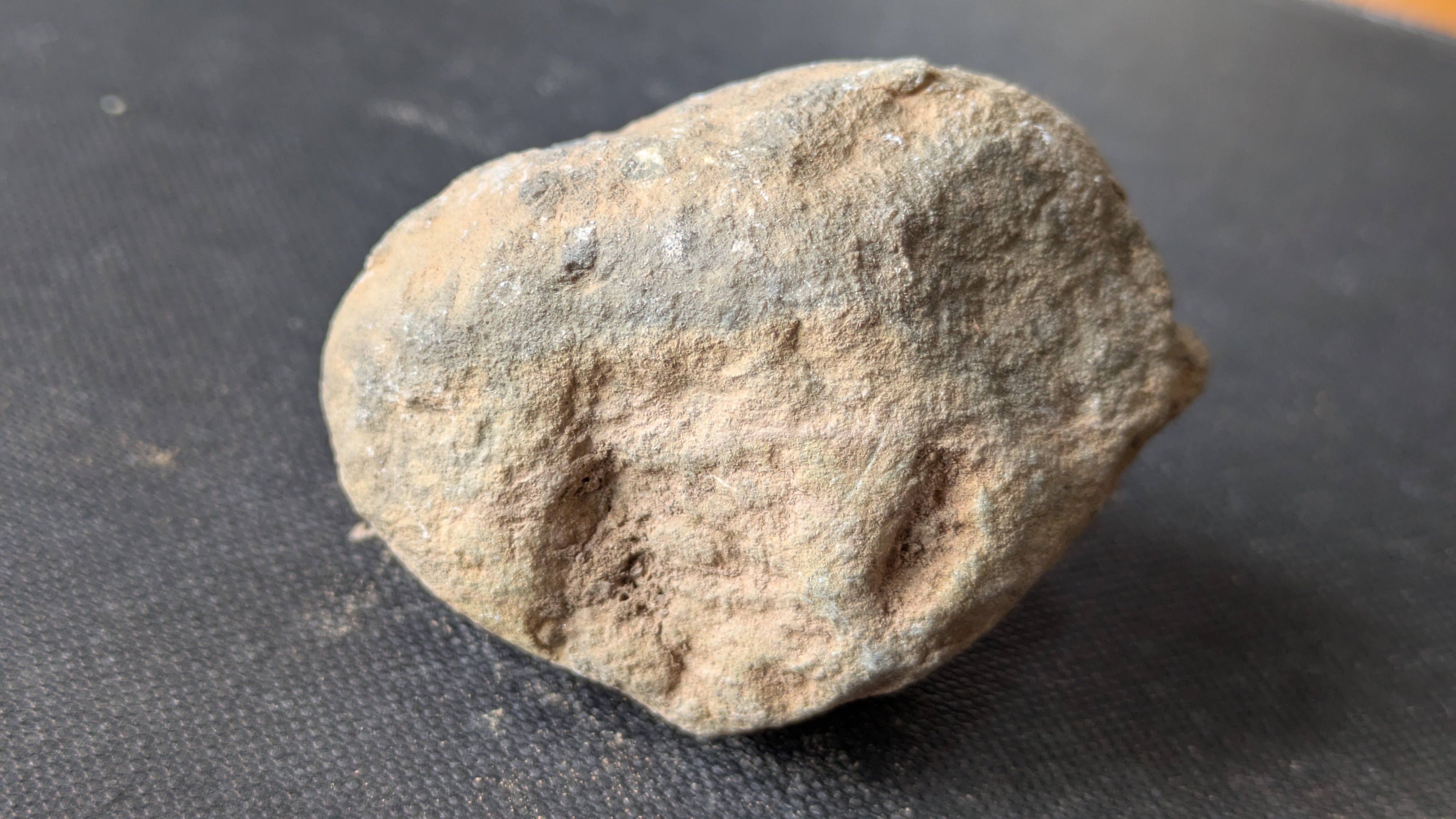
Taallalt, Issoumour Mountain
  • : ~420
  • : ()
  • : Unknown
  • : Open marine shelf to deeper offshore setting below storm wave base
  • : Crinoids, orthoconic cephalopods, other marine invertebrates
  • : Calm offshore waters, fine sediment accumulation, floating crinoid colonies with gas-filled loboliths, episodic transport and burial, low-energy seafloor conditions
Taallalt, Issoumour Mountain shown on the globe

Artistic depiction of Camerata
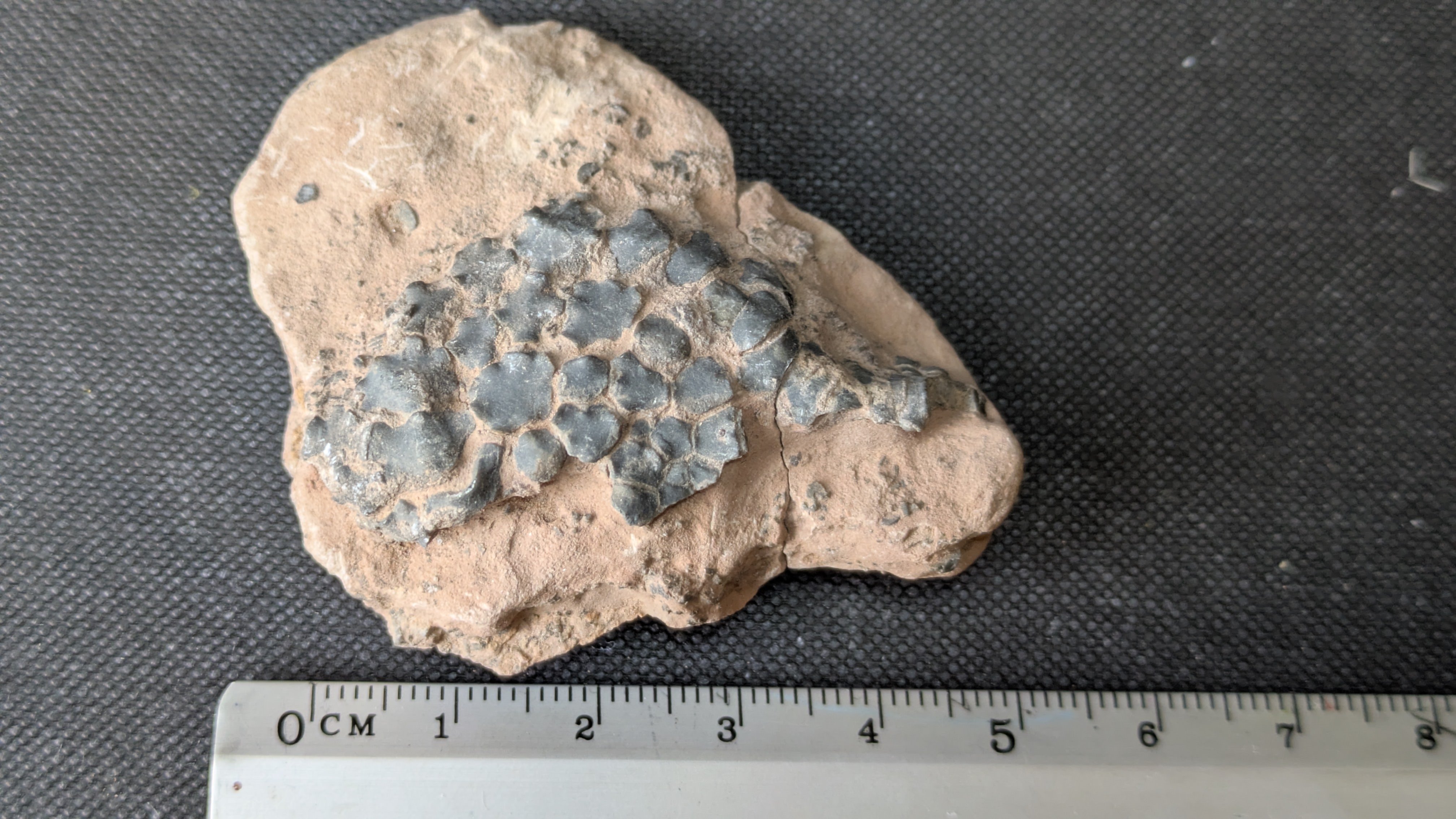
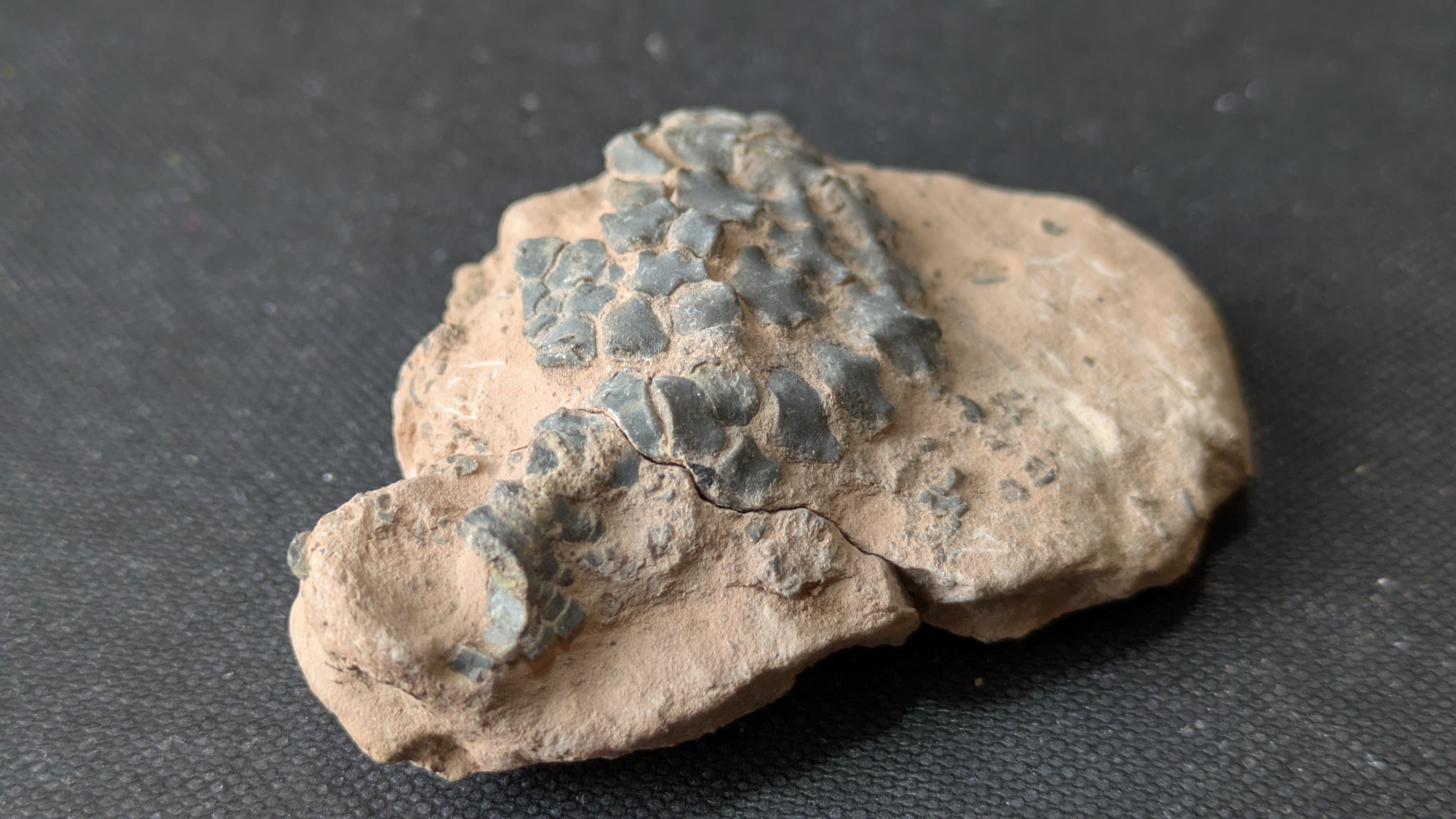
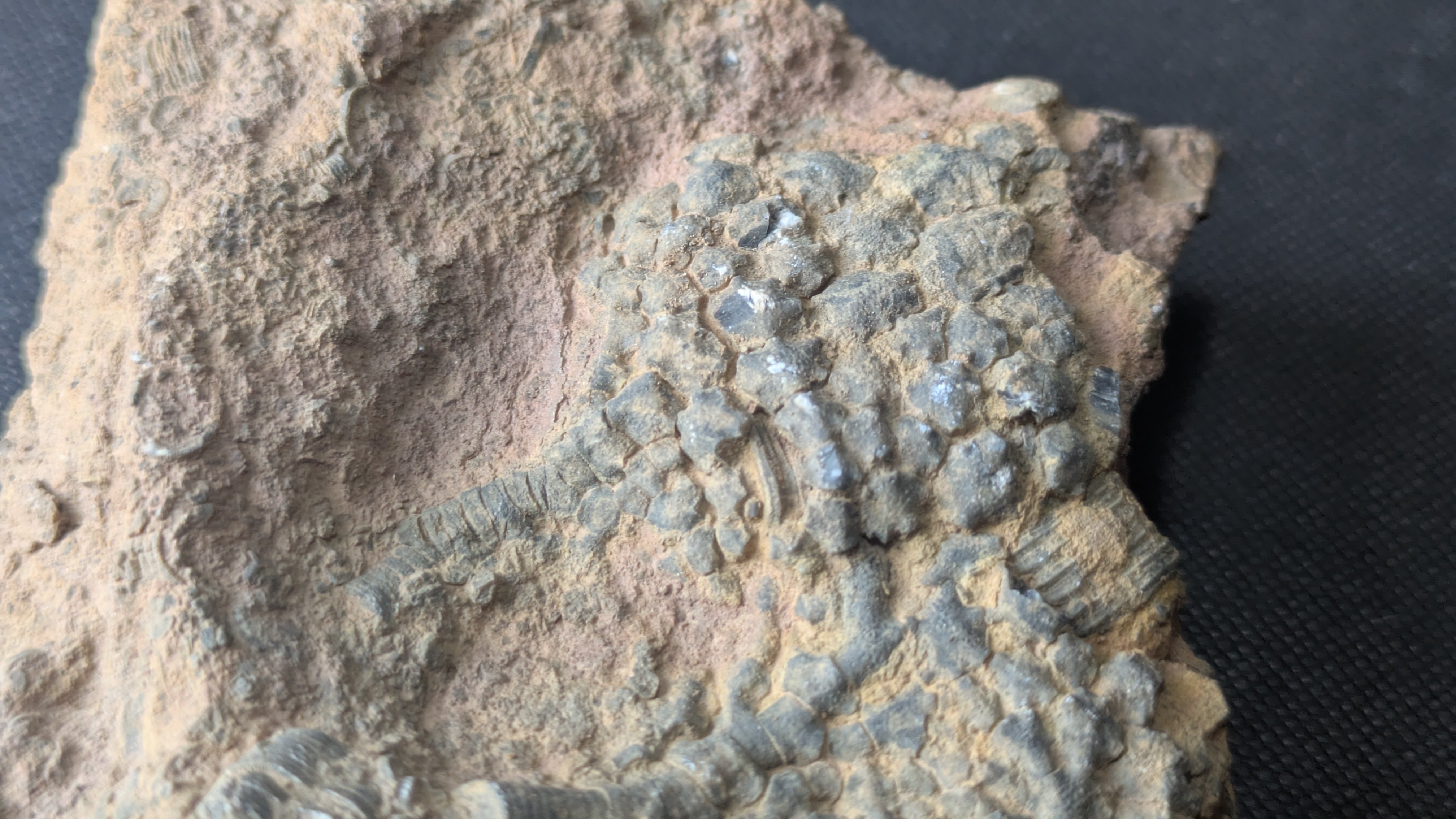
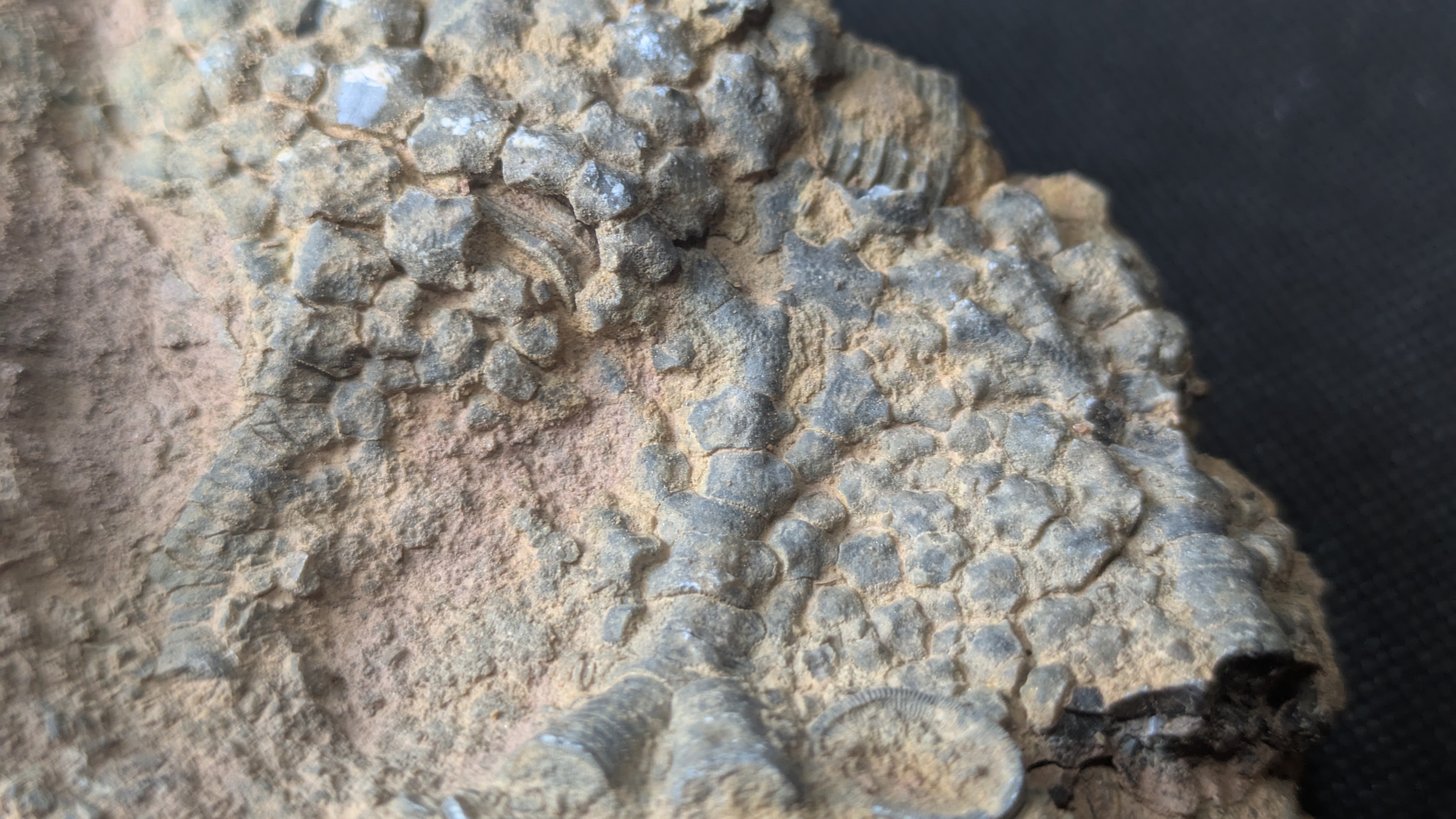
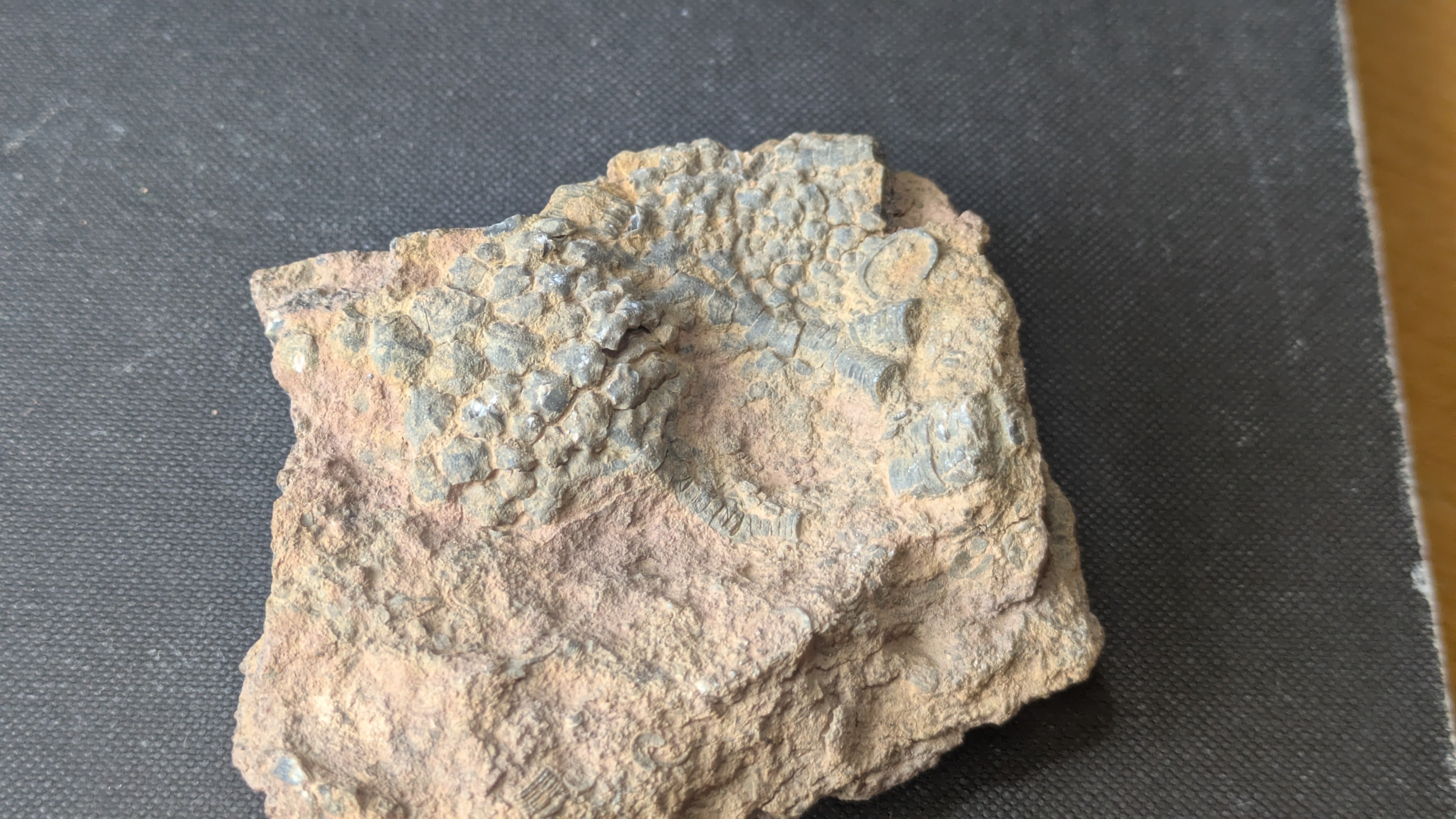
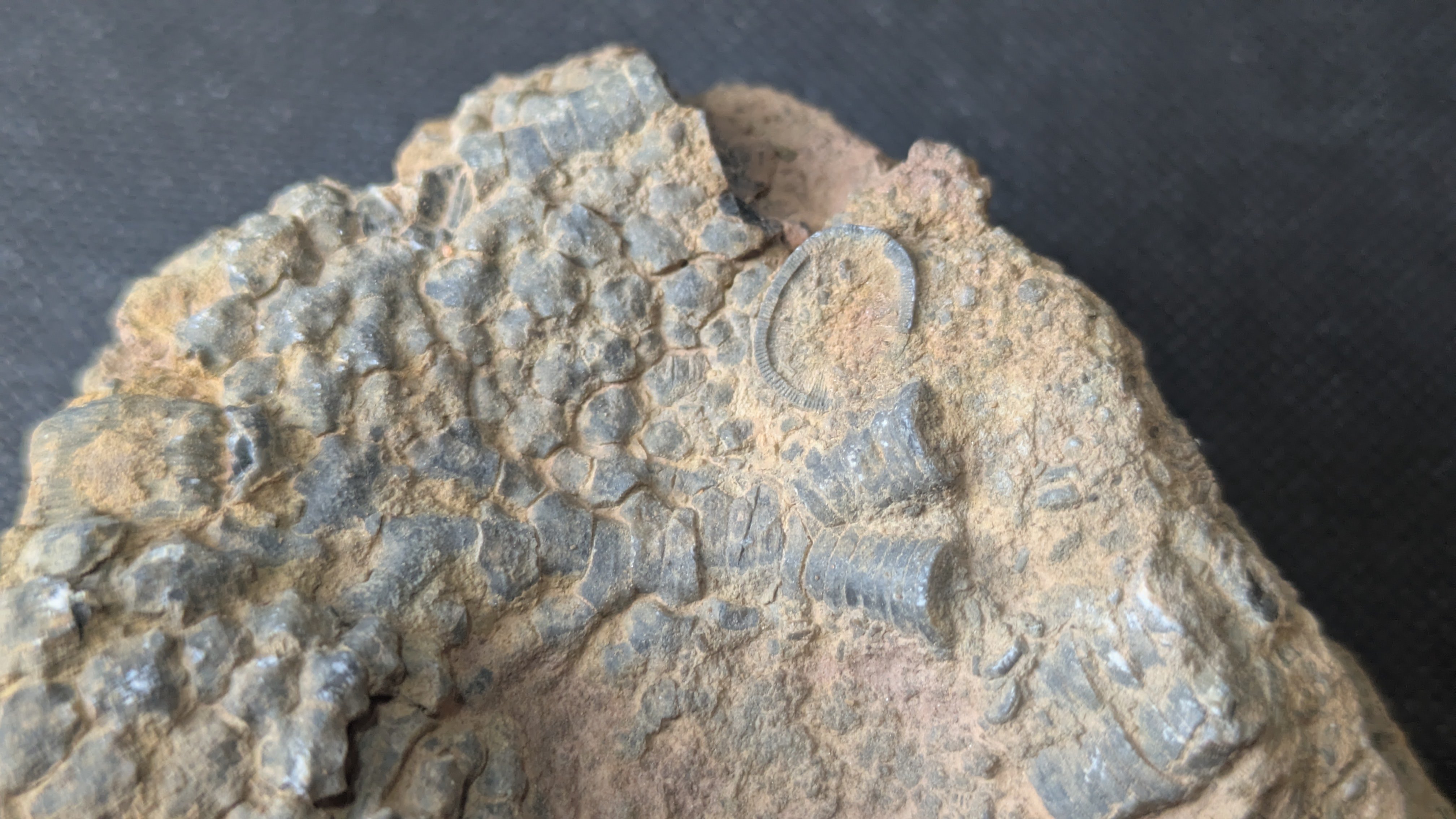
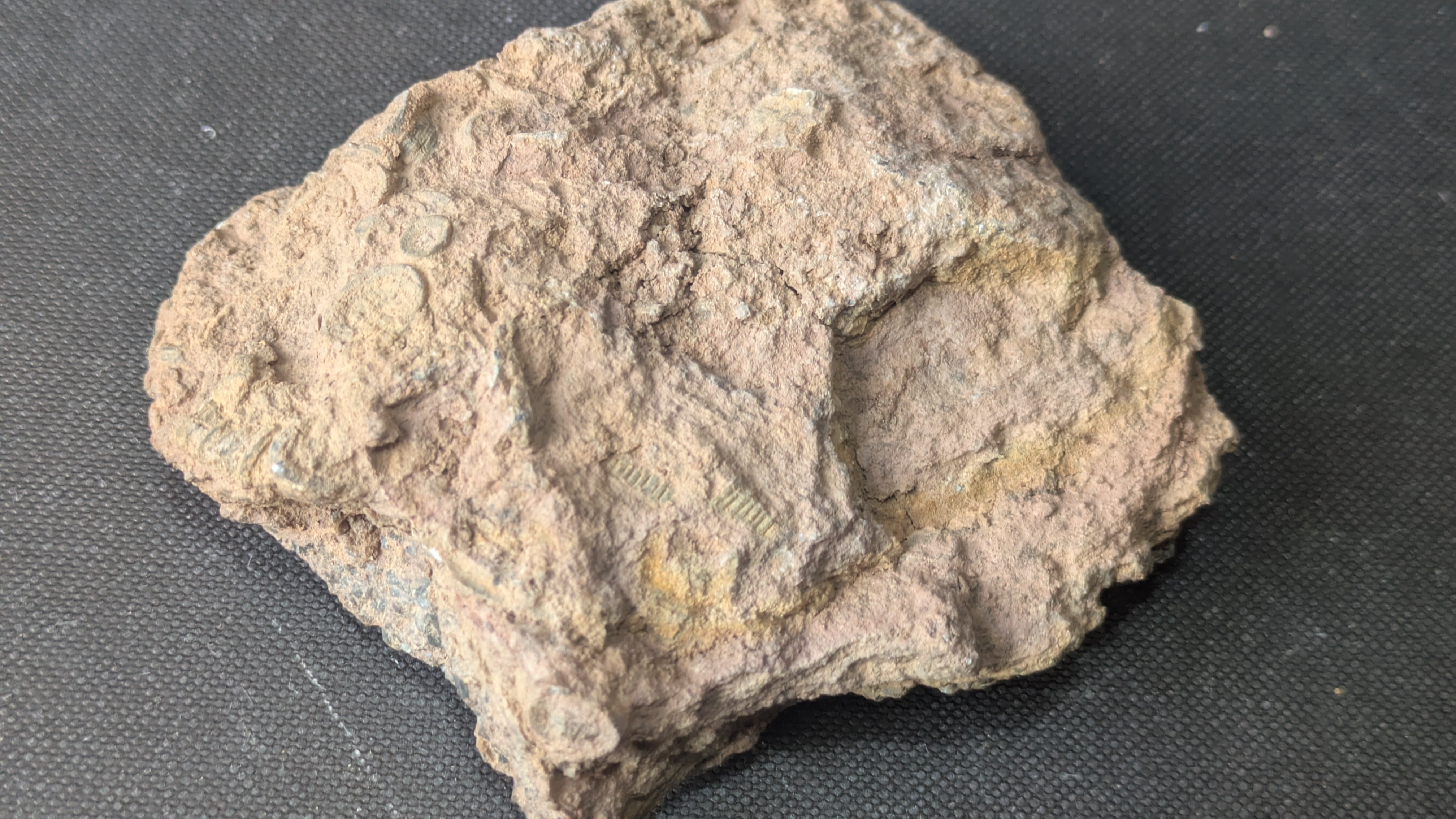
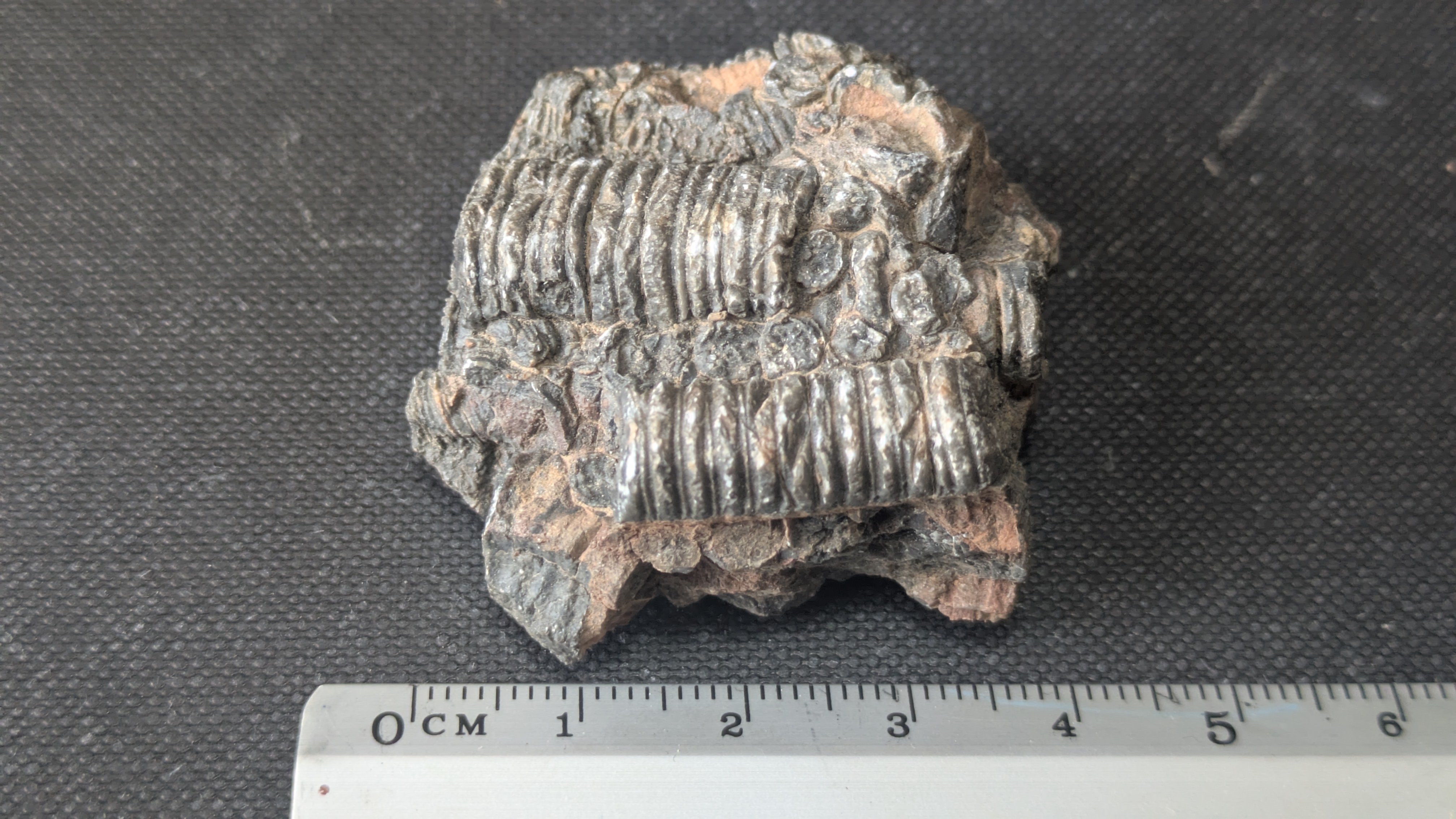
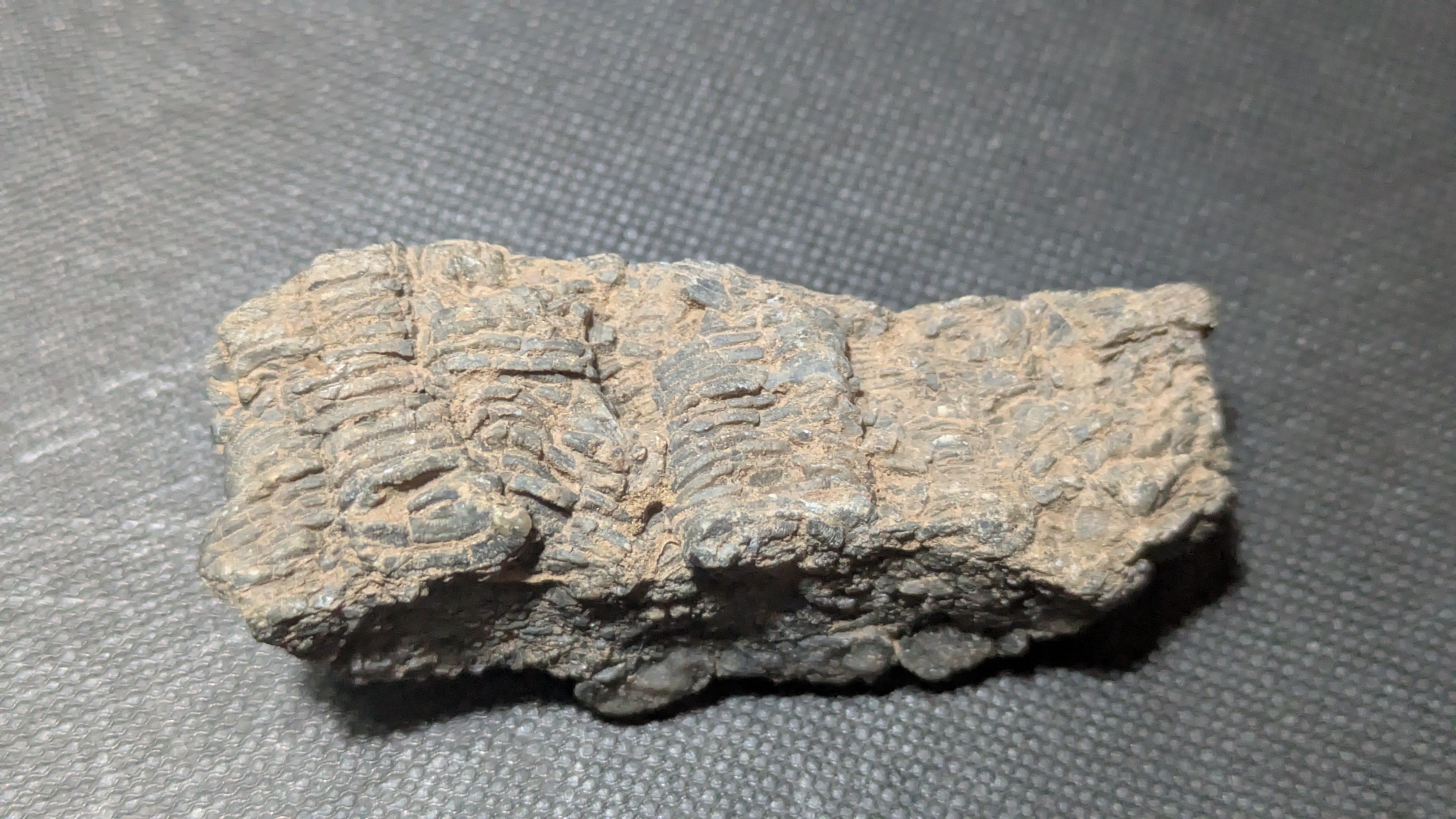
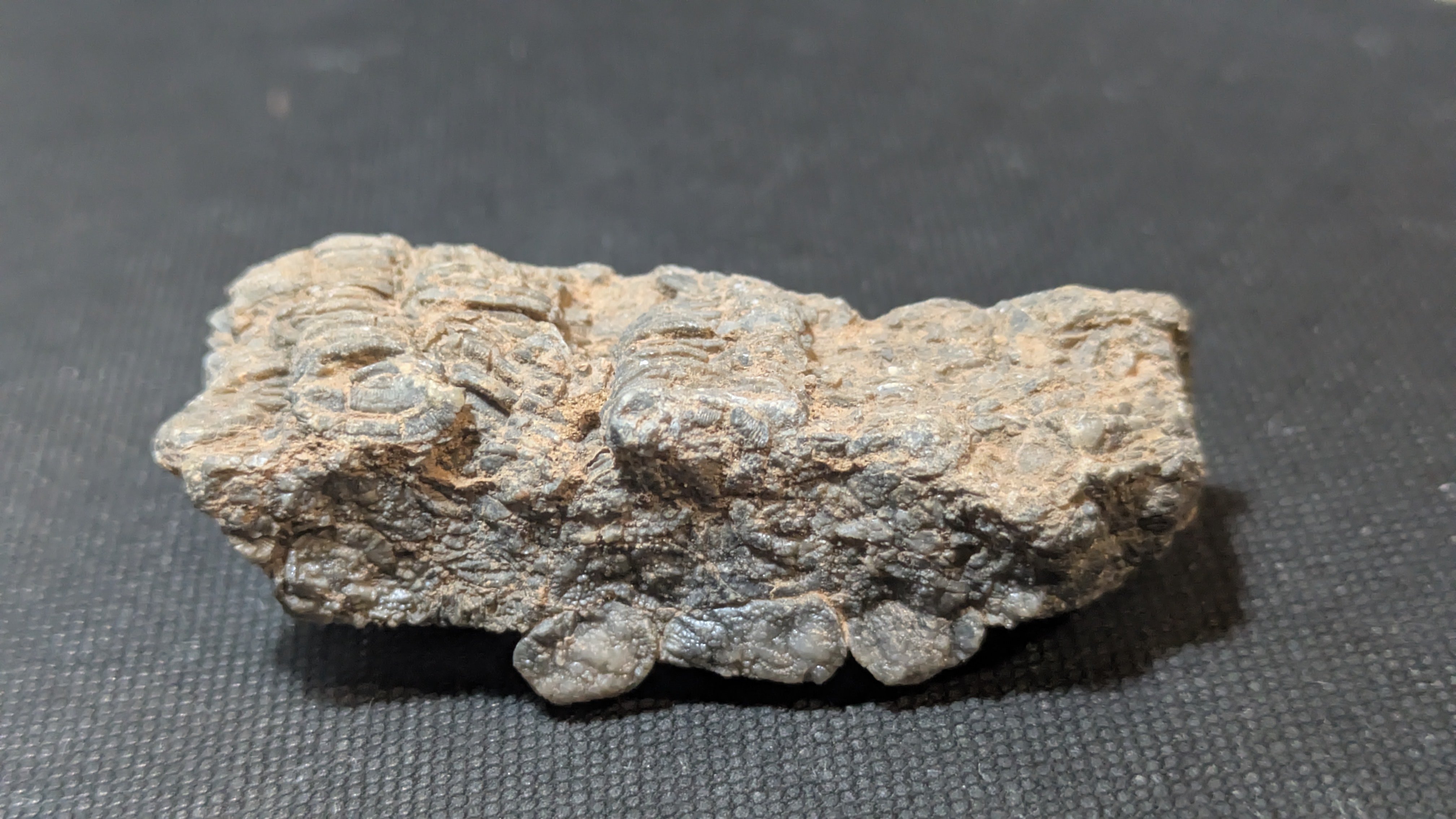
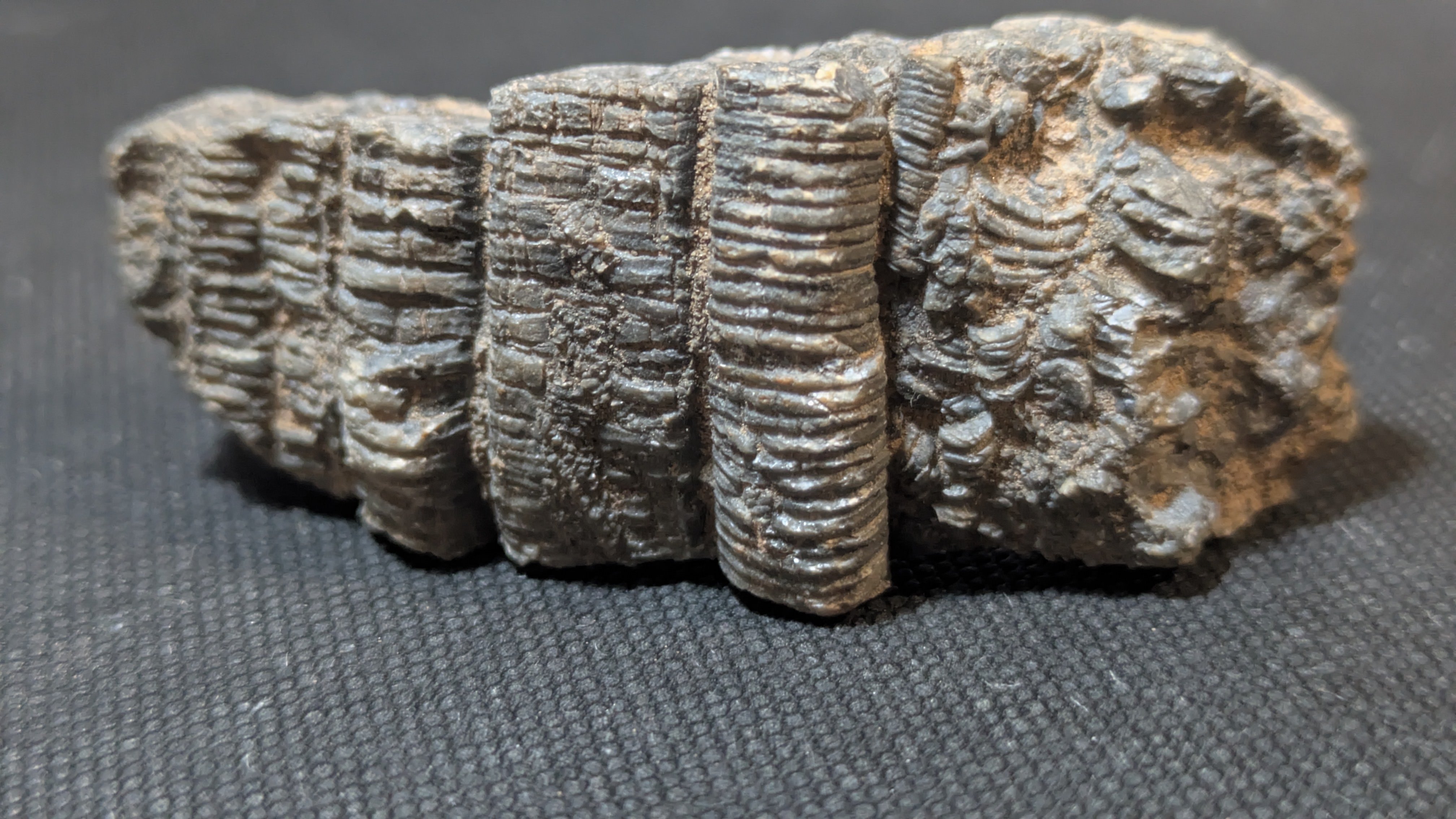
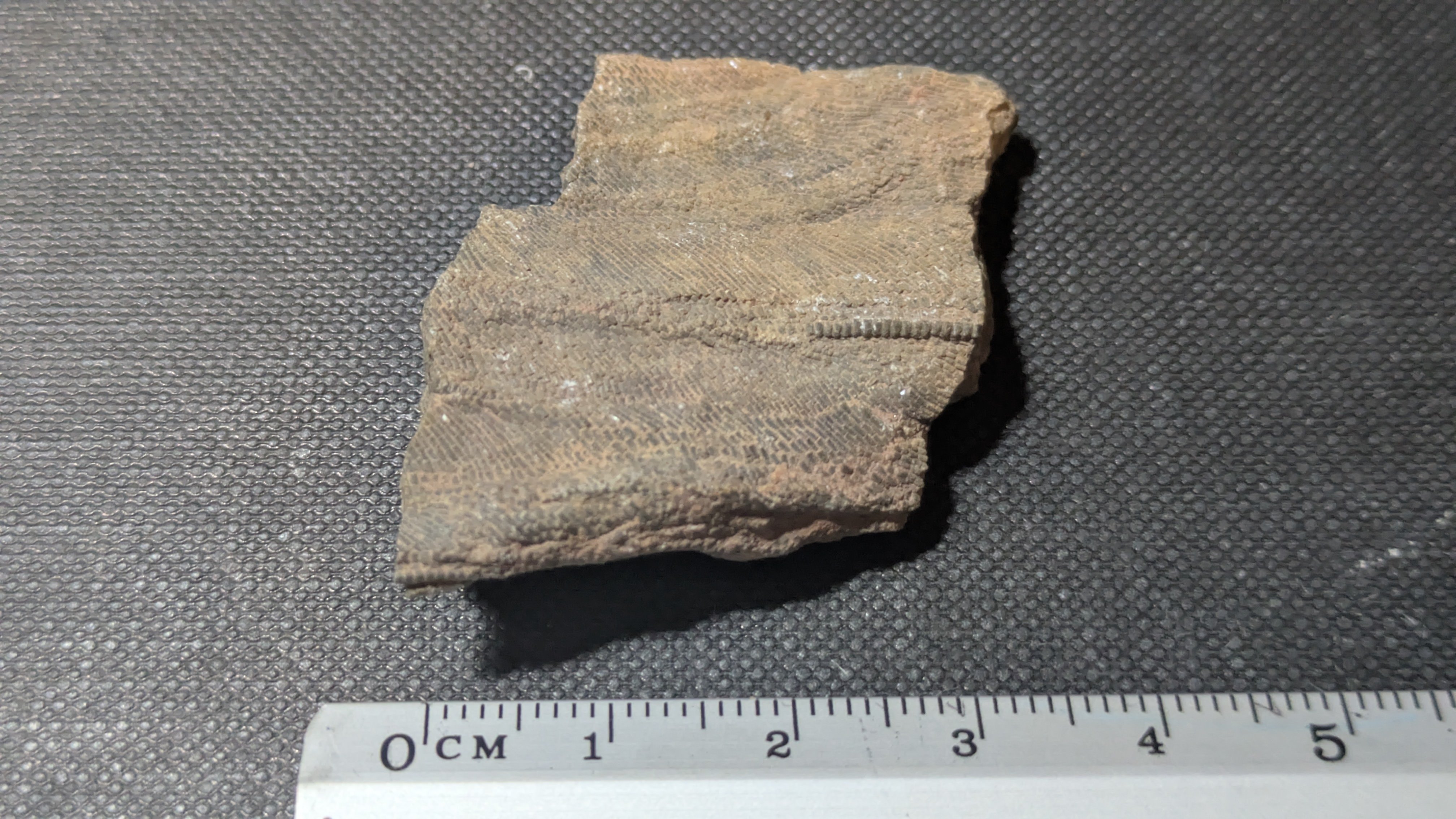
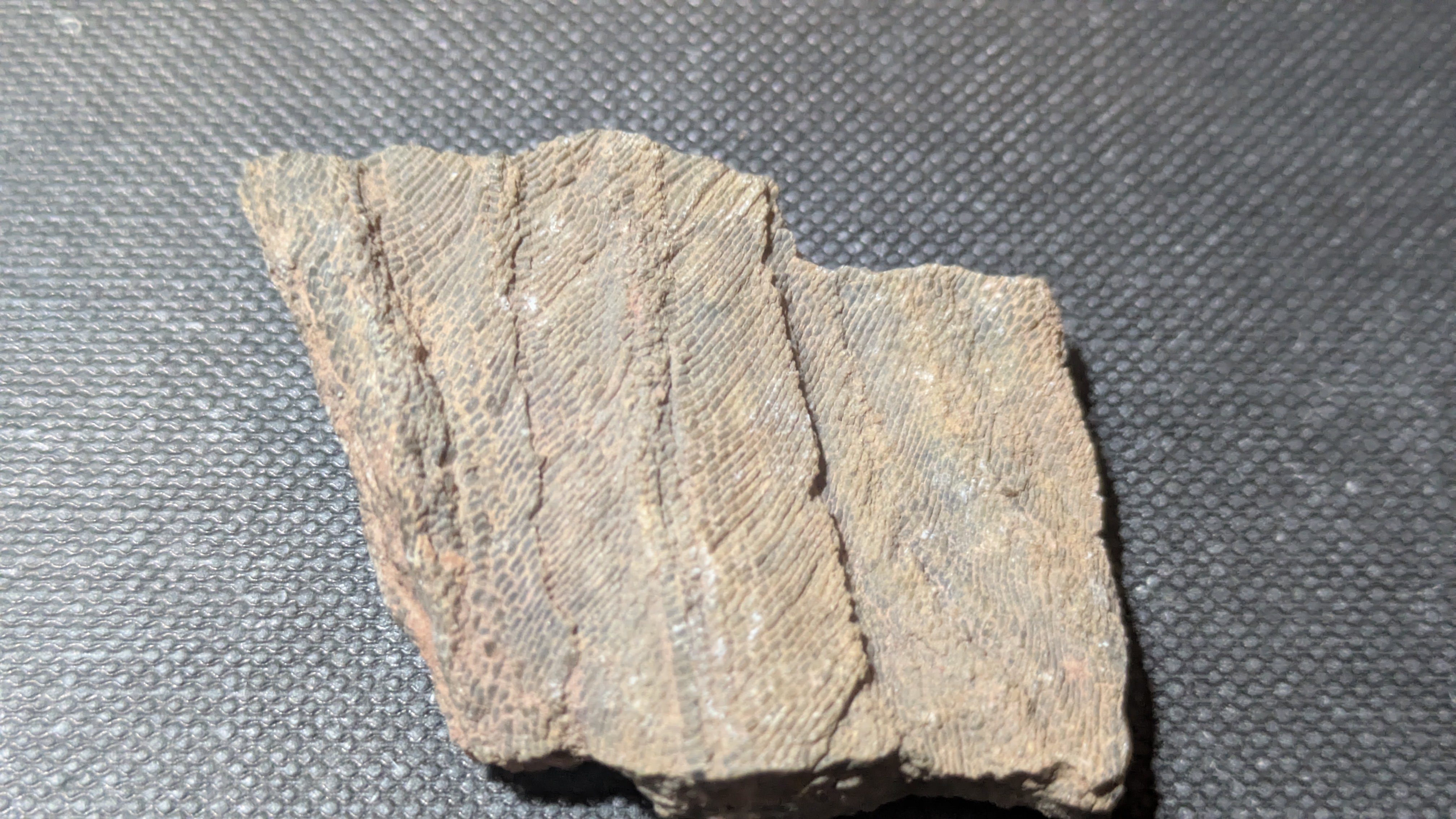
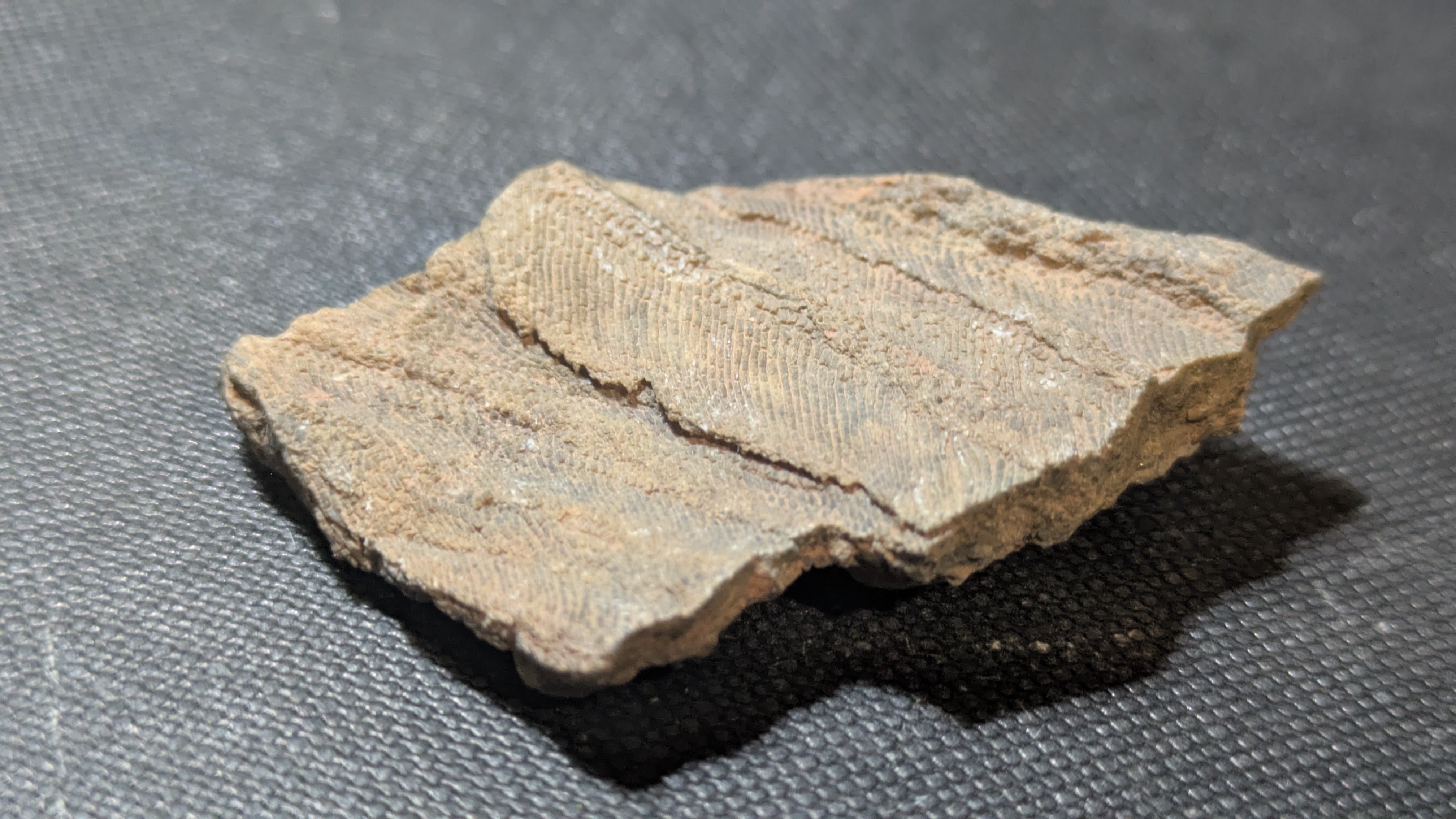
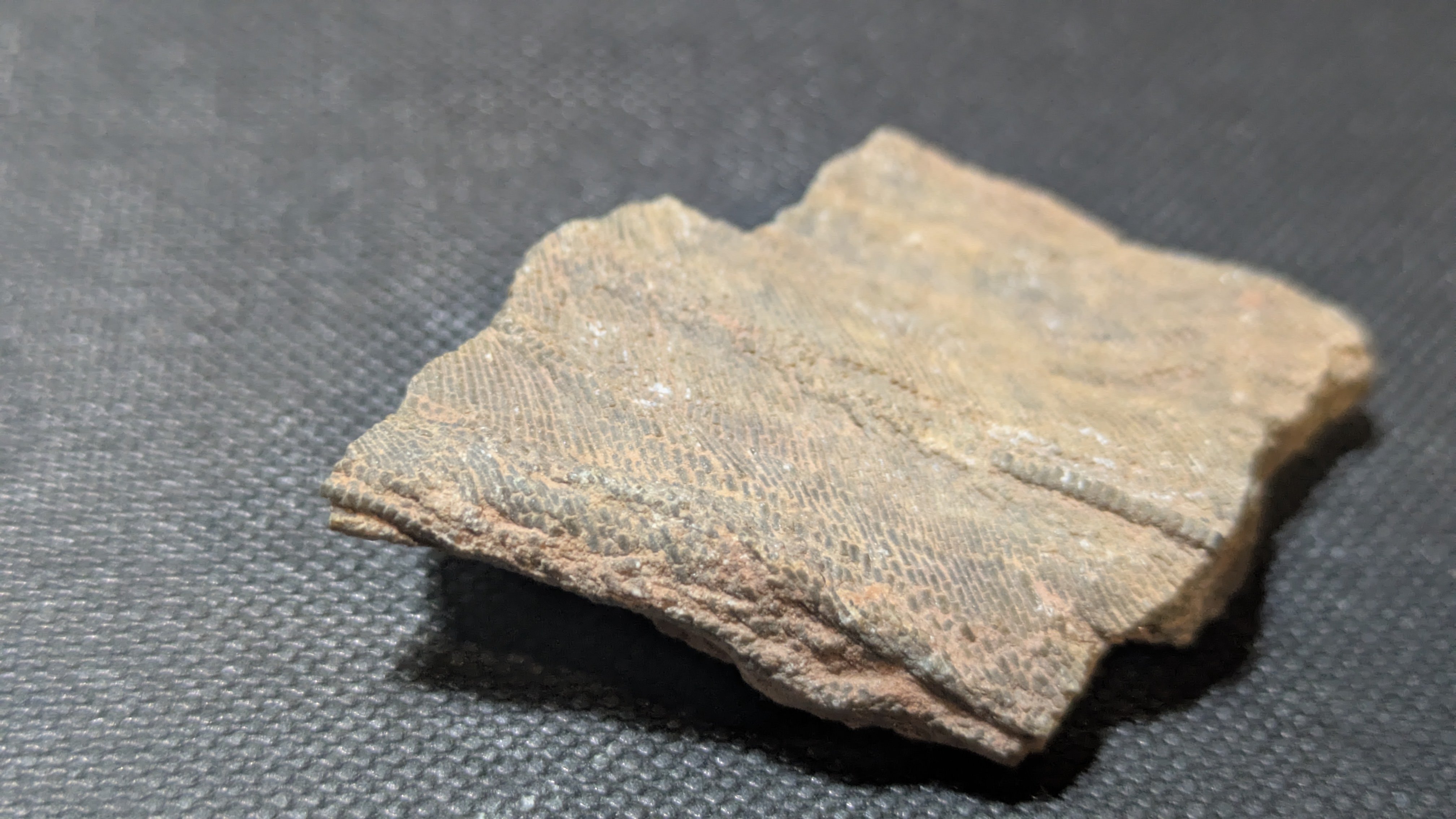
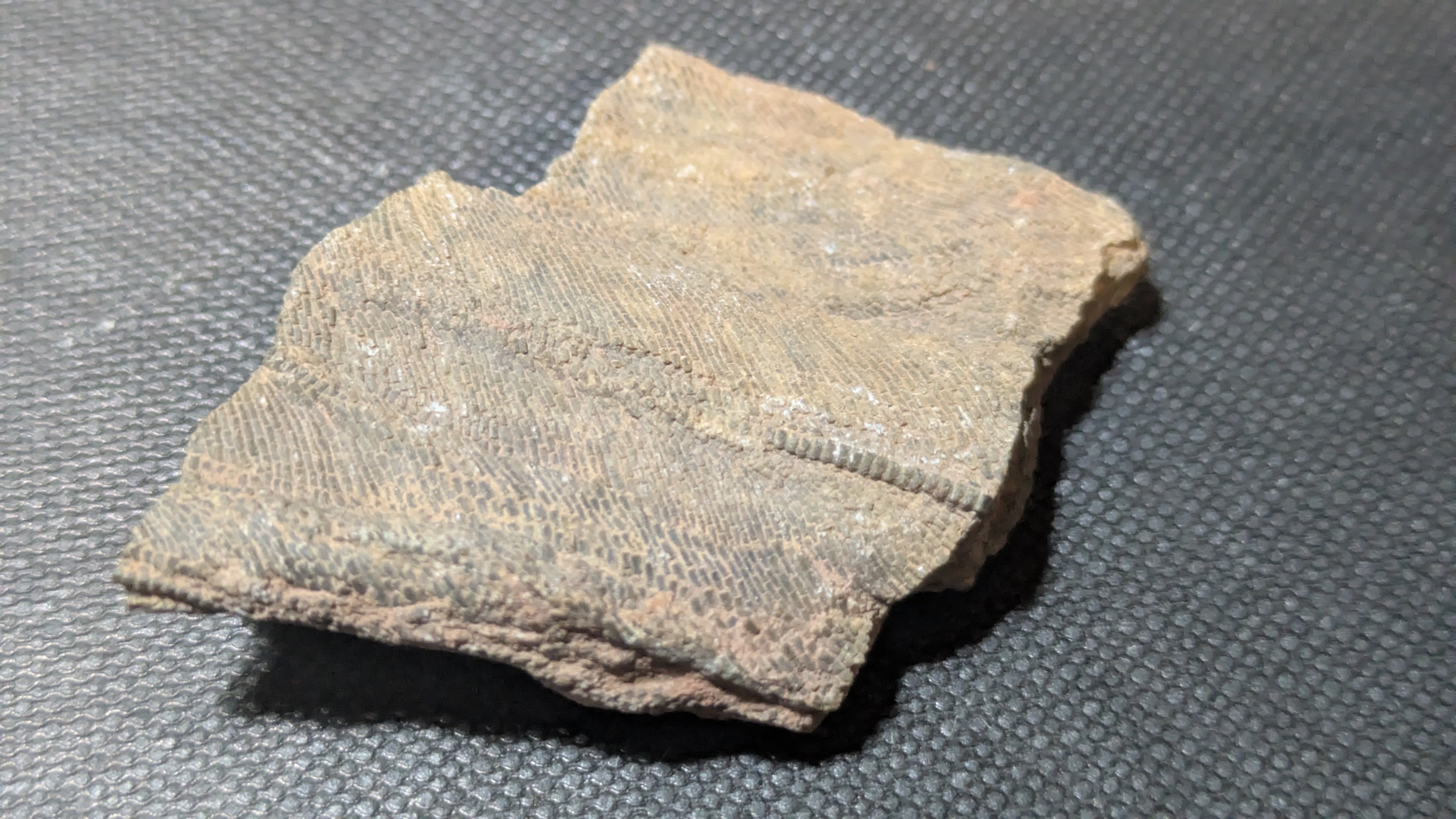
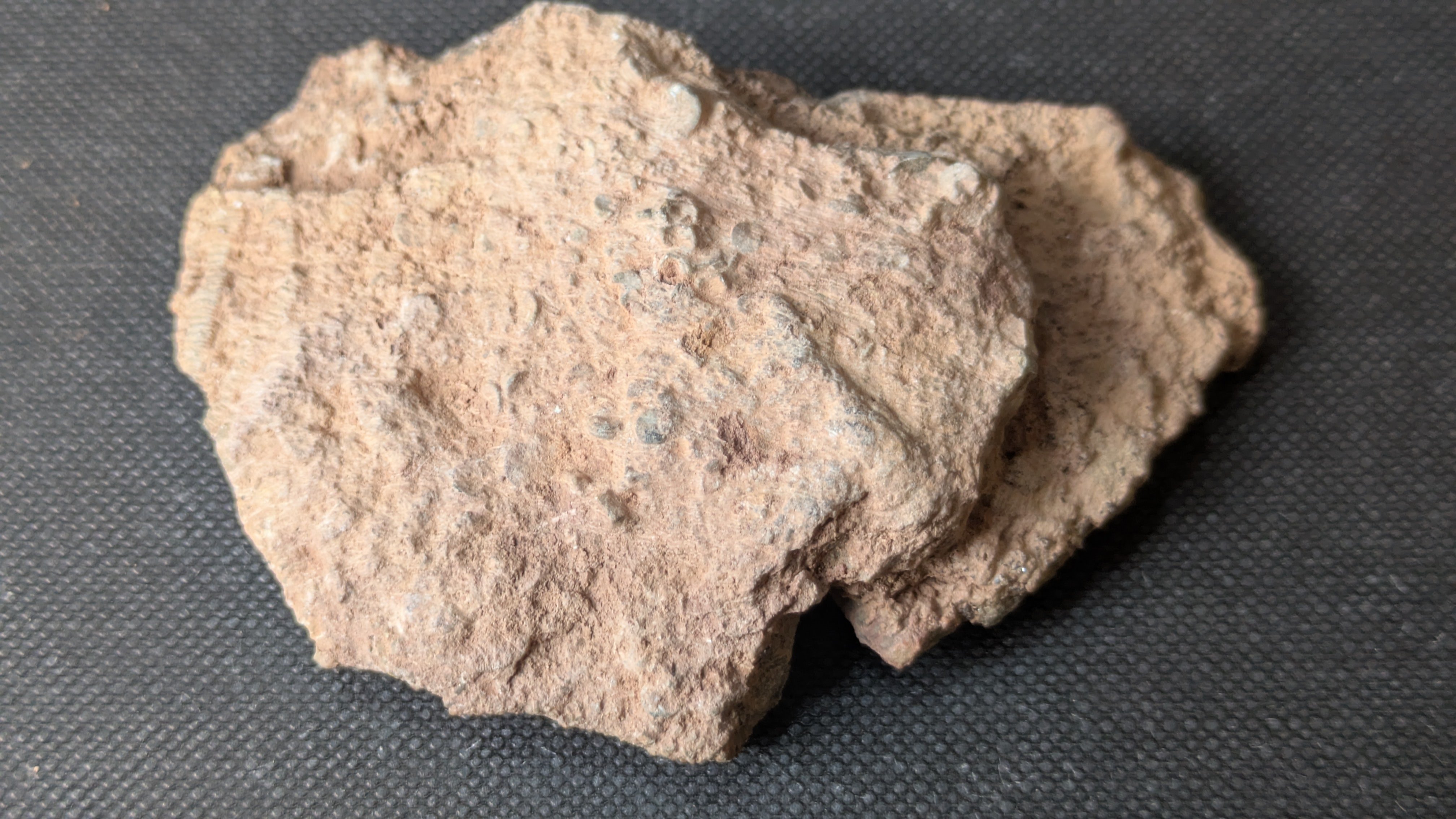
Calyx fragment - ~5cm
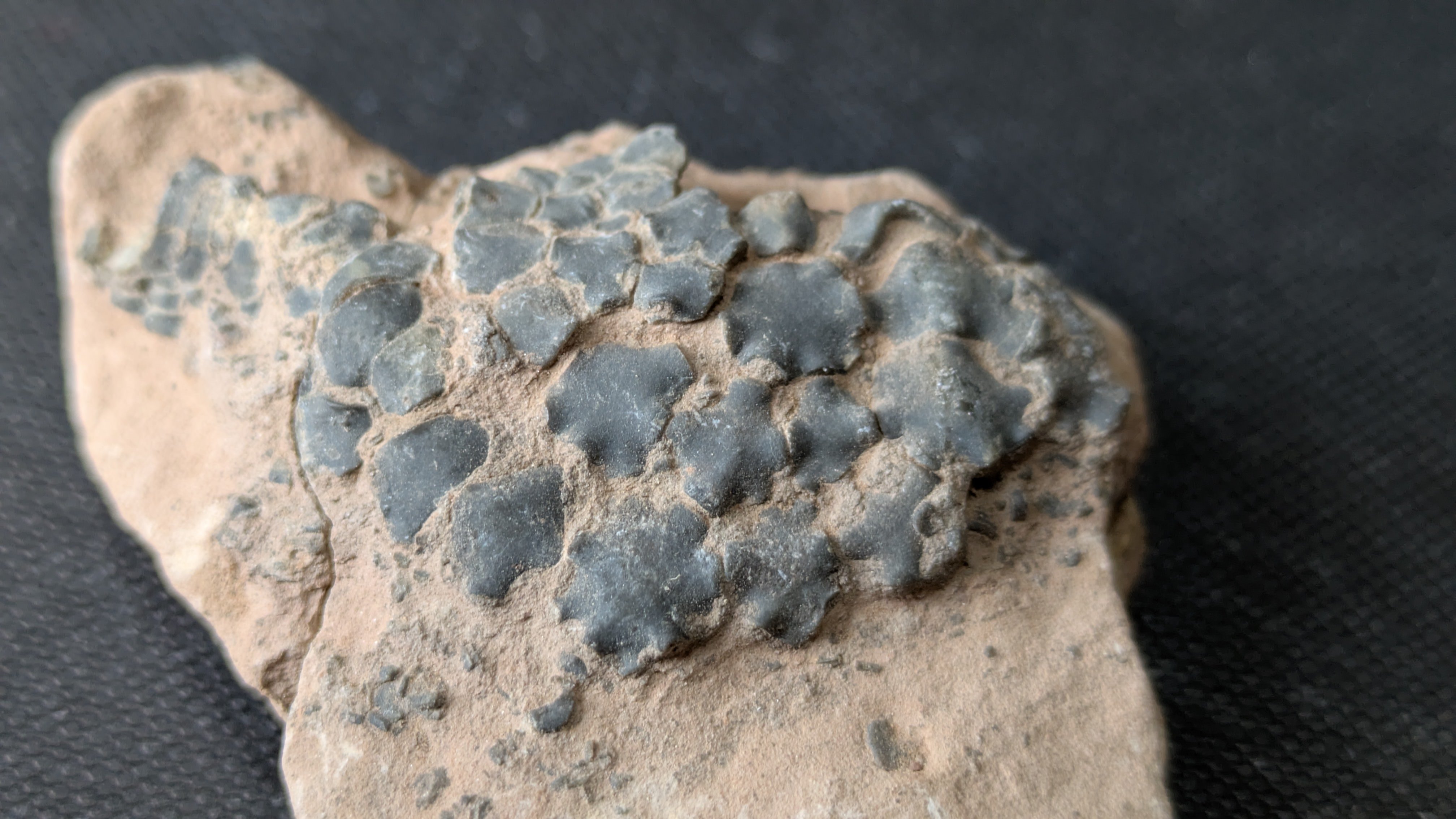
Calyx fragment - tightly fused plates, characteristic of the camerate crinoids
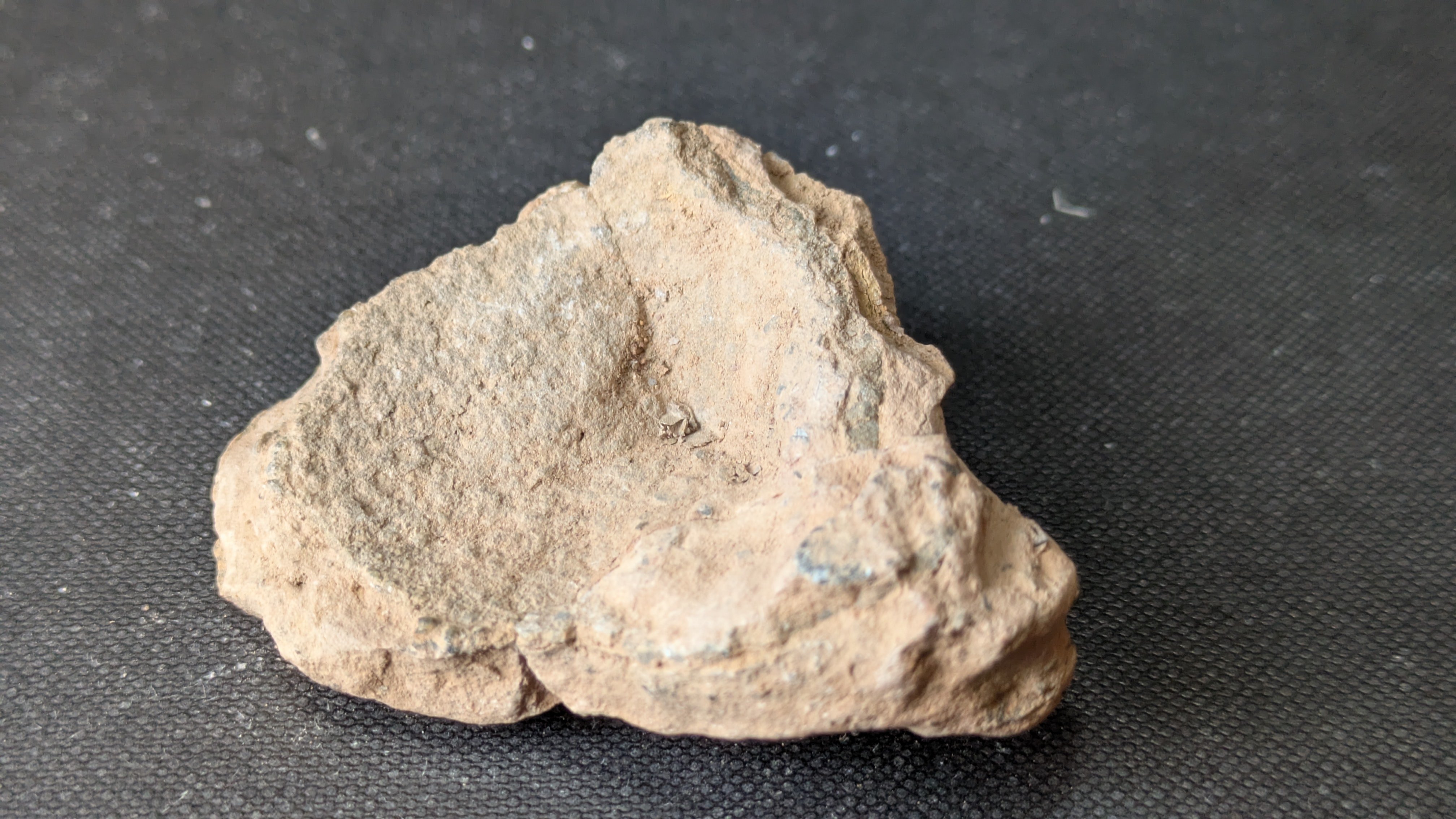
Calyx fragment - back side
+1
Calyx fragment - ~5cm Calyx fragment - tightly fused plates, characteristic of the camerate crinoids Calyx fragment - back side Calyx fragment - tightly fused plates, characteristic of the camerate crinoids
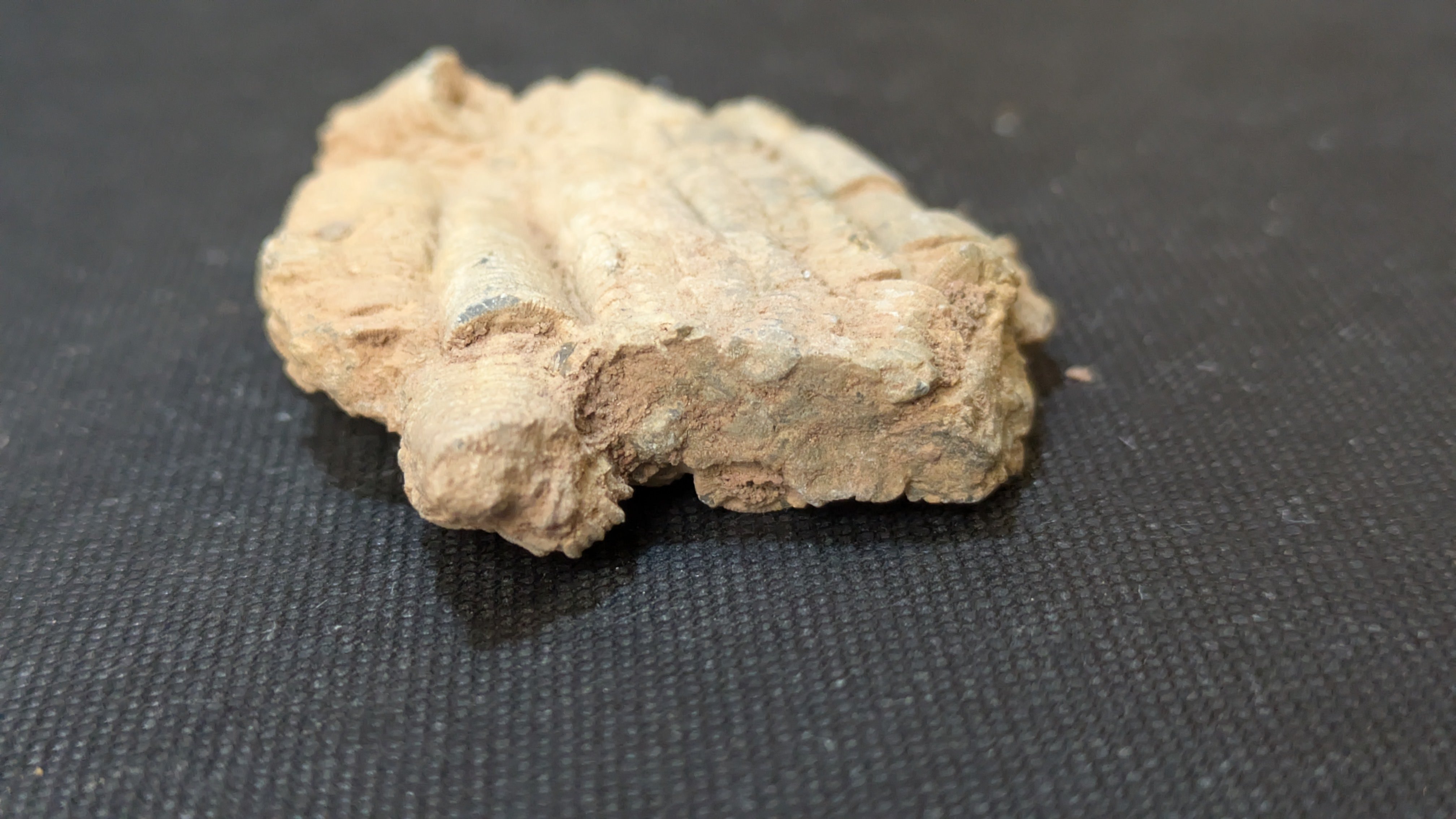
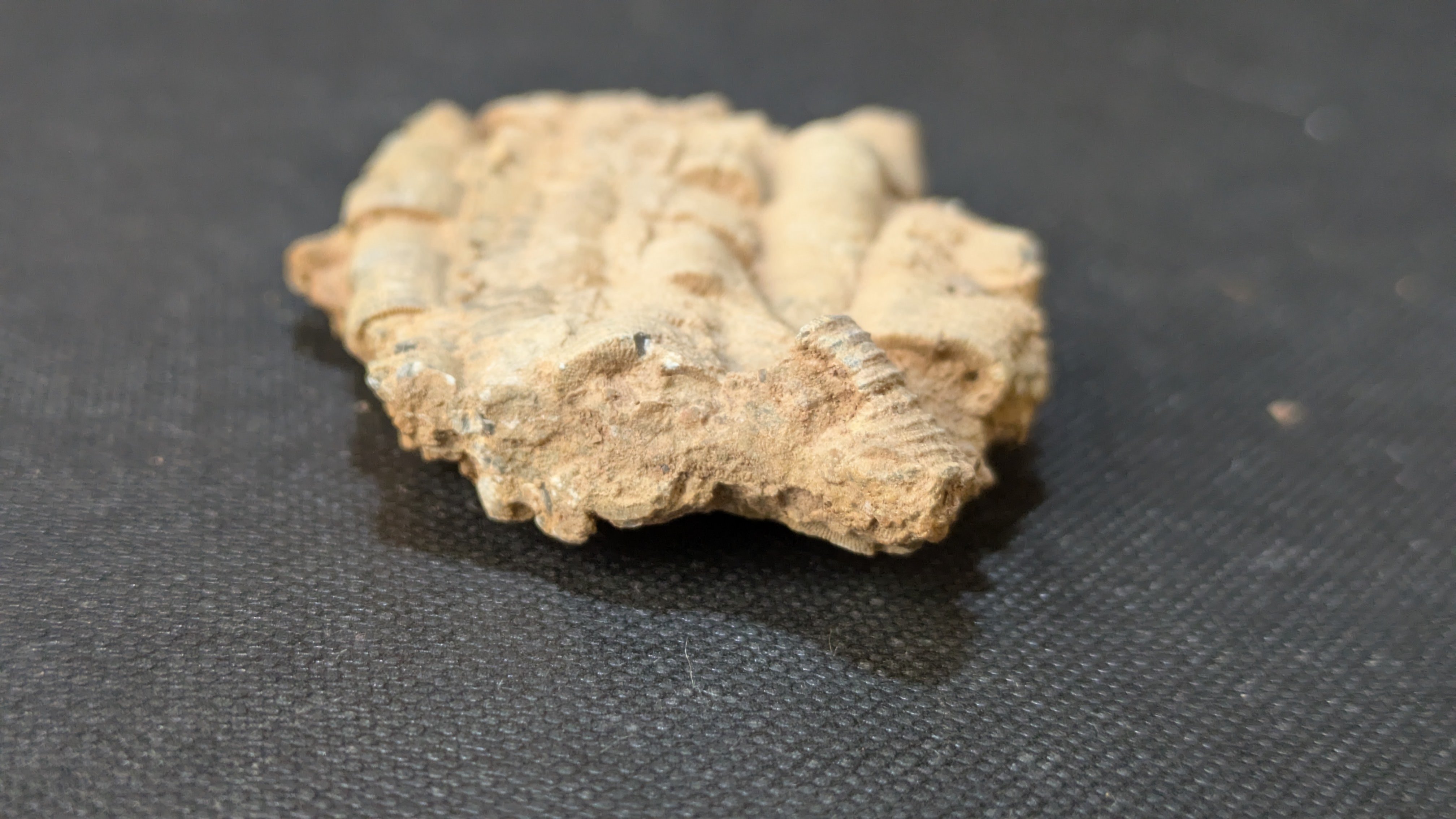
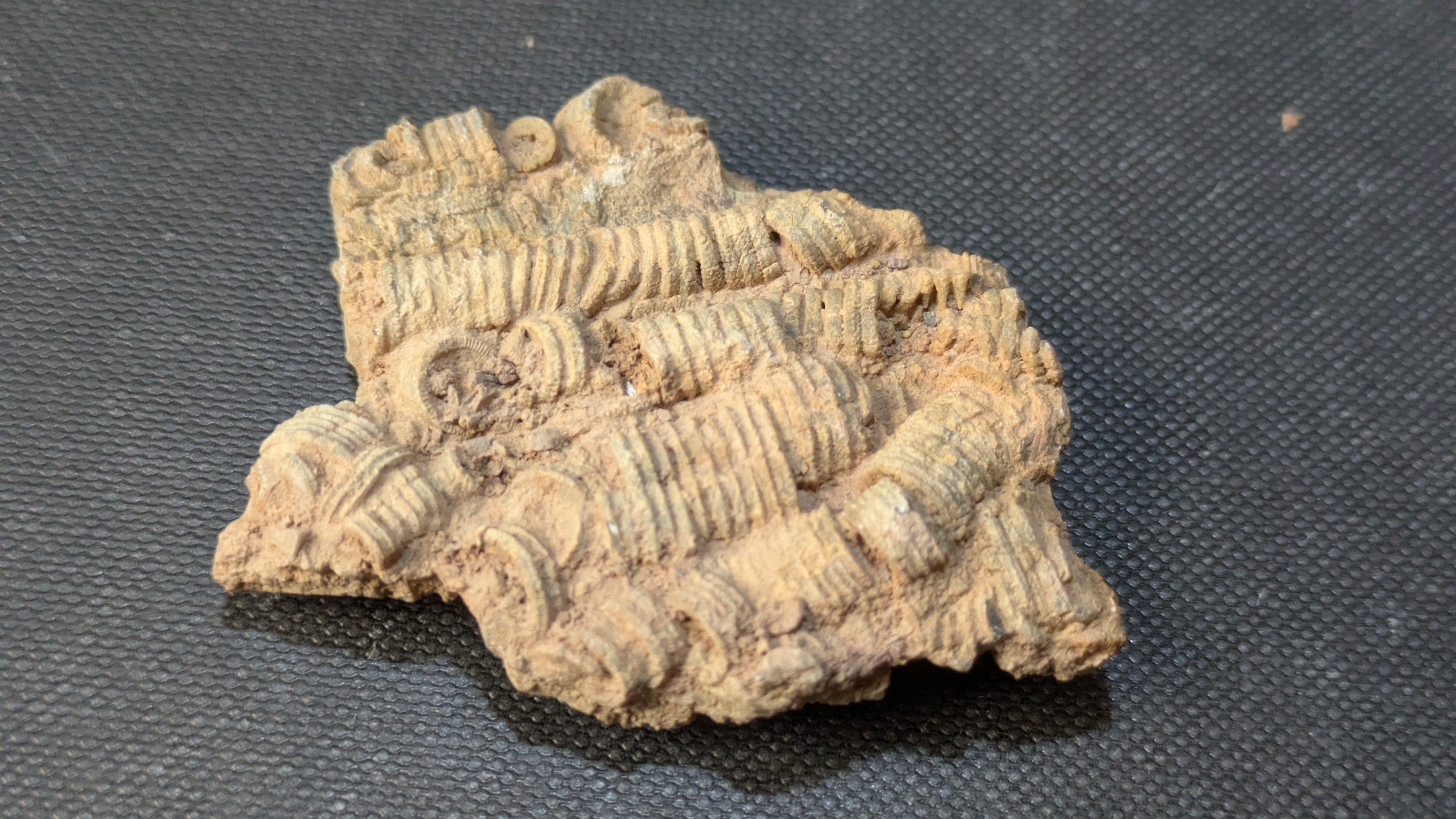
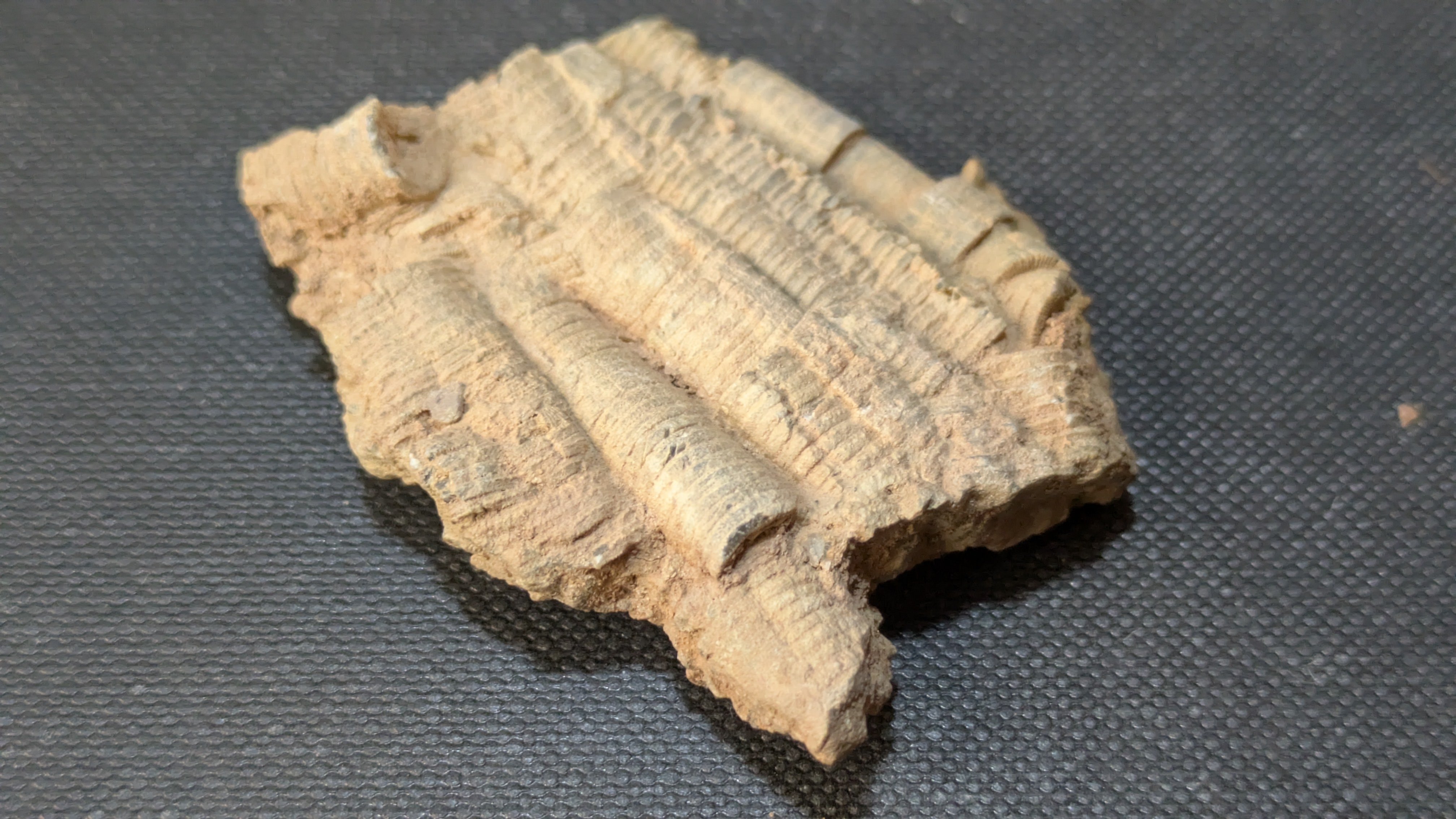
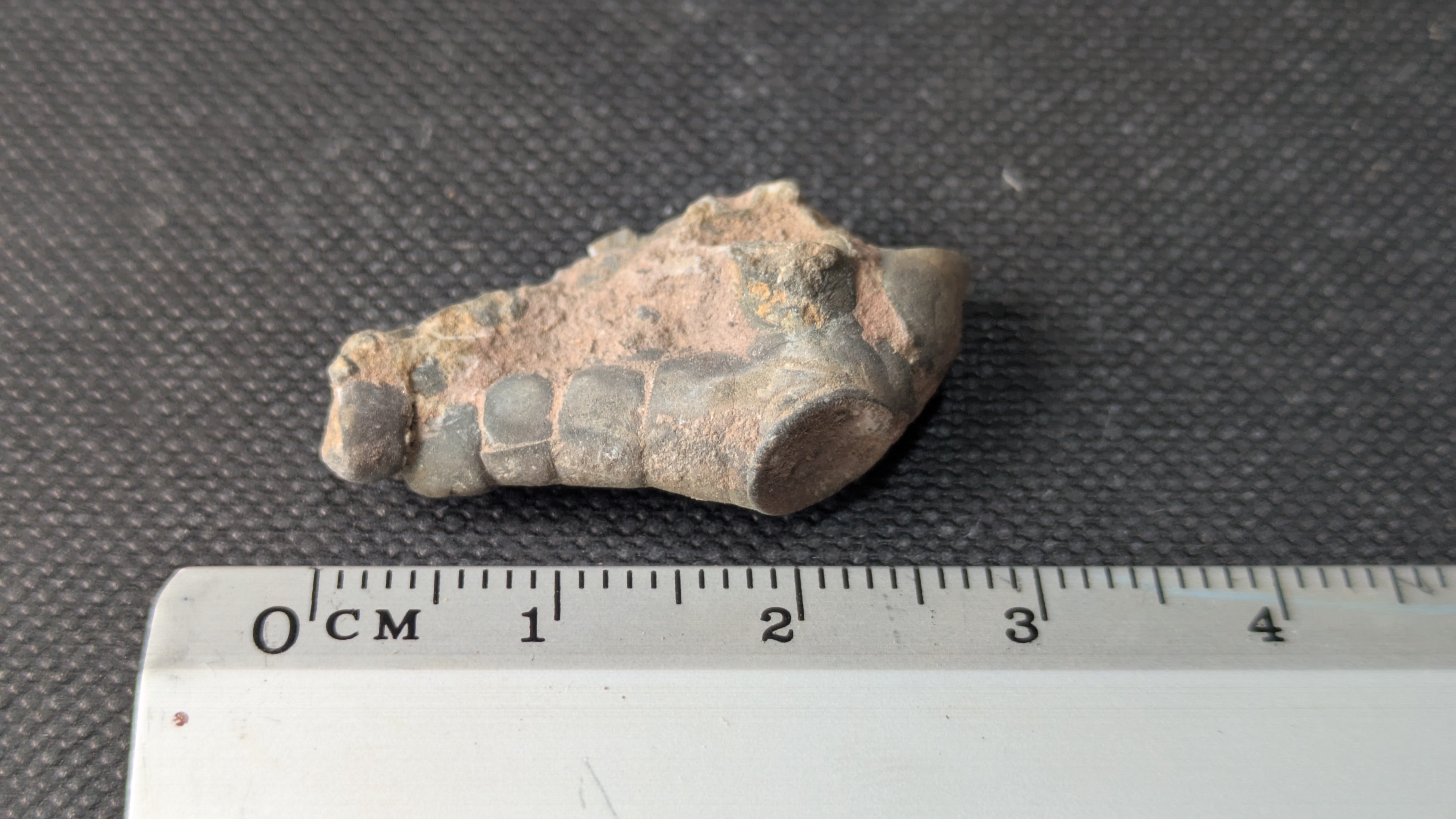
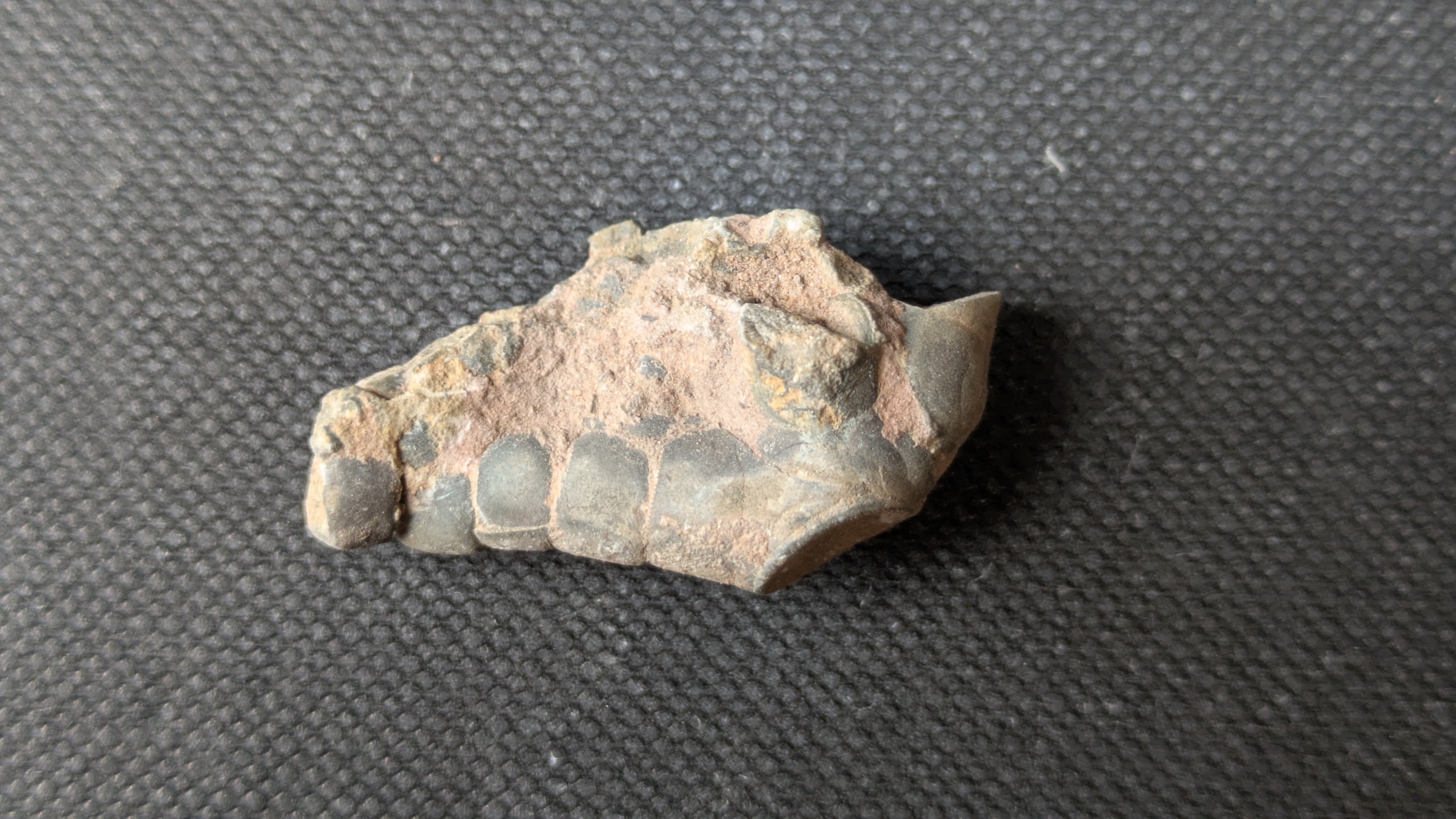
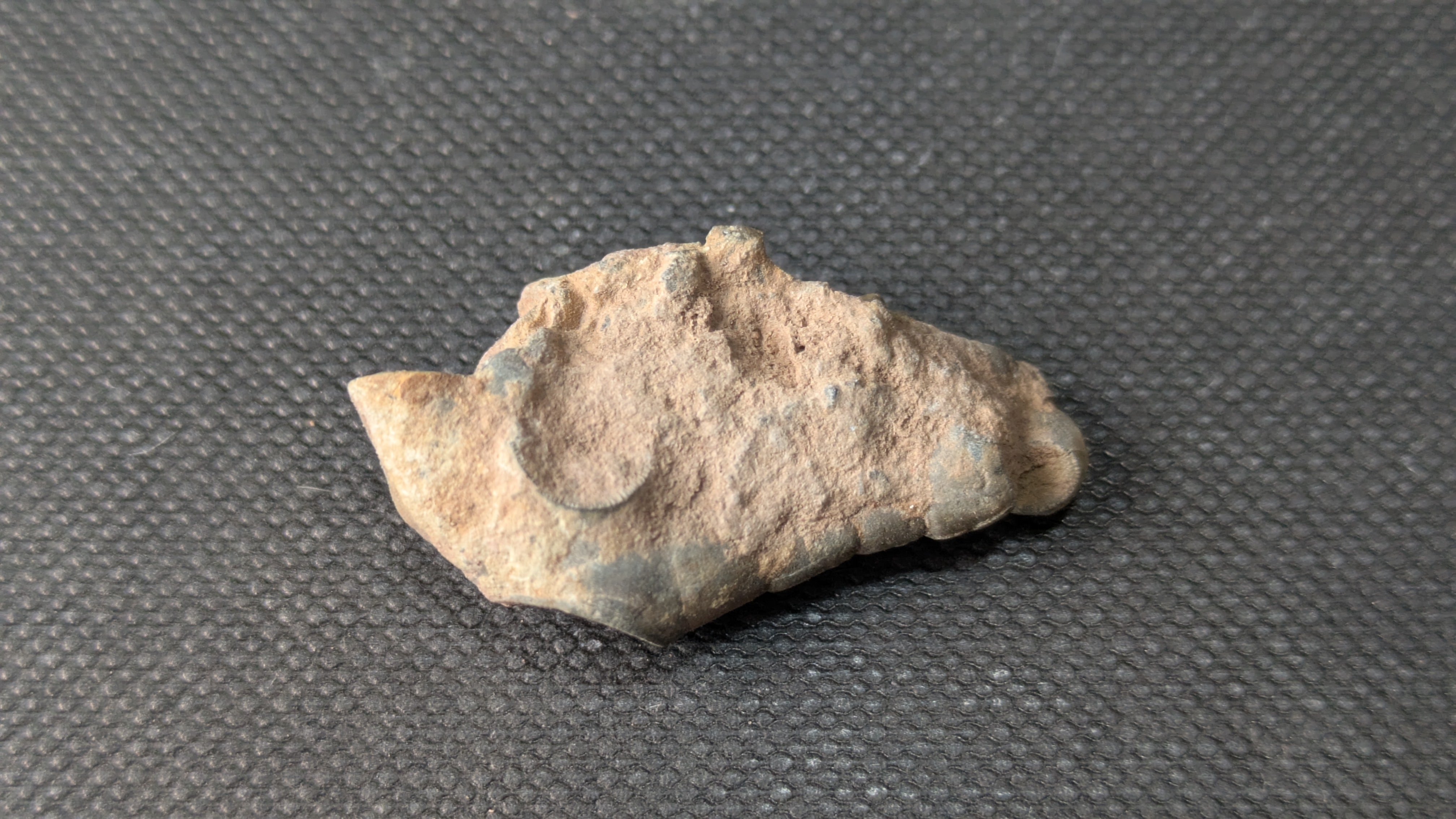
Calyx fragment with stem - 4-5cm
Calyx fragment with stem
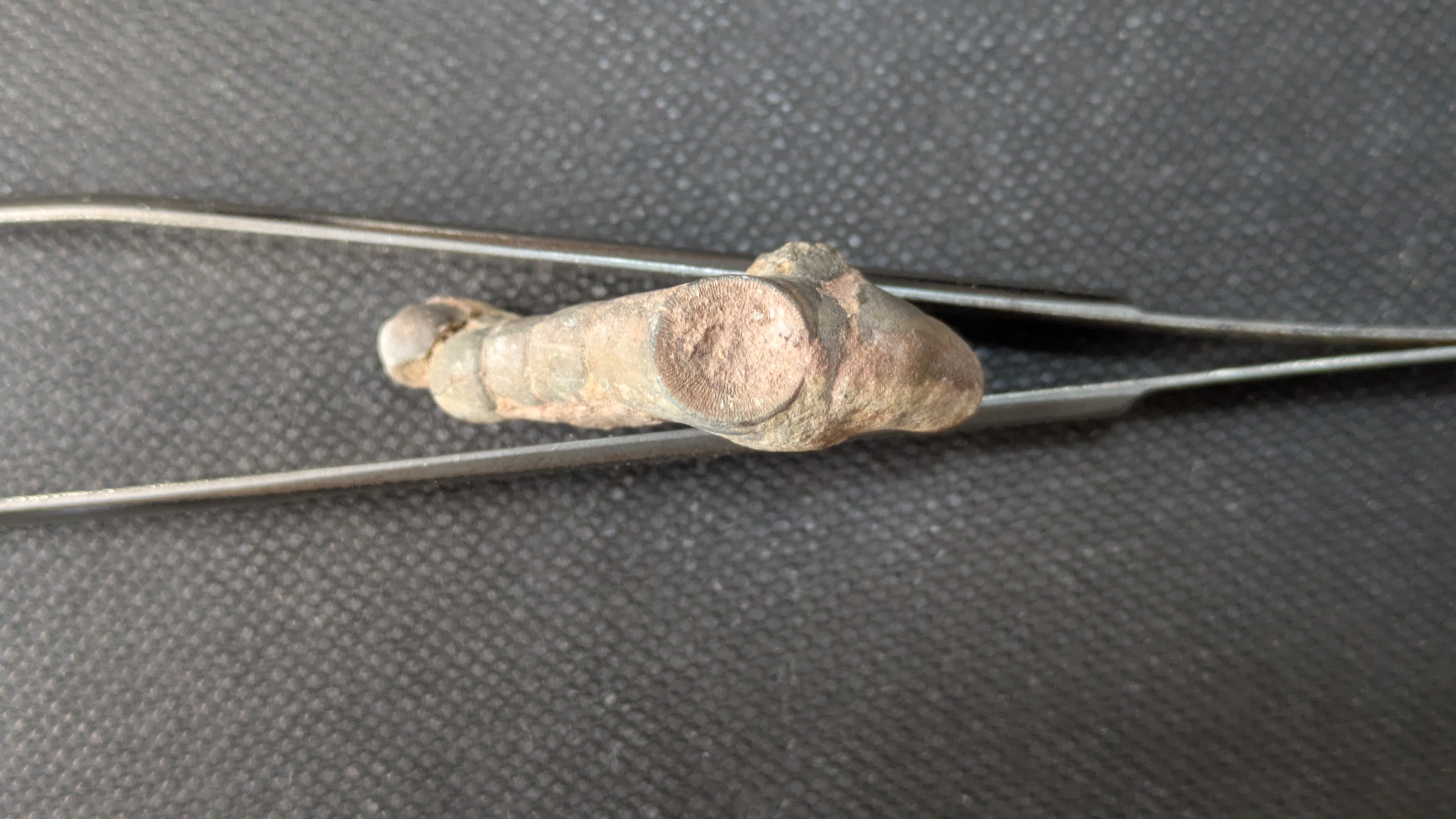
Calyx fragment with stem - Cross-section and branching of the stem can be seen
+4
Calyx fragment with stem - 4-5cm Calyx fragment with stem Calyx fragment with stem - Cross-section and branching of the stem can be seen Calyx fragment with stem - Cross-section and branching of the stem can be seen Calyx fragment with stem Calyx fragment with stem - Cross-section and branching of the stem can be seen Calyx fragment with stem - Back side

Artistic depiction of Crinoidea
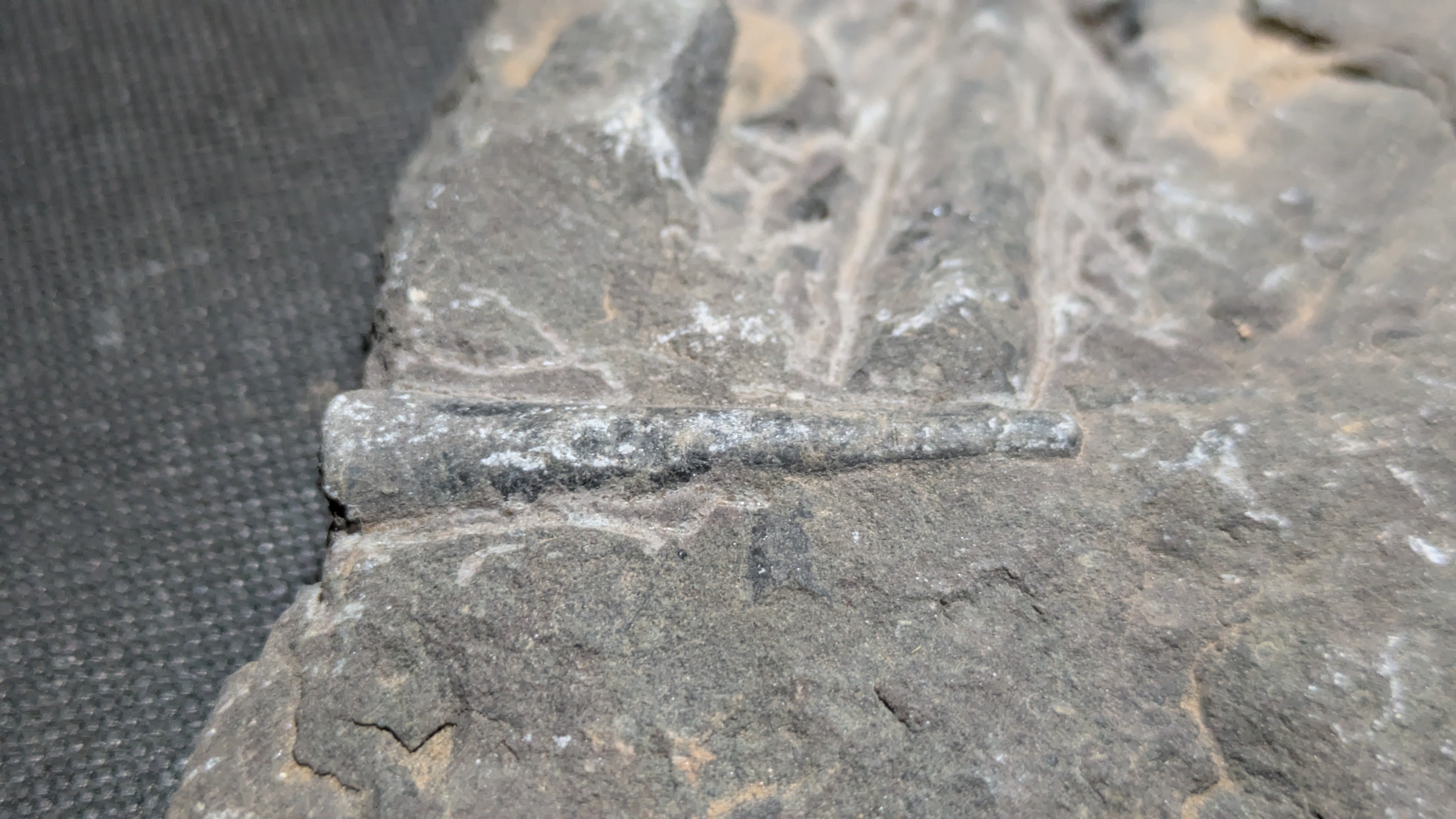
Stem fragments - ~2cm
Stem fragments
Stem fragments
+2
Stem fragments - ~2cm Stem fragments Stem fragments Stem fragments - Other side Stem fragments - Cross-section
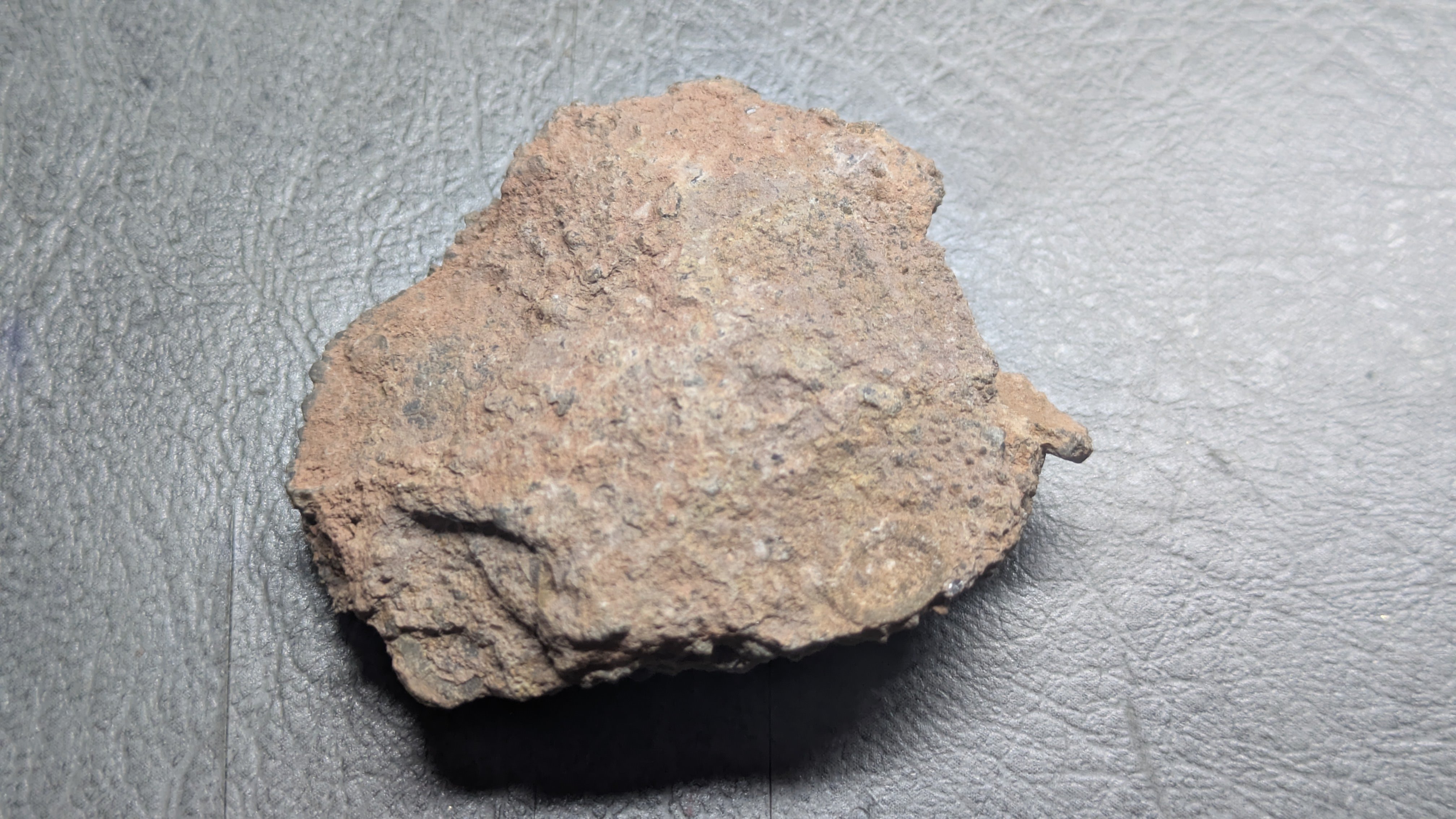
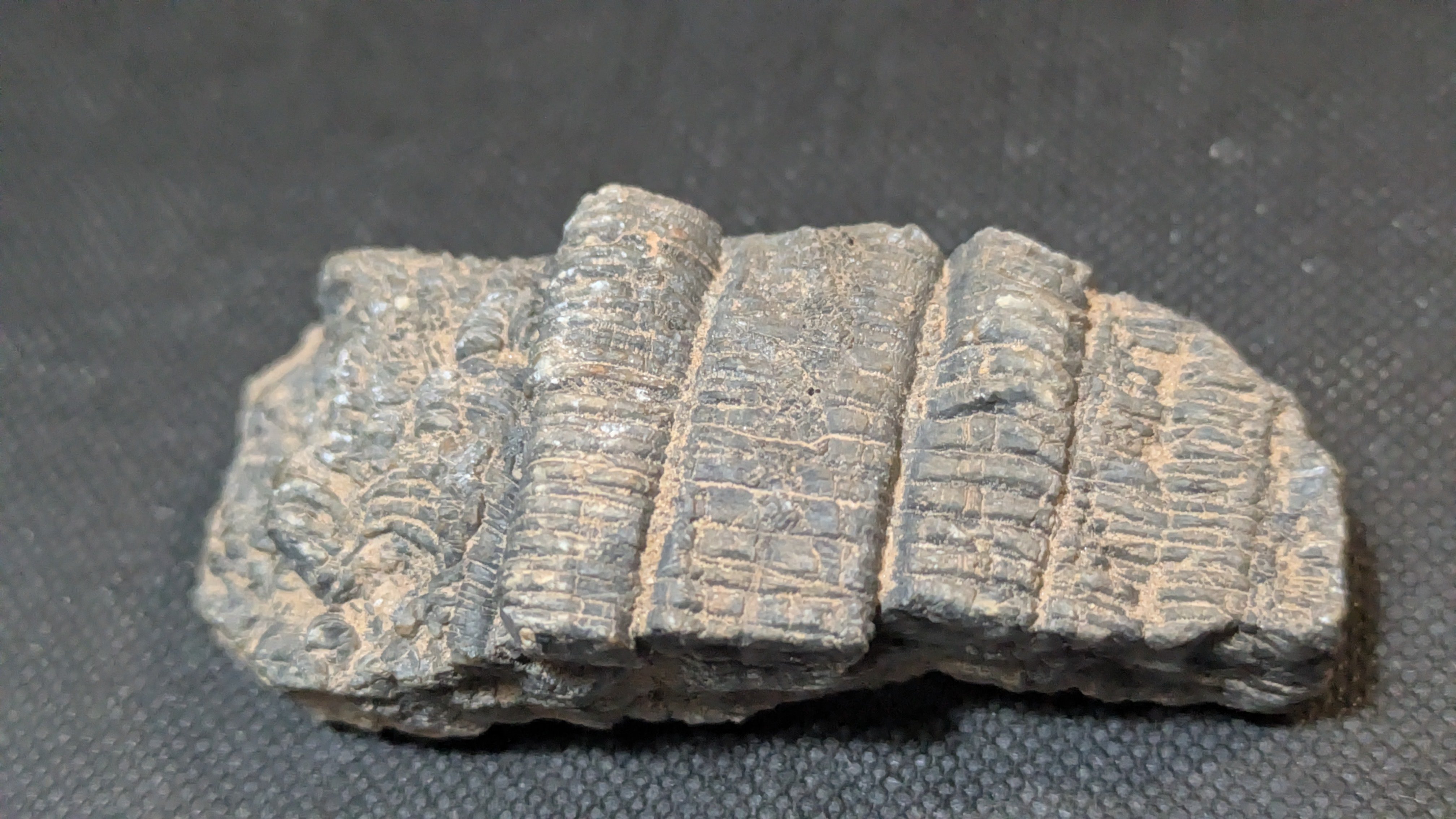
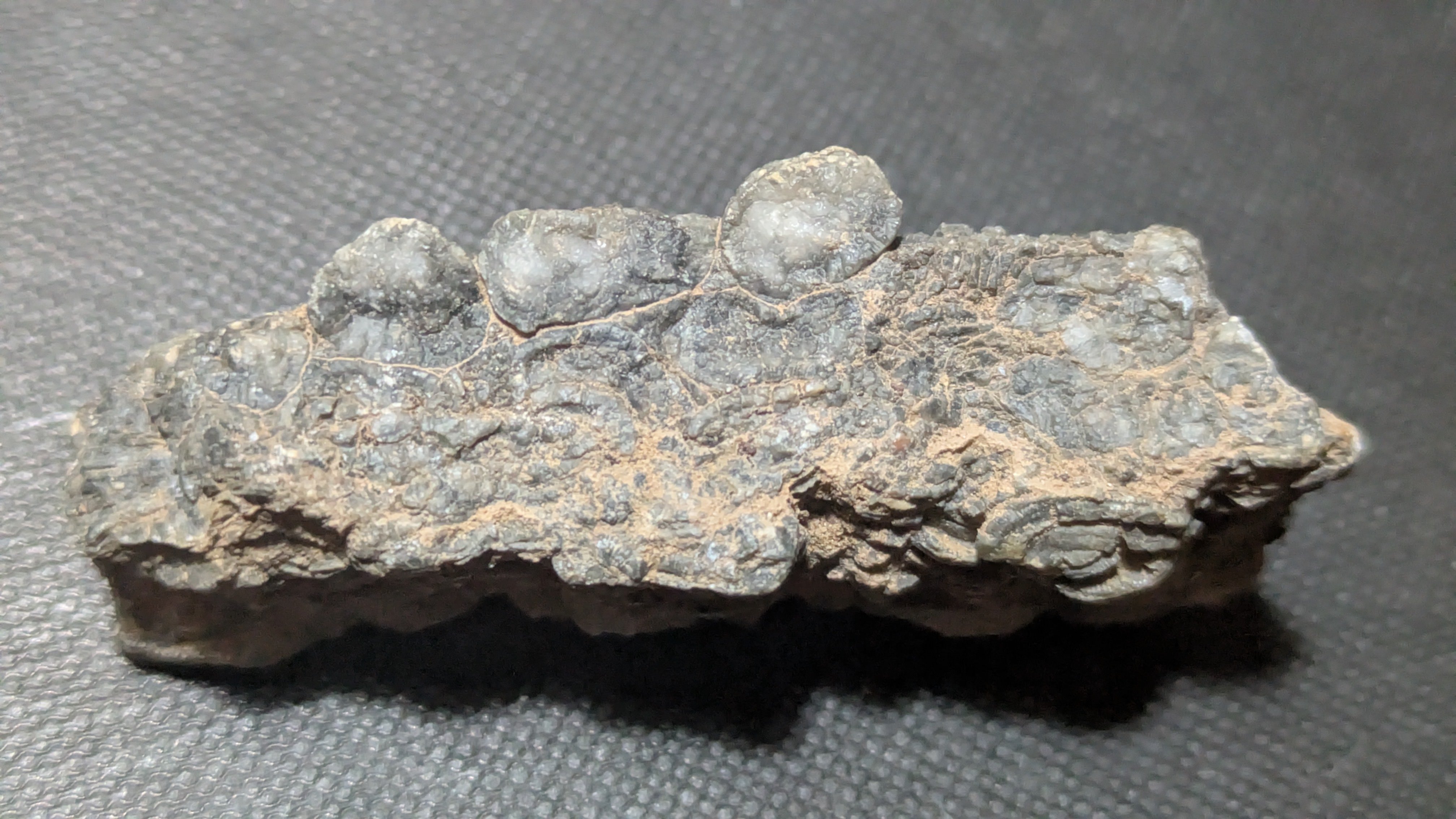
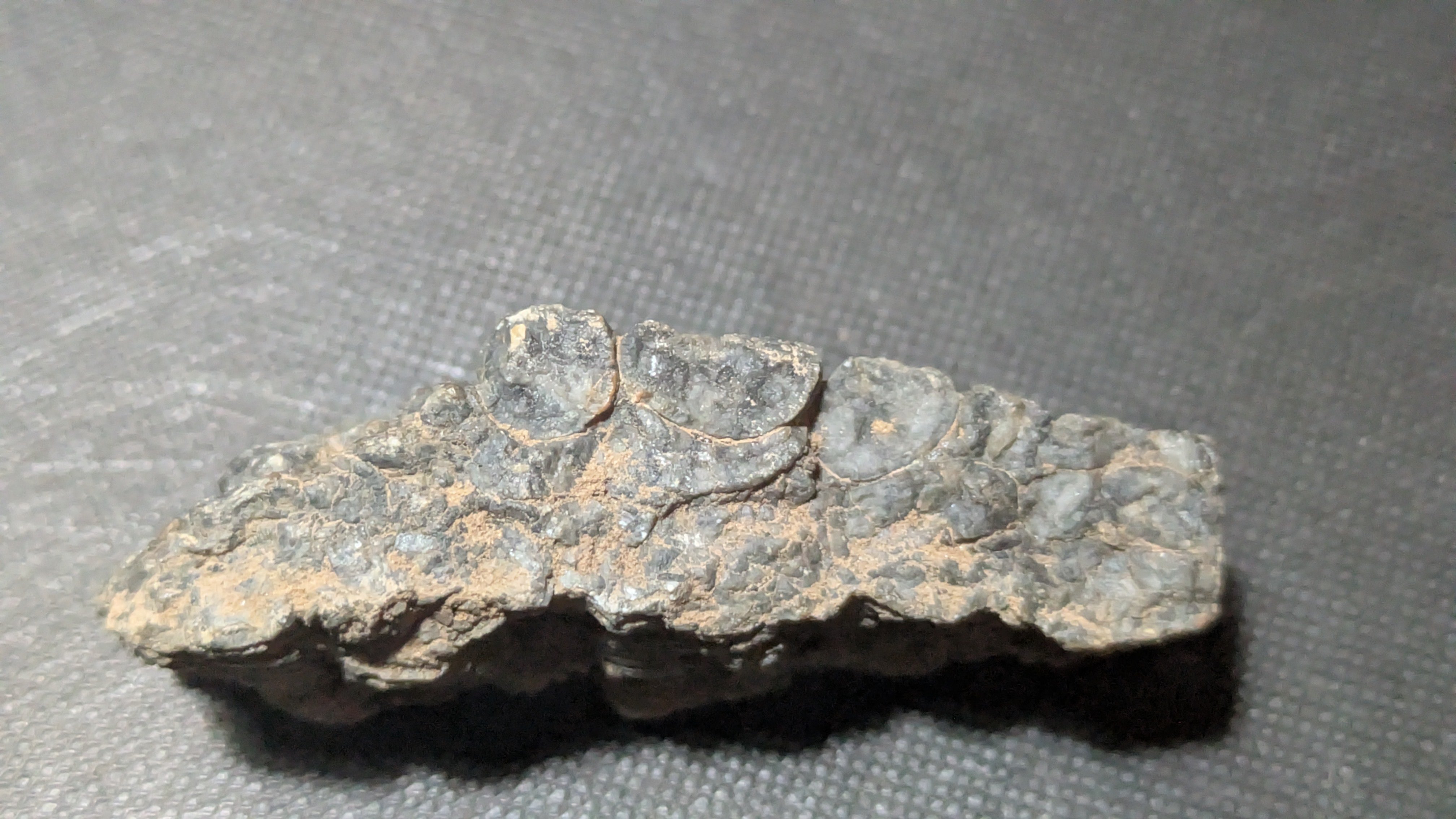
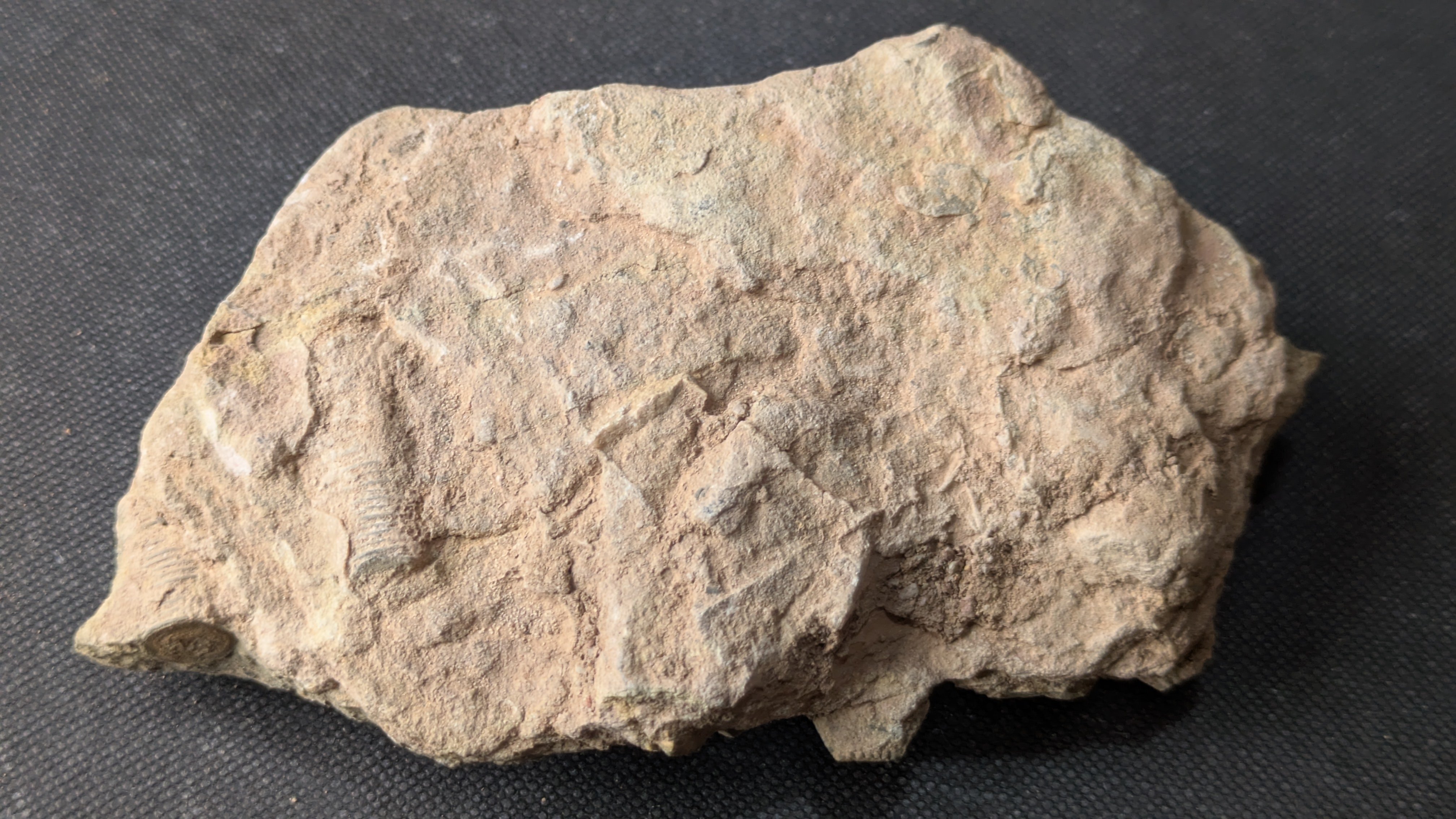
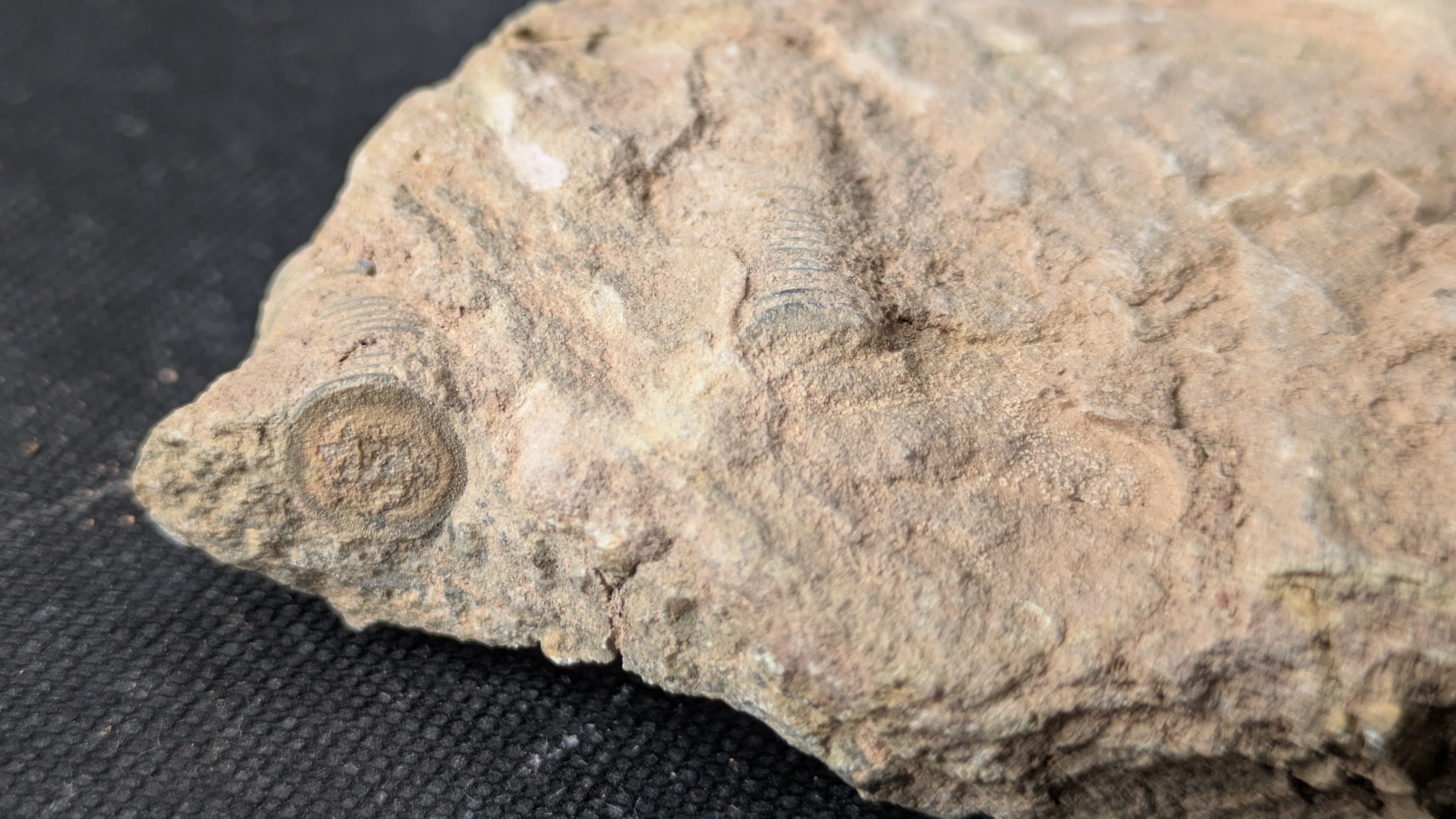
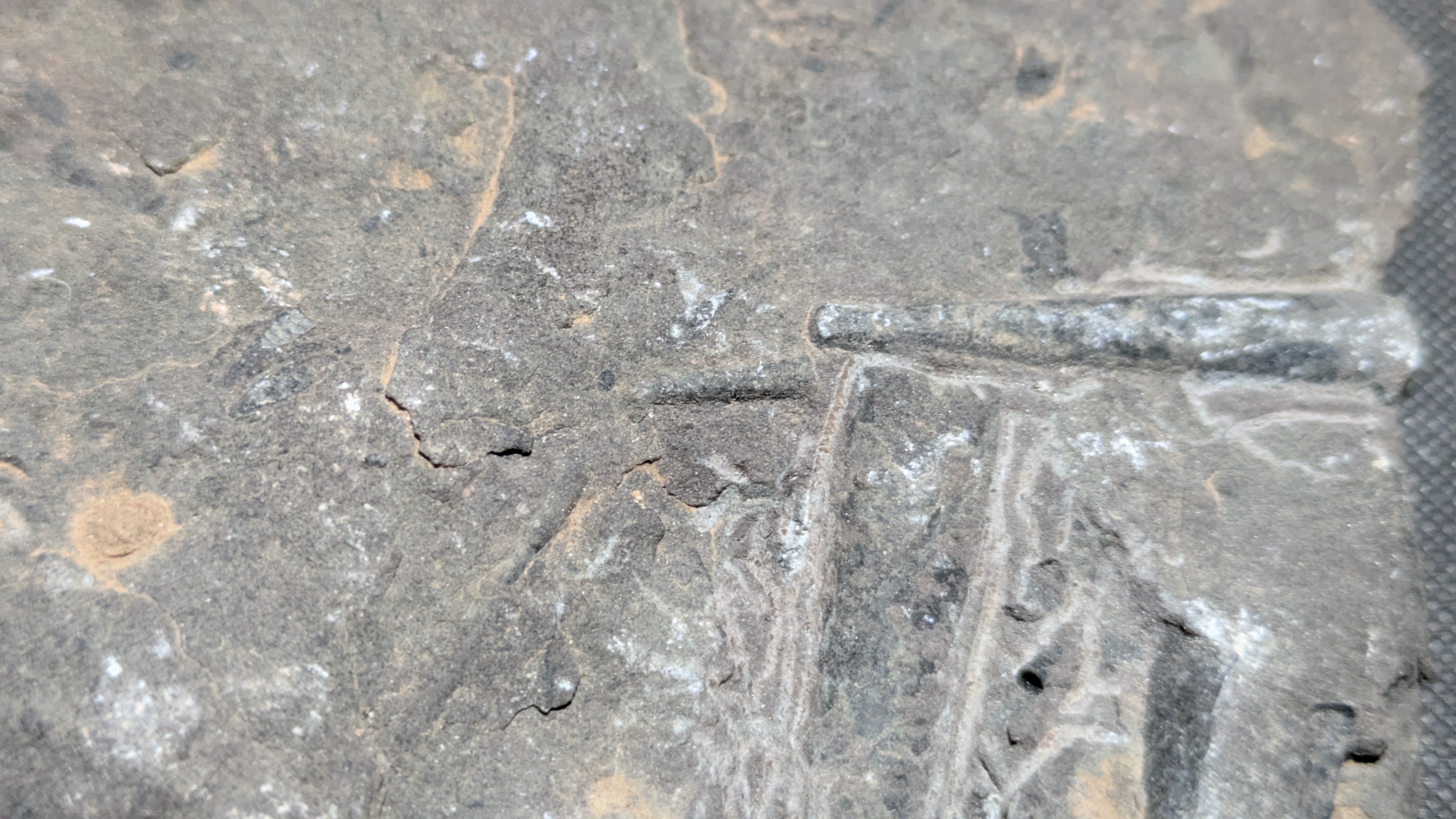
Stem and lobolith fragments
+2
Stem and lobolith fragments Stem and lobolith fragments Stem and lobolith fragments Stem and lobolith fragments Stem and lobolith fragments - Back side
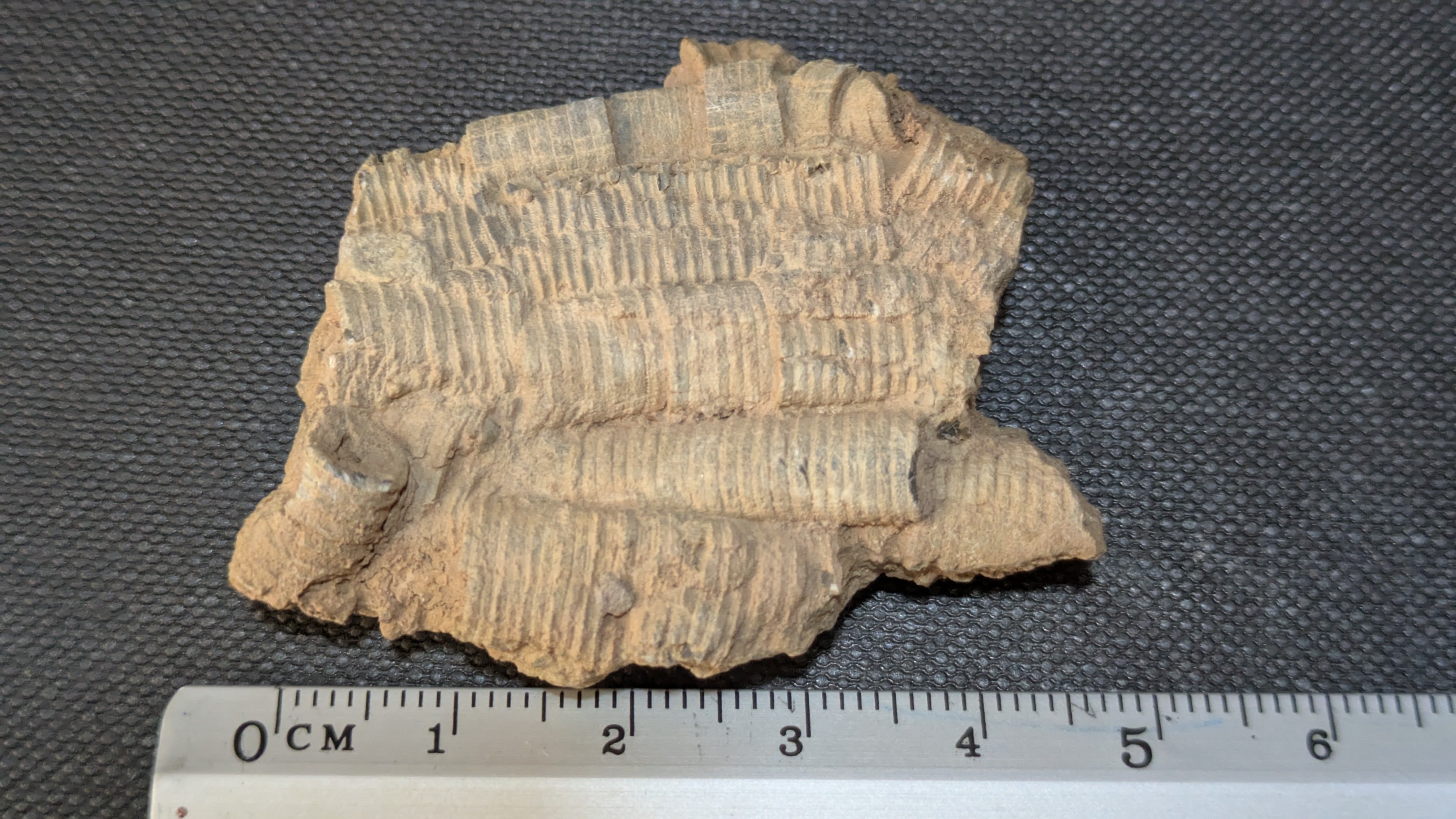
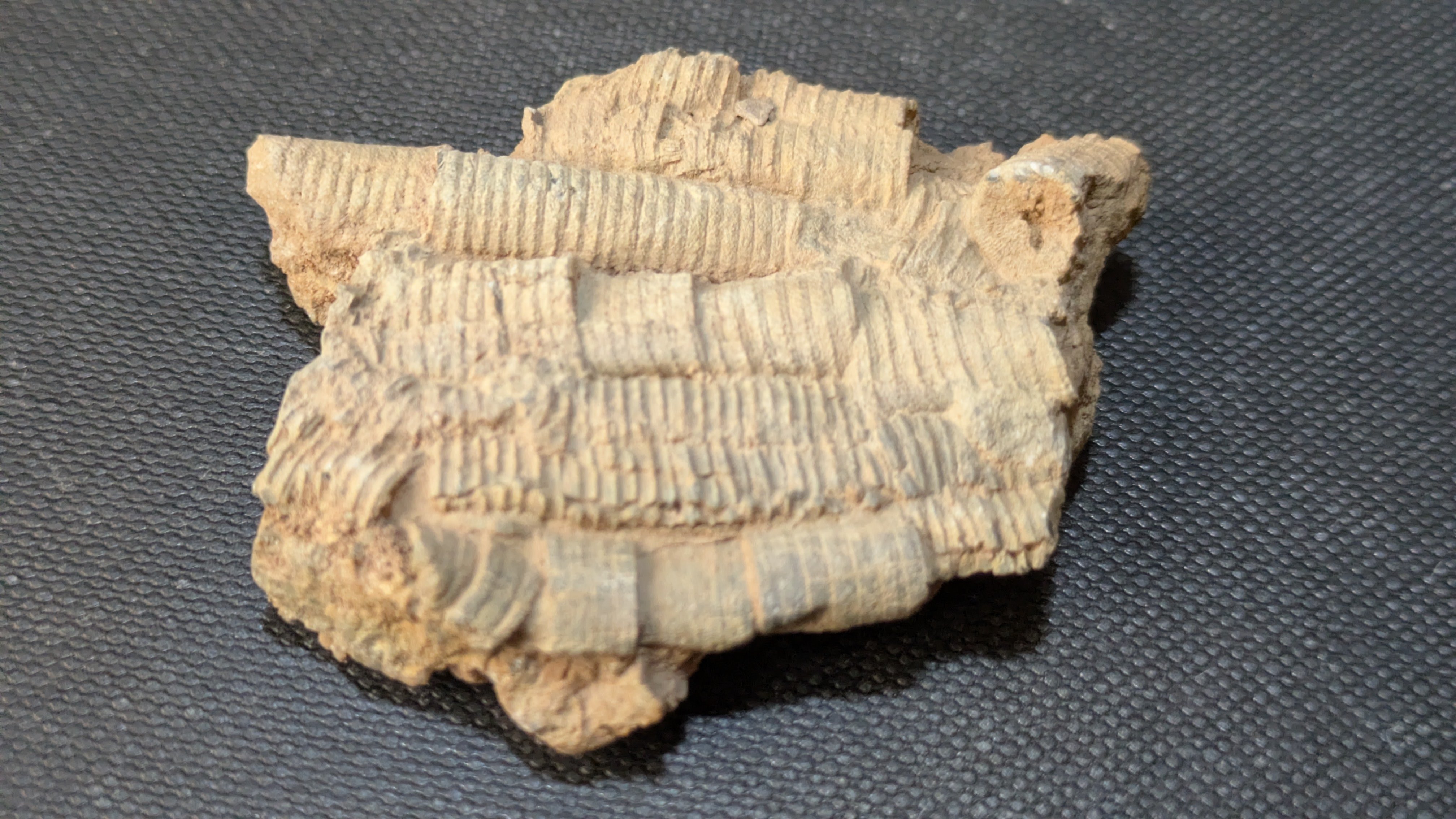
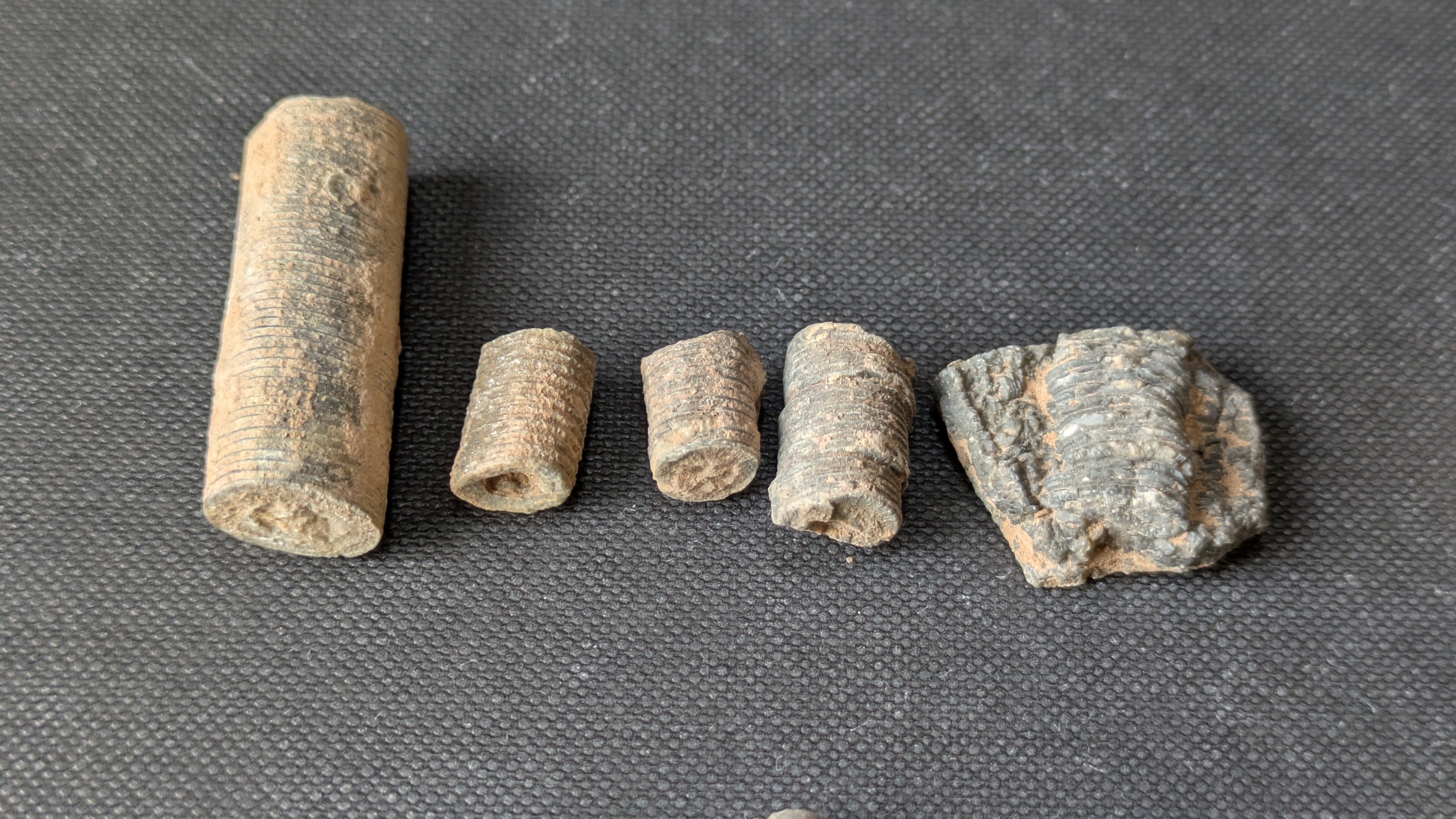
Stem fragments - ~2cm
Stem fragments
Stem fragments - Cross-section
+4
Stem fragments - ~2cm Stem fragments Stem fragments - Cross-section Stem fragments - Cross-section Stem fragments Stem fragments Stem fragments
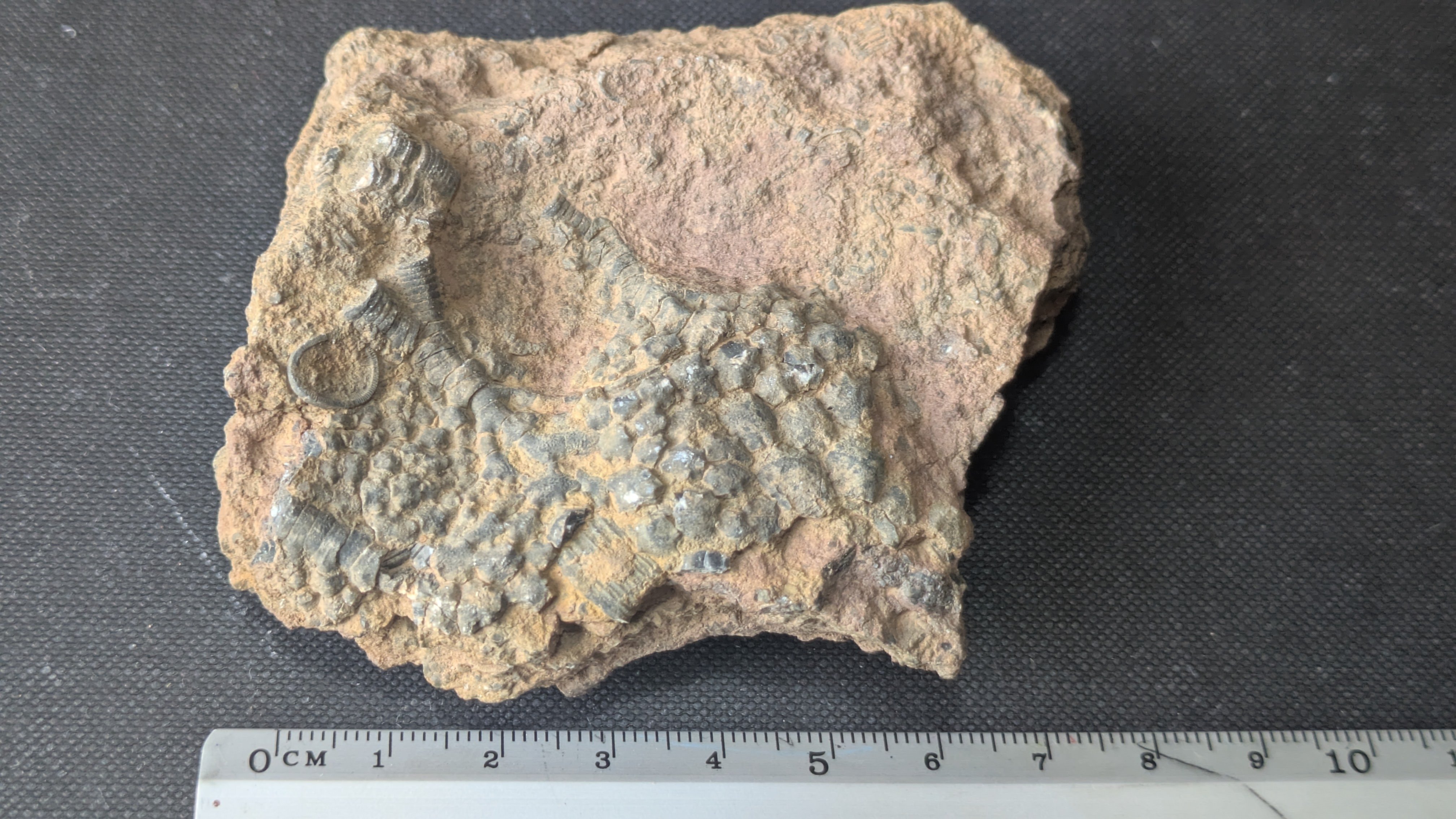
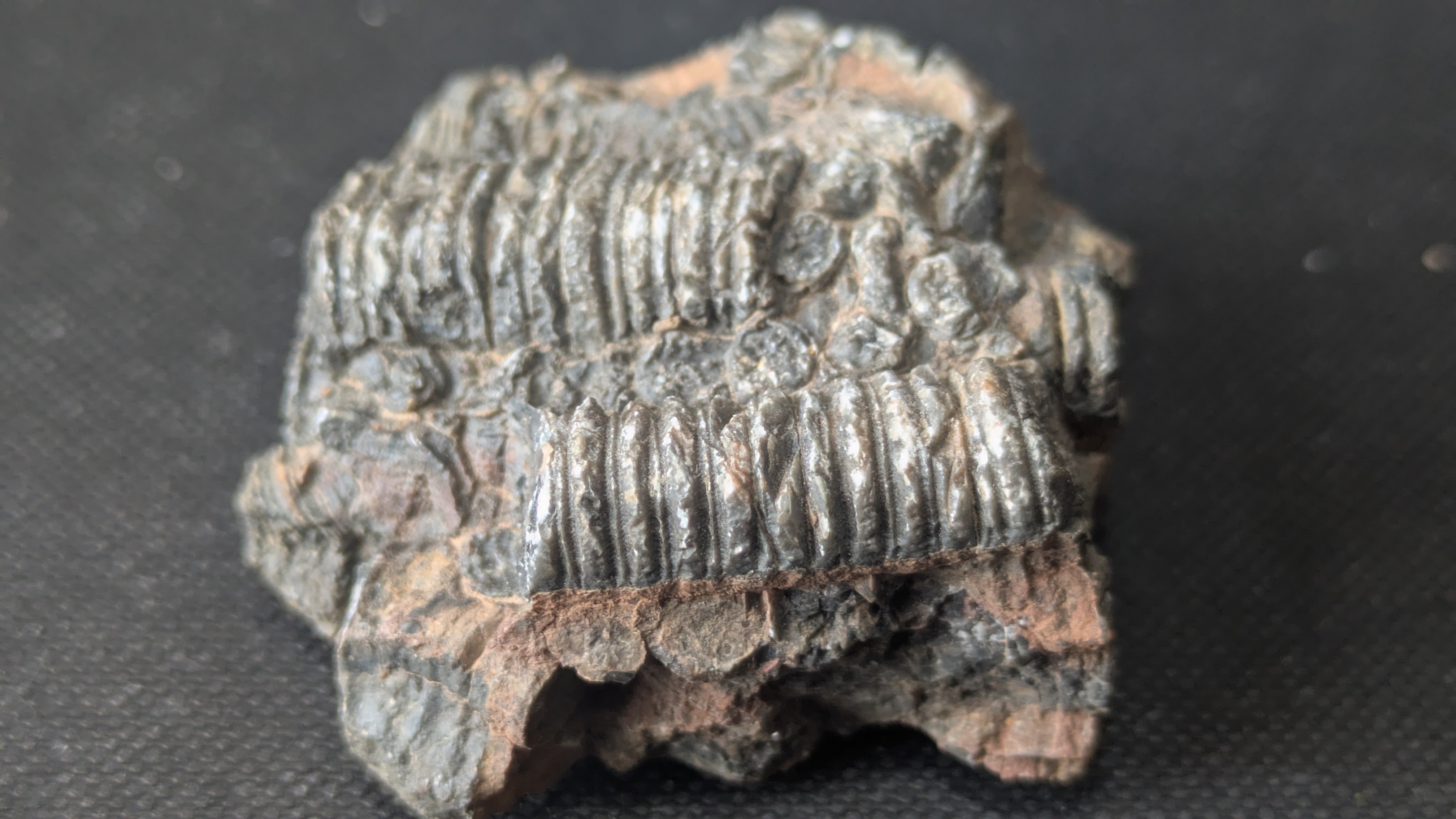
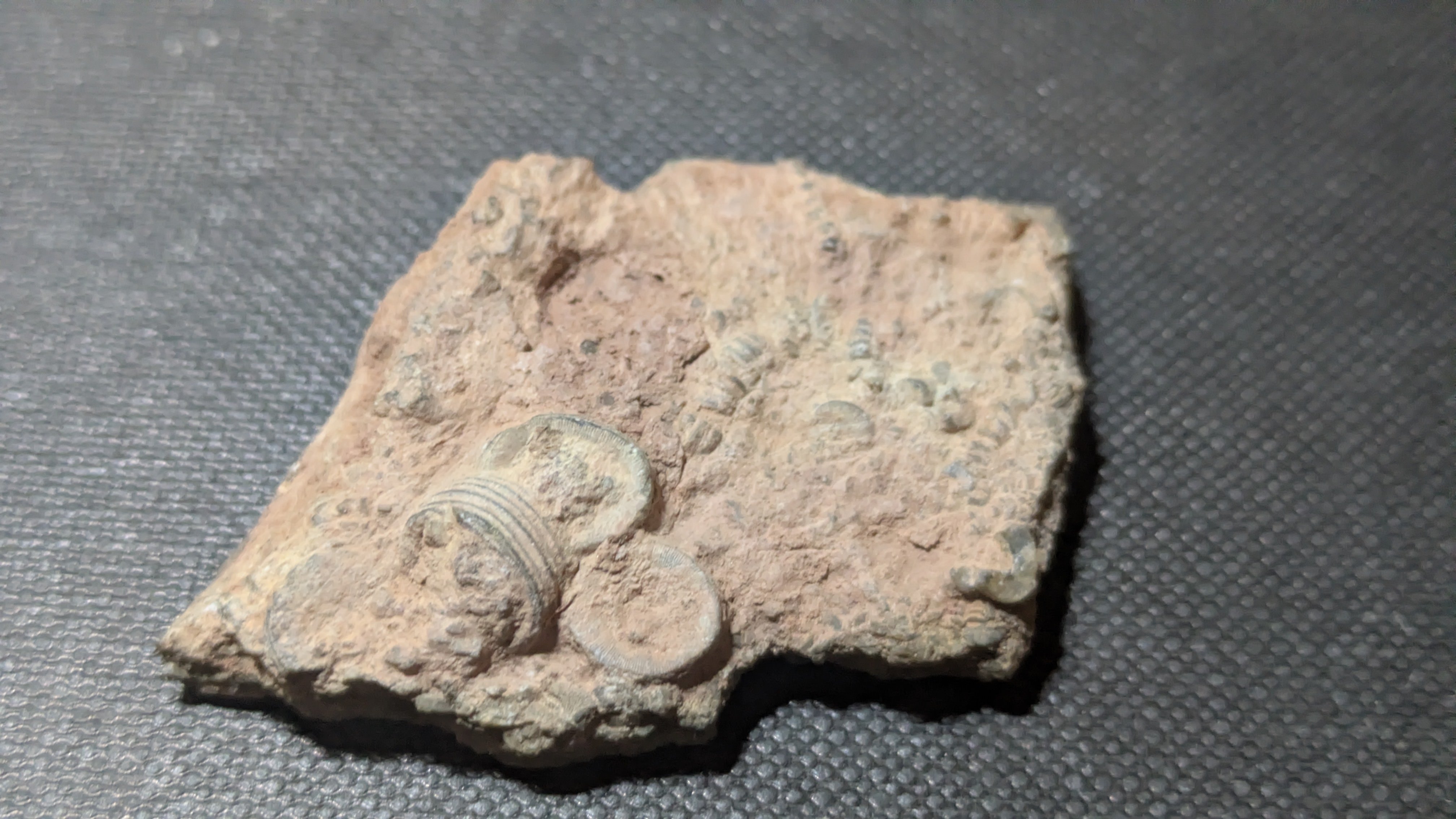
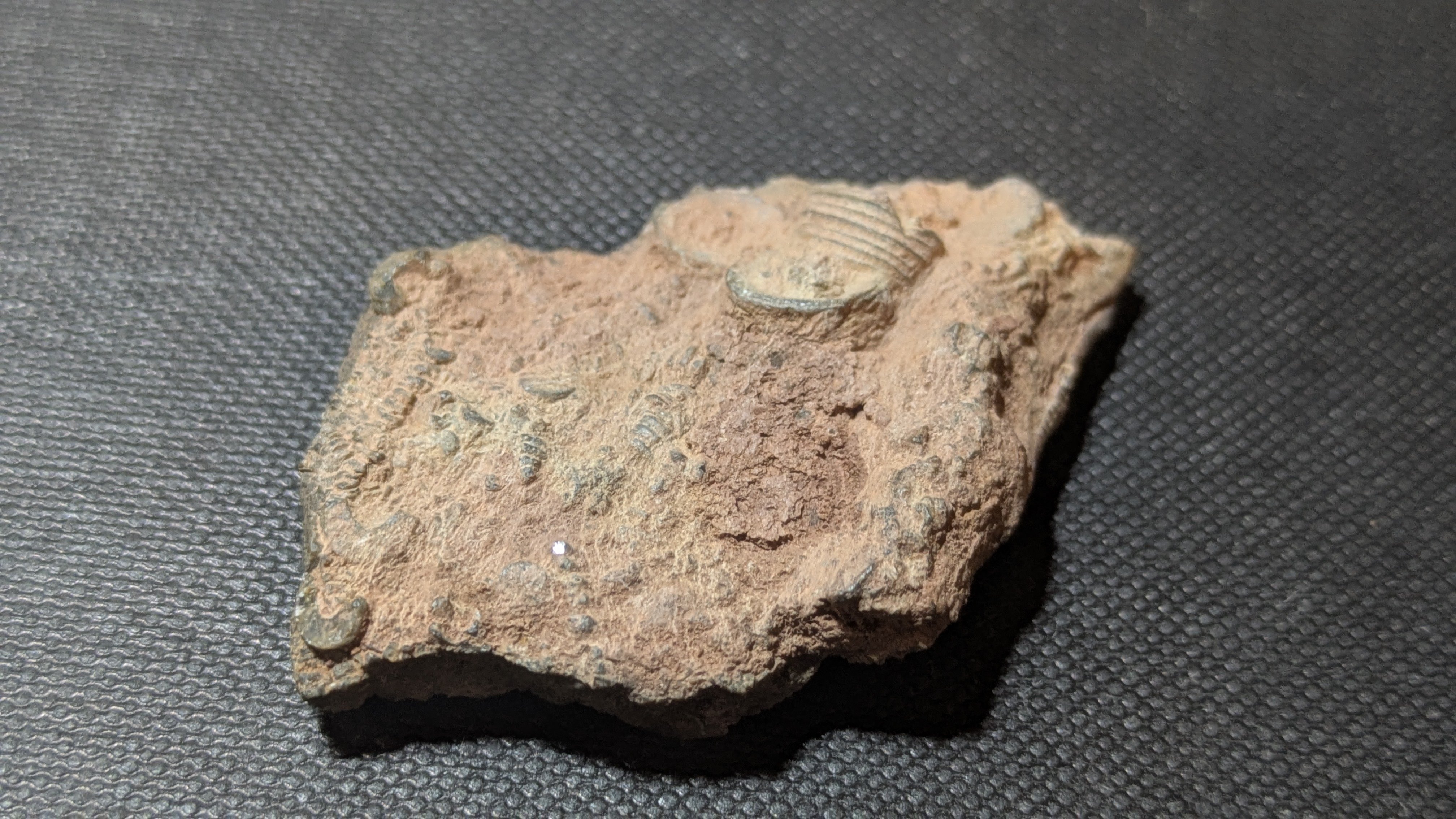
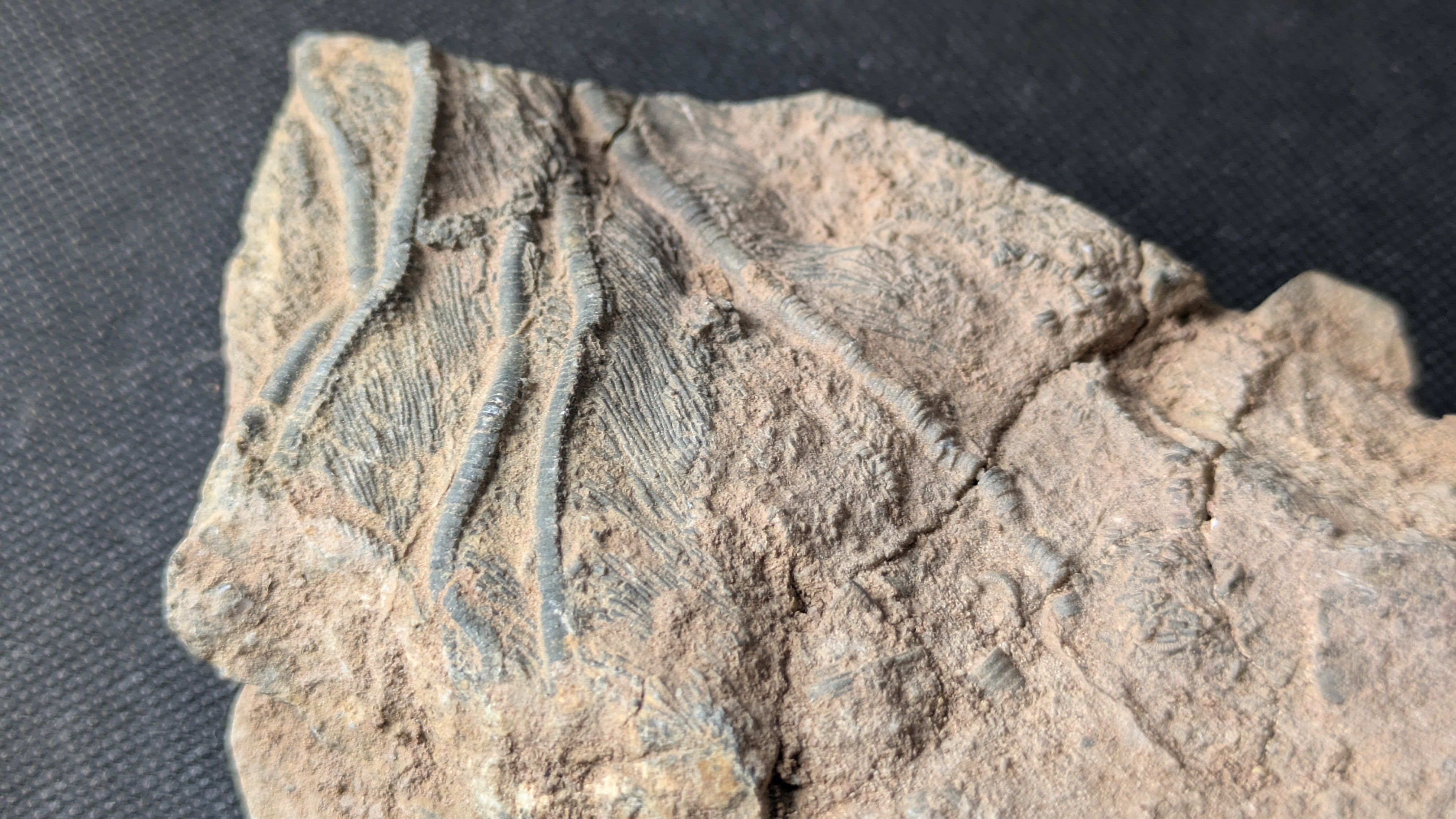
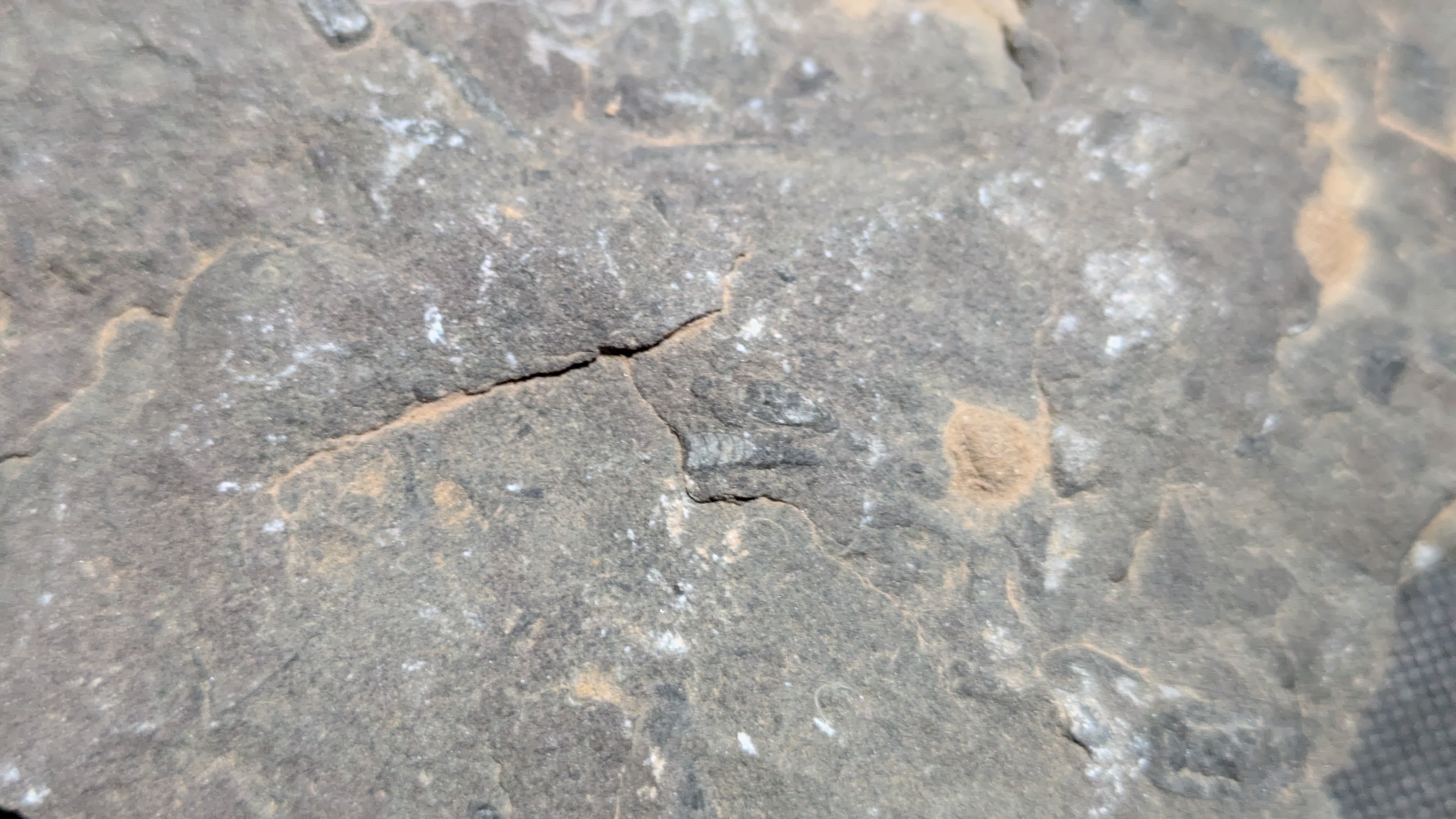
Arm segments with pinnules - 2-3cm
Arm segments with pinnules - 4 arms stacked on top of each other
+4
Arm segments with pinnules - 2-3cm Arm segments with pinnules - 4 arms stacked on top of each other Arm segments with pinnules - 4 arms stacked on top of each other Arm segments with pinnules Arm segments with pinnules Stem fragments Stem fragments
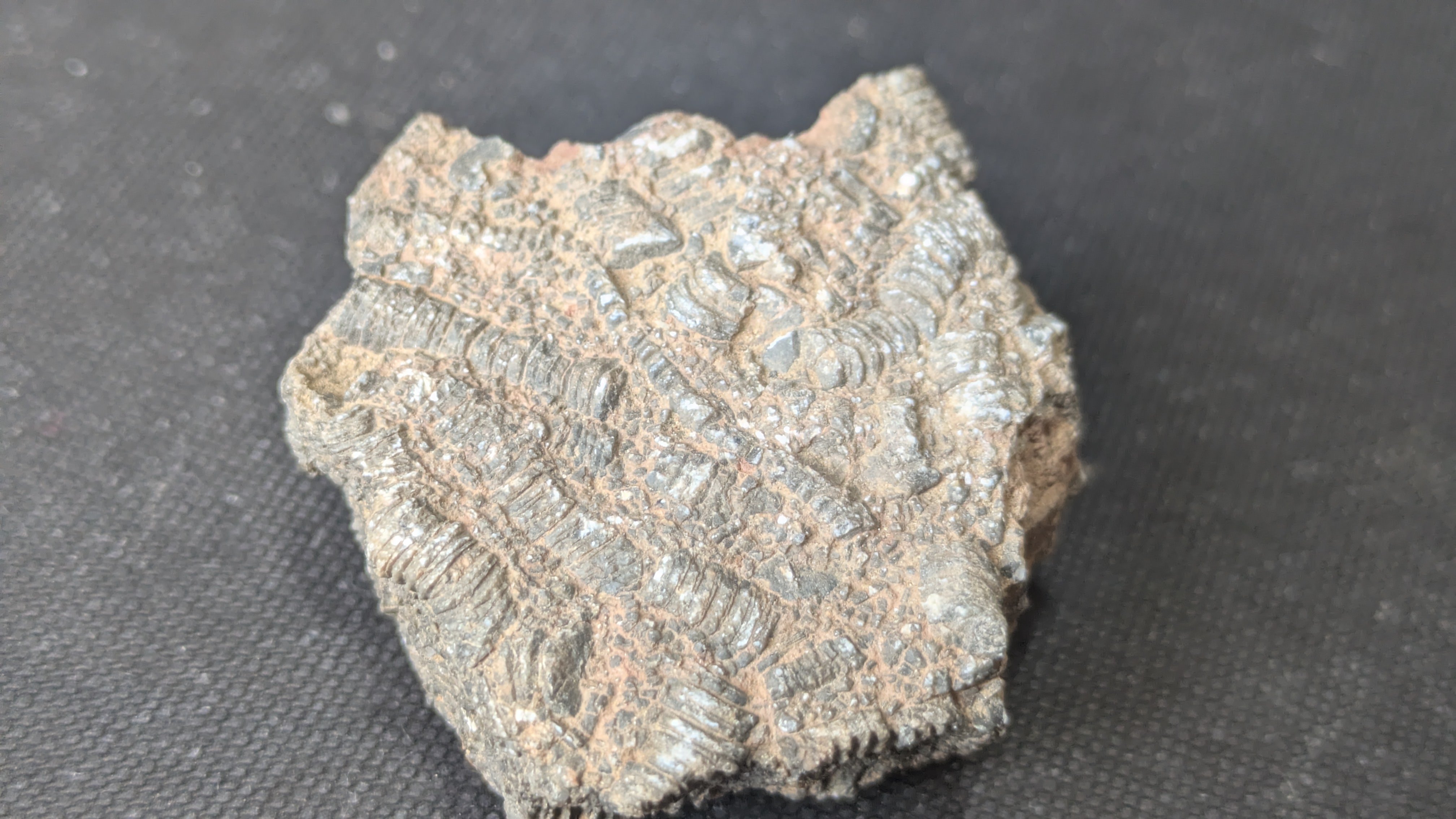
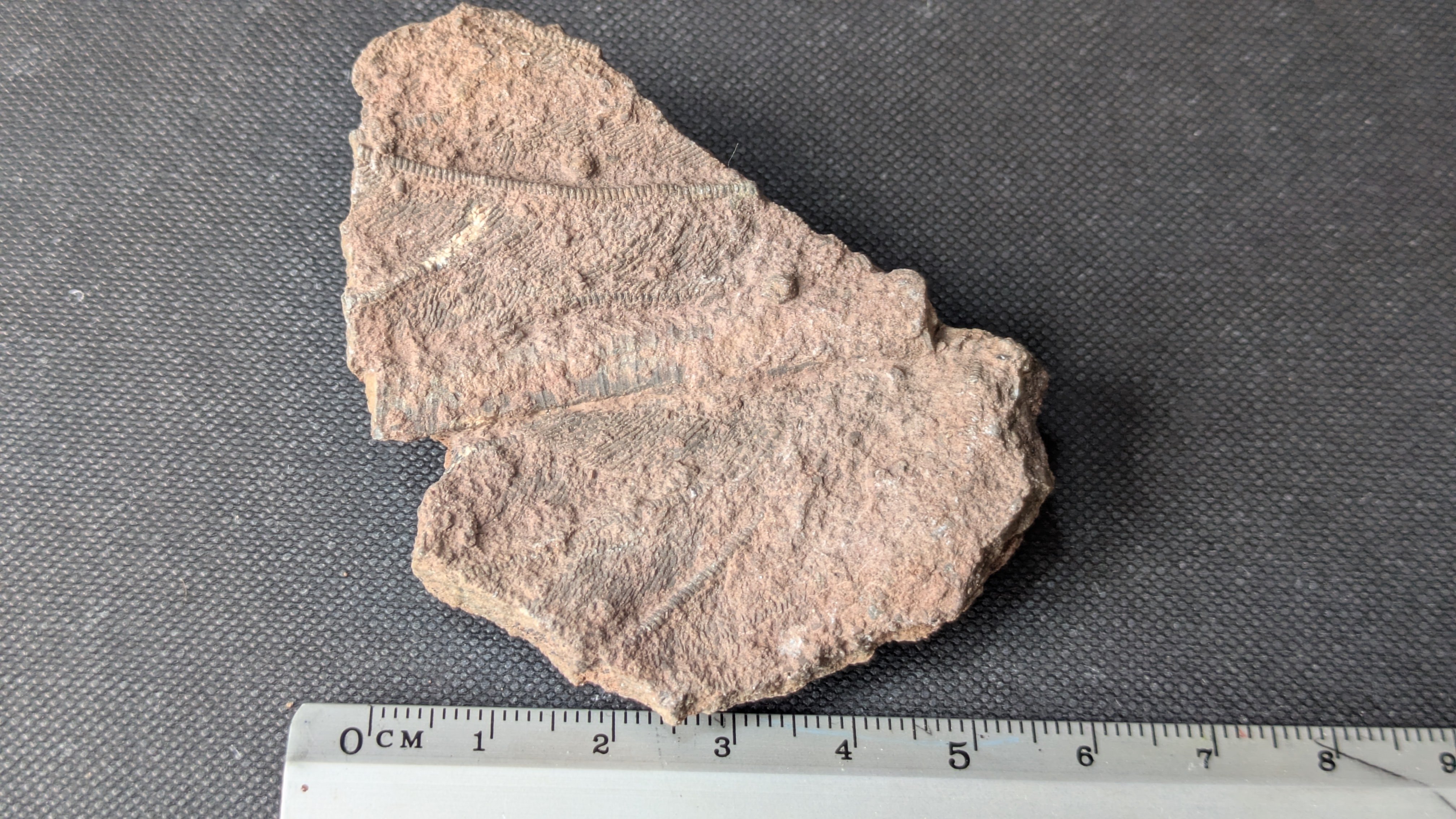
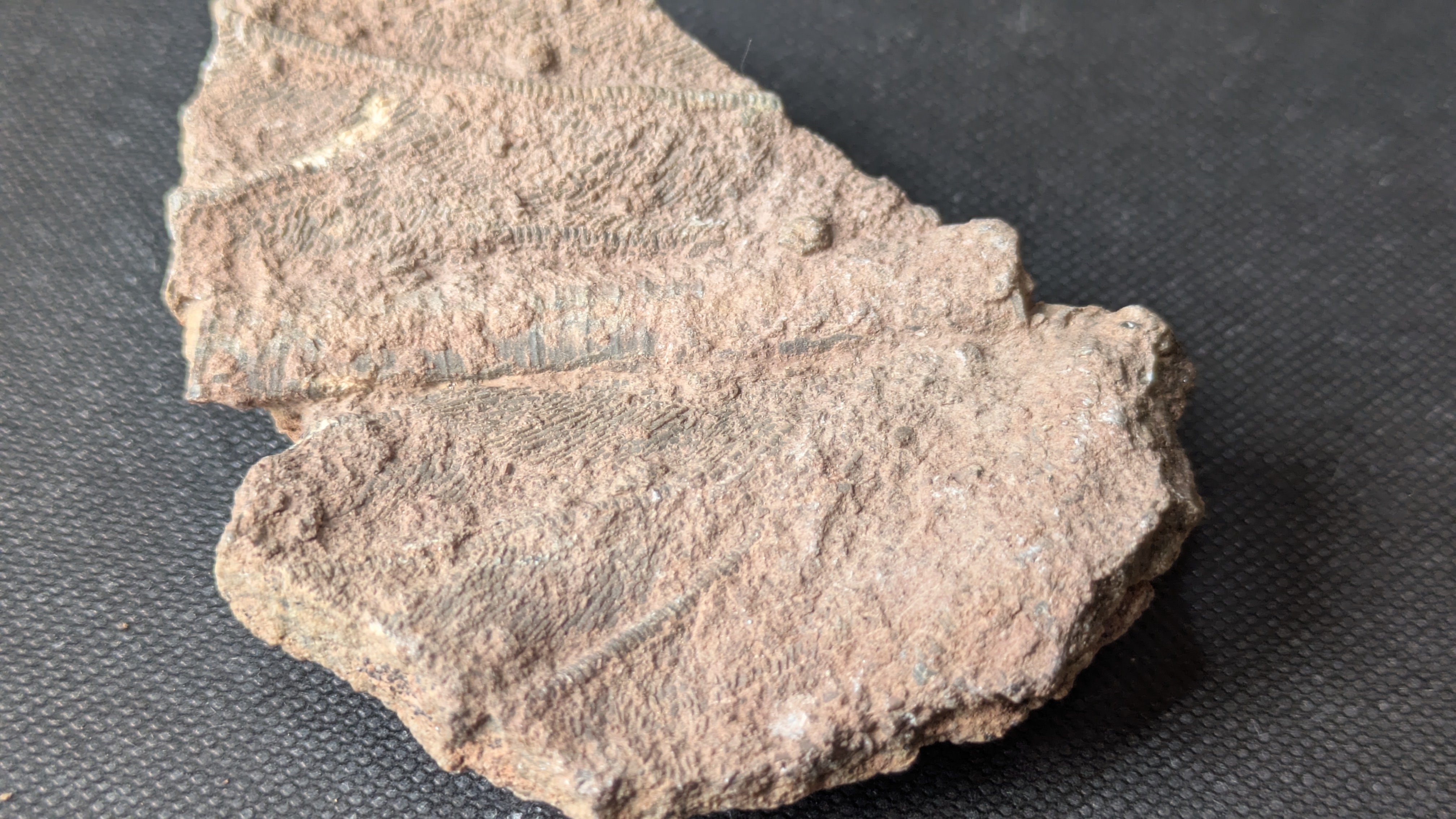
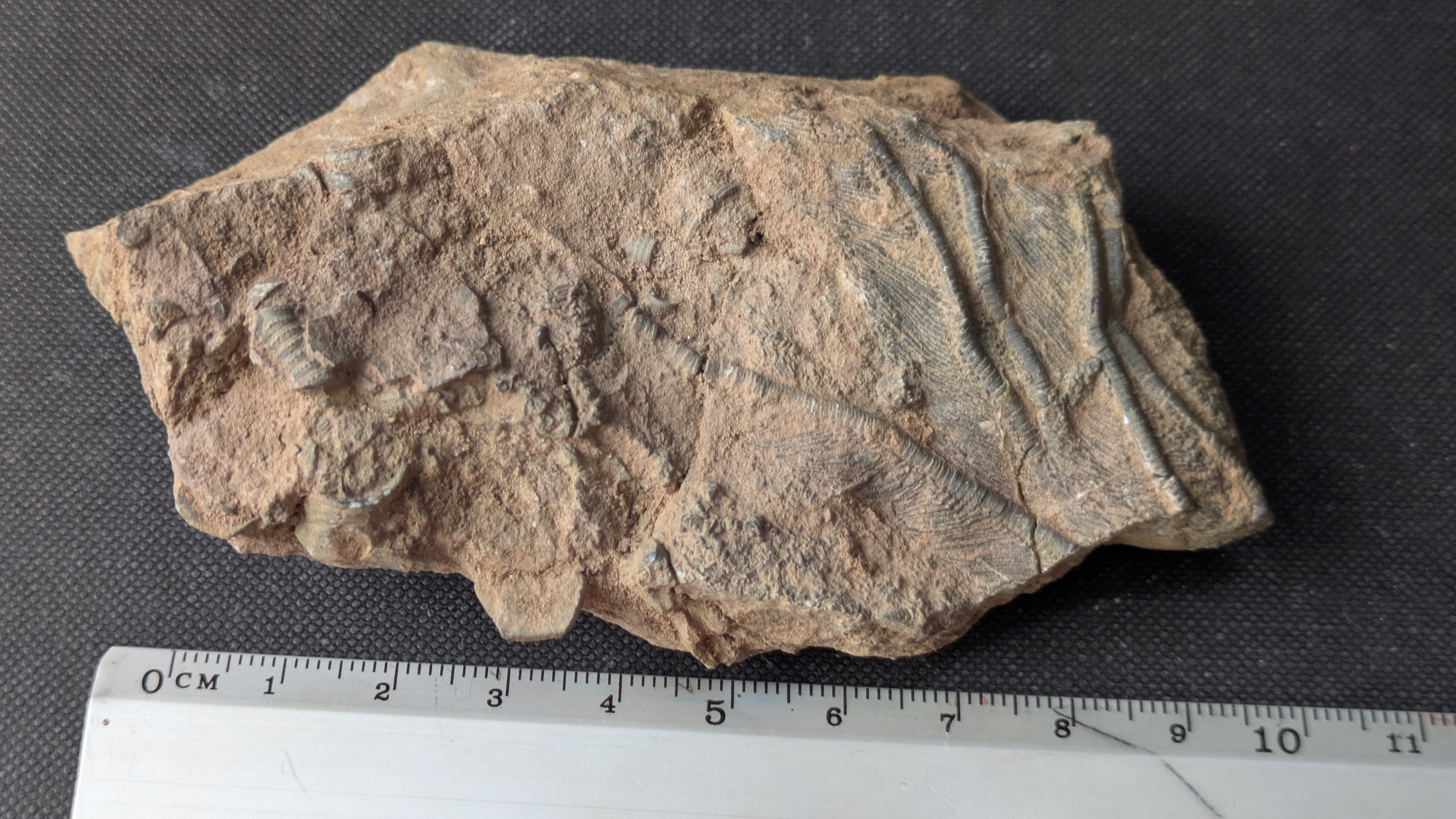
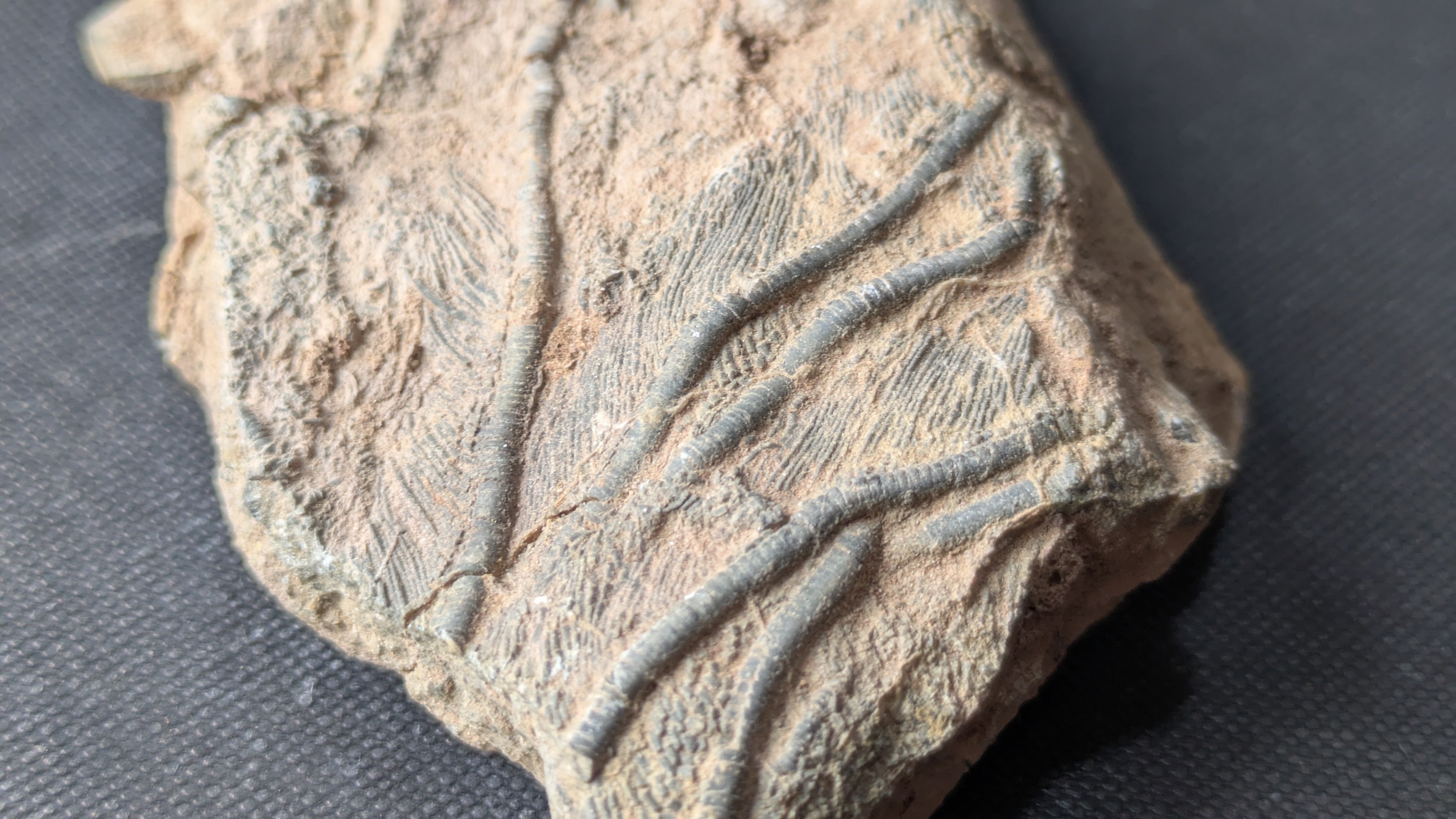
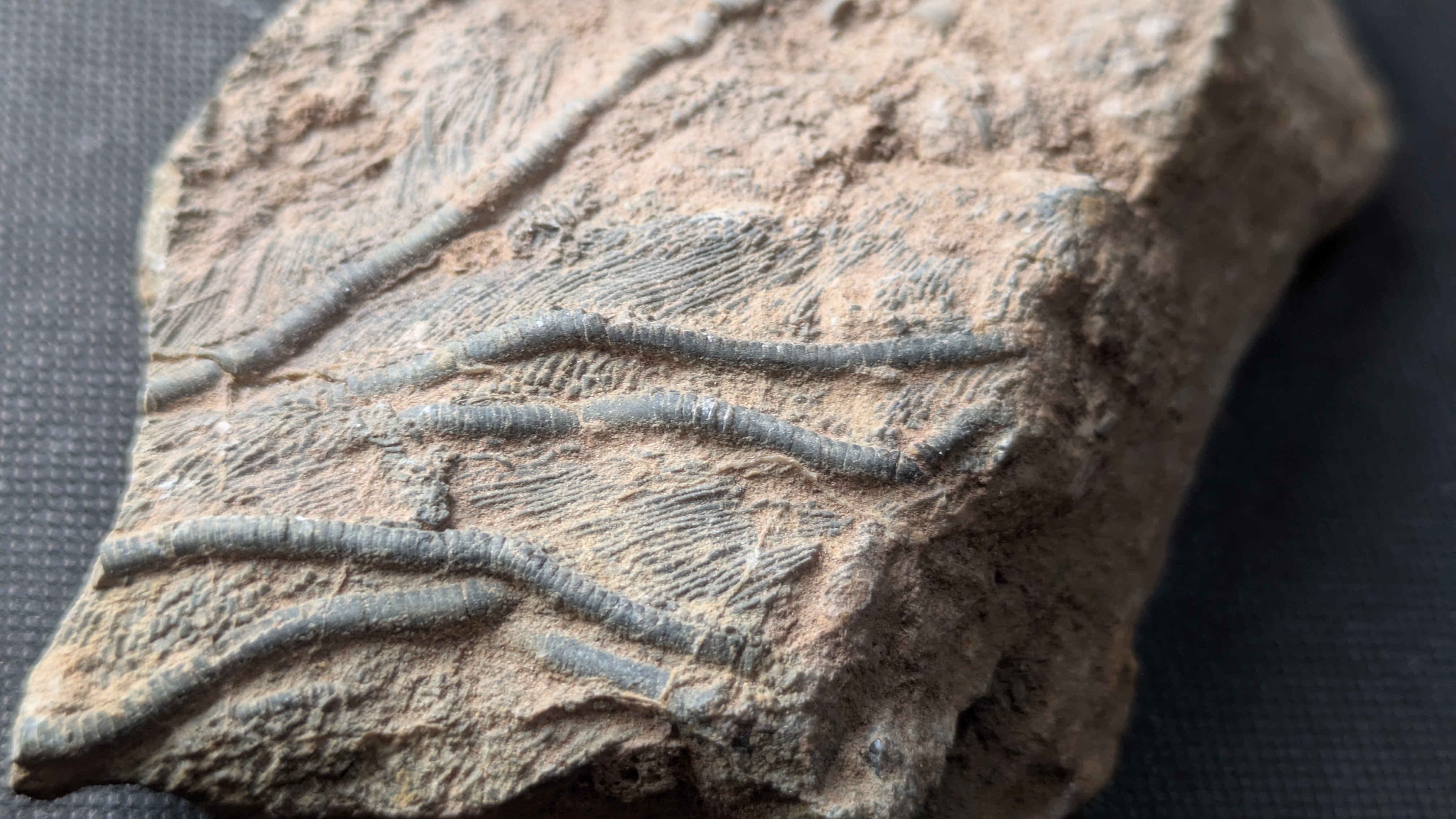
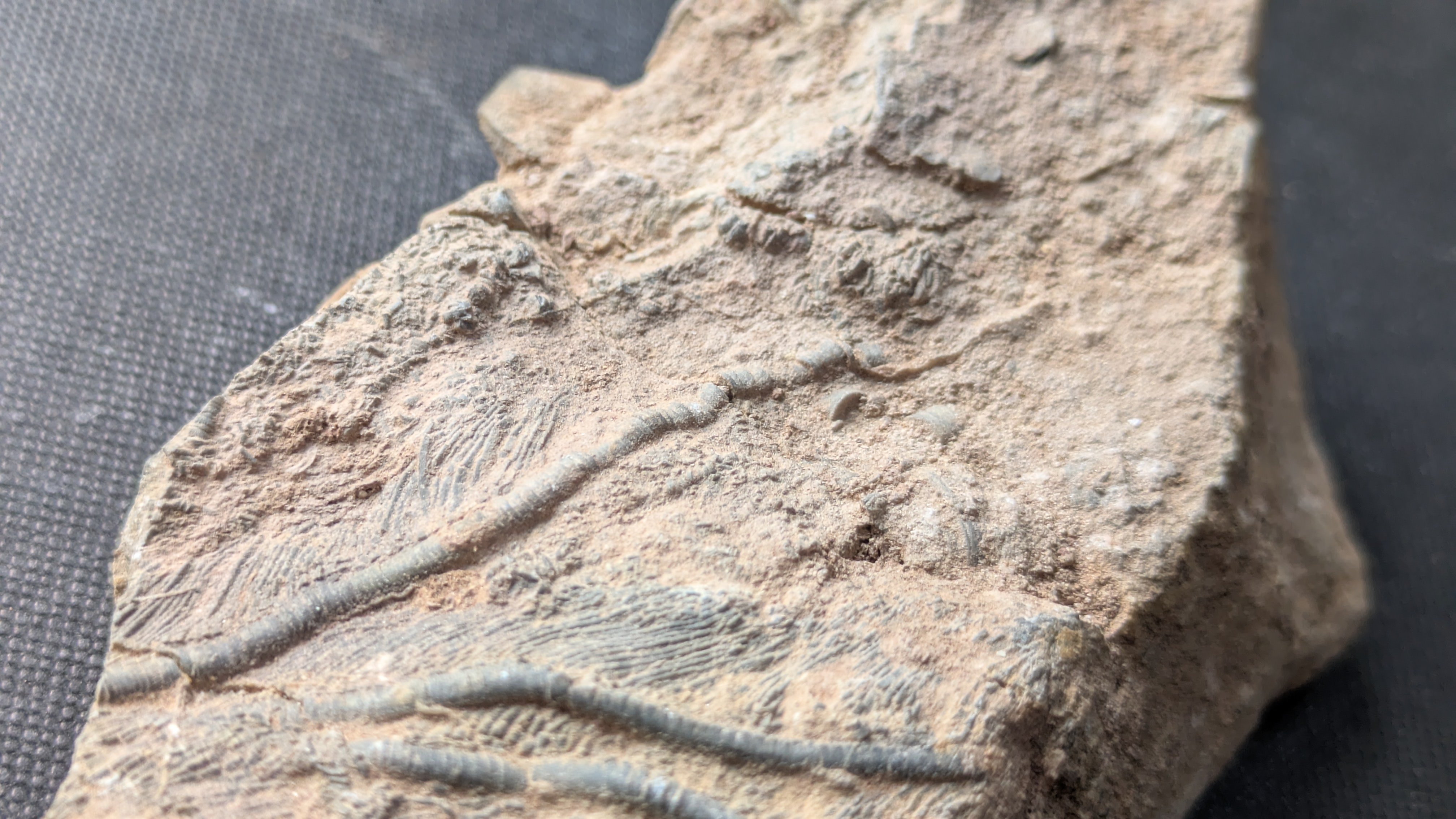
Arm segments with pinnules - ~5cm
Arm segments with pinnules
+4
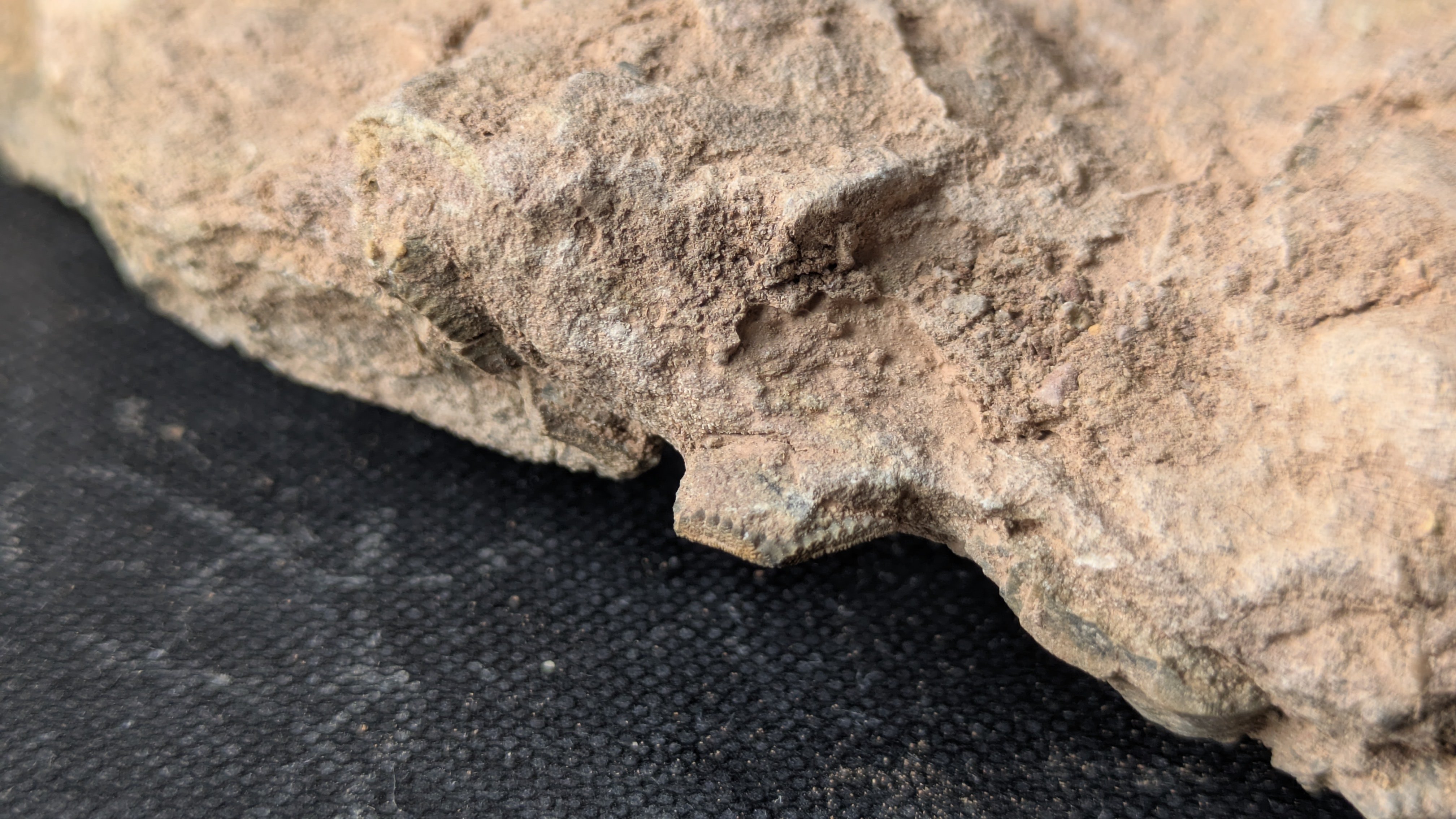
Arm segments with pinnules - ~5cm Arm segments with pinnules Arm segments with pinnules Arm segments with pinnules Arm segments with pinnules Arm segments with pinnules Arm segments with pinnules - Back side
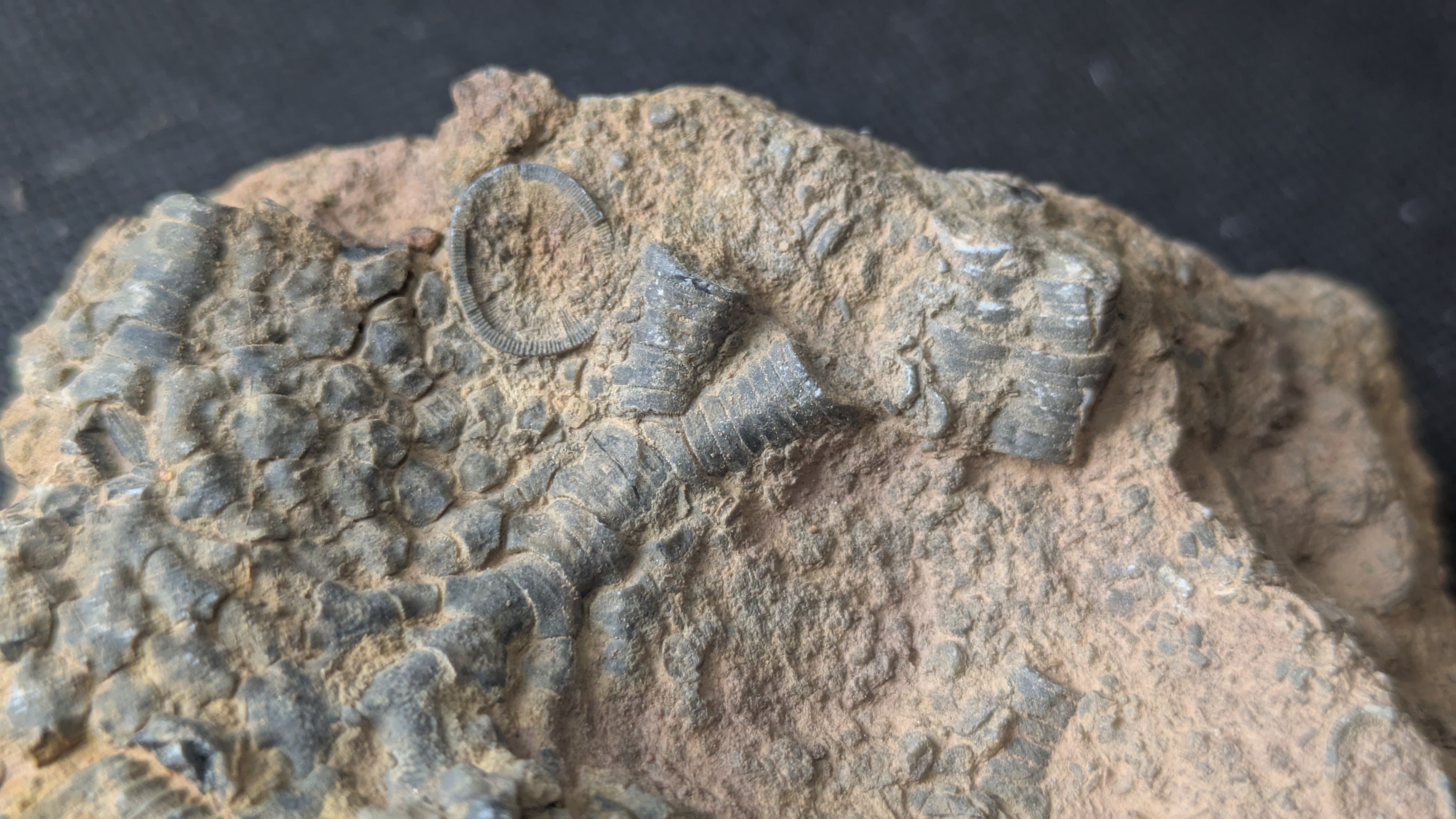
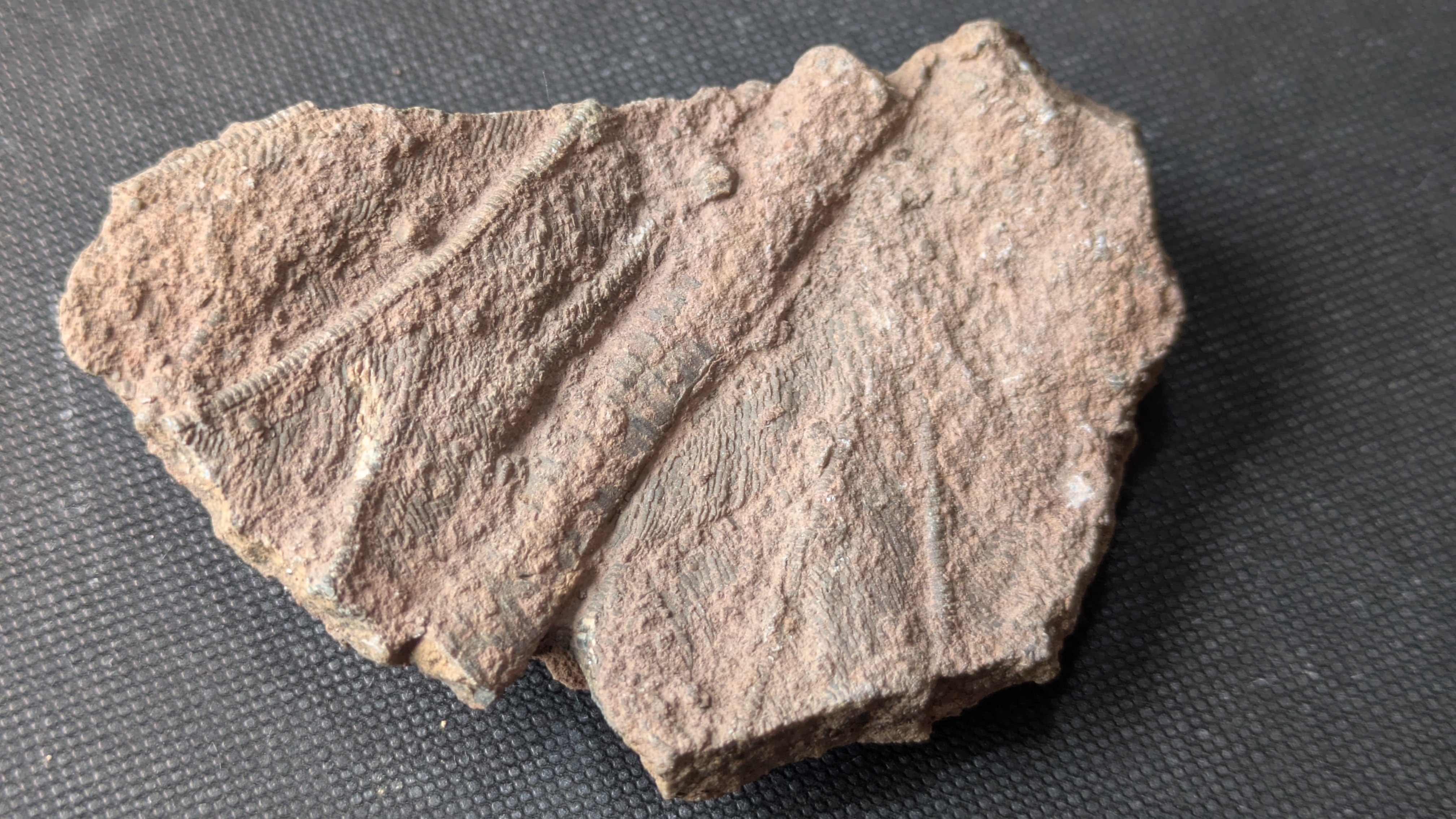
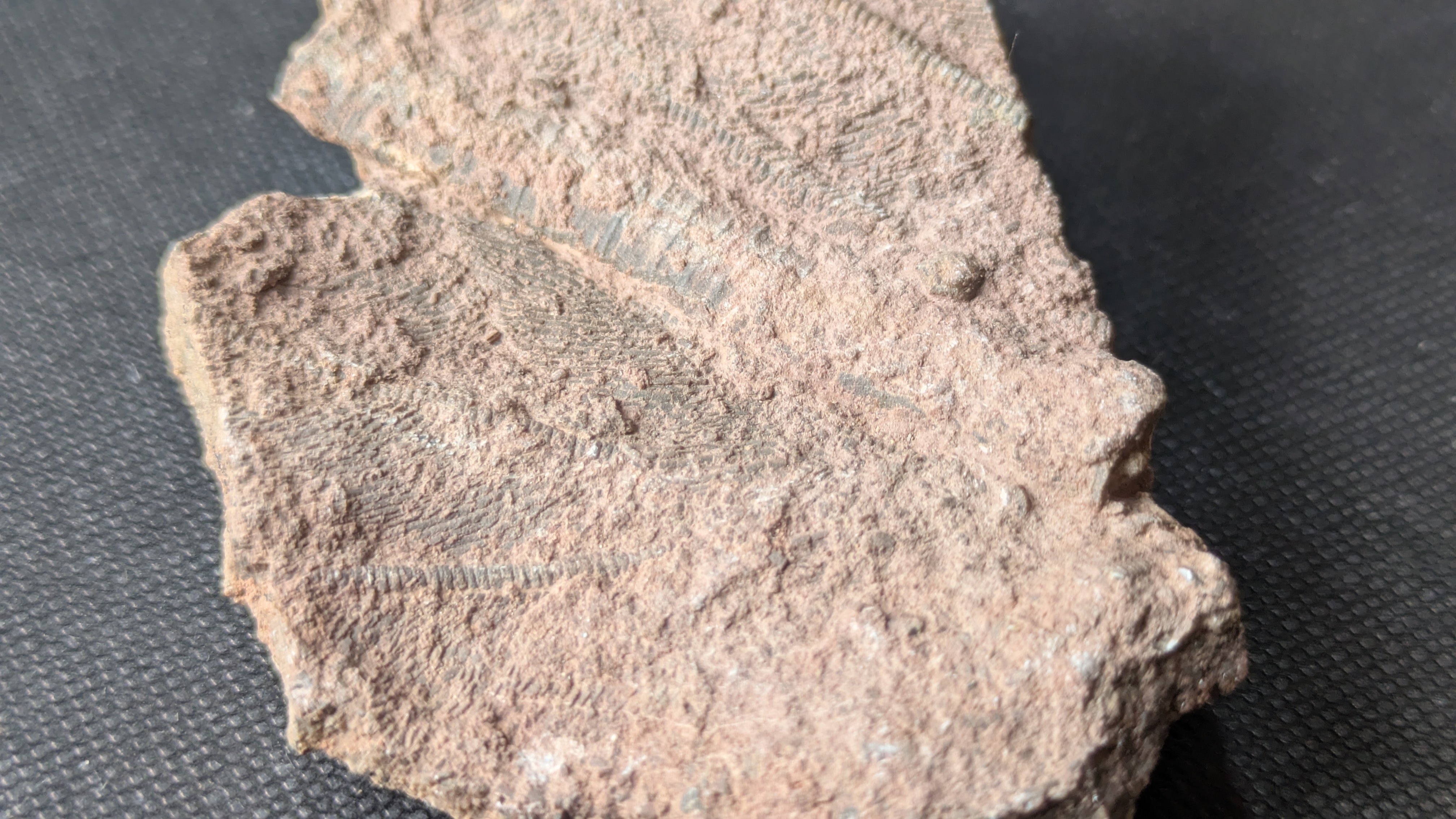
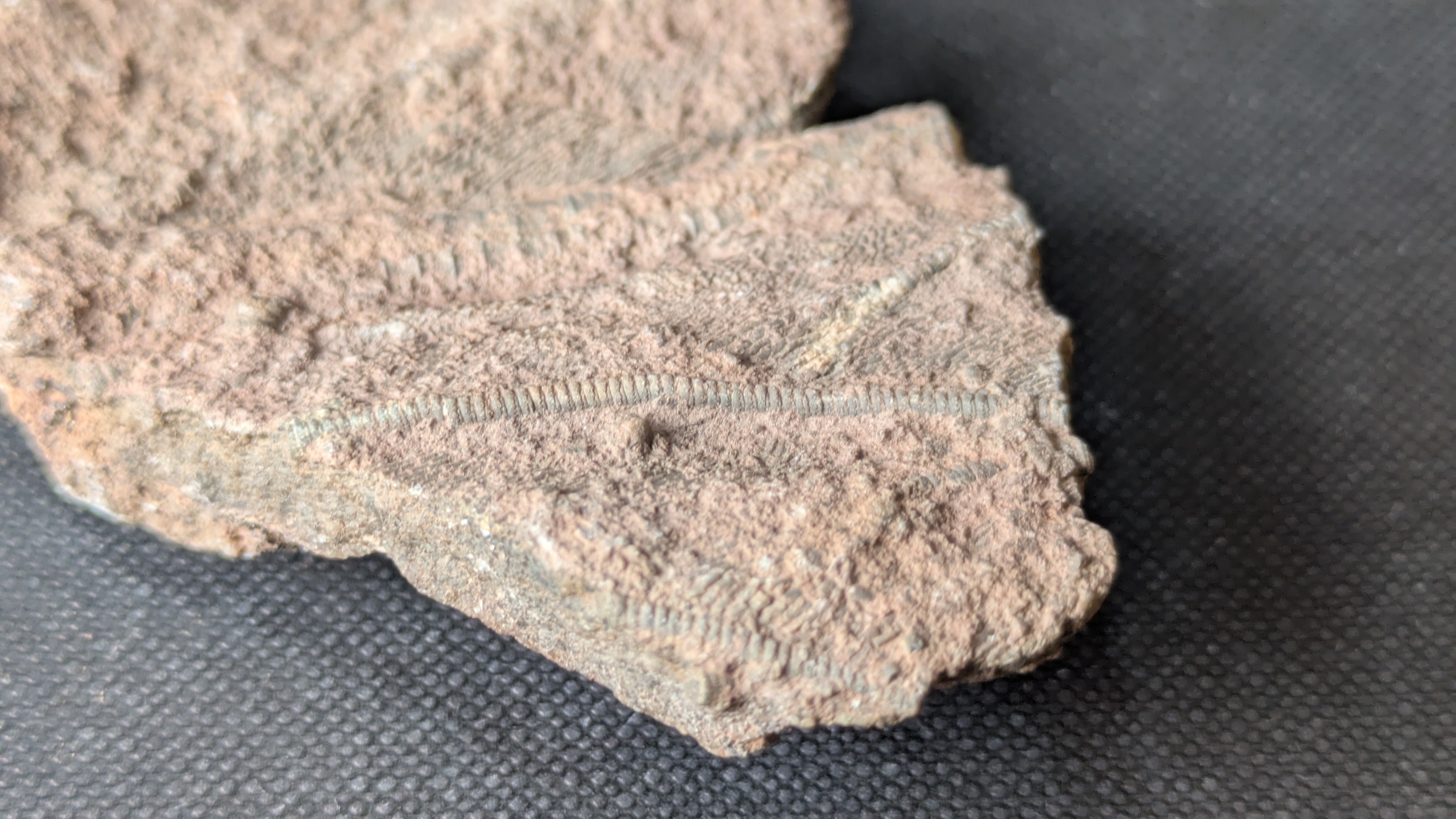
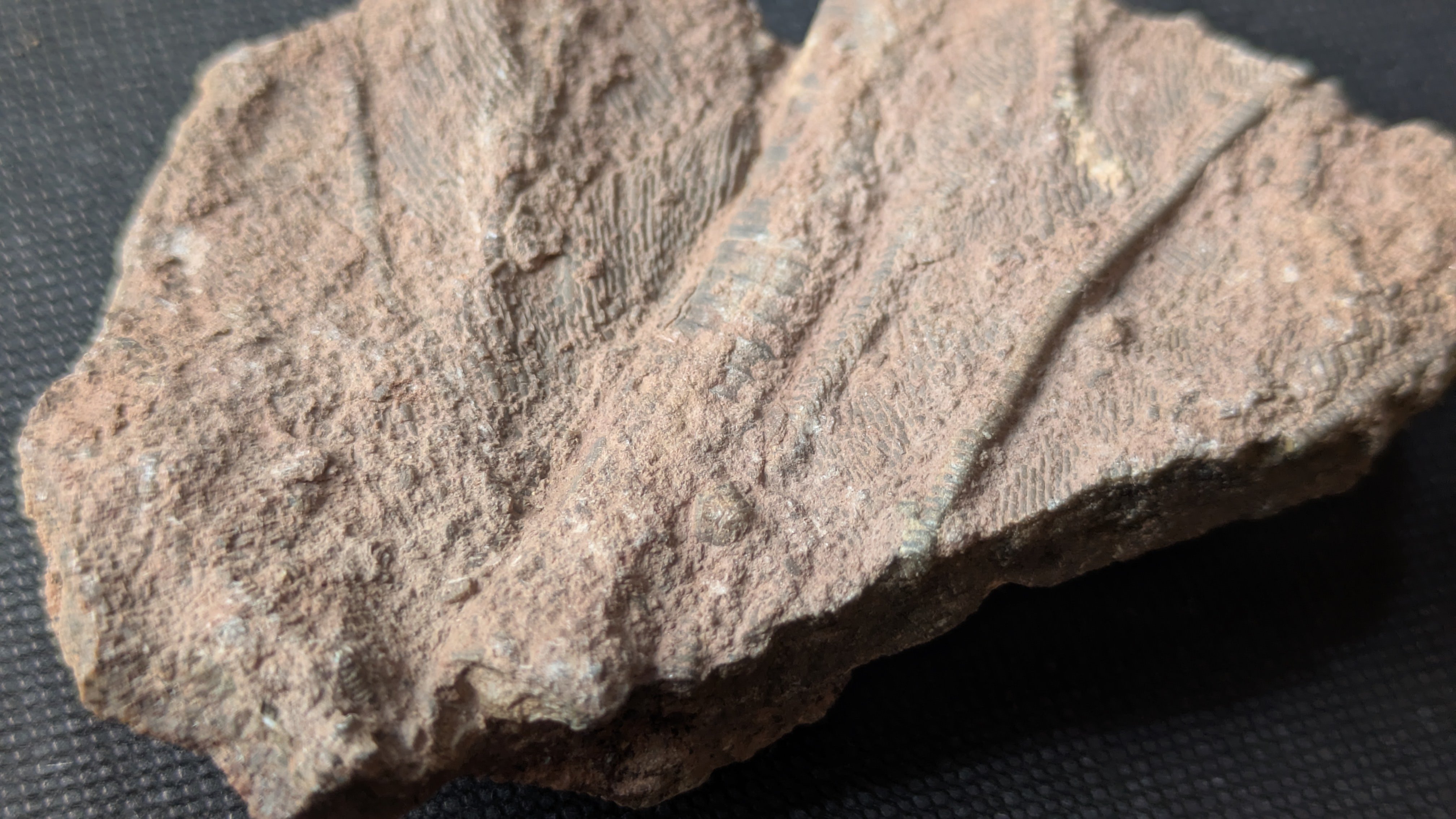
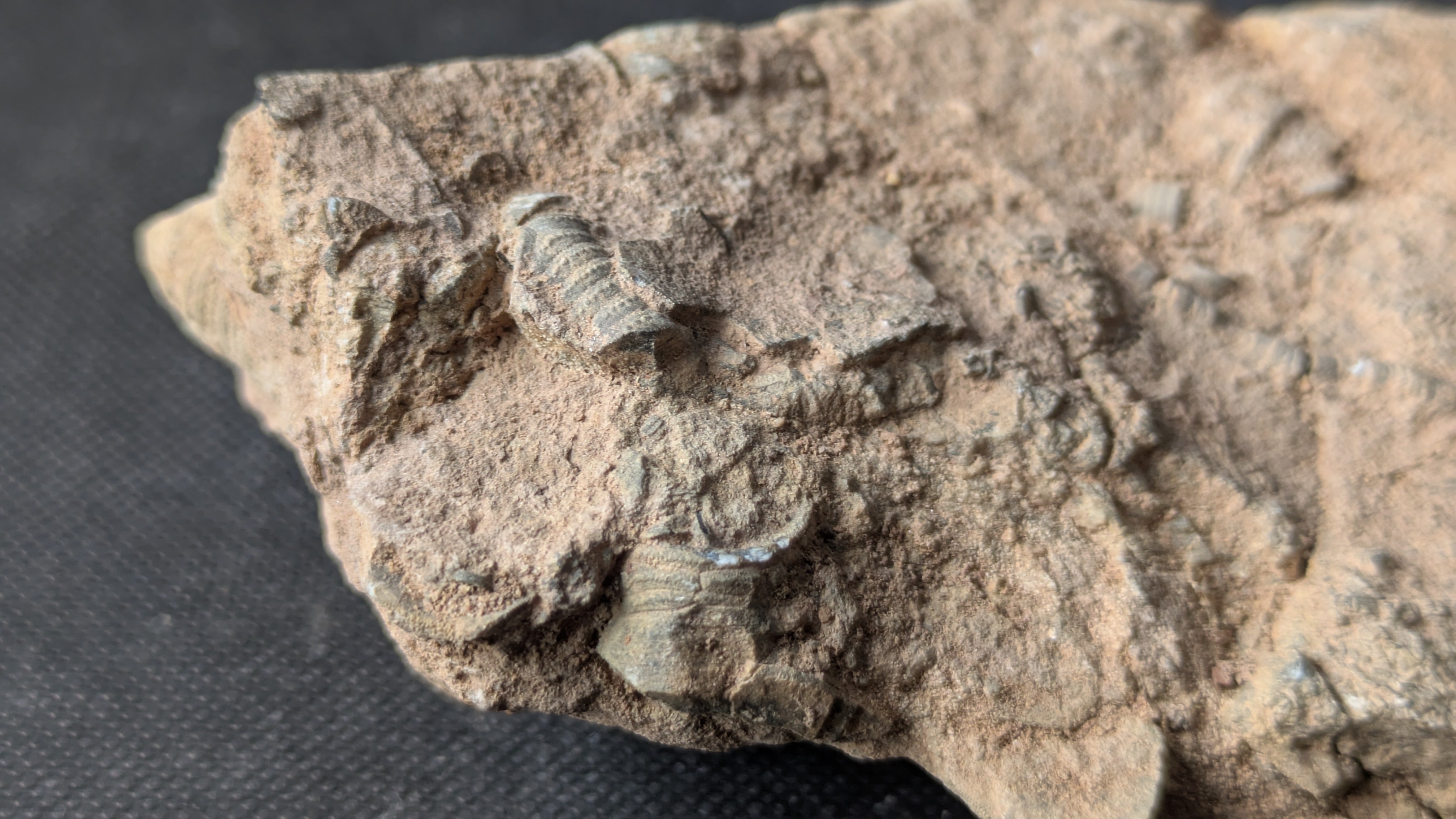
Arm segments with pinnules - 4-5cm
Stem segments
Arm segments with pinnules
+6
Arm segments with pinnules - 4-5cm Stem segments Arm segments with pinnules Arm segments with pinnules Arm segments with pinnules Arm segments with pinnules Unknown detail Stem segments Stem segments, cross-section visible
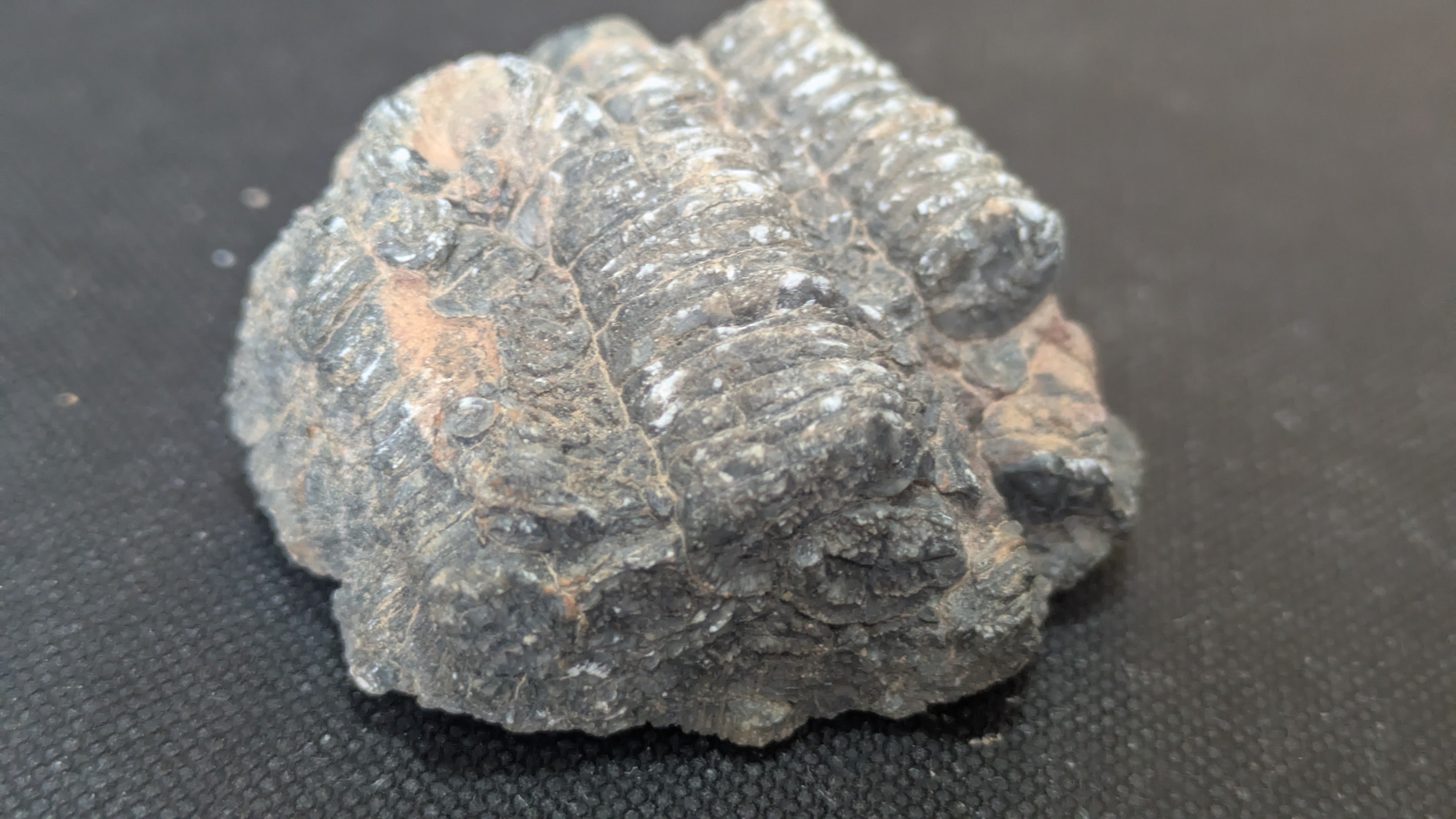
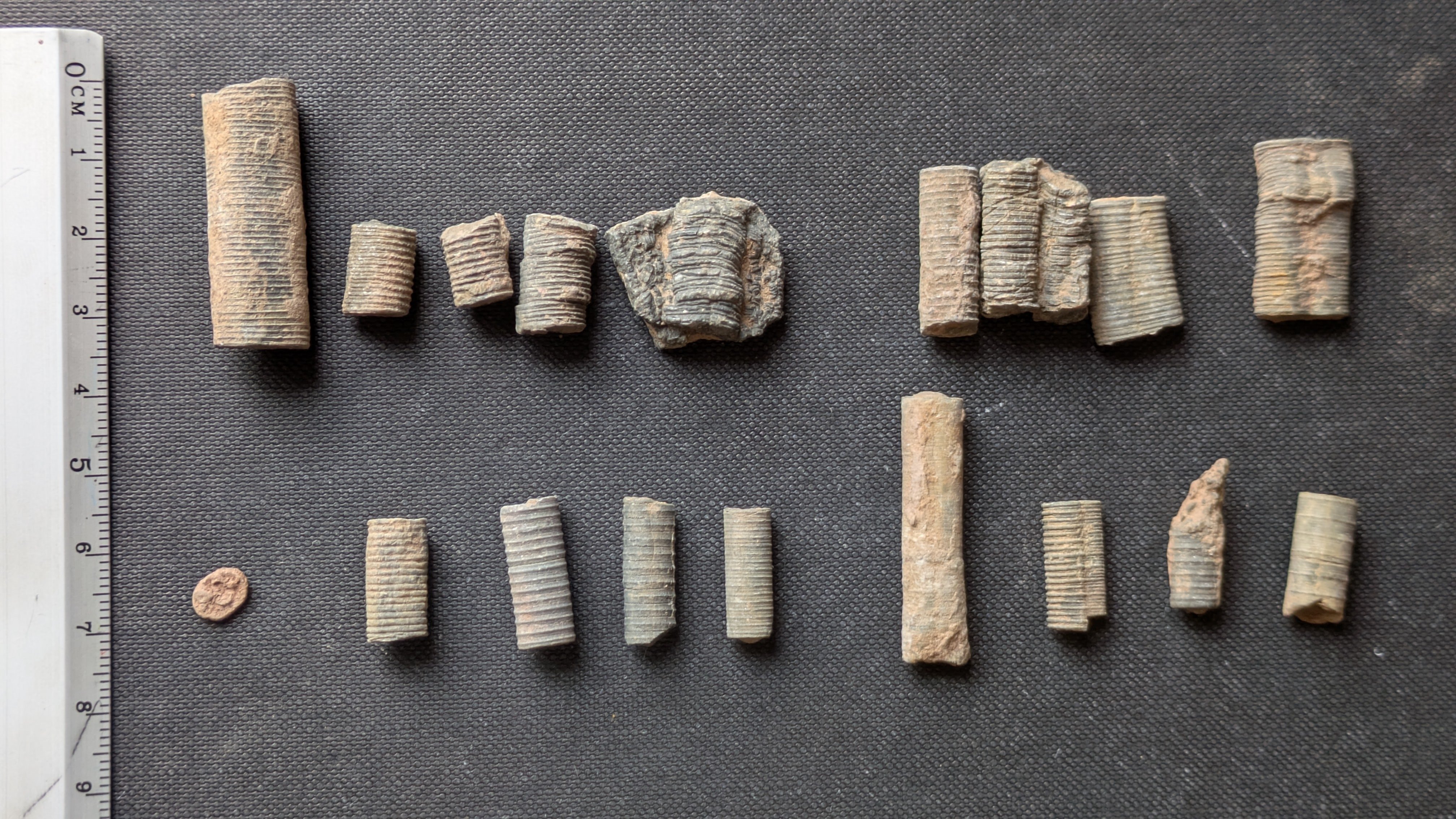
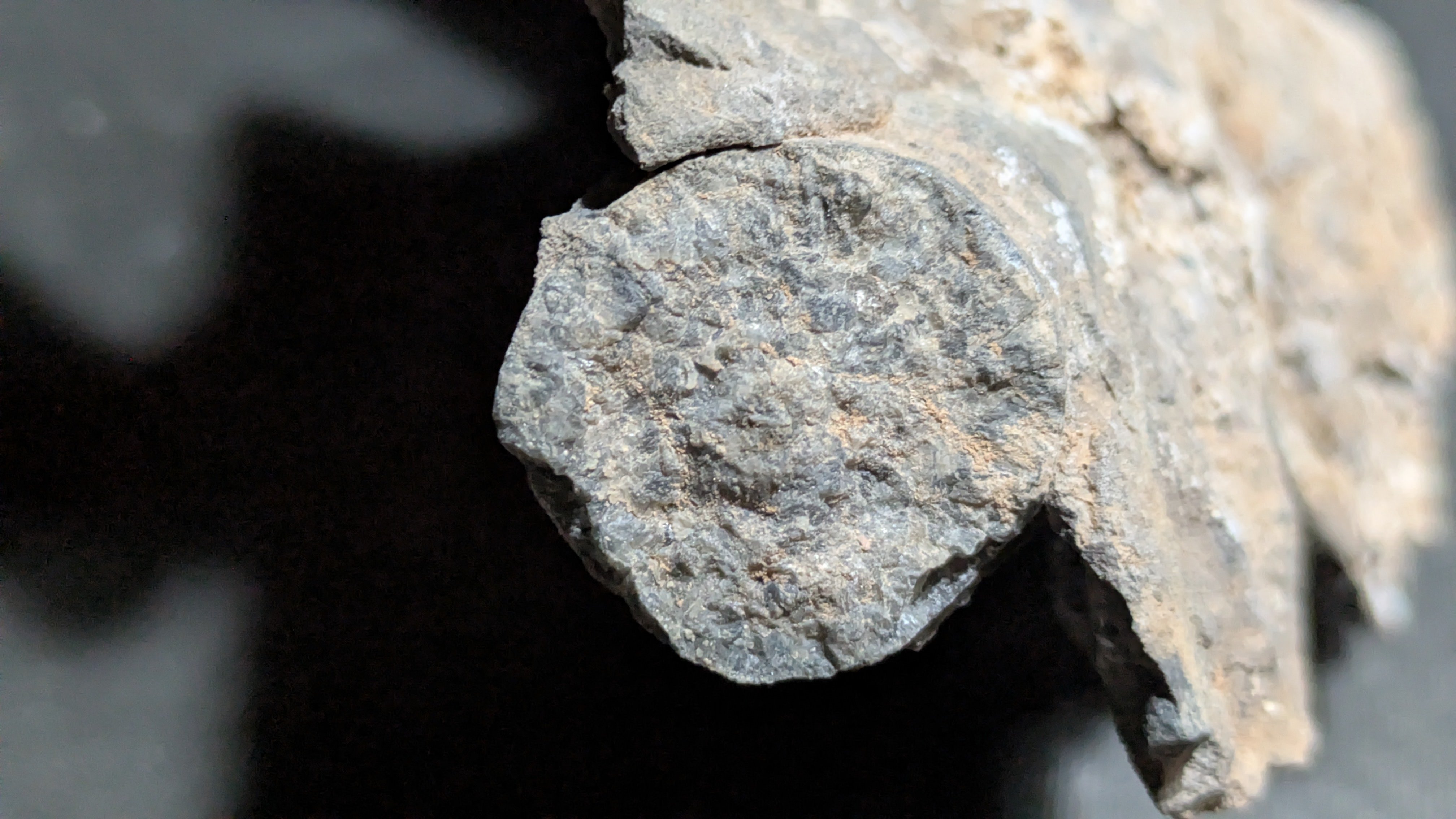
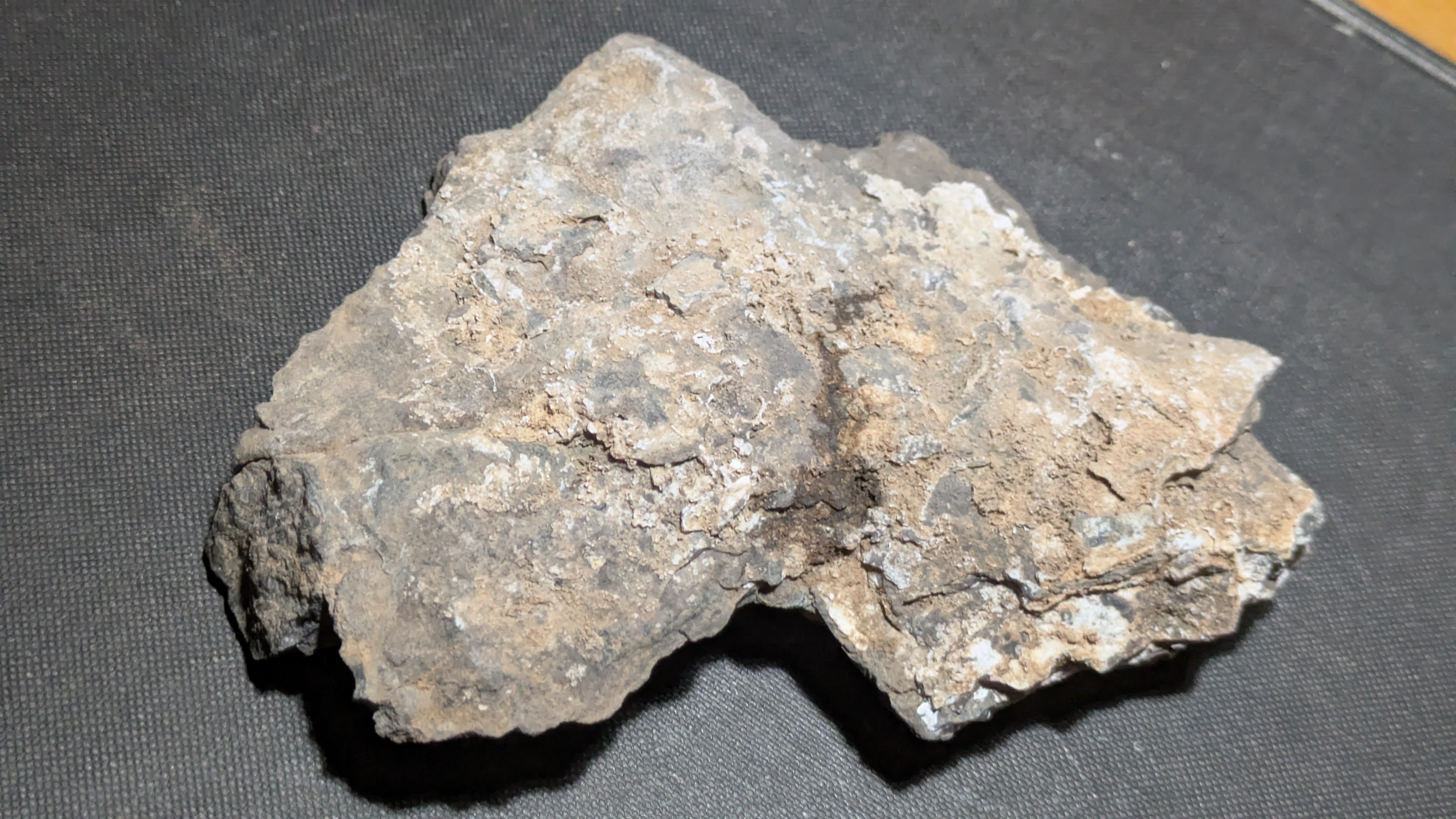
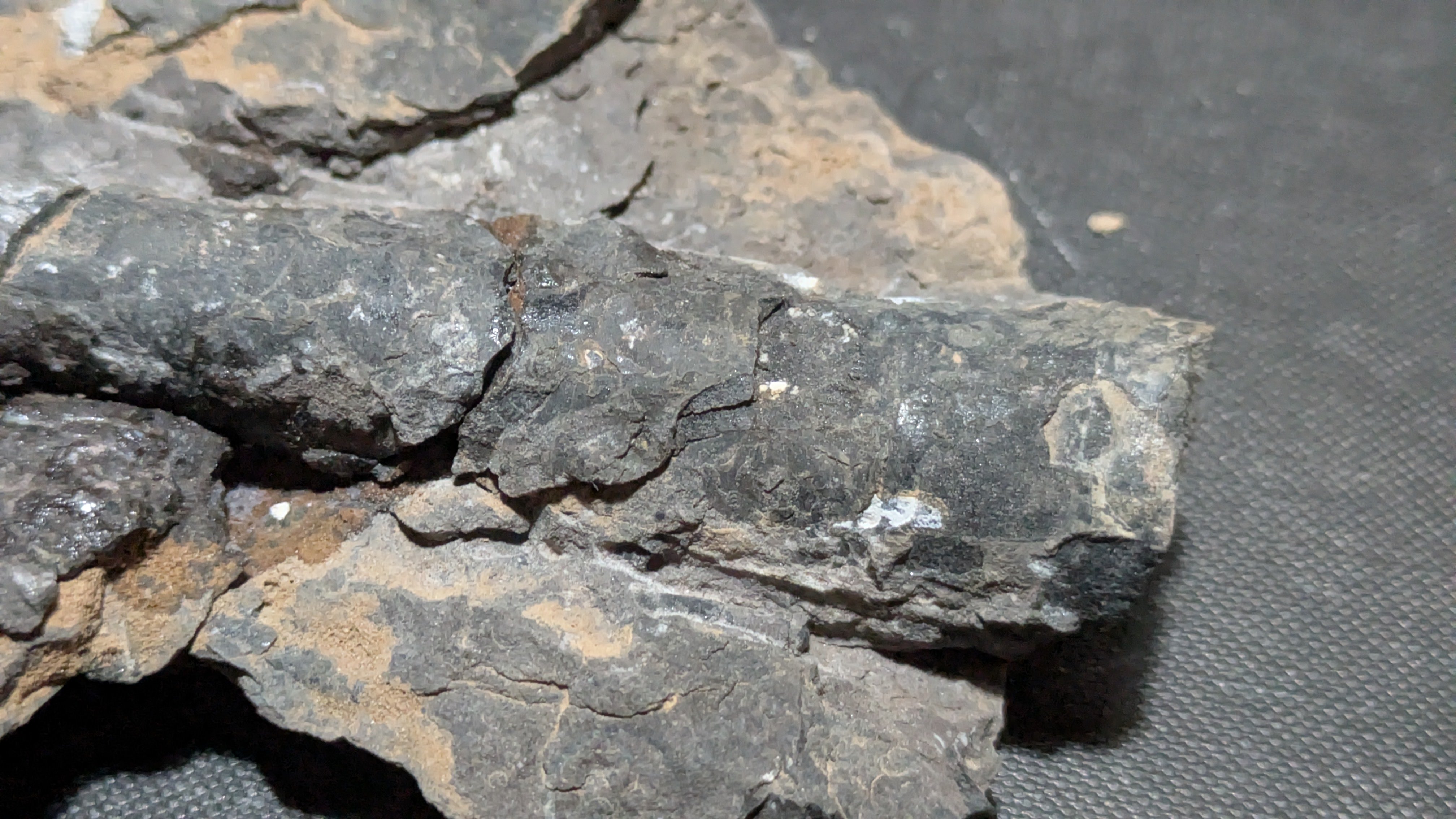
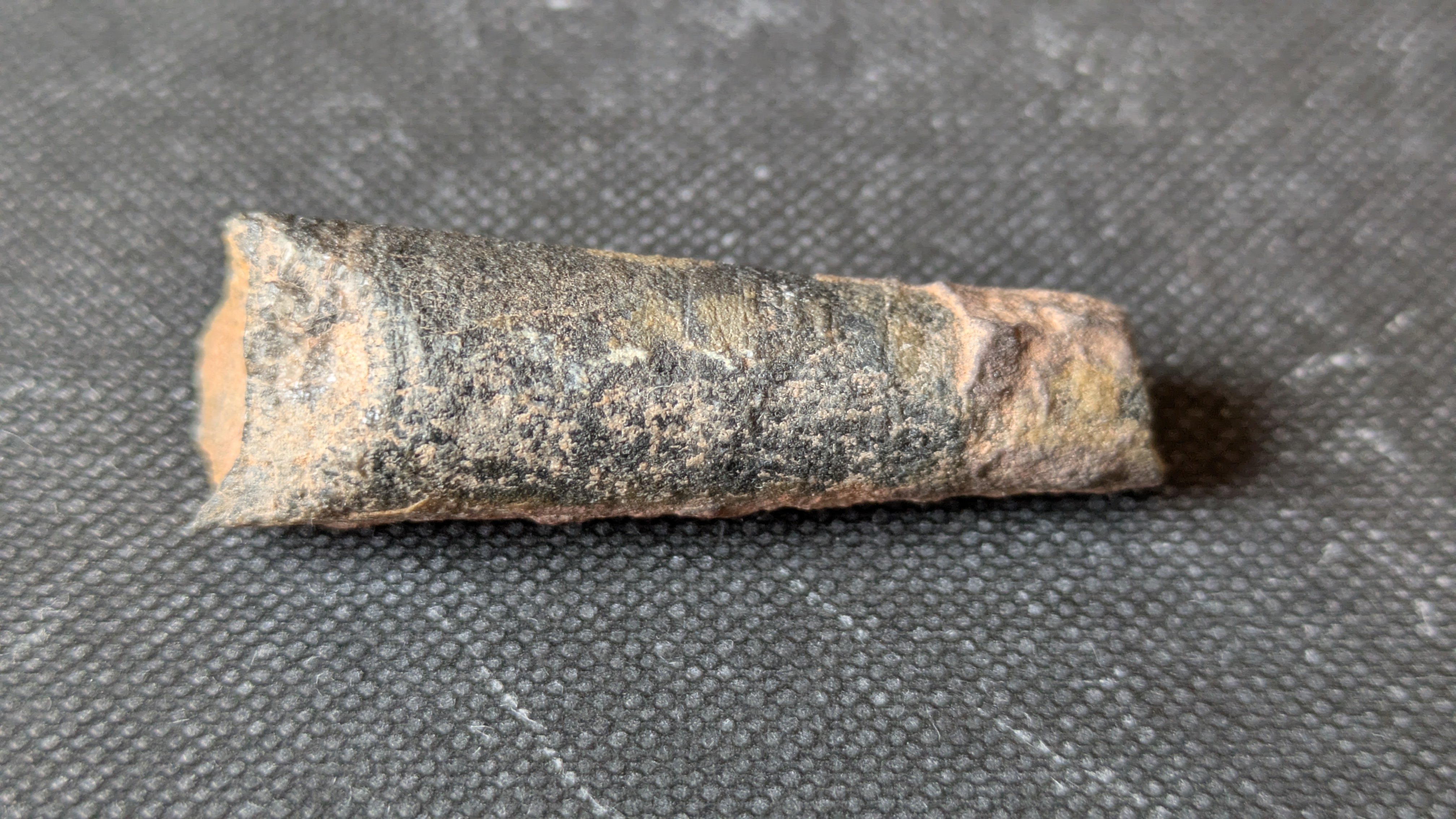
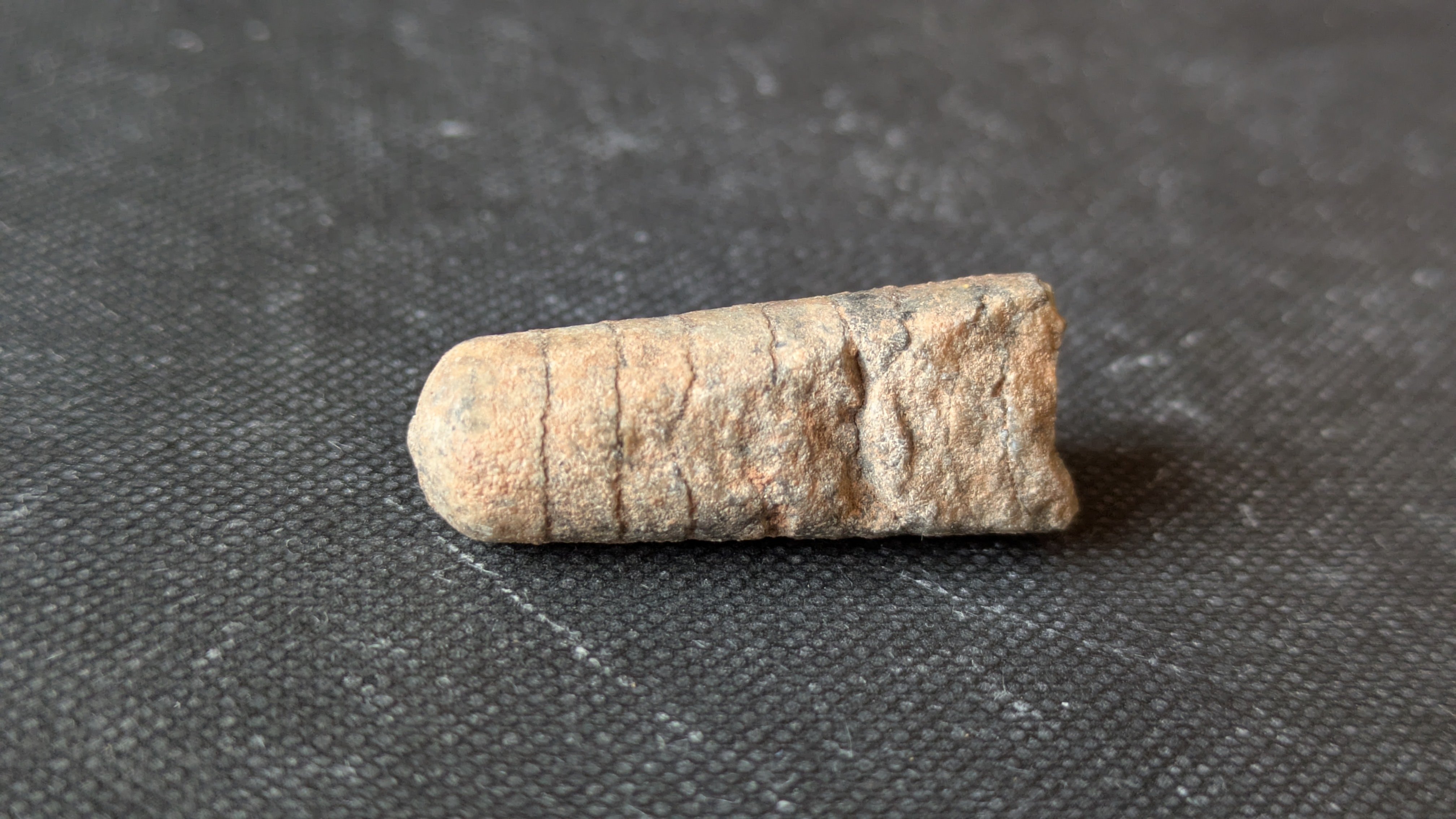
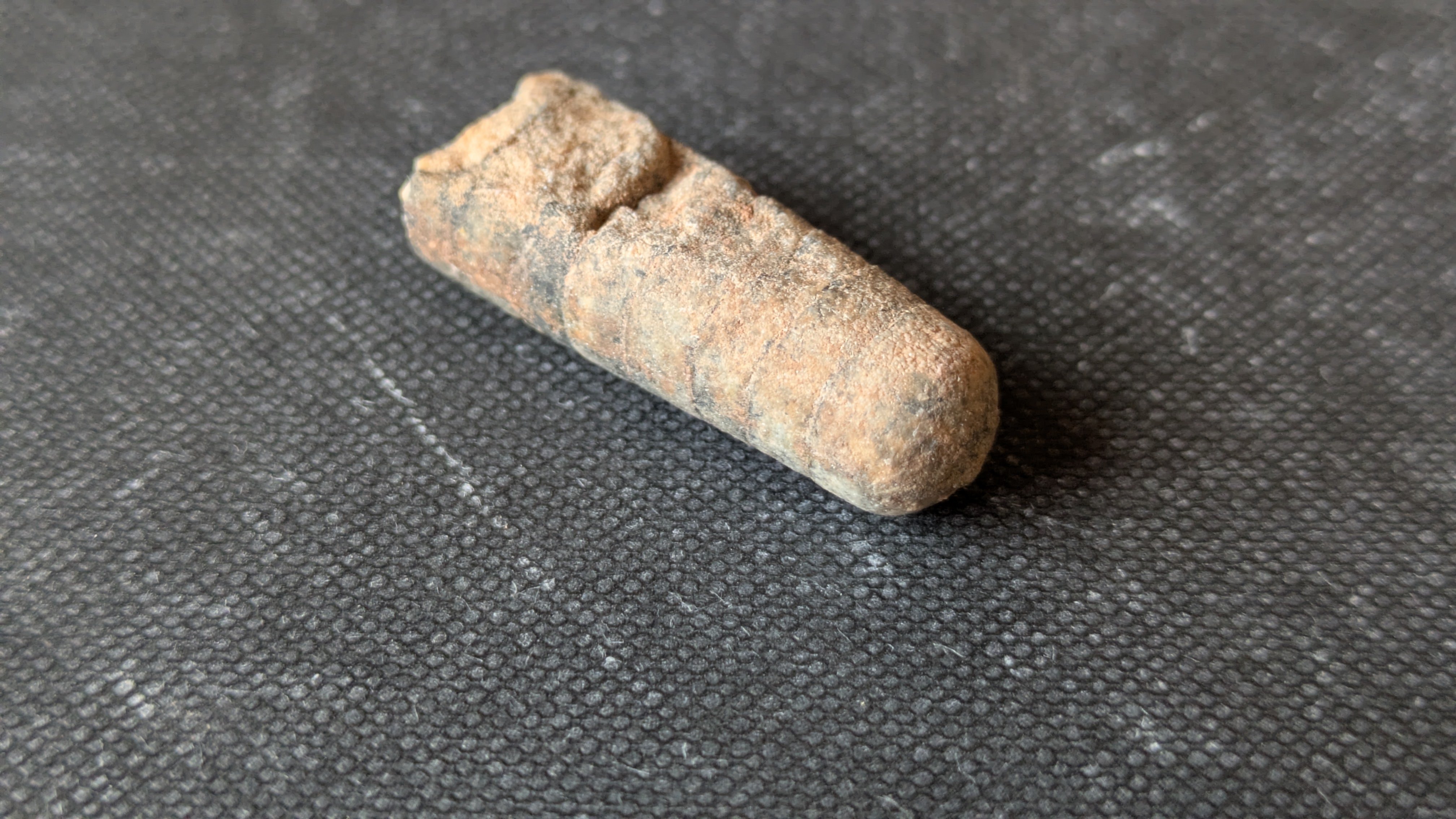
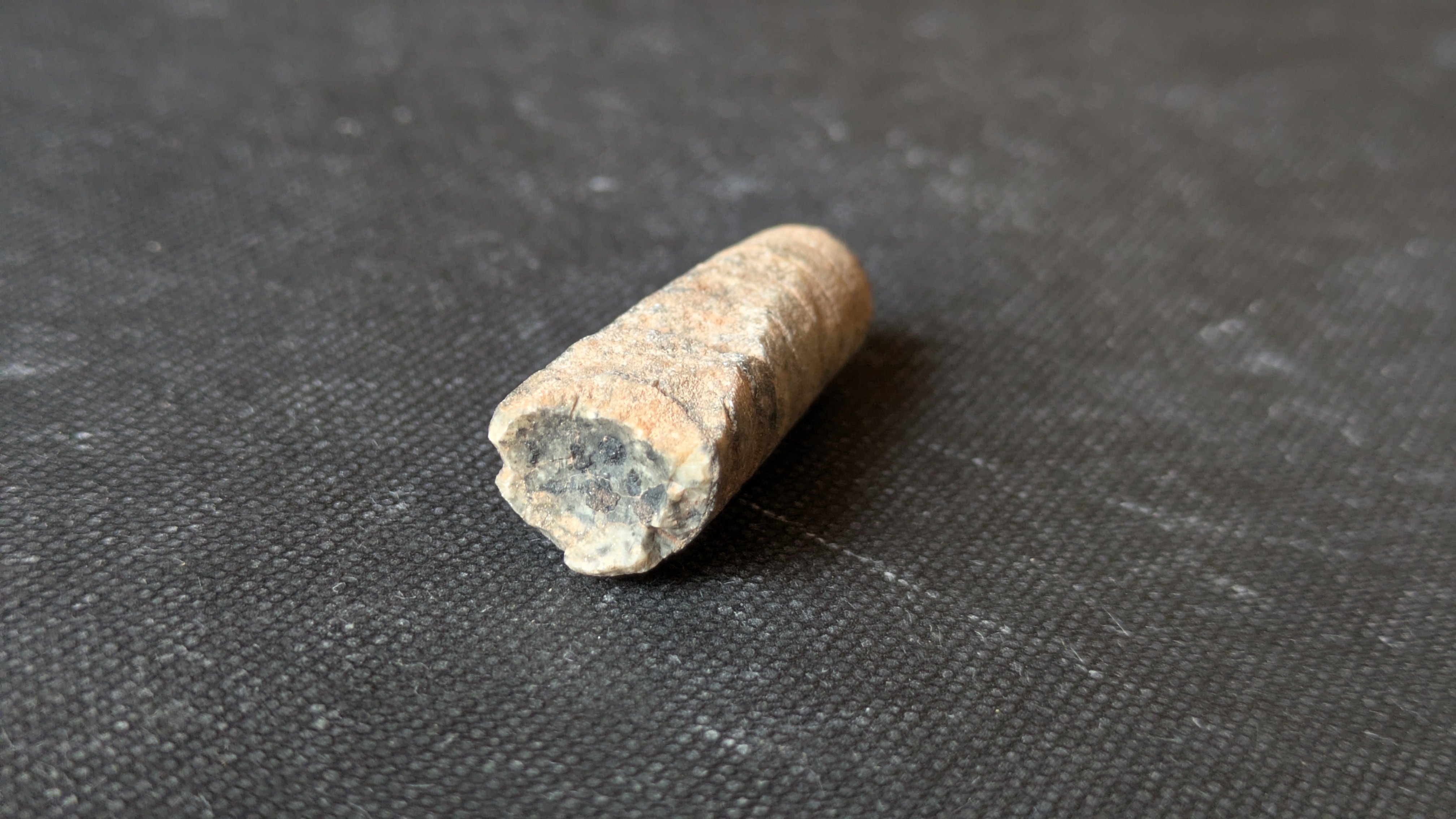
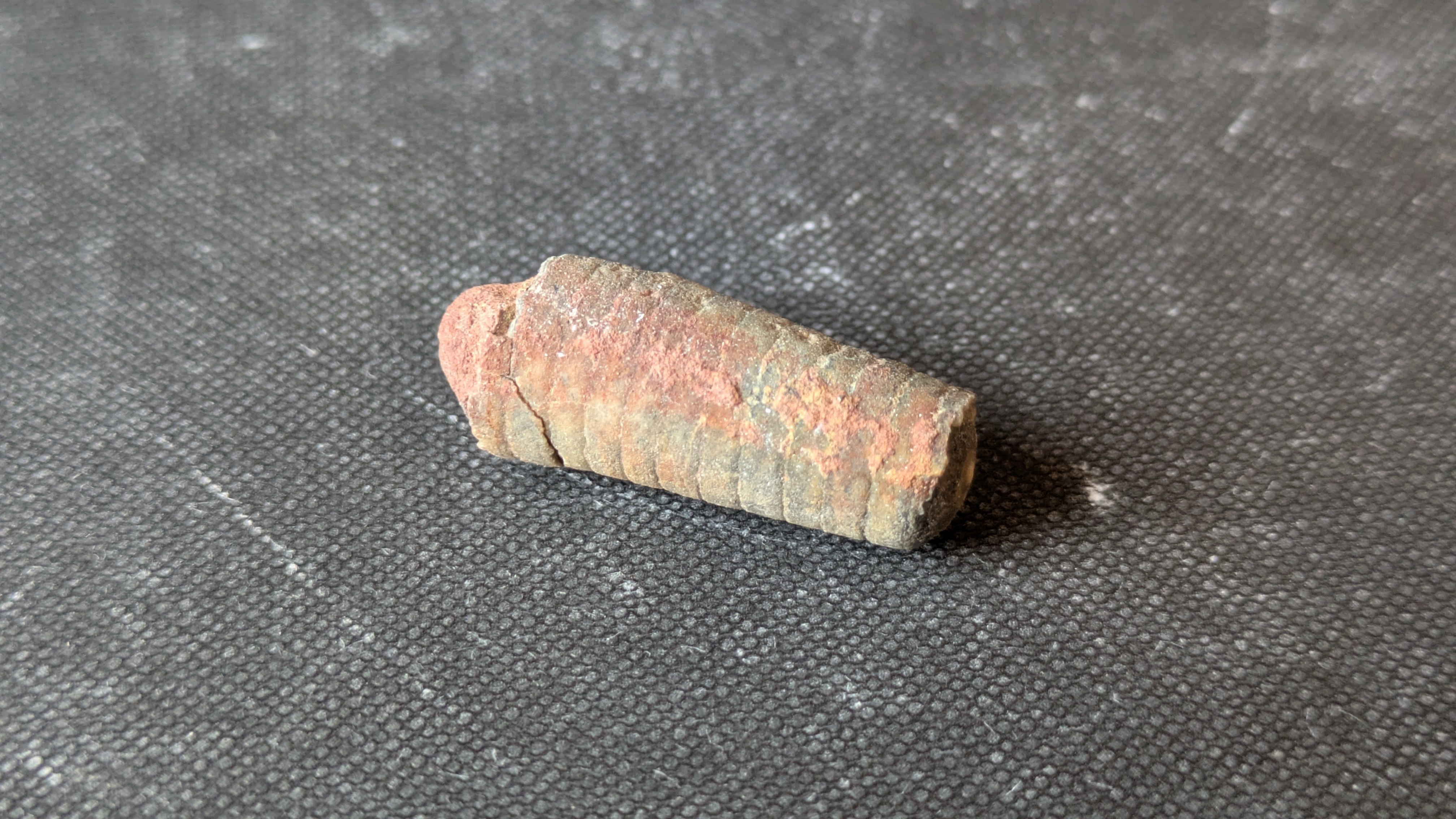
Stem fragments - ~4cm
Stem fragments
Stem fragments - Cross-section
+3
Stem fragments - ~4cm Stem fragments Stem fragments - Cross-section Stem fragments - Cross-section Stem fragments Stem fragments
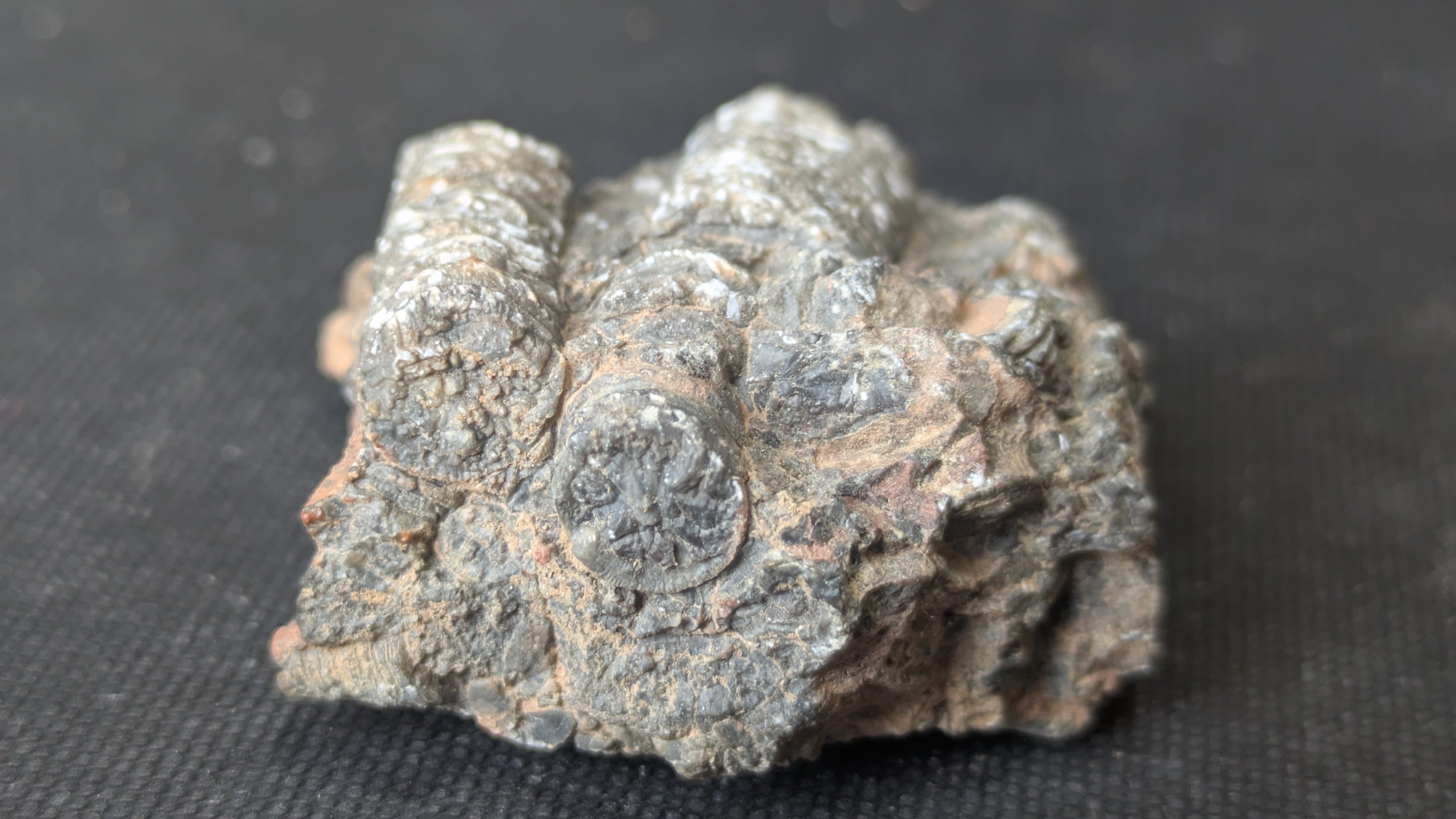
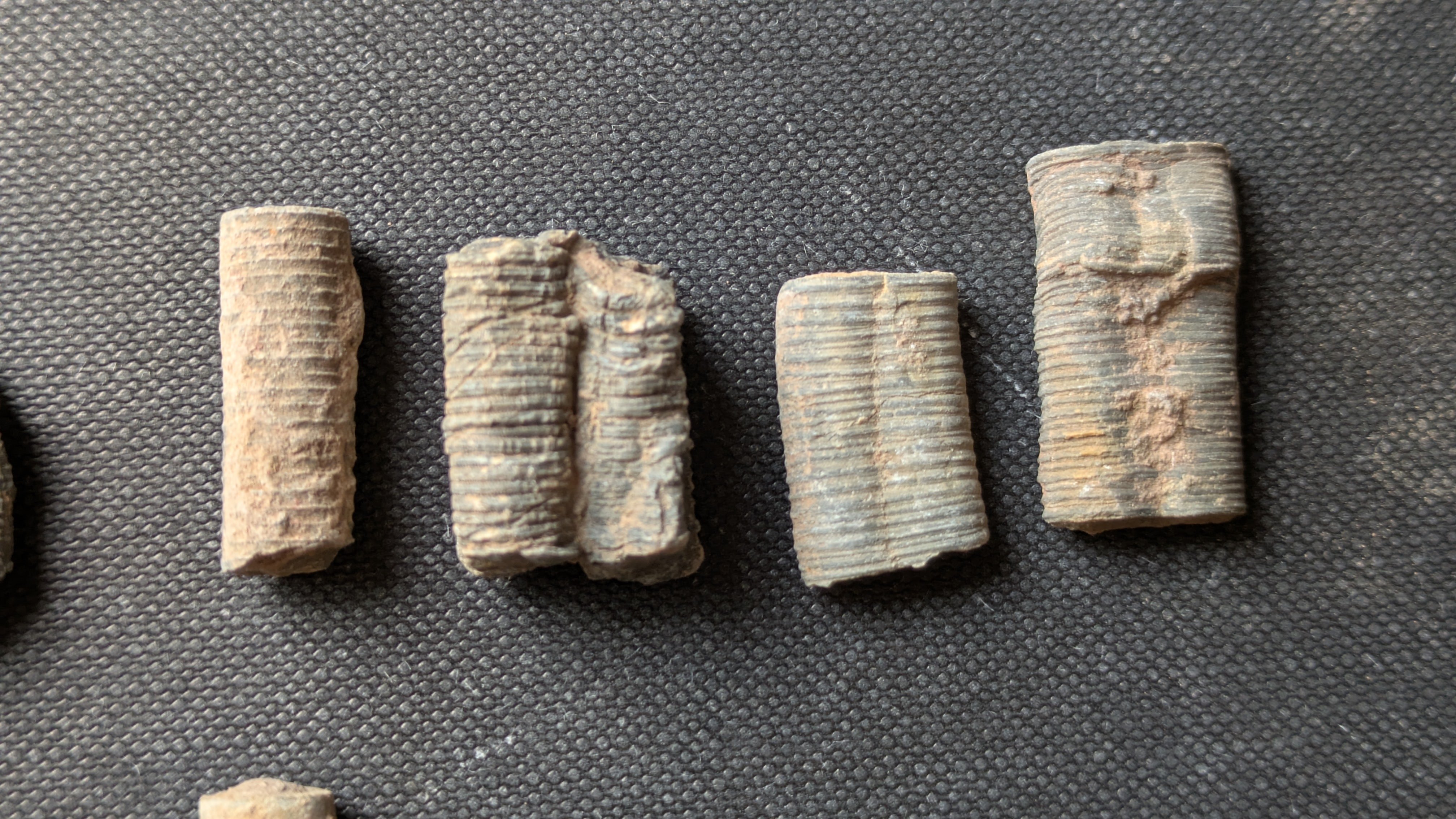
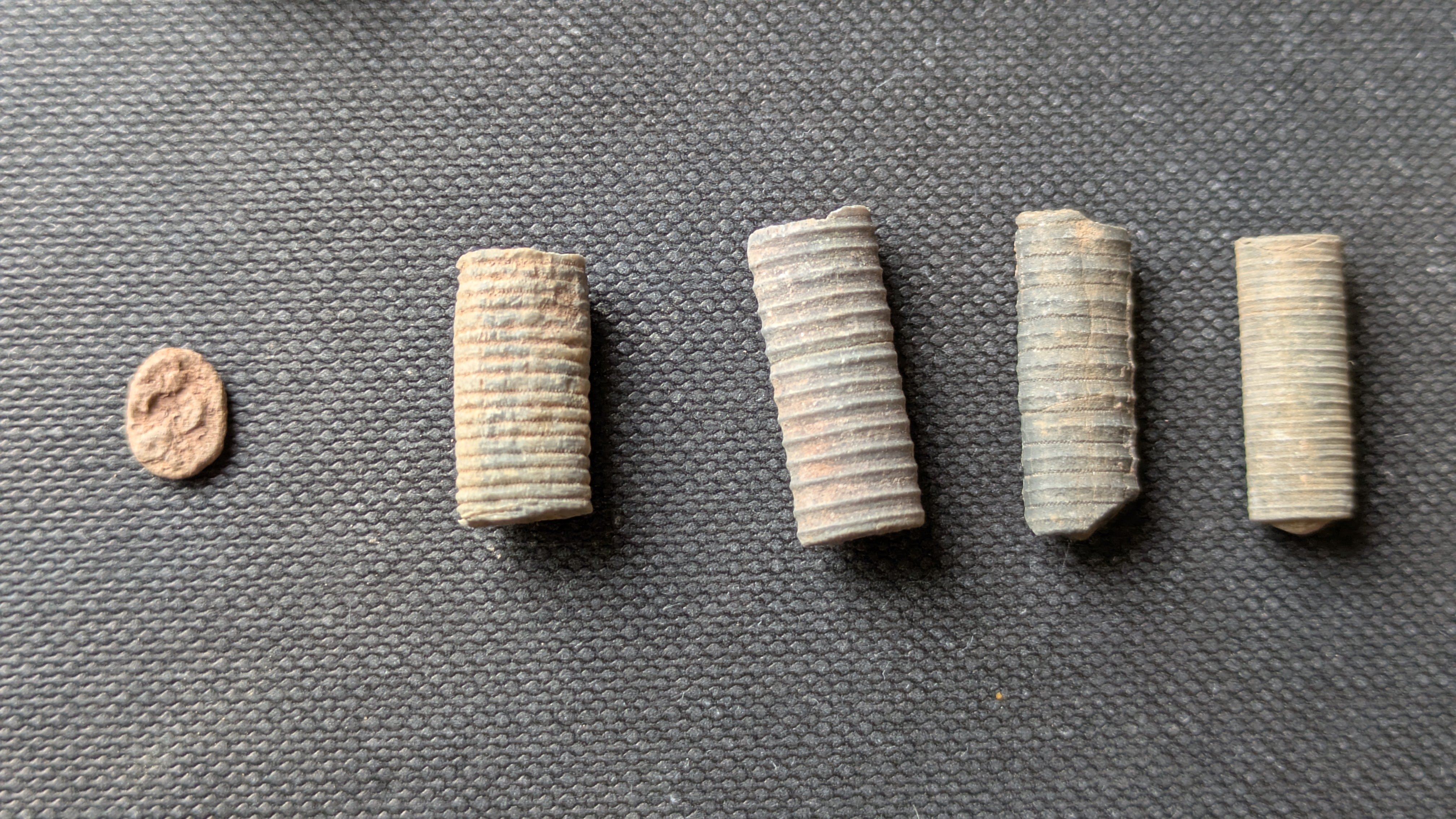
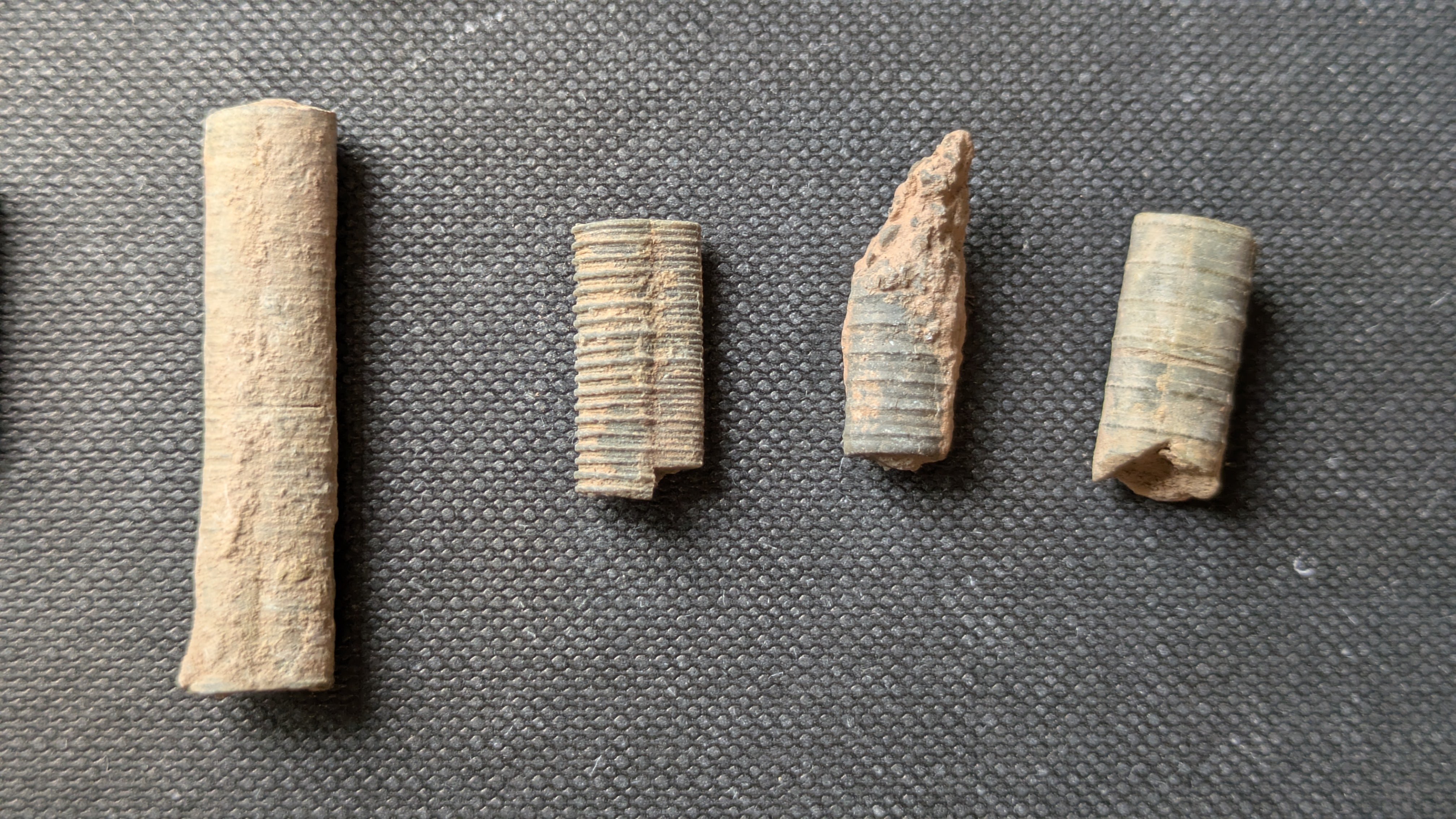
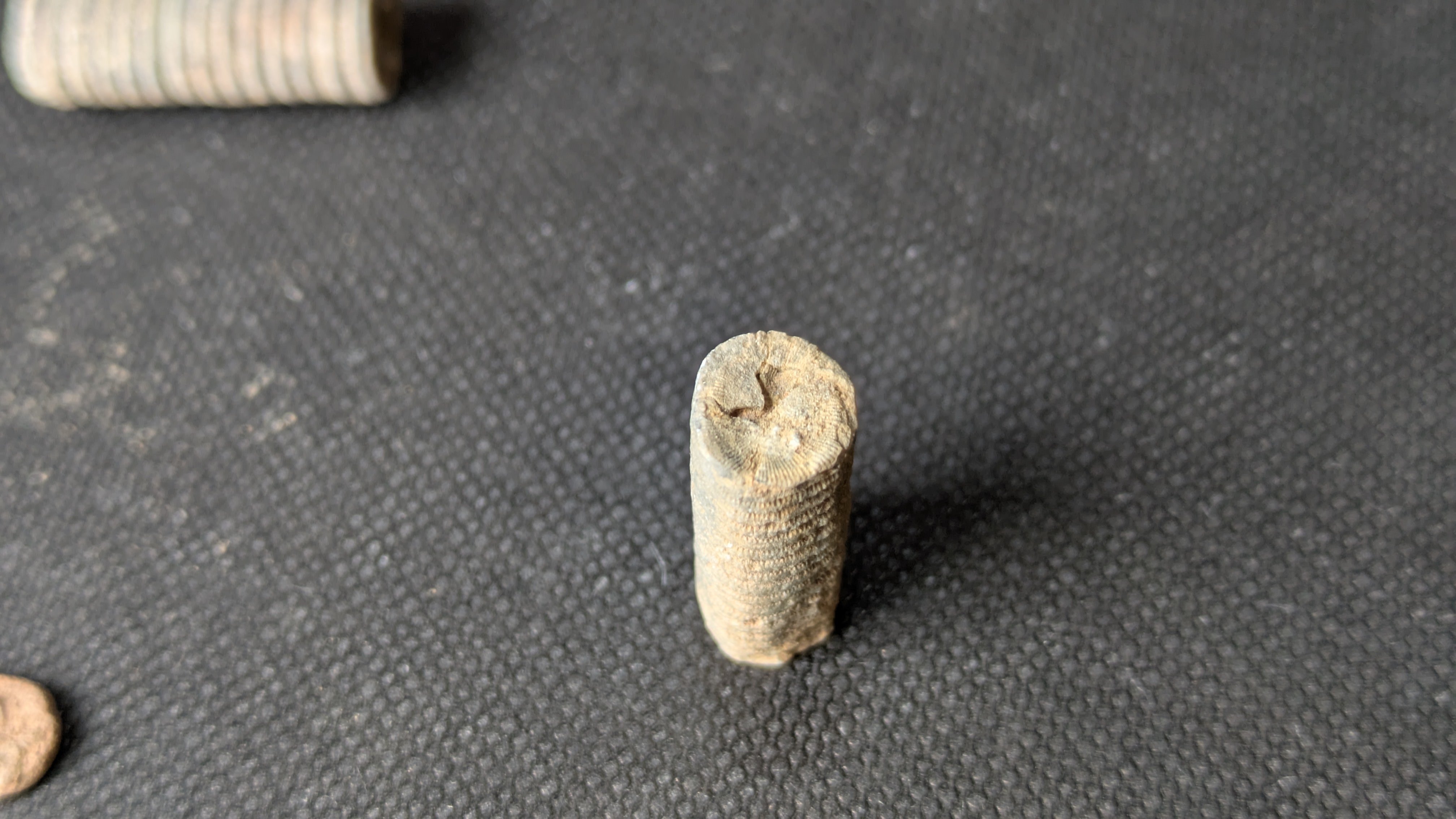
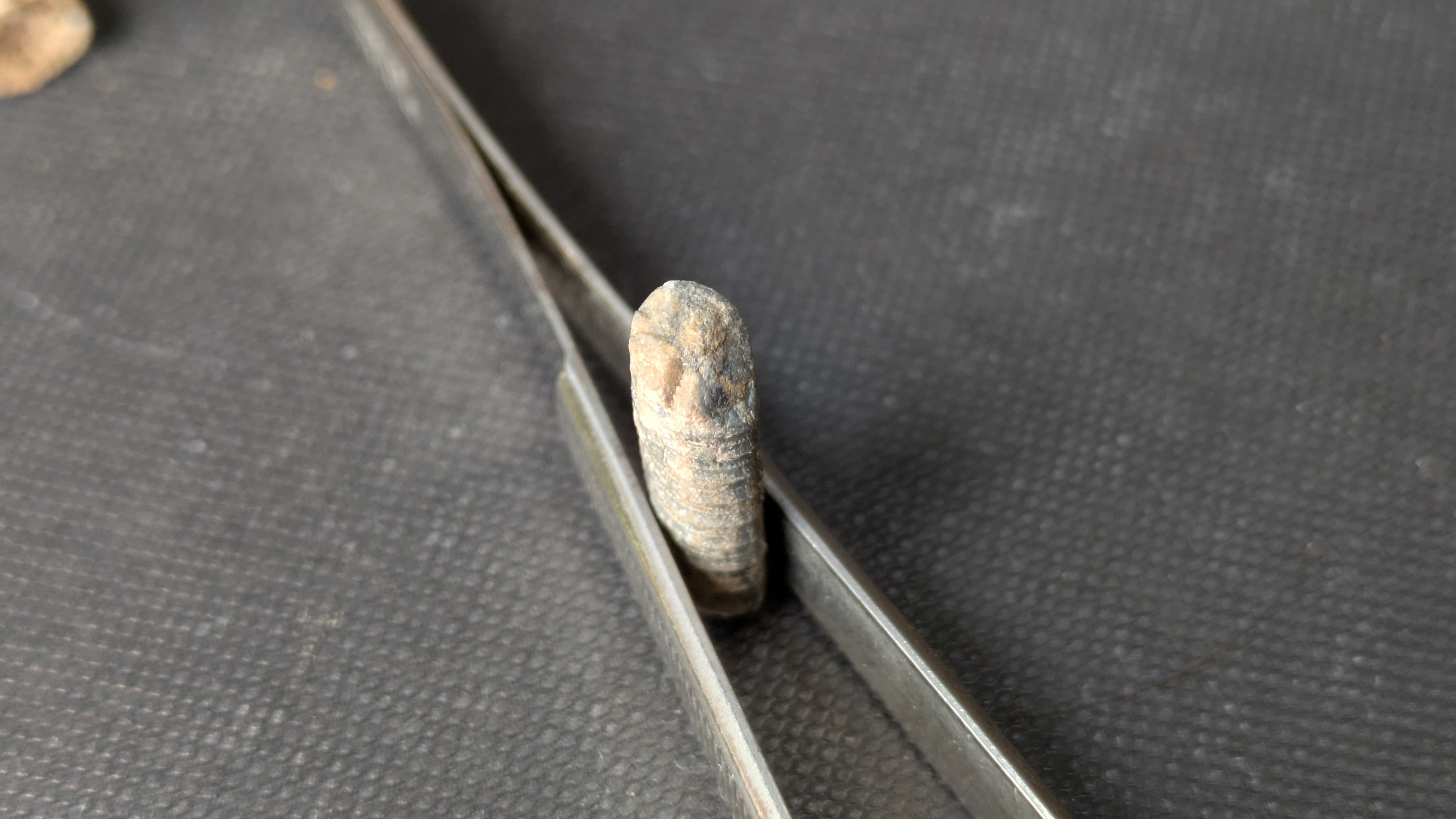
Various stem fragments - 1-3cm length, 0.6-1.2cm diameter
Various stem fragments
+5
Various stem fragments - 1-3cm length, 0.6-1.2cm diameter Various stem fragments Various stem fragments Various stem fragments Various stem fragments Stem fragment of crinoid - Star-shaped axial canal visible in the middle of the cross-section Stem fragment of crinoid - Star-shaped axial canal visible in the middle of the cross-section. The asymmetry suggests that the fossil has undergone compression. Stem fragment of crinoid - It appears to have been almost flattened by compression.
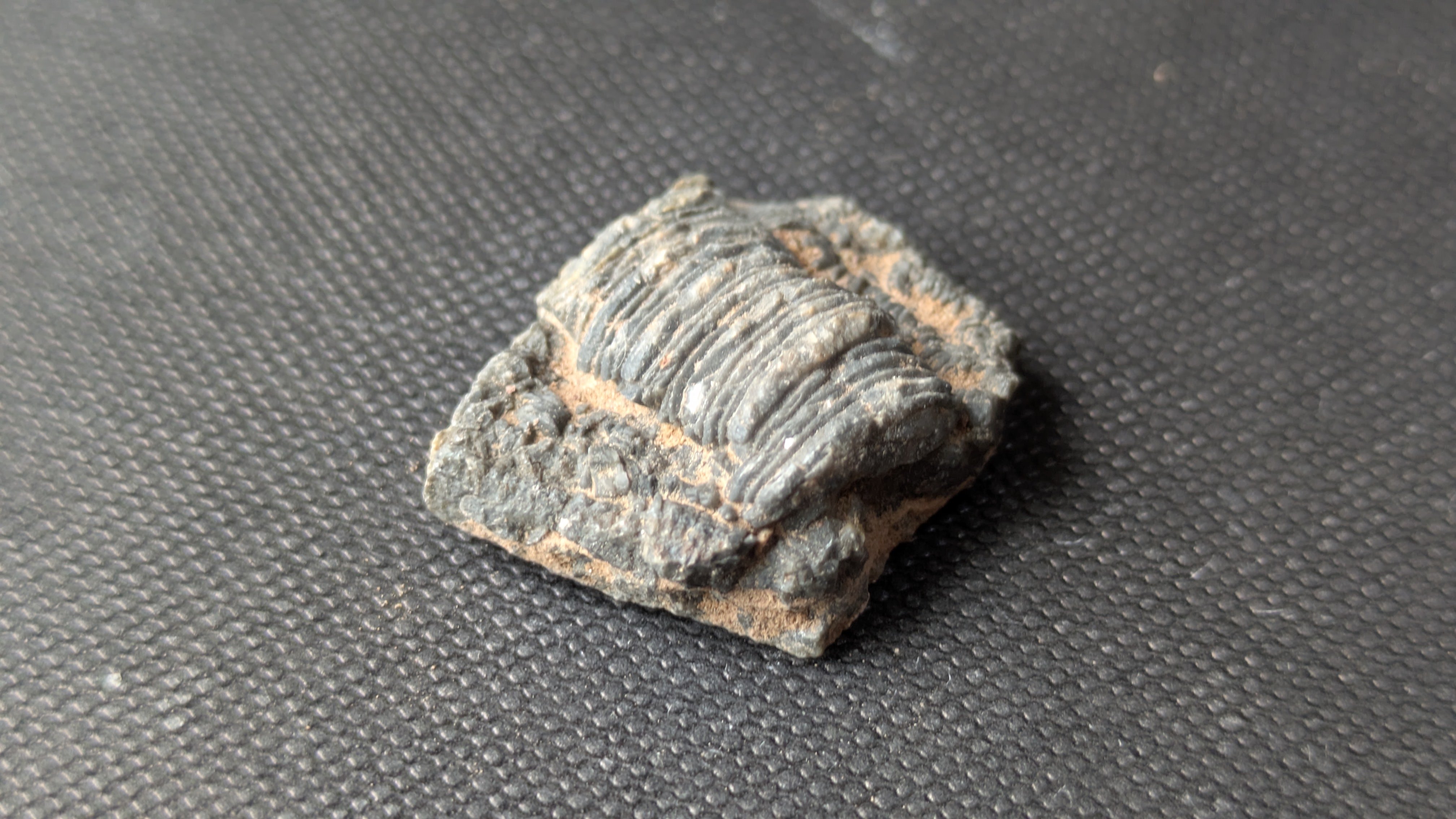
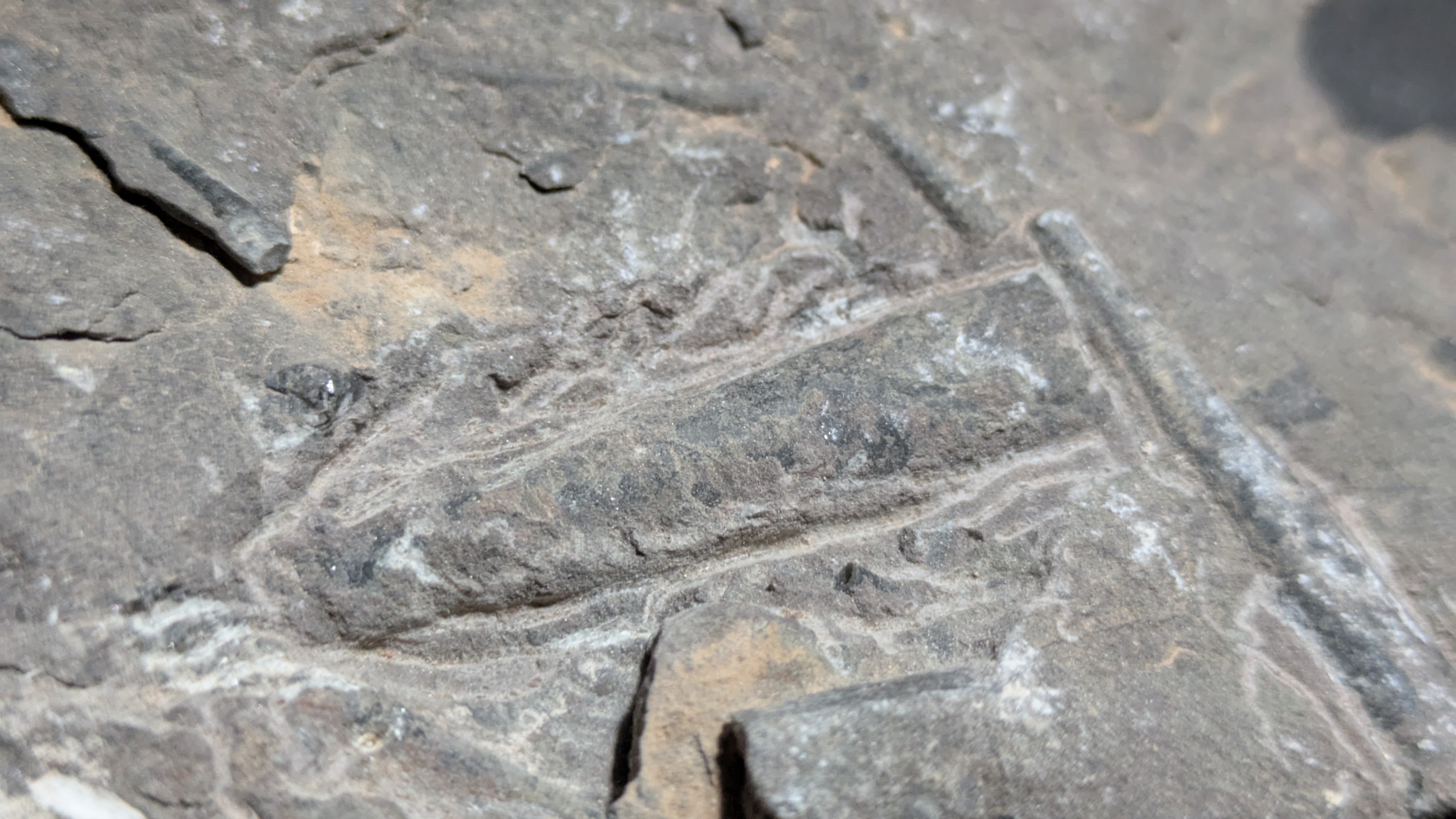
Branching arm base - 2-3cm
Branching arm base - Three branches visible
+3
Branching arm base - 2-3cm Branching arm base - Three branches visible Branching arm base - Three branches visible Branching arm base - Cross-section of the base Branching arm base - Cross-section of the branches Branching arm base - Three branches visible

Artistic depiction of Orthoceratoidea
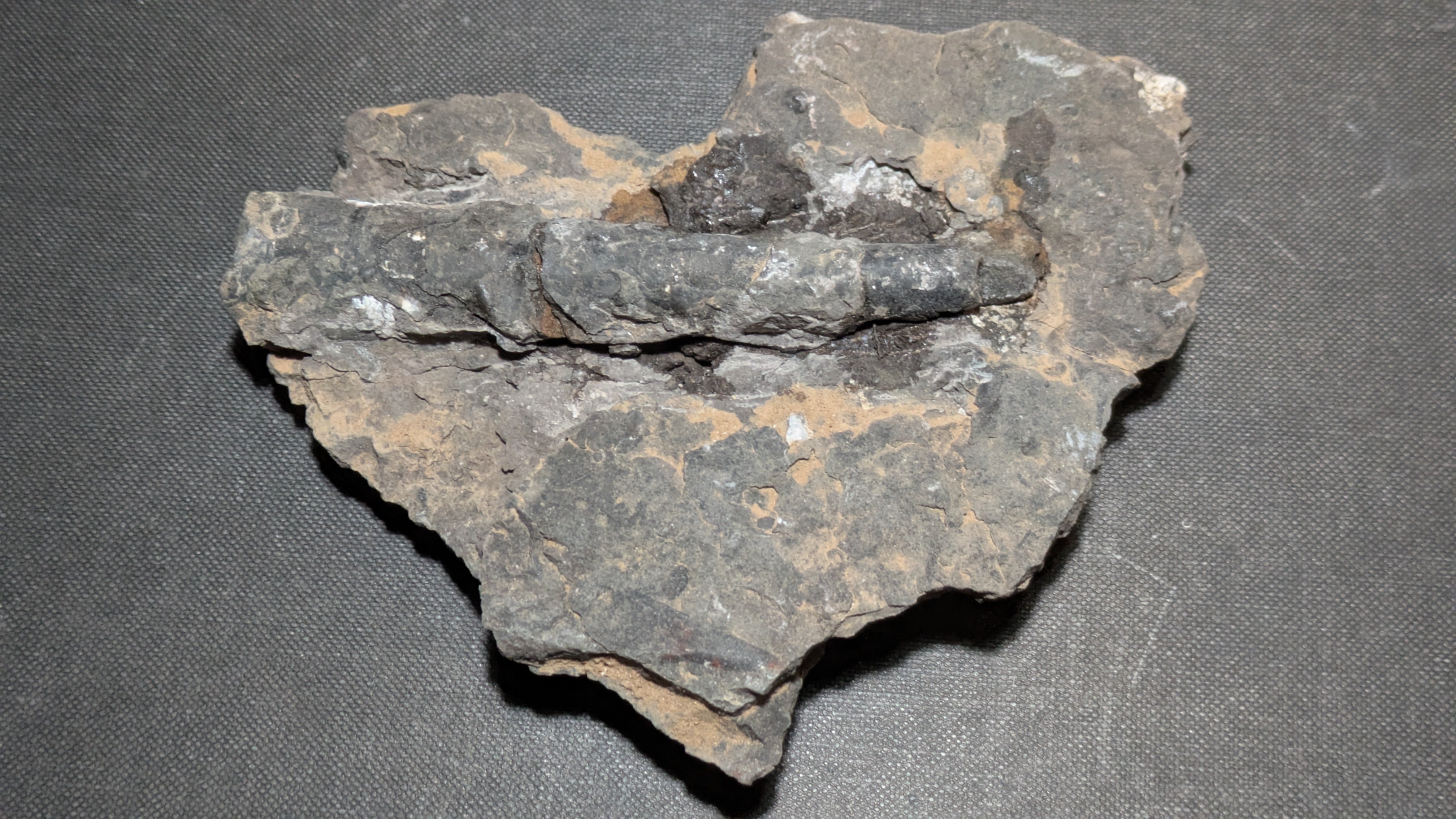
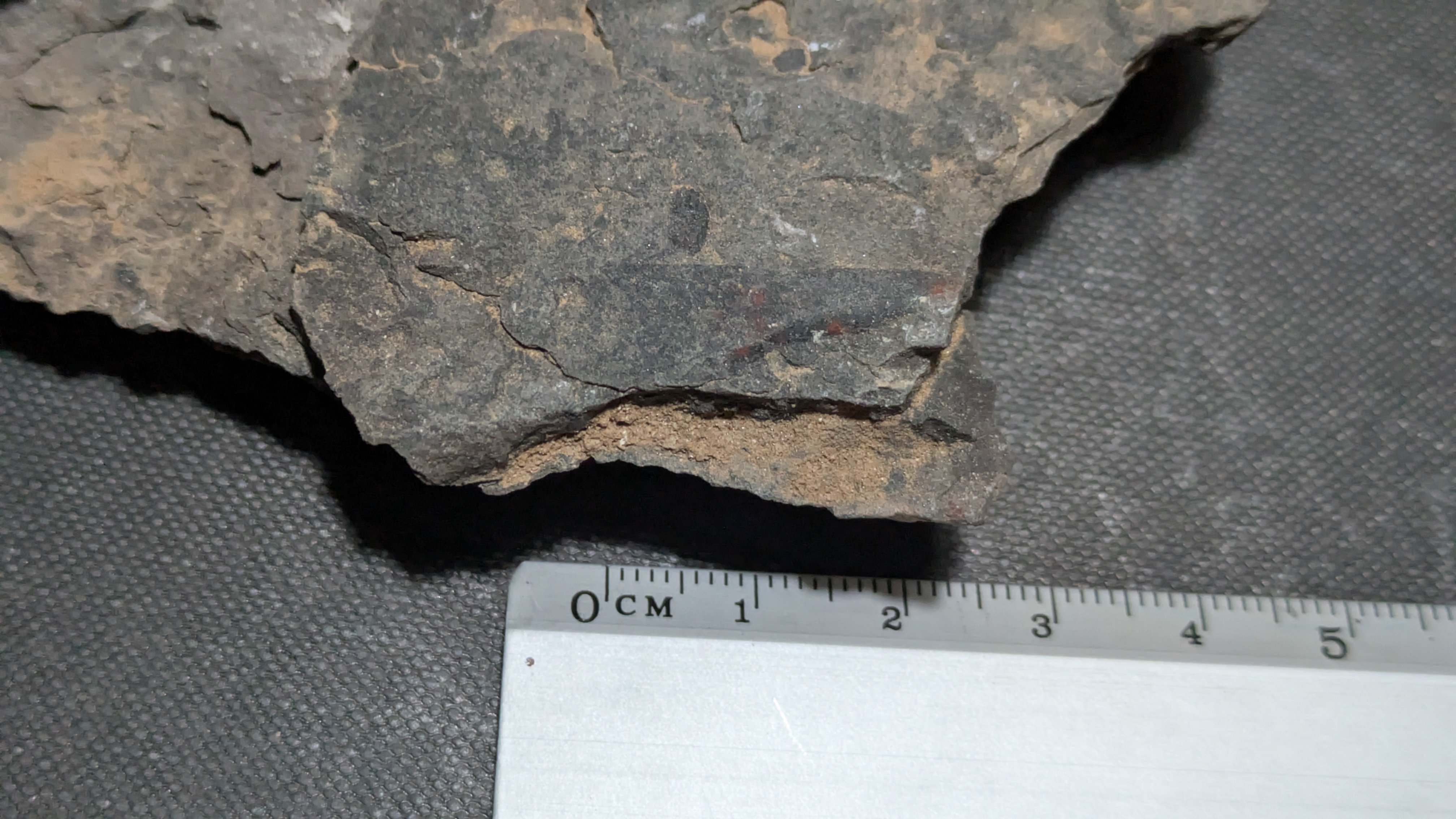
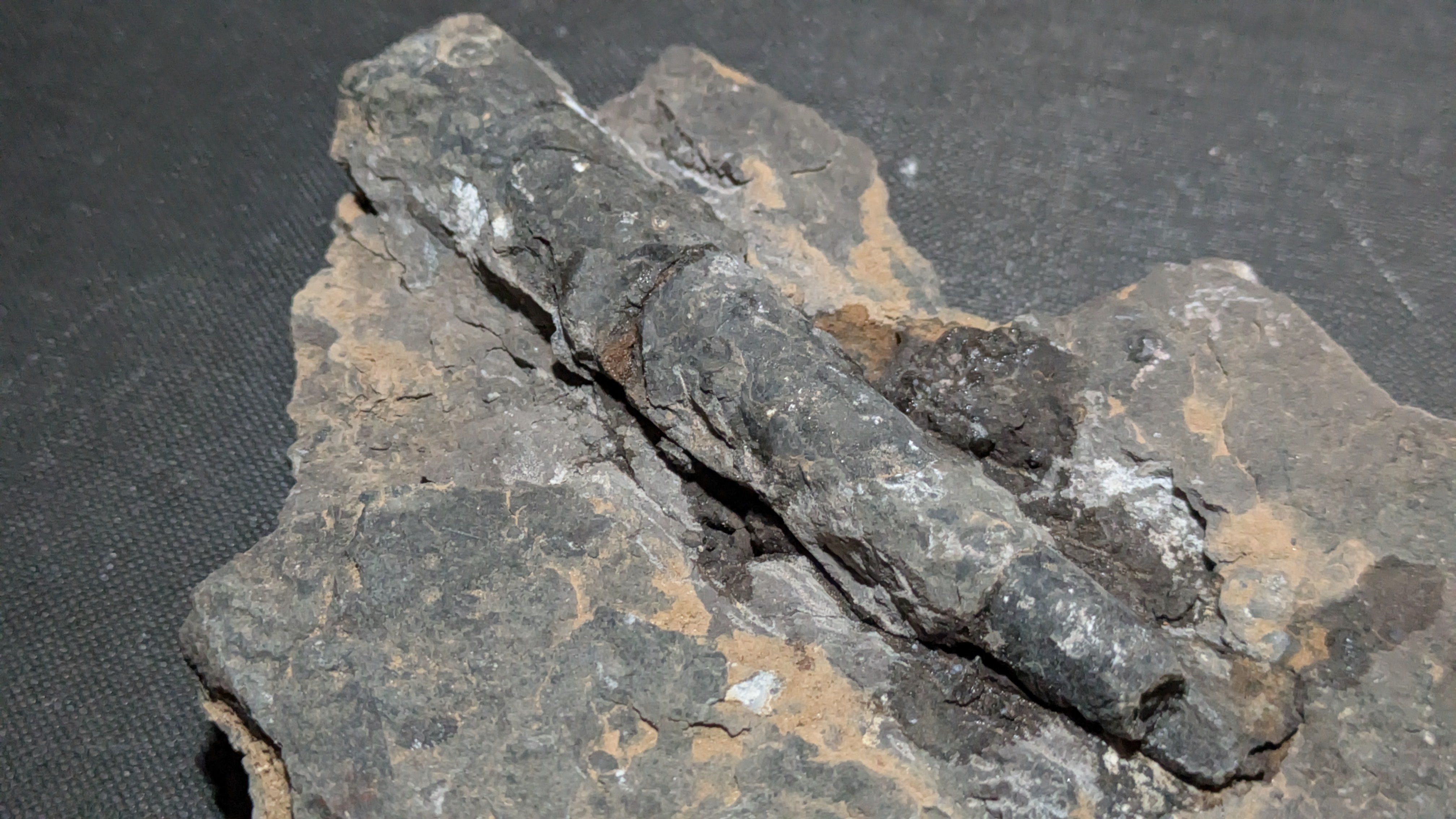
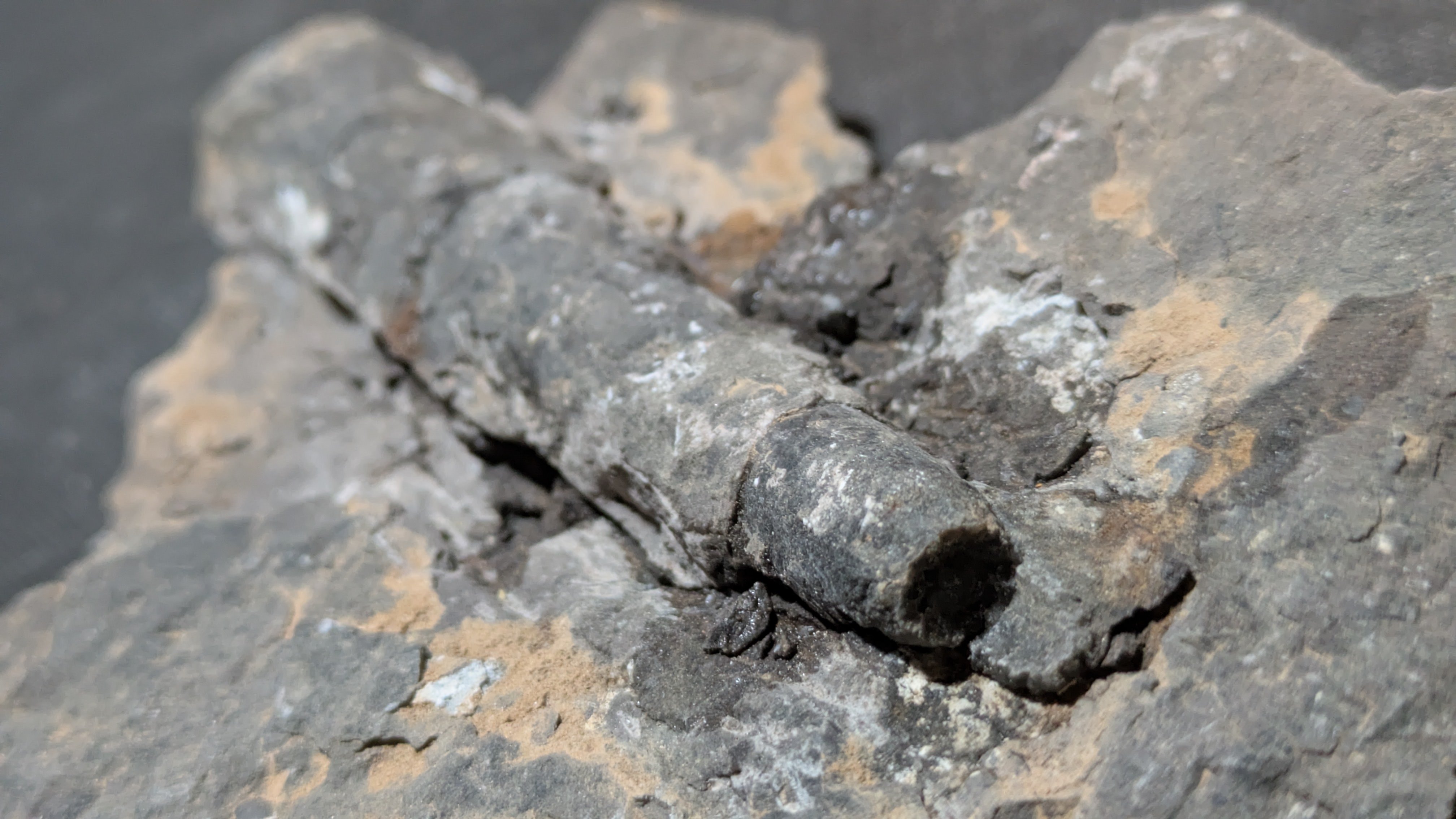
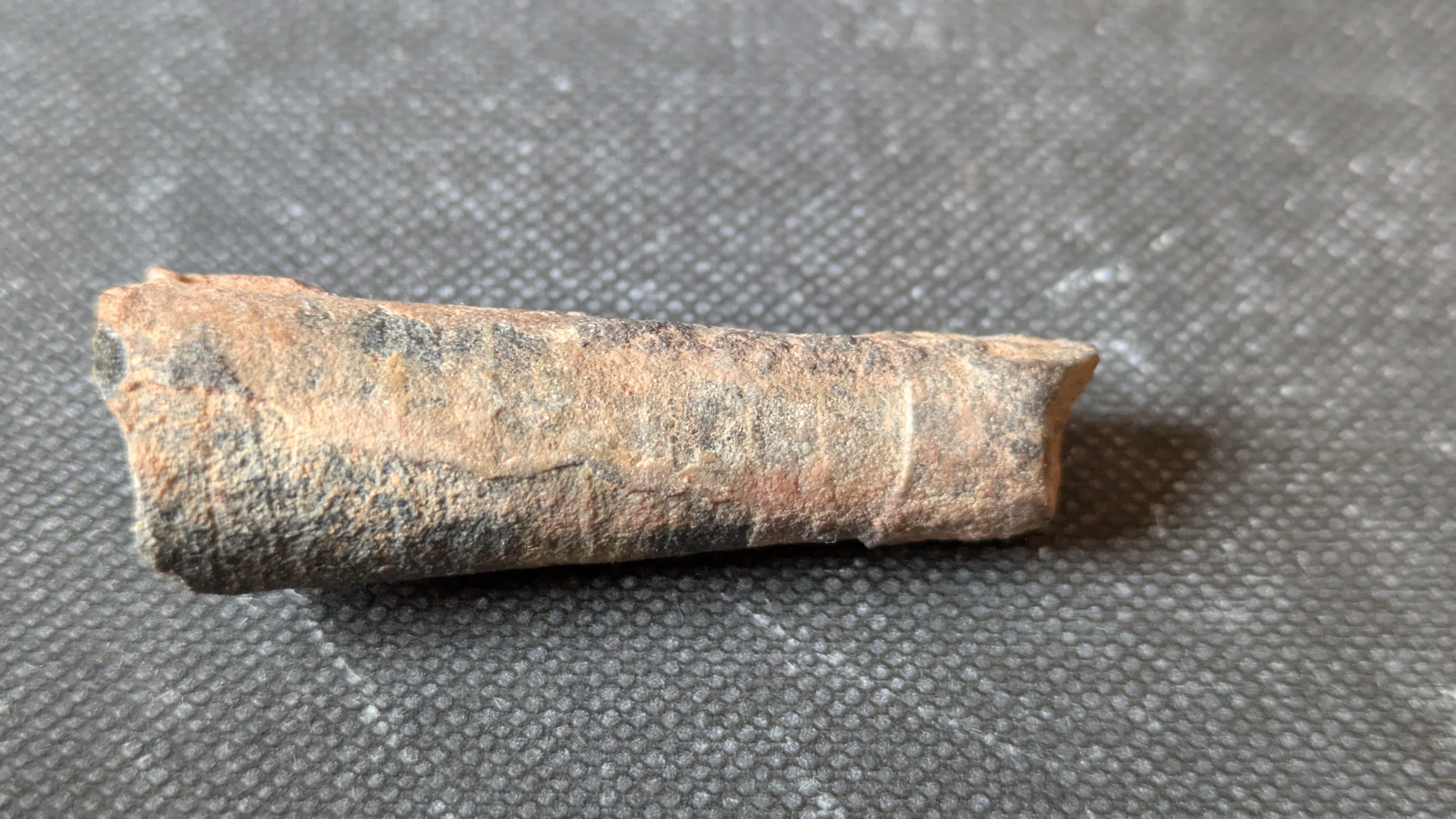
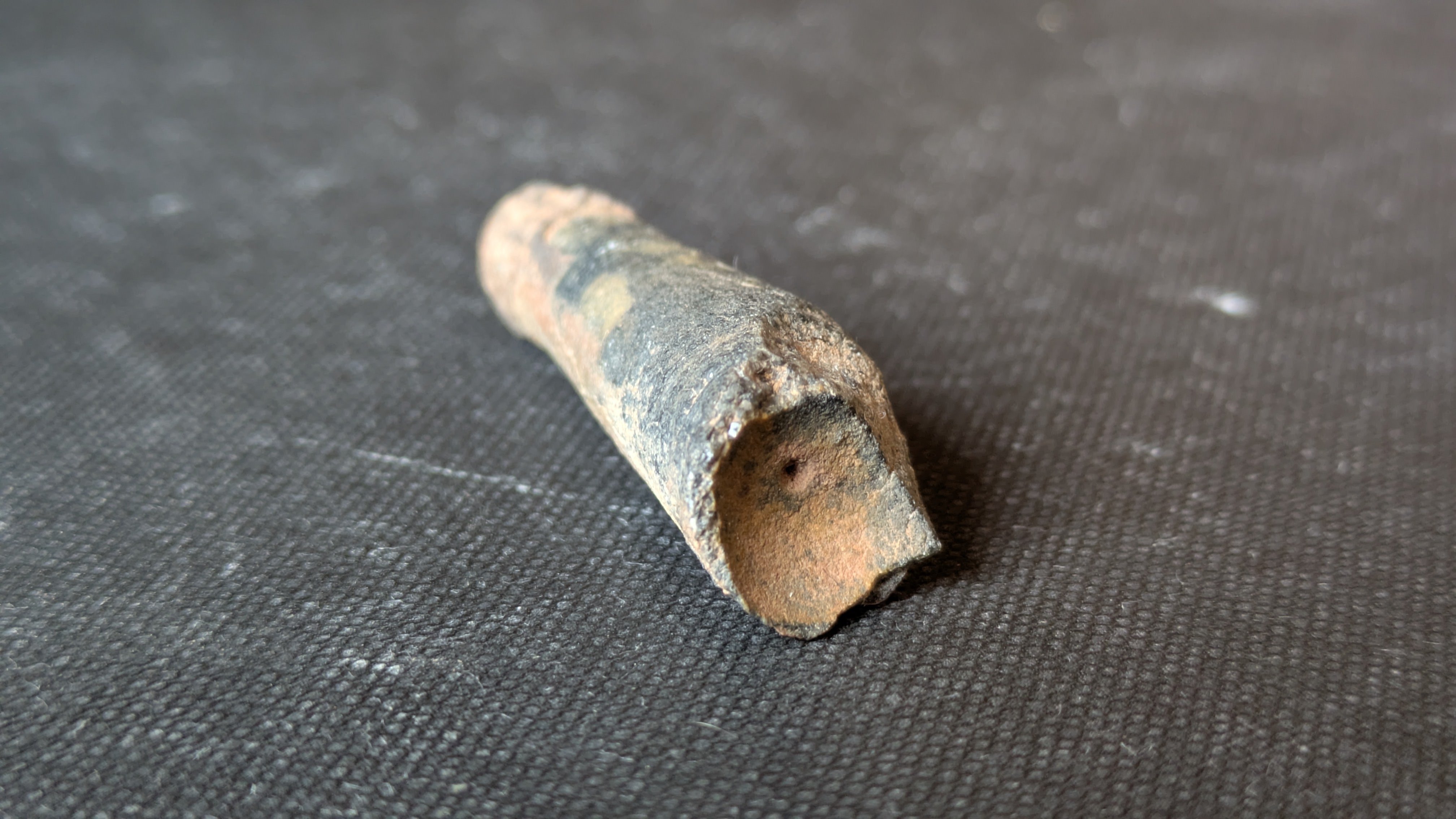
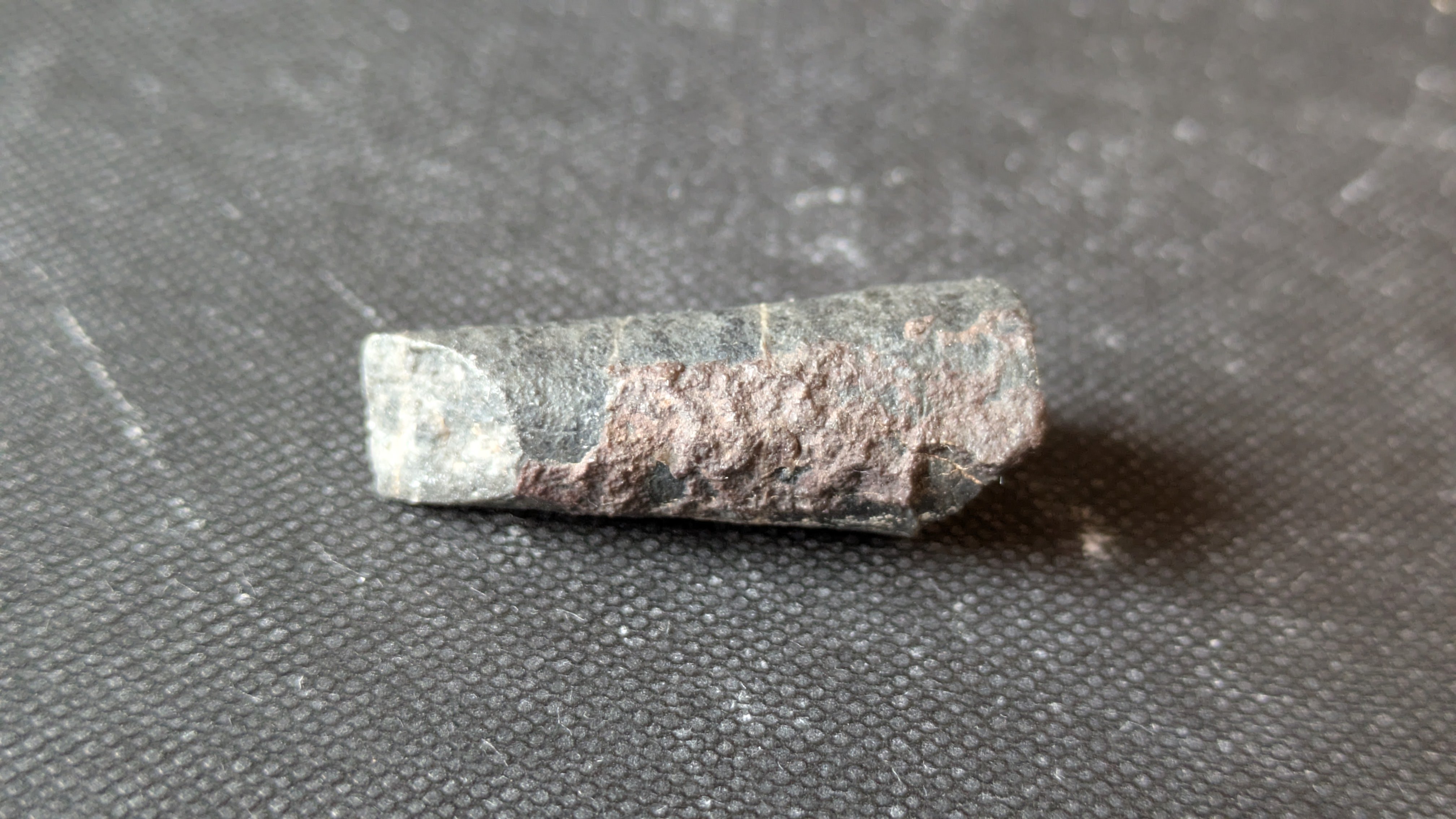
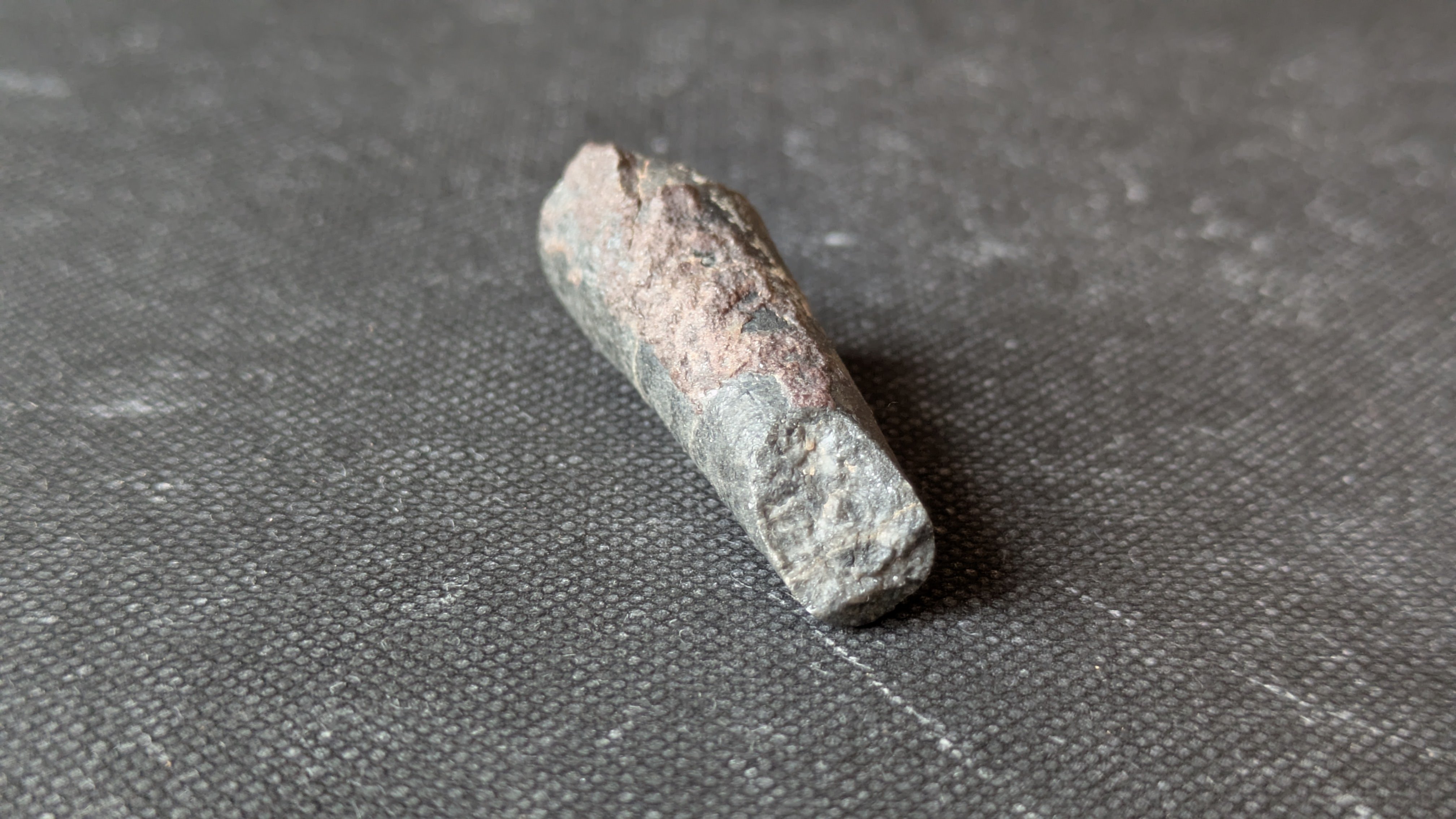
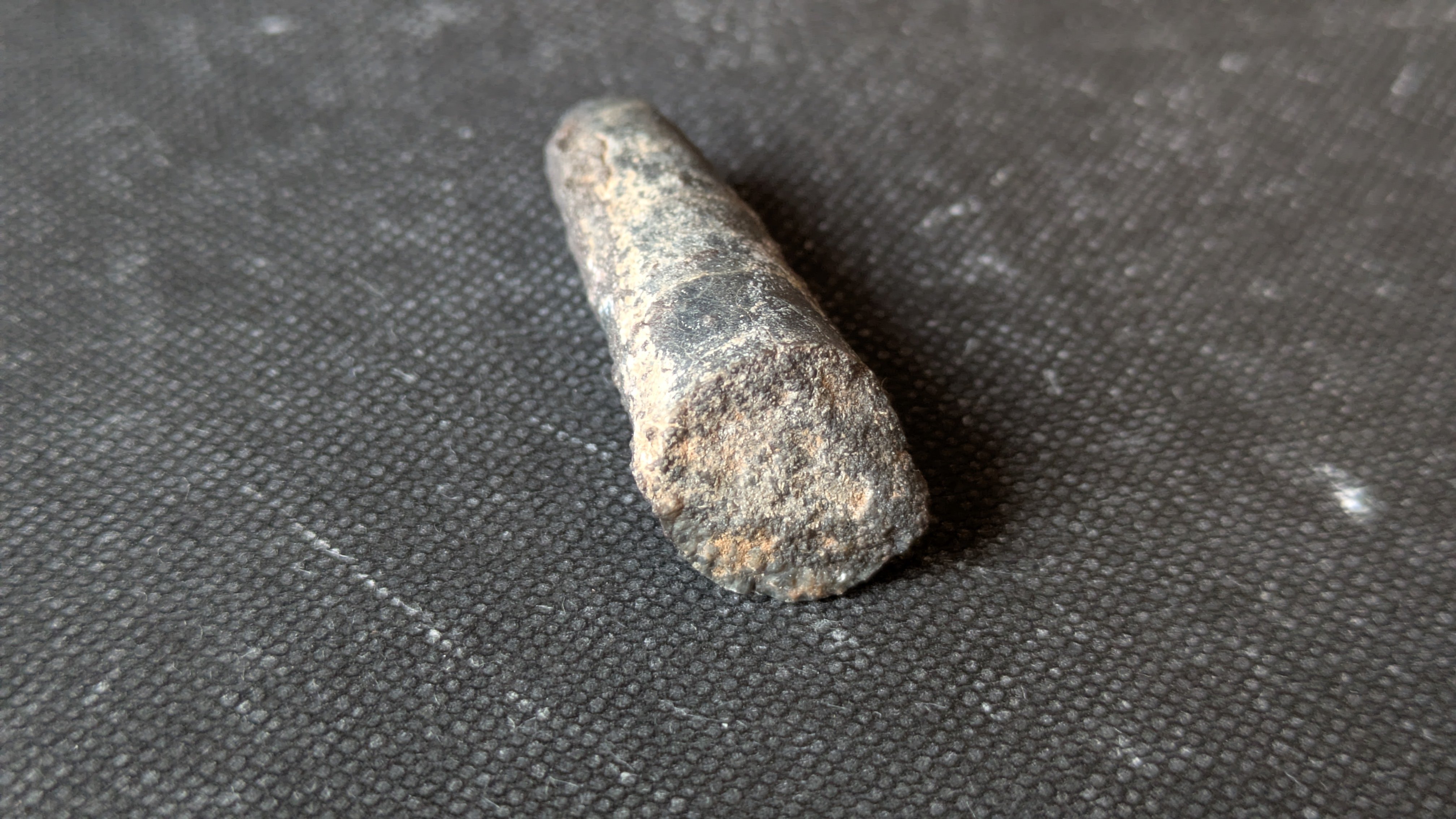
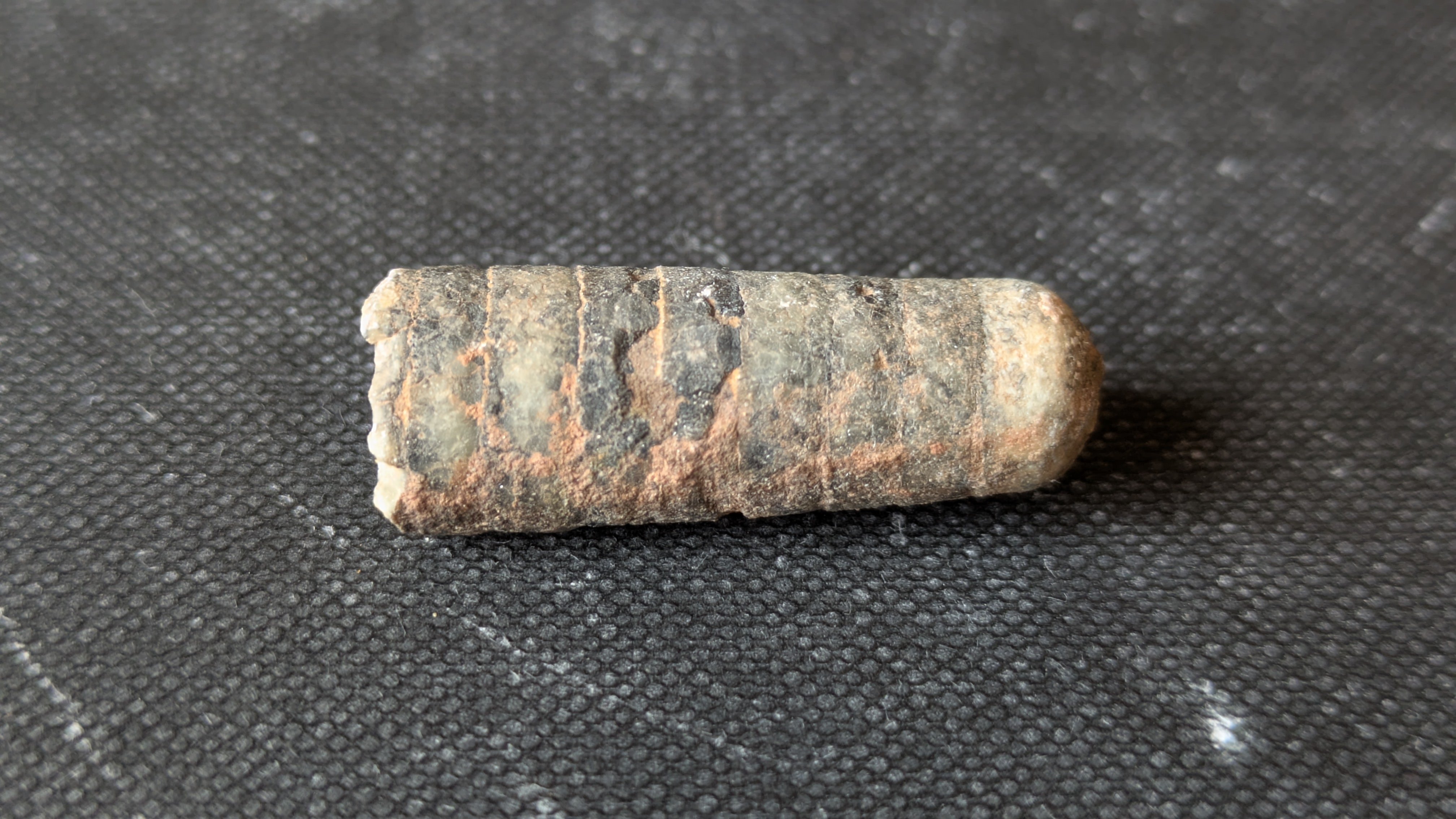
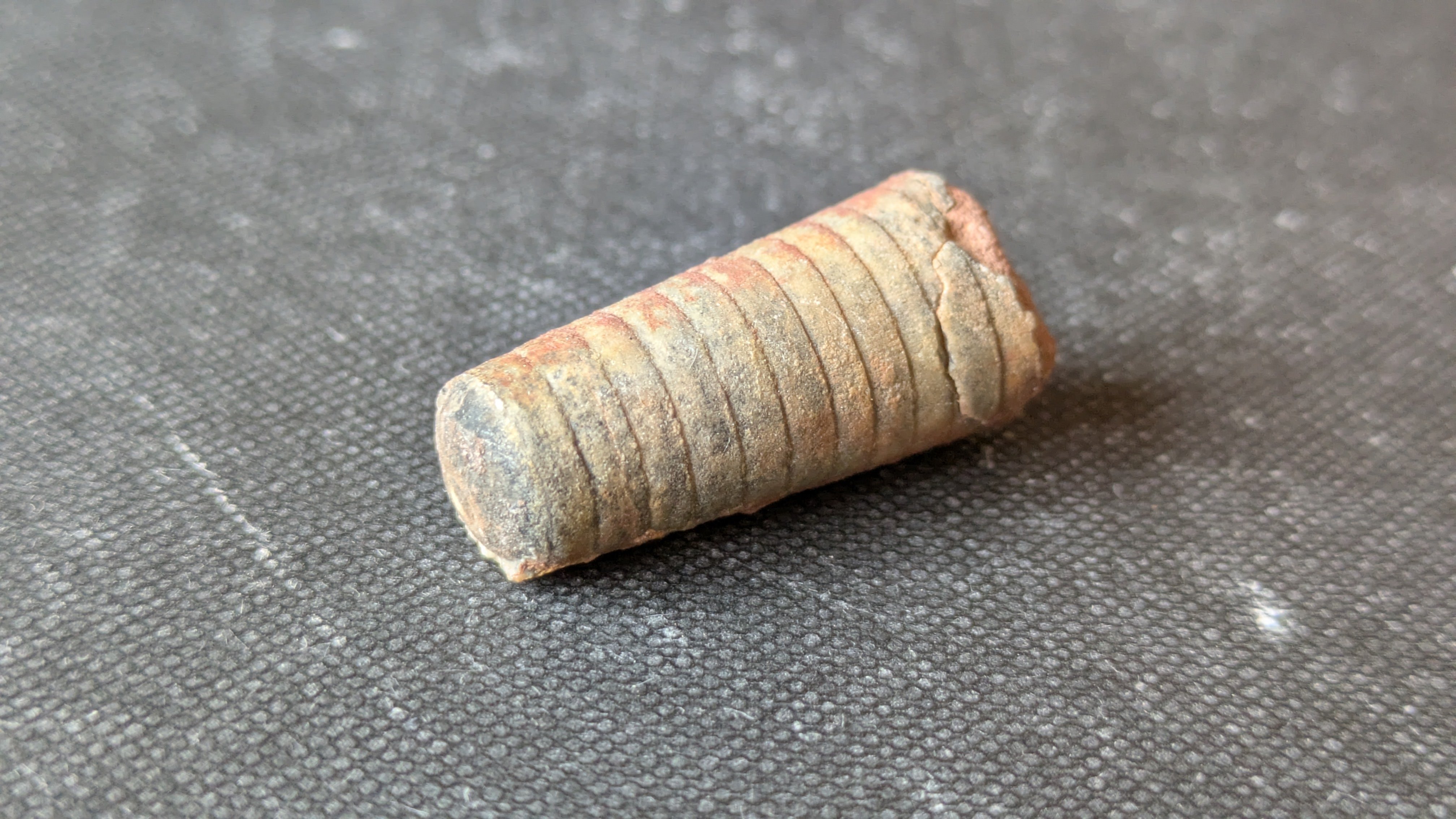
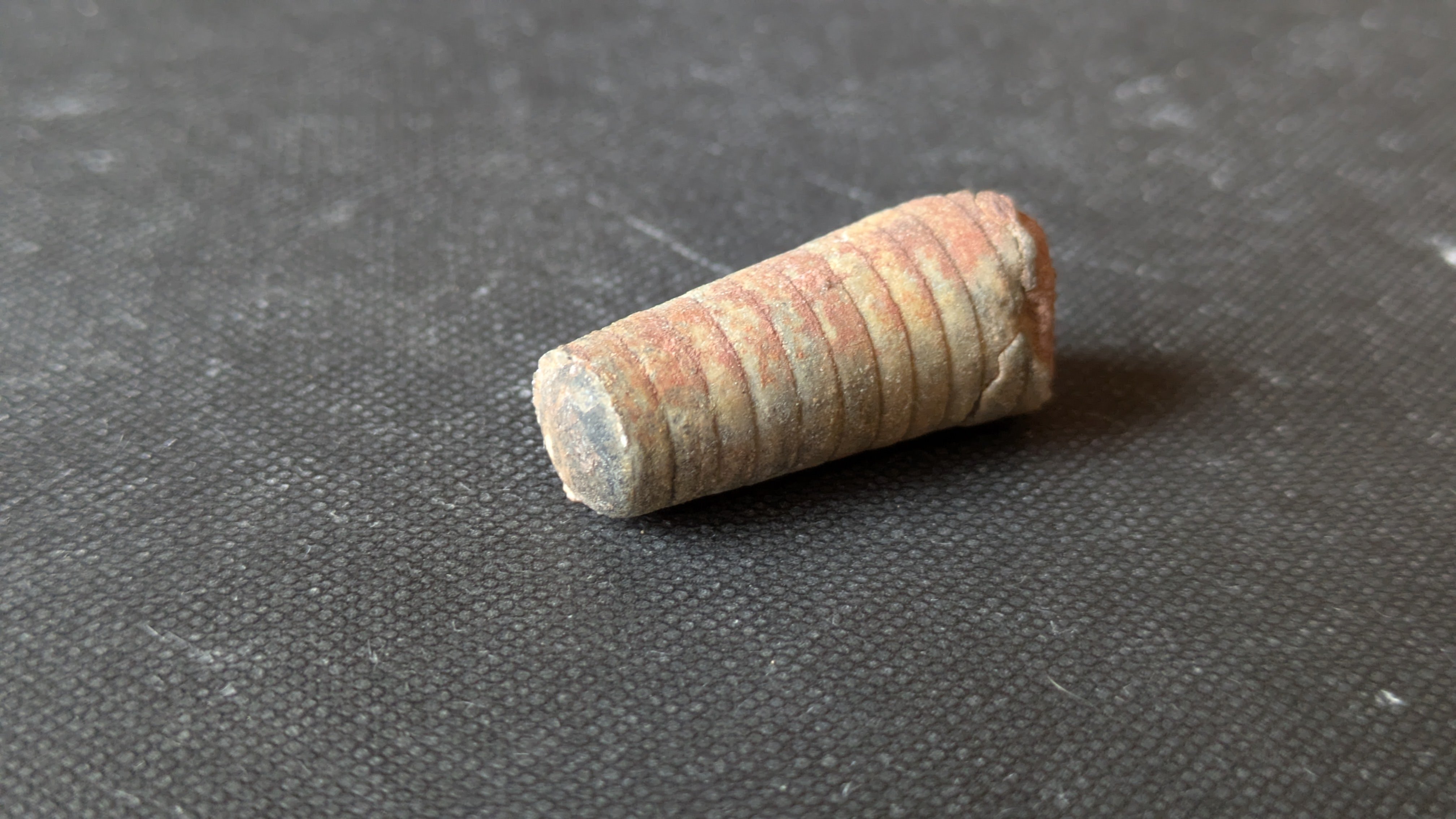
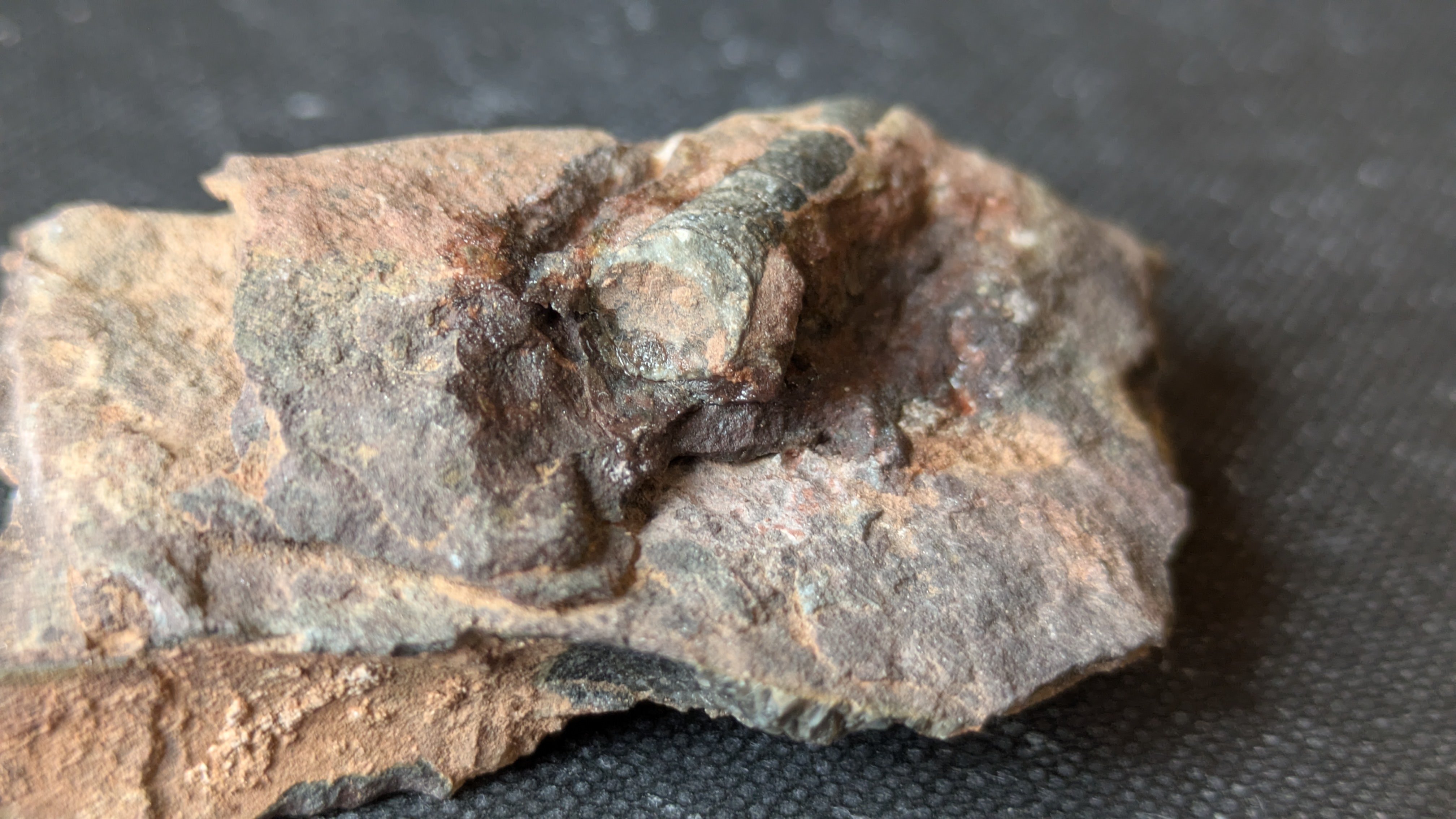
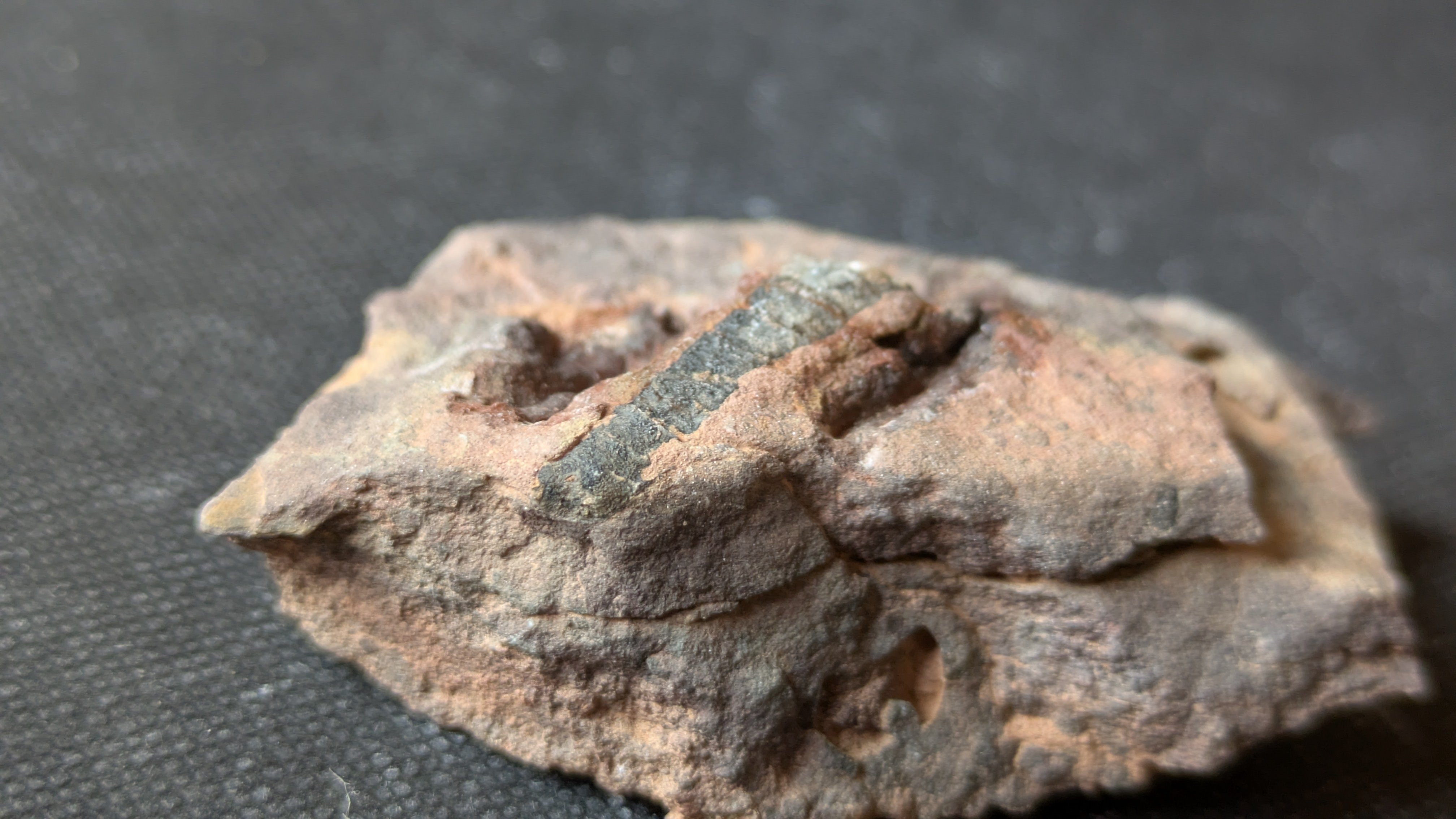
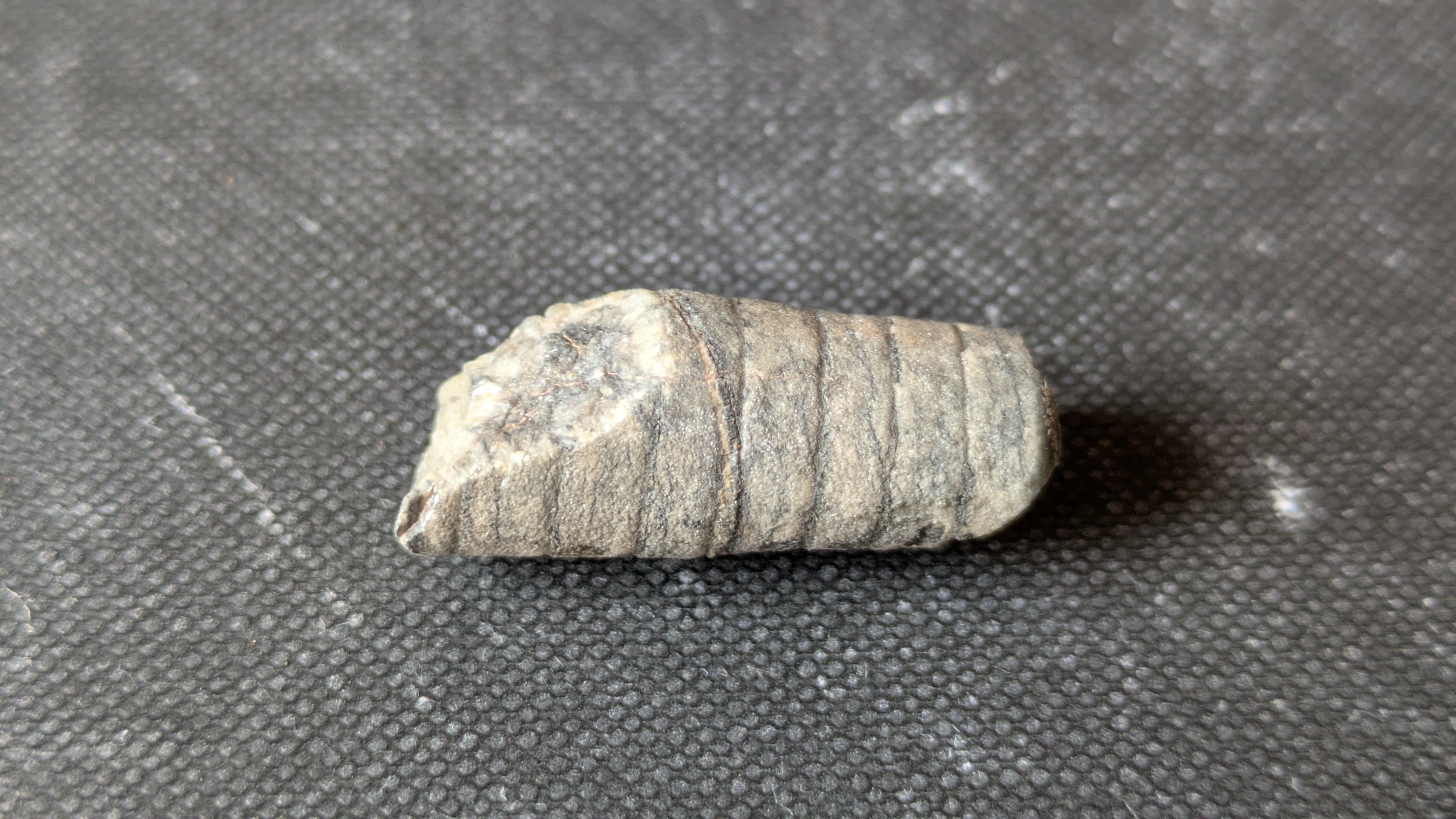
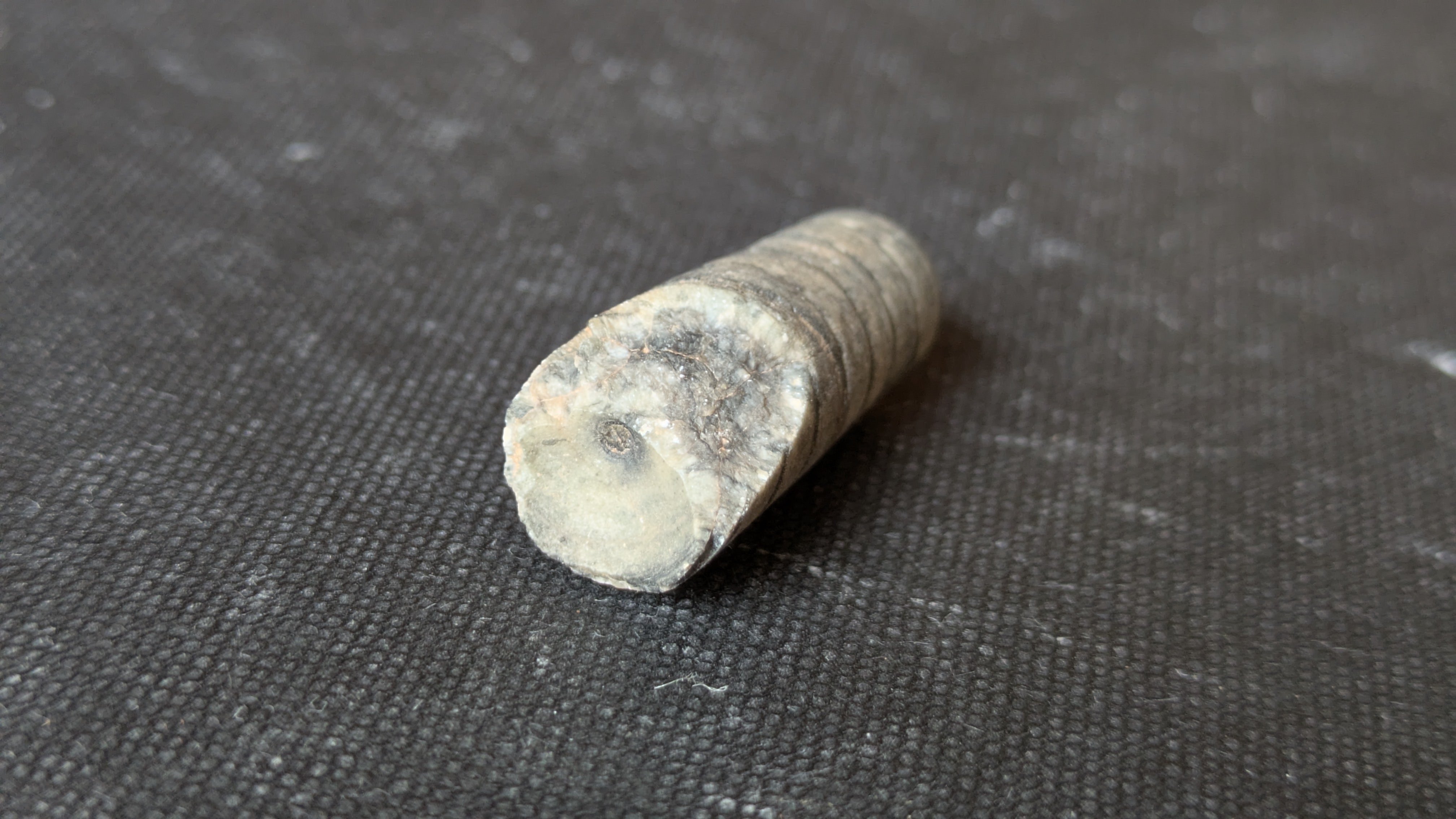
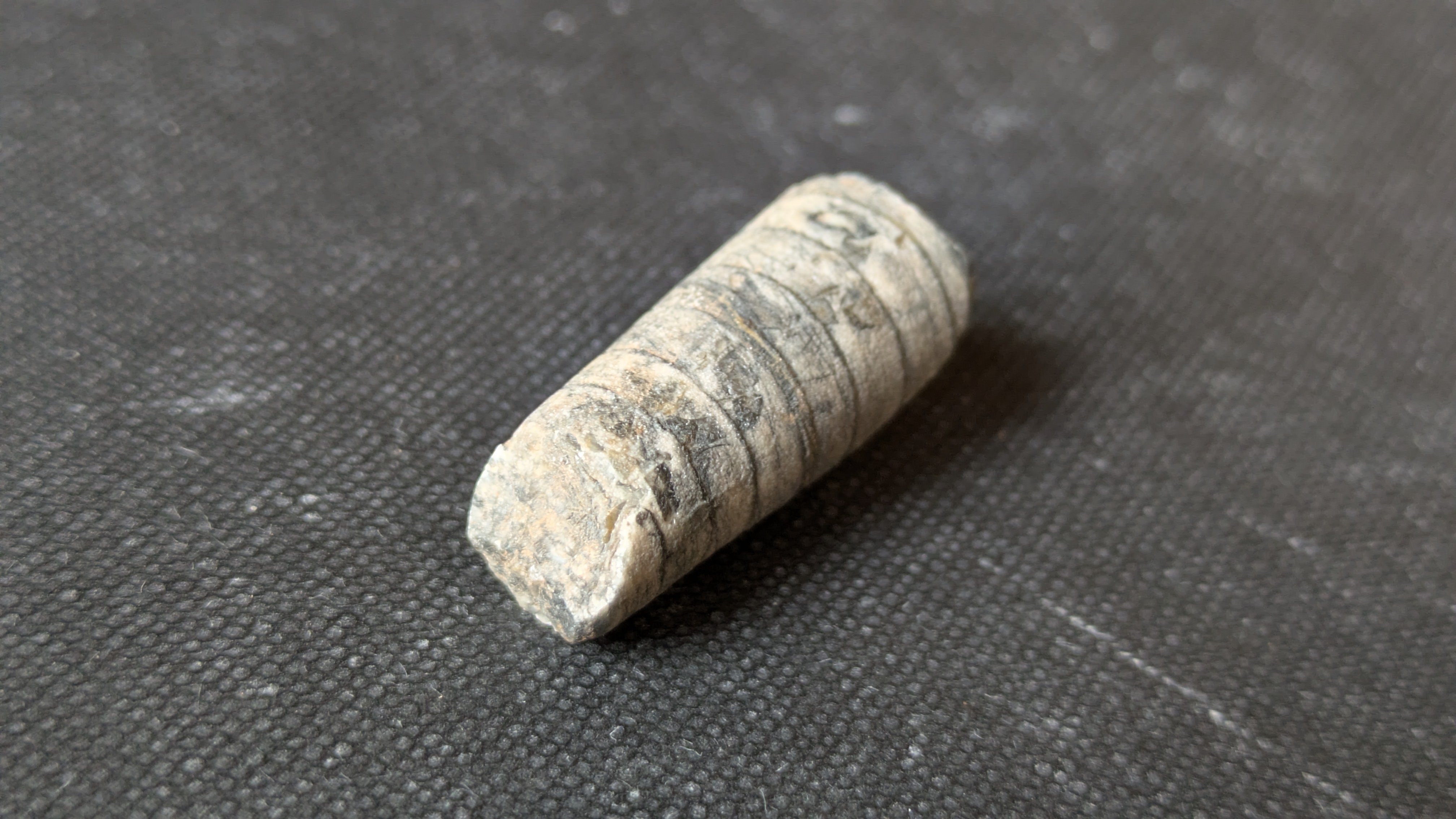
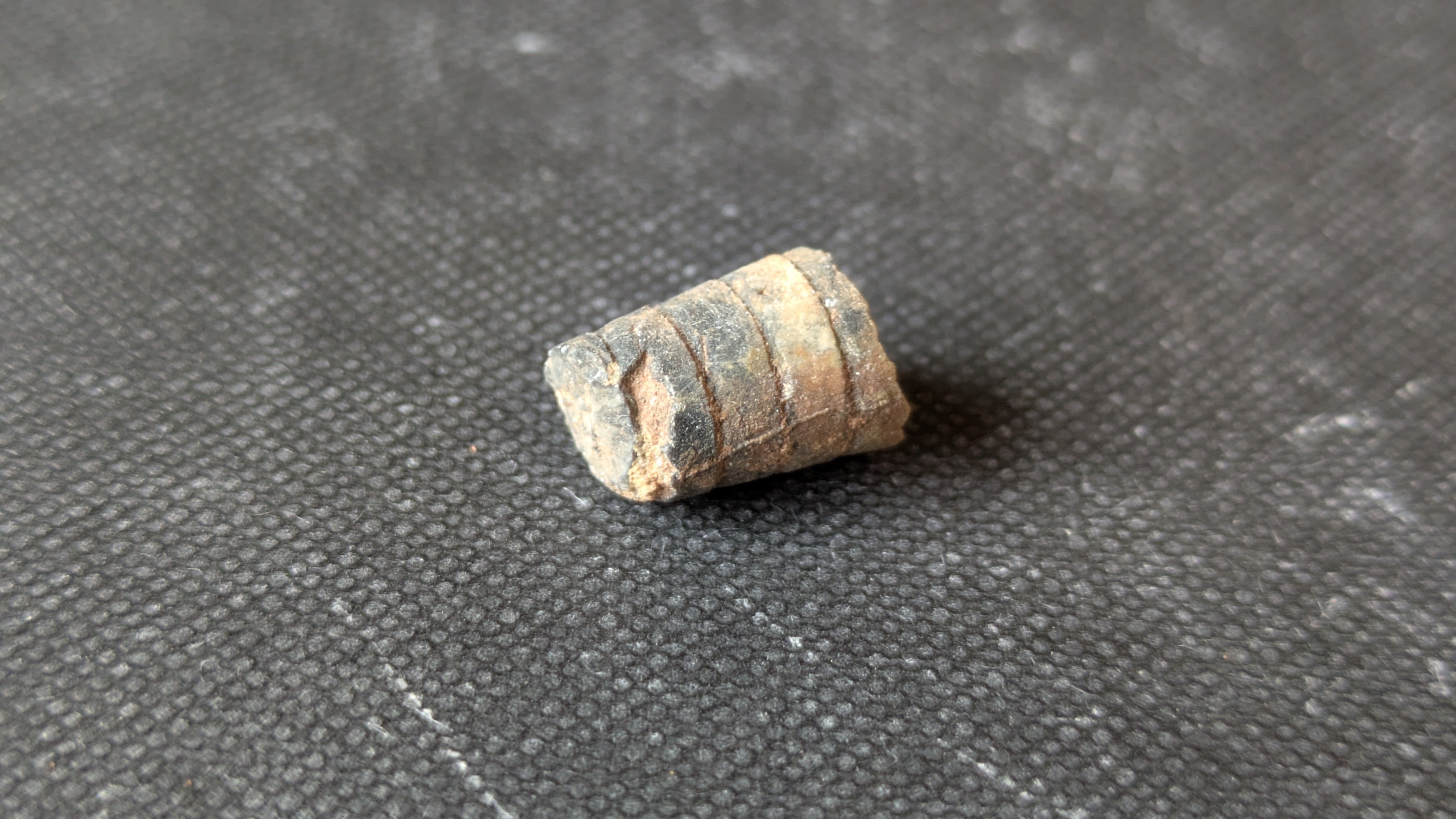
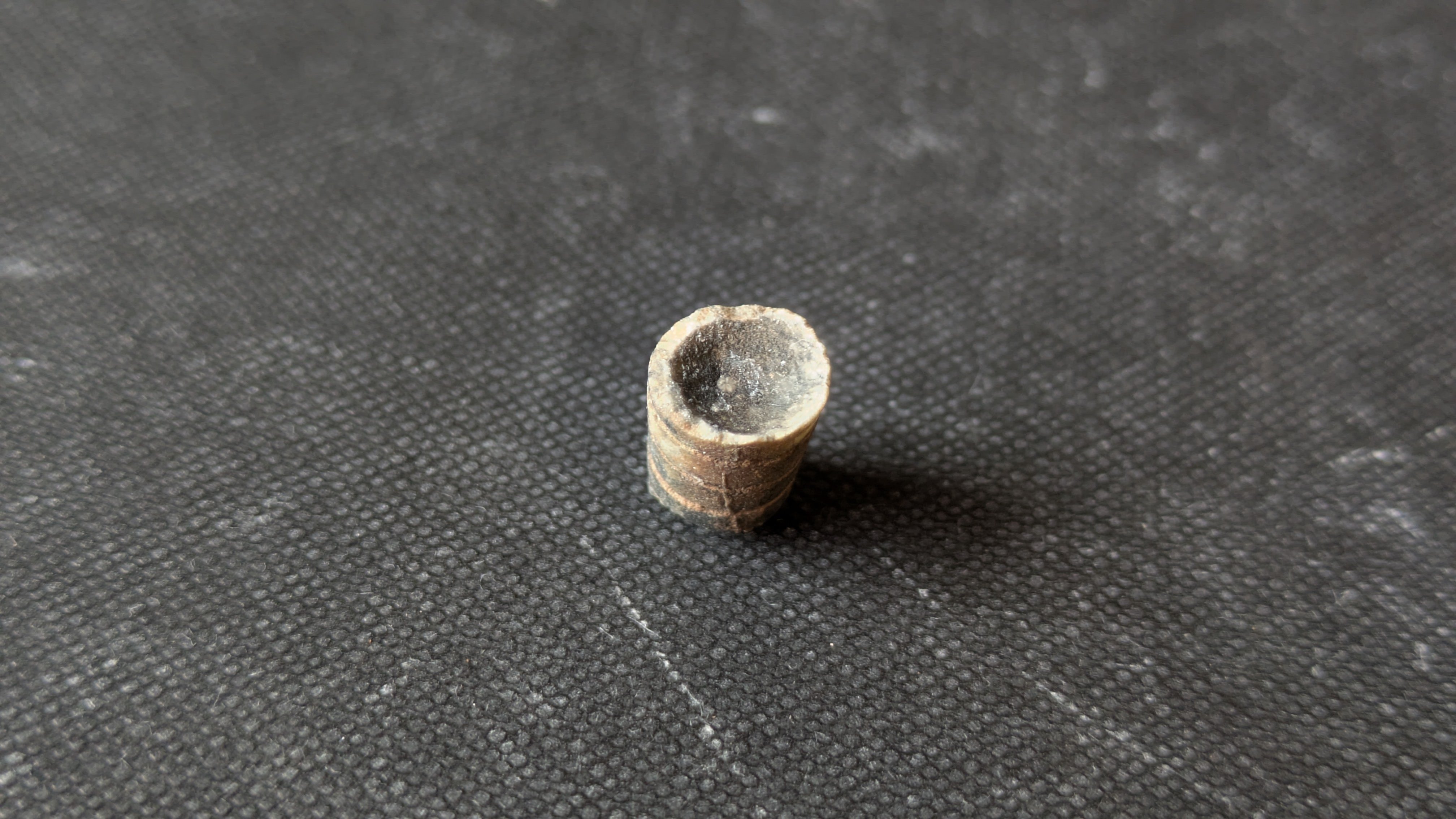
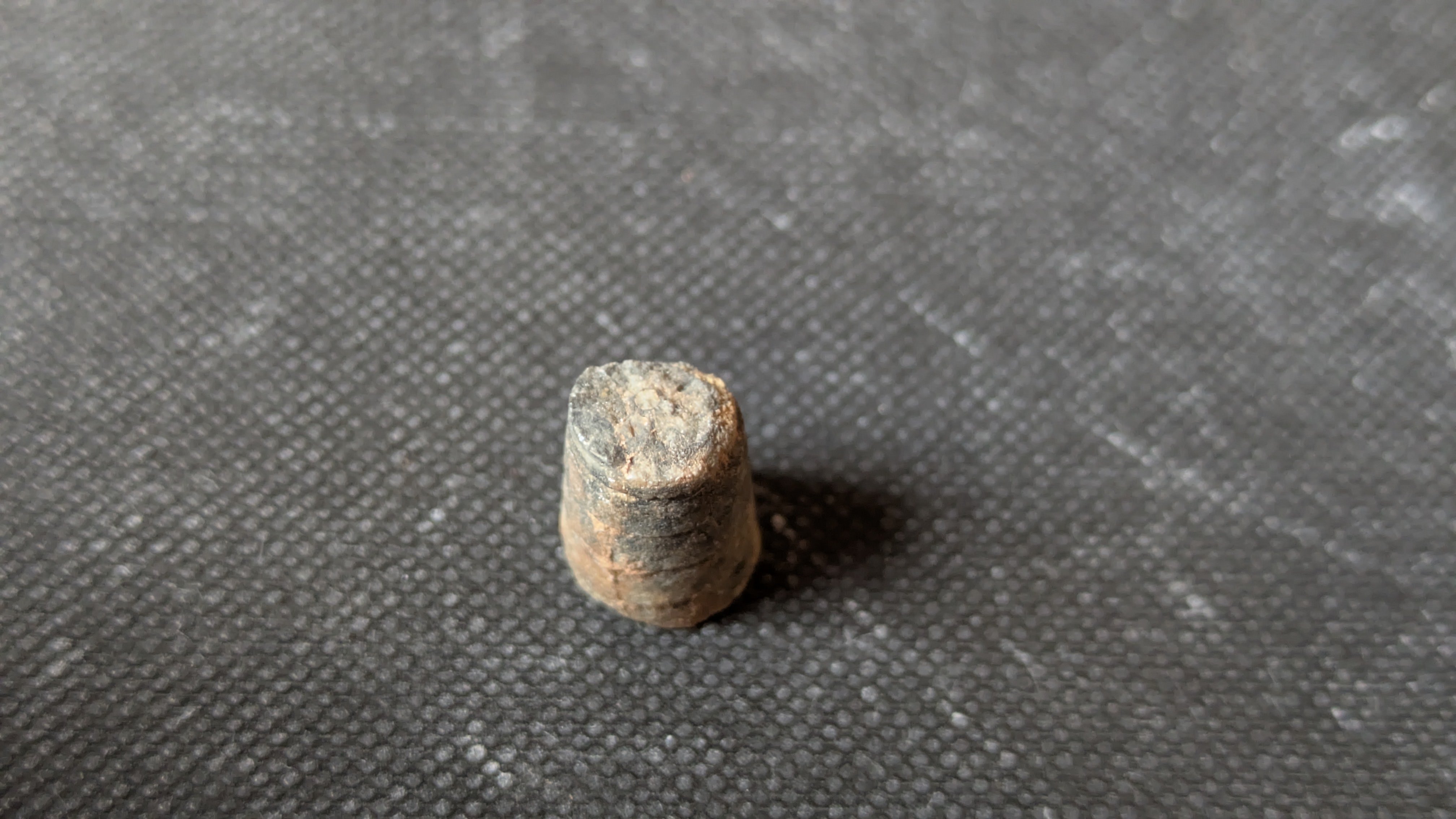
Fragment of an orthoceratoid - 9-10cm
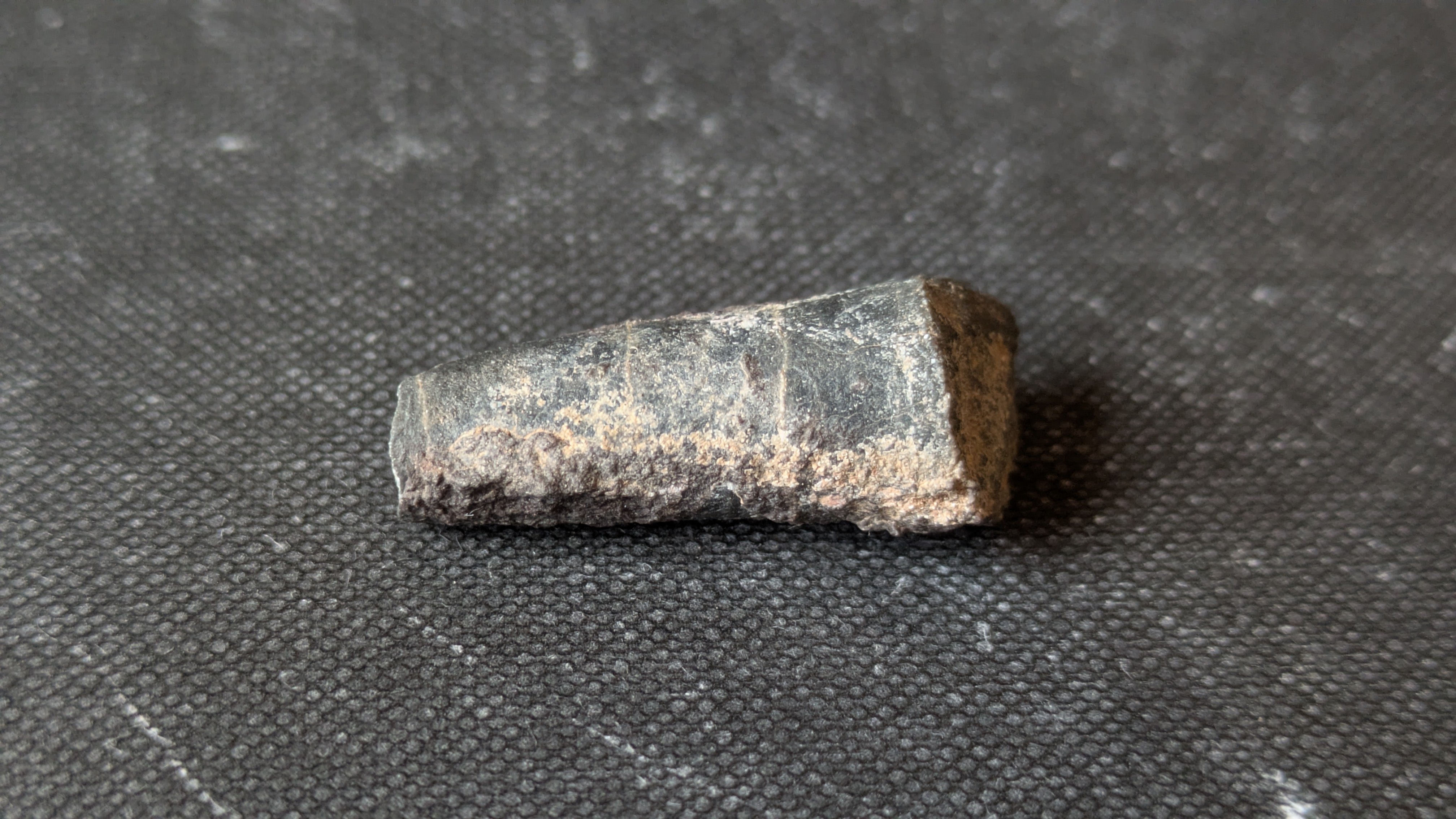
Orthoceratoid - ~3cm
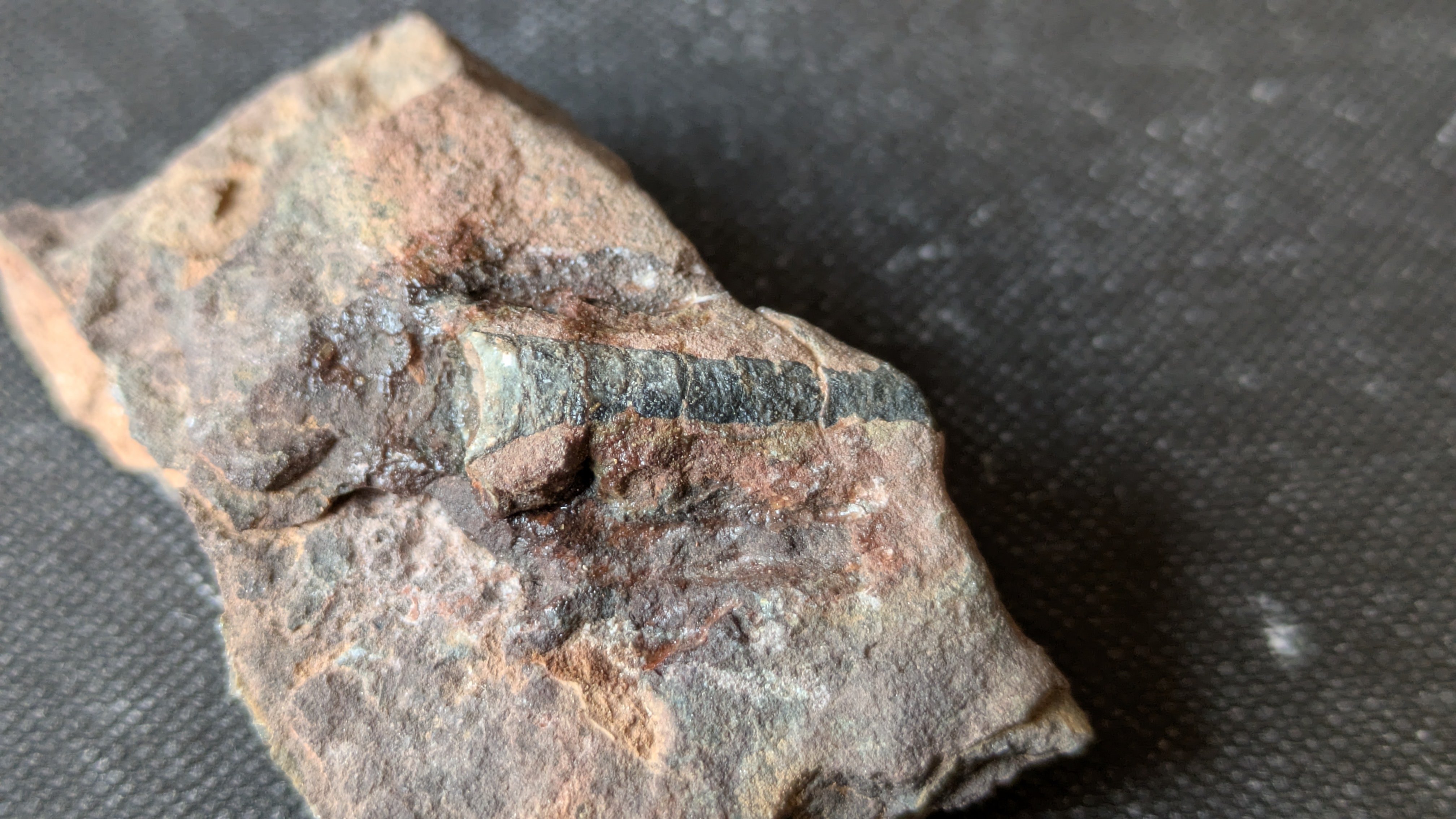
Orthoceratoid - ~2cm. Cut along its length, internal structure with chambers visible
+3
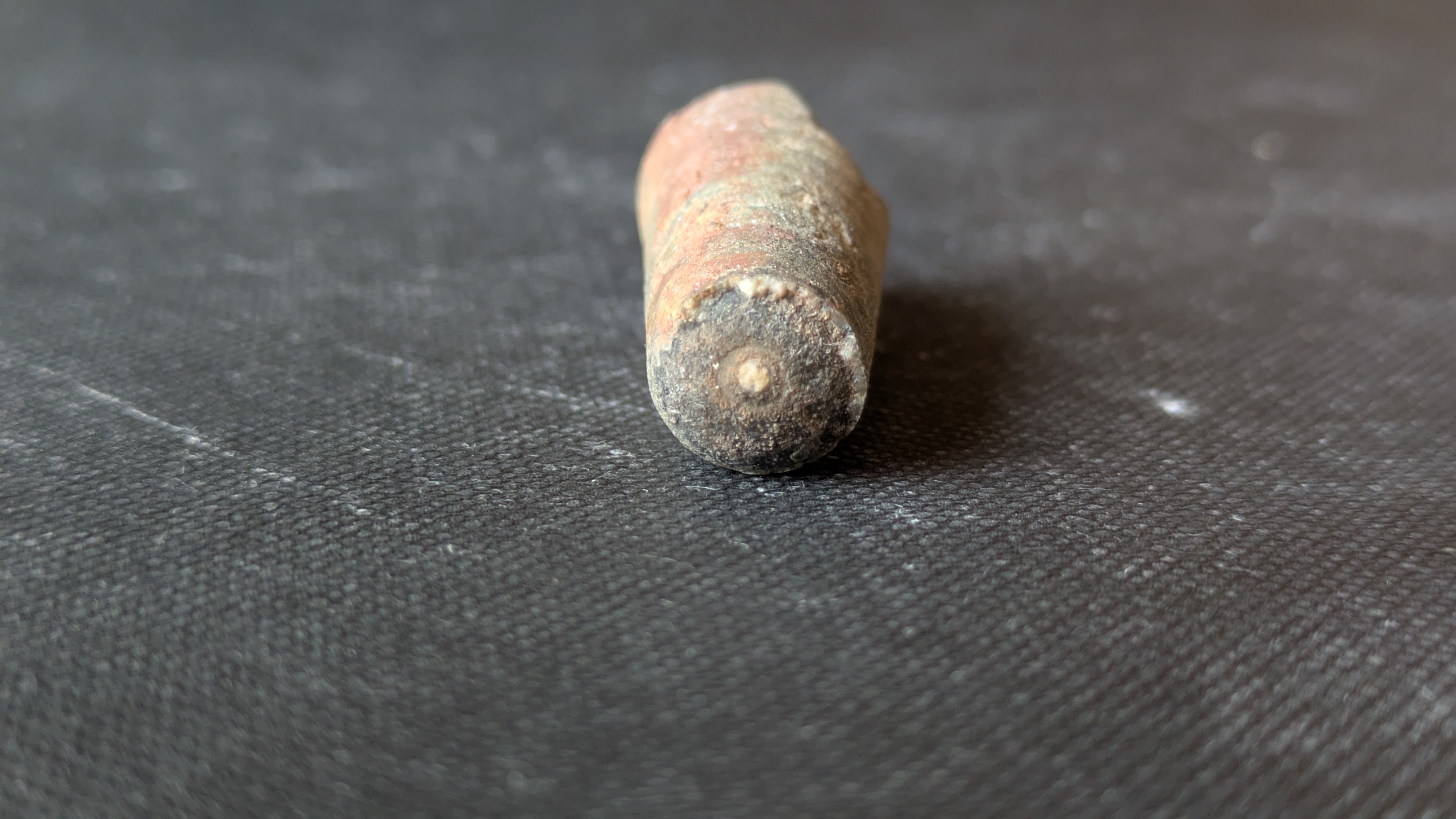
Fragment of an orthoceratoid - 9-10cm Orthoceratoid - ~3cm Orthoceratoid - ~2cm. Cut along its length, internal structure with chambers visible Fragment of an orthoceratoid - ~2cm Fragment of an orthoceratoid - 9-10cm Cross-section of an orthoceratoid - The siphuncle is visible, slightly off-center
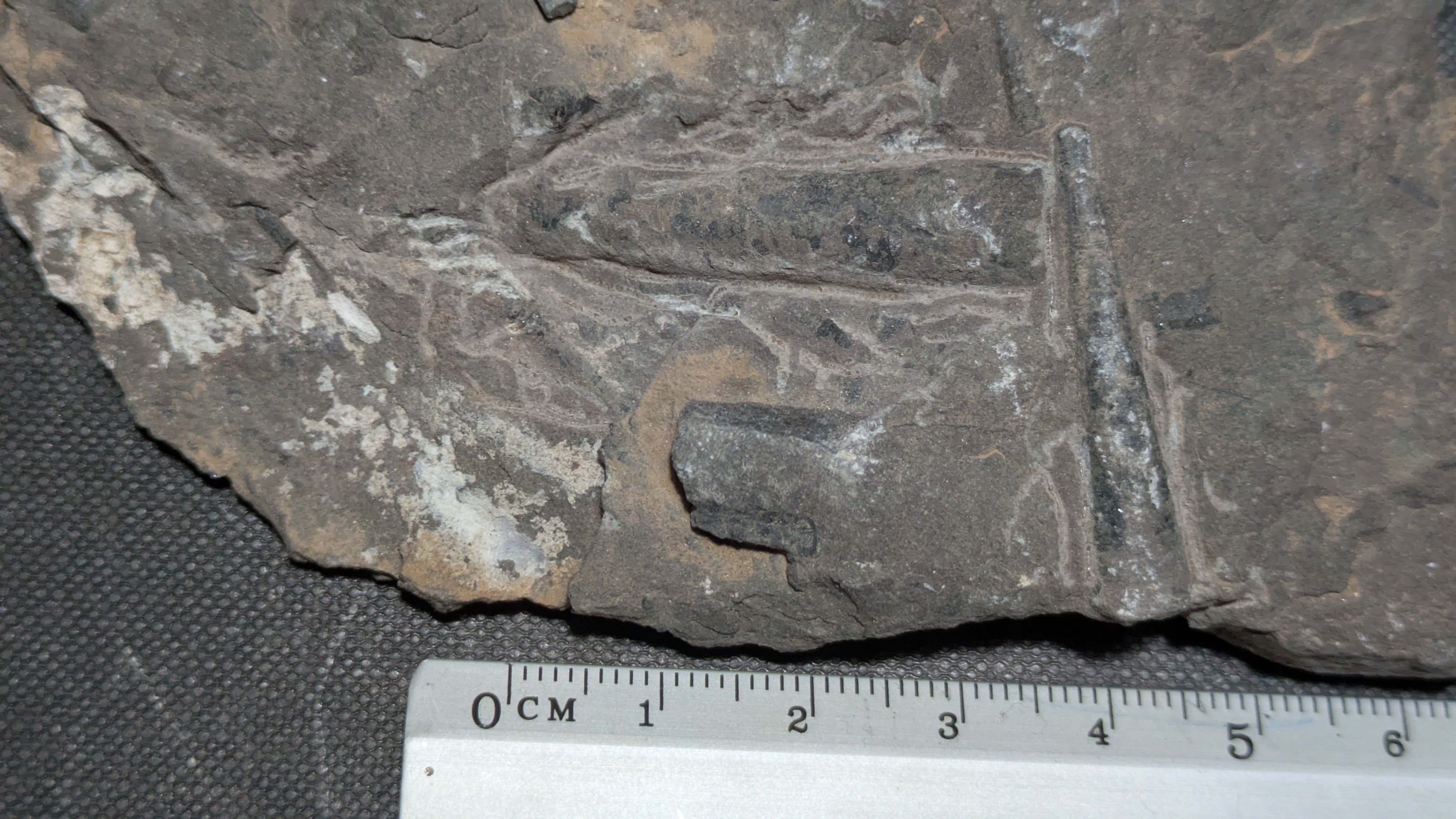
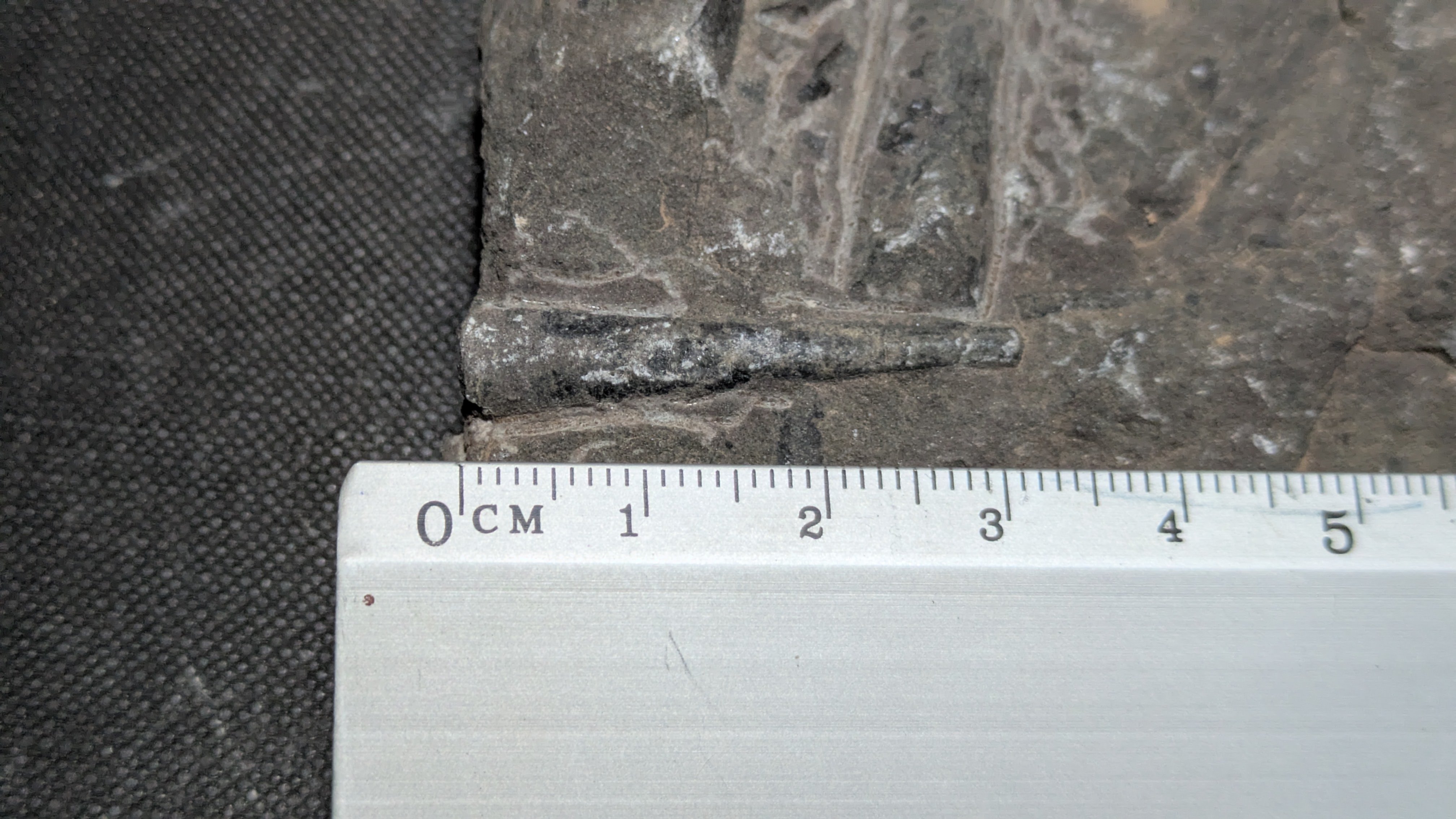
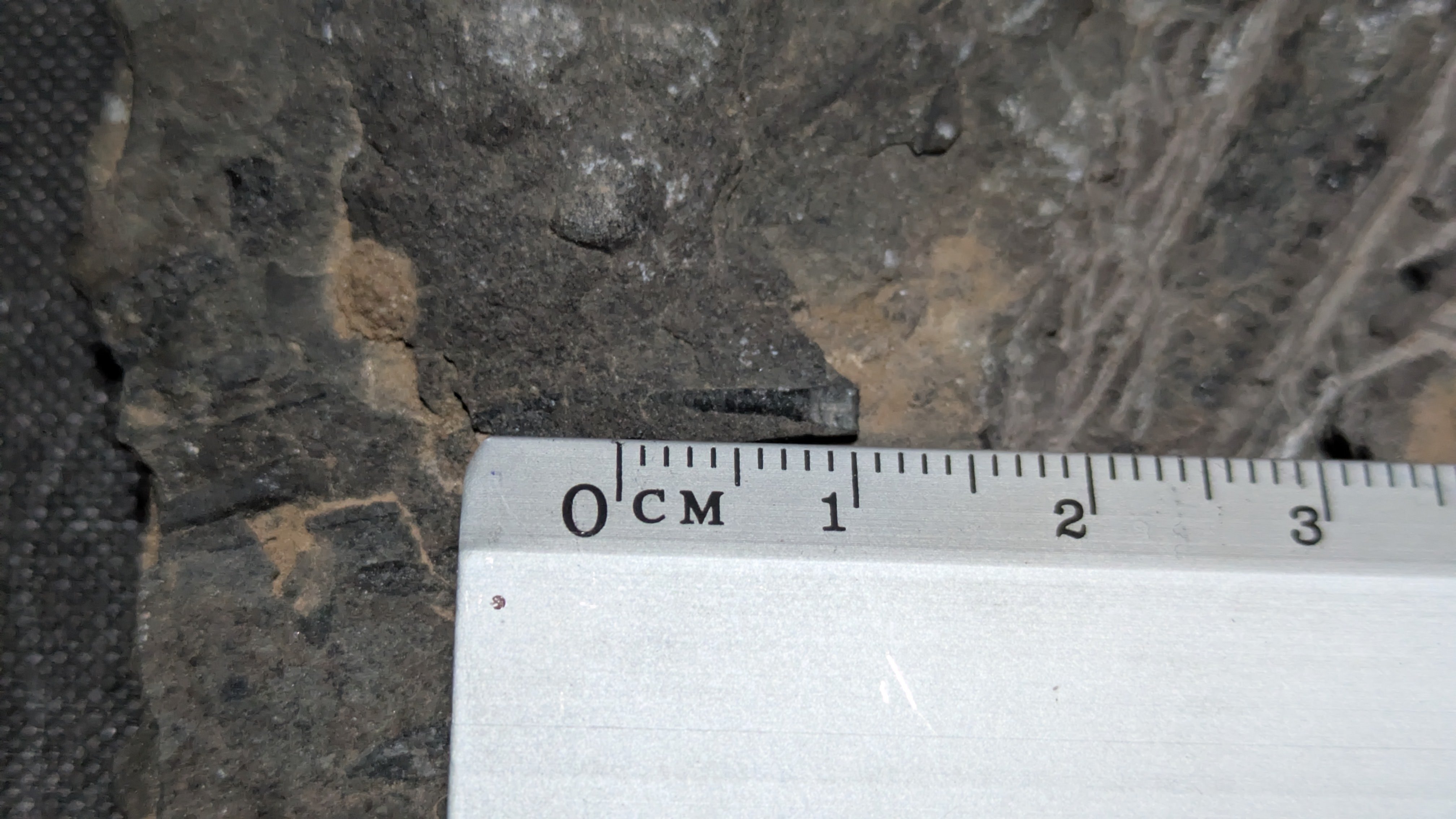
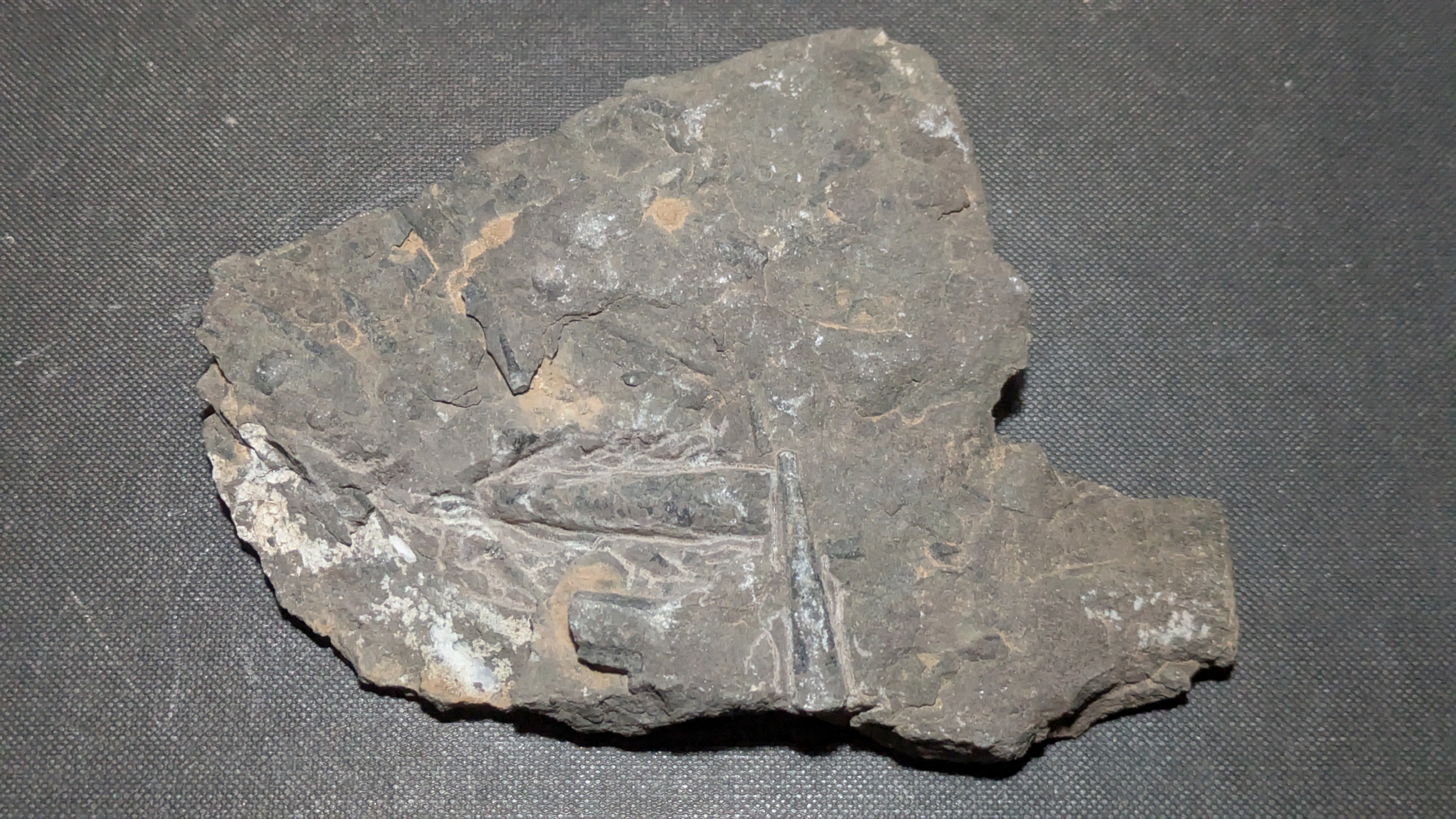
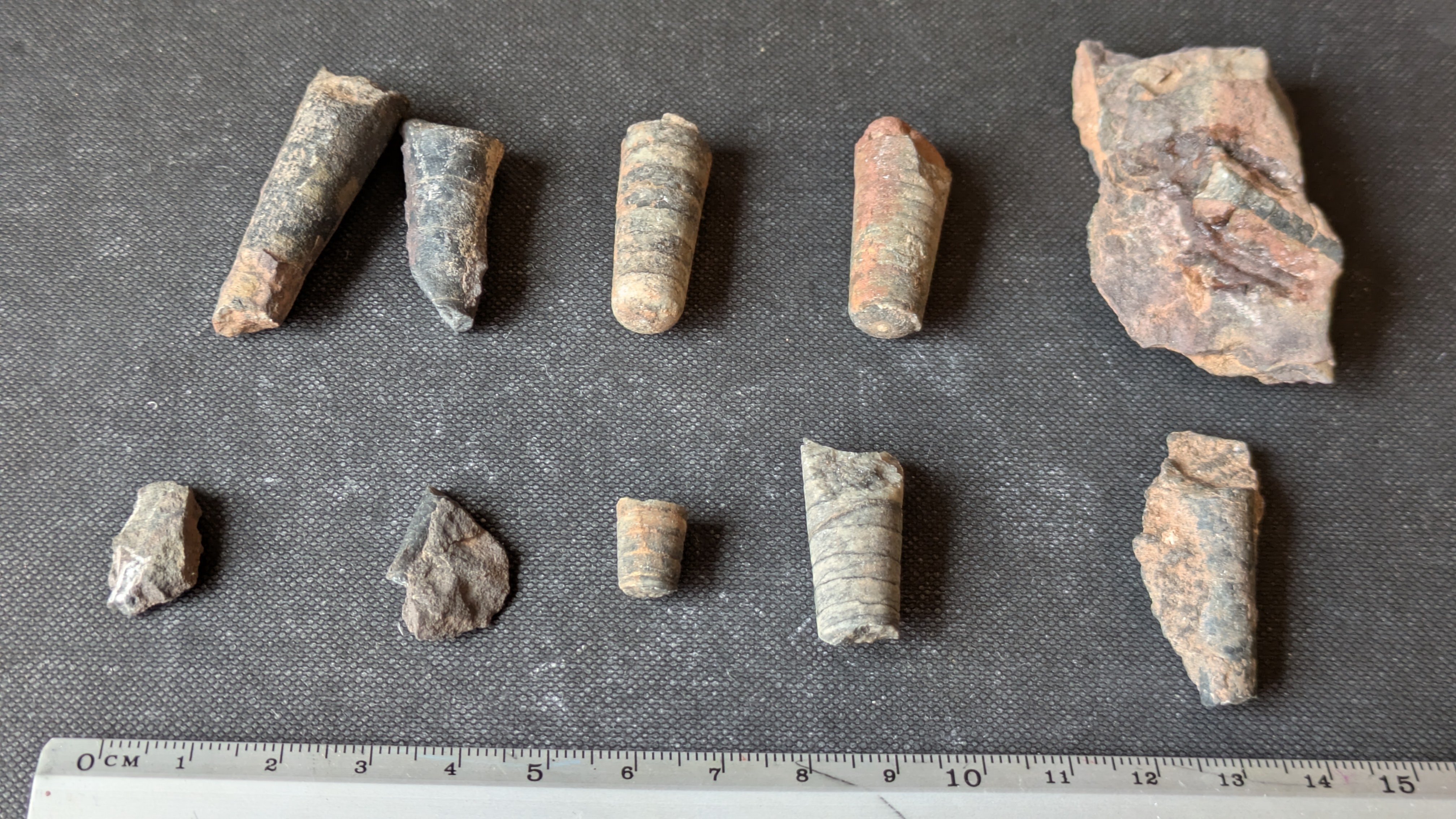
Orthoceratoid - ~4cm
Orthoceratoid - ~3cm. Slightly visible chambers due to weathering
Orthoceratoid - ~1cm. Some chambers visible due to breakage
+8
Orthoceratoid - ~4cm Orthoceratoid - ~3cm. Slightly visible chambers due to weathering Orthoceratoid - ~1cm. Some chambers visible due to breakage Orthoceratoids of different sizes Orthoceratoids of different sizes Orthoceratoid Small orthoceratoid - 5 chambers visible due to breakage Orthoceratoids of different sizes Orthoceratoid - Some chambers visible due to breakage Orthoceratoids - Back side Orthoceratoids - Back side, detail. Possible a protoconch
Orthoceratoid - ~10cm
Orthoceratoid
Orthoceratoid - 2-3cm
+5
Orthoceratoid - ~10cm Orthoceratoid Orthoceratoid - 2-3cm Orthoceratoid Orthoceratoid - The tip is broken Orthoceratoid - Cross-section. The siphuncle is faintly visible Orthoceratoid - Back side Orthoceratoid - Two walls of the internal chambers are faintly visible
Orthoceratoid fragments of various sizes
Orthoceratoid - 3-4cm. The chamber walls are faintly visible.
+1
Orthoceratoid fragments of various sizes Orthoceratoid - 3-4cm. The chamber walls are faintly visible. Orthoceratoid - 3-4cm. The chamber walls are faintly visible. Orthoceratoid - 3-4cm. Cross-section. The siphuncle and the convex wall of the chamber can be seen
Orthoceratoid fragments of various sizes
Orthoceratoid - ~3cm. The chamber walls can be faintly seen.
+2
Orthoceratoid fragments of various sizes Orthoceratoid - ~3cm. The chamber walls can be faintly seen. Orthoceratoid - ~3cm. The chamber walls can be faintly seen. Orthoceratoid - ~3cm. Cross-section. The siphuncle can be faintly seen. Orthoceratoid - ~3cm. Cross-section.
Orthoceratoid fragments of various sizes
Orthoceratoid - ~3cm. The chamber walls can be seen, with slightly wavy sutures.
Orthoceratoid - ~3cm. The fracture reveals the wavy sutures between the chambers very clearly.
+2
Orthoceratoid fragments of various sizes Orthoceratoid - ~3cm. The chamber walls can be seen, with slightly wavy sutures. Orthoceratoid - ~3cm. The fracture reveals the wavy sutures between the chambers very clearly. Orthoceratoid - ~3cm. Its tip doesn't seem to have been broken. Orthoceratoid - ~3cm. Cross-section. The siphuncle can be seen.
Orthoceratoid fragments of various sizes
Orthoceratoid - ~3cm. The chamber walls can be seen, with slightly wavy sutures.
Orthoceratoid - ~3cm. The chamber walls can be seen.
+2
Orthoceratoid fragments of various sizes Orthoceratoid - ~3cm. The chamber walls can be seen, with slightly wavy sutures. Orthoceratoid - ~3cm. The chamber walls can be seen. Orthoceratoid - ~3cm. Cross-section. The siphuncle can be seen. Orthoceratoid - ~3cm. The chamber walls can be seen.
Orthoceratoid fragments of various sizes
Orthoceratoid - 1-2cm. The chamber walls can be seen.
Orthoceratoid - 1-2cm. The siphuncle can be seen.
+1
Orthoceratoid fragments of various sizes Orthoceratoid - 1-2cm. The chamber walls can be seen. Orthoceratoid - 1-2cm. The siphuncle can be seen. Orthoceratoid - 1-2cm.
Orthoceratoid fragments of various sizes
Orthoceratoid - 2-3cm. The chamber walls can be seen.
Orthoceratoid - 2-3cm. The siphuncle and the chamber walls can be seen.
+1
Orthoceratoid fragments of various sizes Orthoceratoid - 2-3cm. The chamber walls can be seen. Orthoceratoid - 2-3cm. The siphuncle and the chamber walls can be seen. Orthoceratoid - 2-3cm. The chamber walls can be seen.
Orthoceratoid fragments of various sizes
Orthoceratoid - ~1cm. The chamber walls can be seen.
Orthoceratoid - ~1cm. Cross-section. The siphuncle and the convex surface of the chamber can be seen.
+1
Orthoceratoid fragments of various sizes Orthoceratoid - ~1cm. The chamber walls can be seen. Orthoceratoid - ~1cm. Cross-section. The siphuncle and the convex surface of the chamber can be seen. Orthoceratoid - ~1cm. Cross-section. The siphuncle can be seen,
Orthoceratoid fragments of various sizes
Orthoceratoid - 2-3cm.
Orthoceratoid - 2-3cm. Cross-section
+1
Orthoceratoid fragments of various sizes Orthoceratoid - 2-3cm. Orthoceratoid - 2-3cm. Cross-section Orthoceratoid - 2-3cm.
Orthoceratoid fragments of various sizes
Orthoceratoid - ~1cm.
Orthoceratoid - ~1cm. Cross-section
+1
Orthoceratoid fragments of various sizes Orthoceratoid - ~1cm. Orthoceratoid - ~1cm. Cross-section Orthoceratoid - ~1cm.
Orthoceratoid fragments of various sizes
Orthoceratoid - ~1cm. Hard to see
Orthoceratoid fragments of various sizes Orthoceratoid - ~1cm. Hard to see Orthoceratoid - ~1cm. Hard to see

Artistic depiction of Scyphocrinites elegans
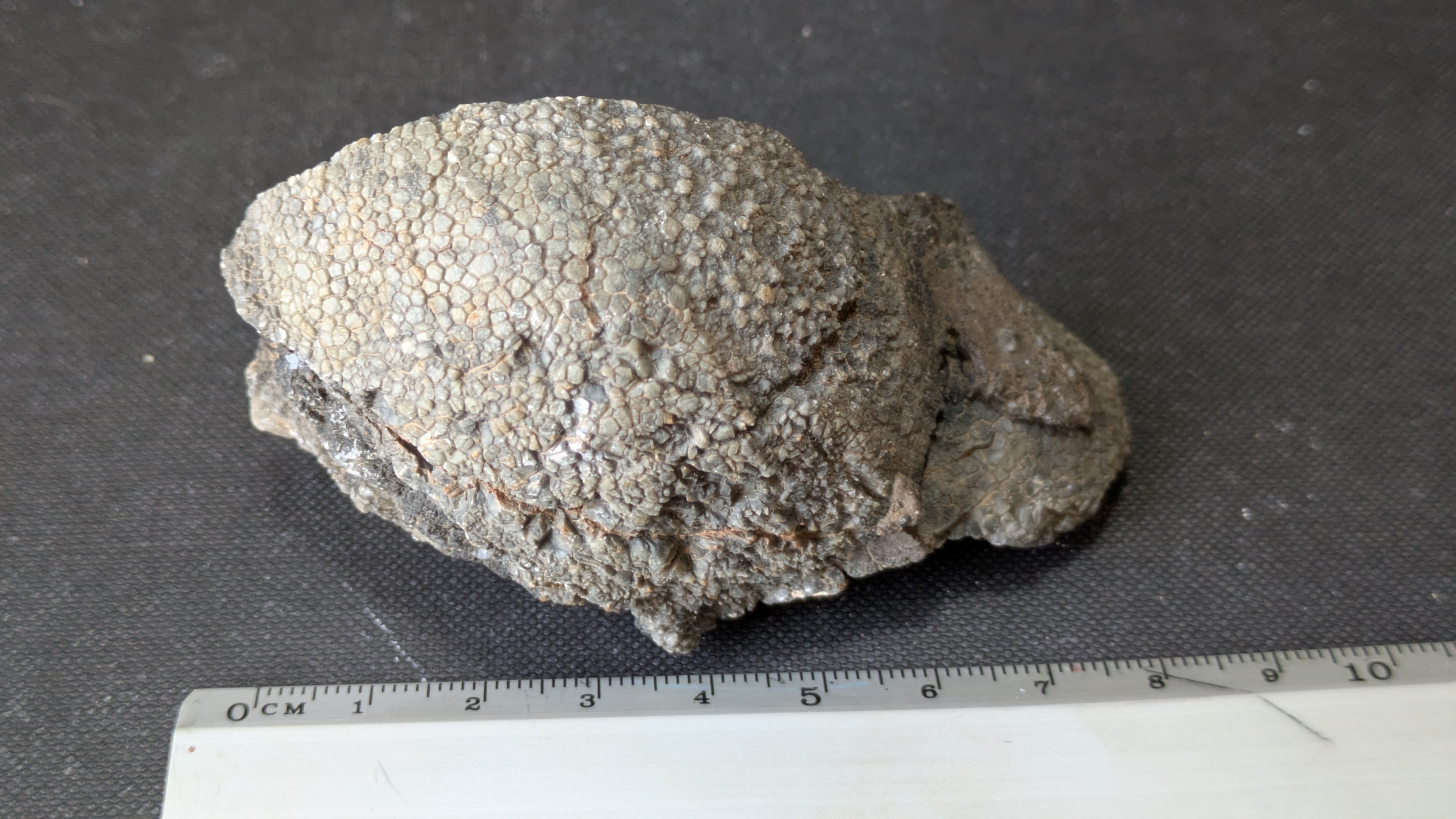
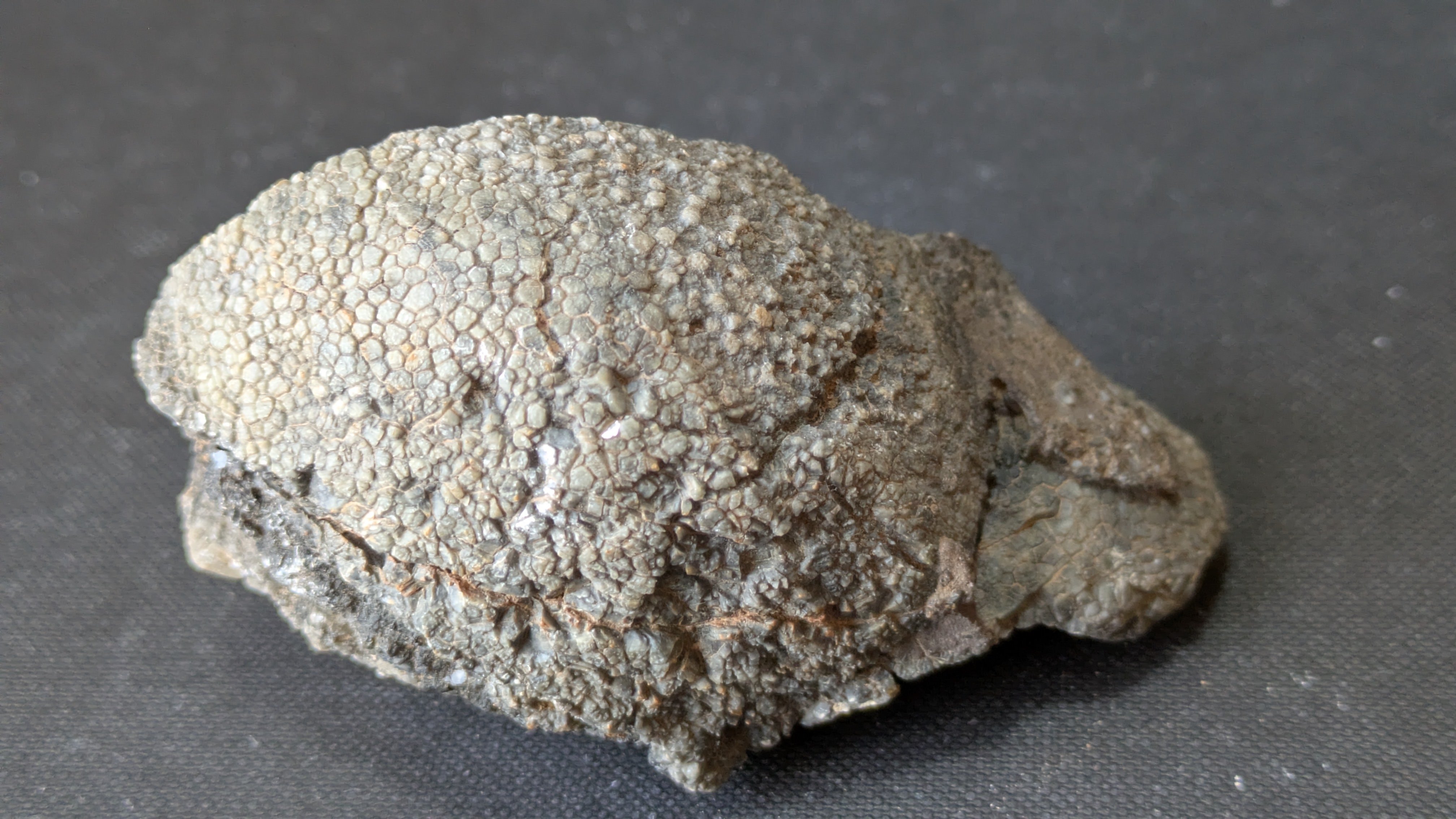
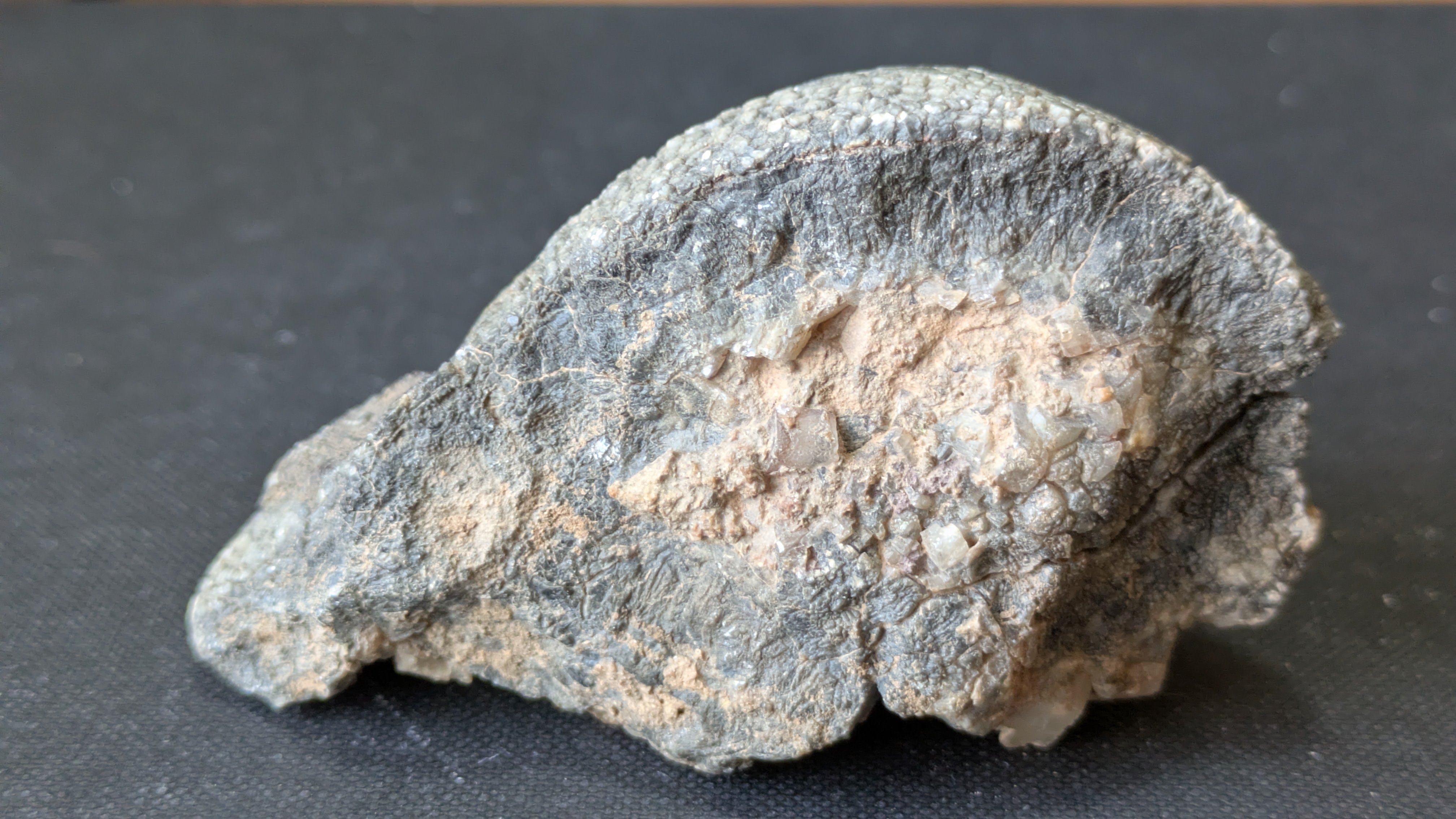
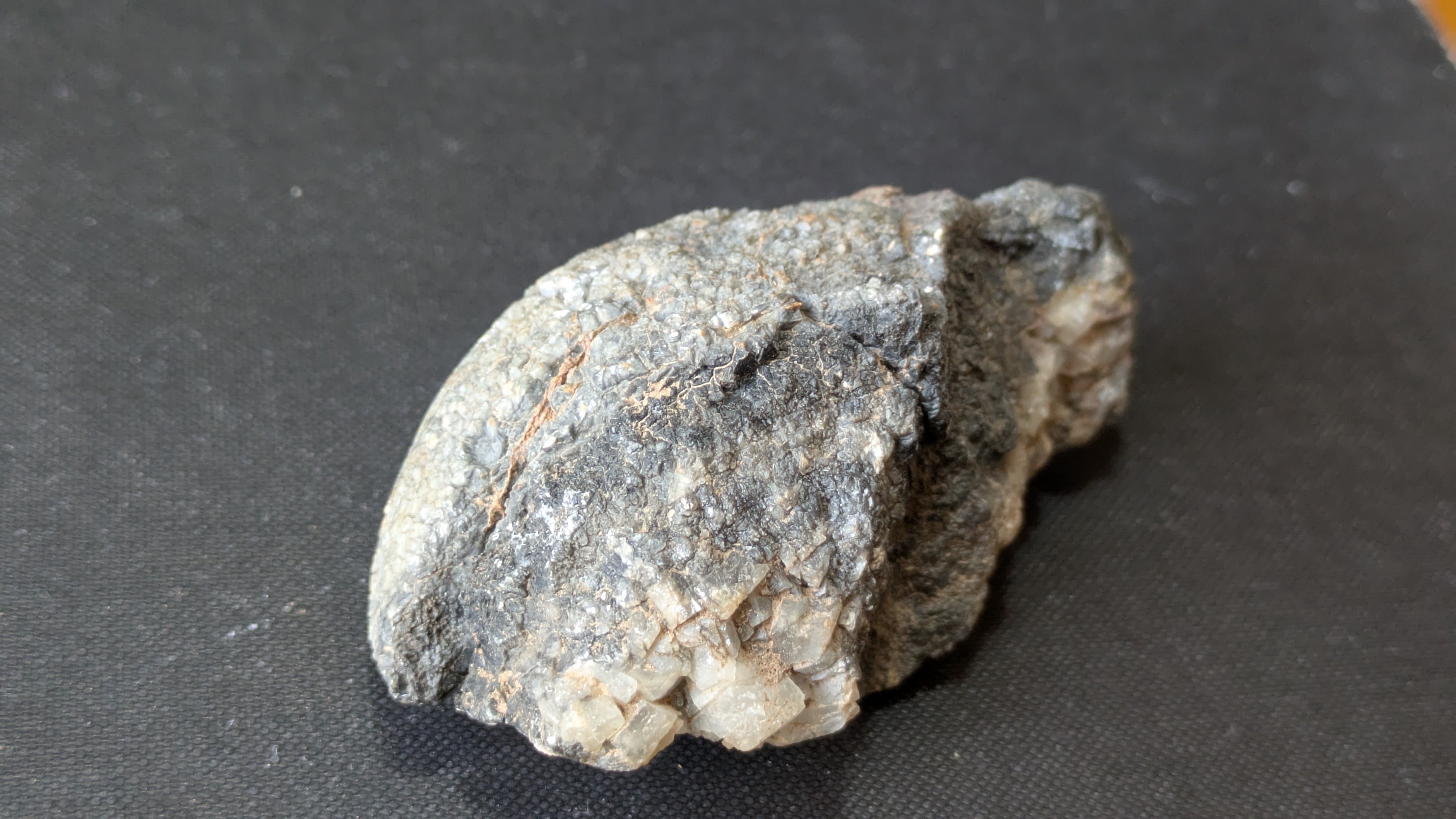
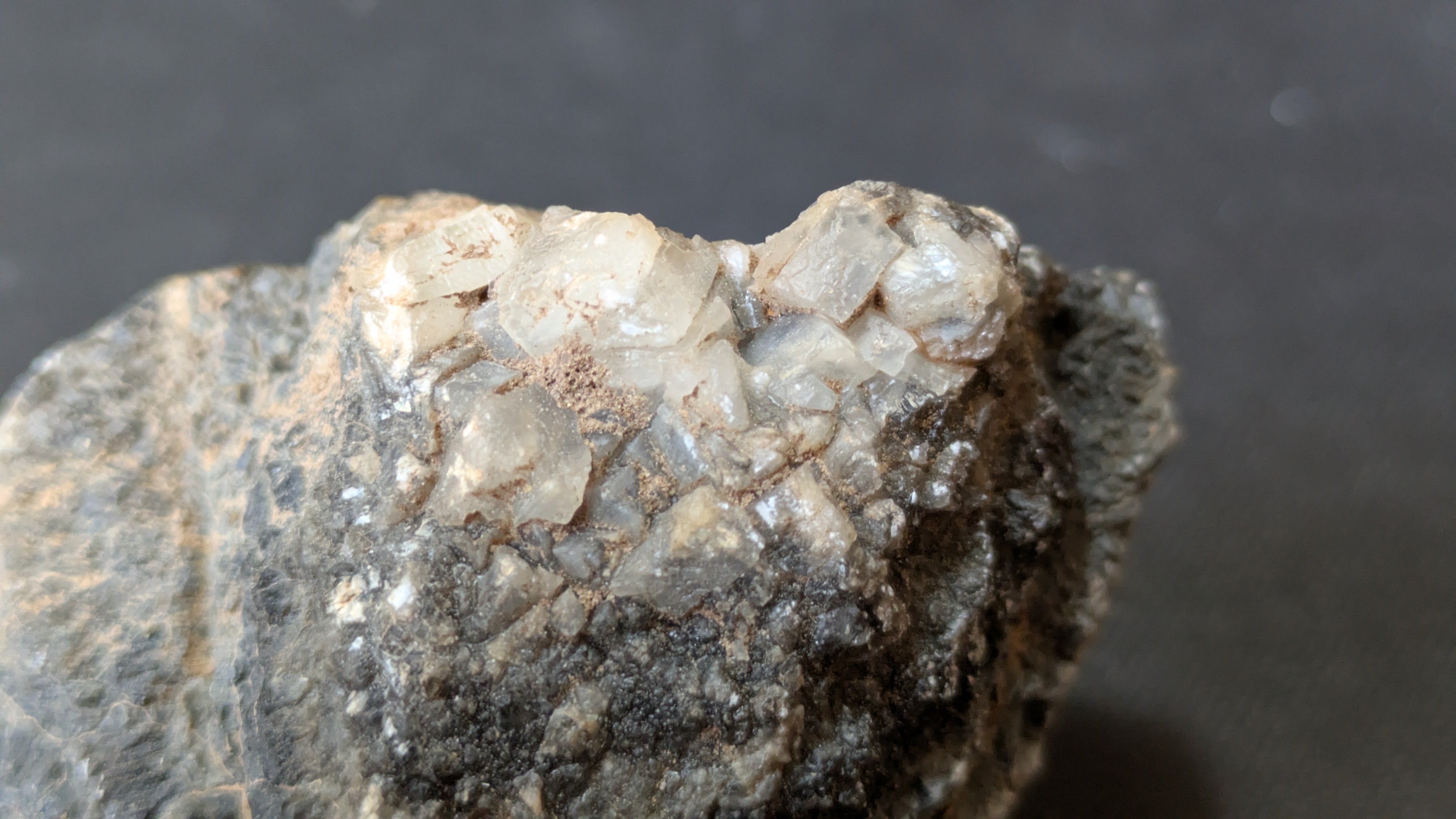
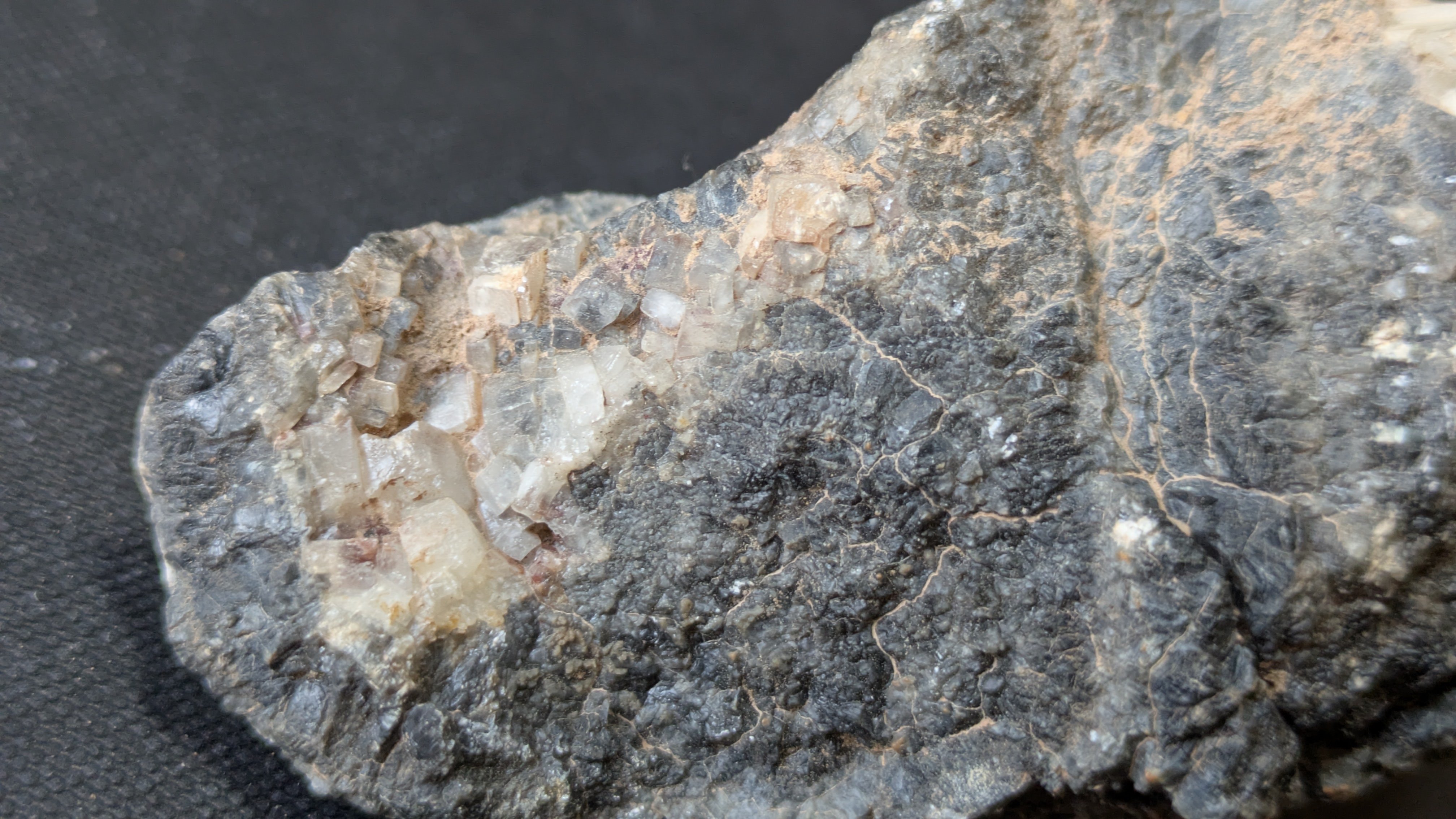
Lobolith - ~8cm
Lobolith - Broken
Lobolith - Broken. The shape of the inner hollow chamber can be seen.
+3
Lobolith - ~8cm Lobolith - Broken Lobolith - Broken. The shape of the inner hollow chamber can be seen. Lobolith - Crystals formed on the inside. Lobolith - Crystals formed on the inside. Lobolith - Crystals formed on the inside.
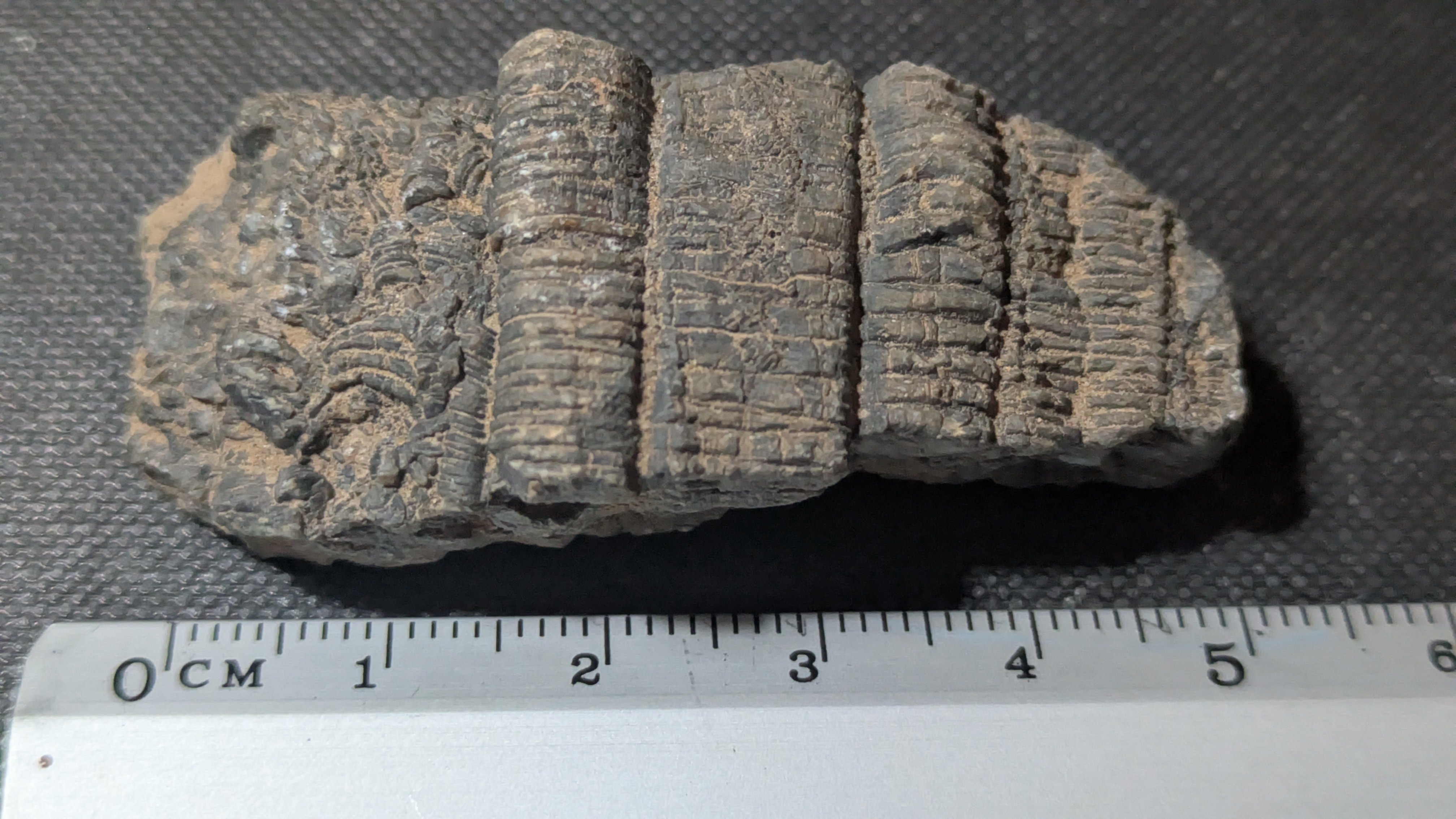
Stem and lobolith fragments
+2
Stem and lobolith fragments Stem and lobolith fragments Stem and lobolith fragments Stem and lobolith fragments Stem and lobolith fragments - Back side

Artistic depiction of Unclassified
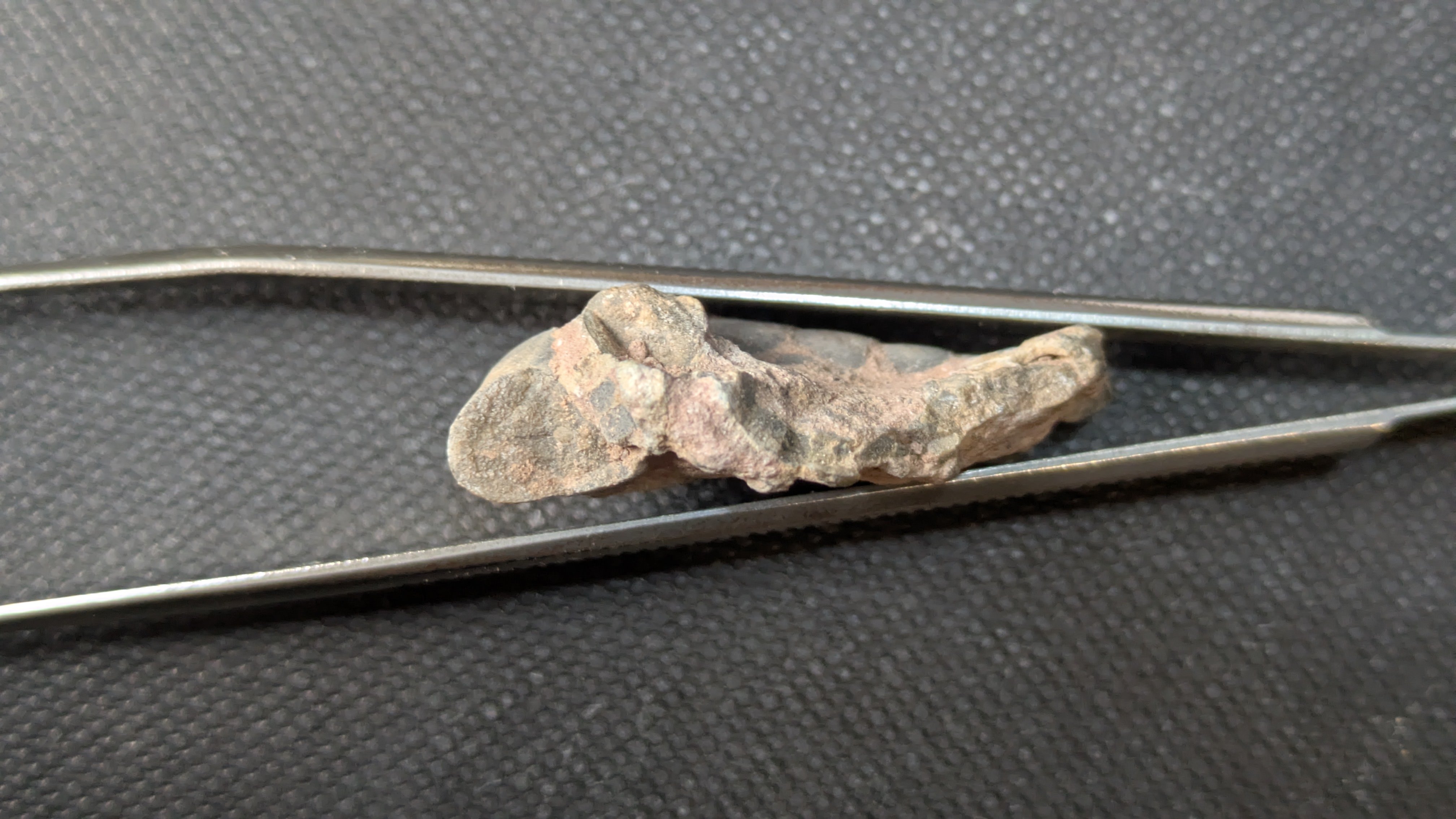
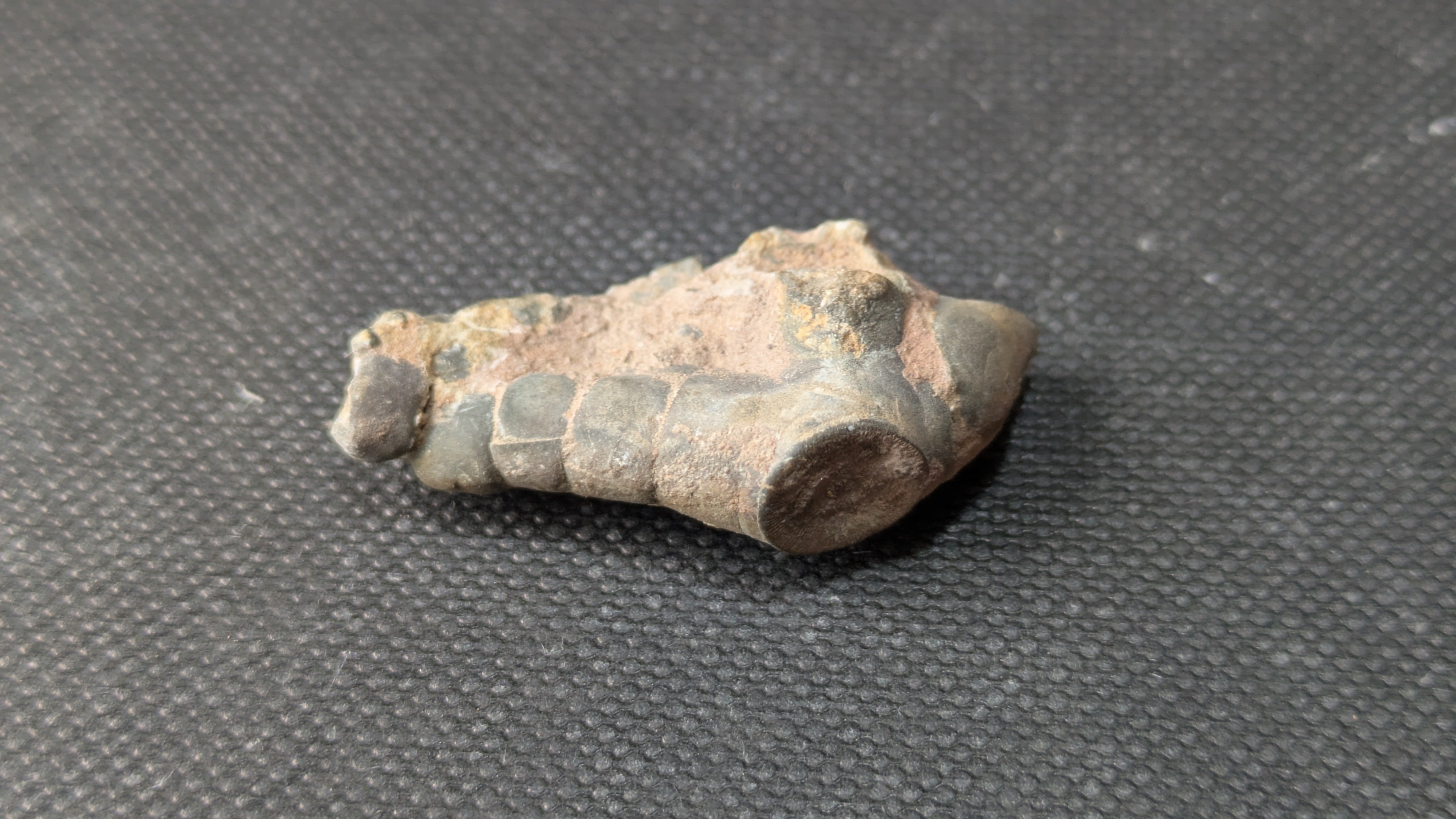
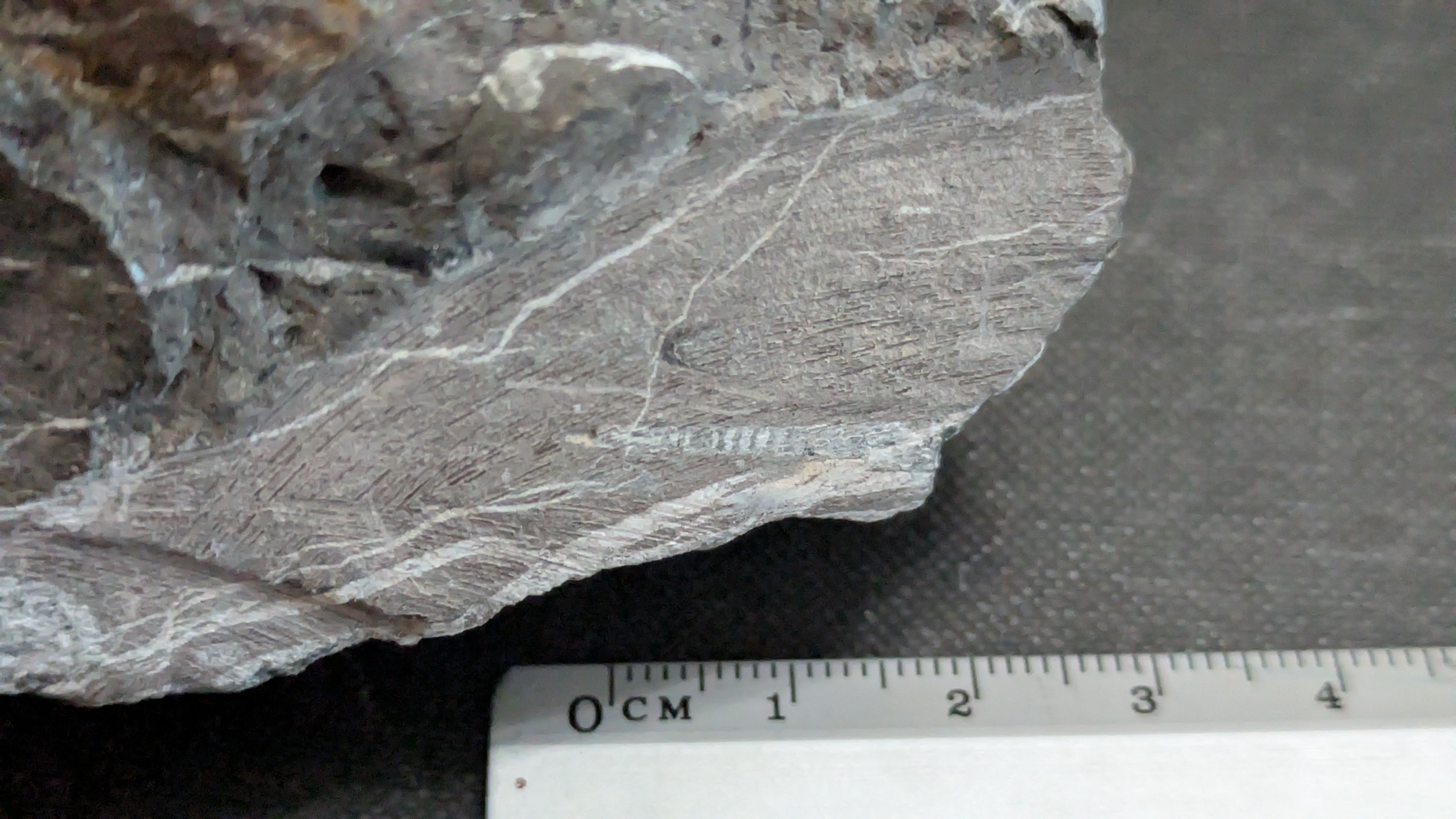
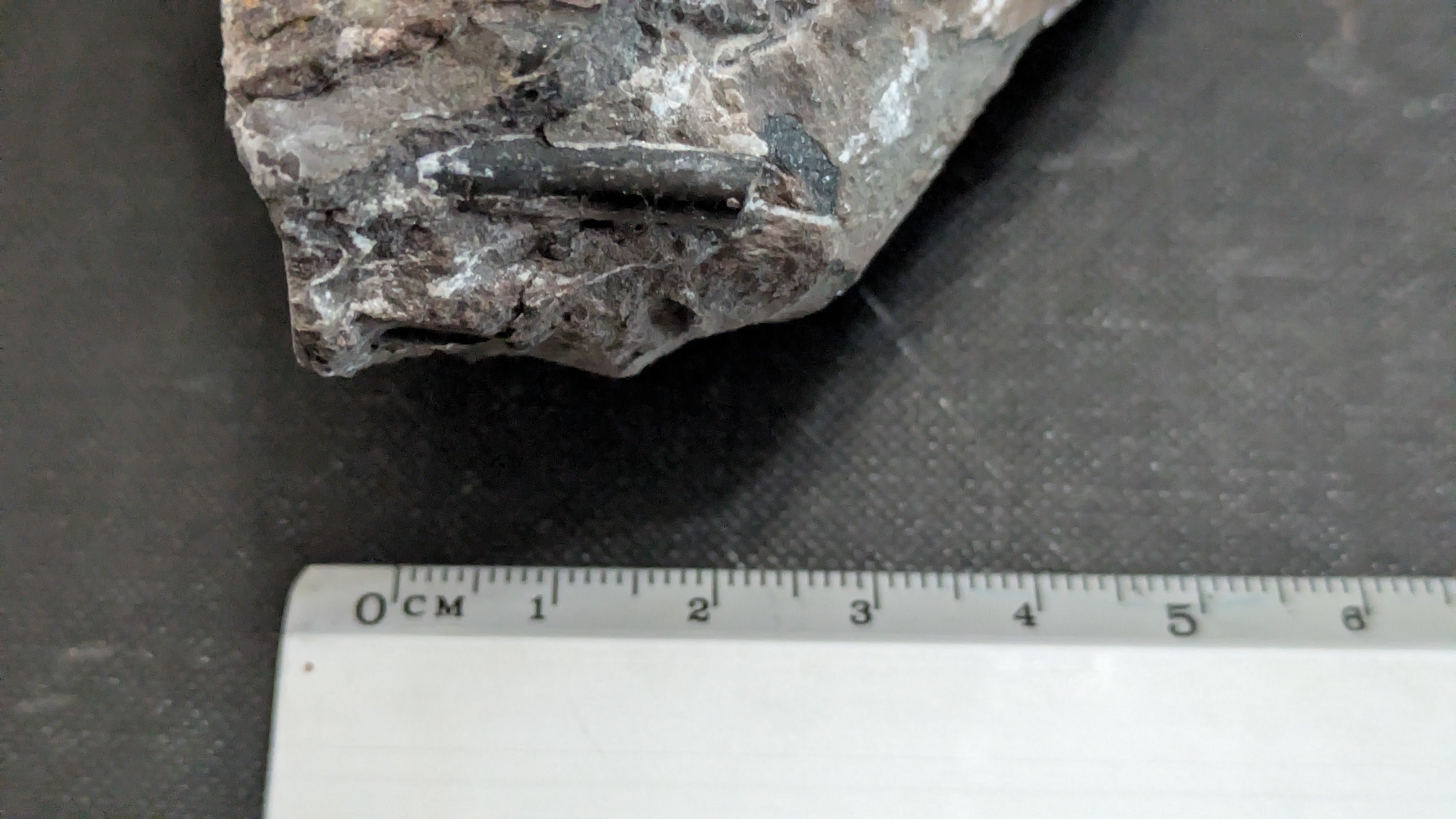
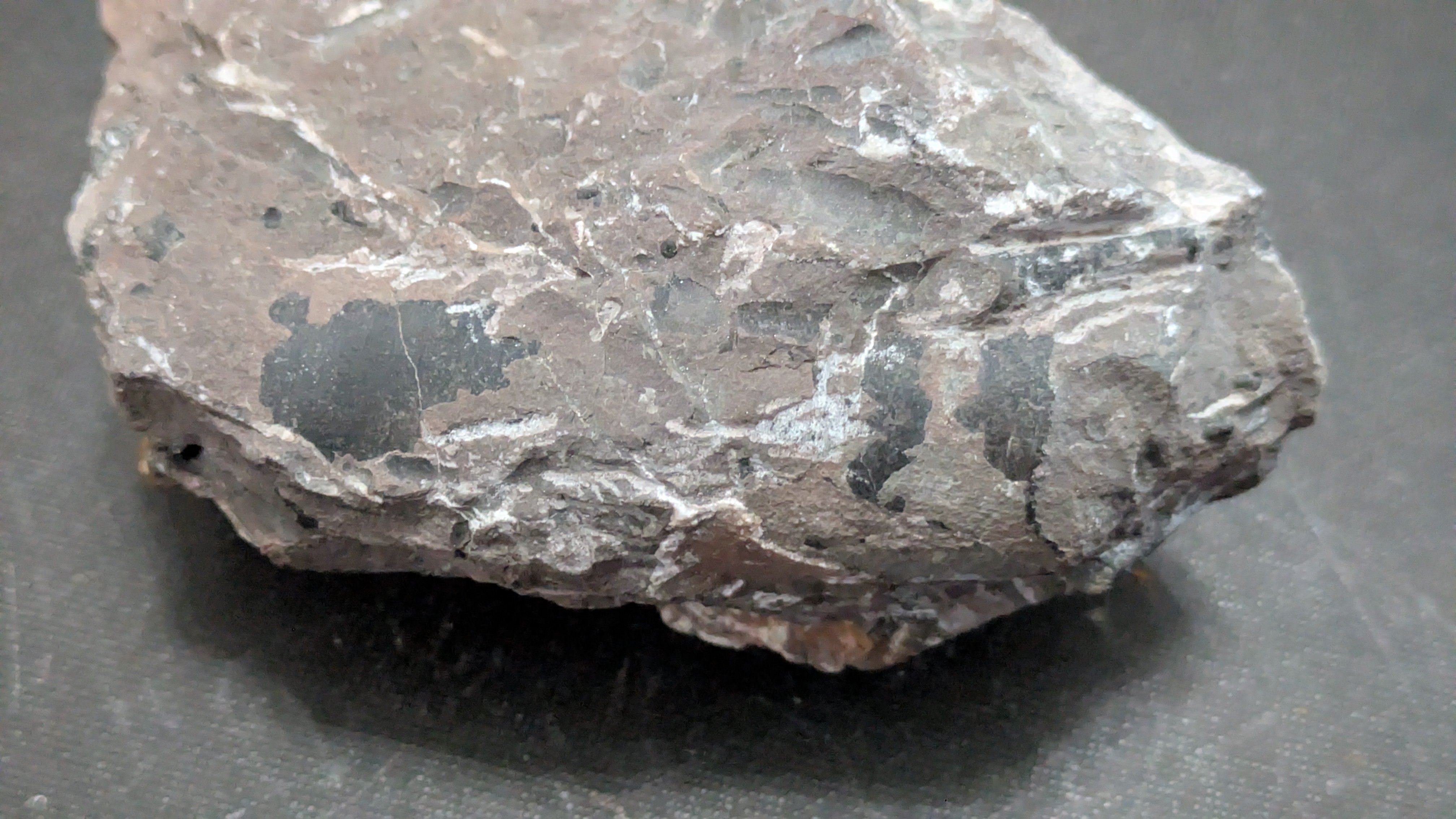
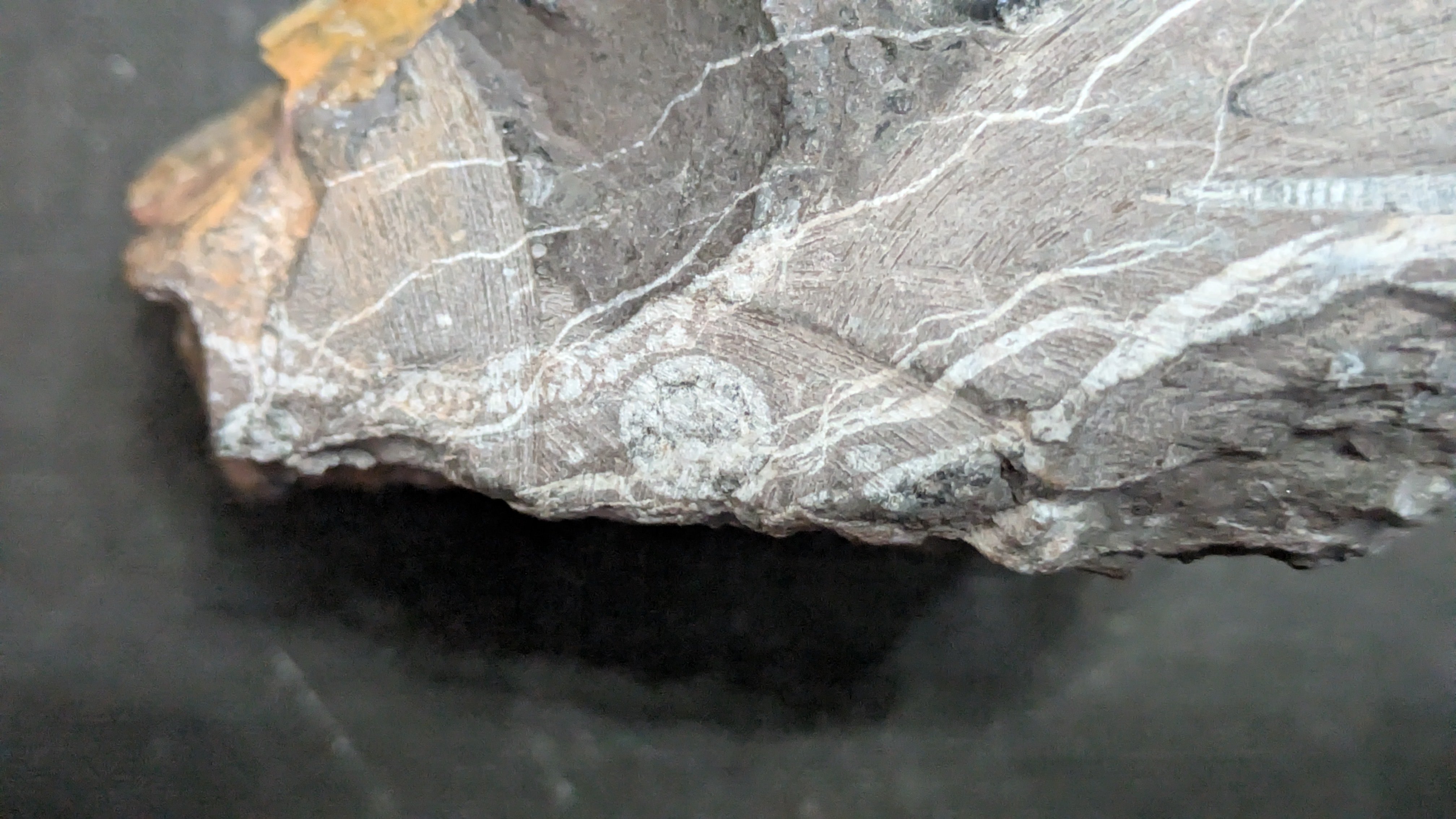
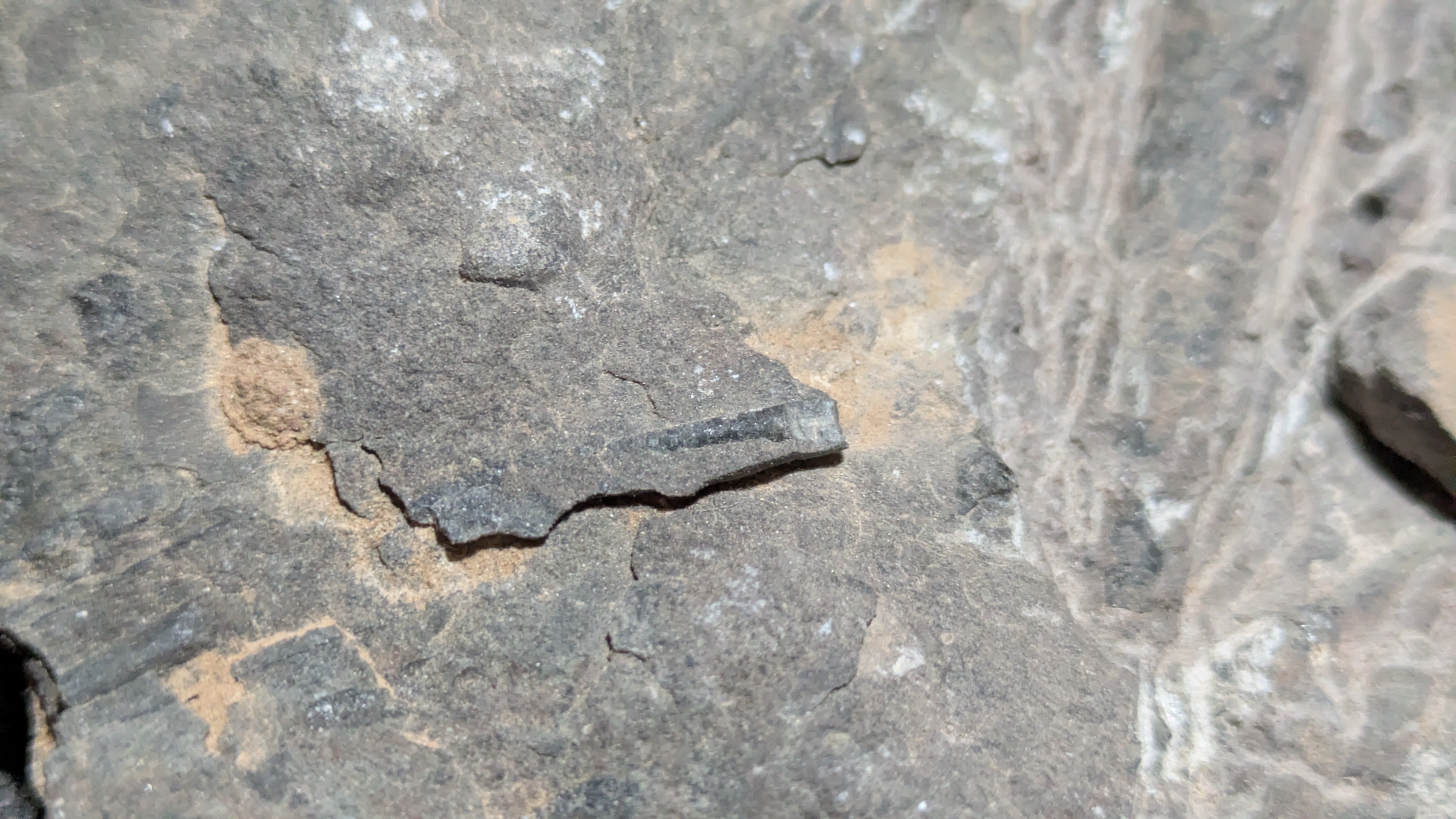
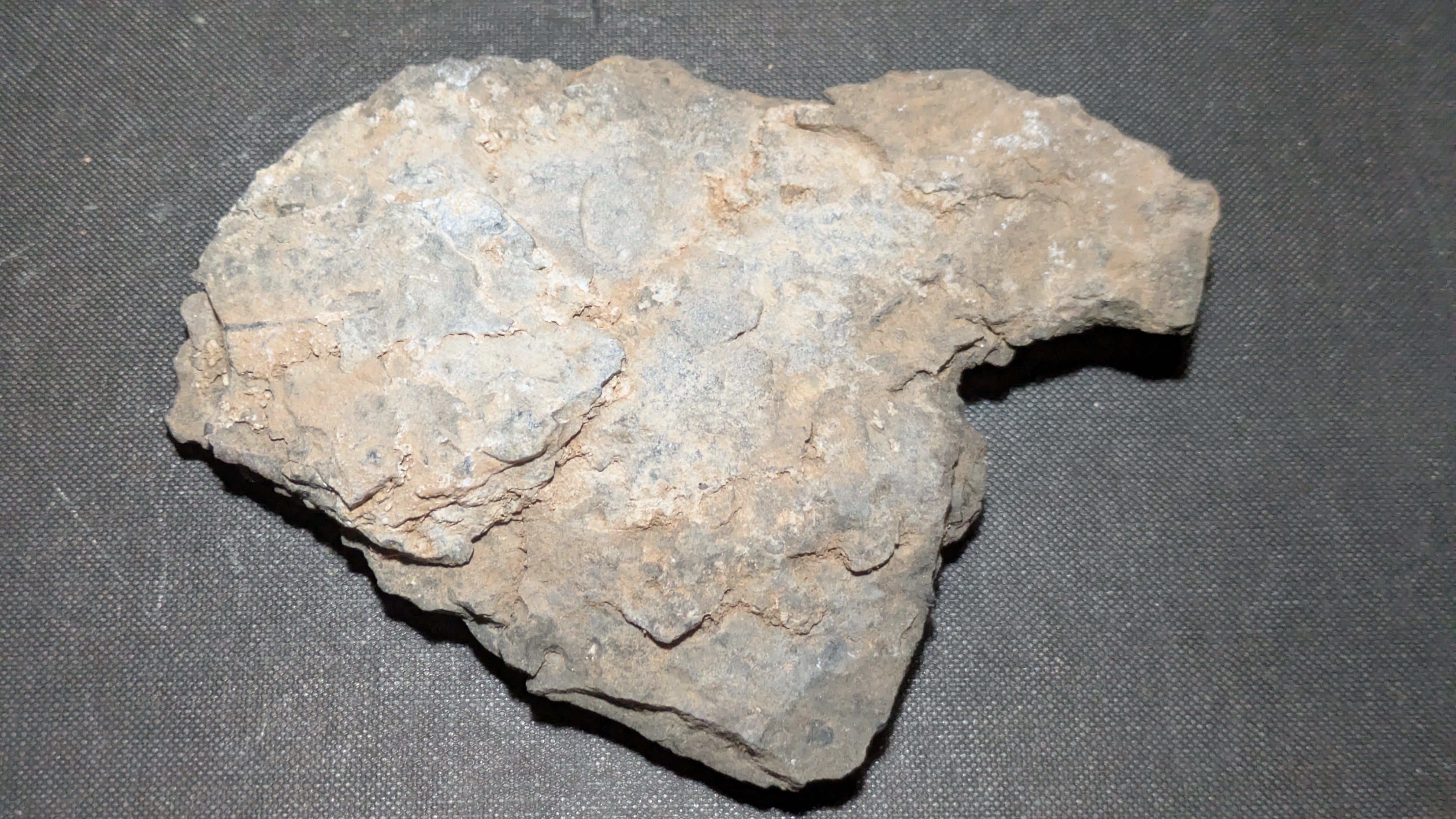
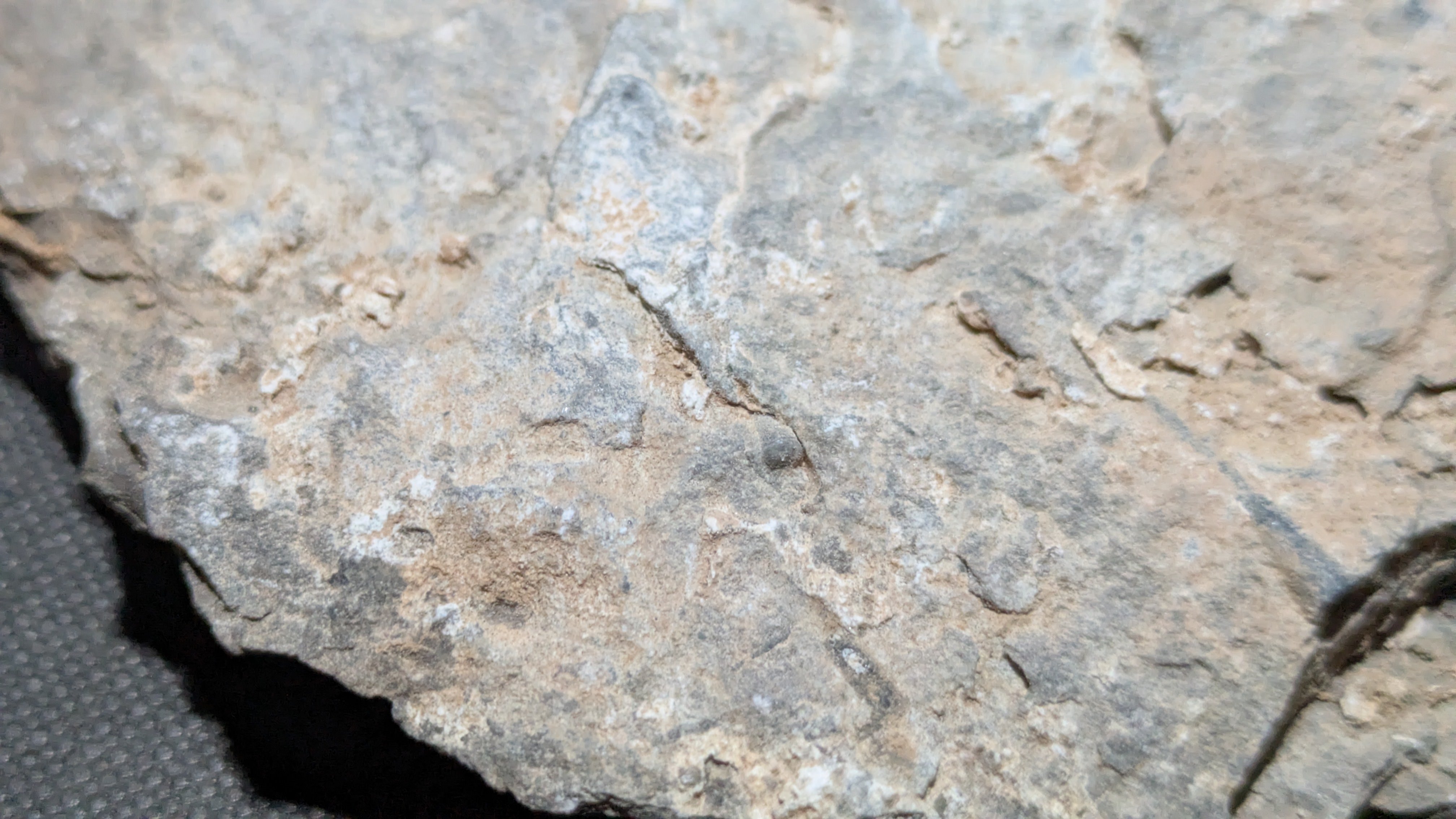
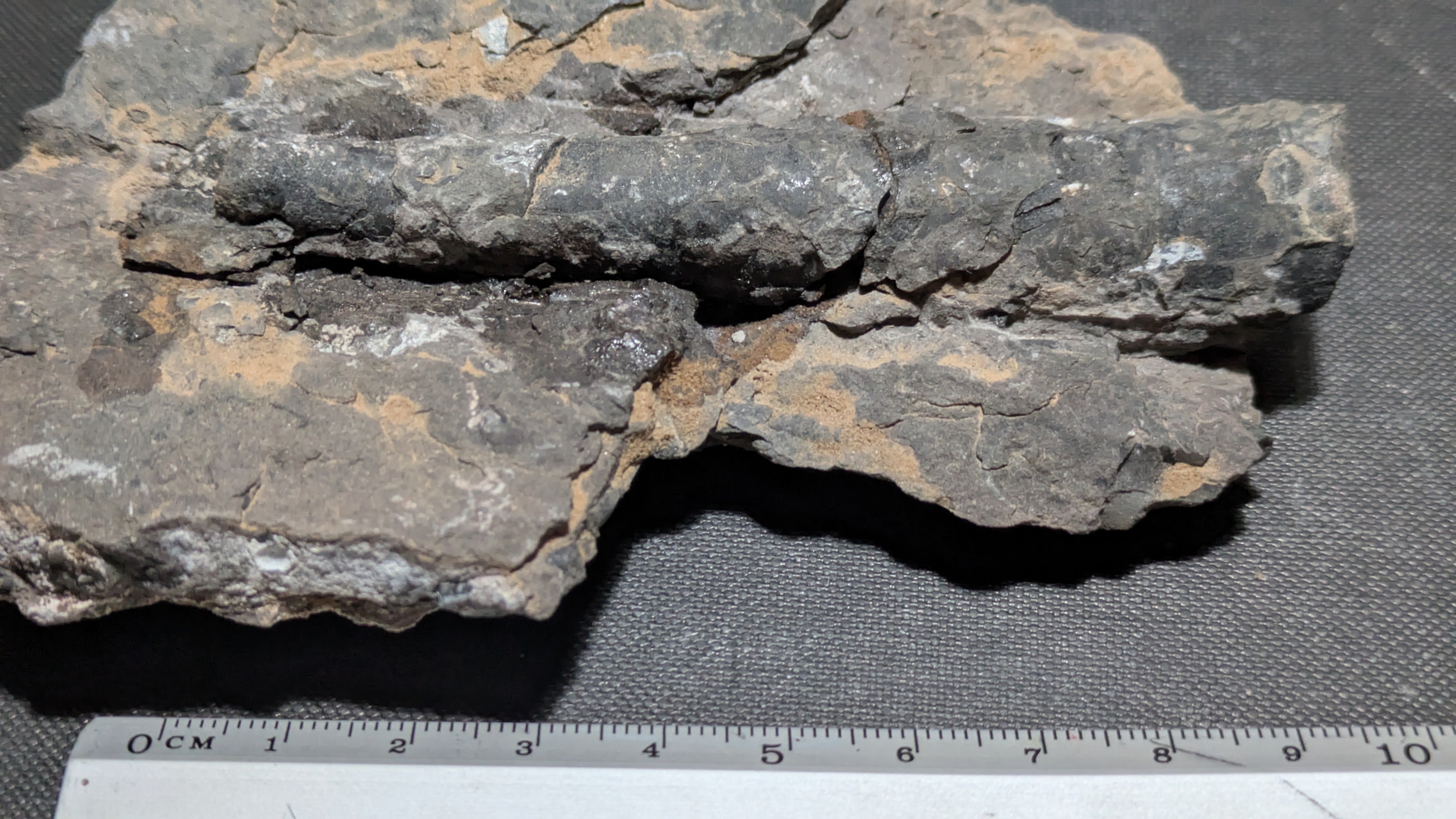
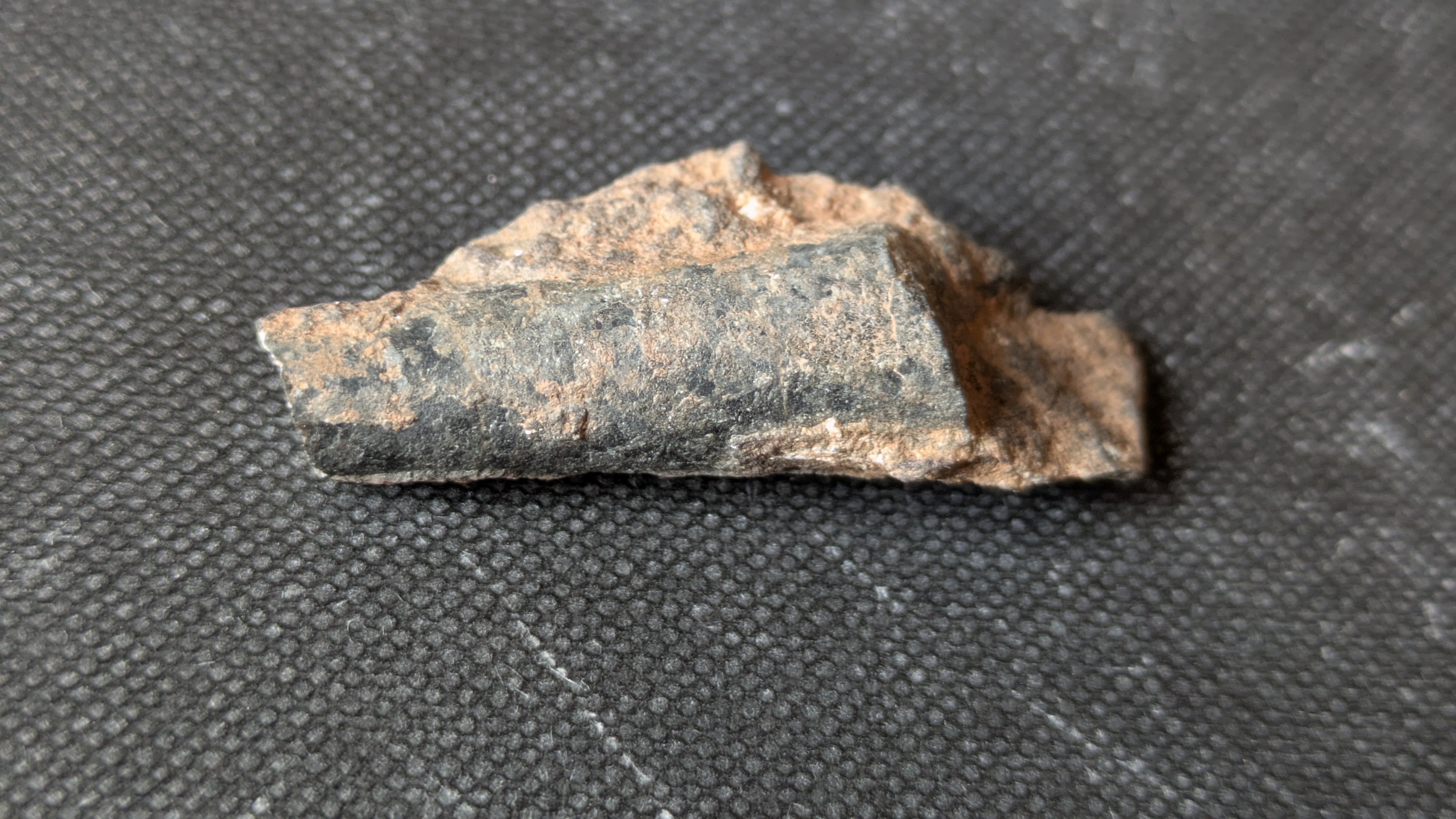
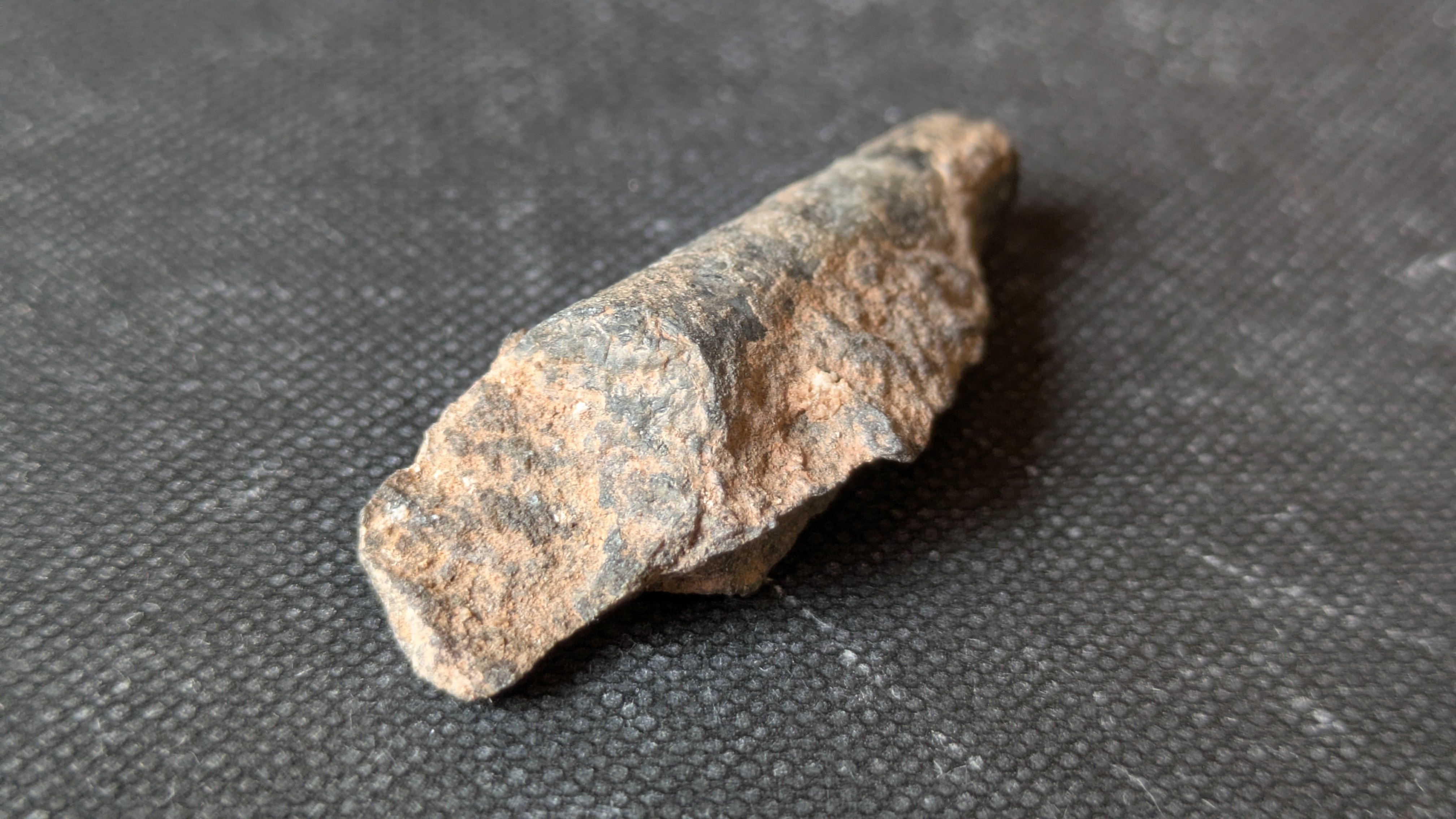
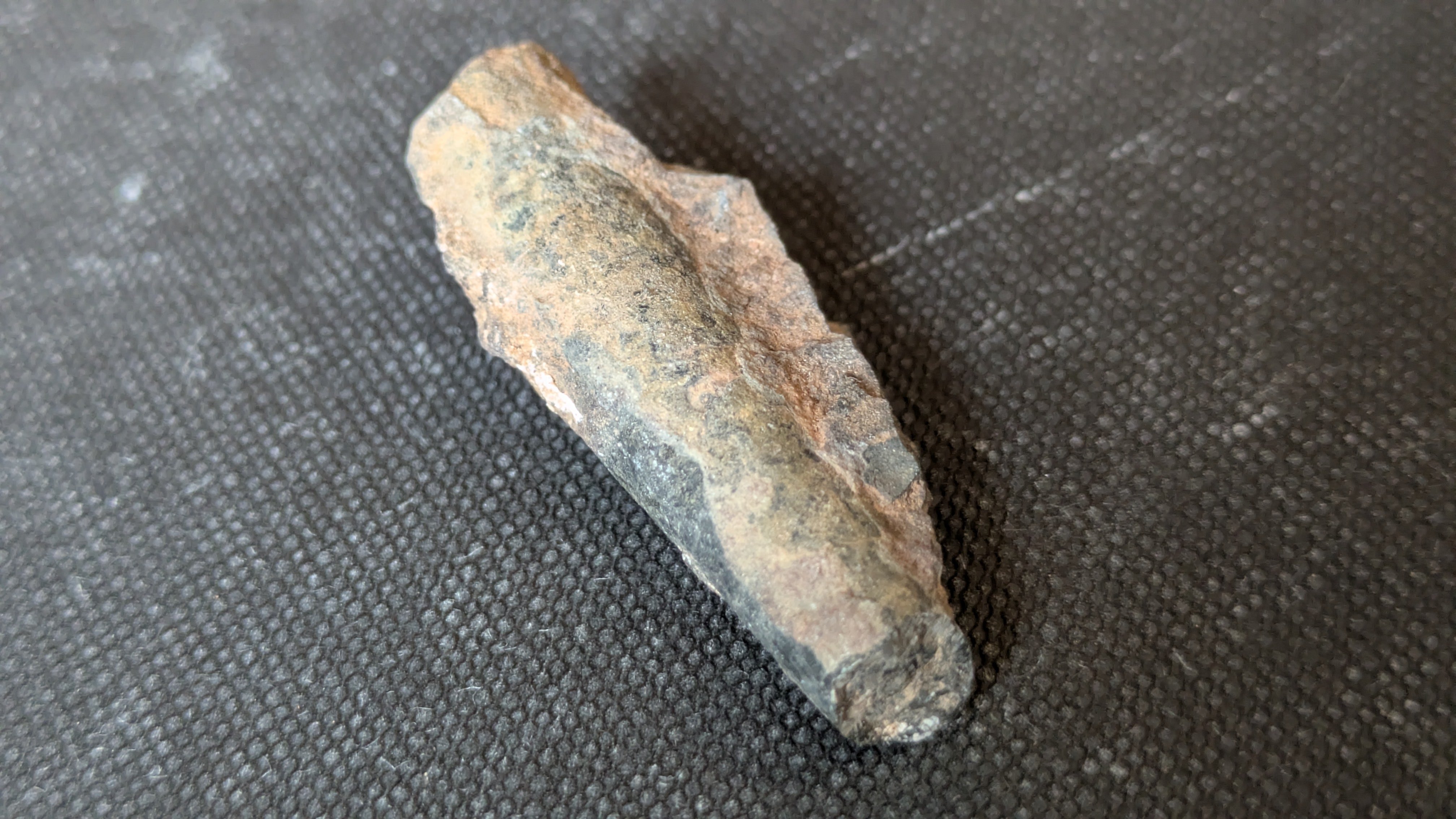
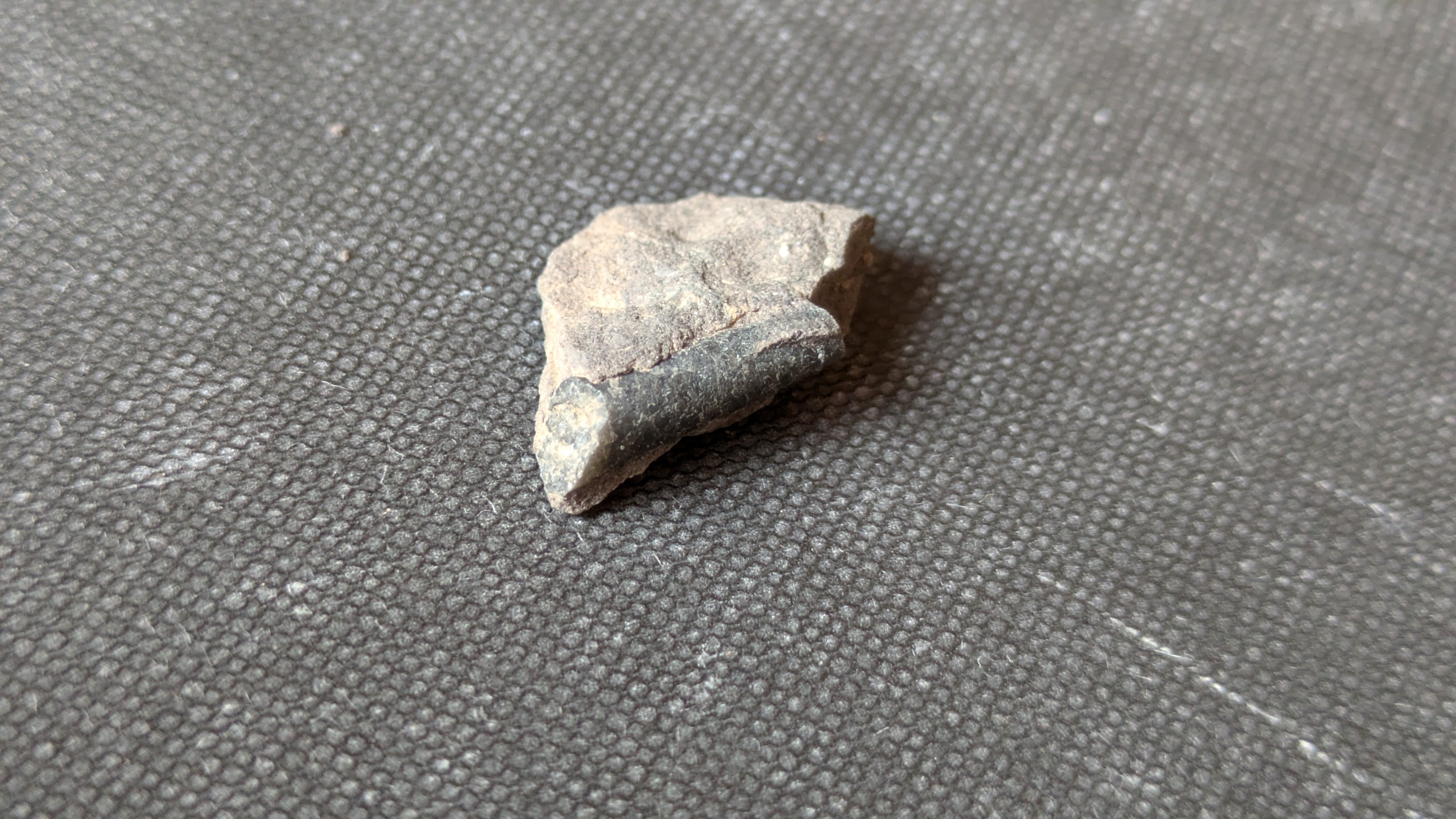
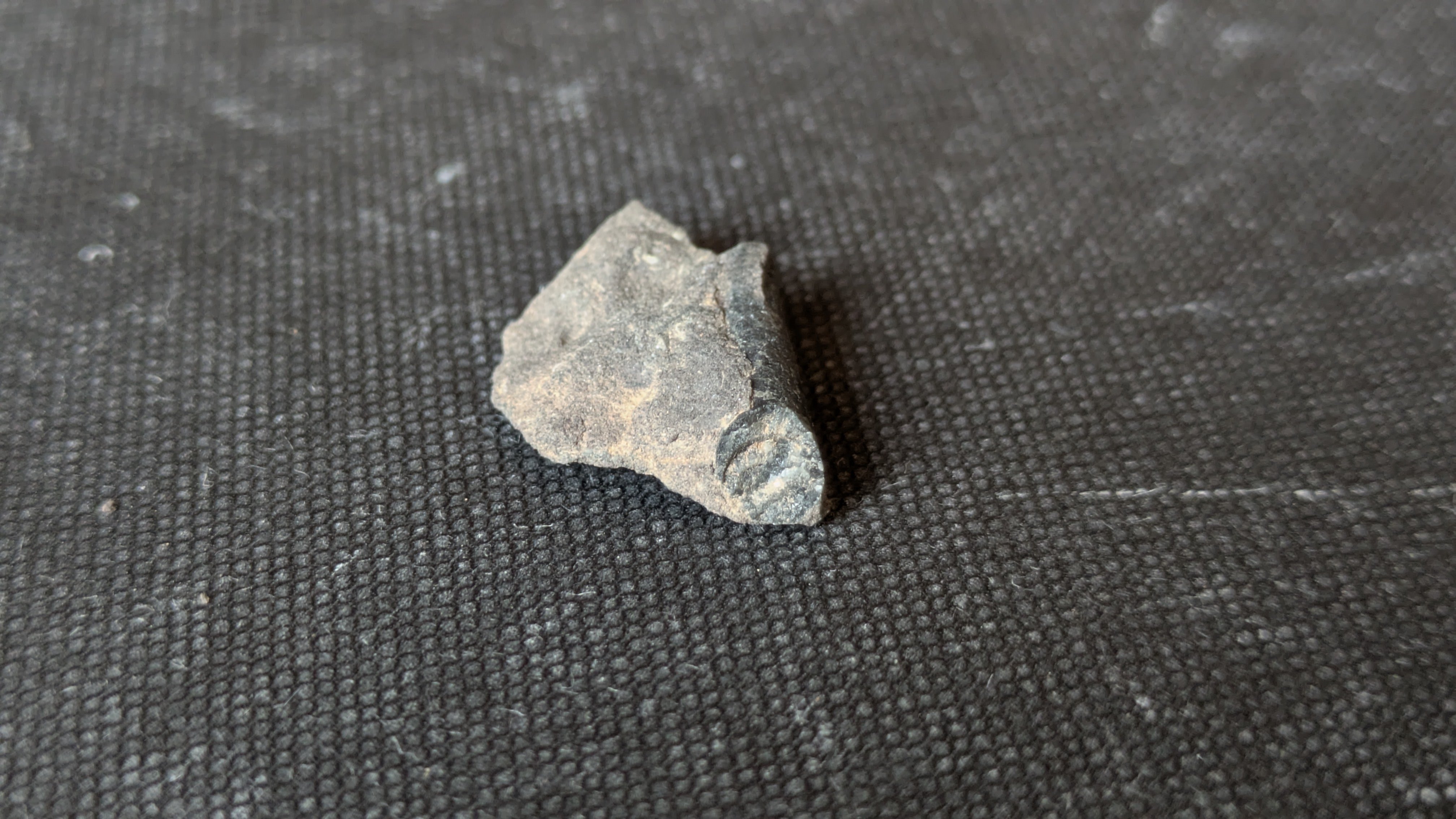
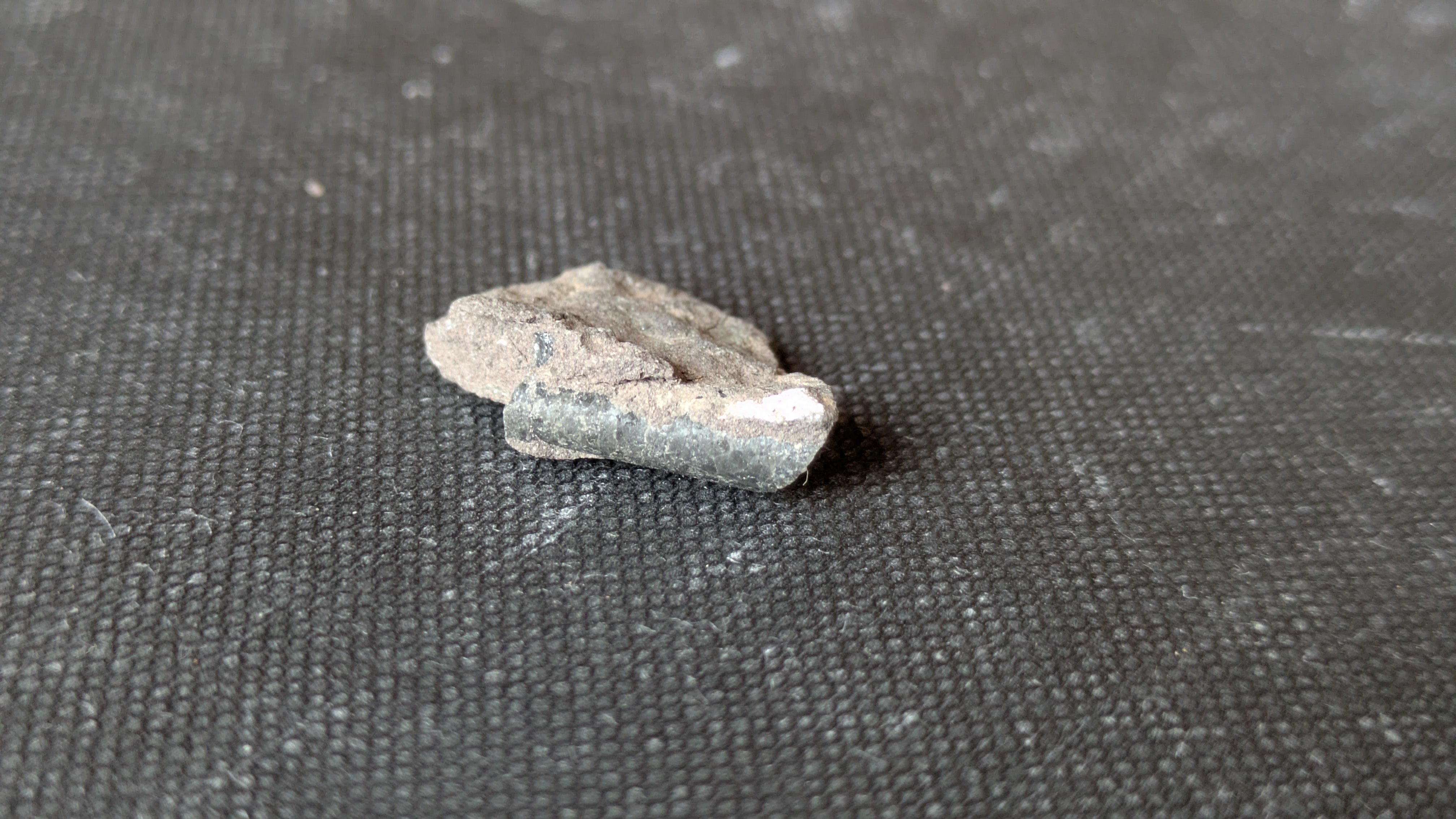
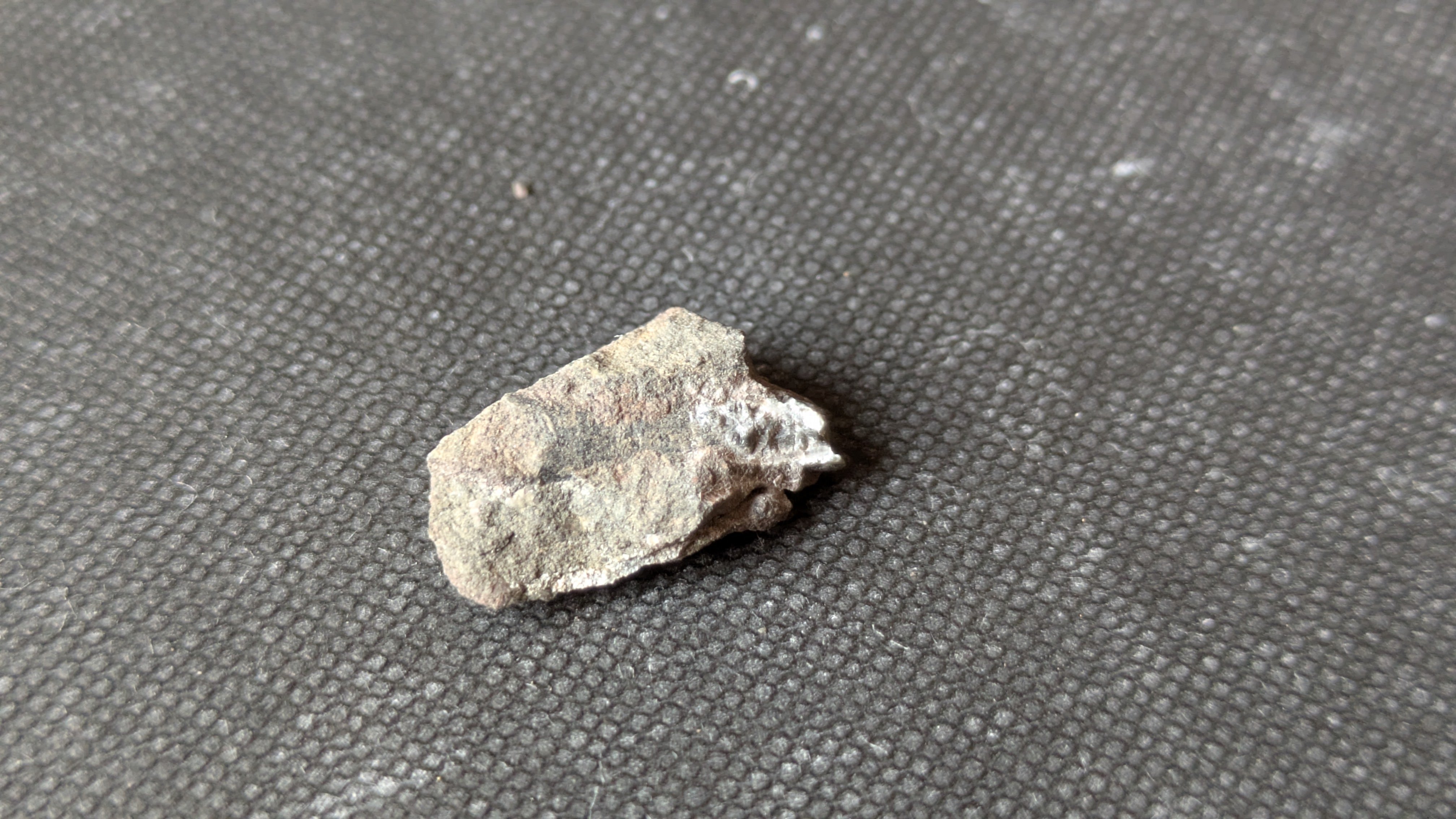
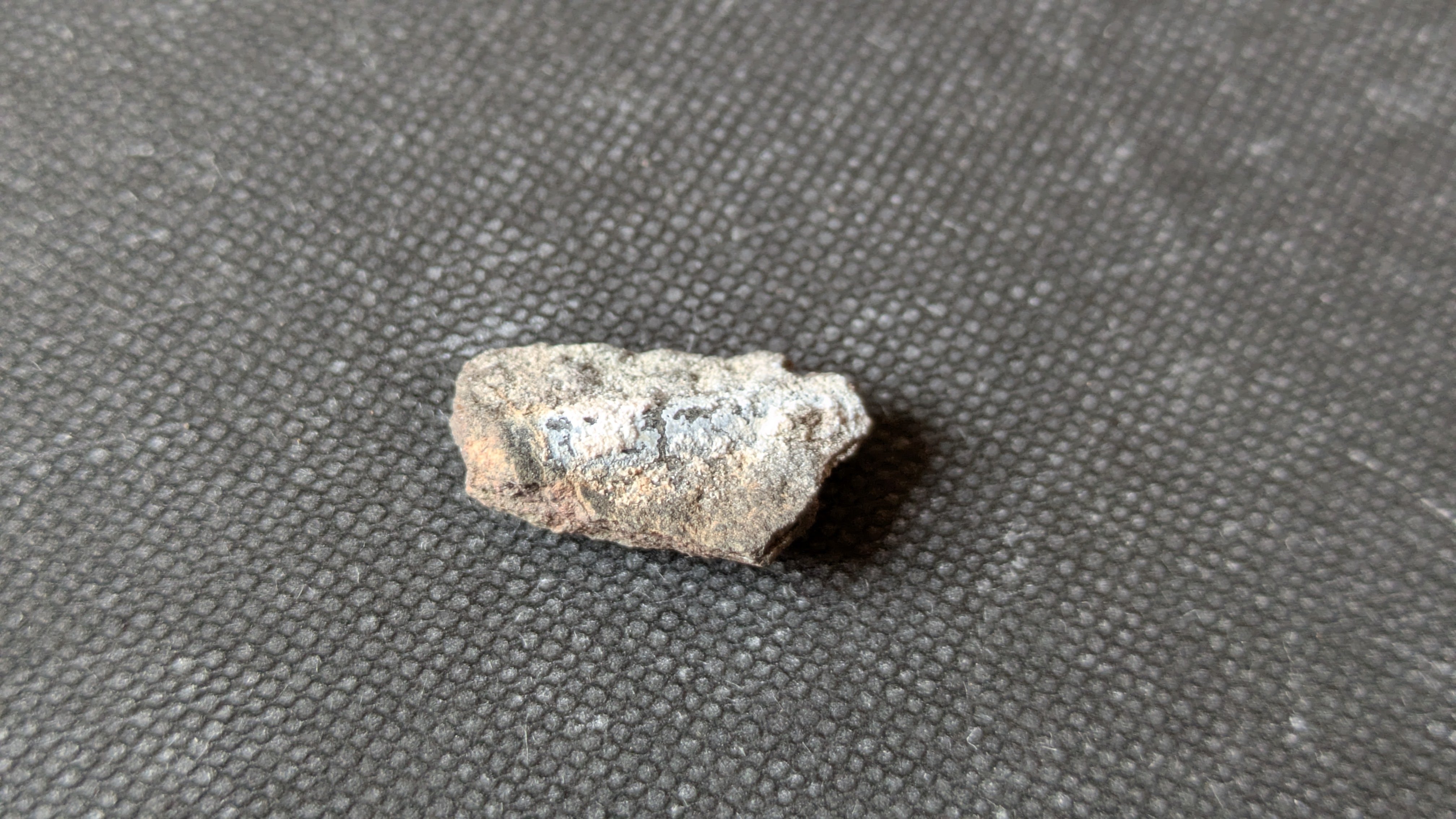
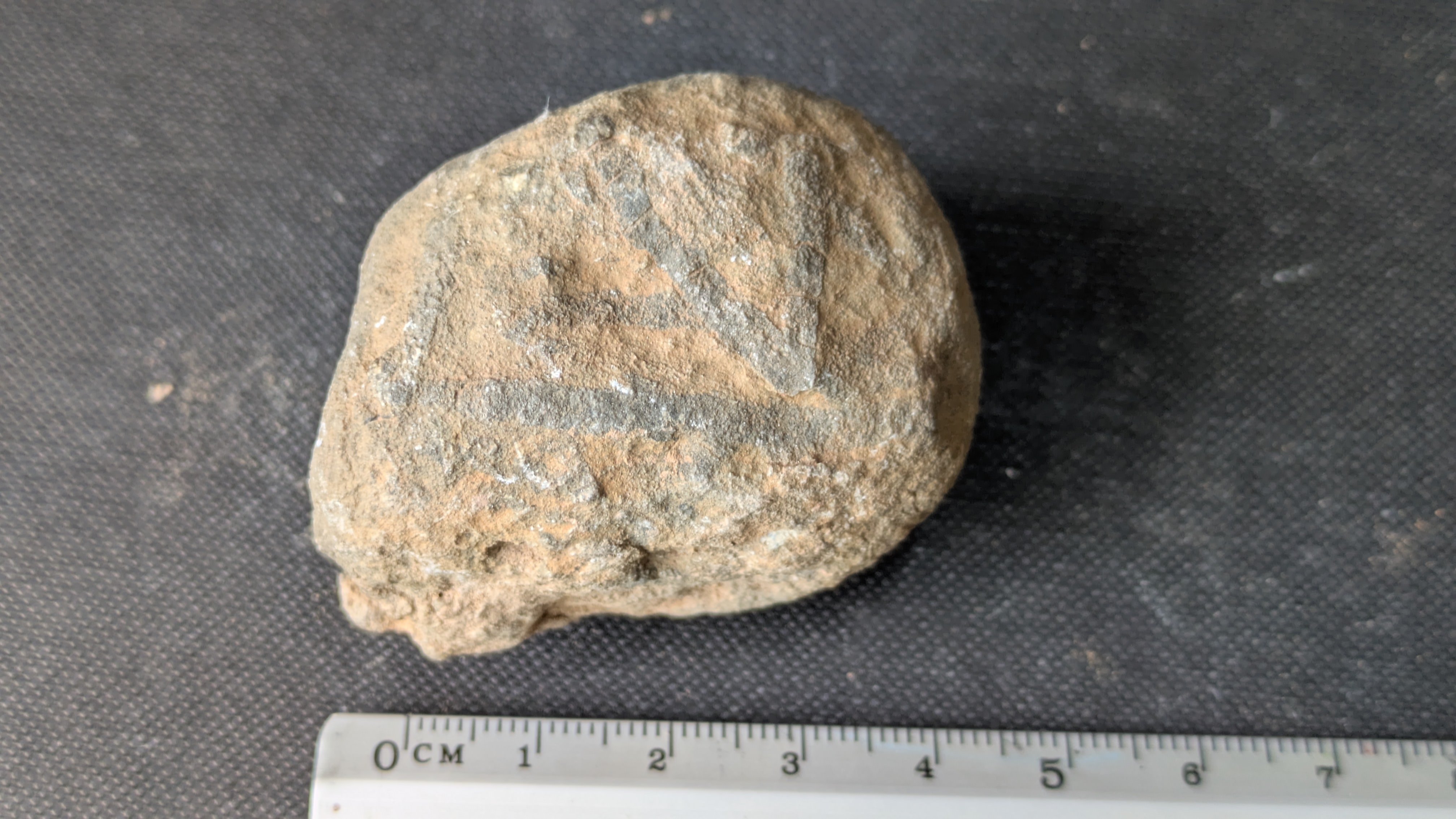
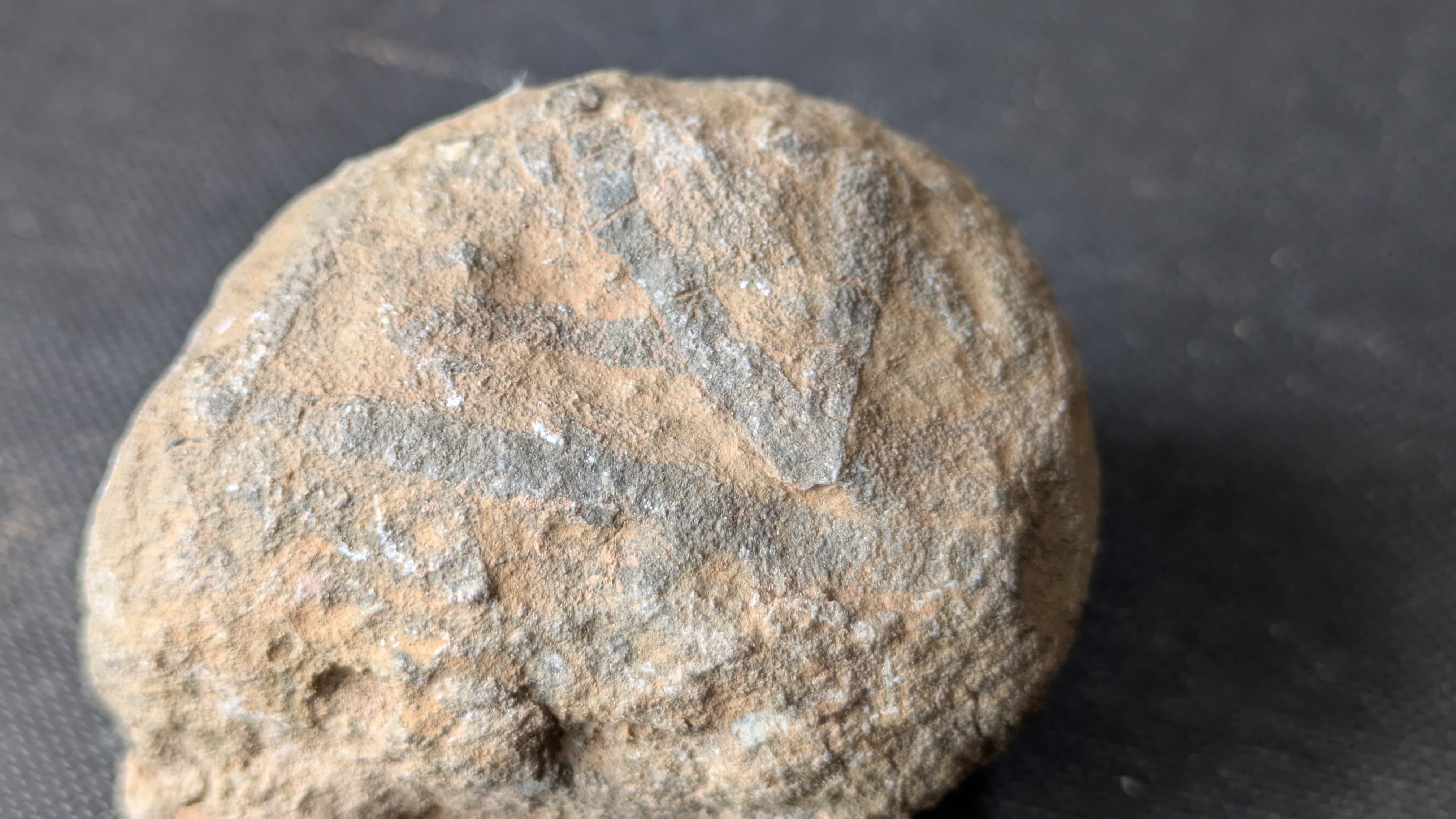
Unknown - 2-3cm
Unknown - Branching structure
+1
Unknown - 2-3cm Unknown - Branching structure Unknown - Branching structure Unknown - Rear view
This site uses cookies to analyze traffic.