Ελληνικά
 English
 Ἑλληνική ἀρχαία
 Κυπριακά
Alassa
- Age
- 13.6–11.6 million years ago
- Period
- Middle Miocene (Serravallian)
- Formation
- Pakhna Formation
- Depositional environment
- Deep marine slope basin (bathyal)
- Fossil types
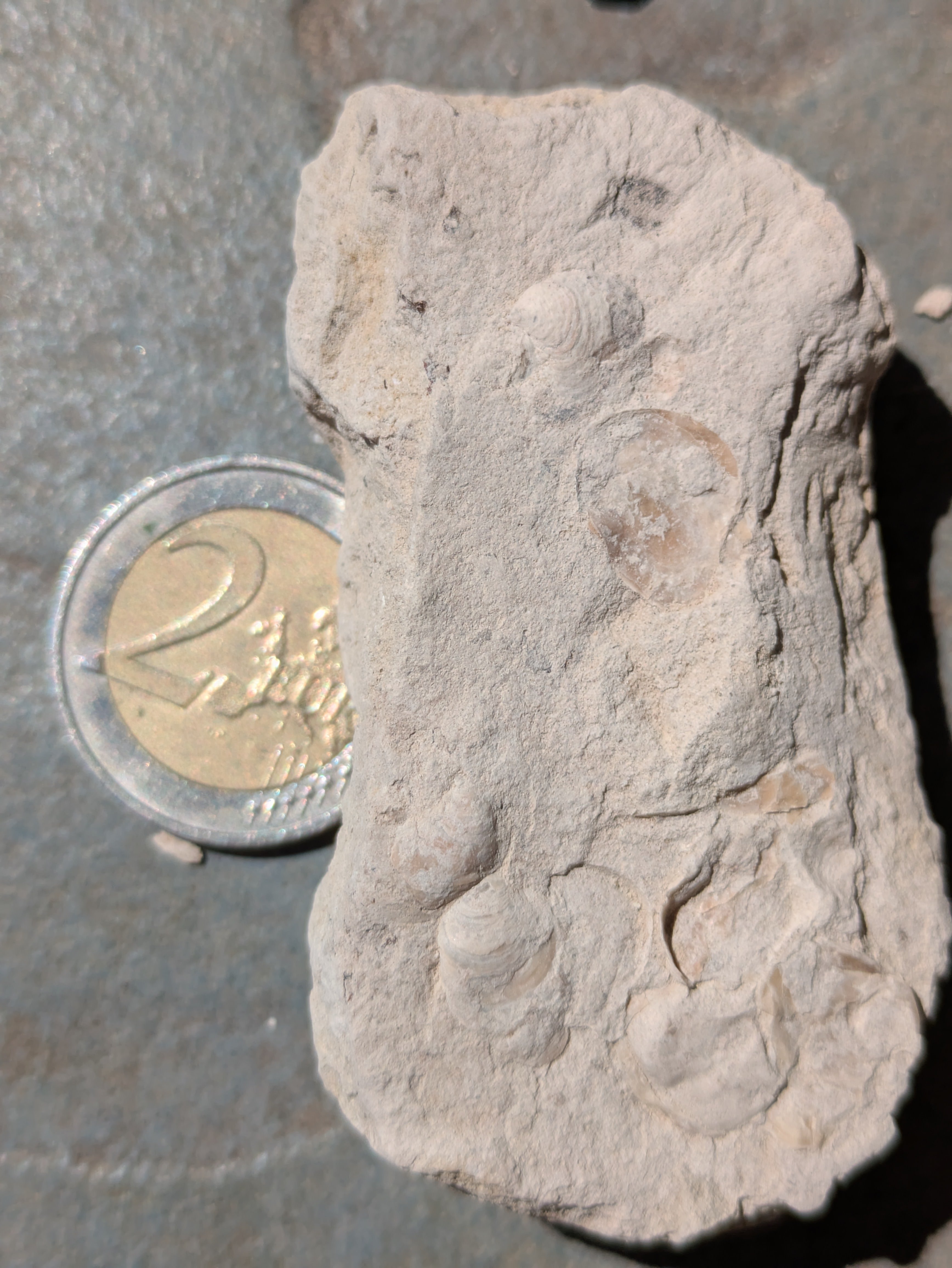
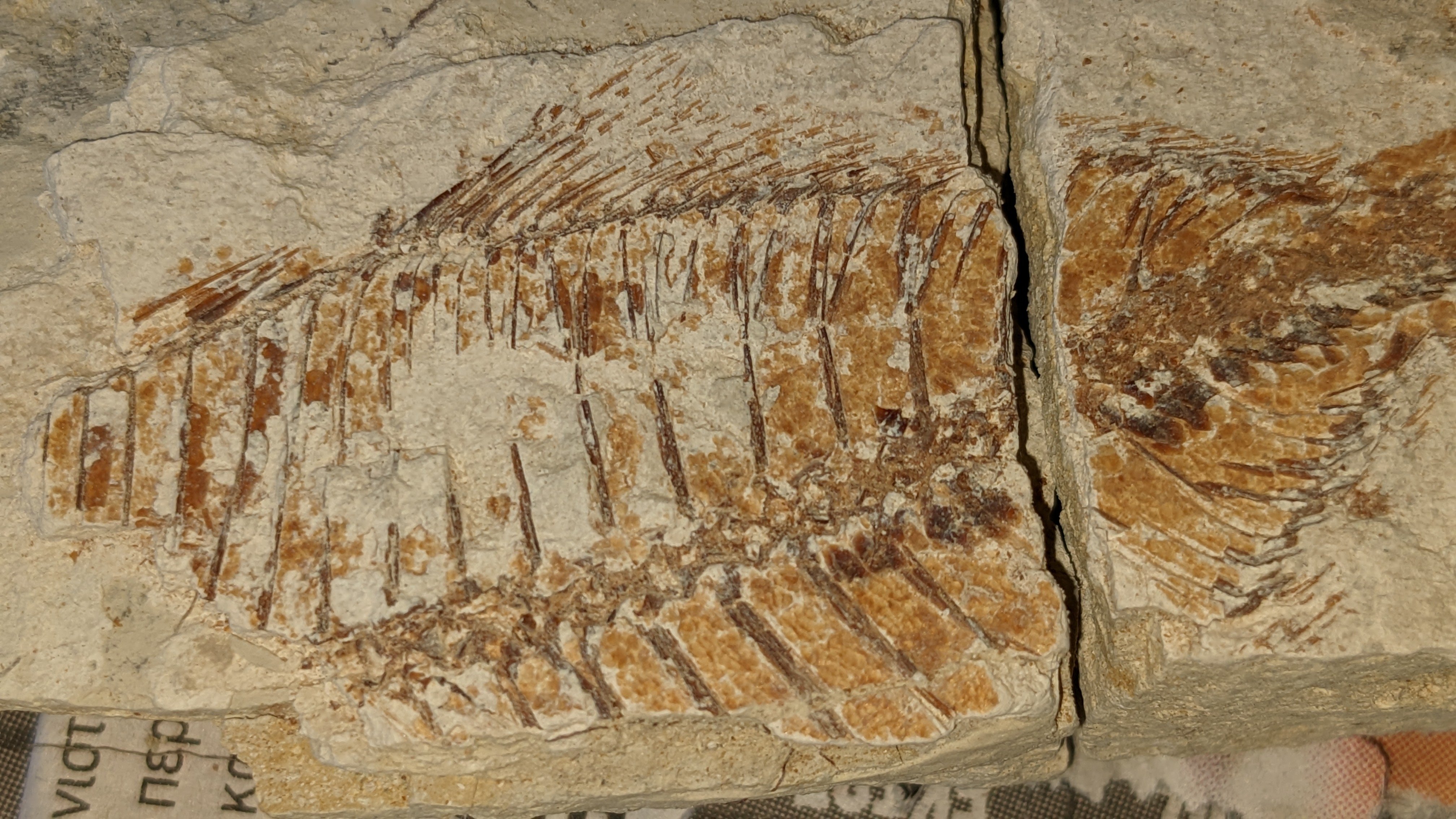
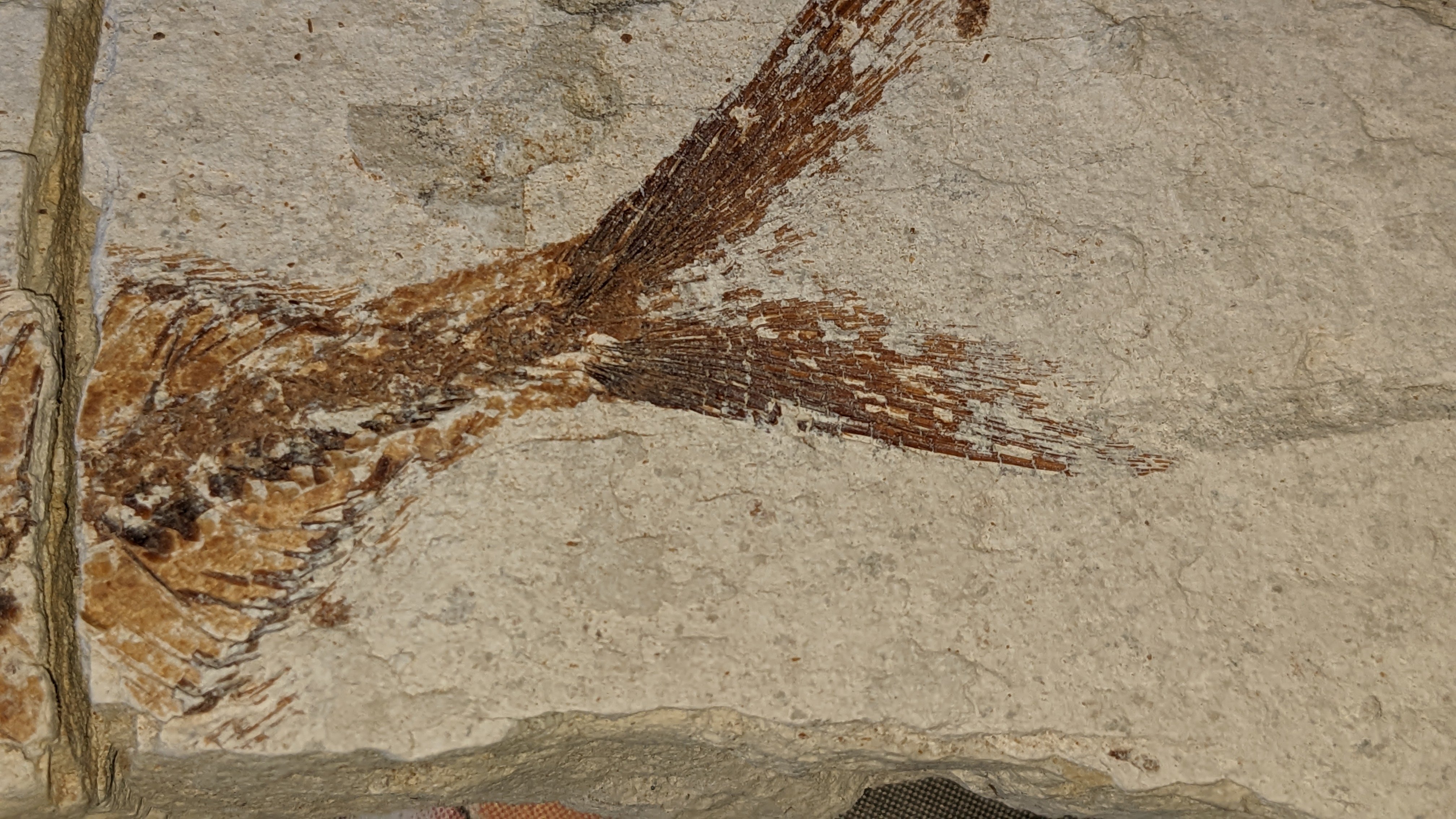
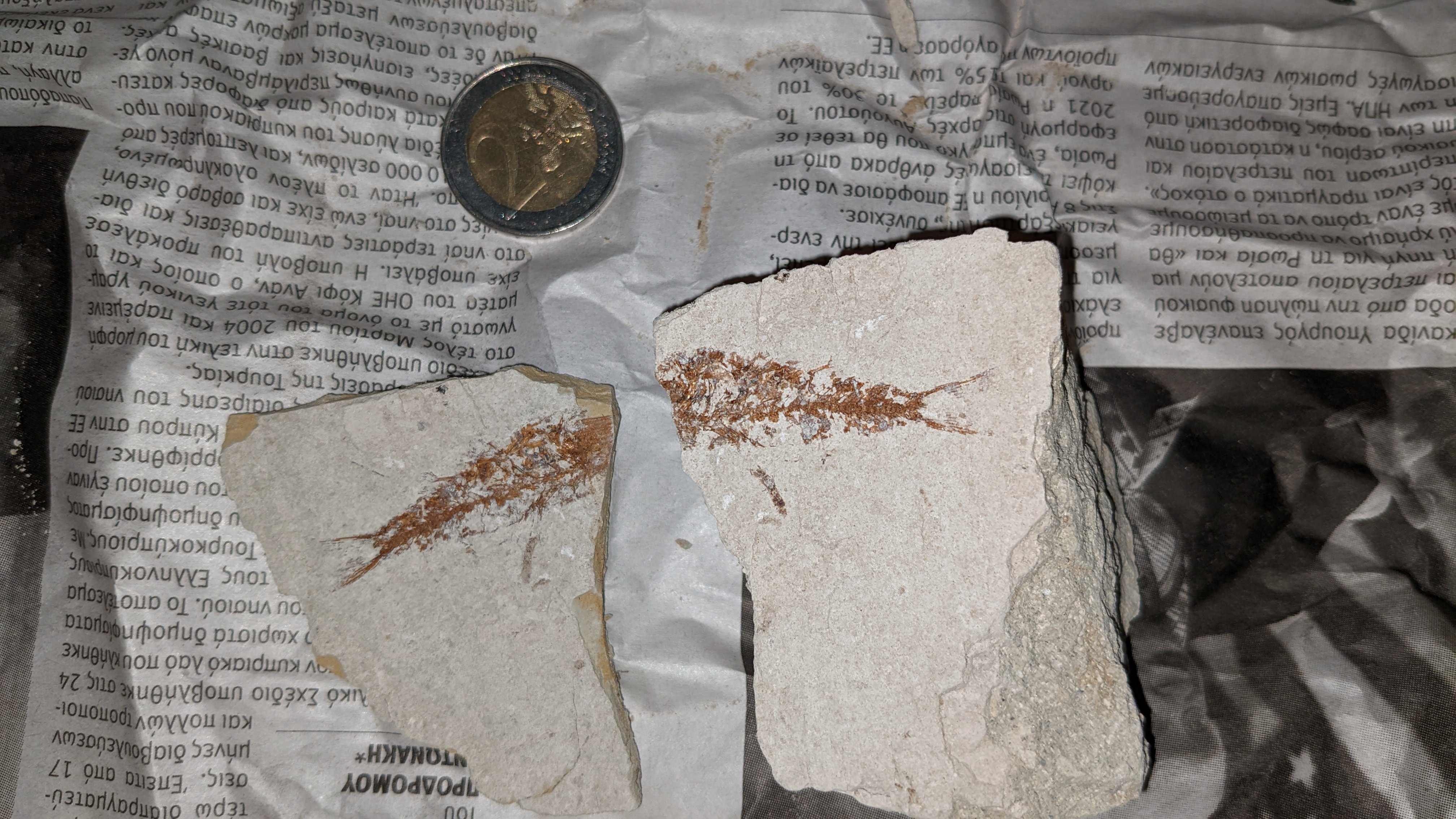
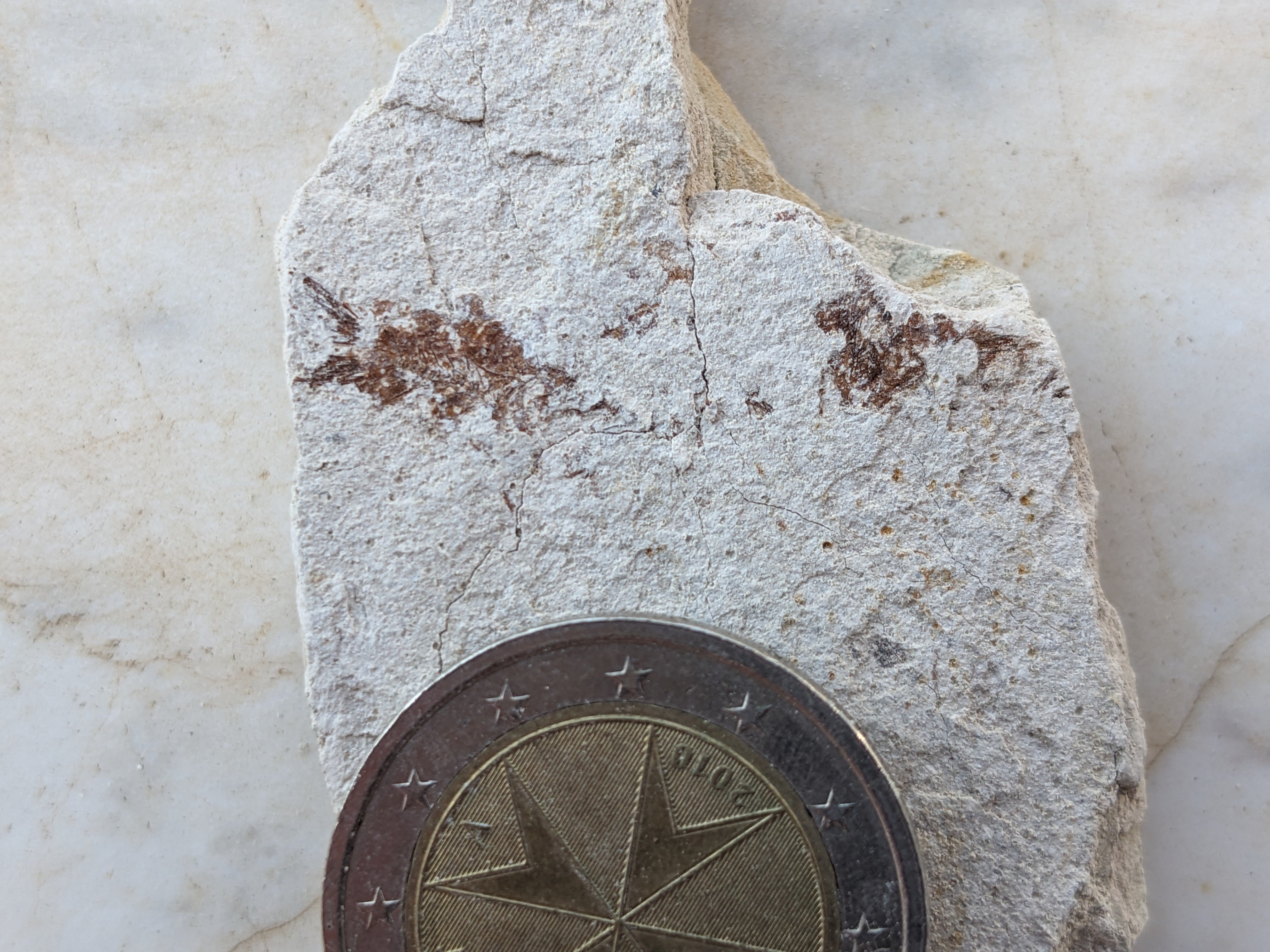
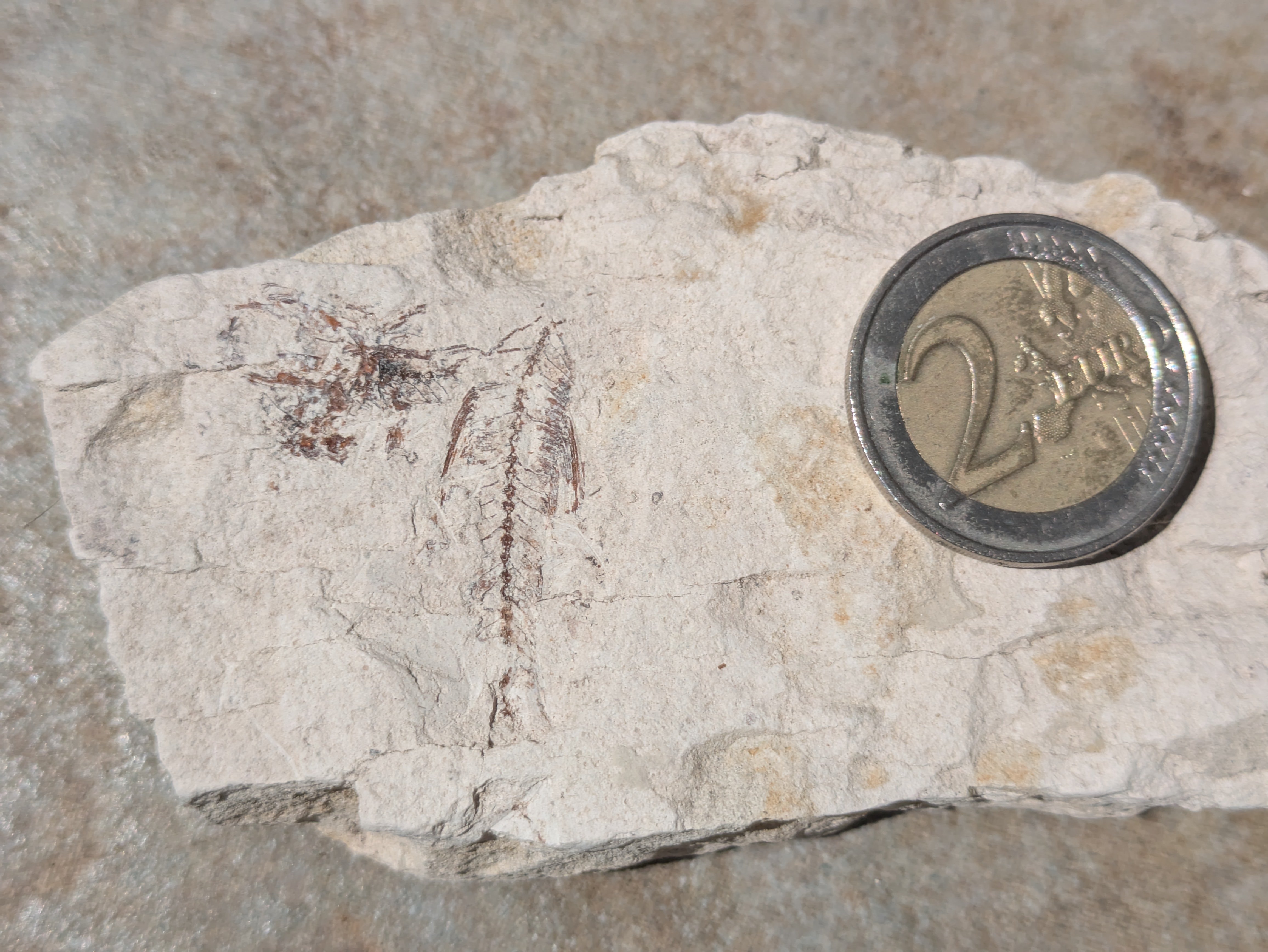
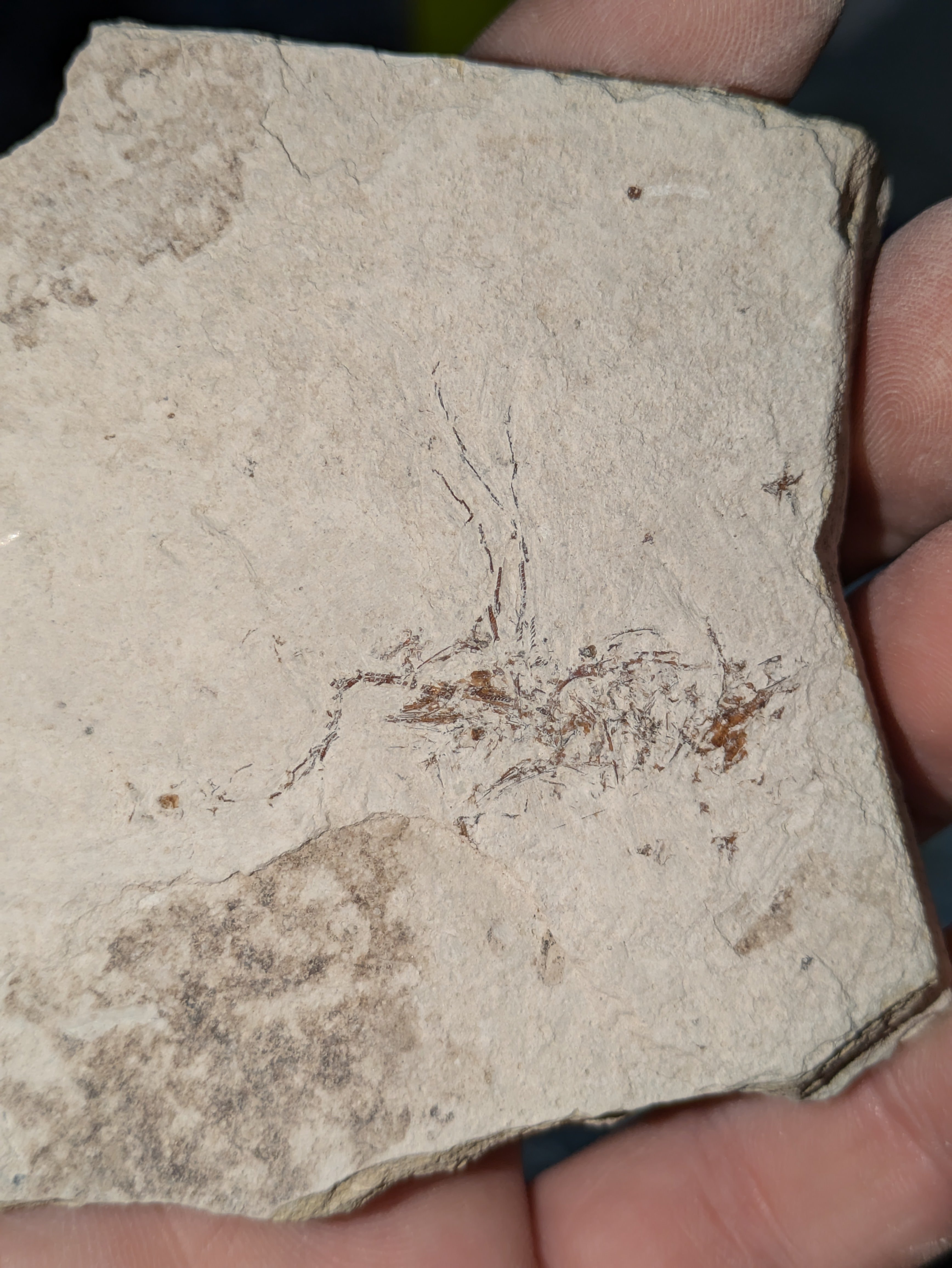
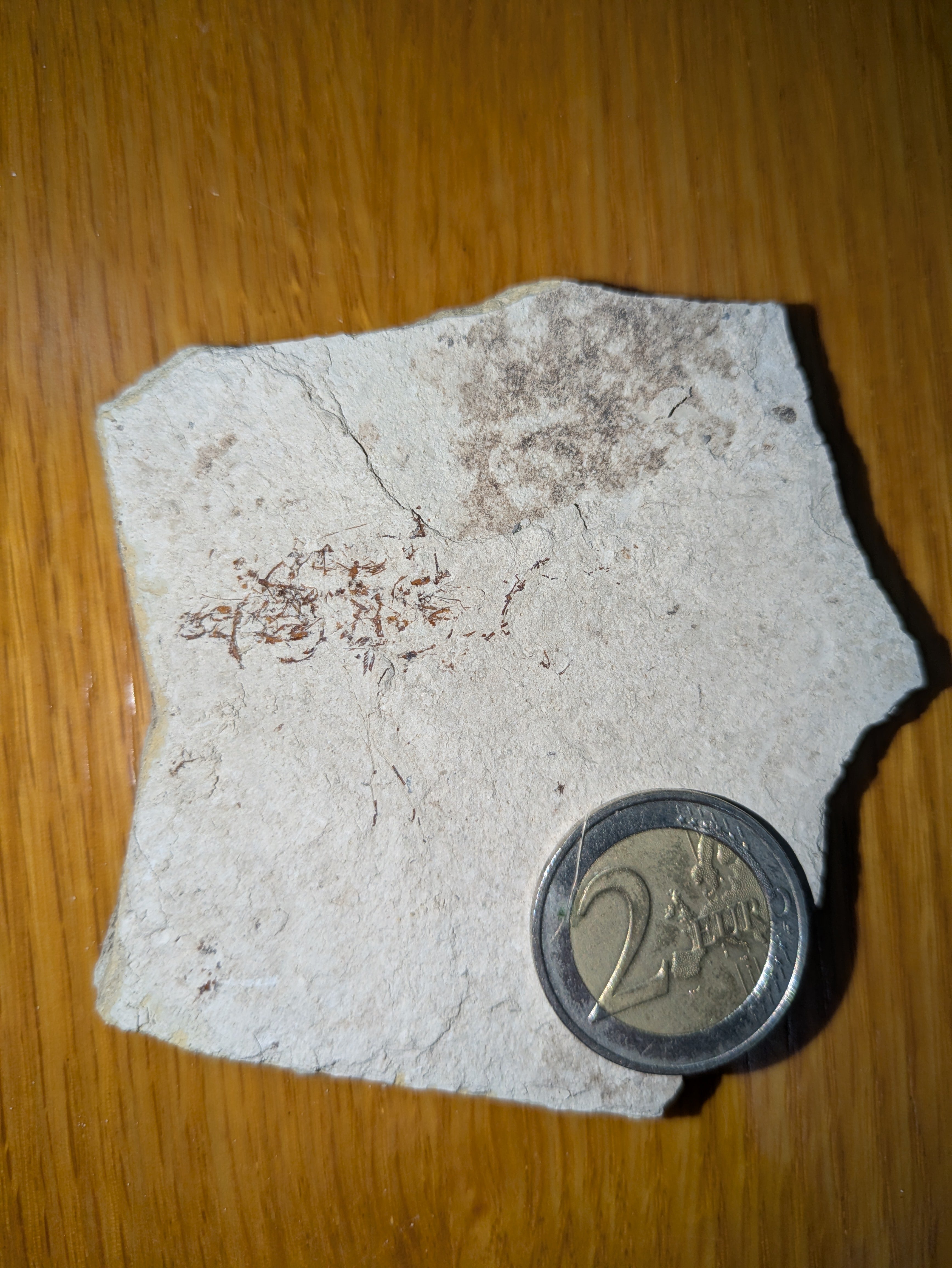
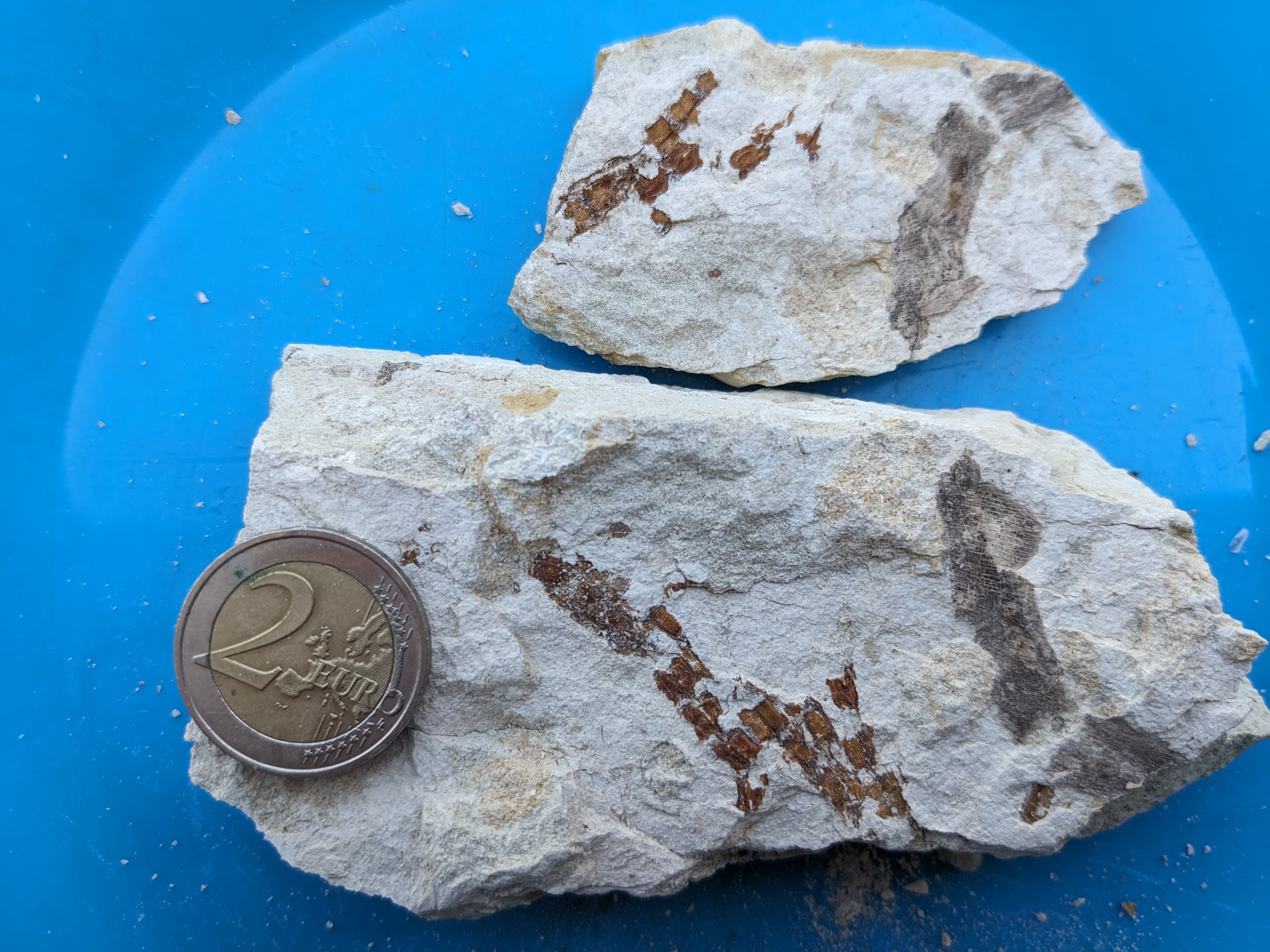
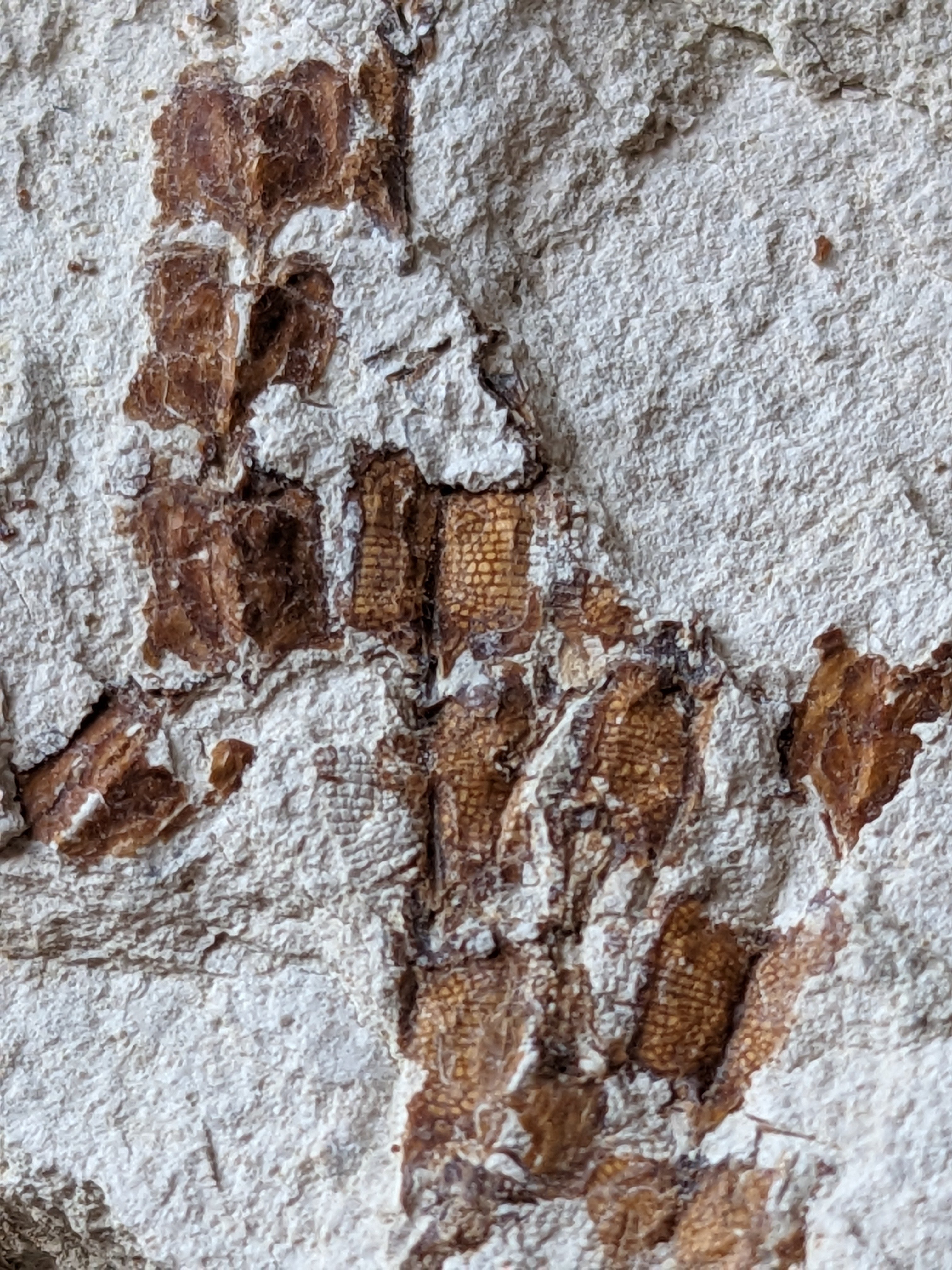
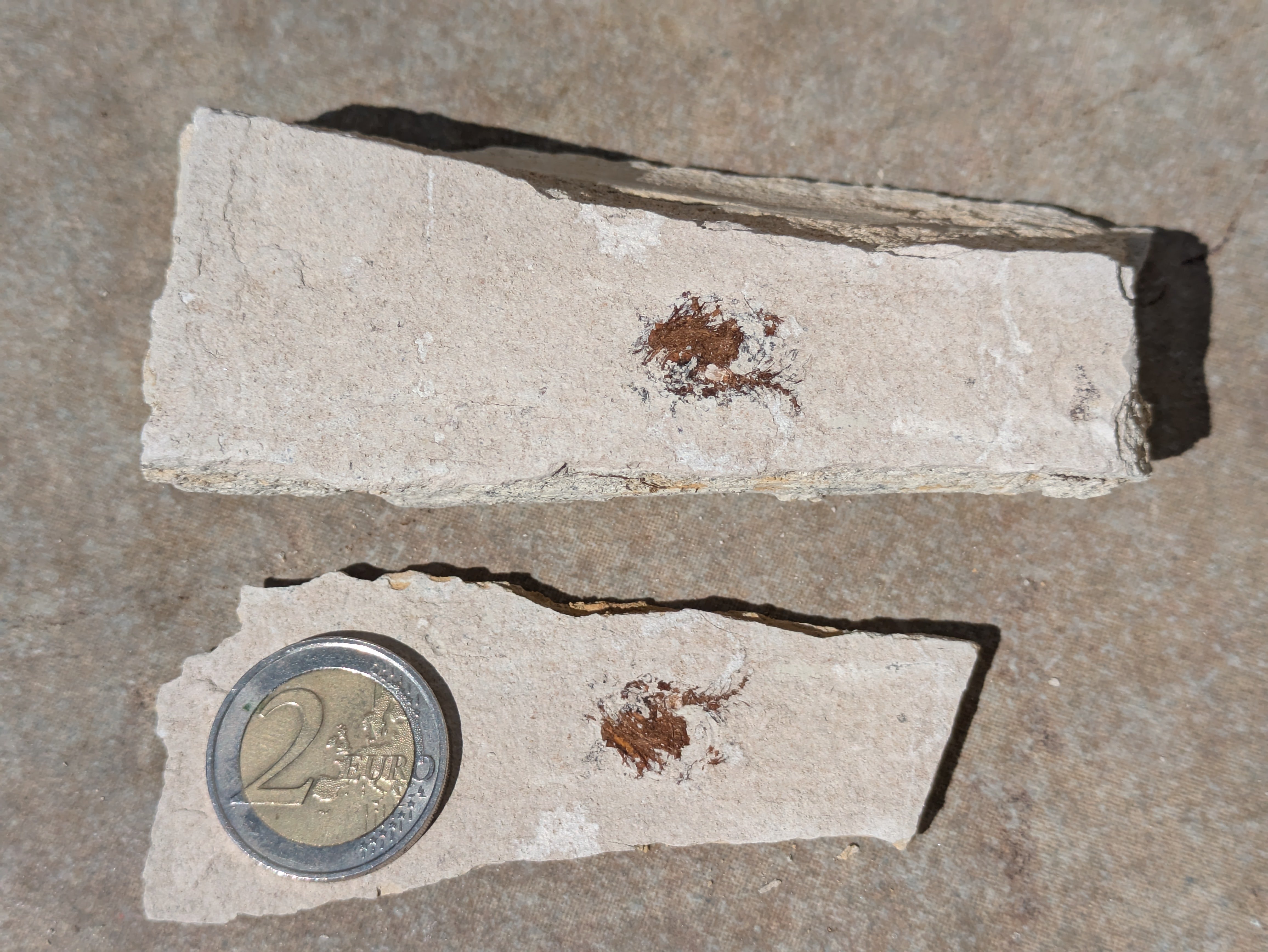
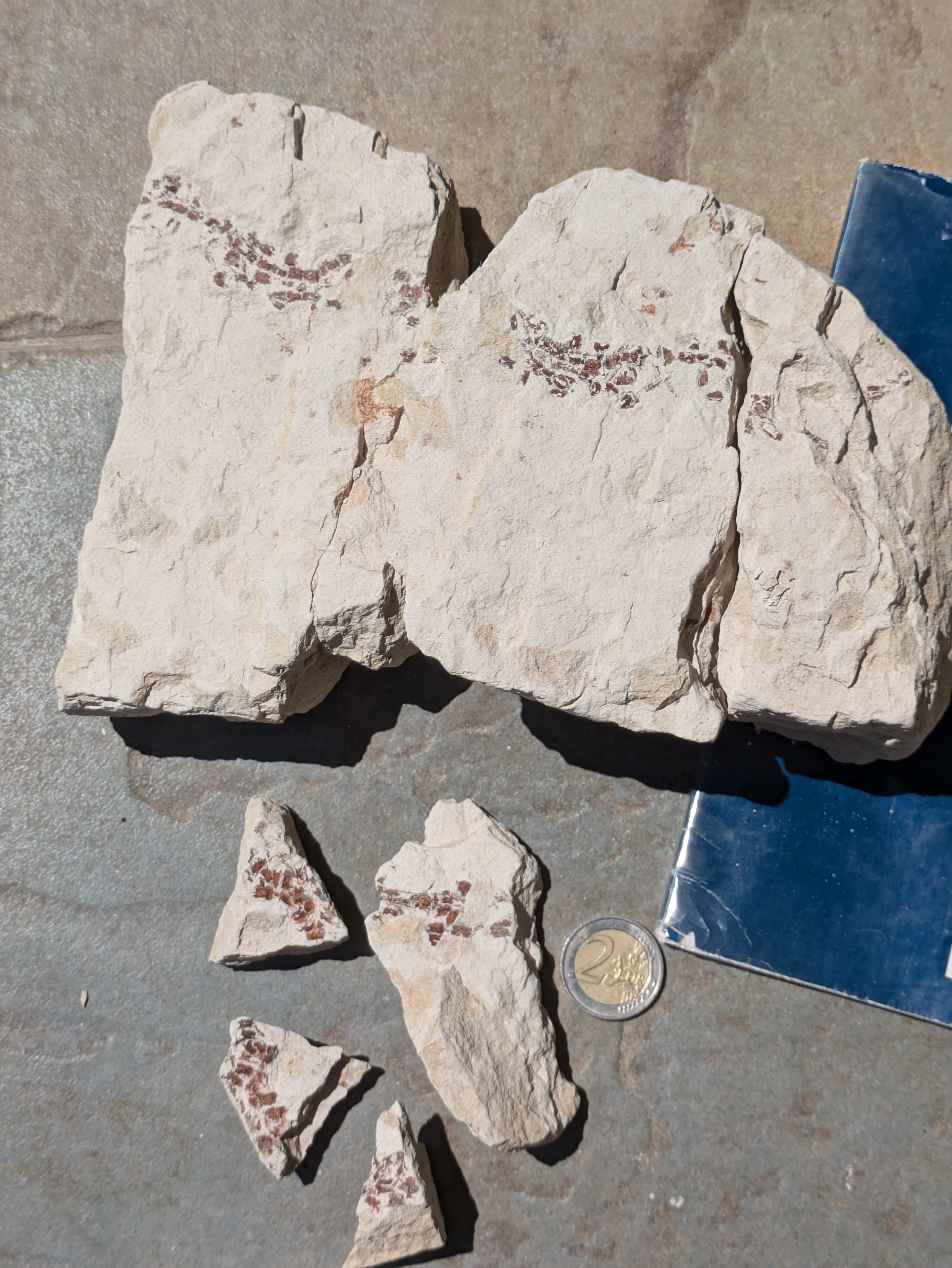
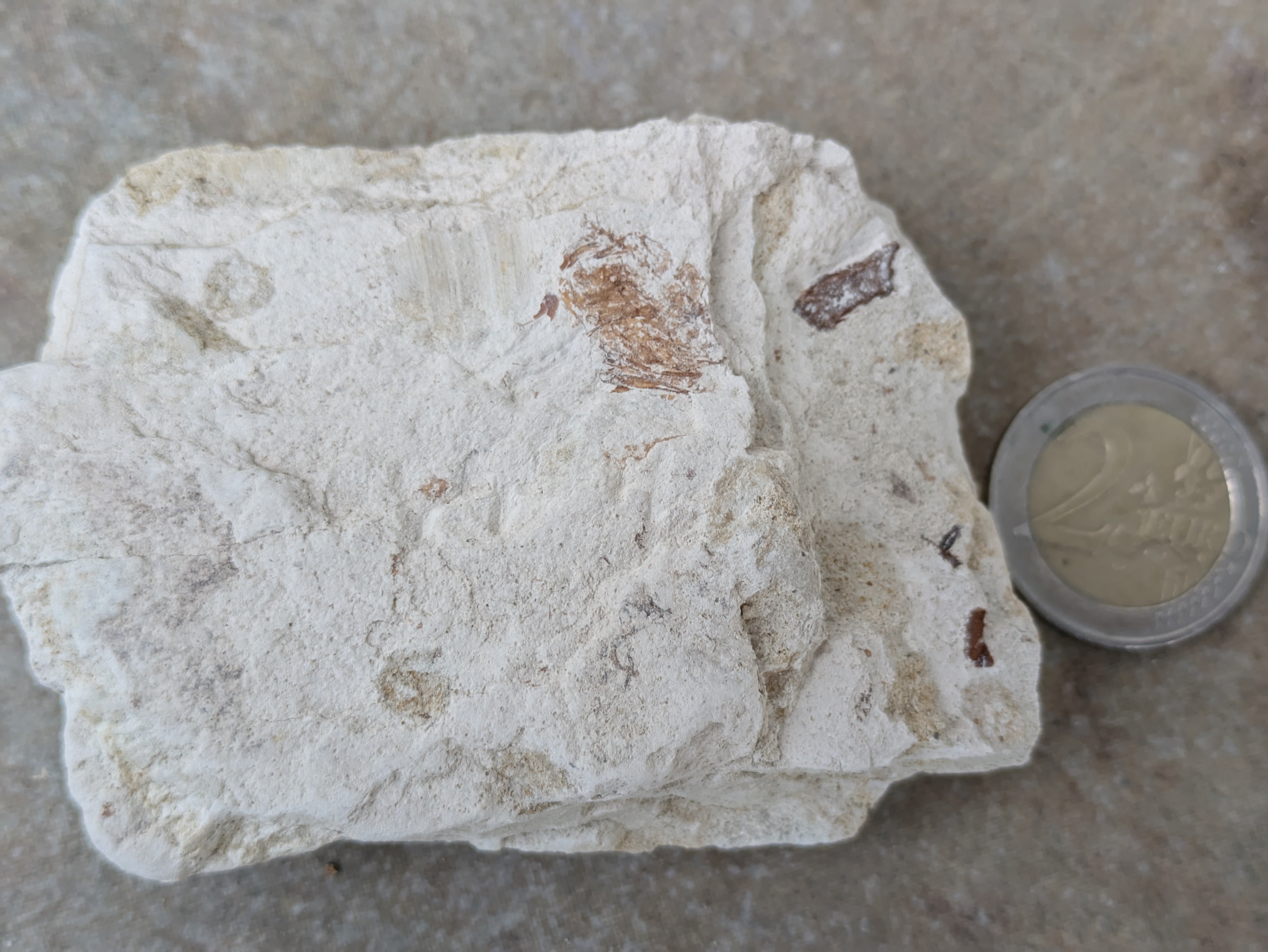
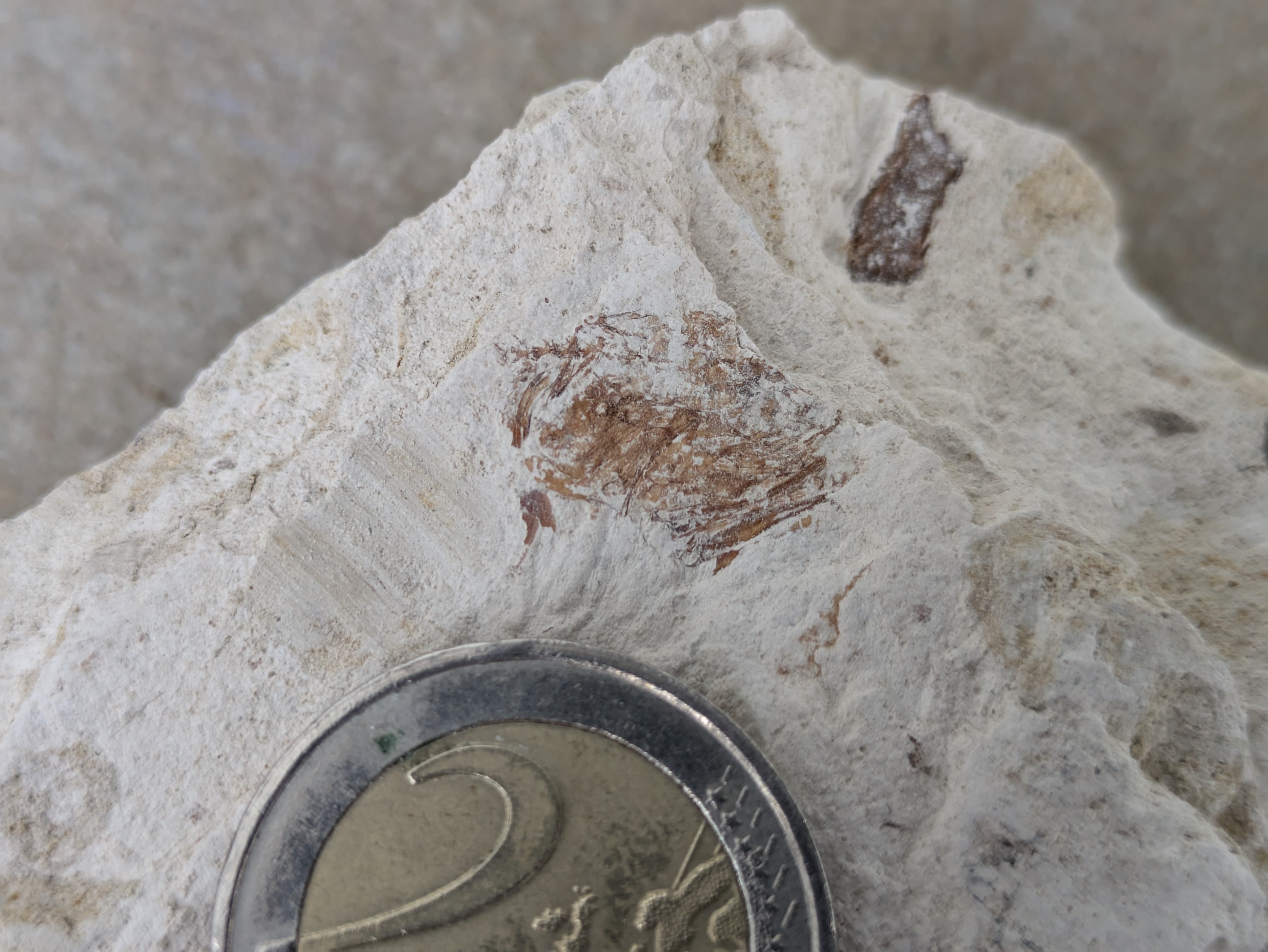
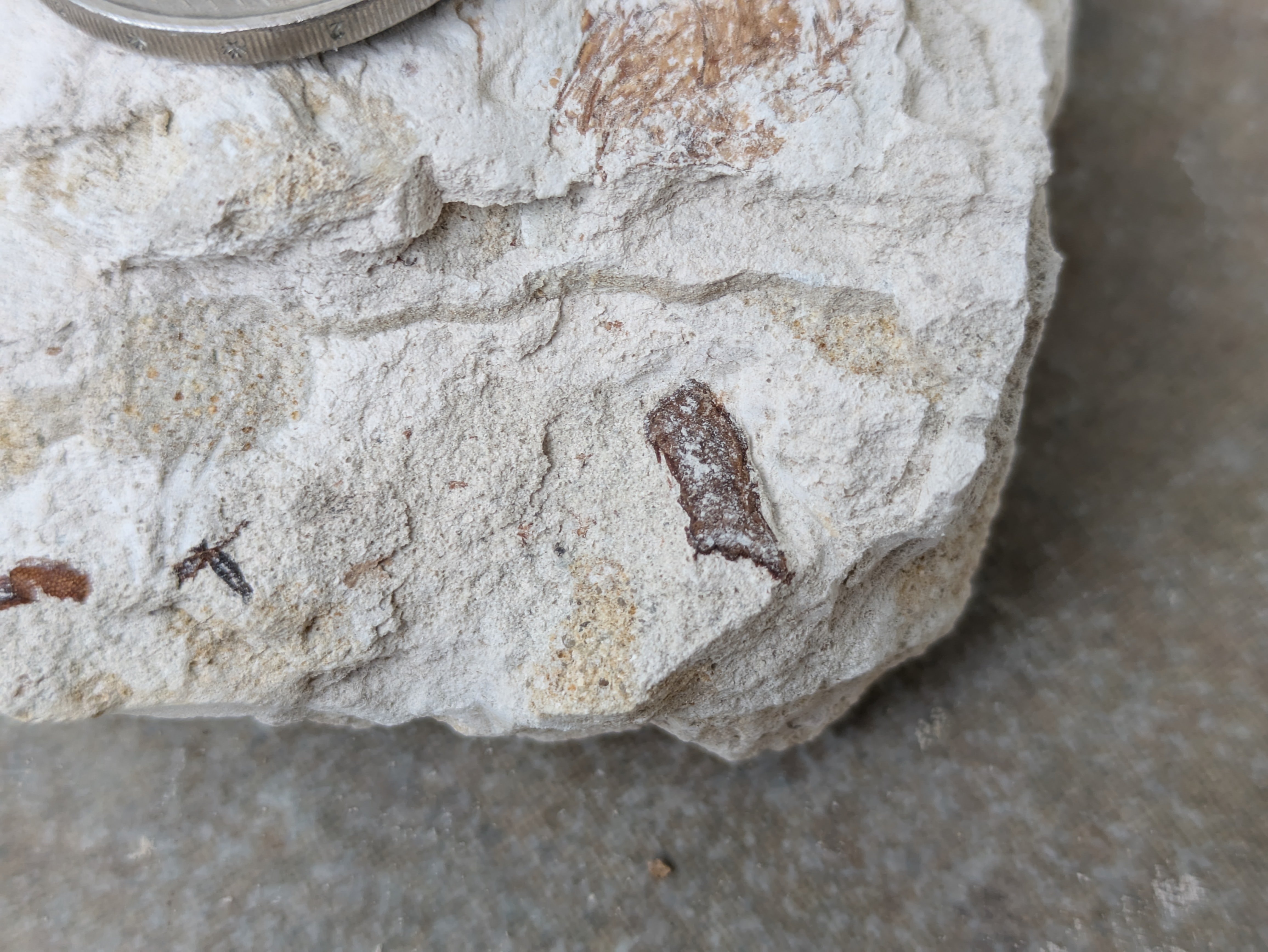
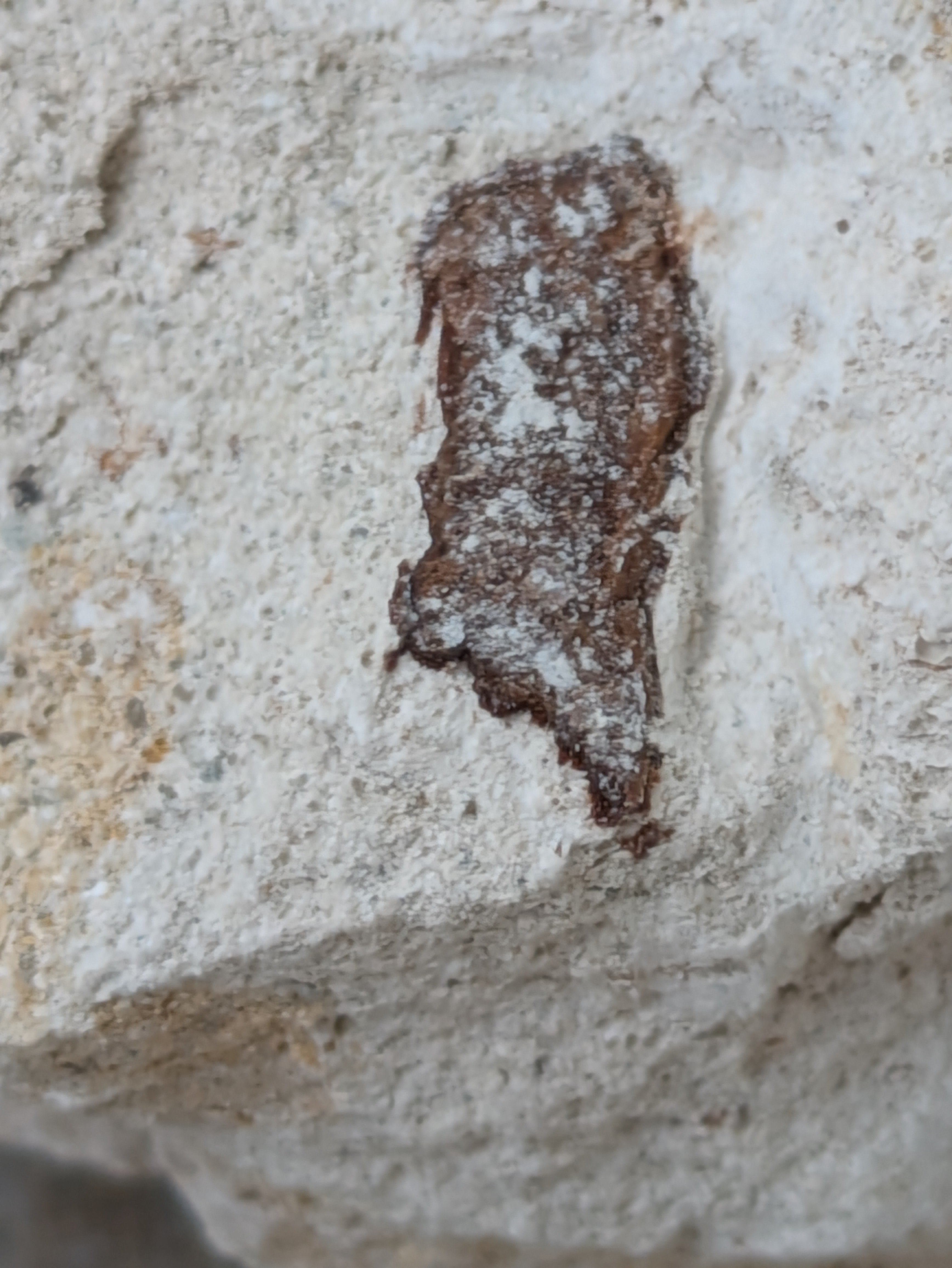
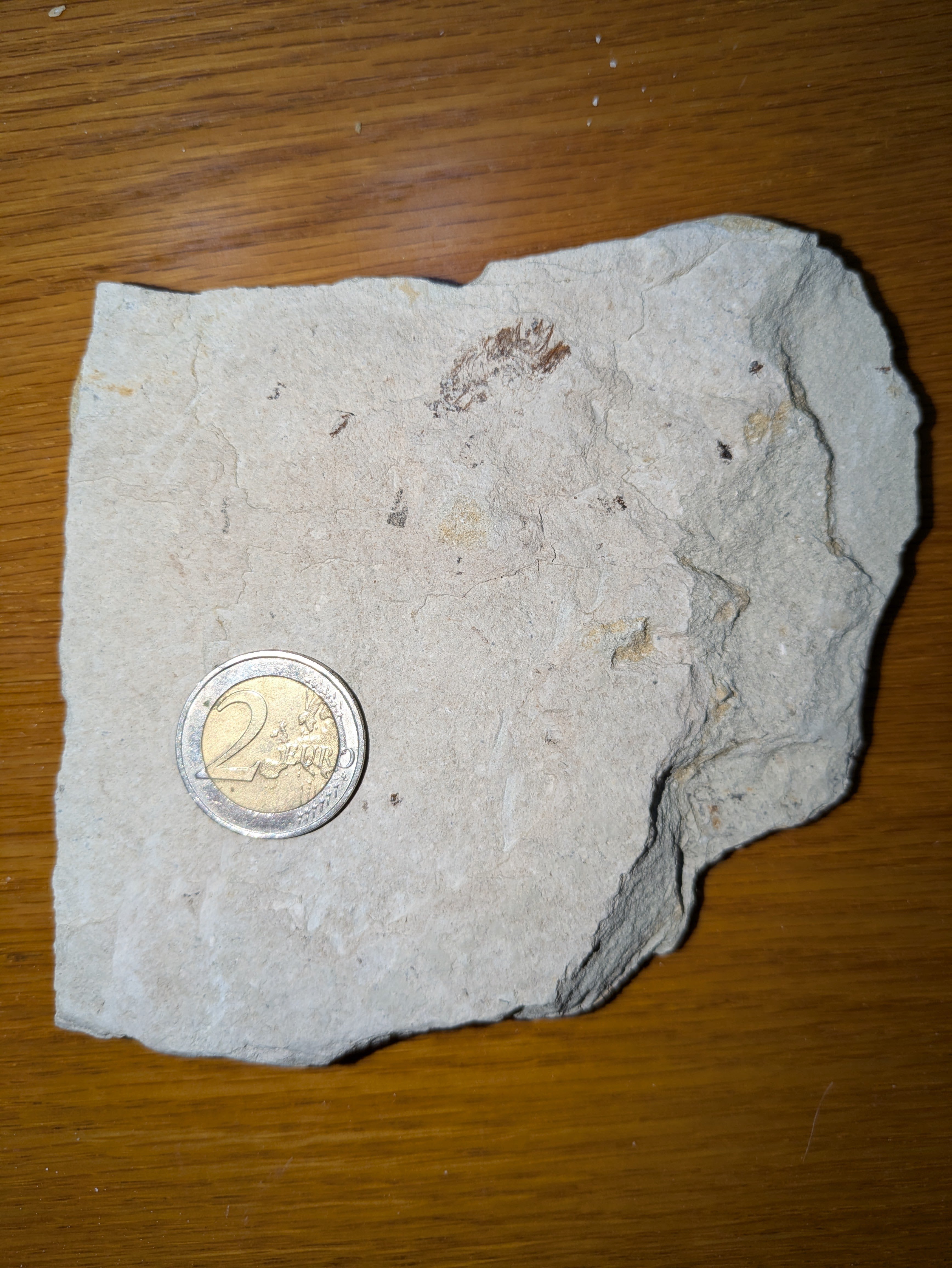
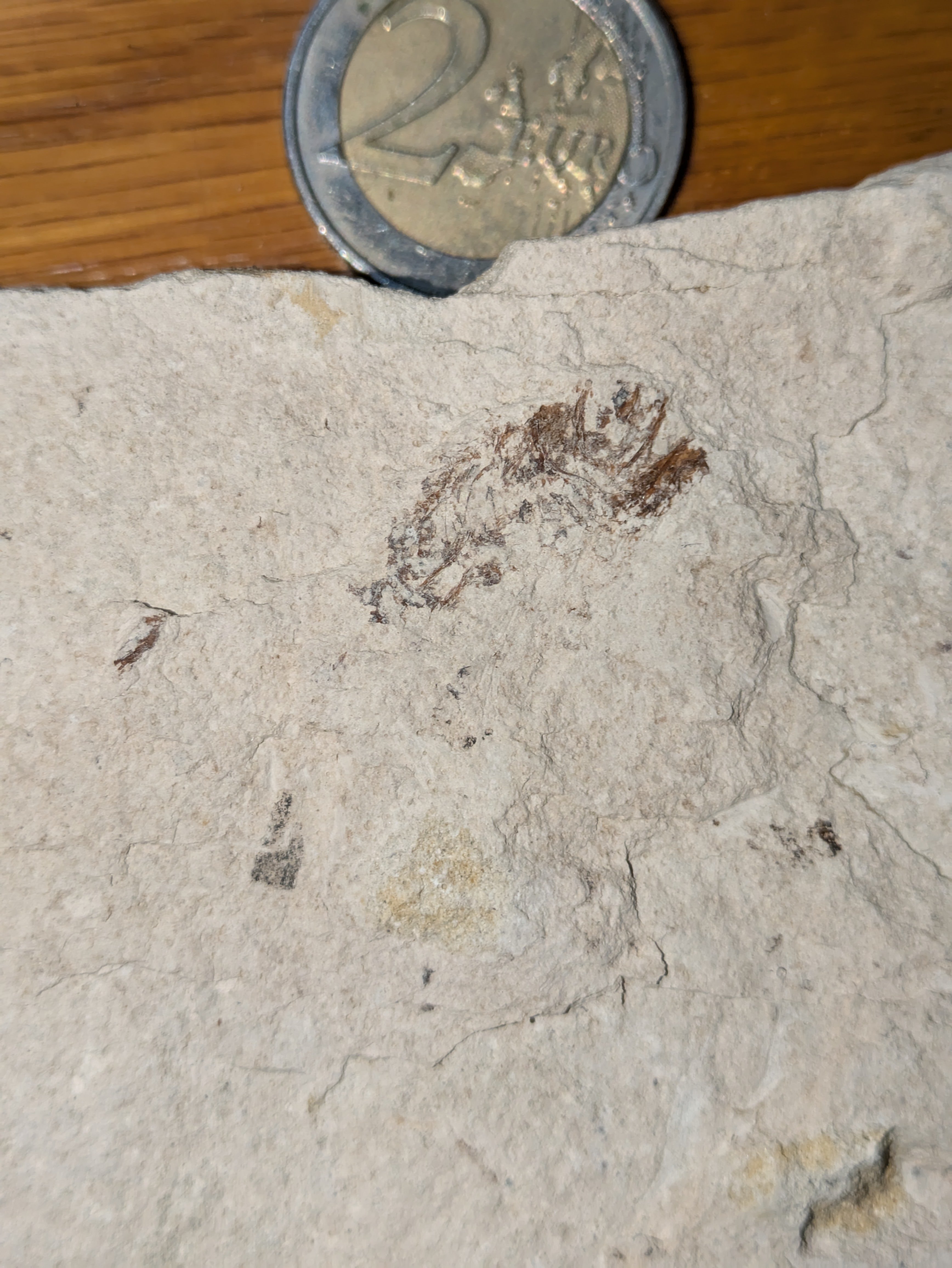
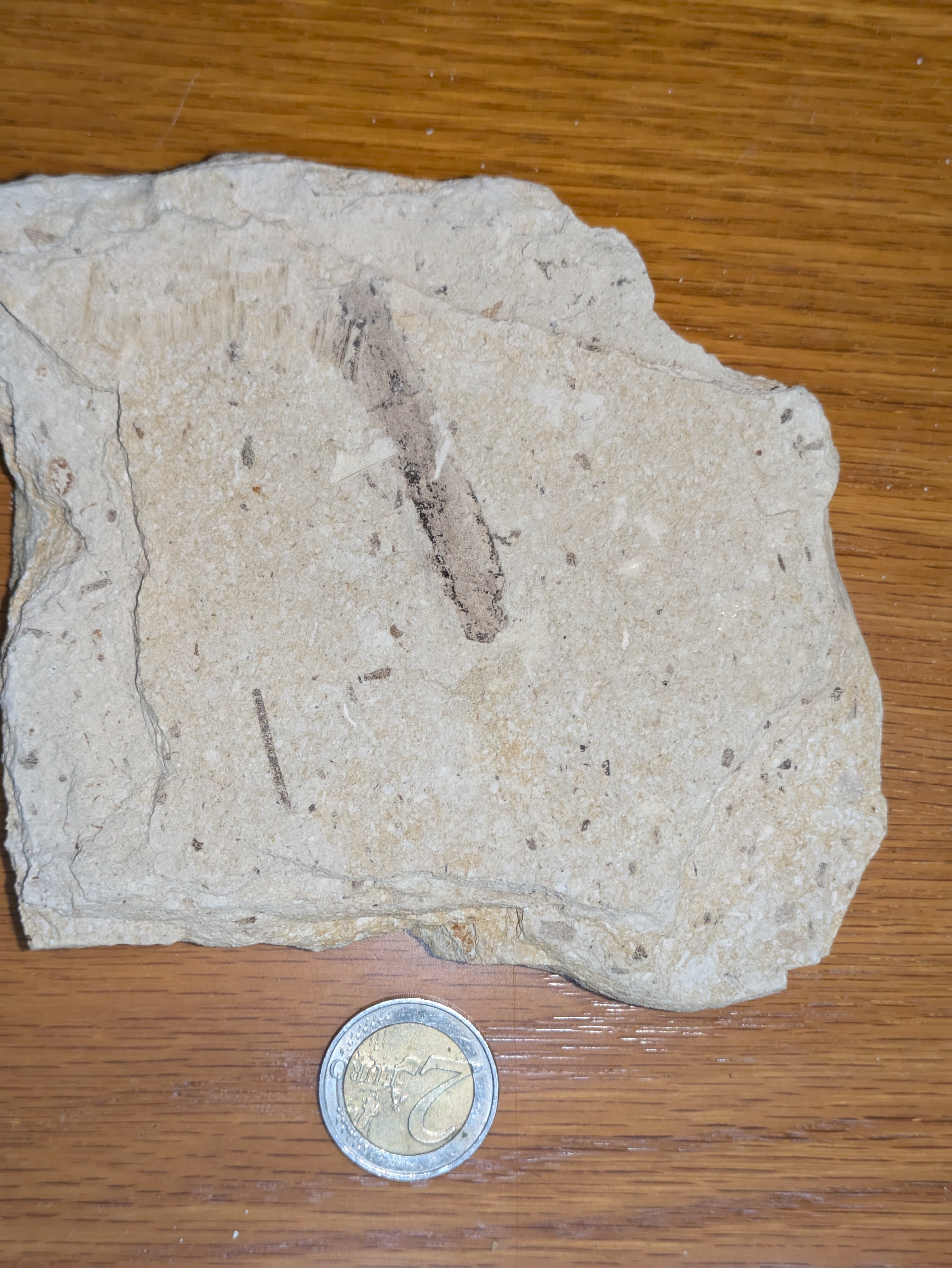
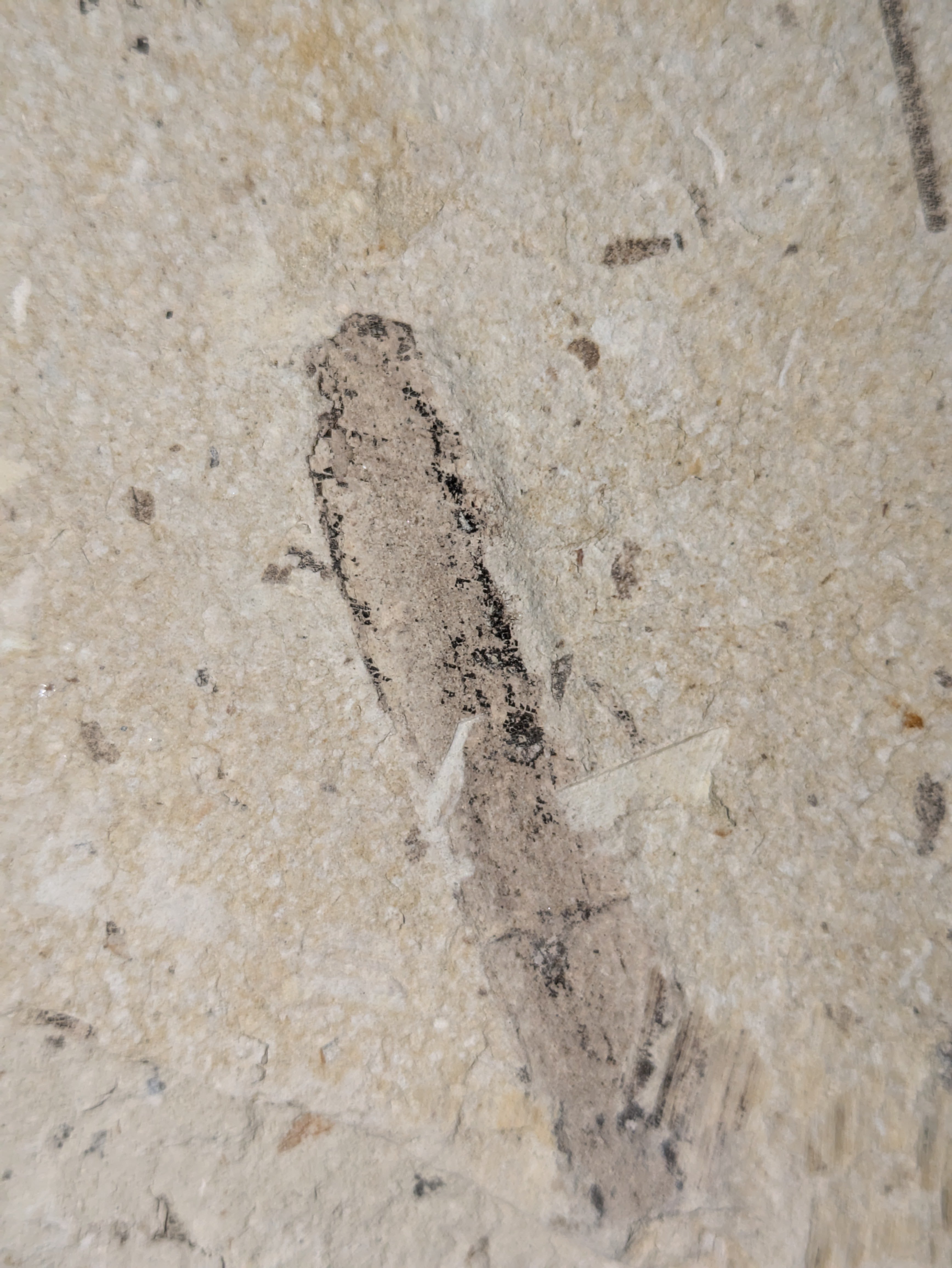
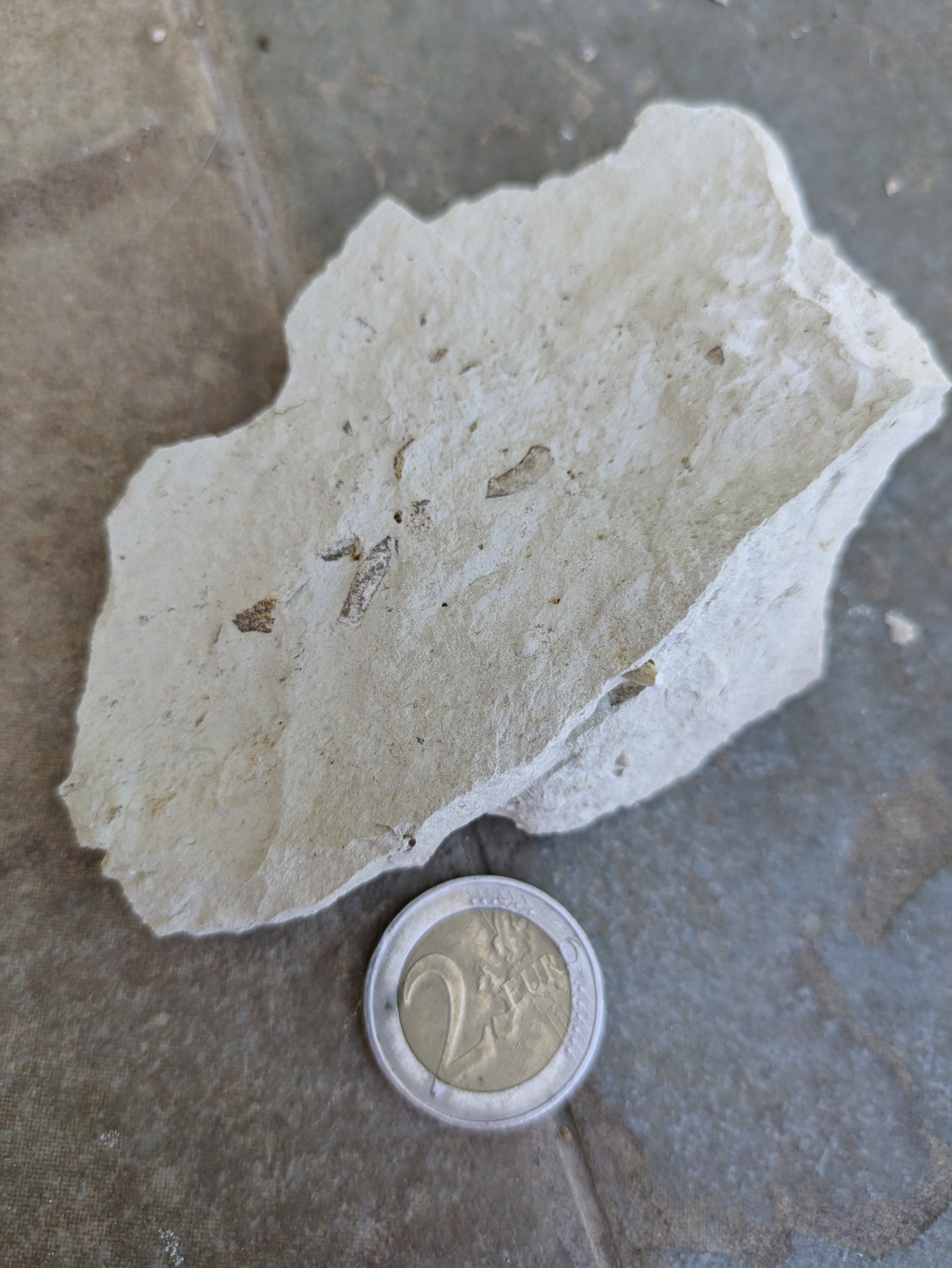
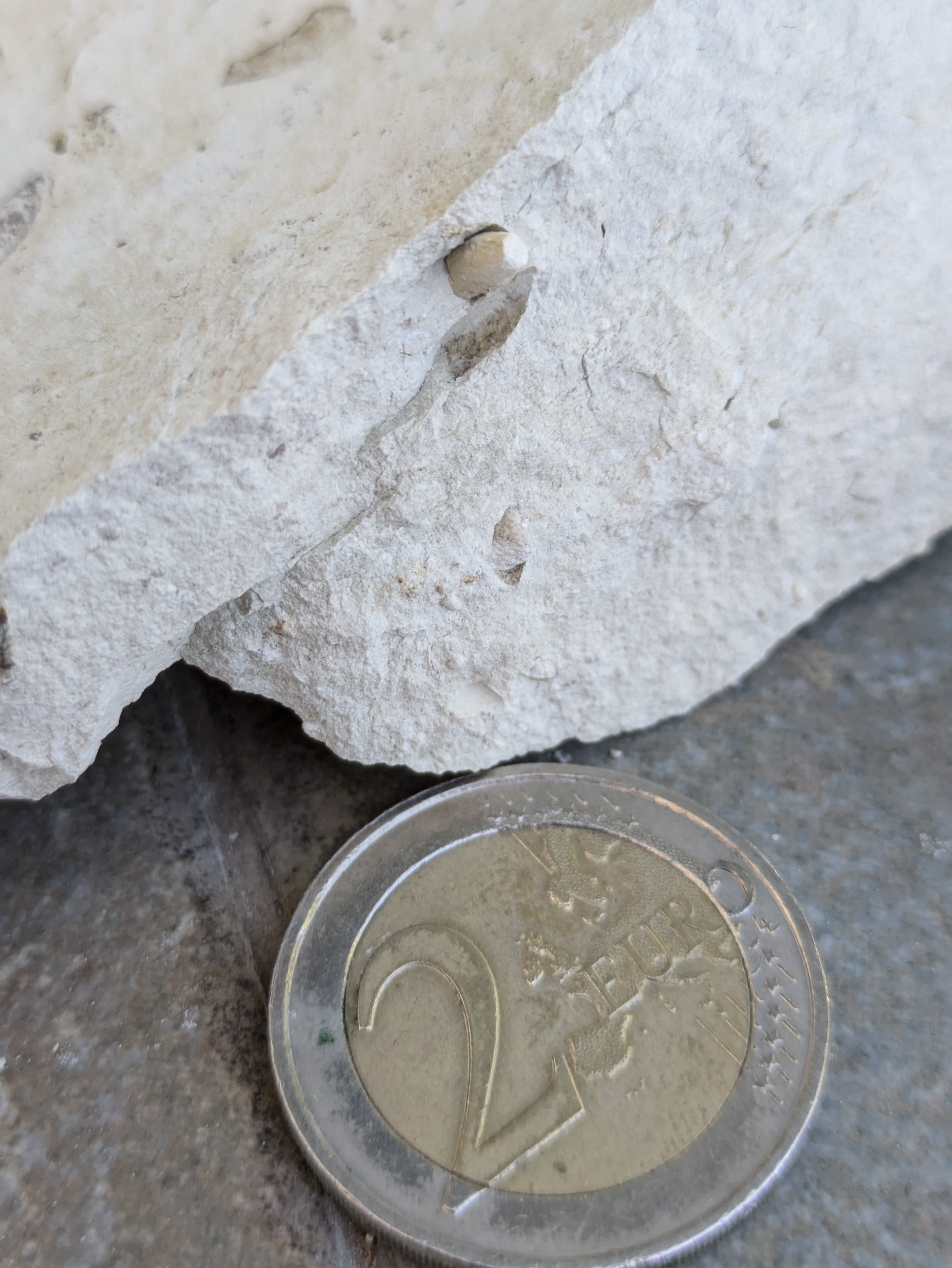
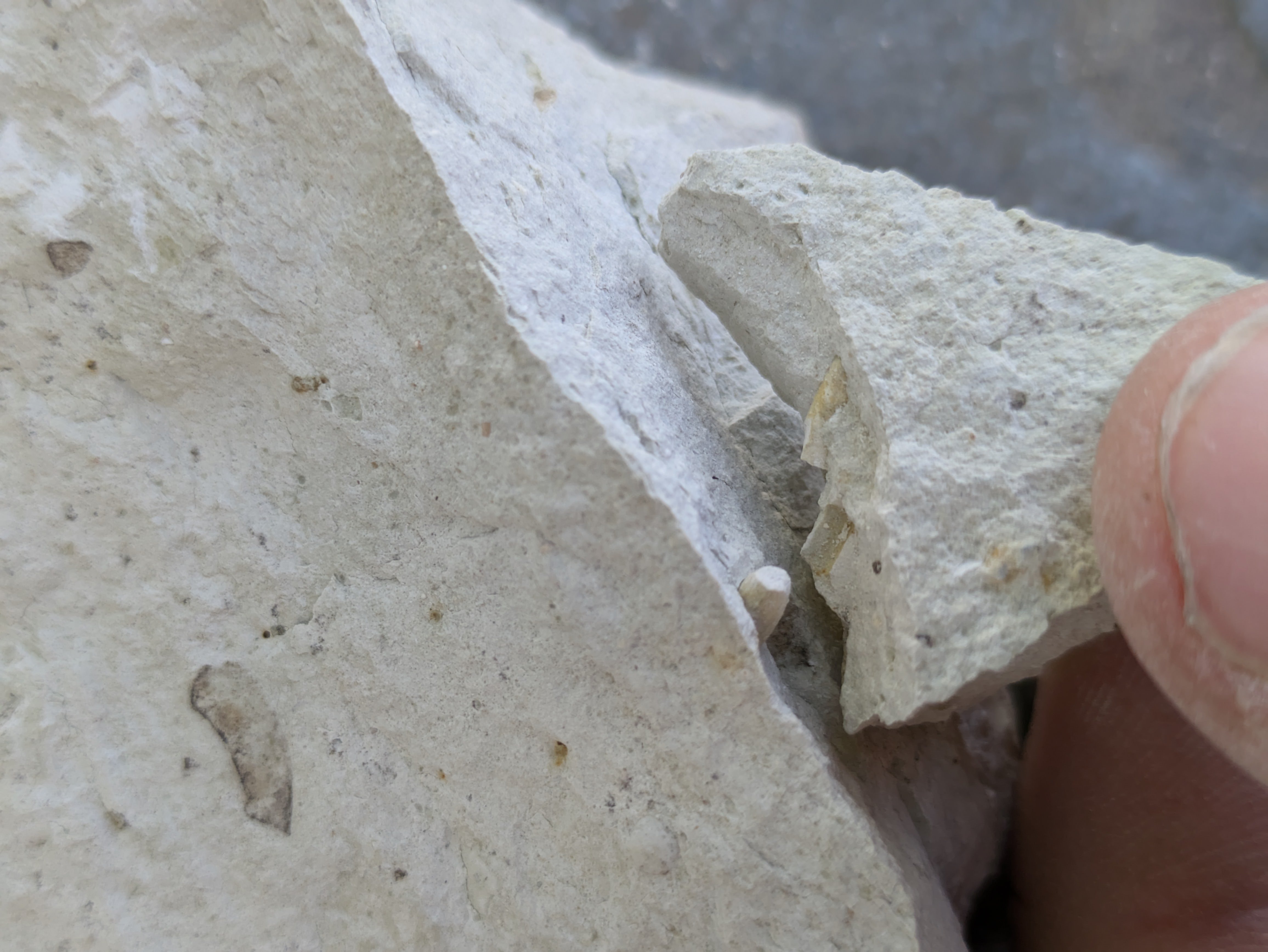
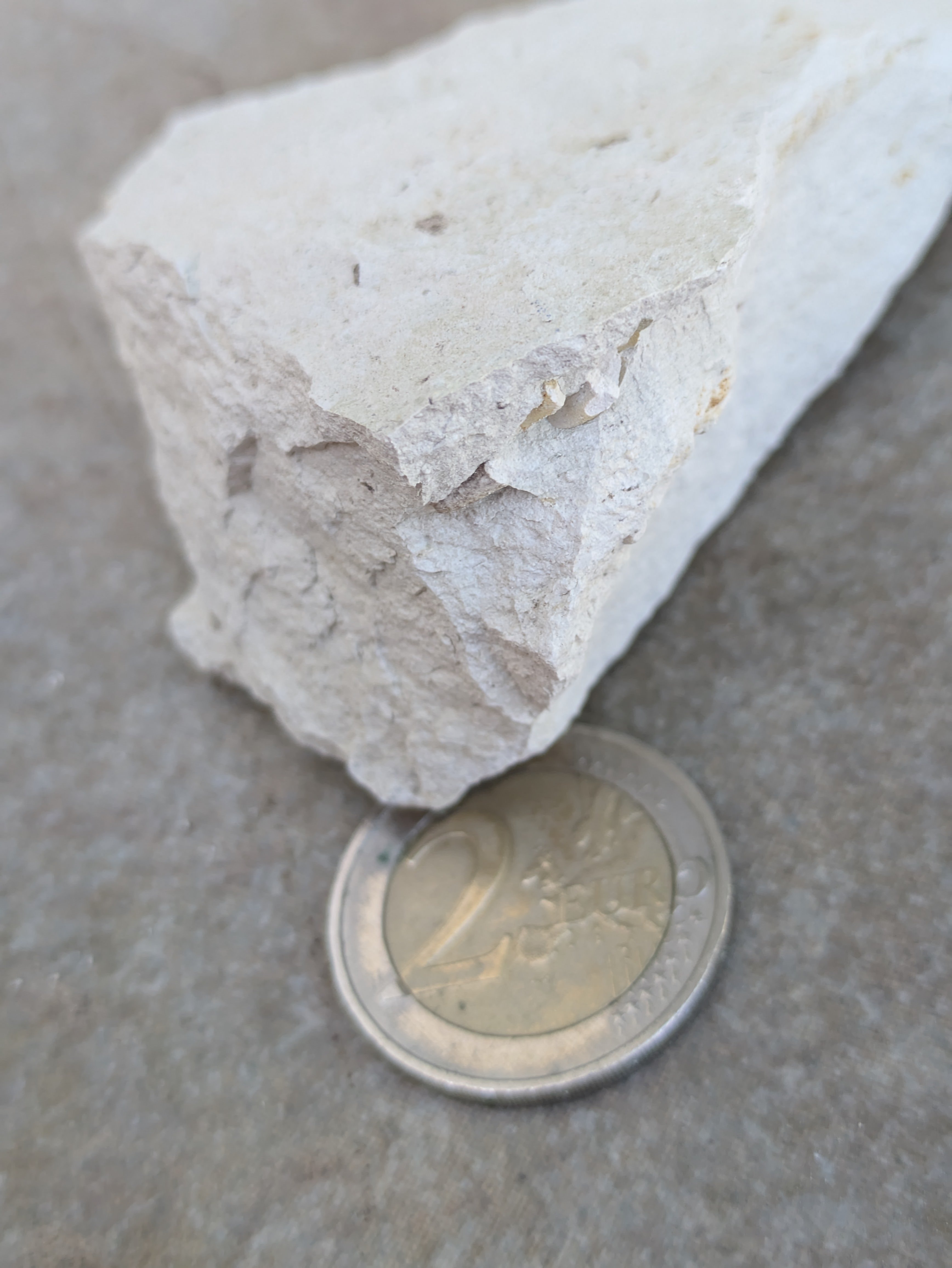
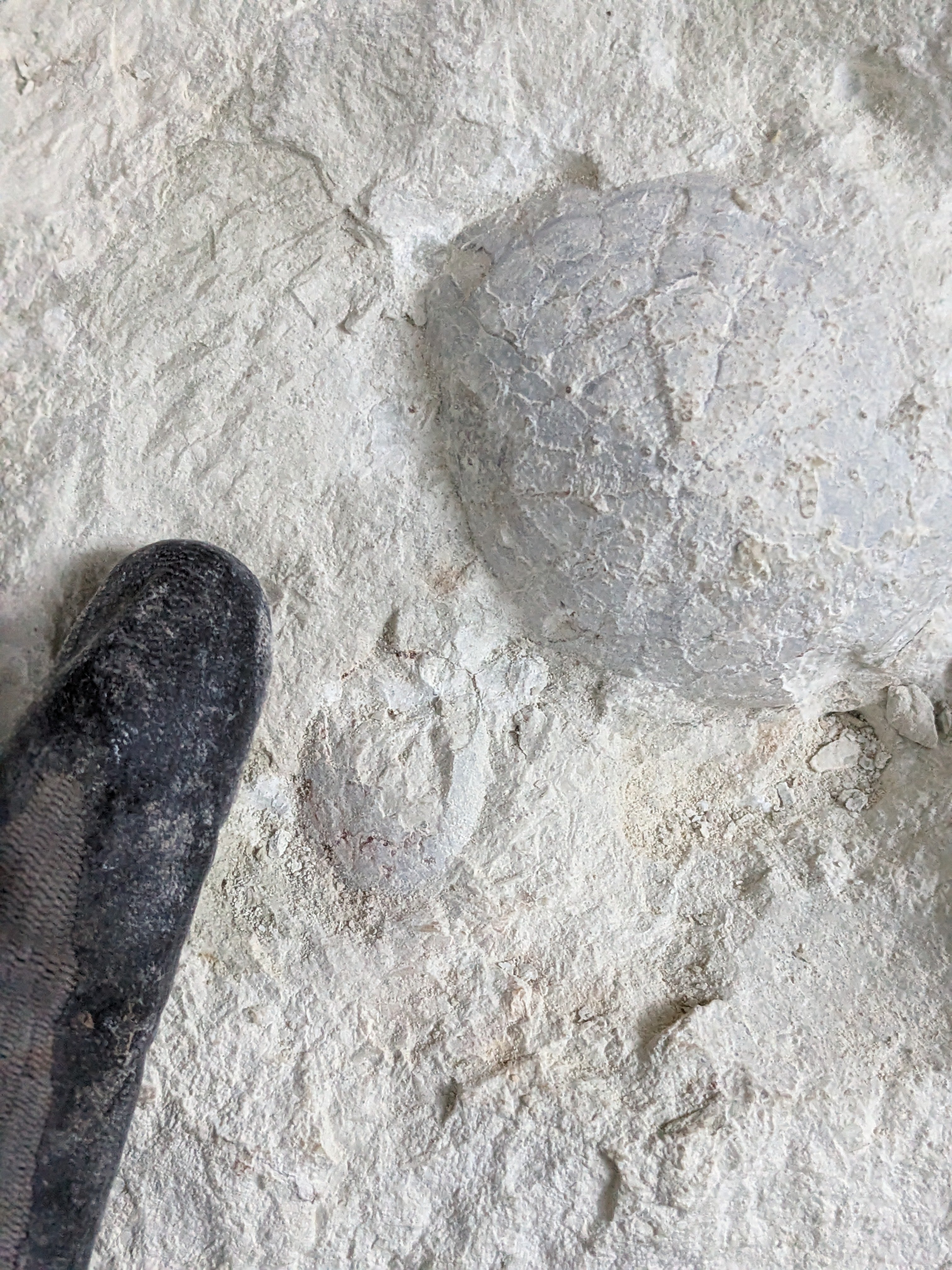
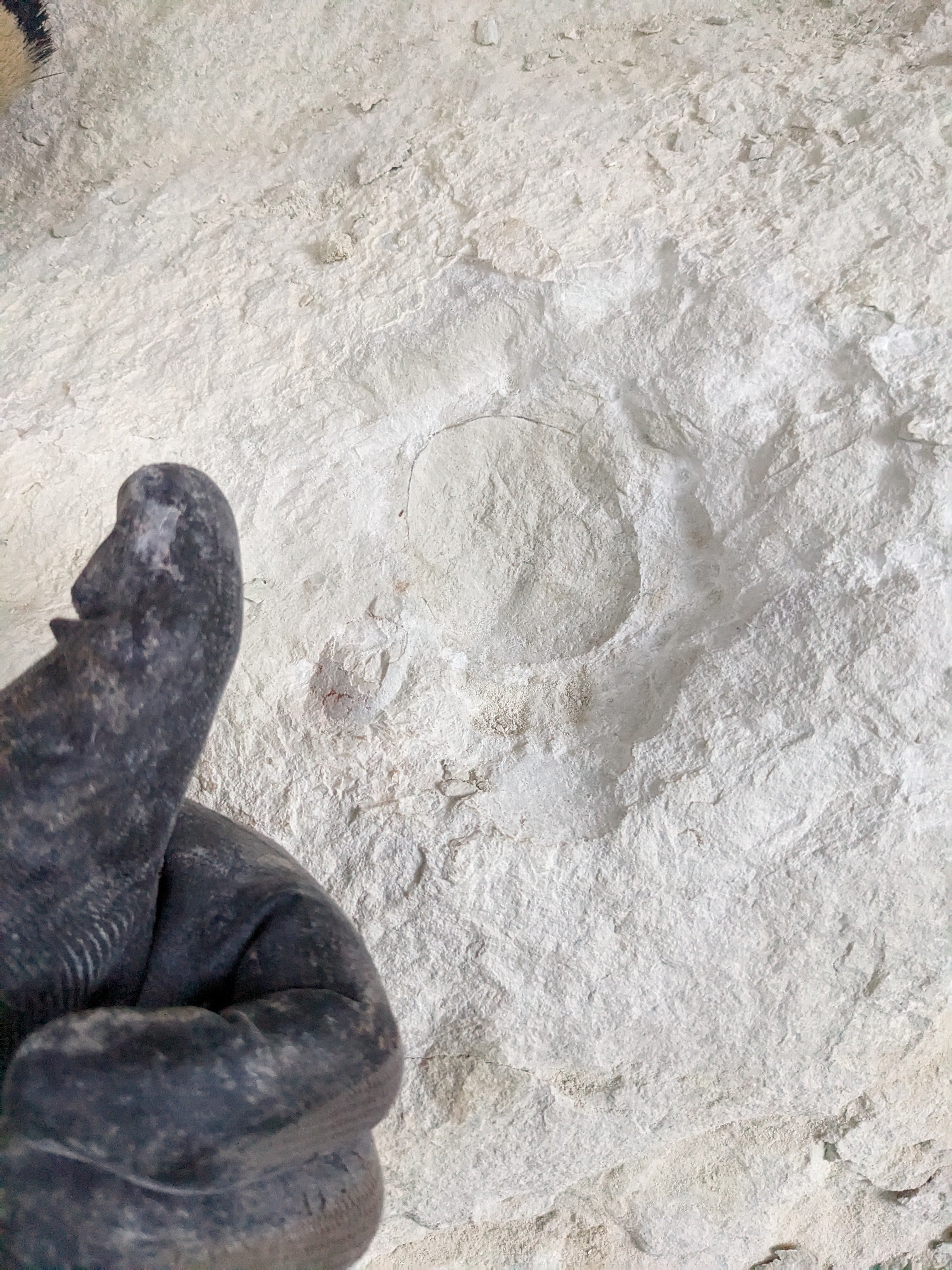
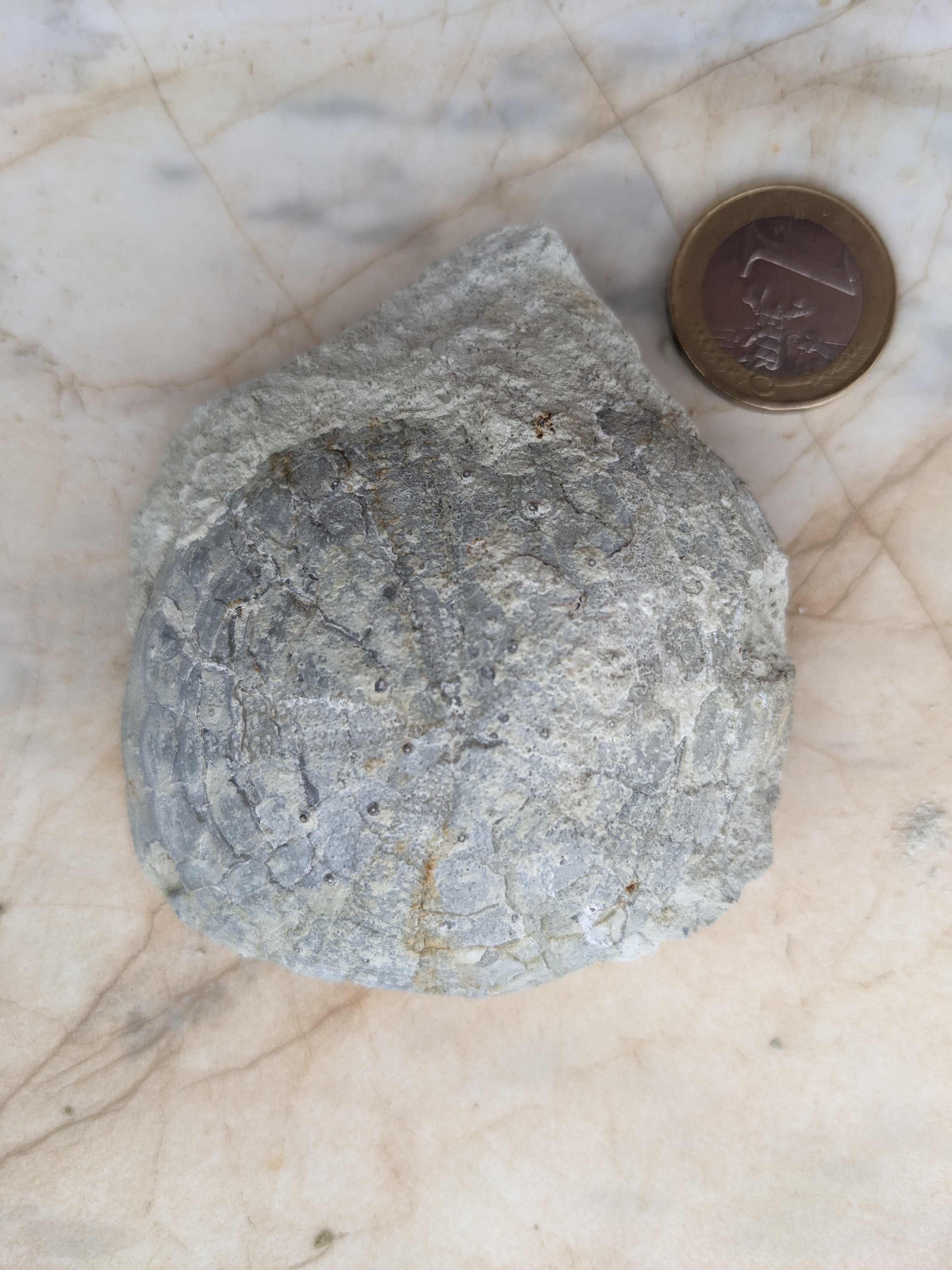
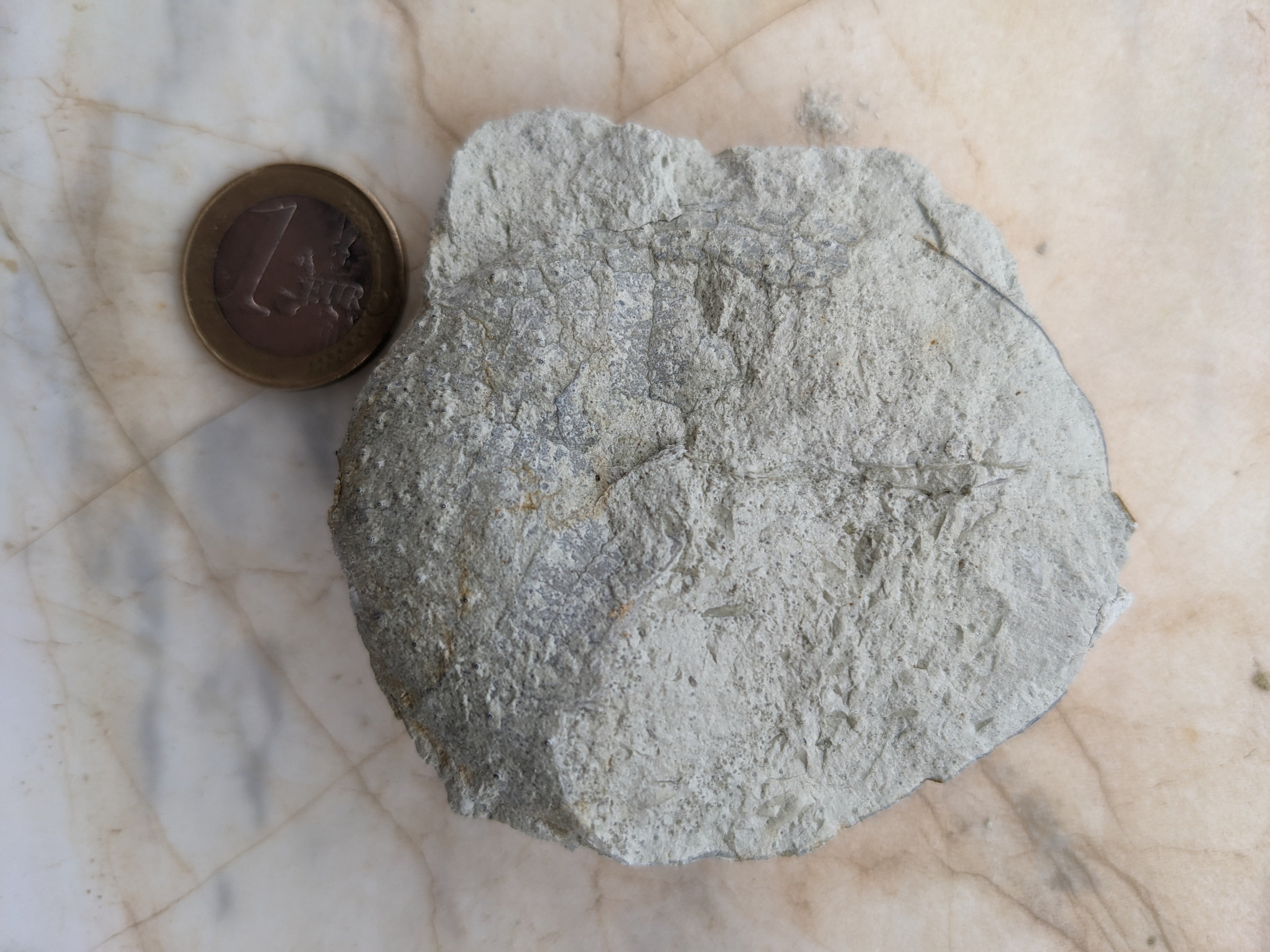
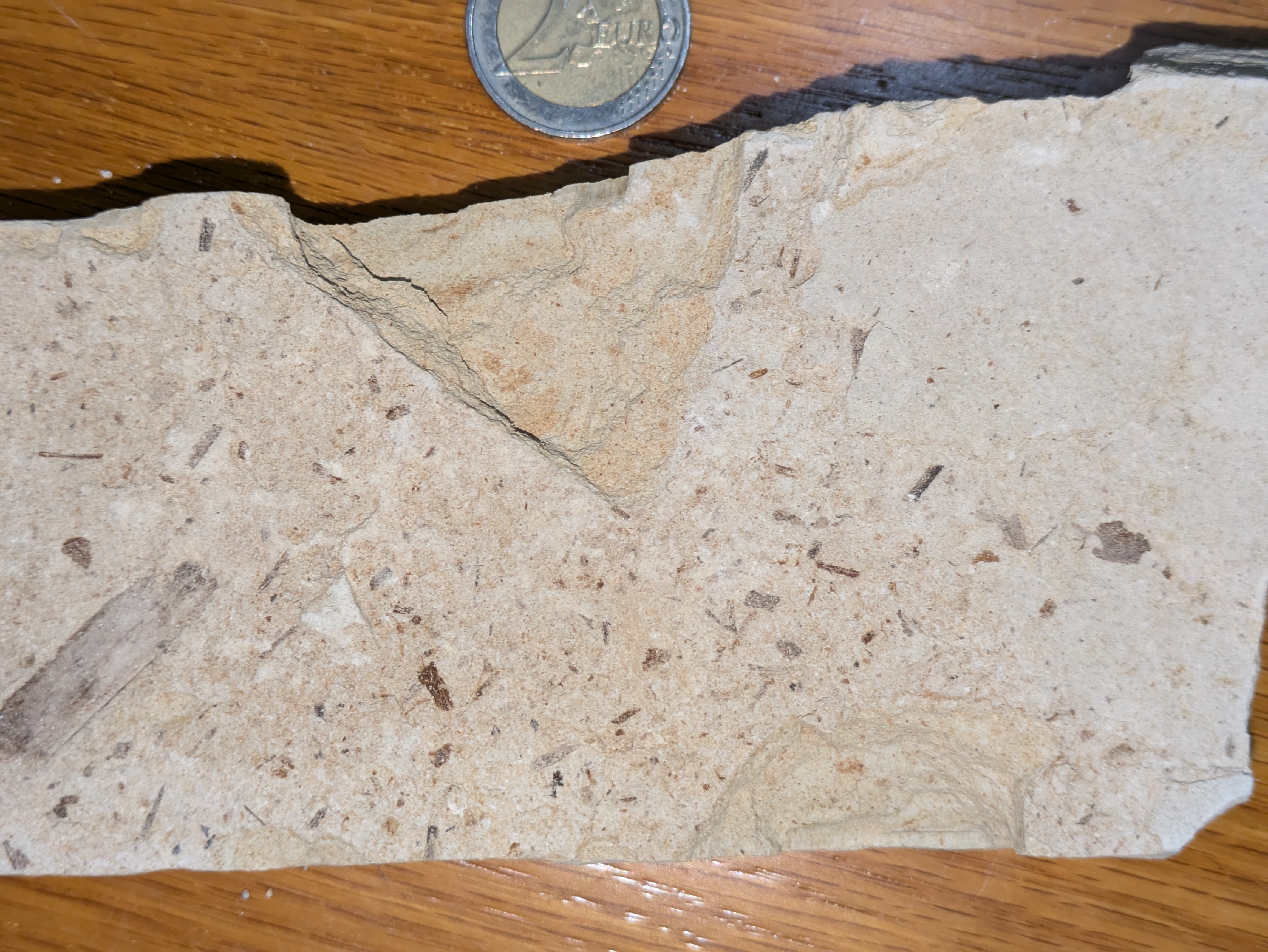
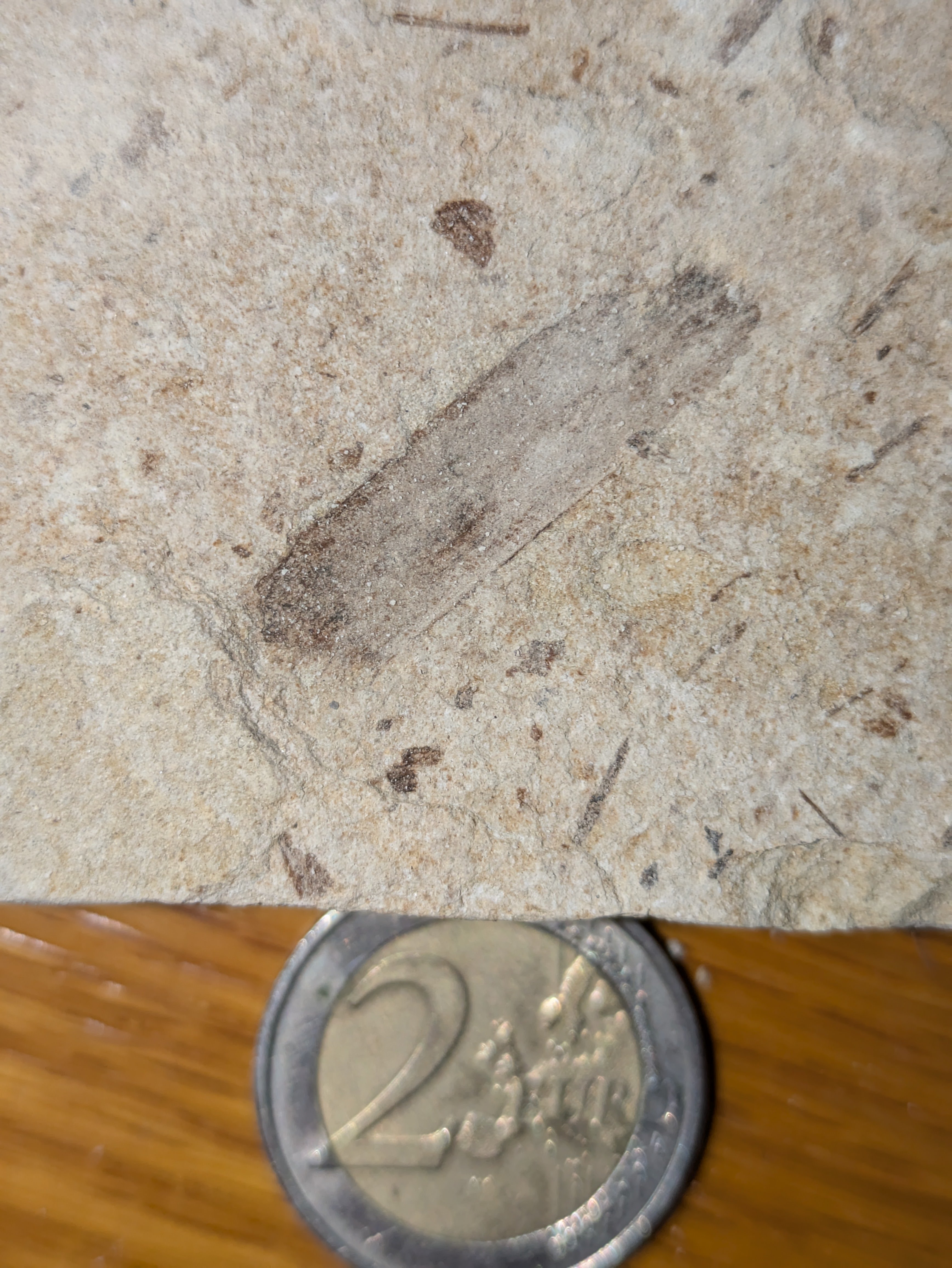
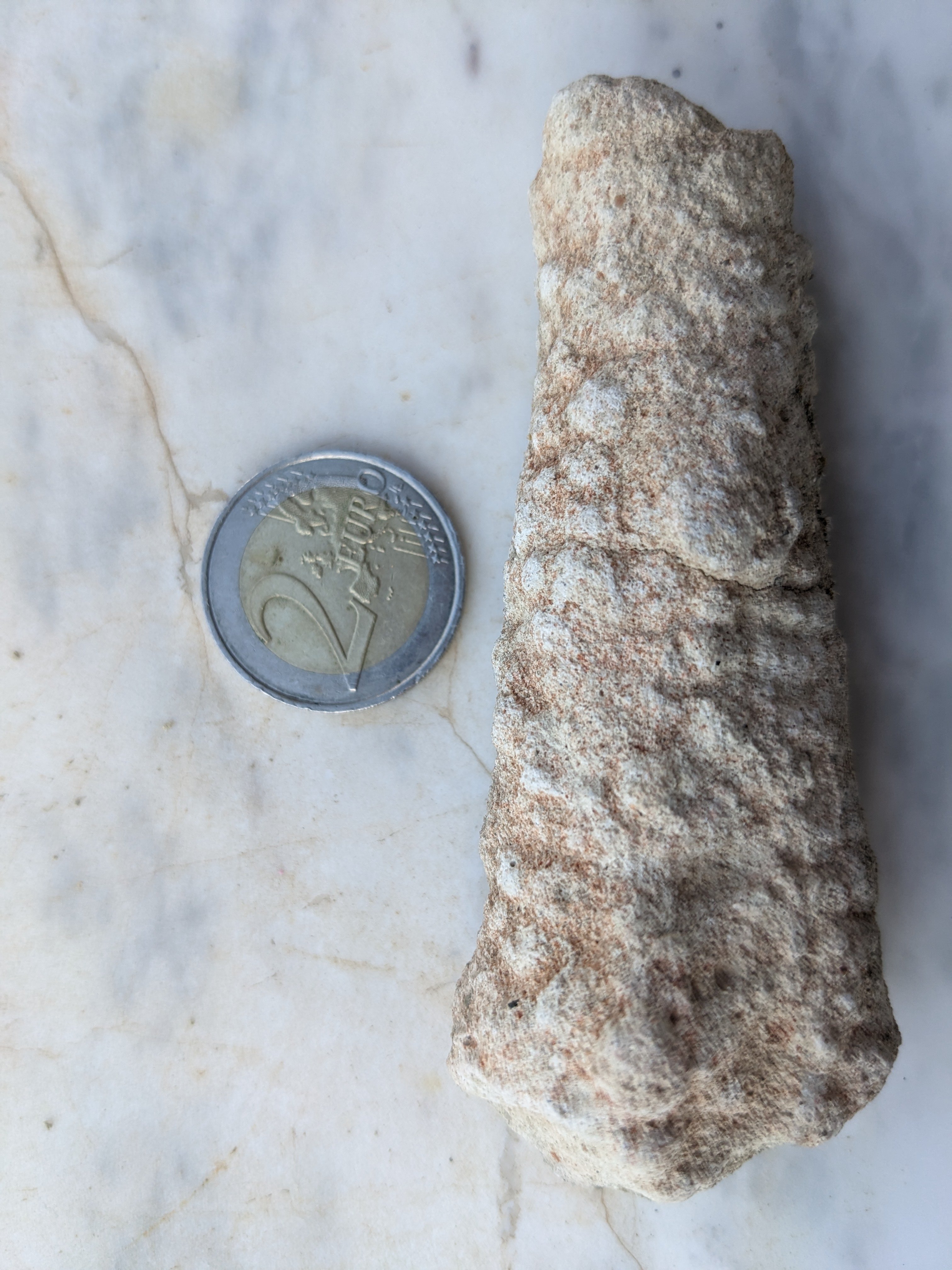
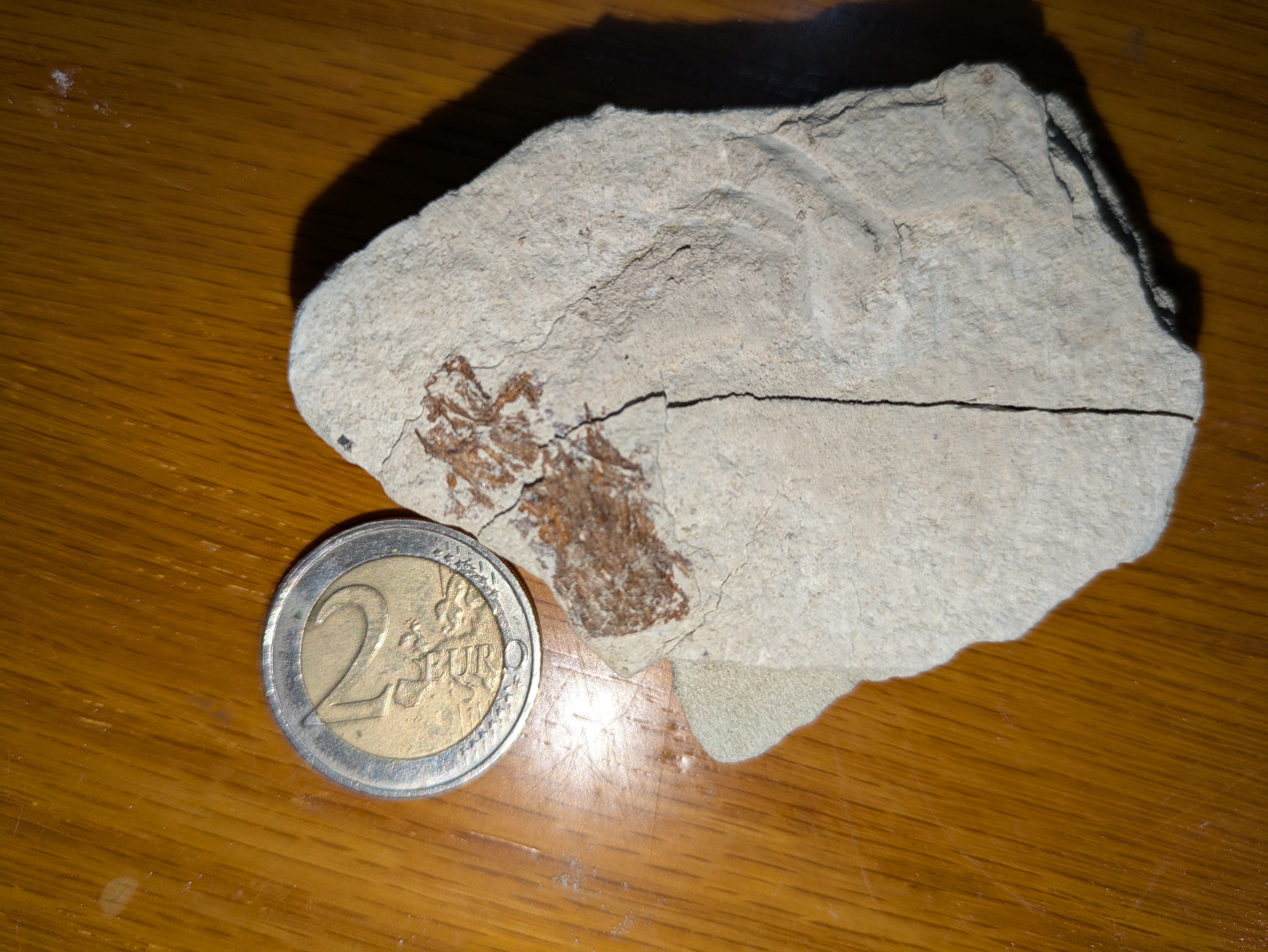
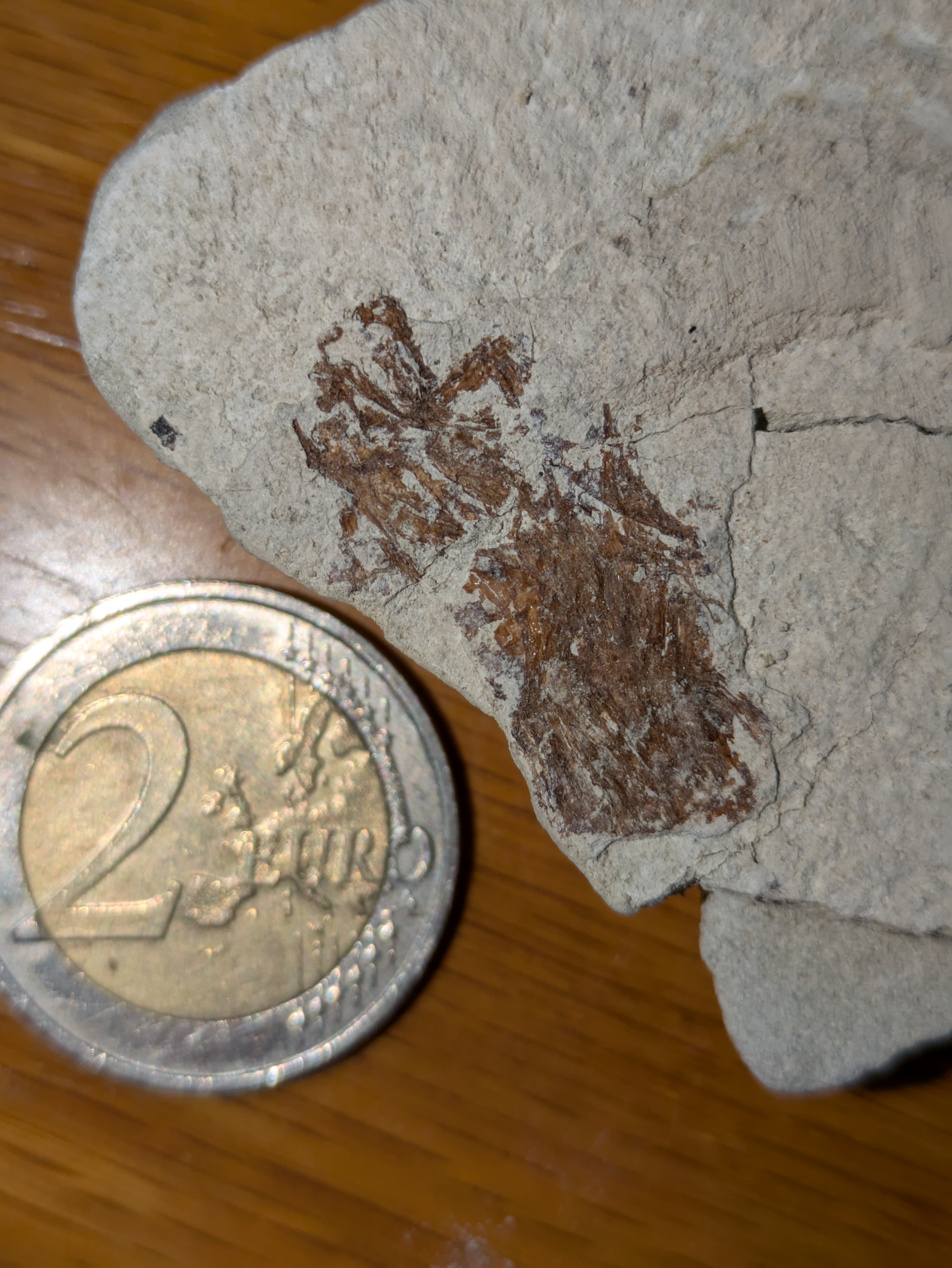
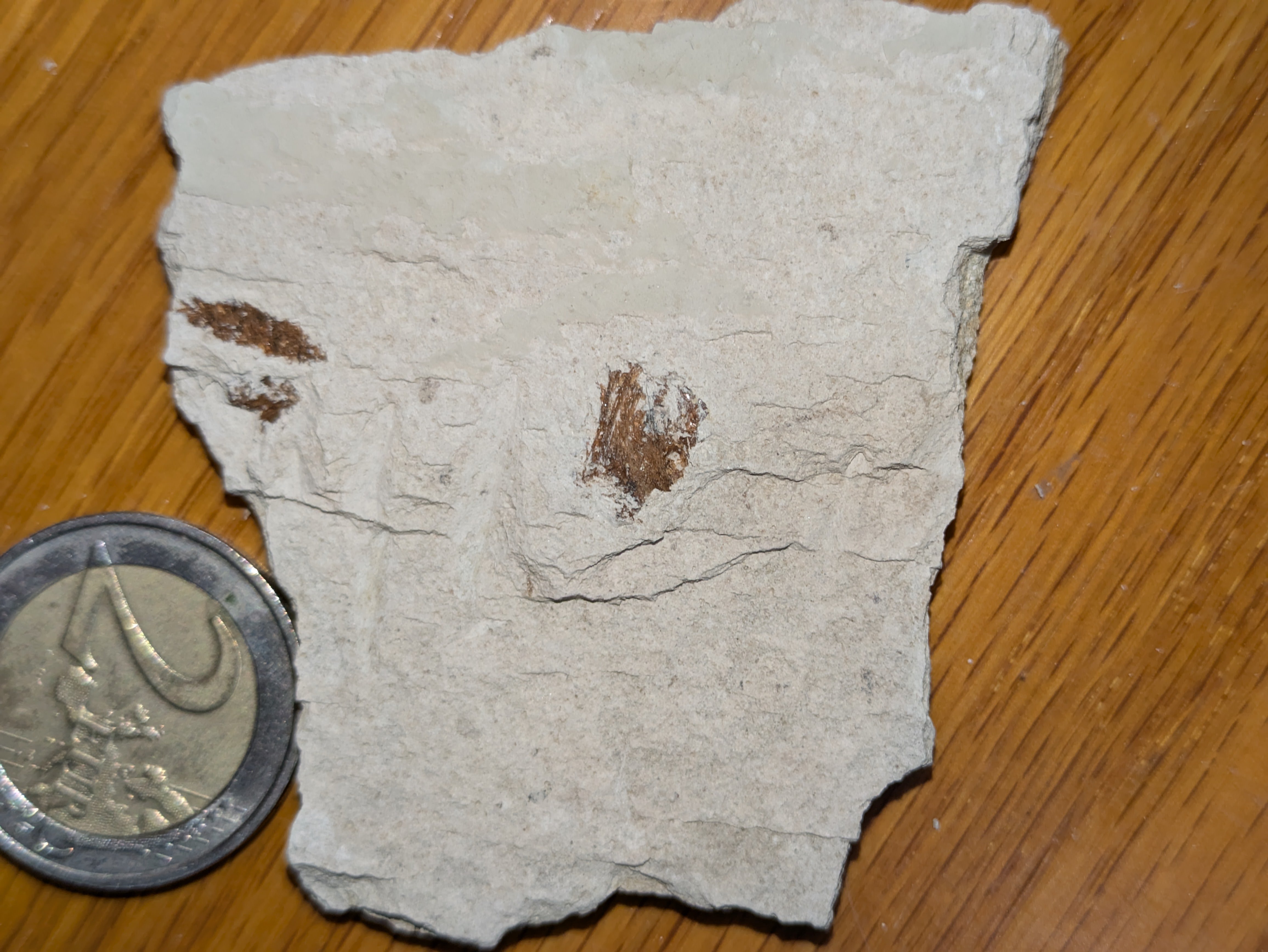
- Fish (e.g. pipefish, cutlassfish), echinoids (heart urchins), cephalopods (Argonauta, Aturia), planktonic foraminifera, pteropods, nannofossils, occasional plant fragments
- Paleoecology highlights
- Soft seafloor with burrowing echinoids, abundant plankton, occasional anoxic events, nearby vegetated landmass shedding organic debris
During the Middle Miocene, the area around modern-day Alassa was submerged beneath a quiet, deep sea. Far from any shoreline, the seafloor lay hundreds of meters below the surface, covered in soft, pale mud made from the steady rain of microscopic plankton shells. The water above was calm and dimly lit, fading into a rich, dark blue. Life here was sparse but specialized; heart-shaped sea urchins slowly moved through the sediment in search of food, while the remains of drifting plankton and deep-sea fish settled gently onto the seabed. Occasionally, leaves from nearby forests on the rising Troodos landmass would drift down to the depths, hinting at green hills beyond the horizon. This was a peaceful, still environment; remote, nutrient-rich, and largely untouched by waves or sunlight.

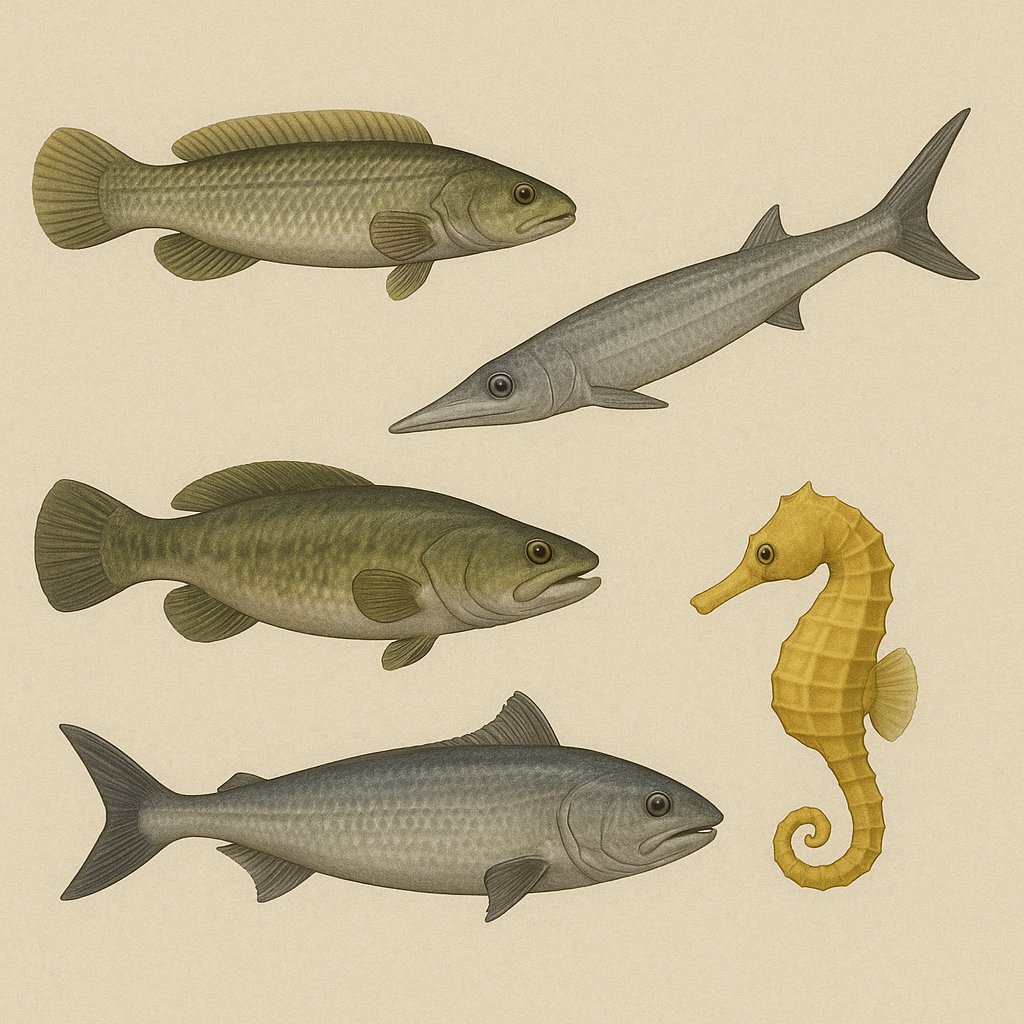
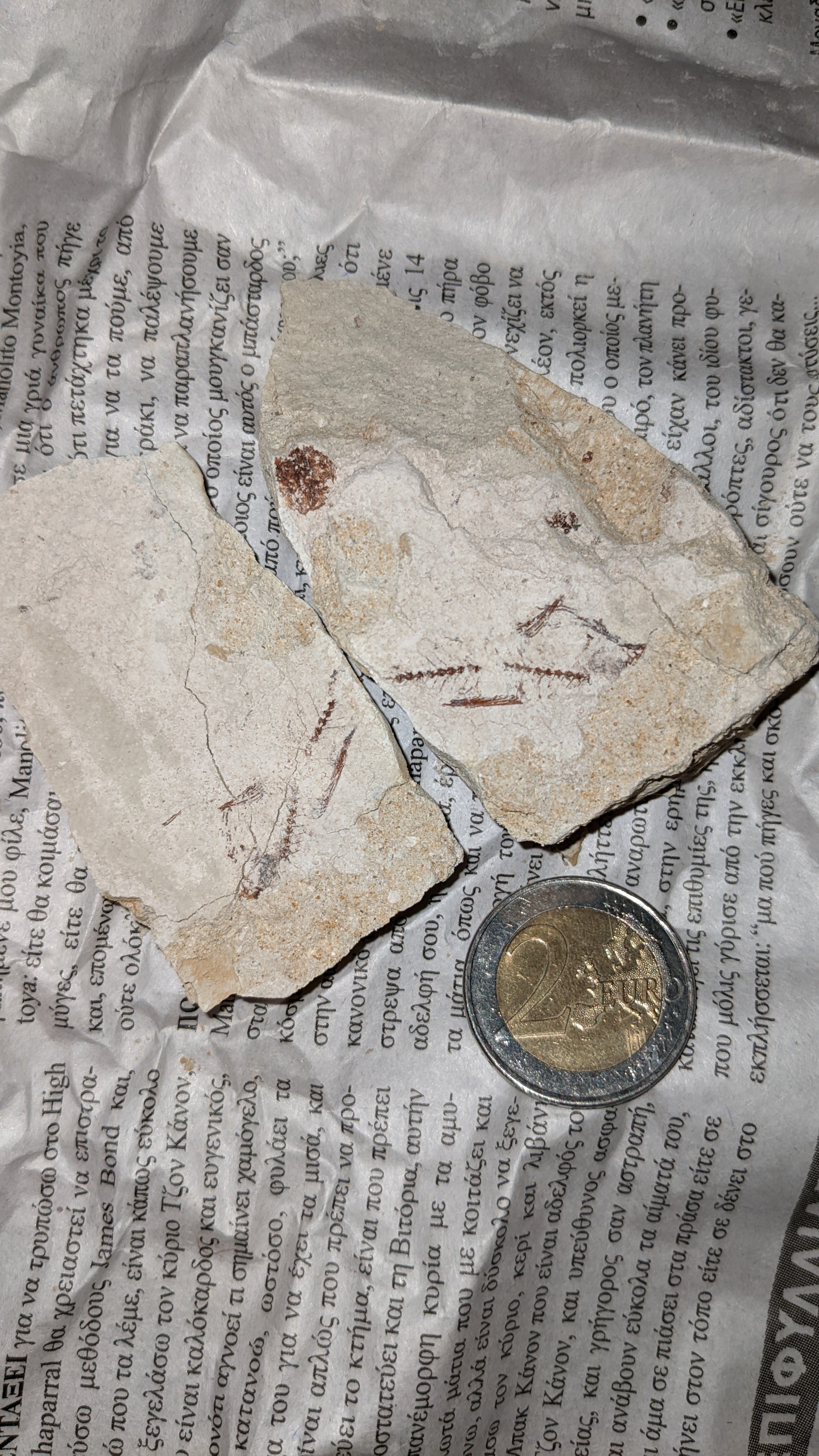
Actinopterygii
4 specimens

Actinopterygii
4 specimens

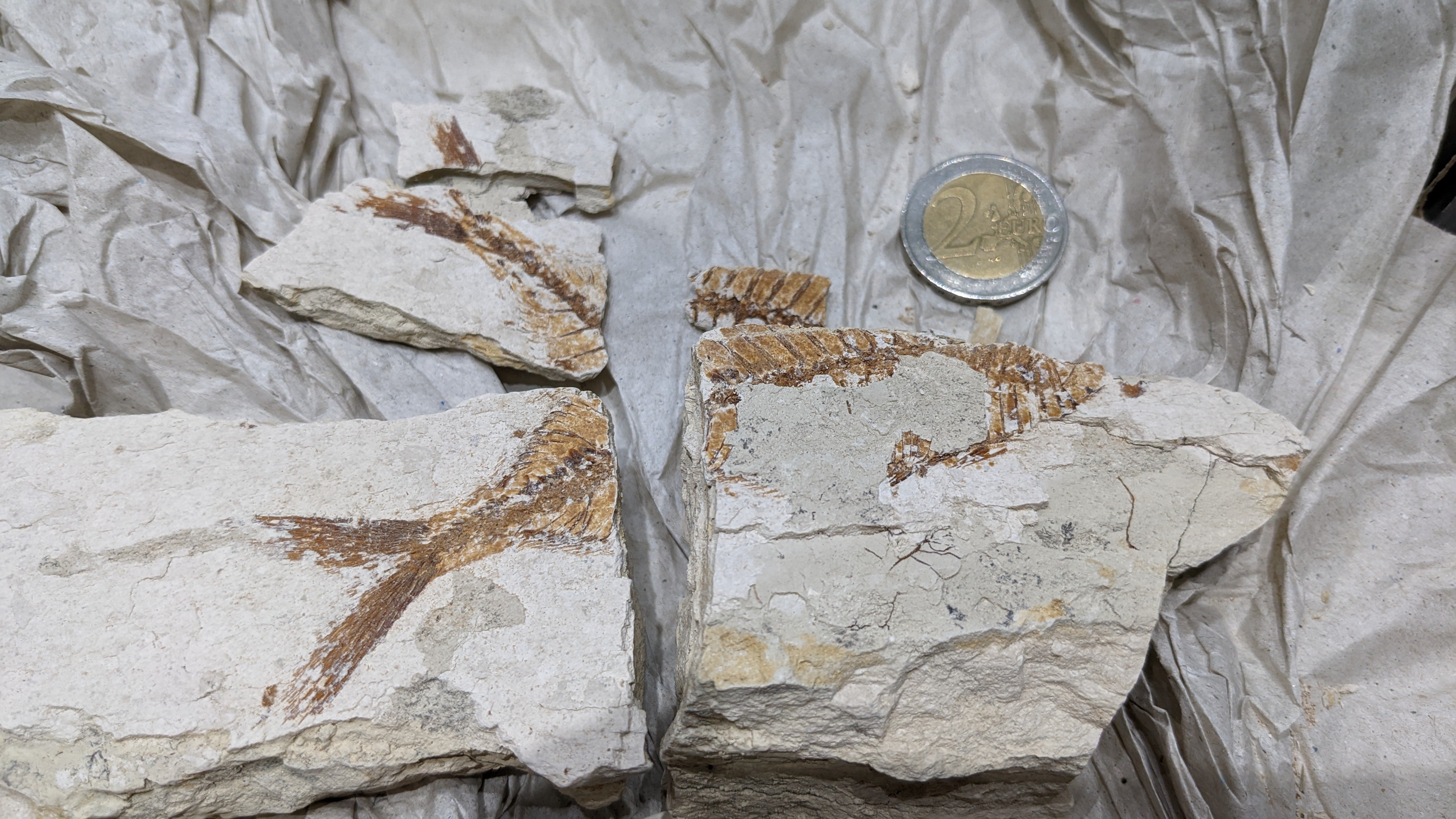
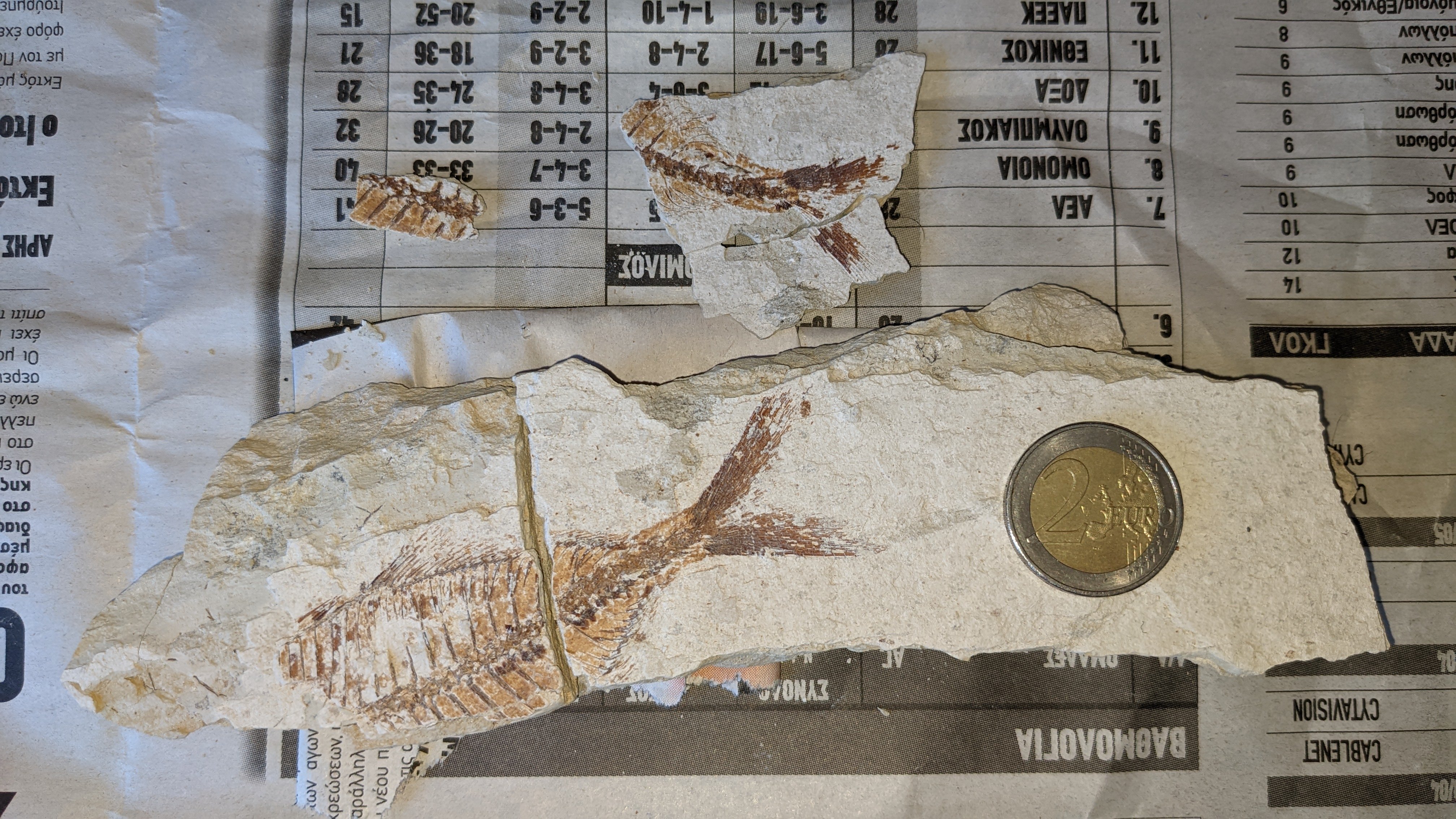



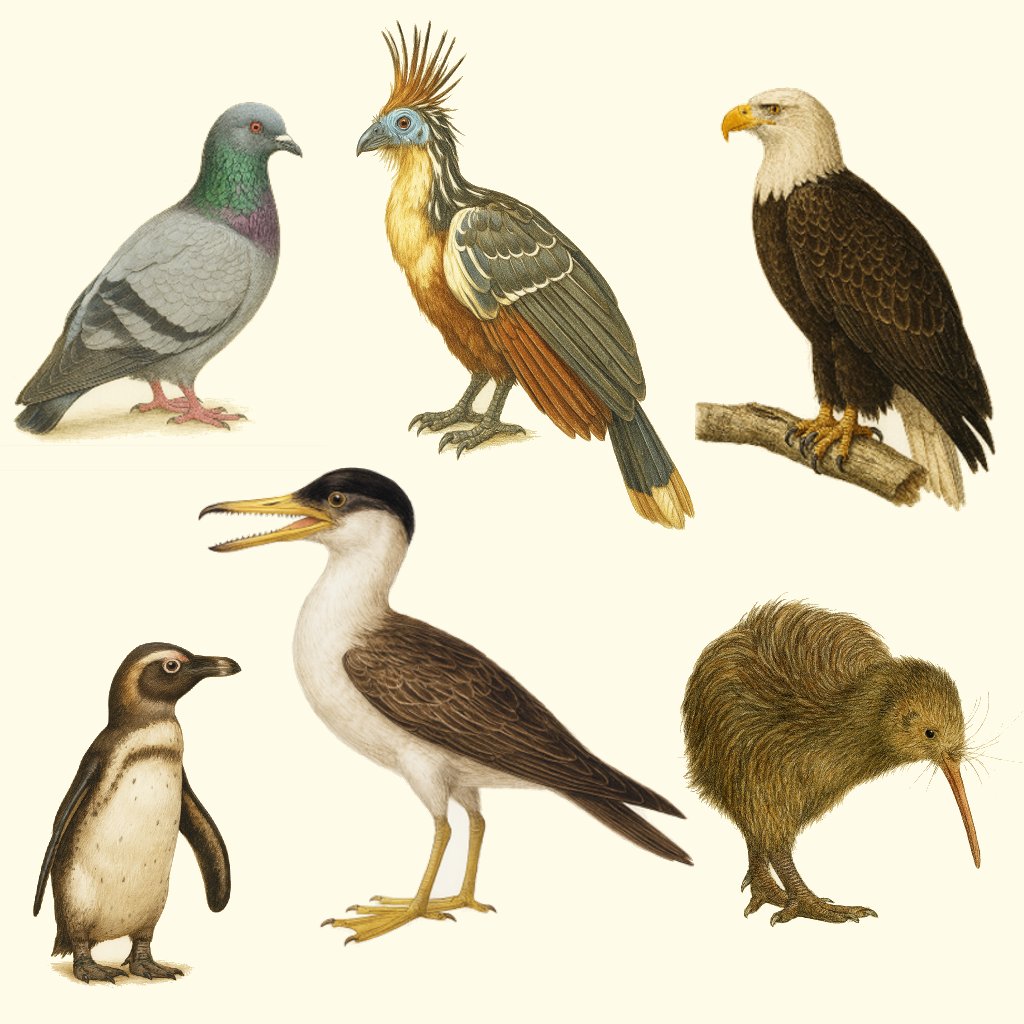
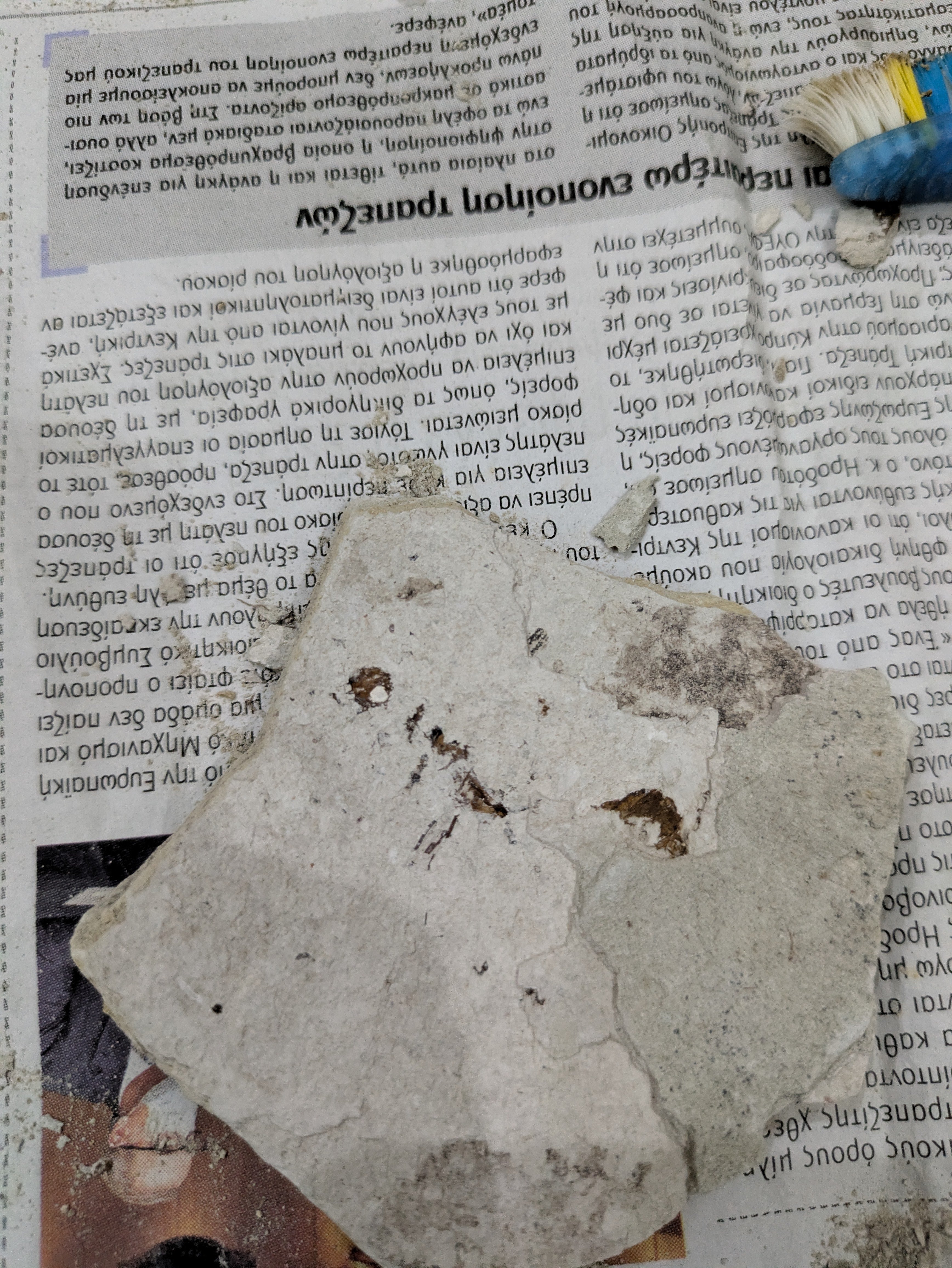
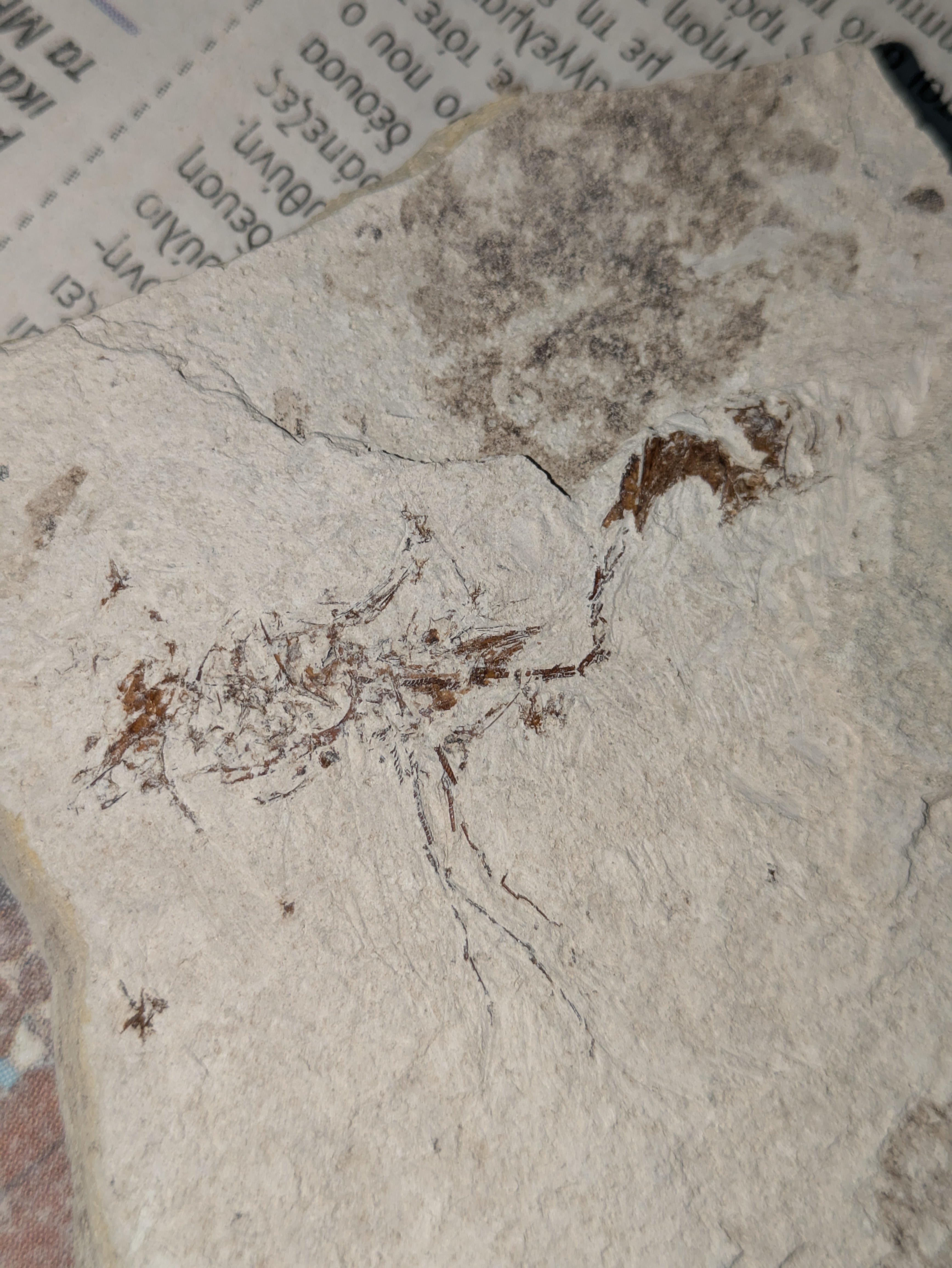
Aves
1 specimen

Aves
1 specimen

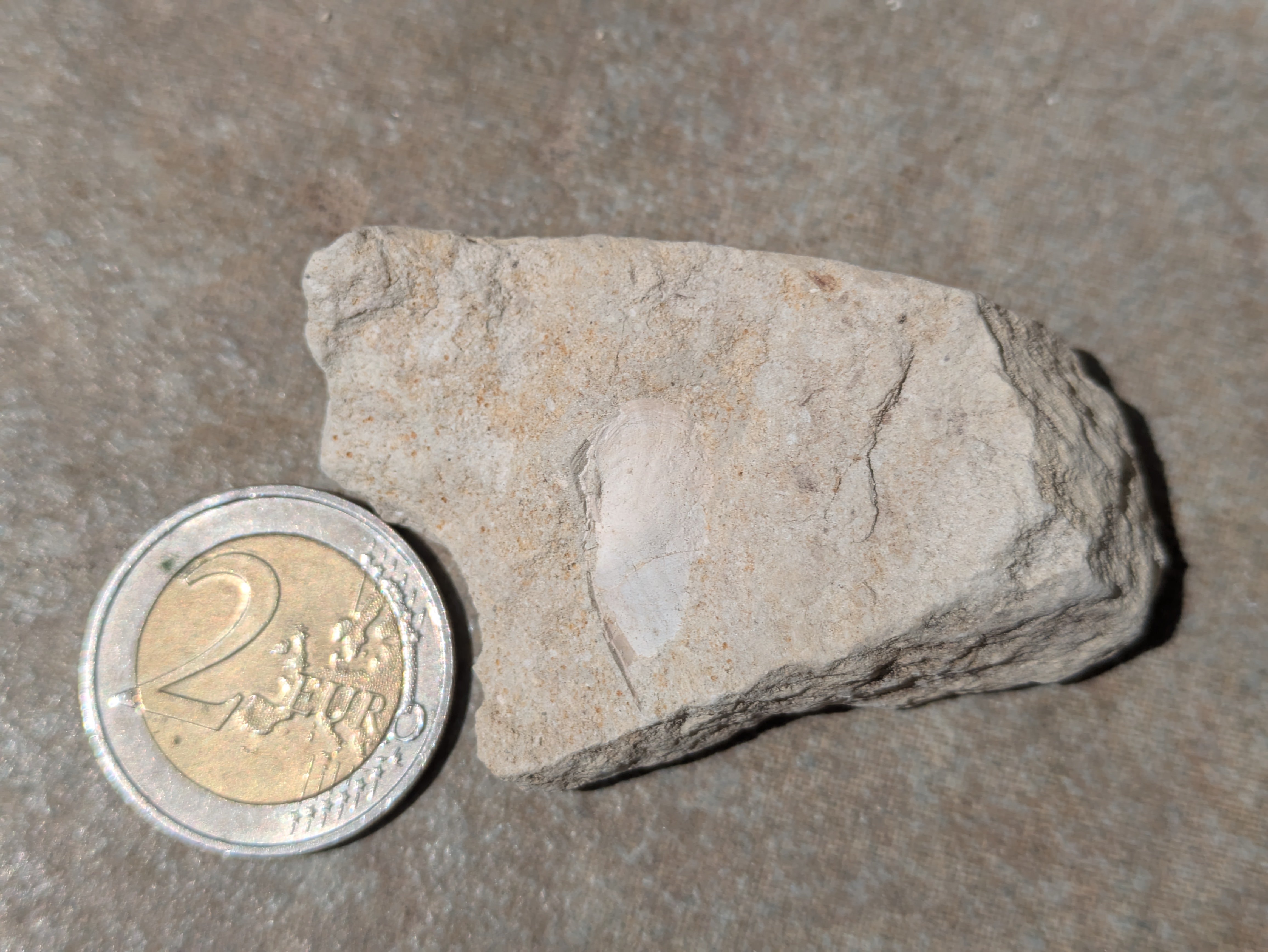
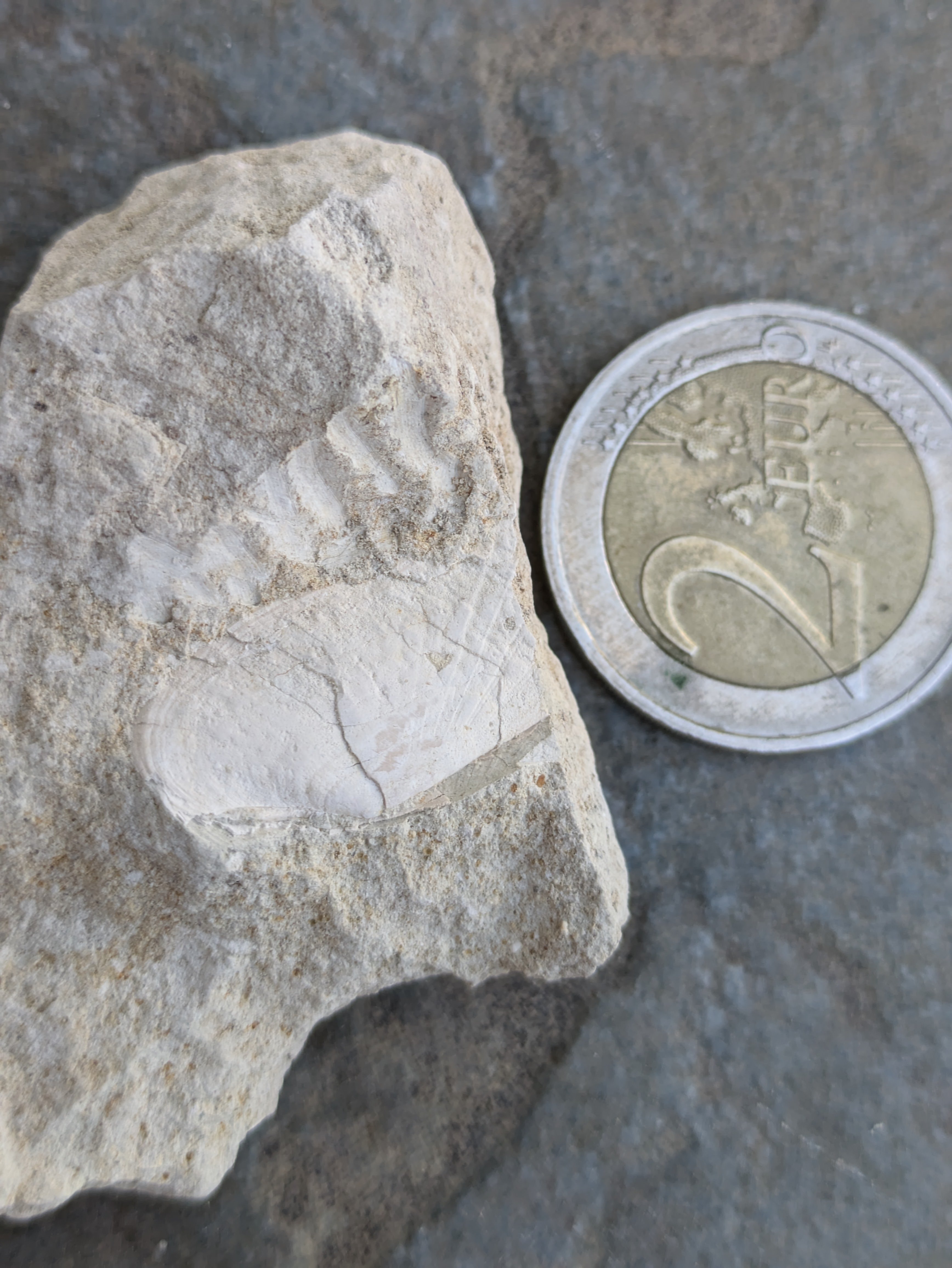
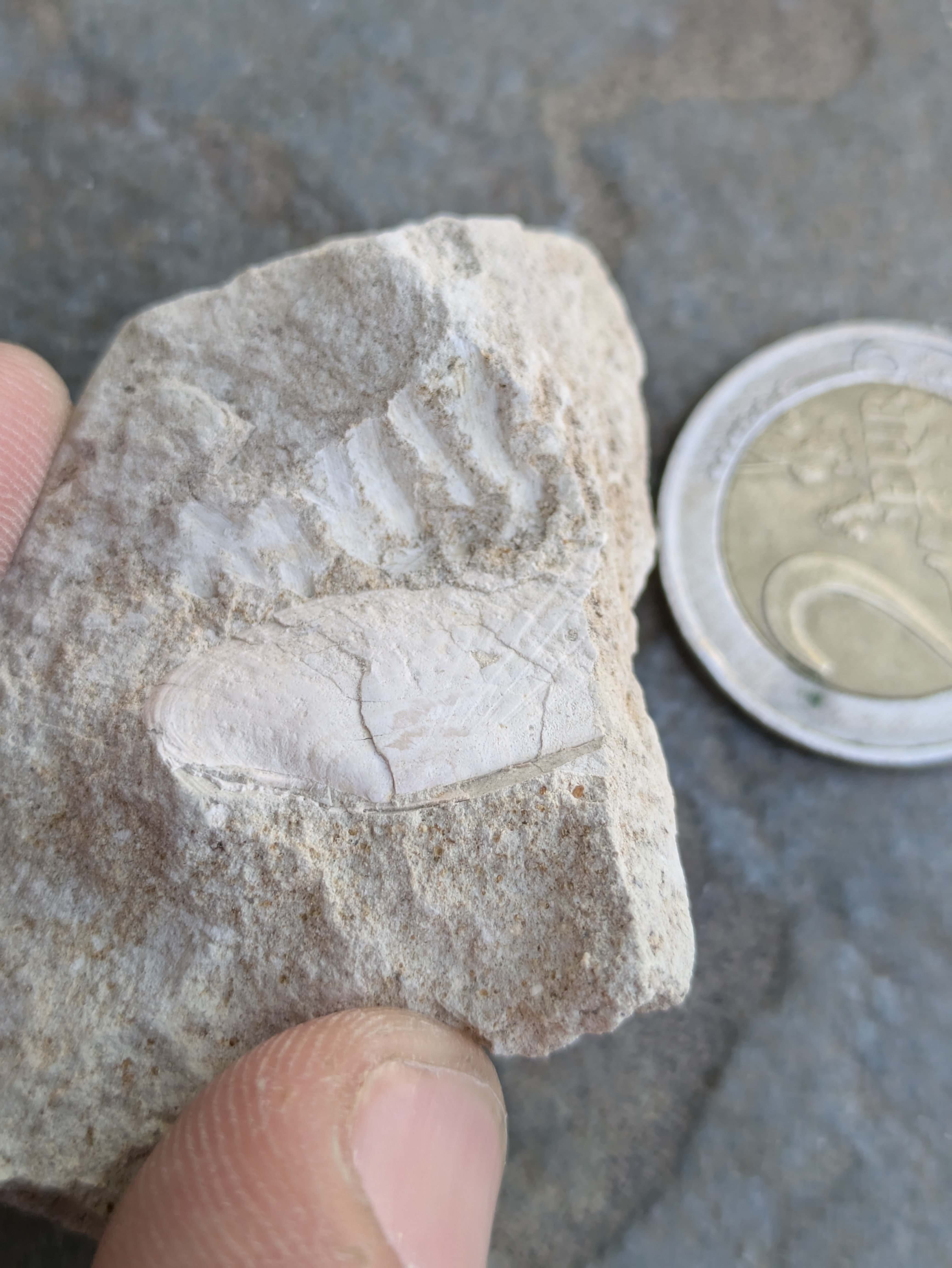
Bivalvia
1 specimen

Bivalvia
1 specimen

Chordata
15 specimens

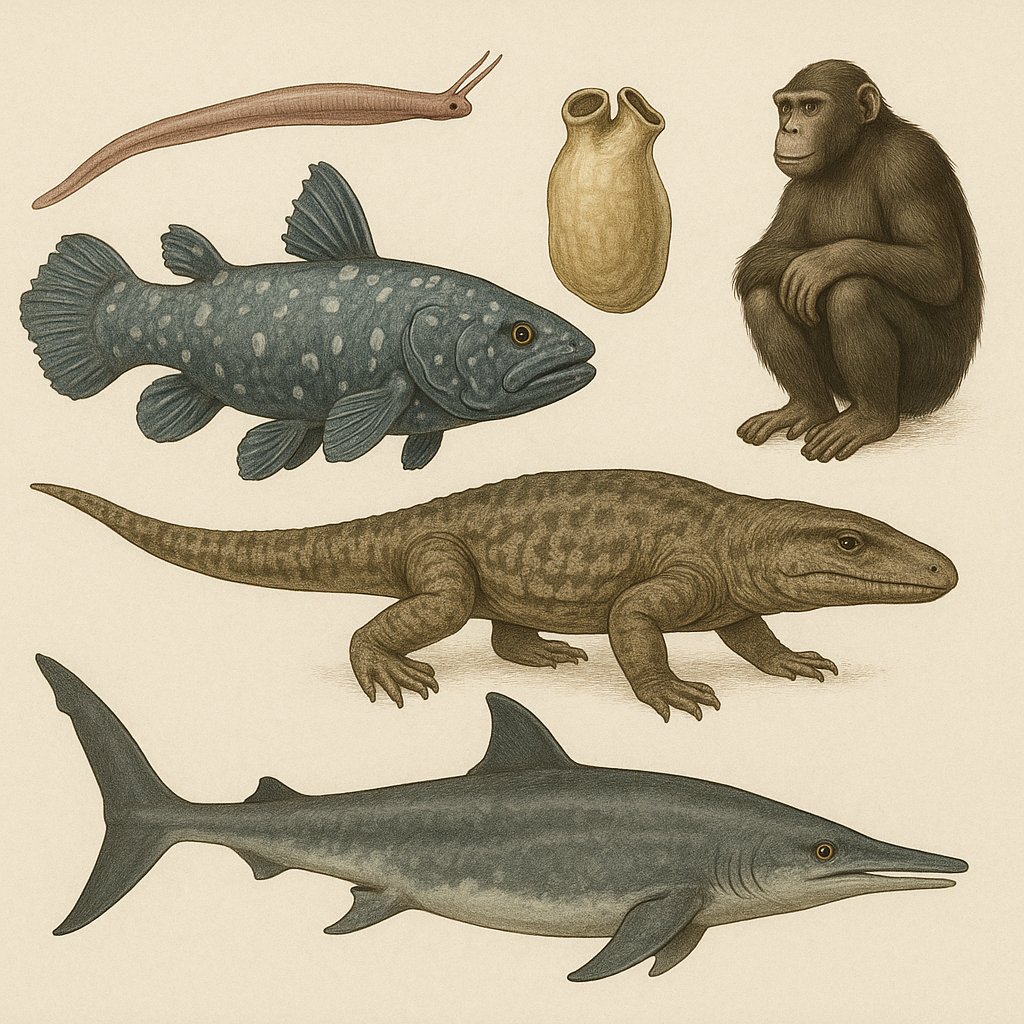
Chordata
15 specimens

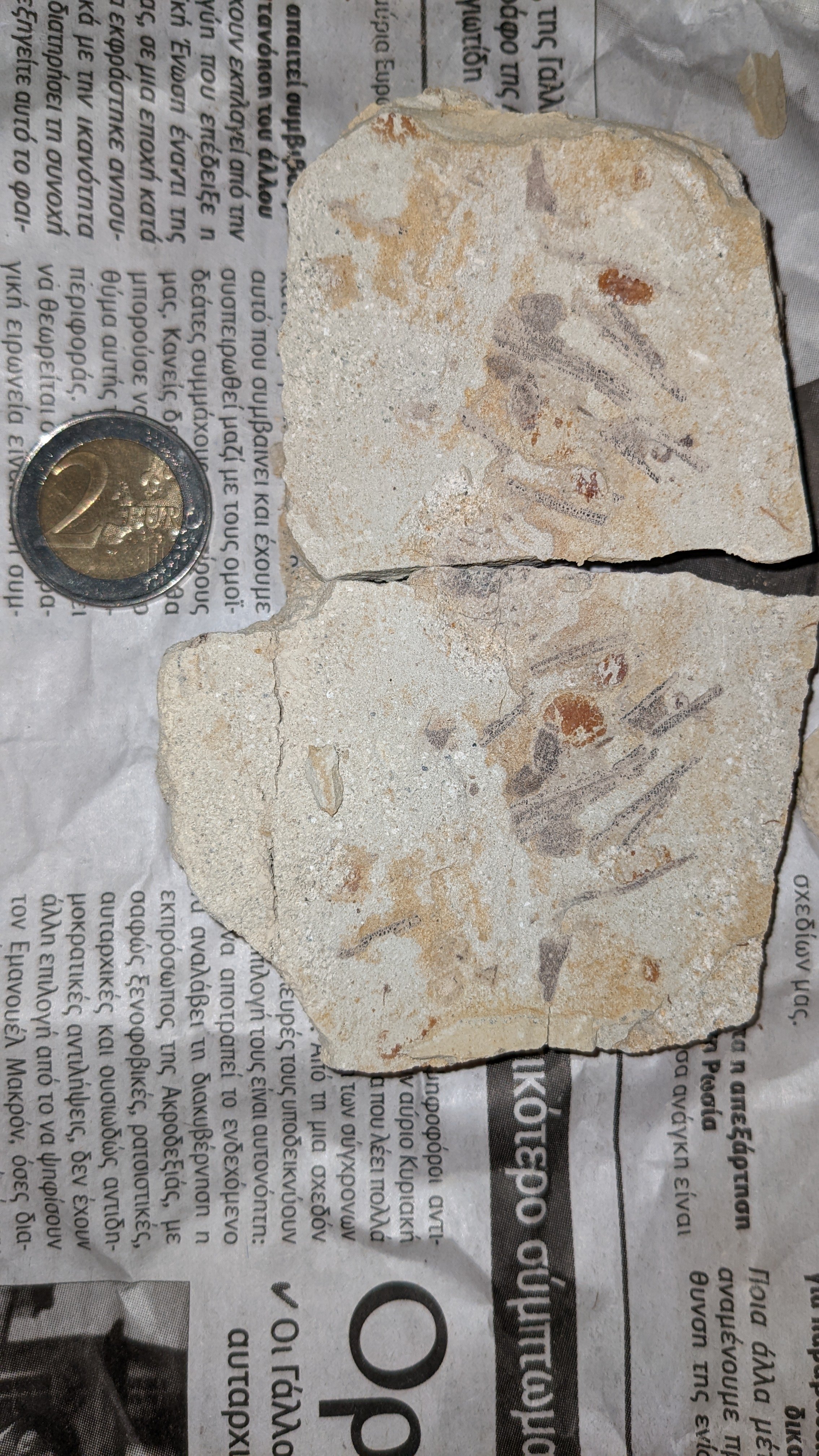

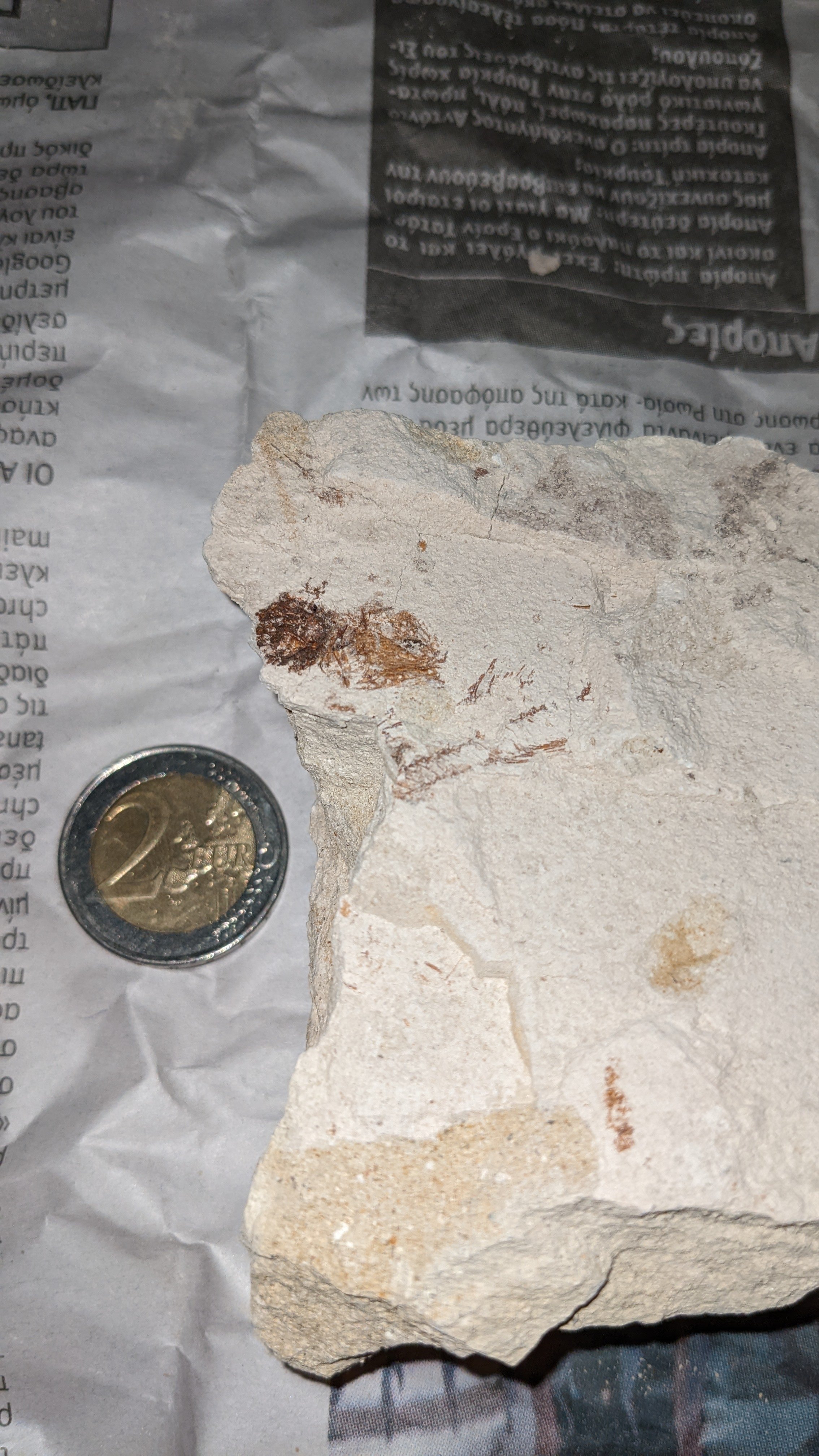

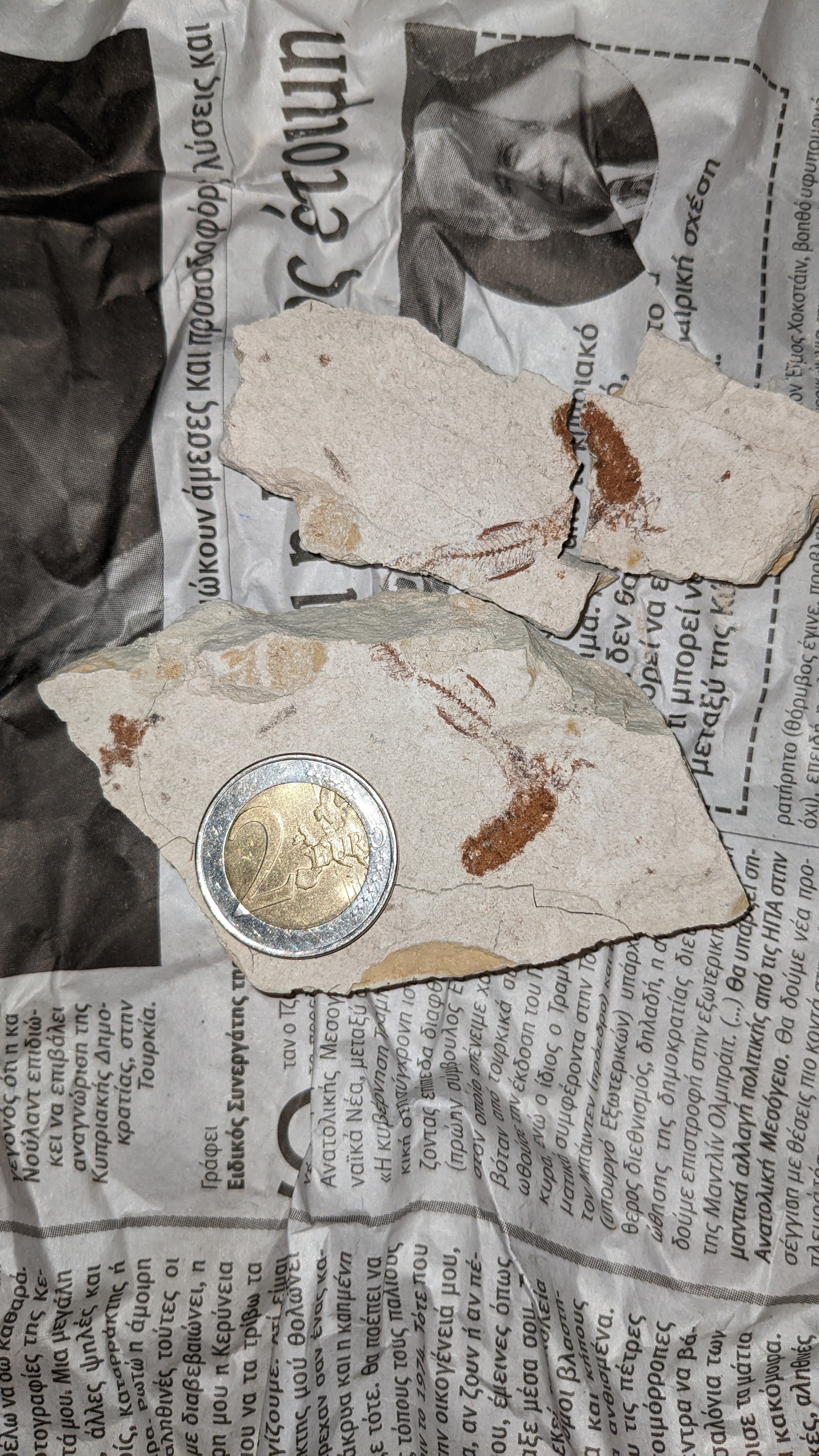

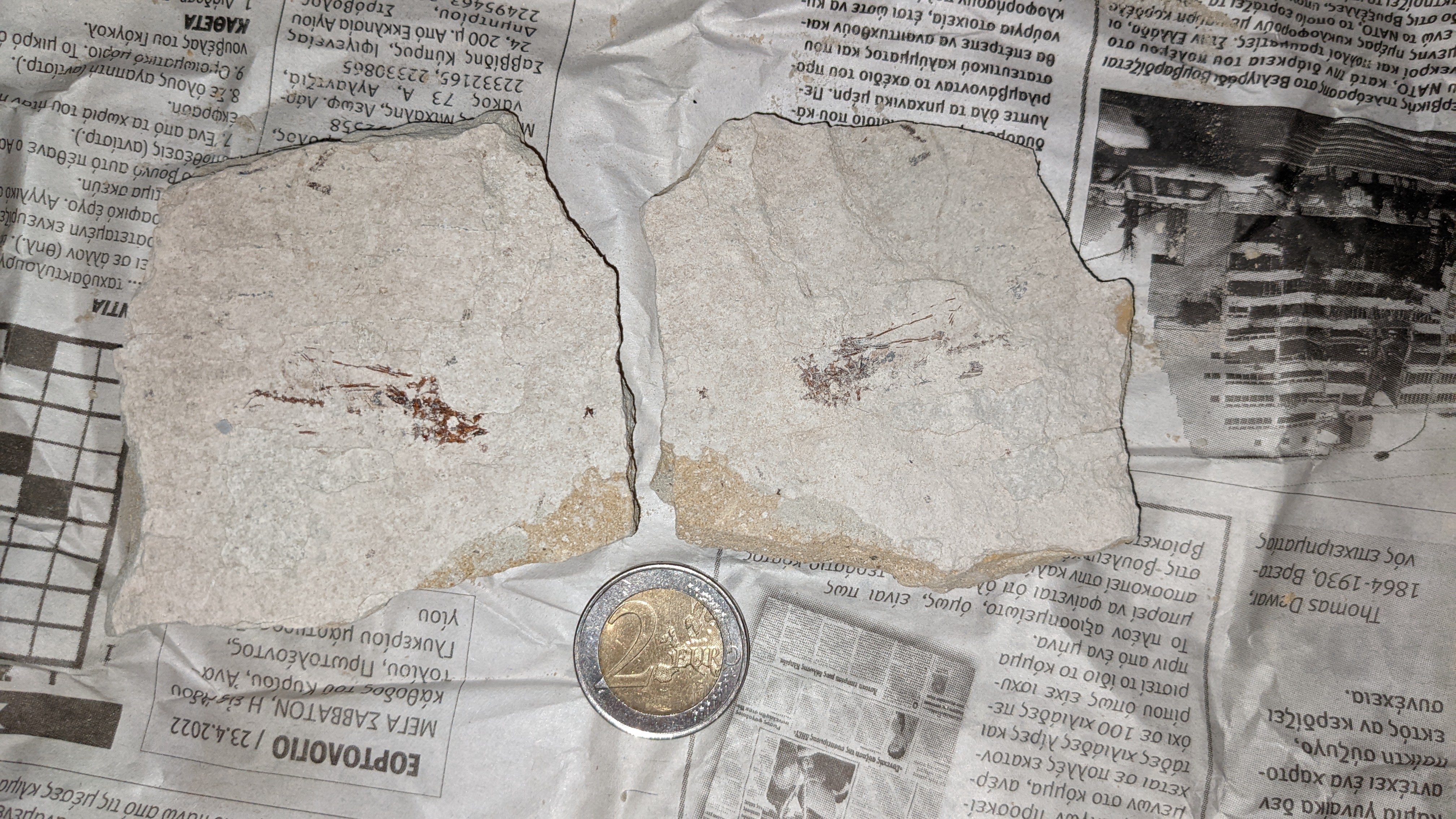





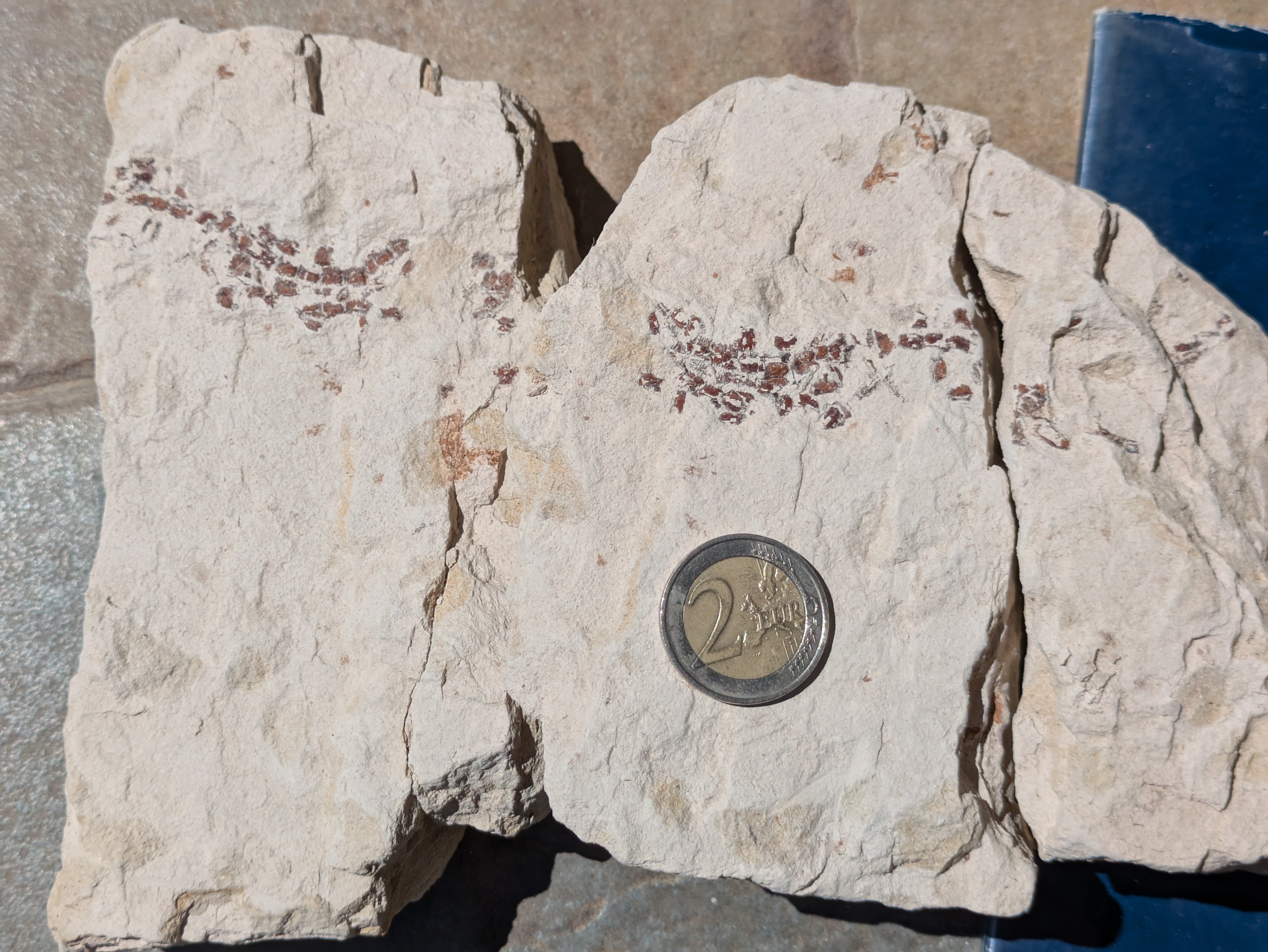
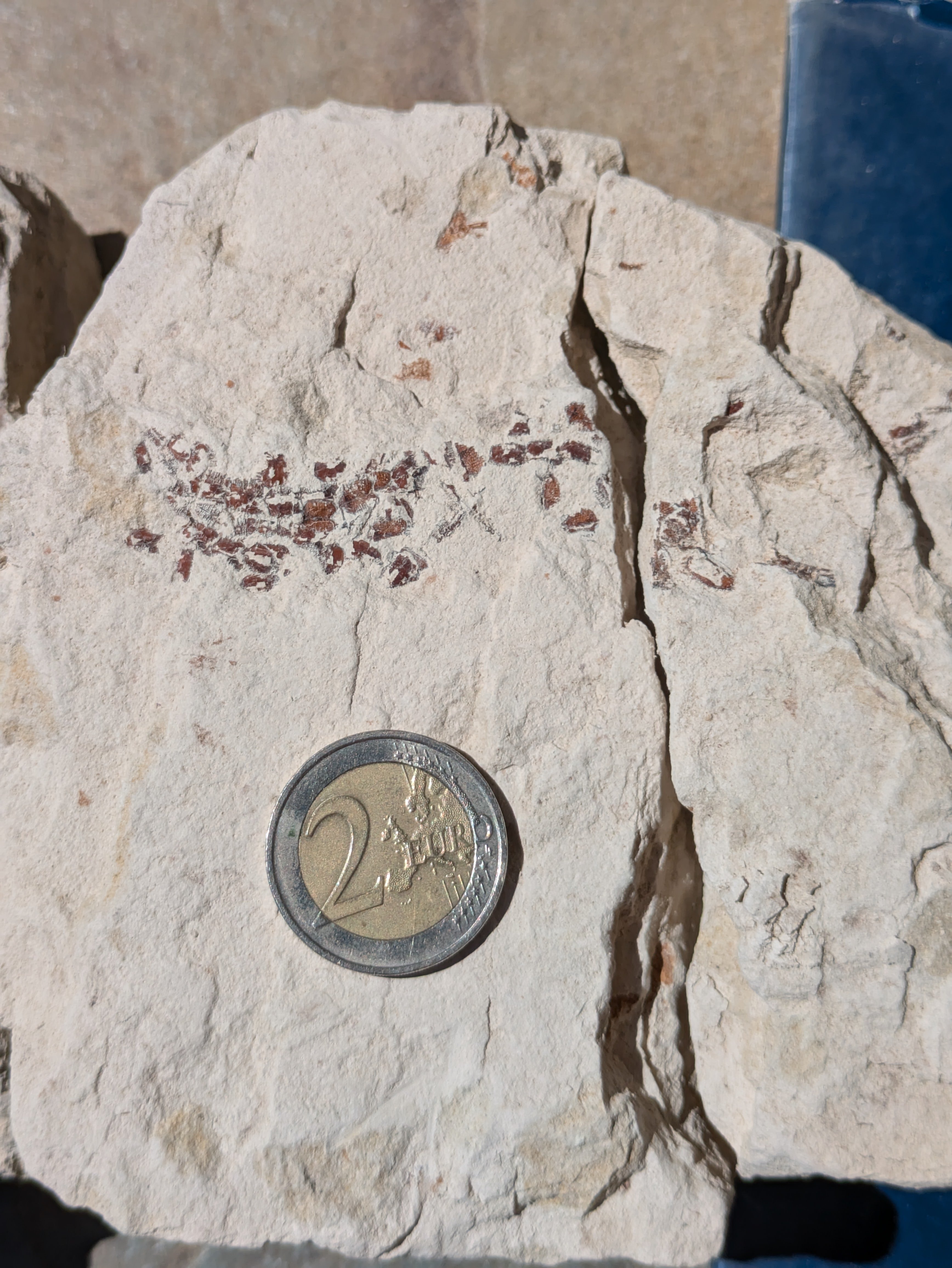
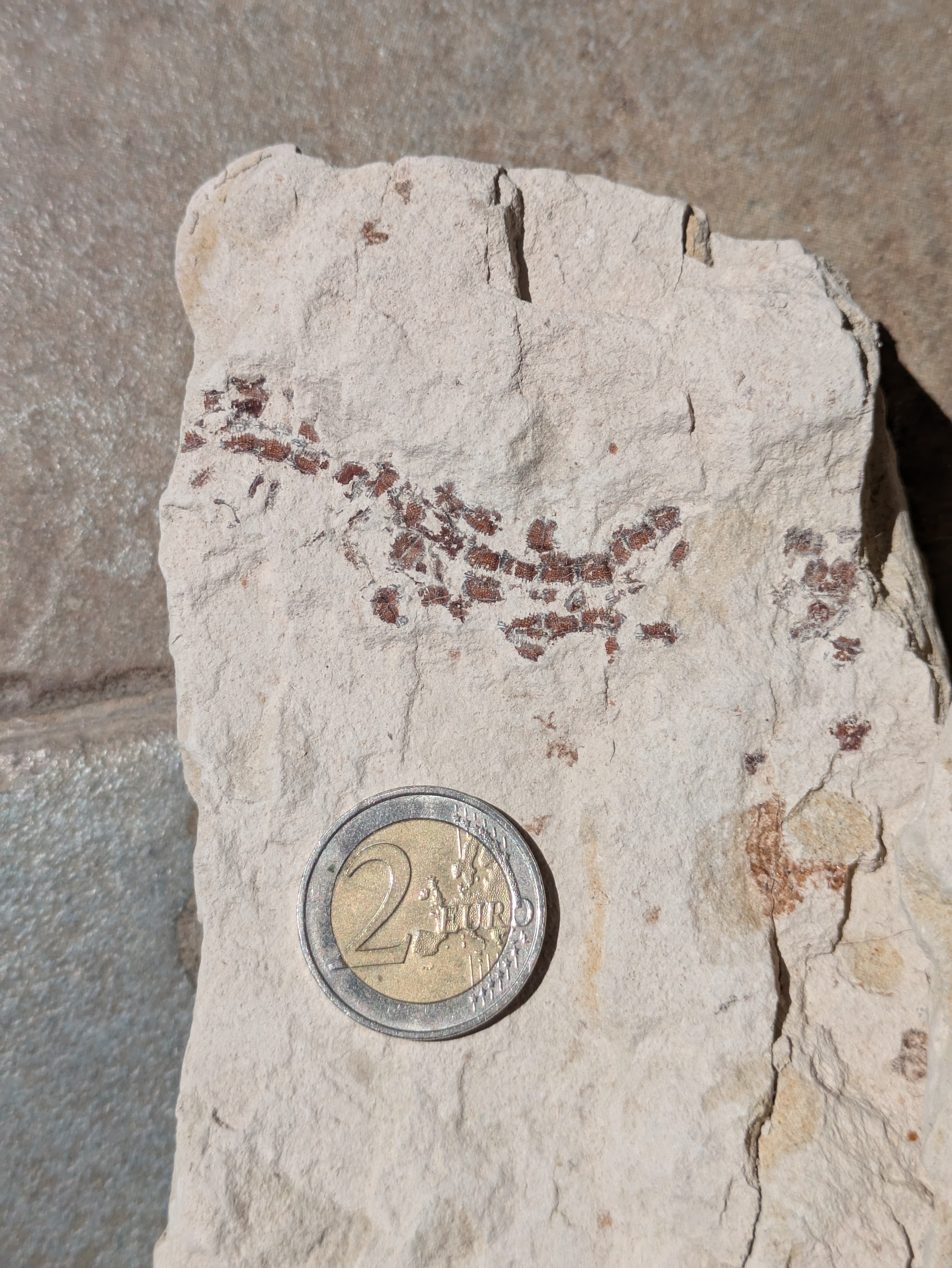
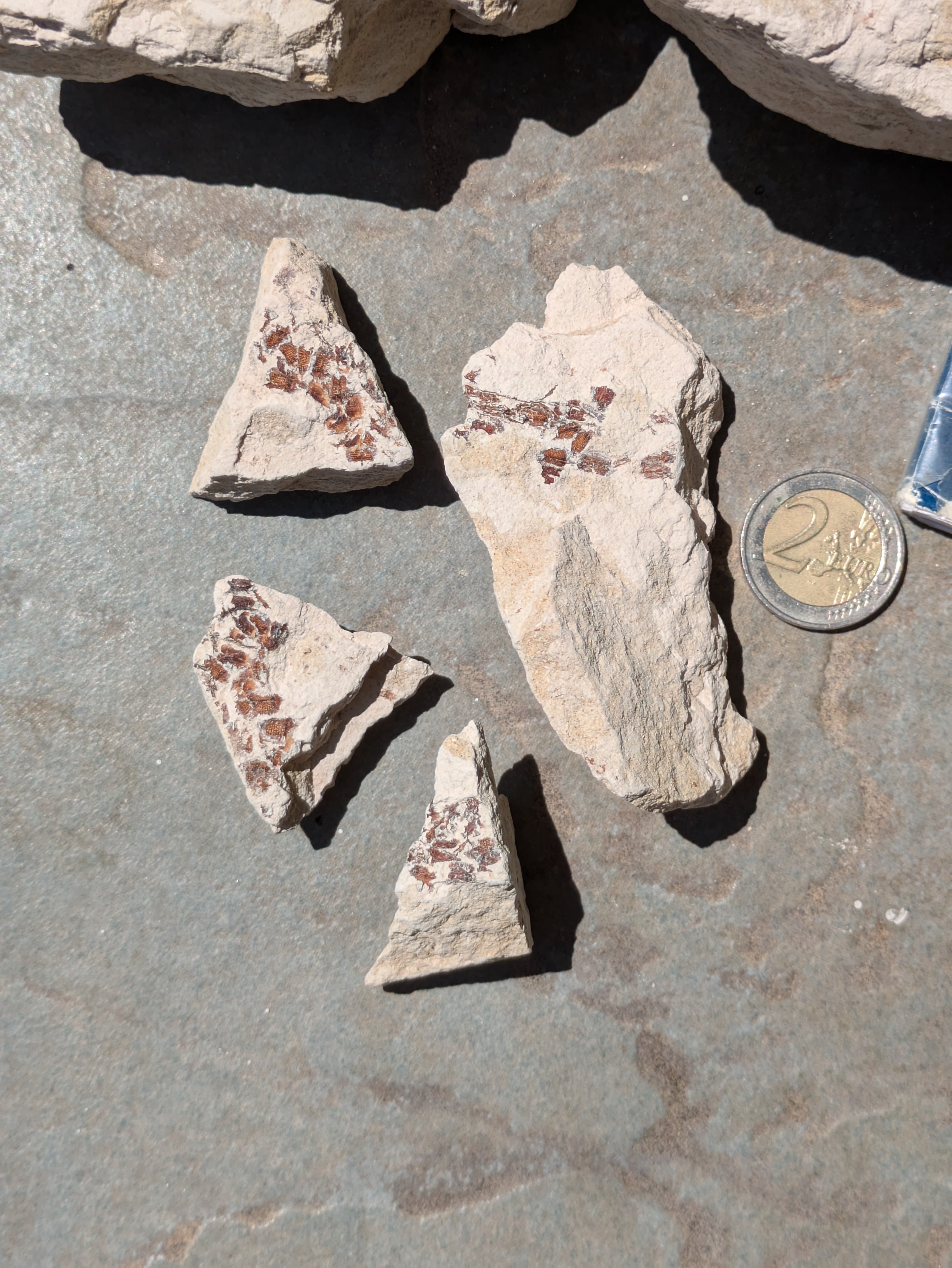
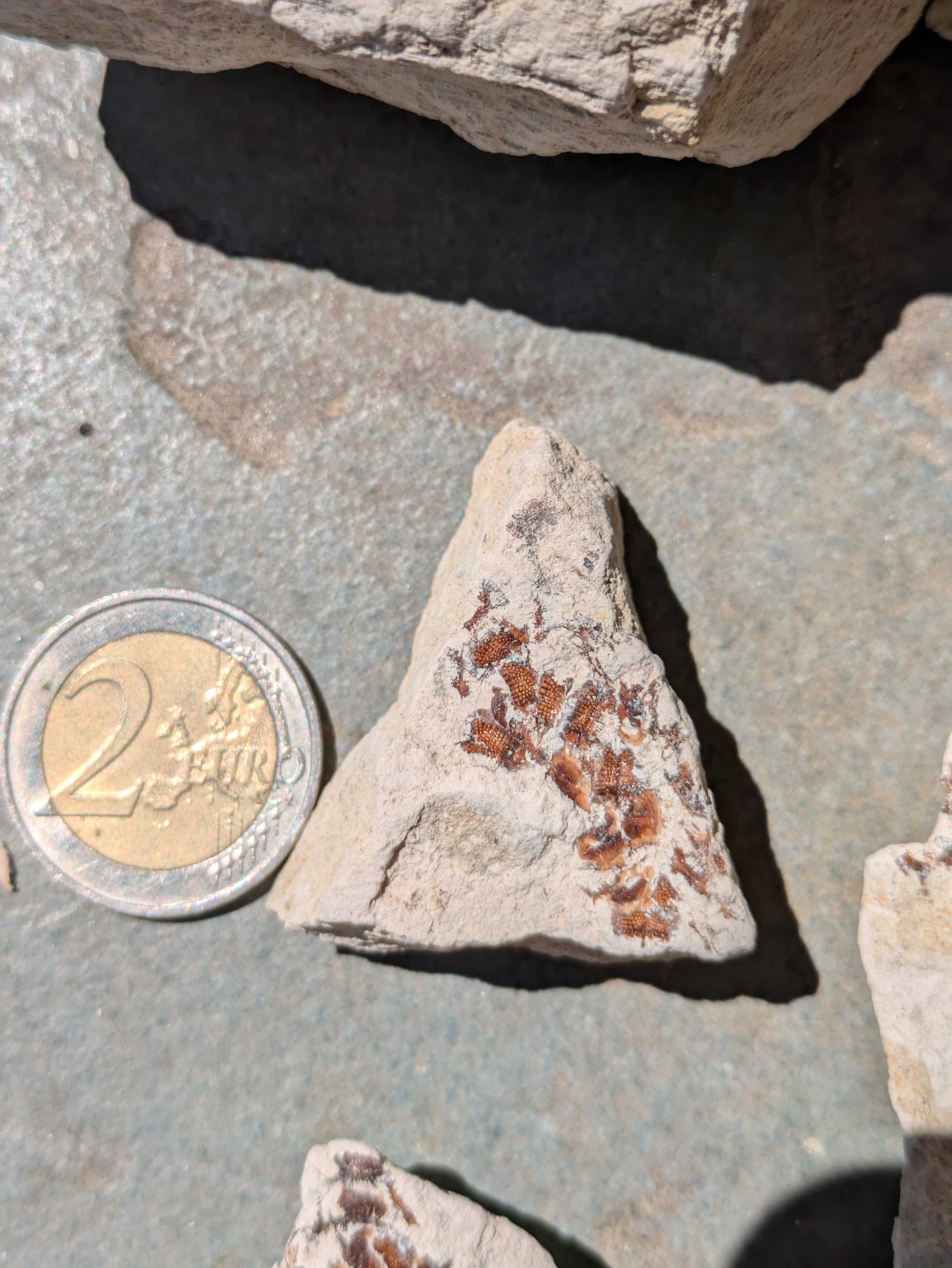
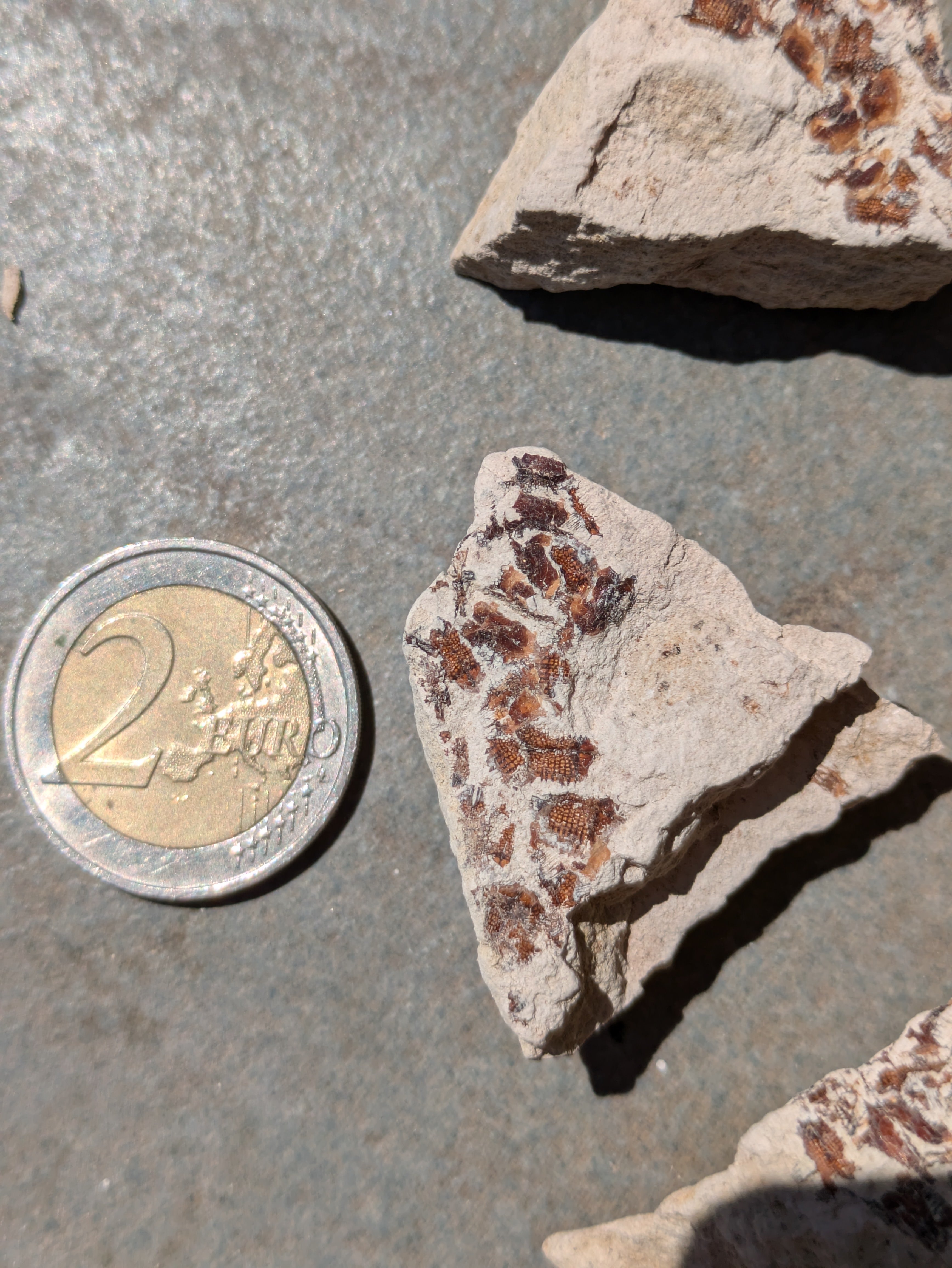
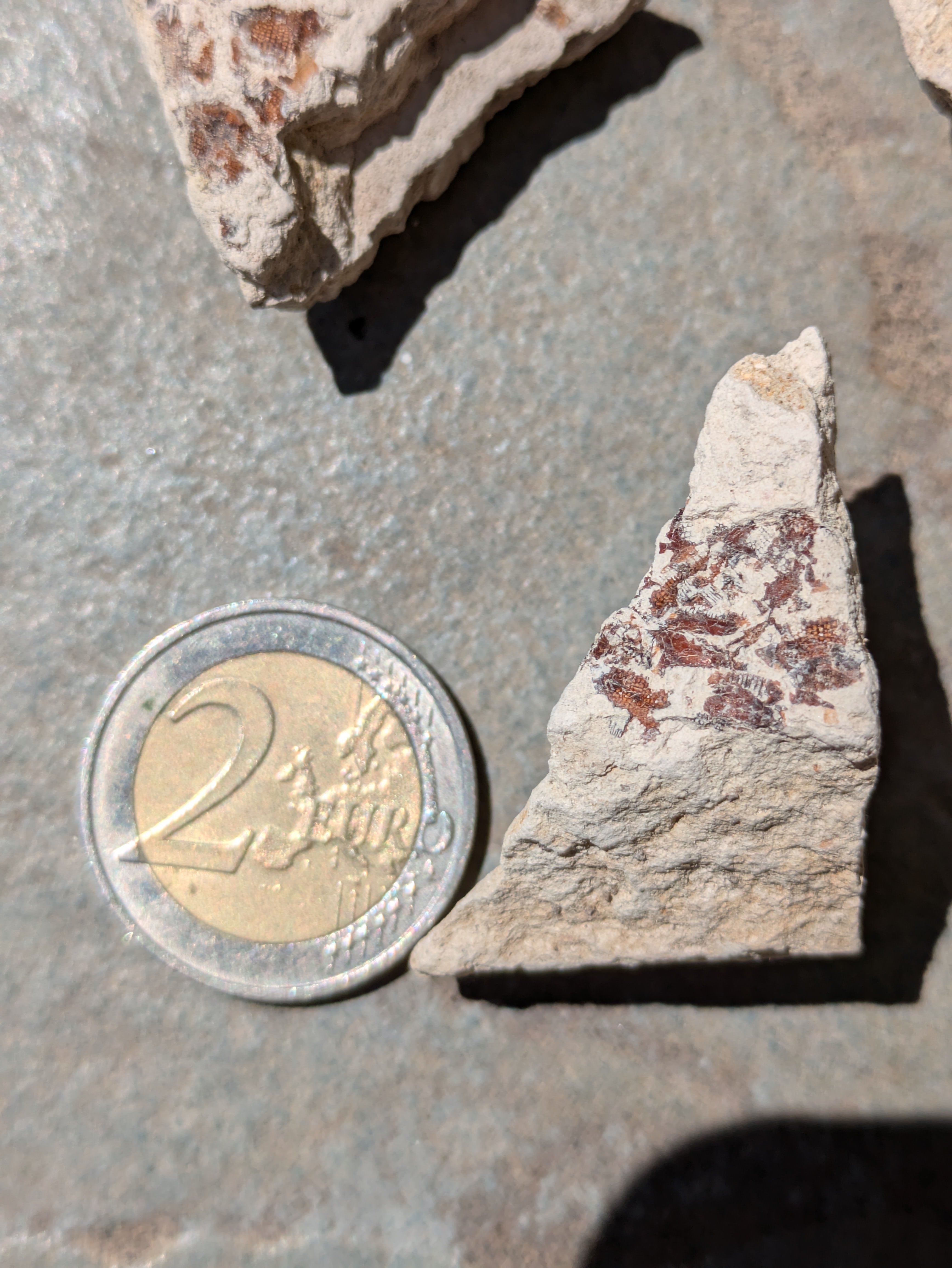
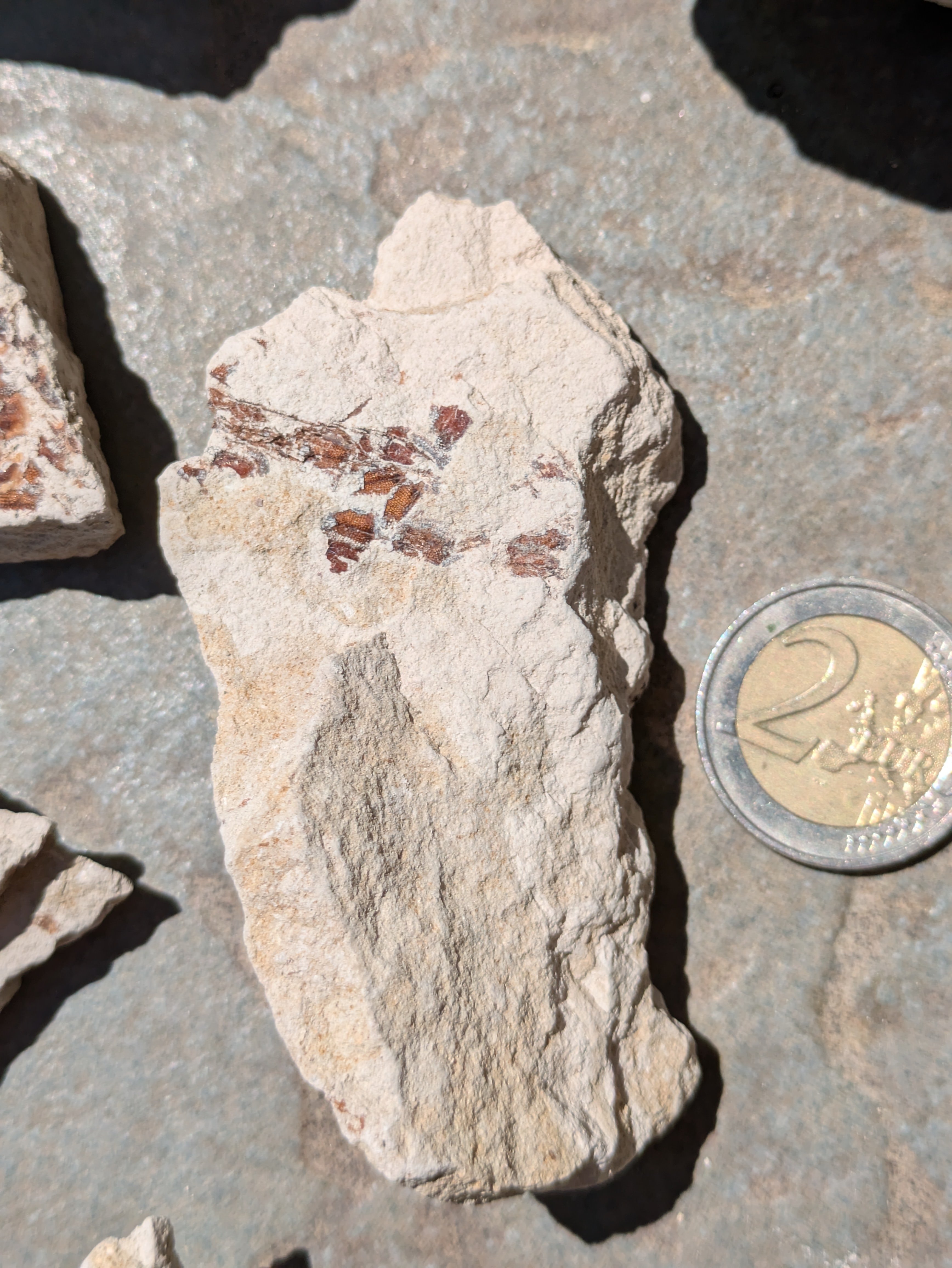

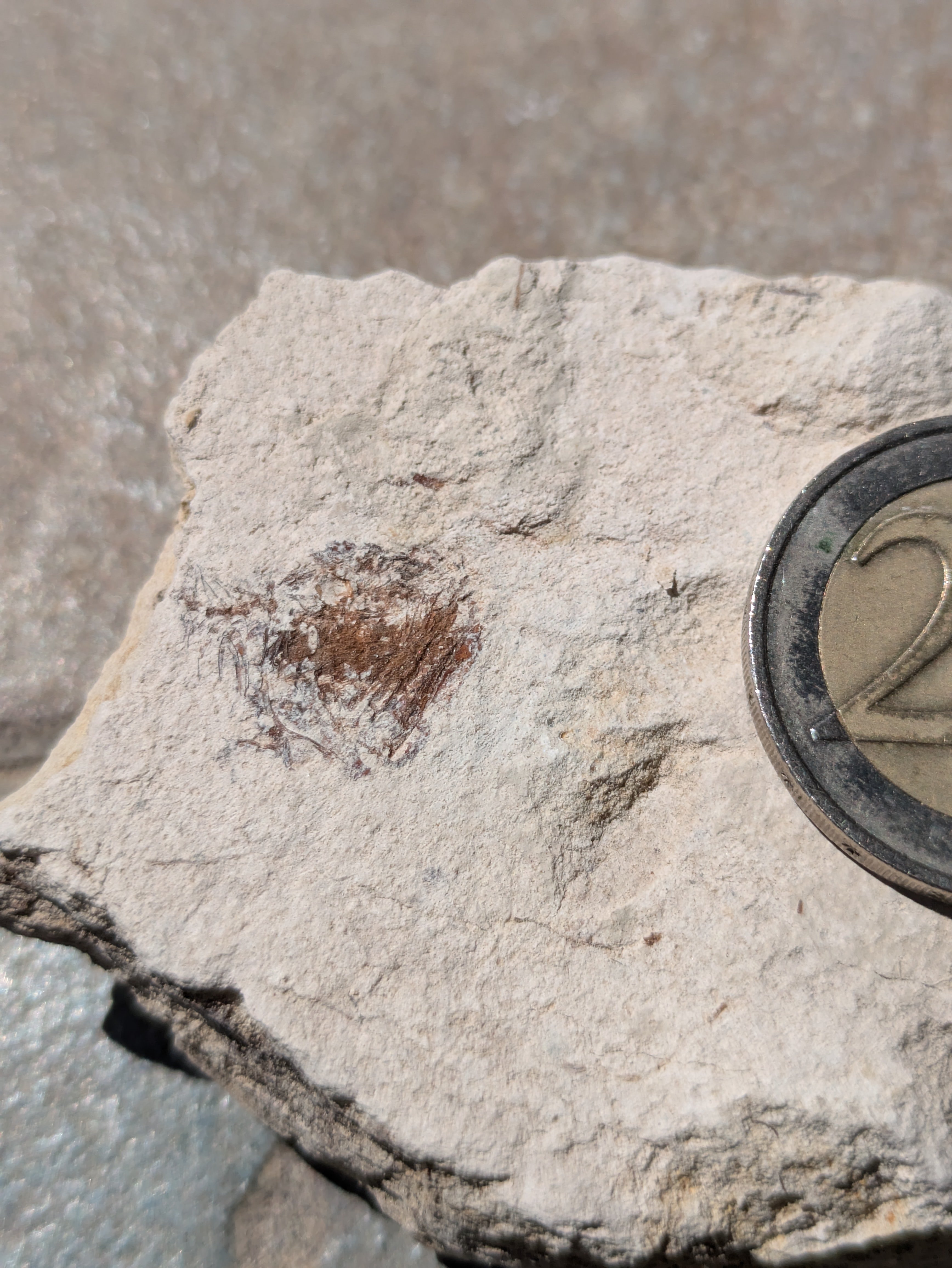

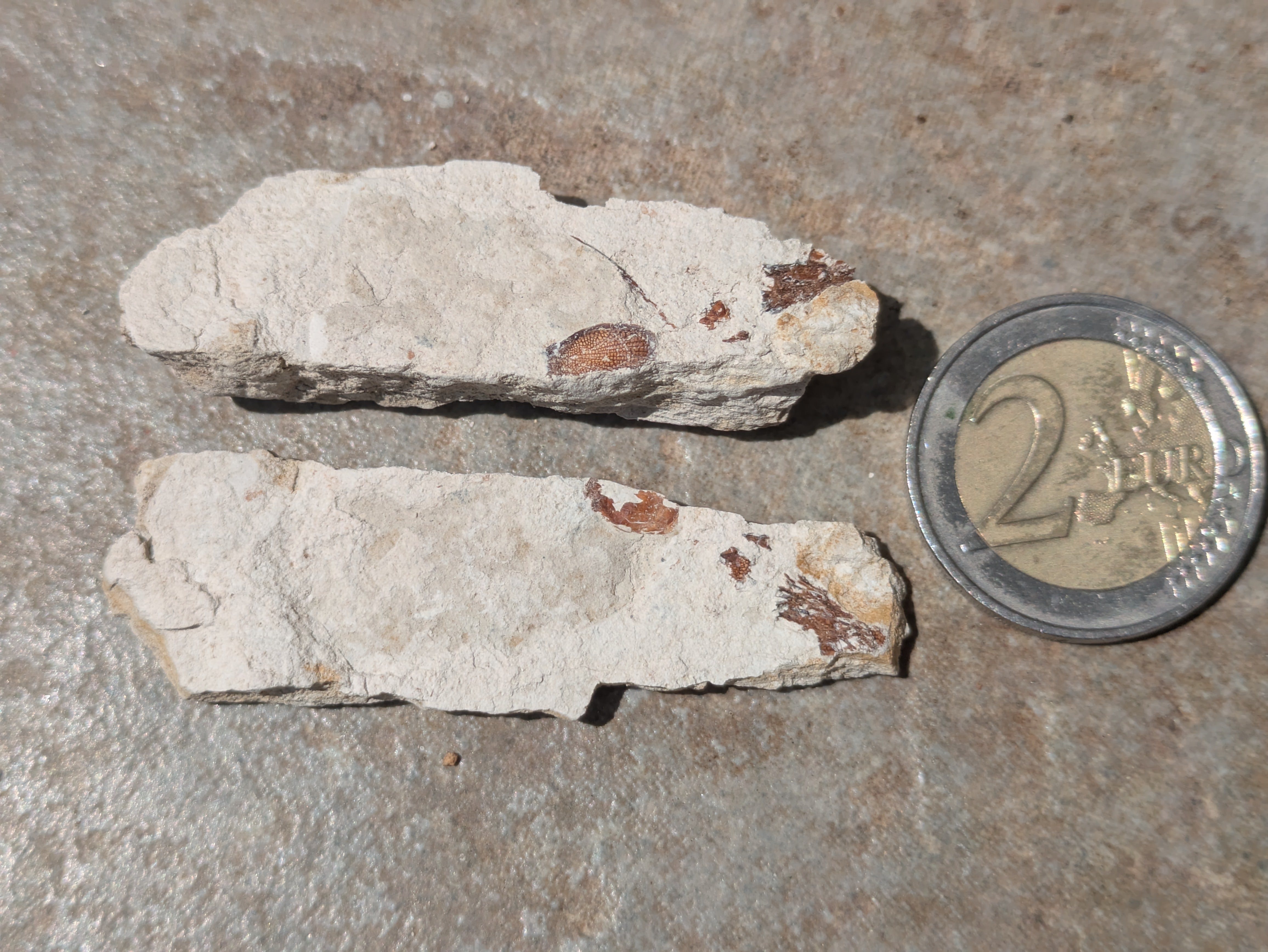


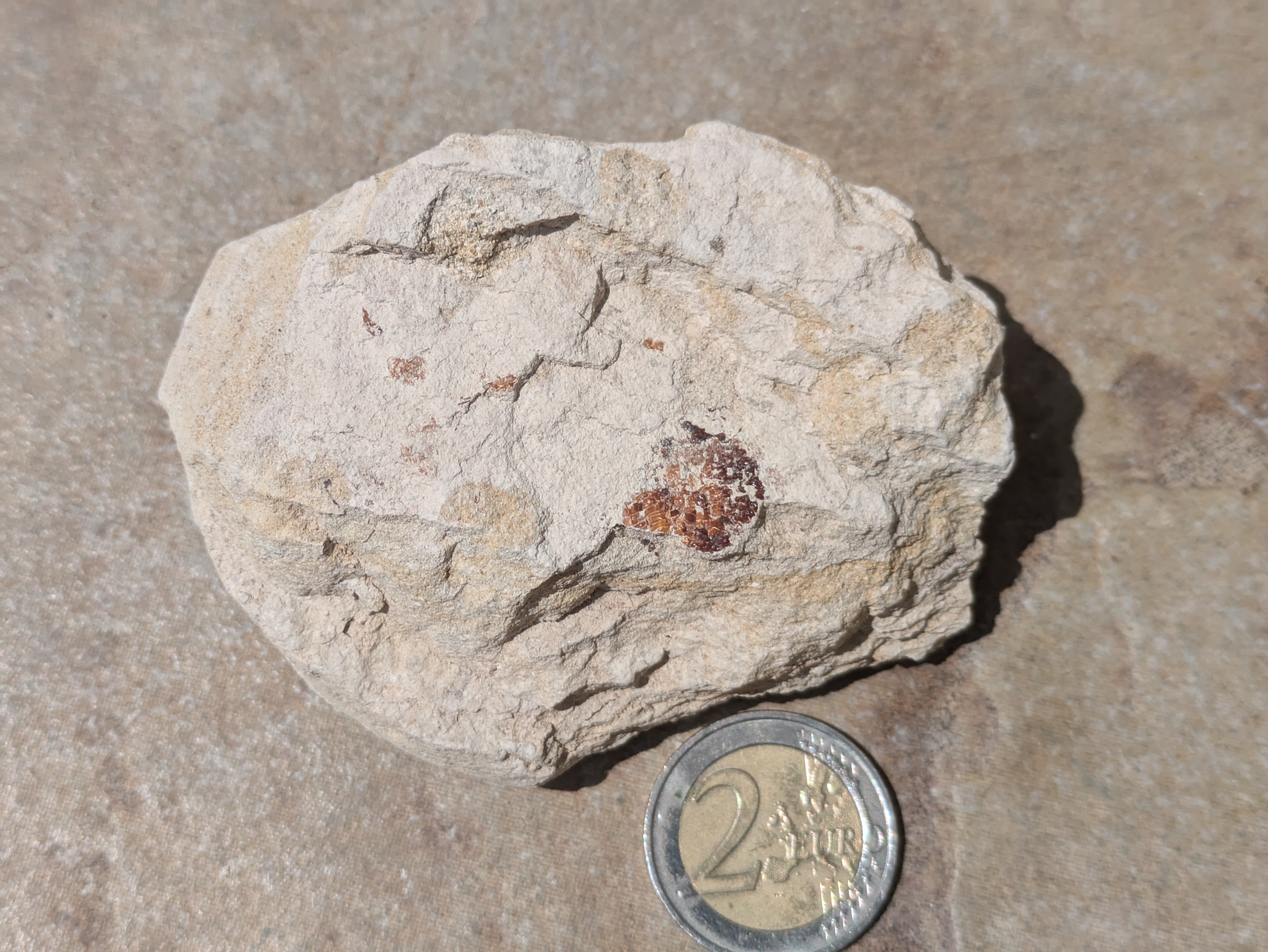
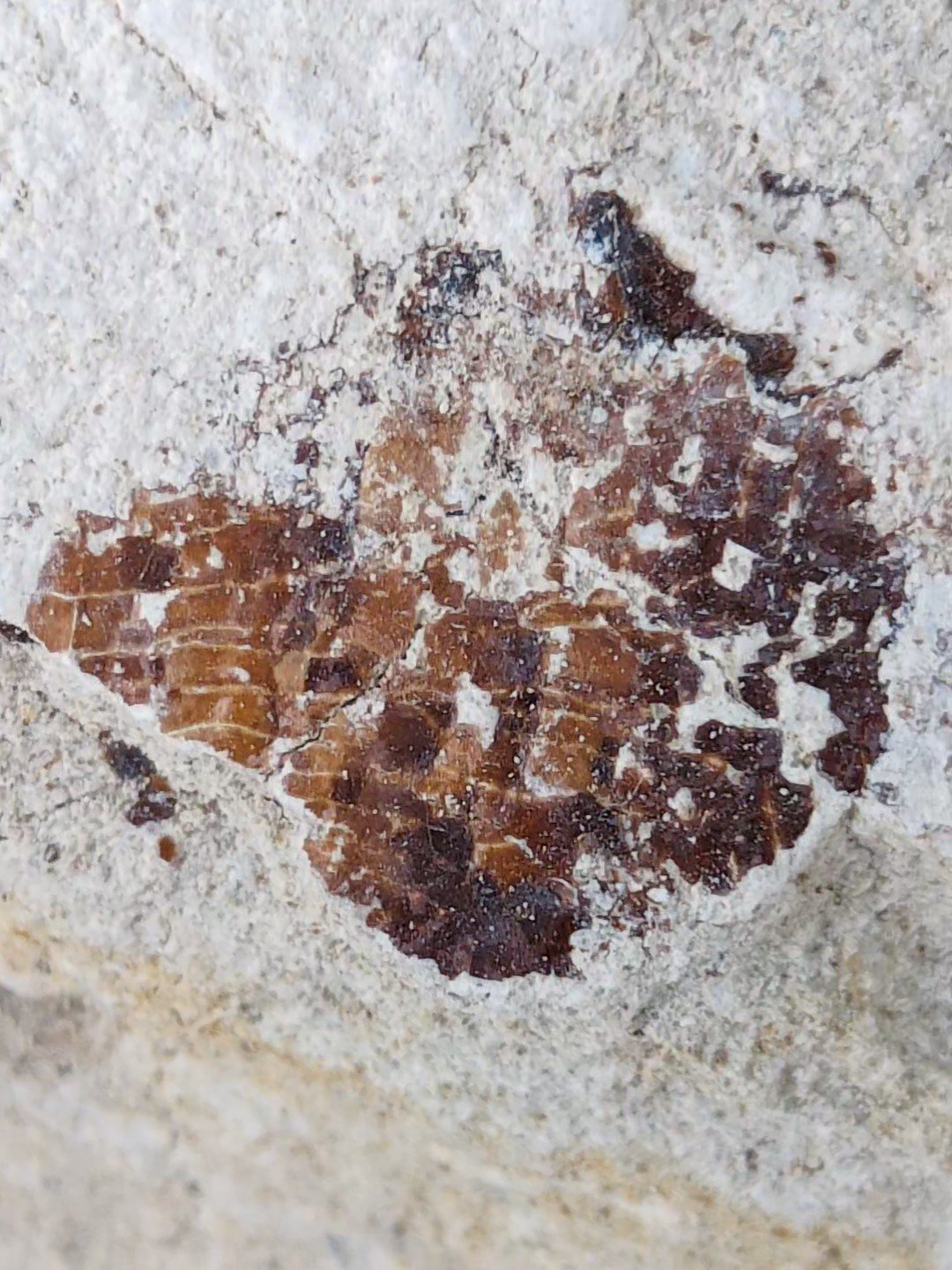




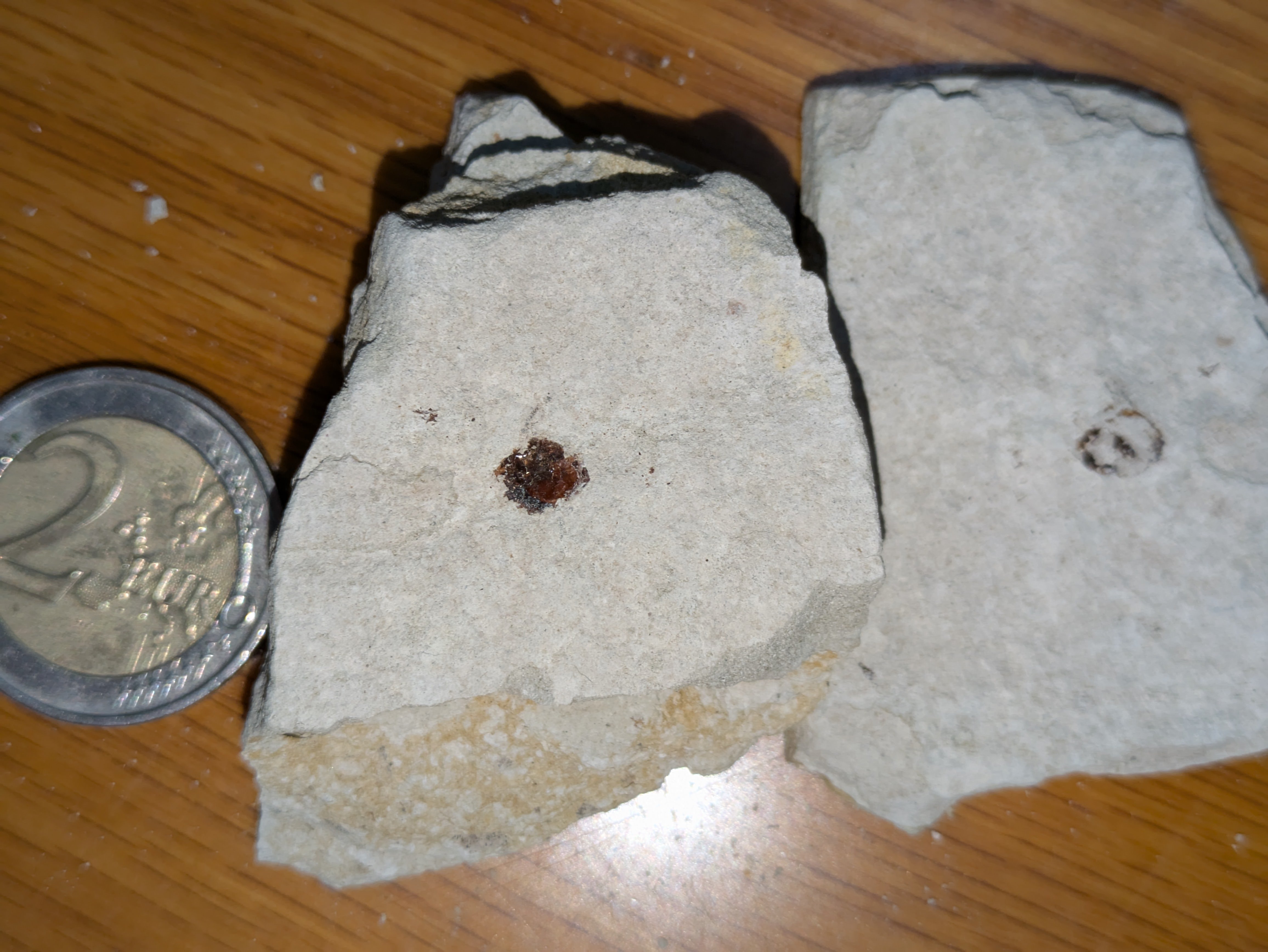
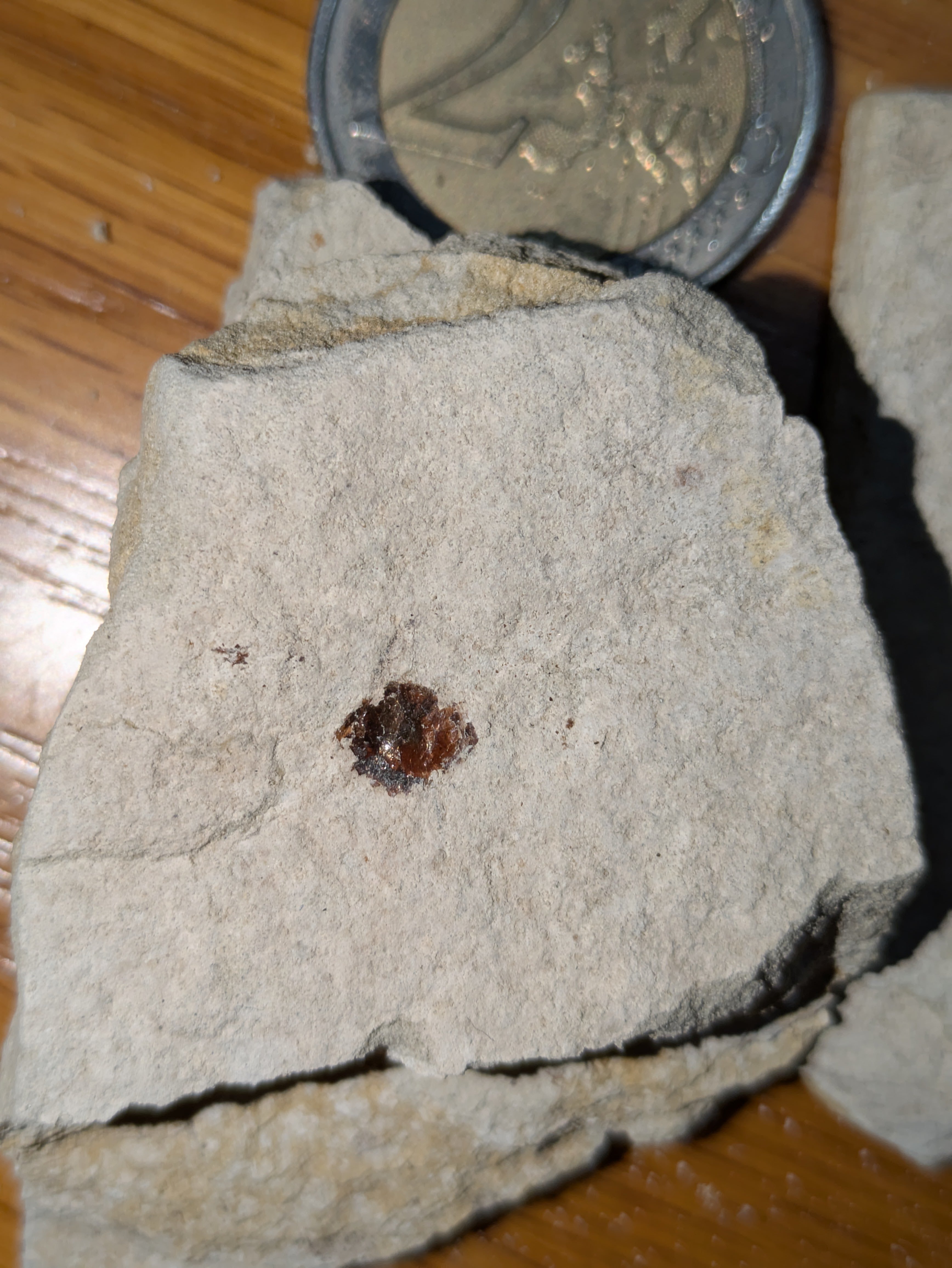
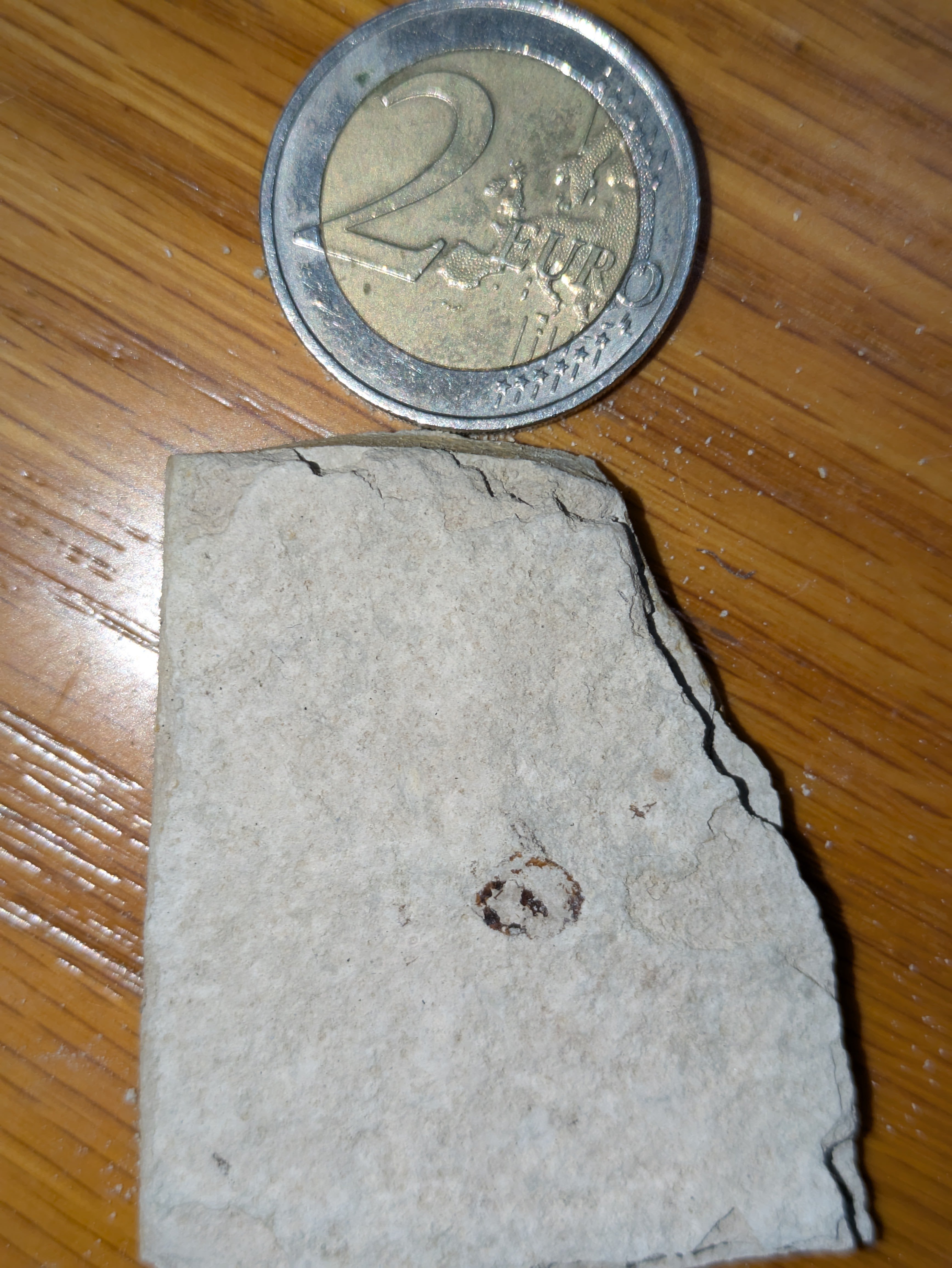

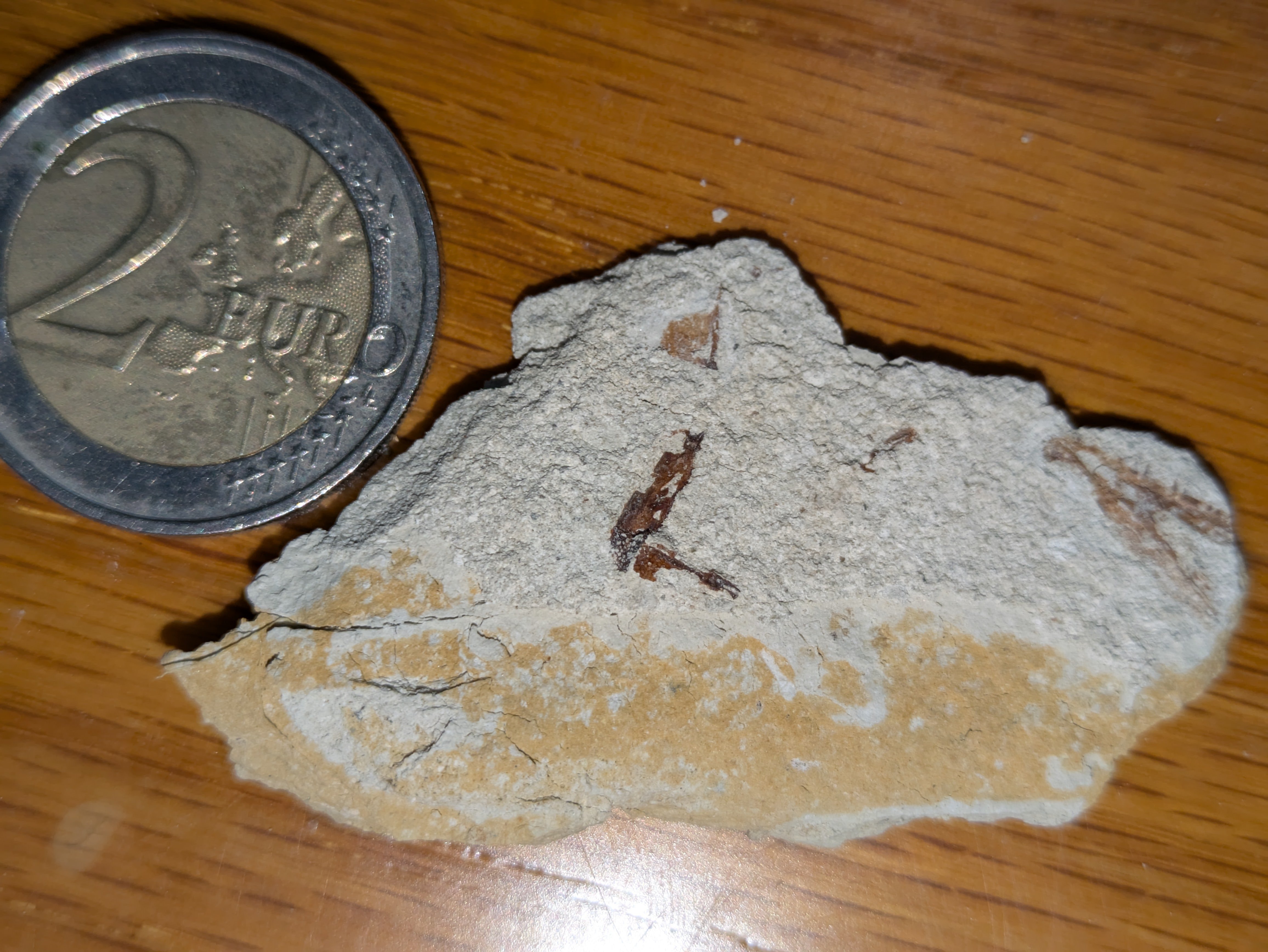


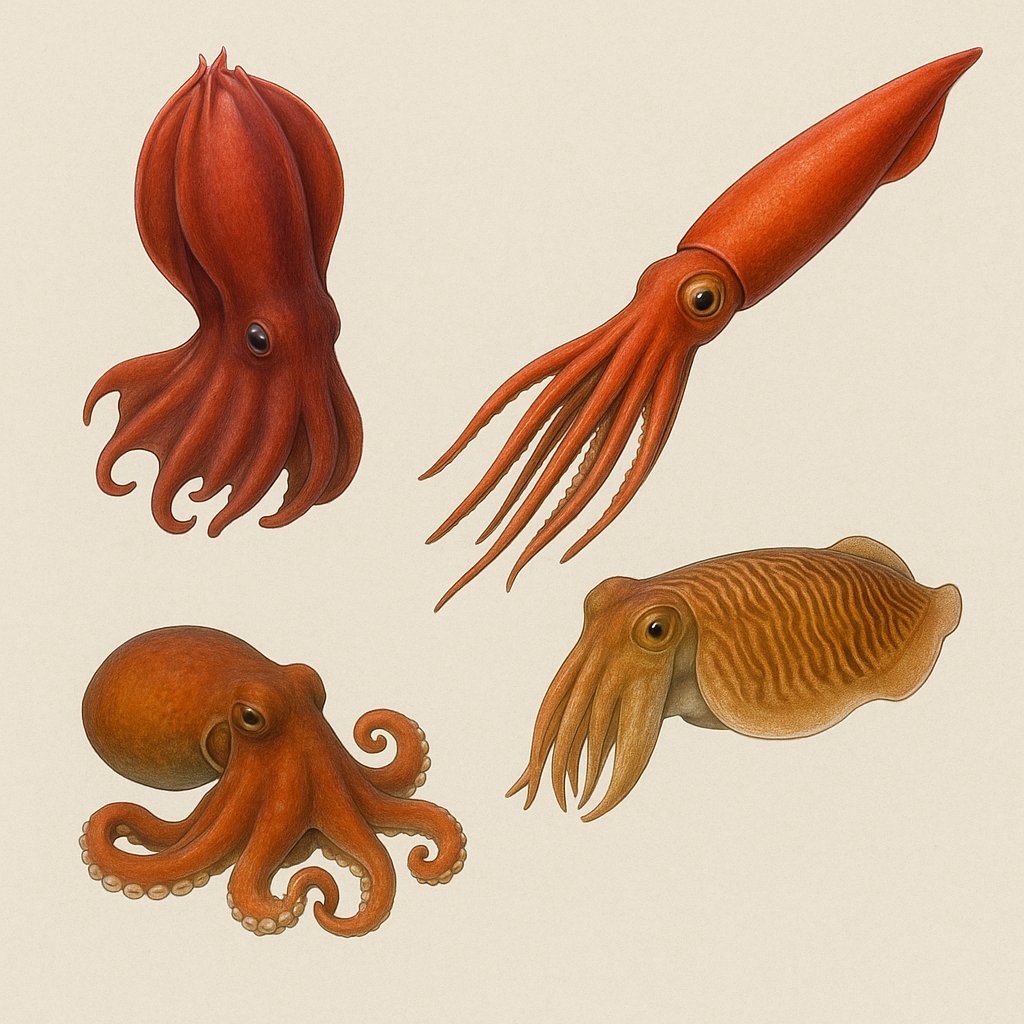
Coleoidea
1 specimen

Coleoidea
1 specimen

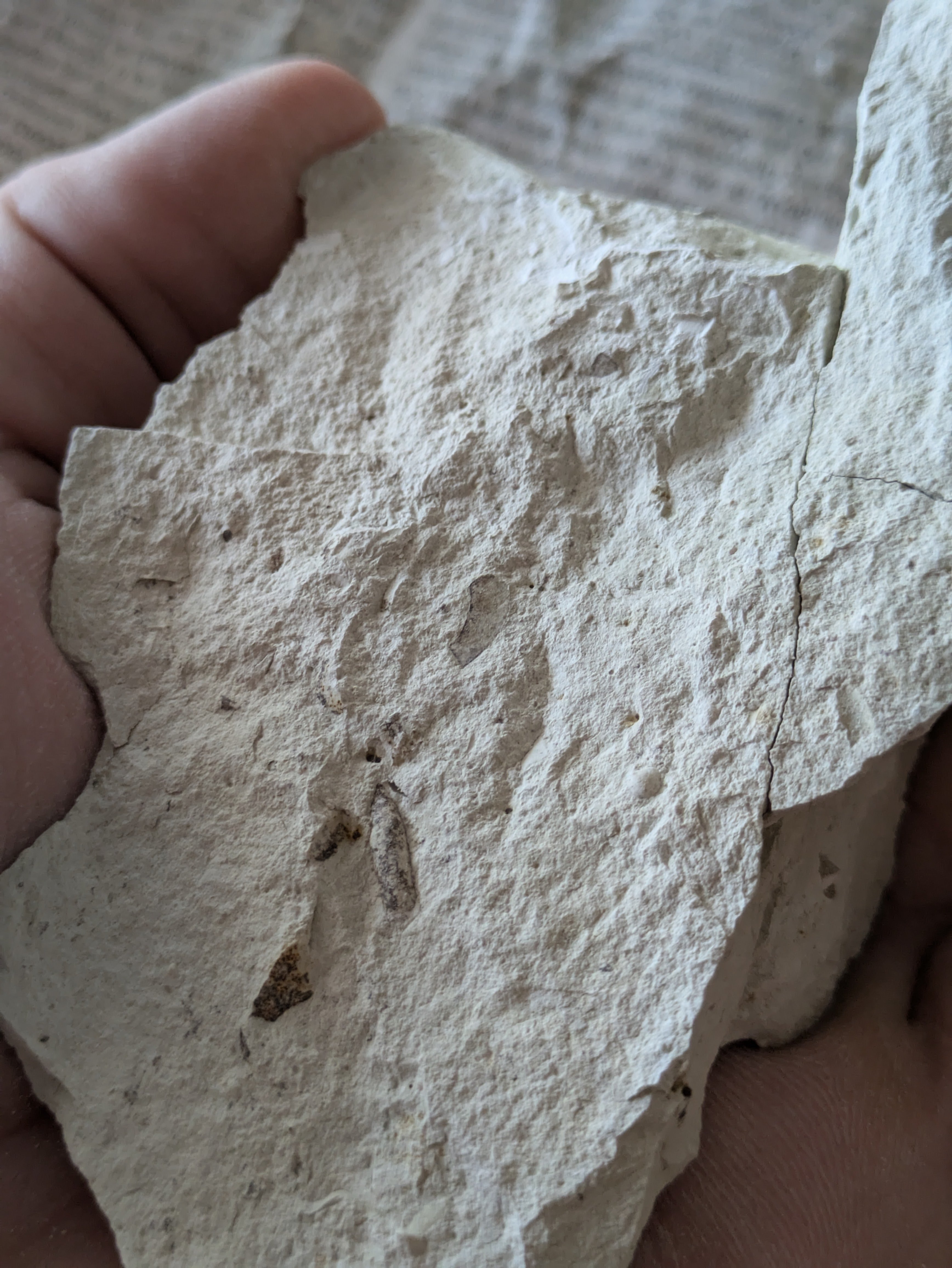
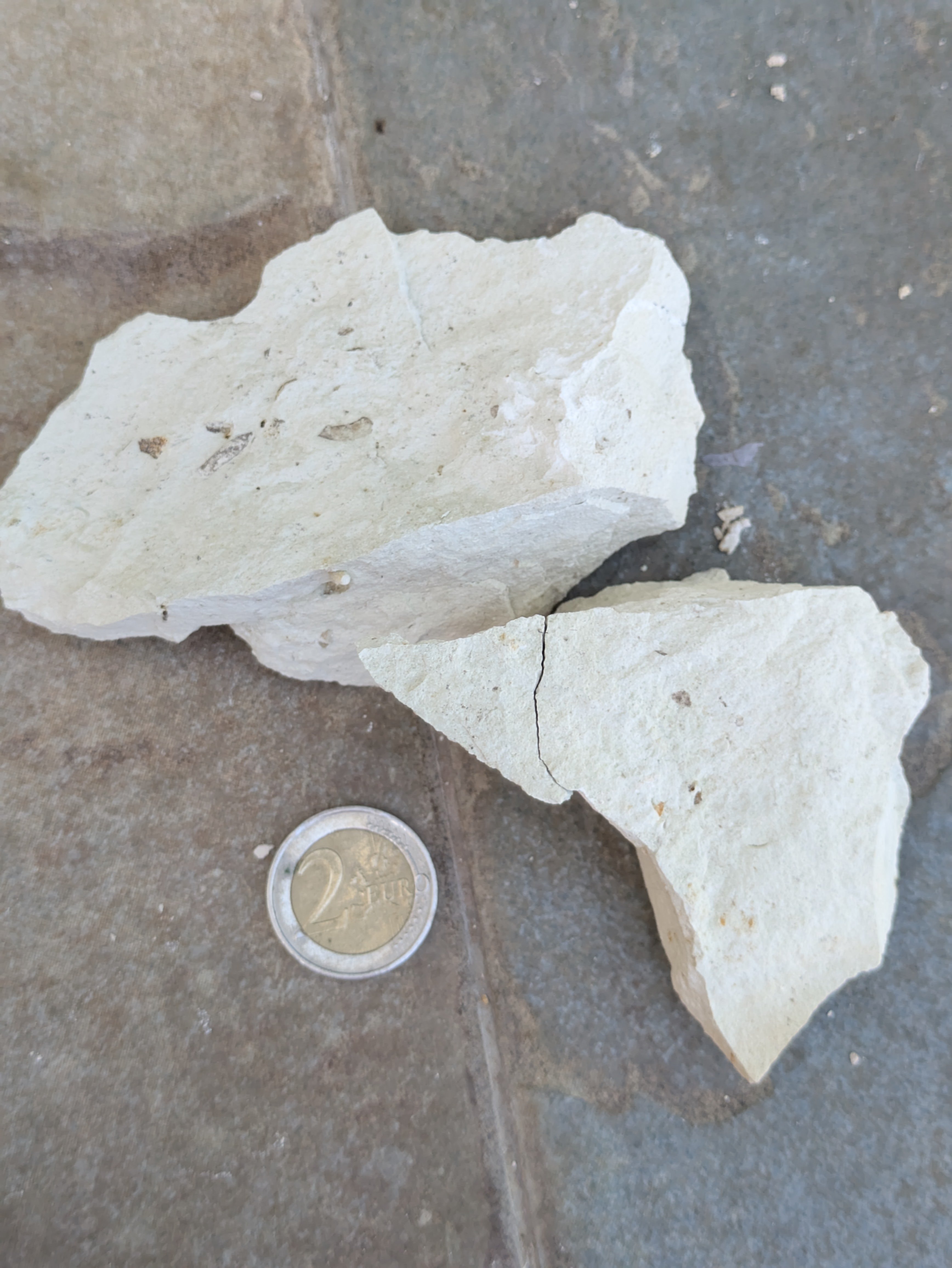
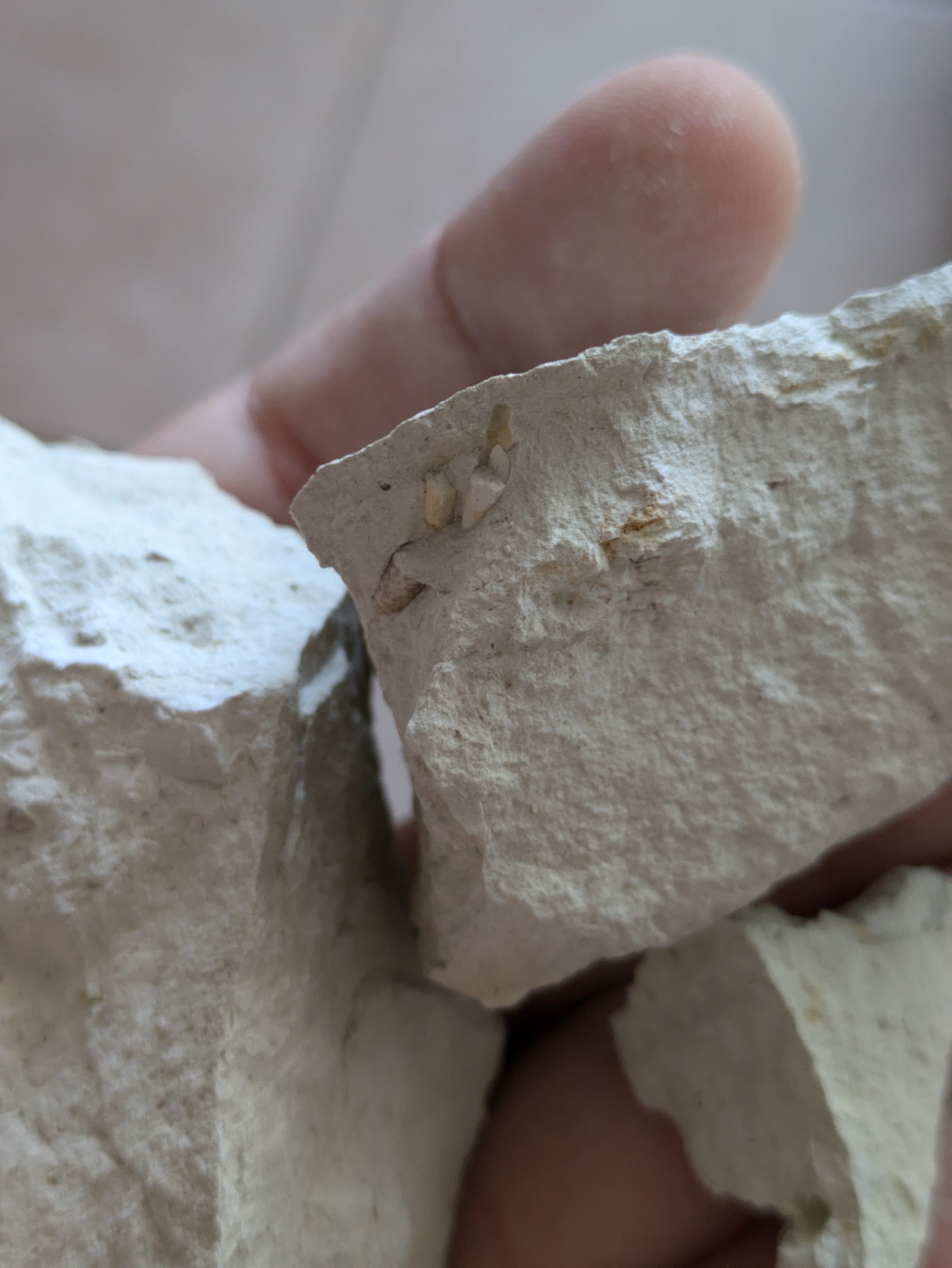
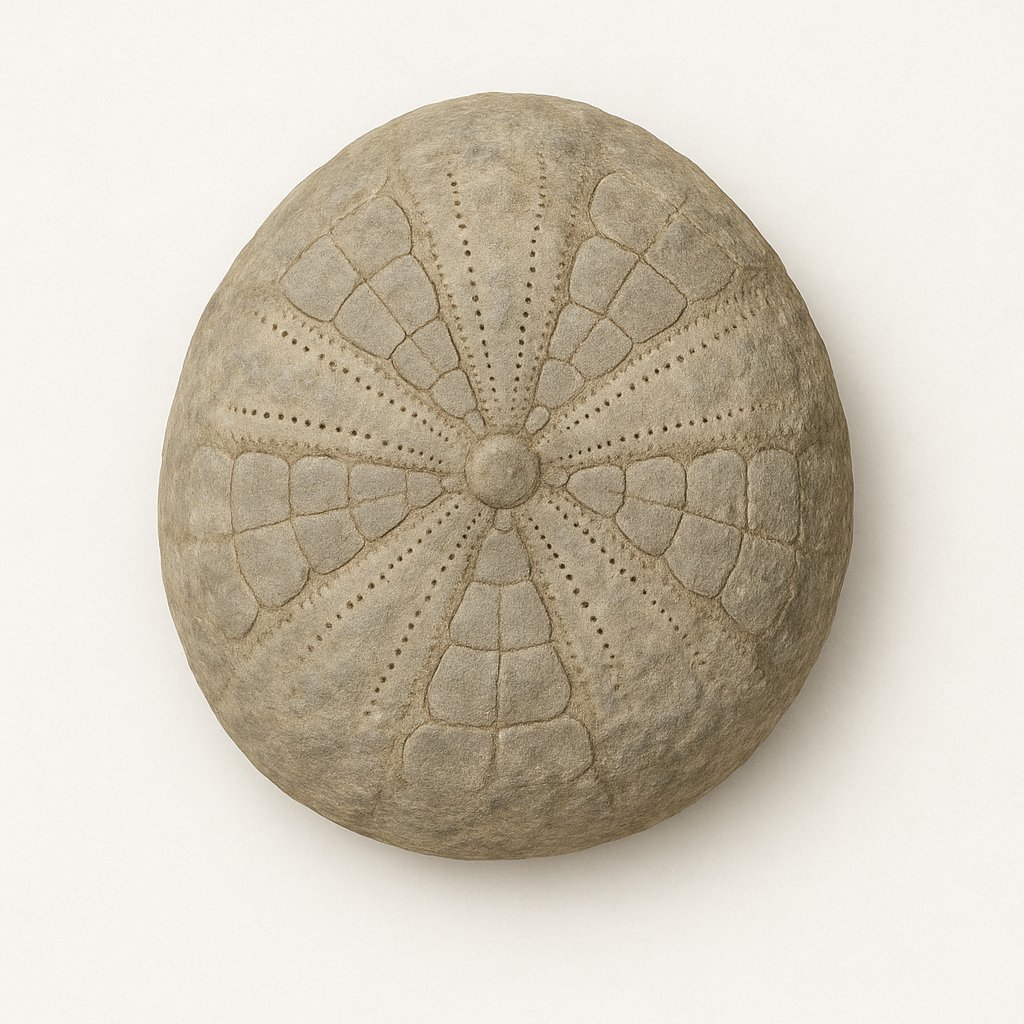
†Heterobrissus montesi
2 specimens

†Heterobrissus montesi
2 specimens

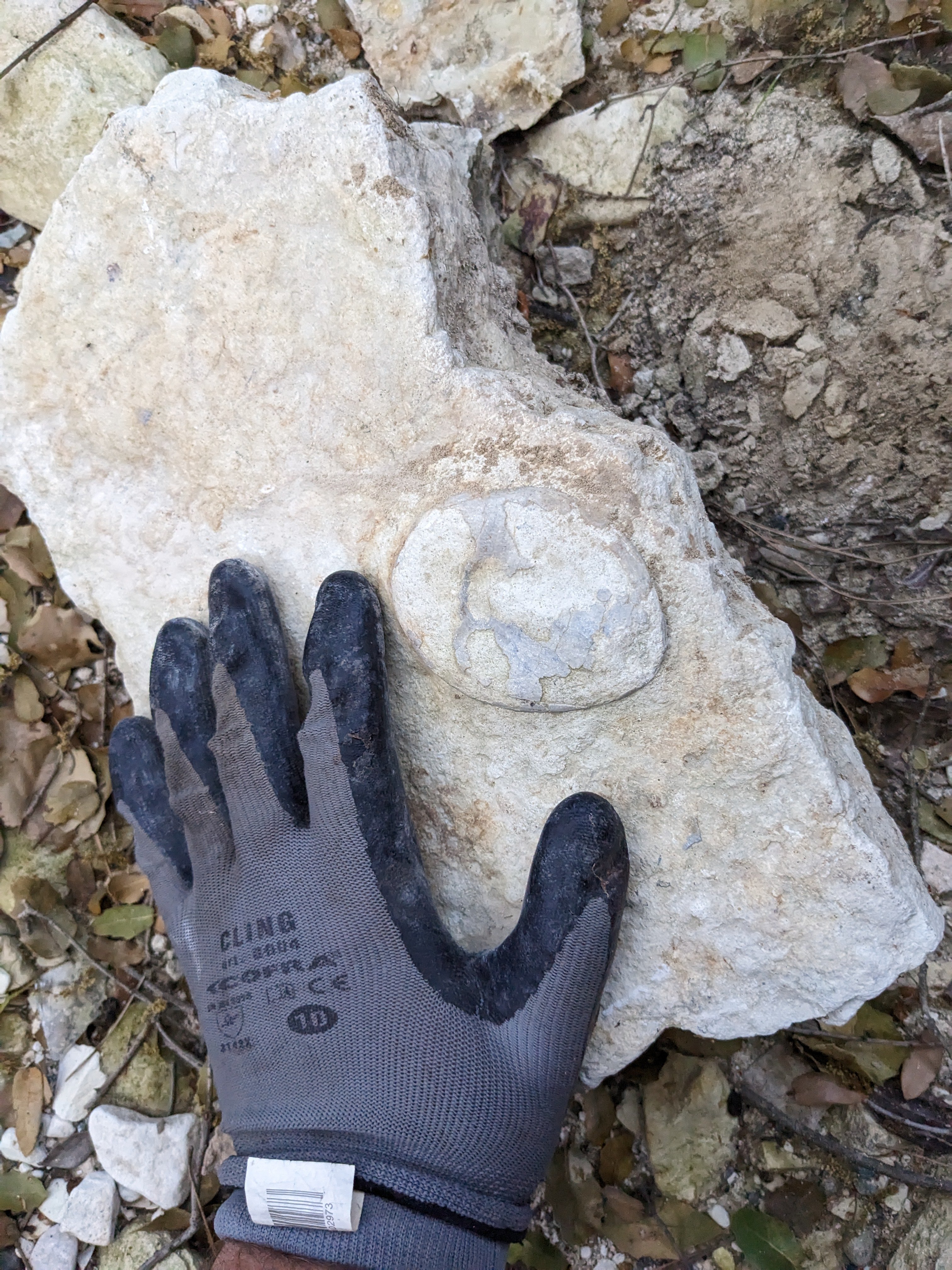
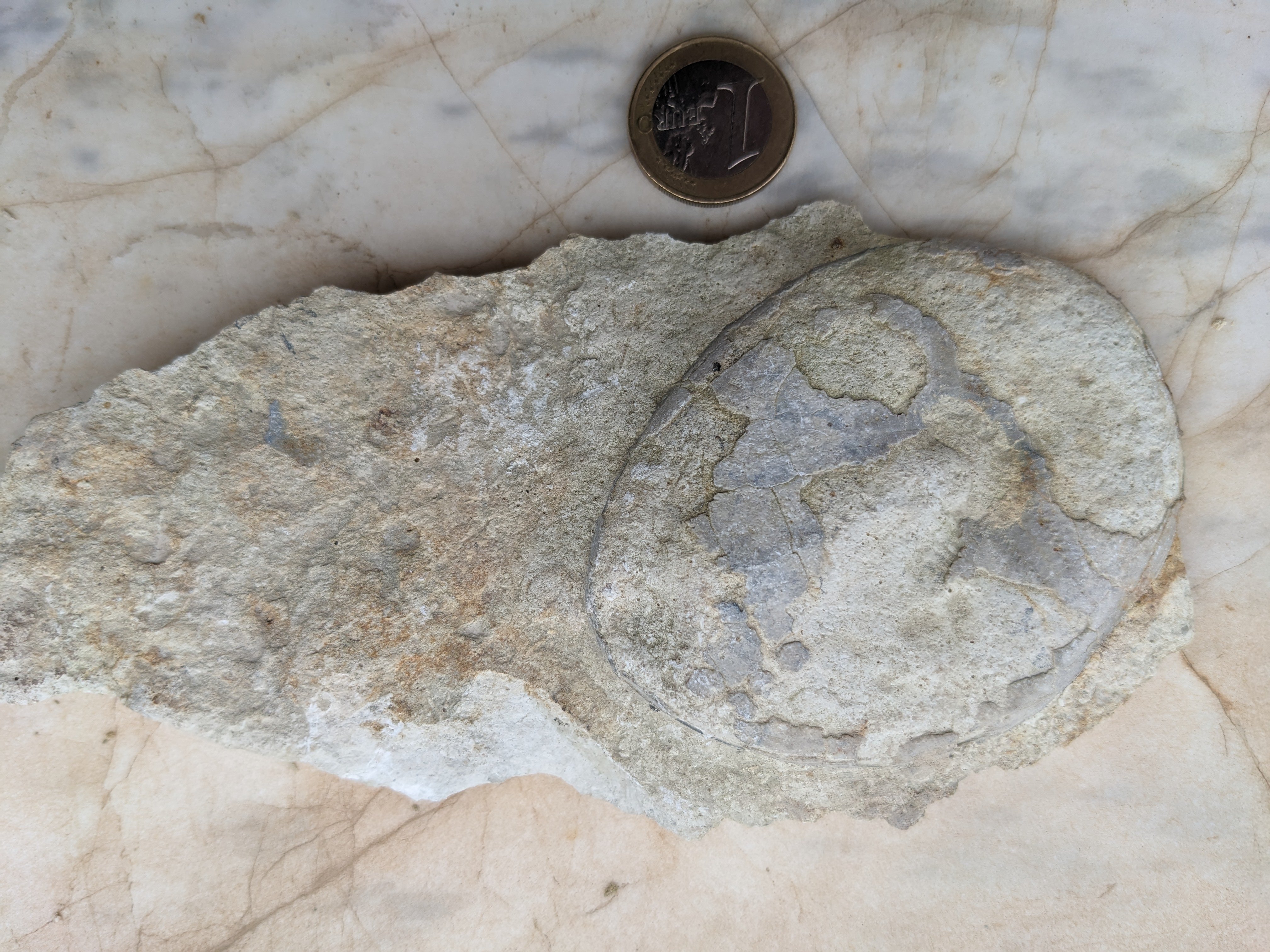


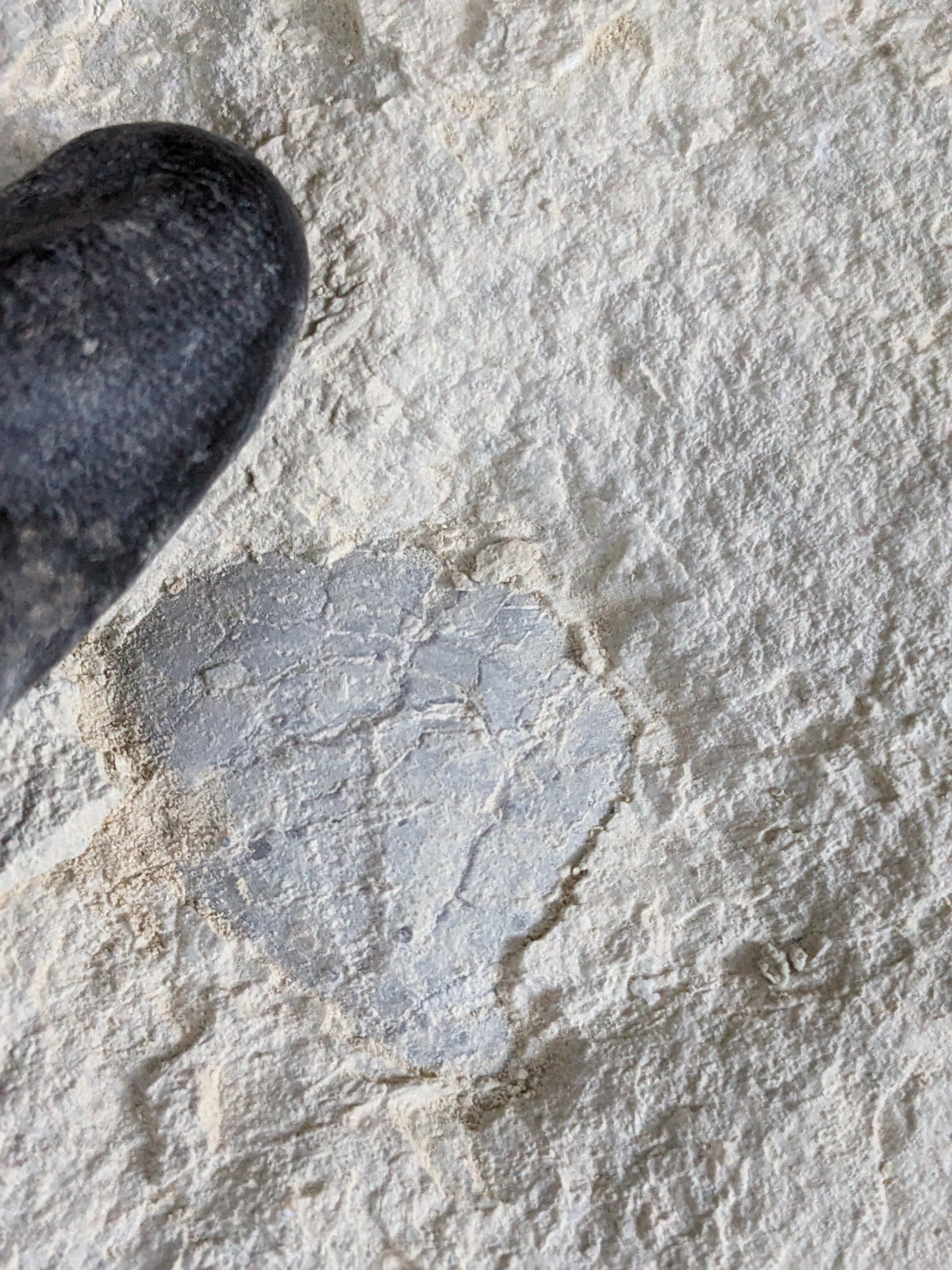
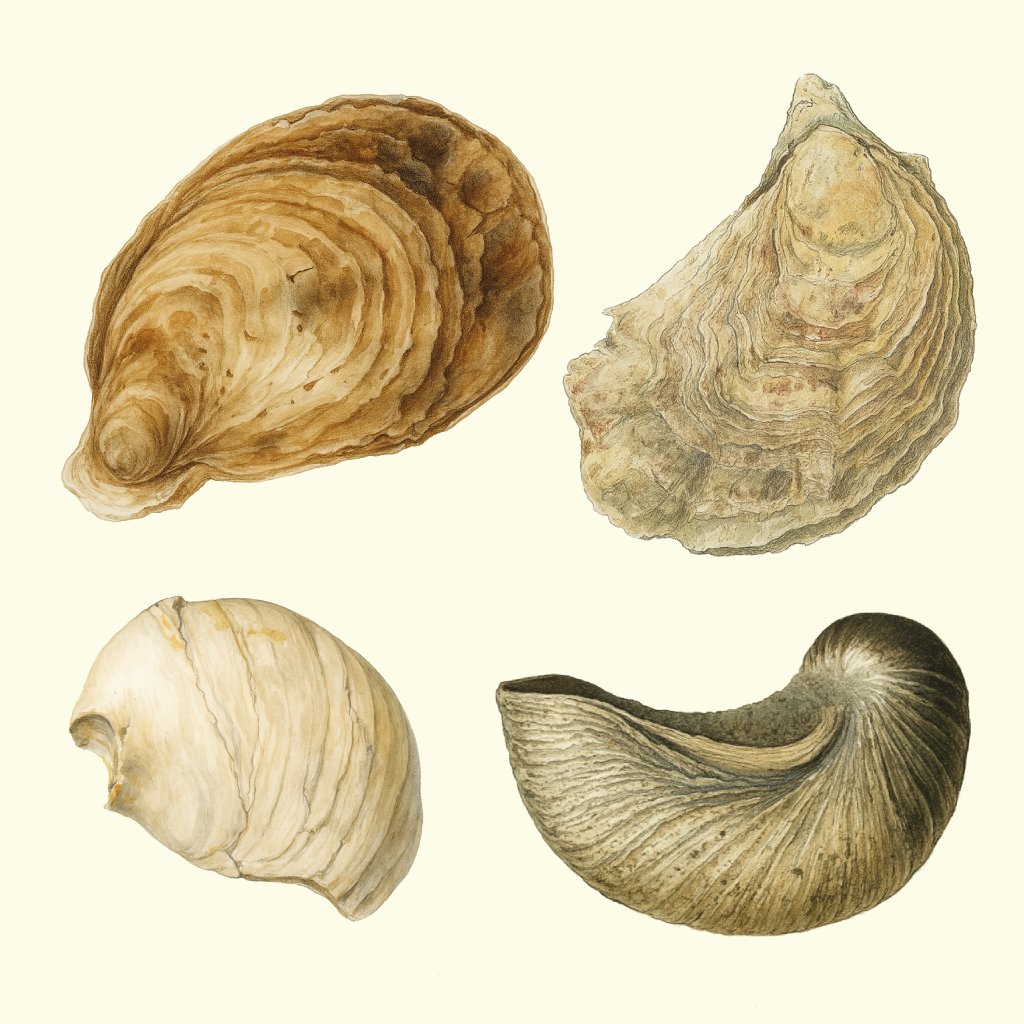
Ostreida
1 specimen

Ostreida
1 specimen

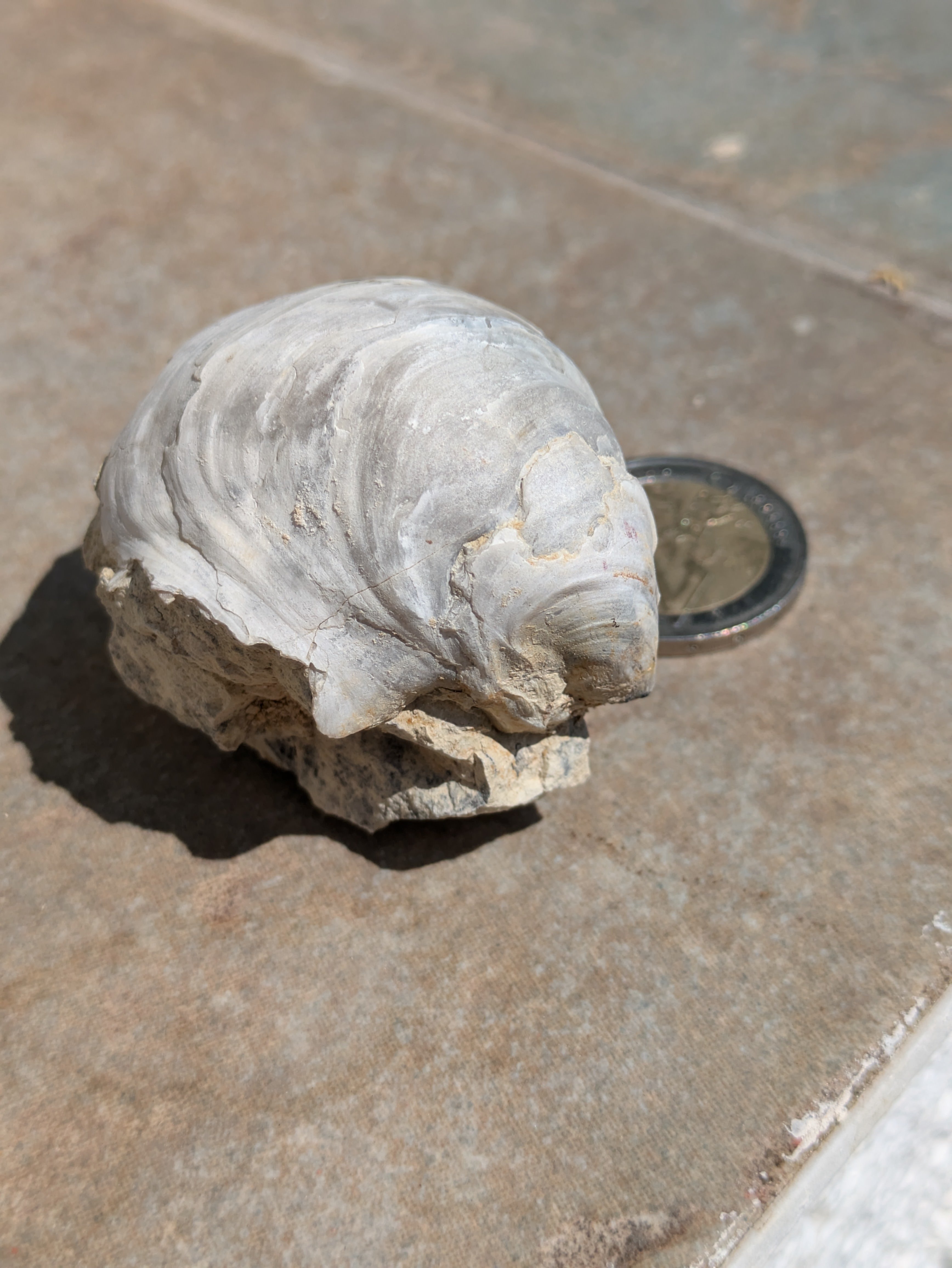
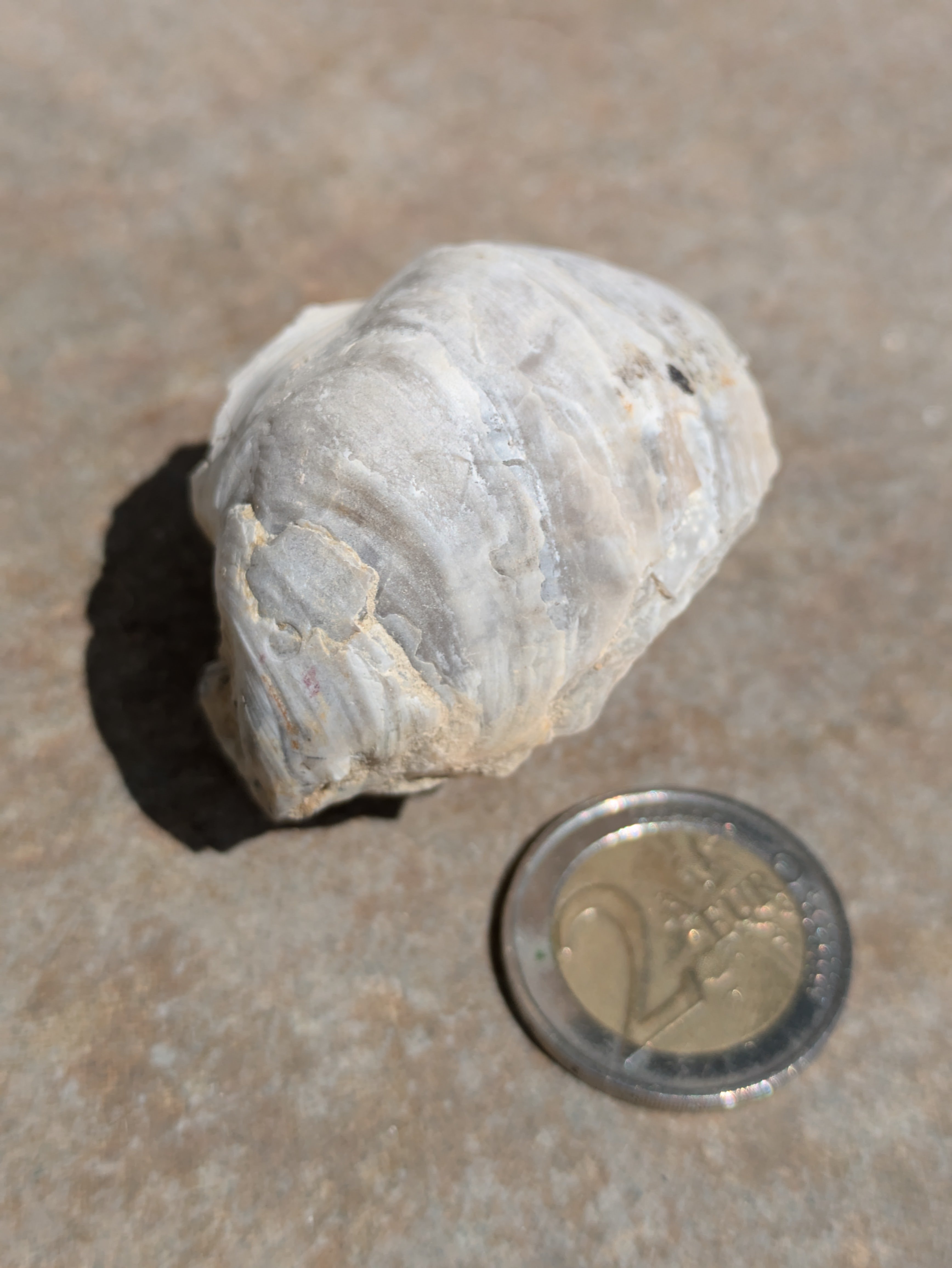
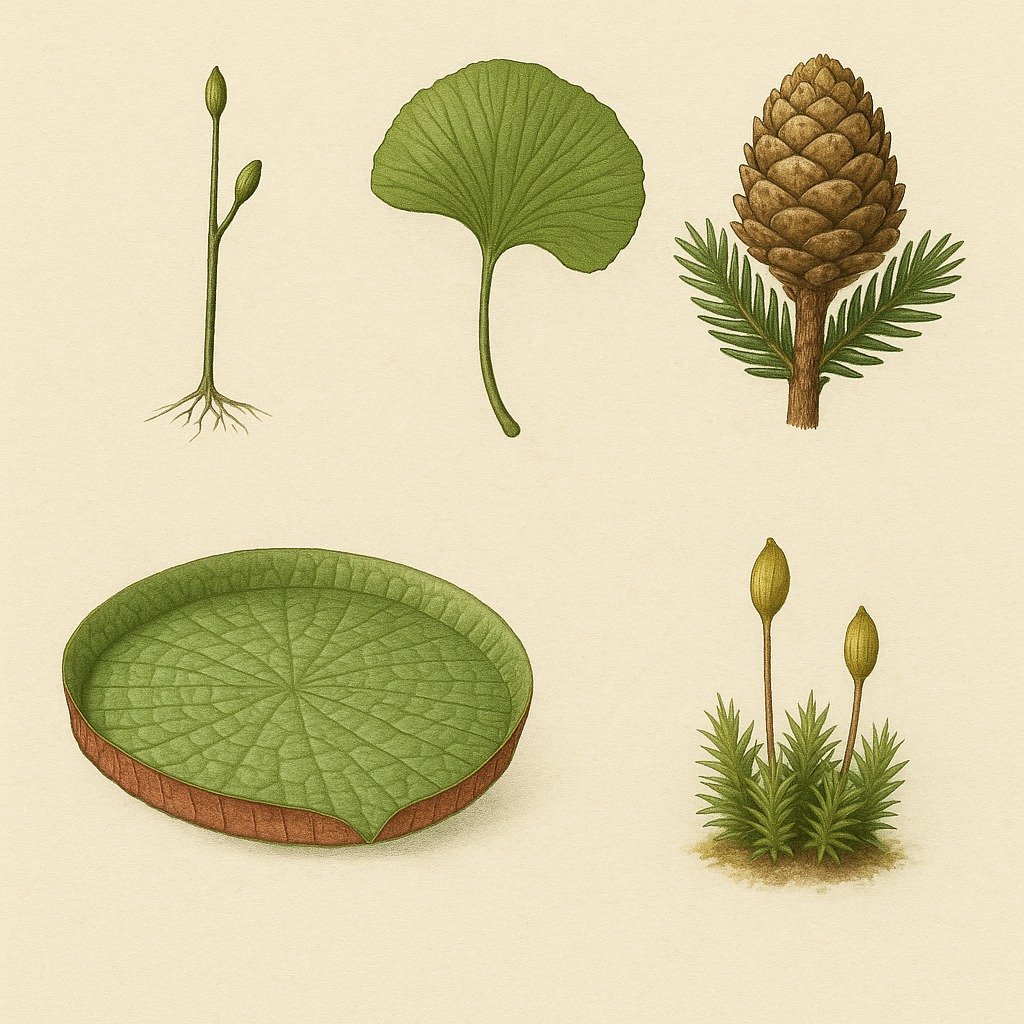
Plantae
5 specimens

Plantae
5 specimens
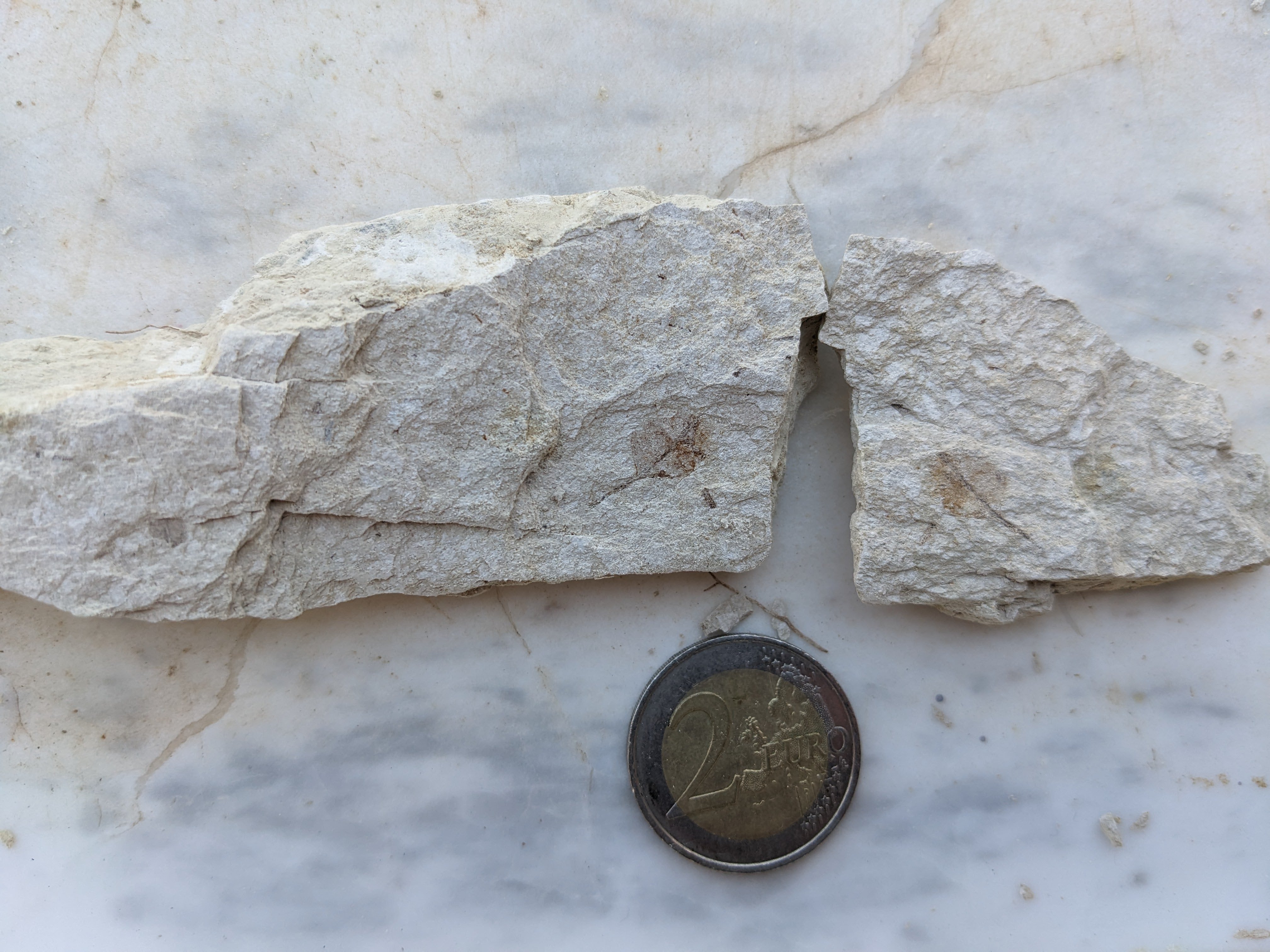

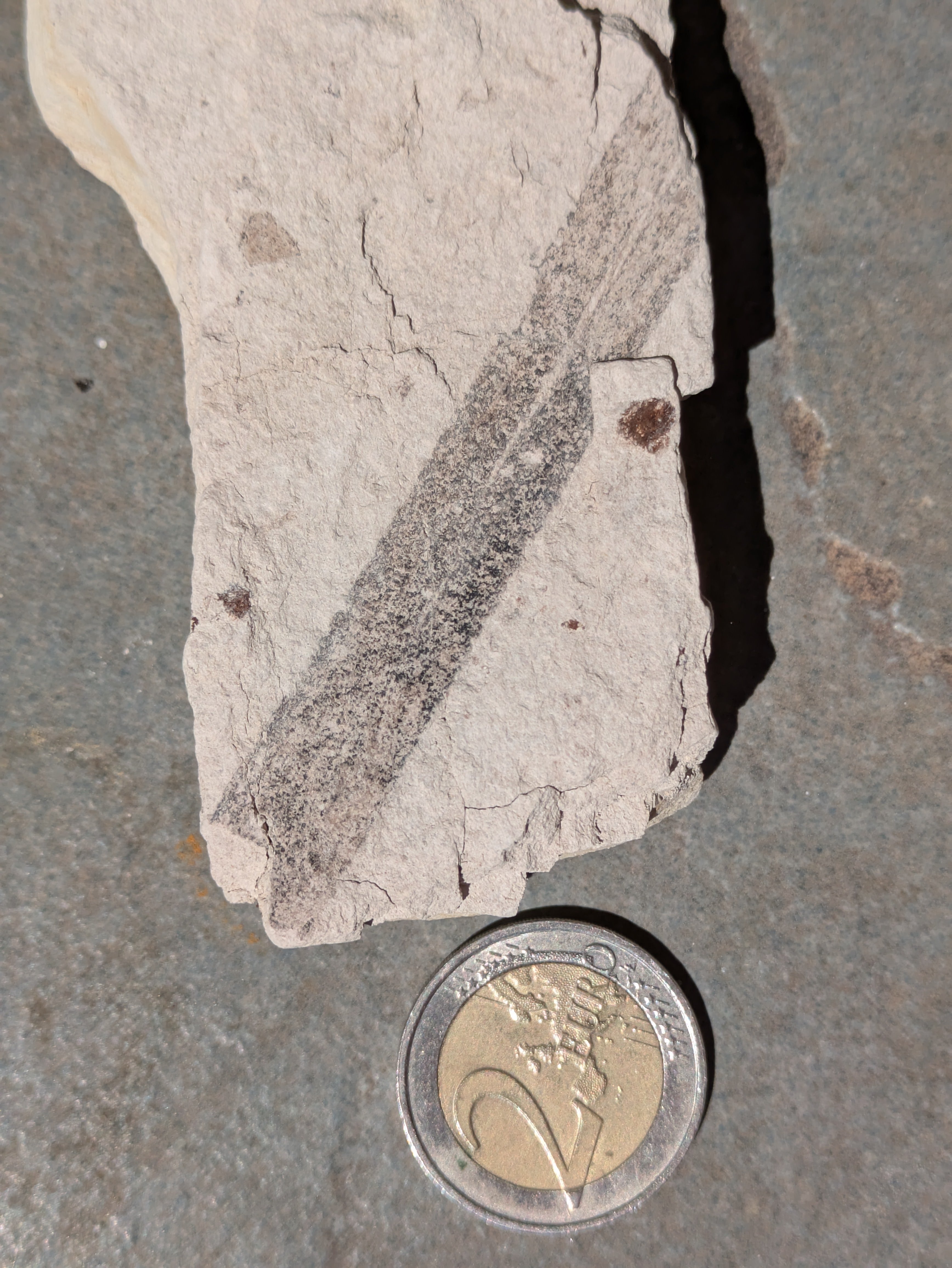


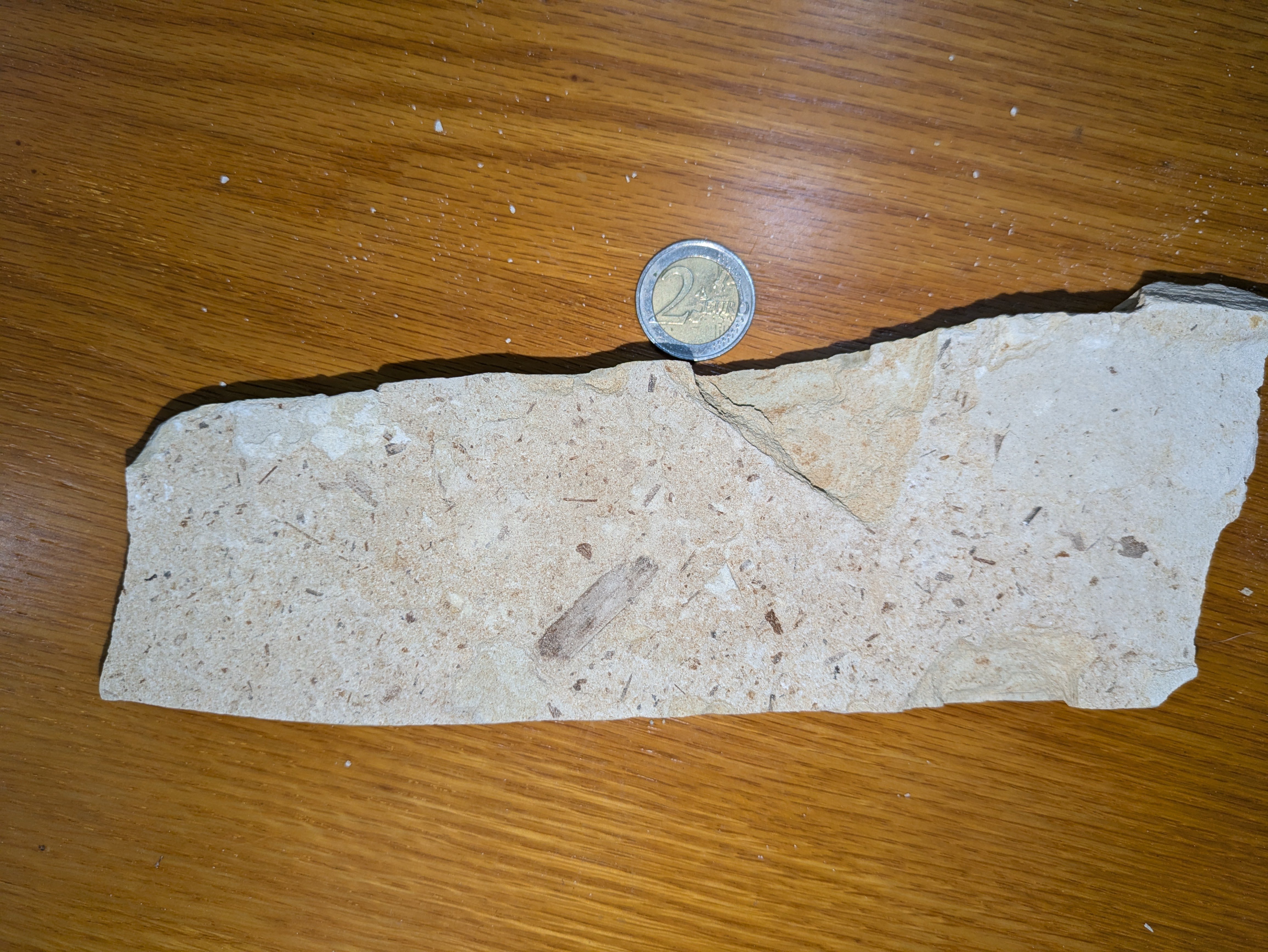
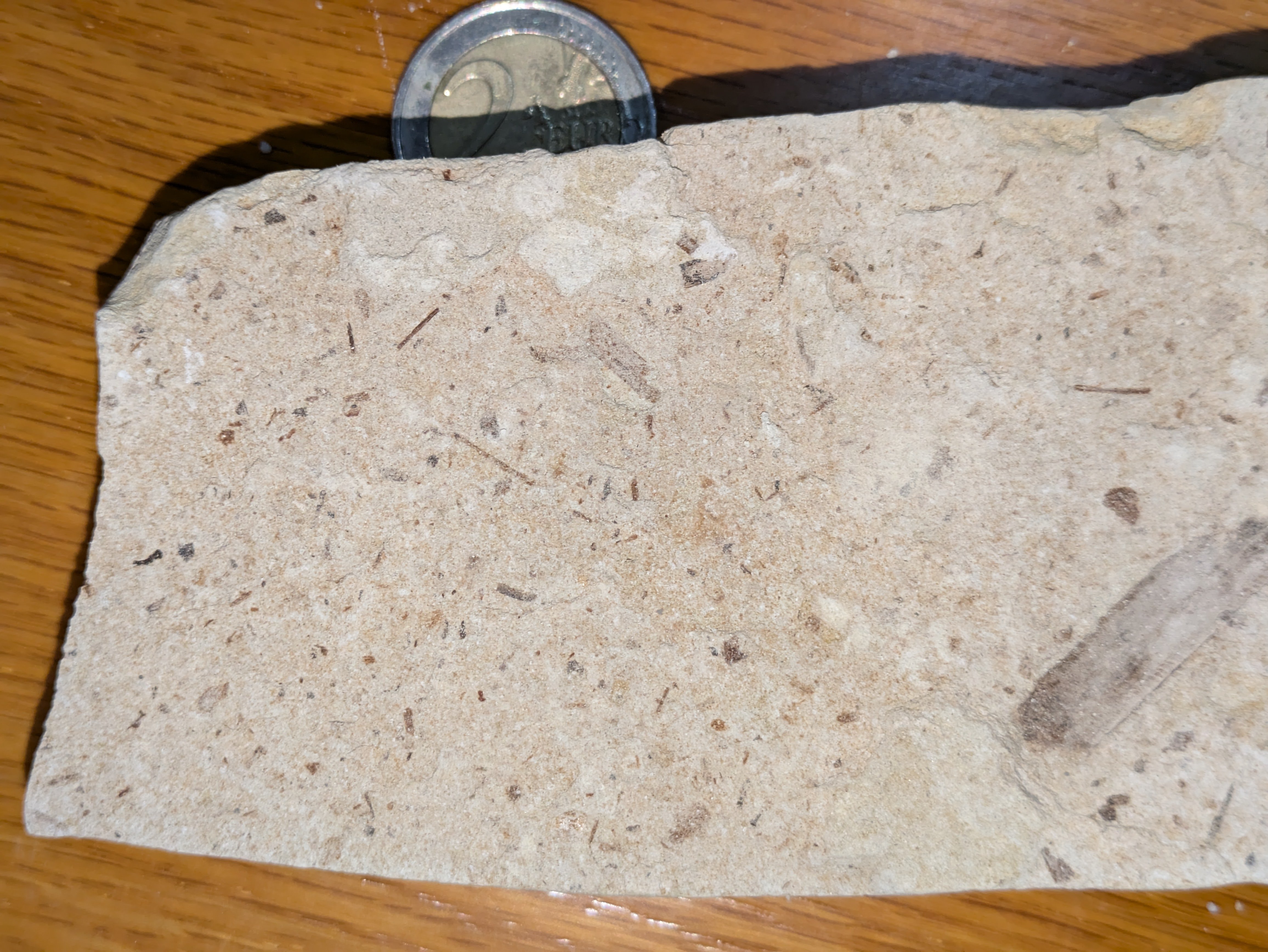

Unclassified
4 specimens

Unclassified
4 specimens



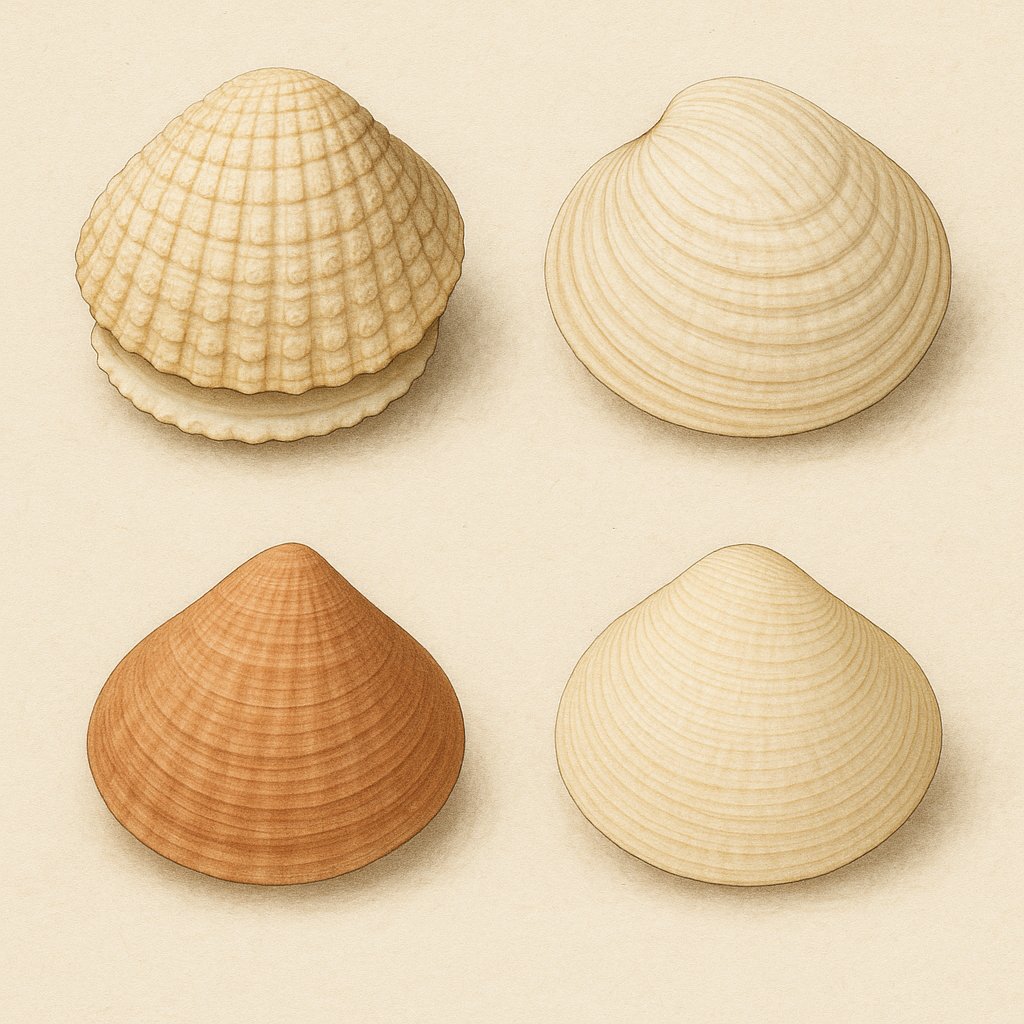
Venus
1 specimen

Venus
1 specimen