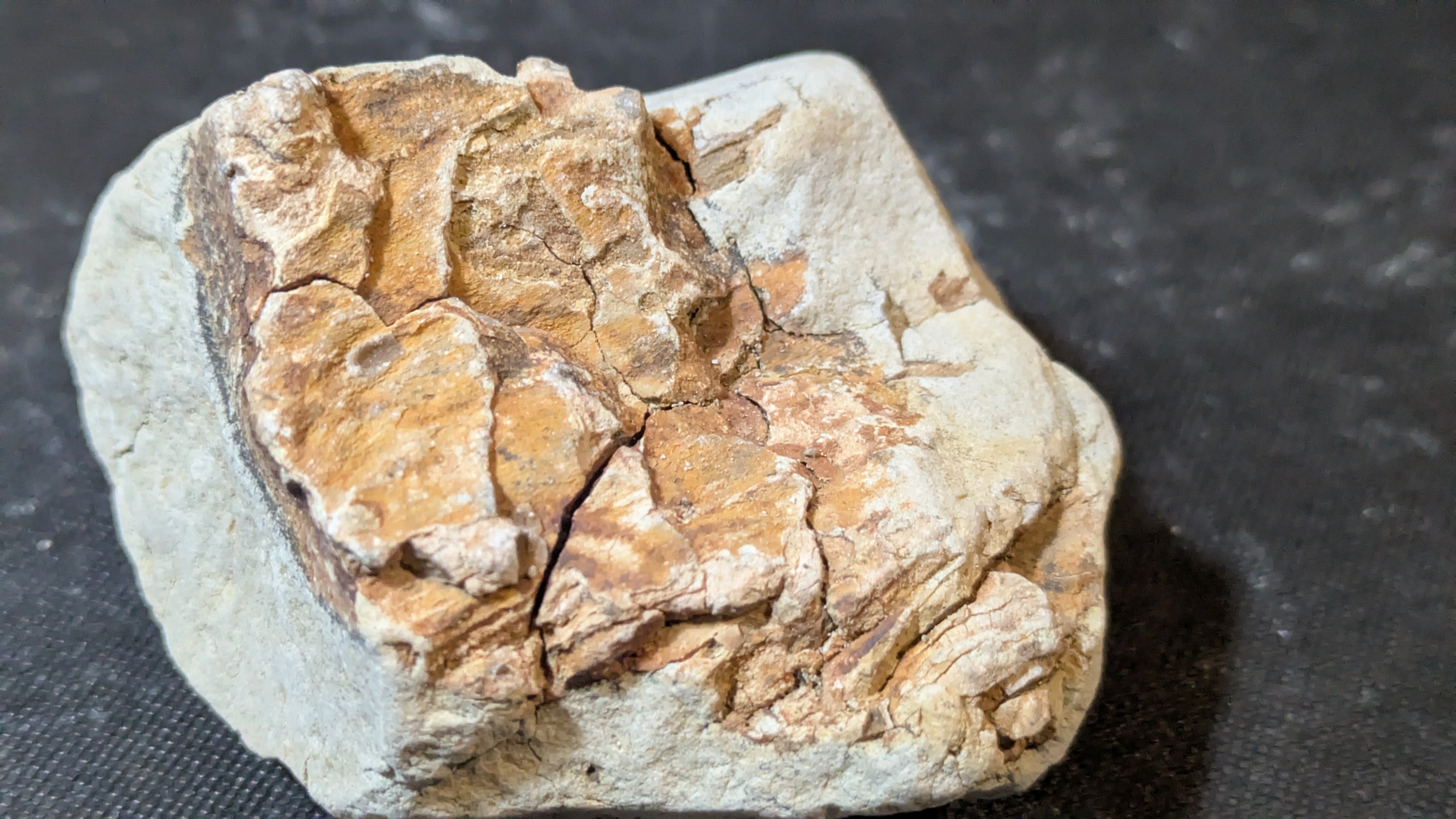
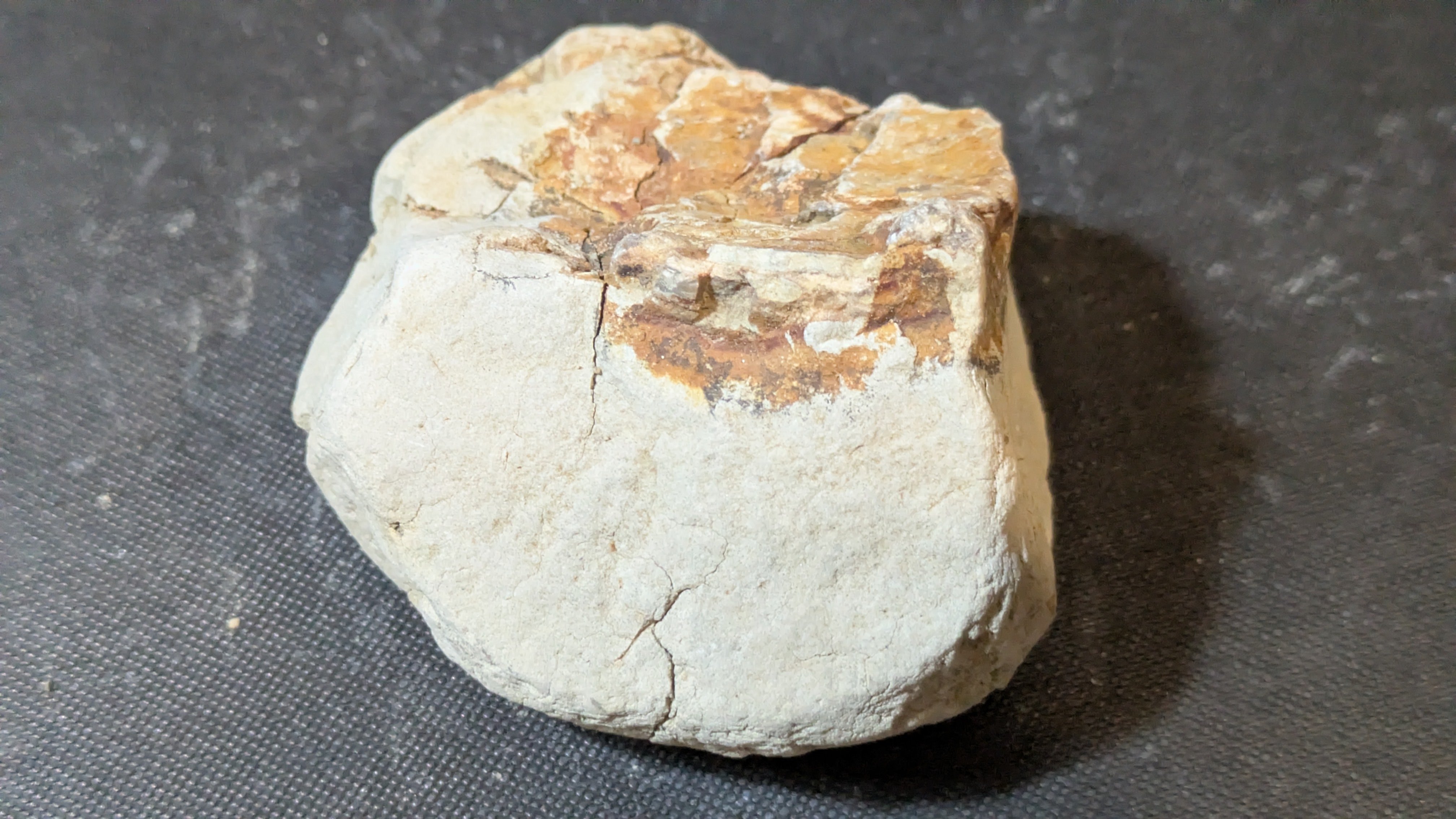
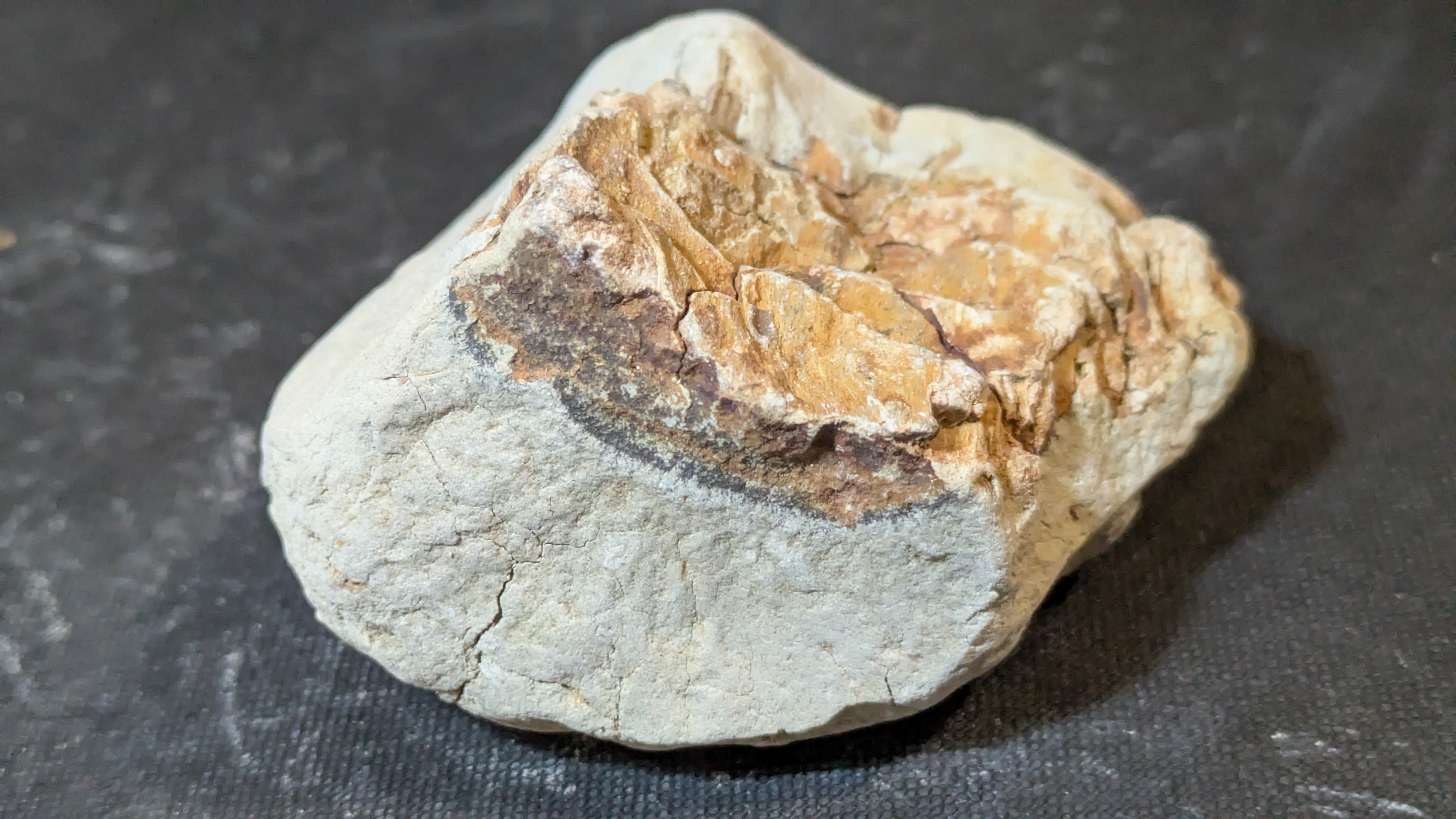
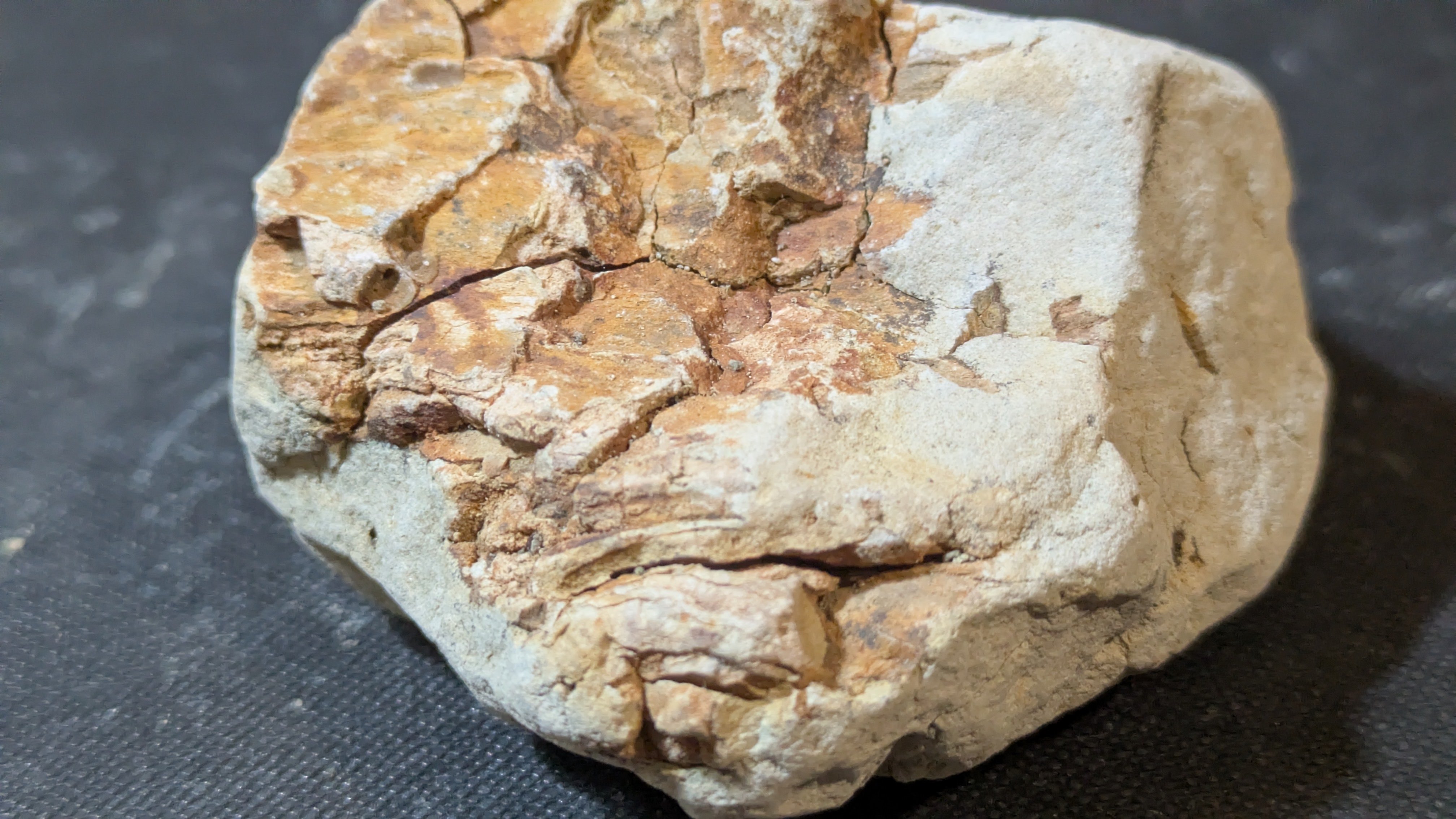
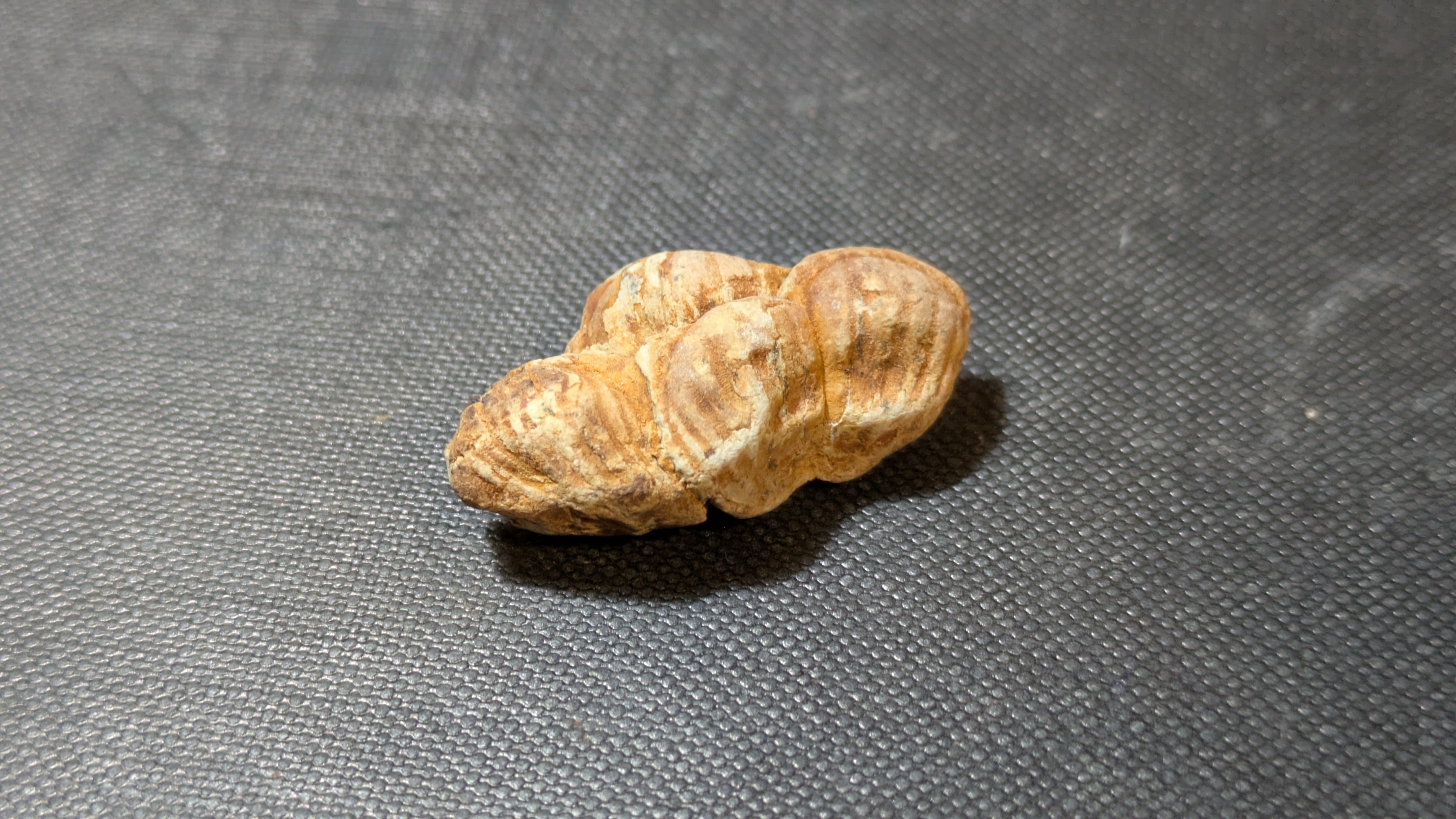
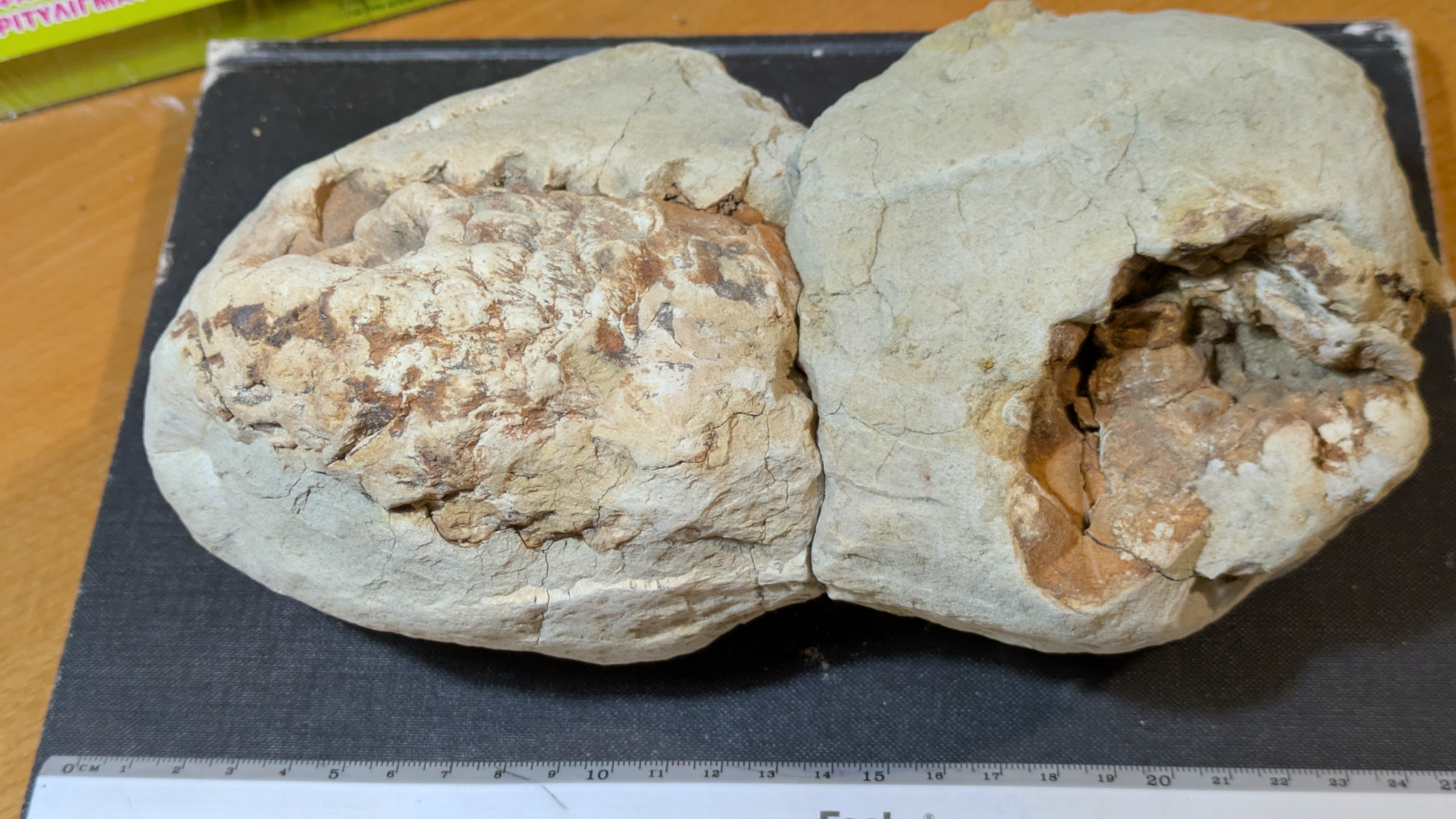
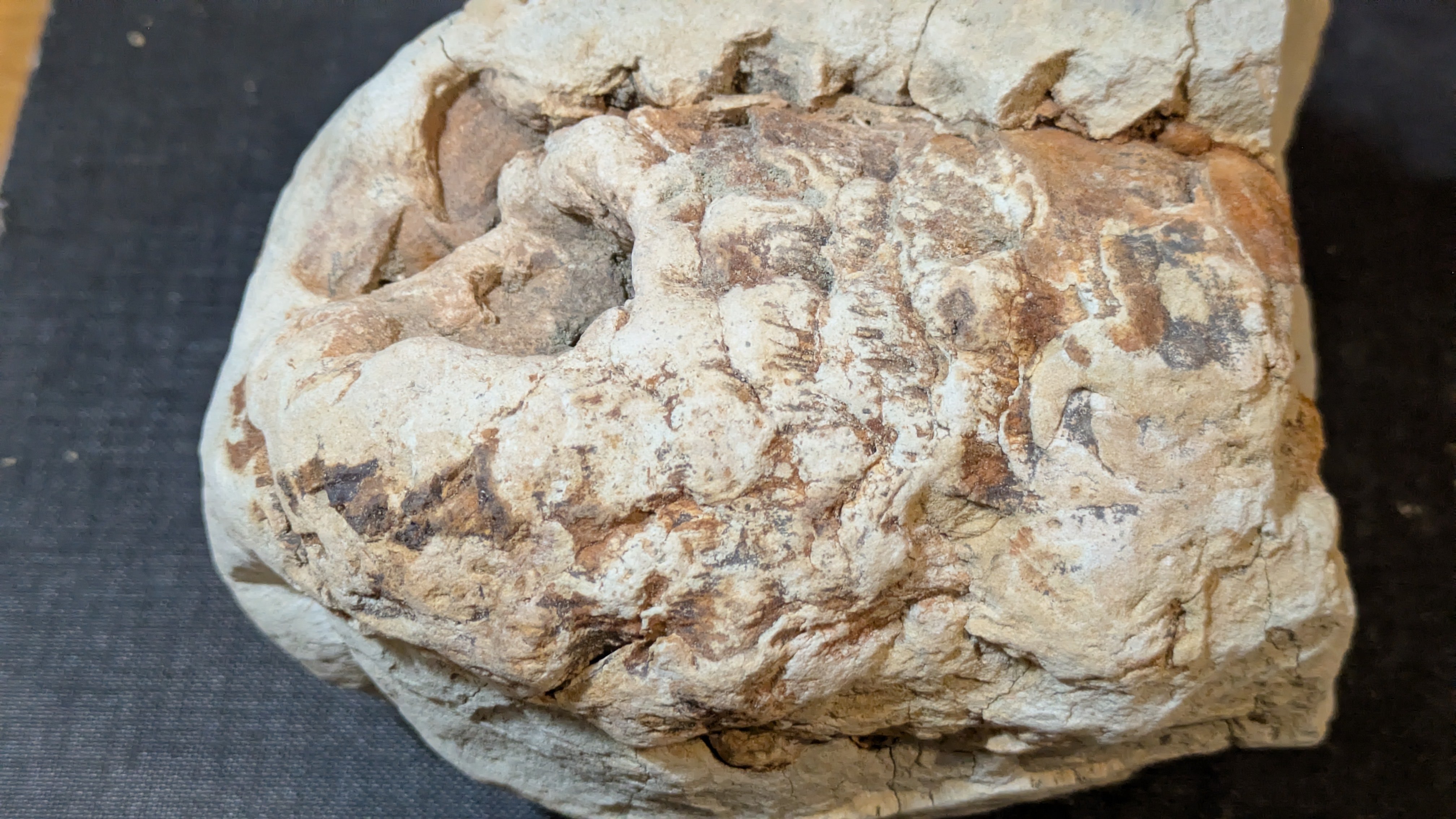
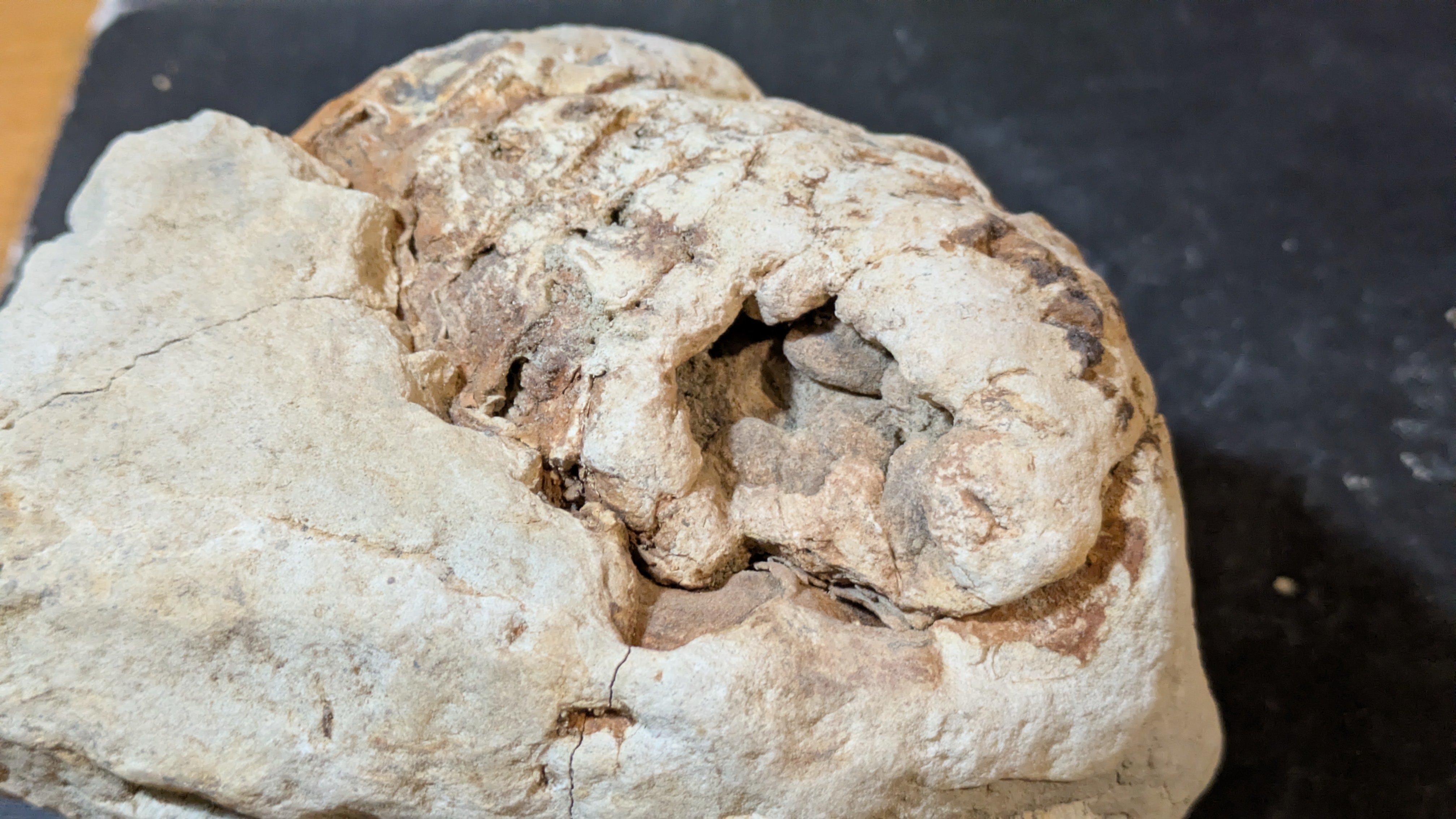
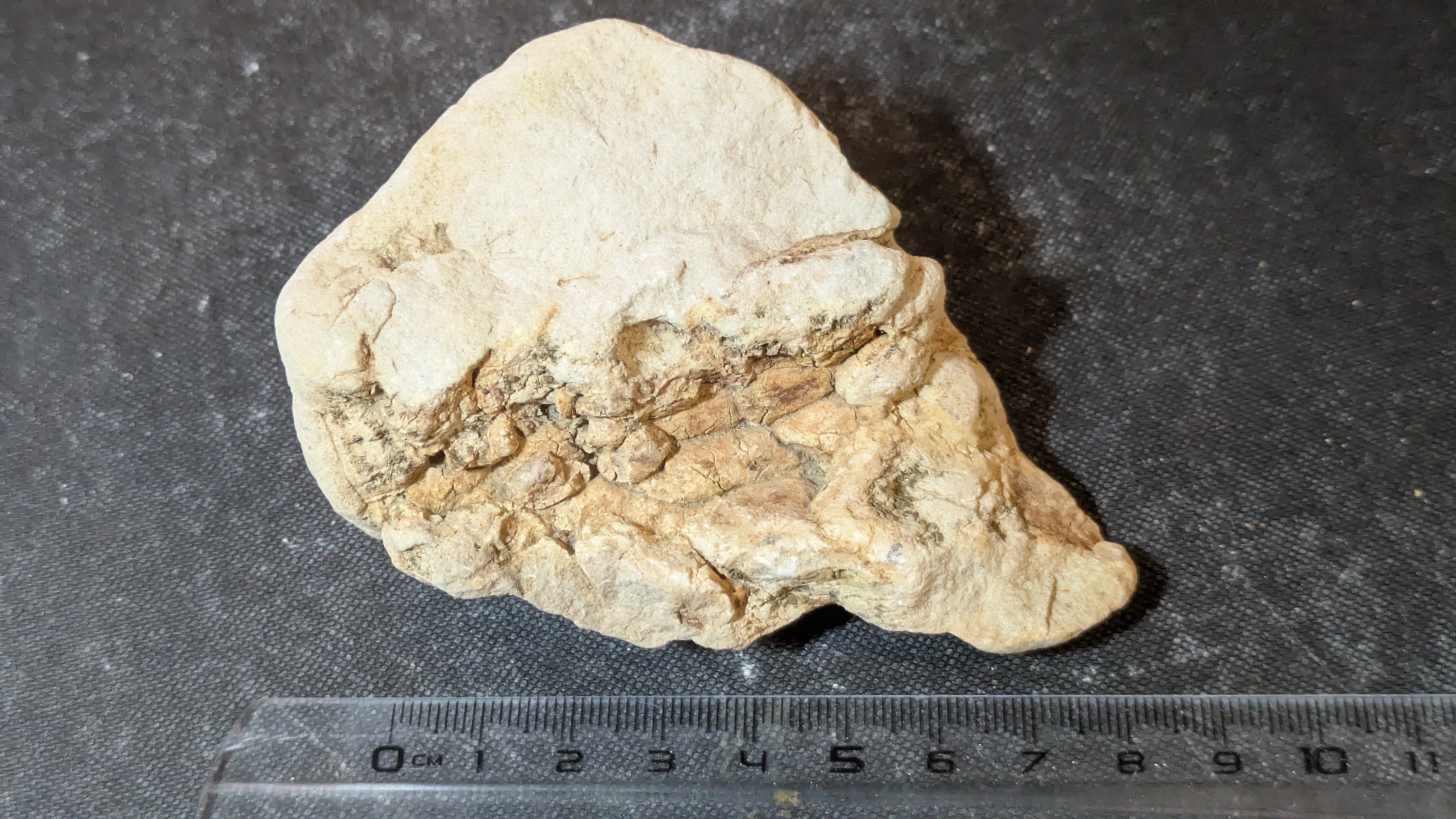
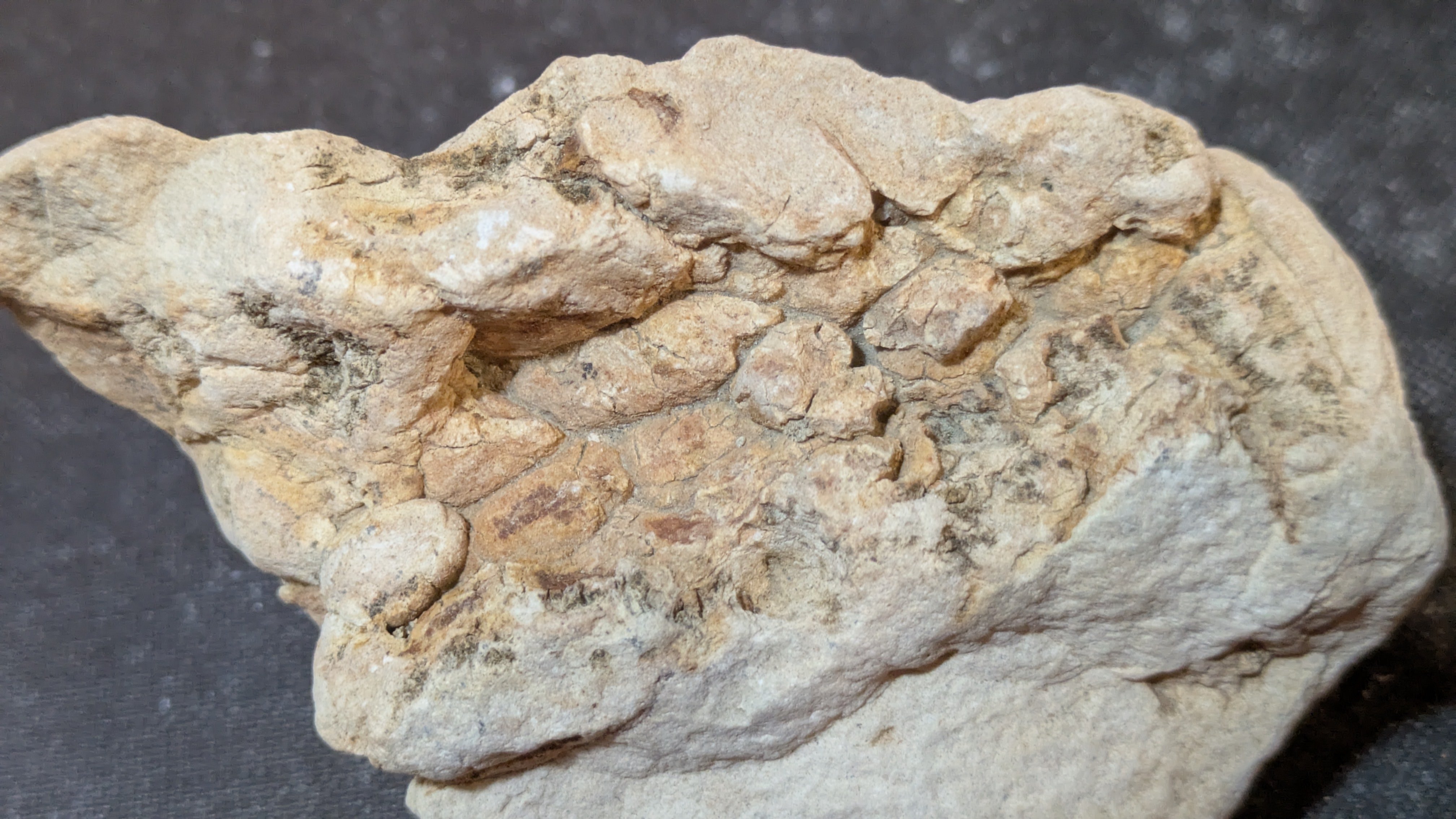
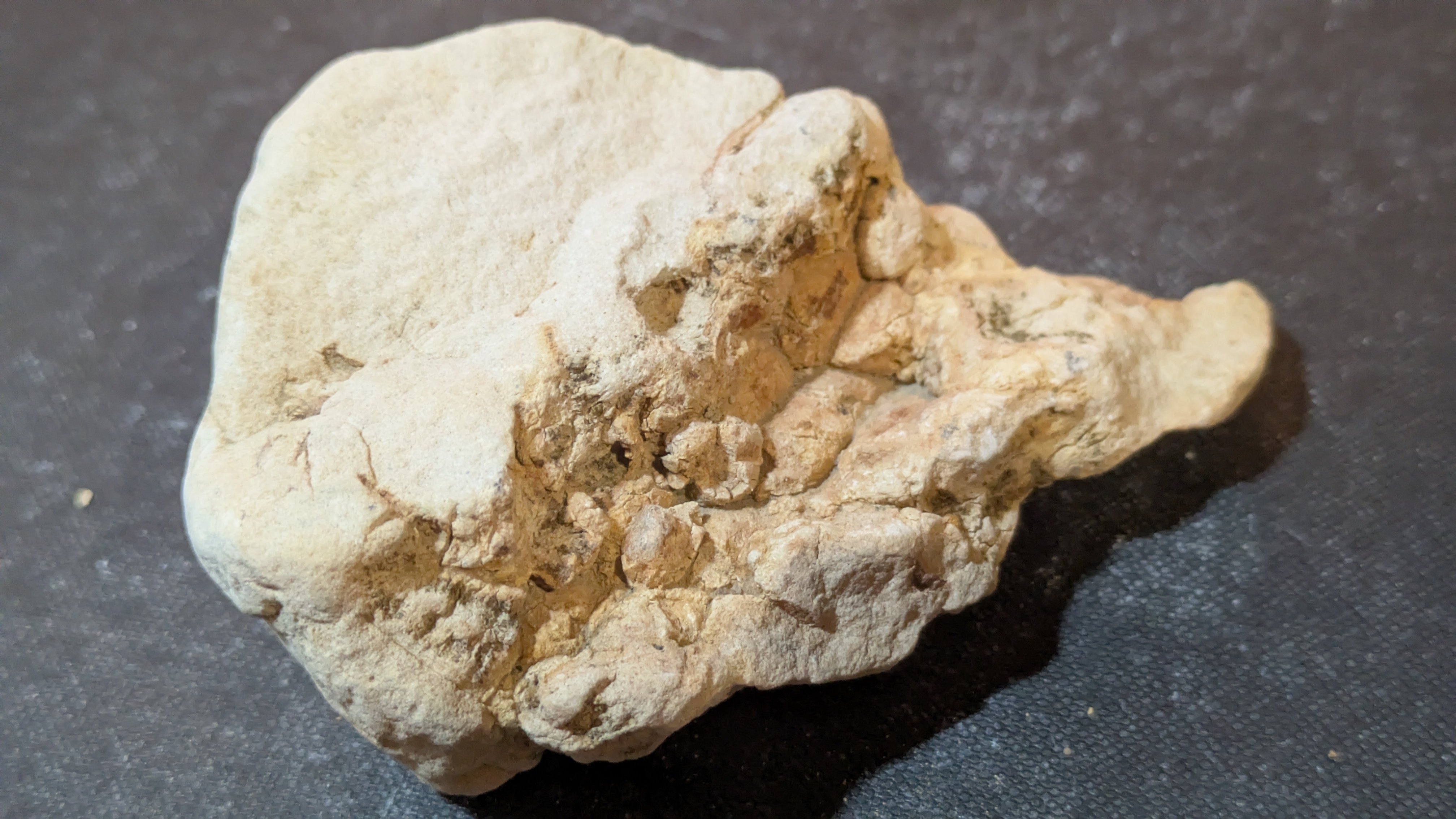
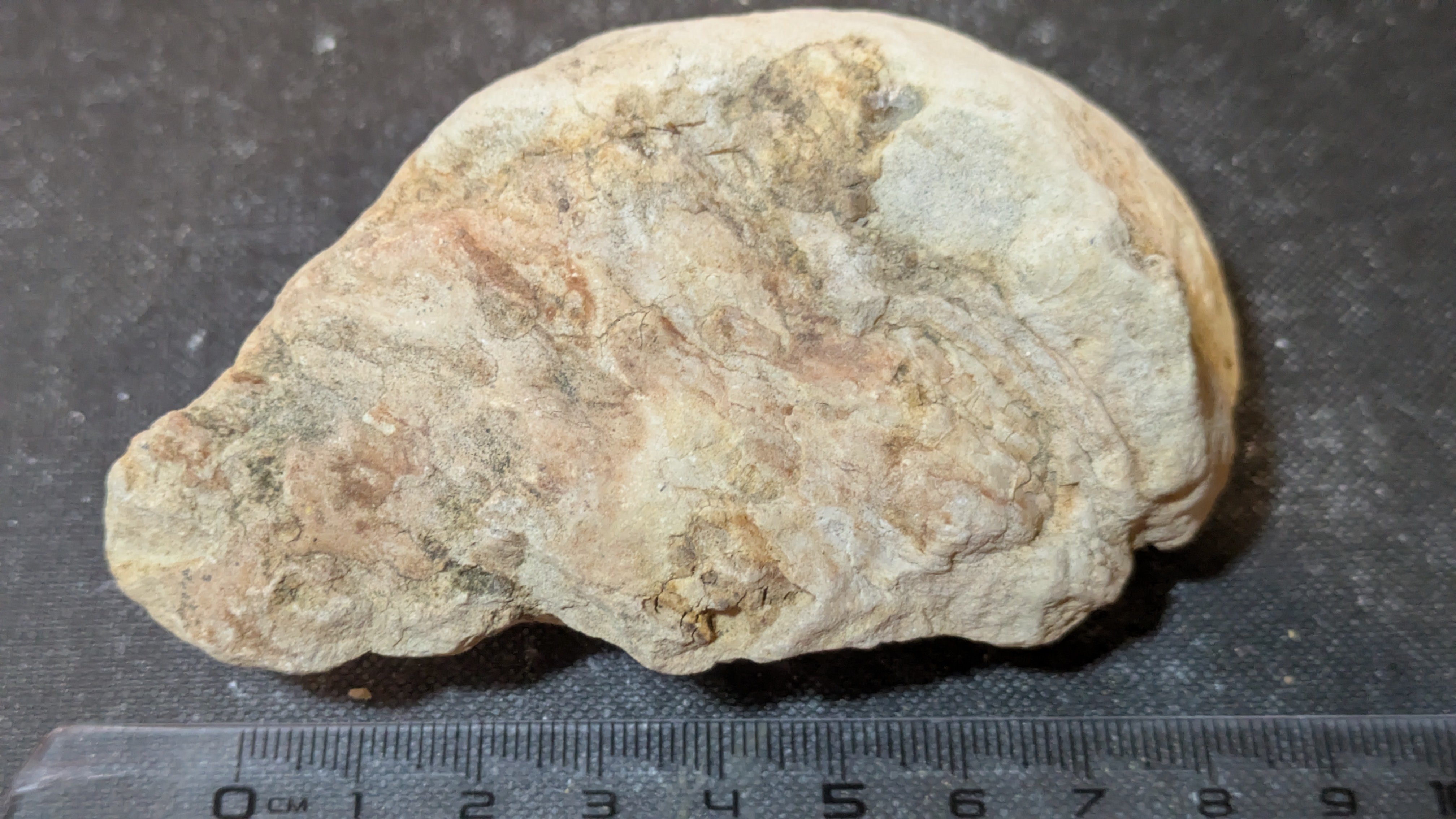
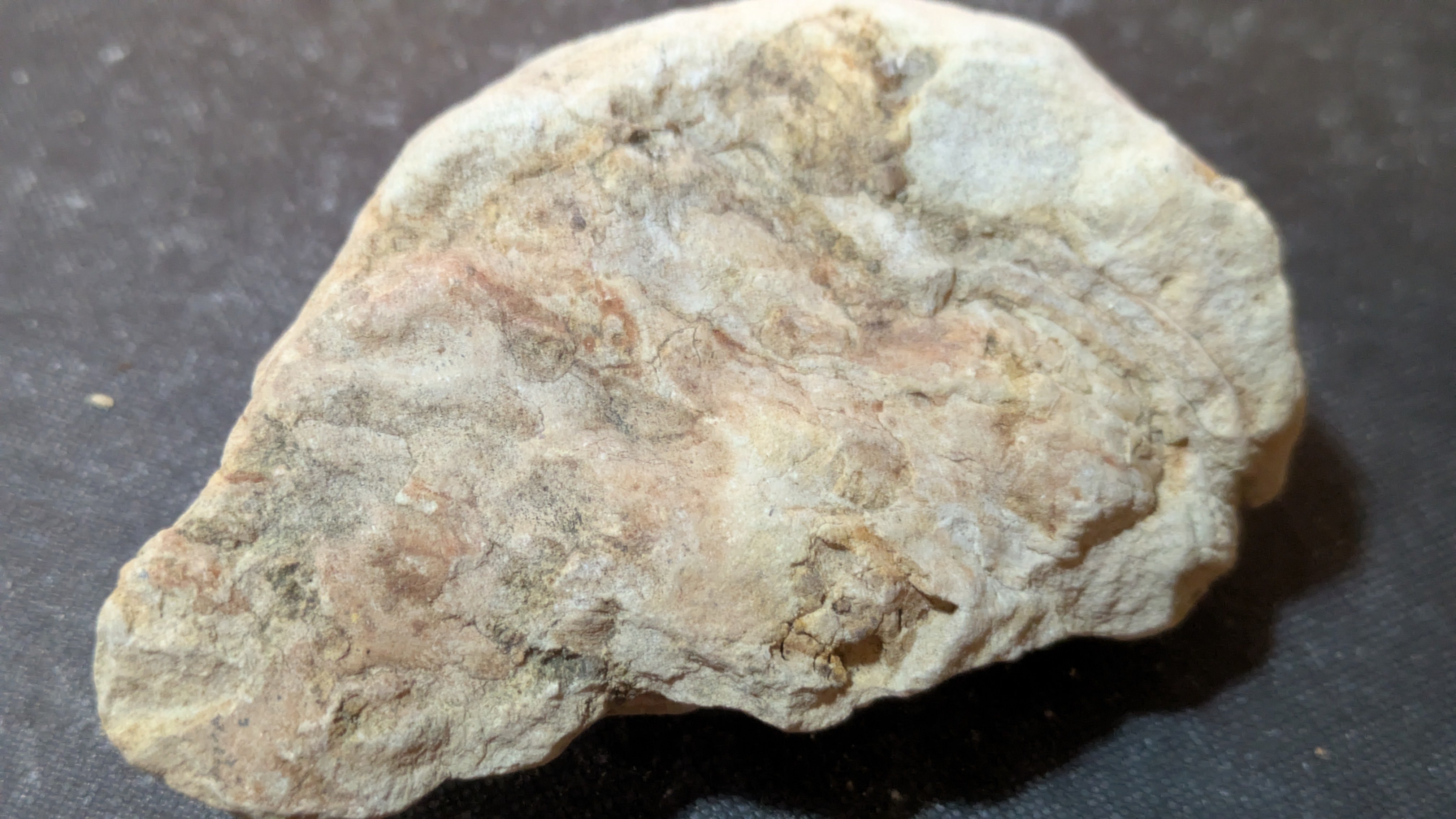
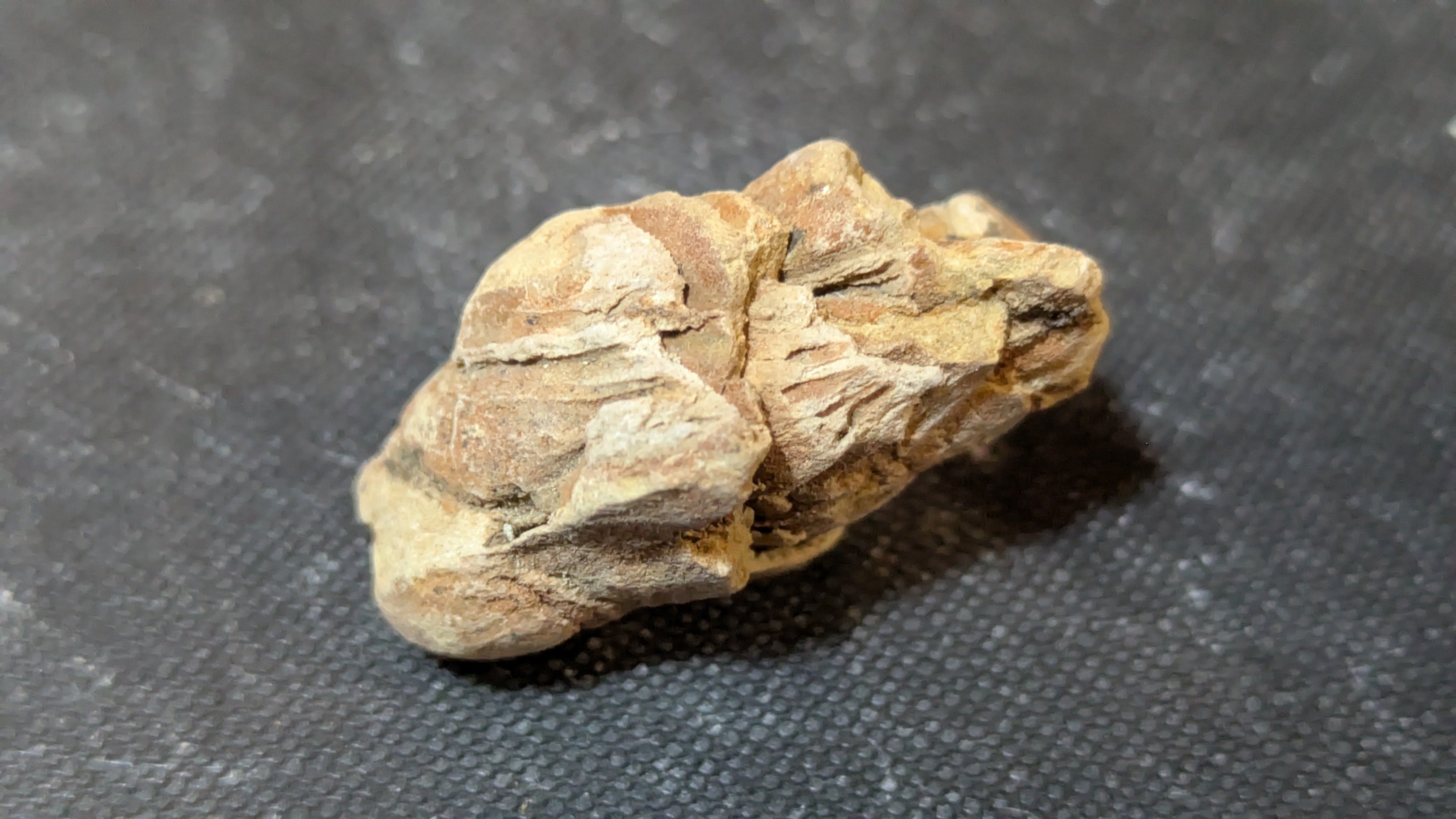
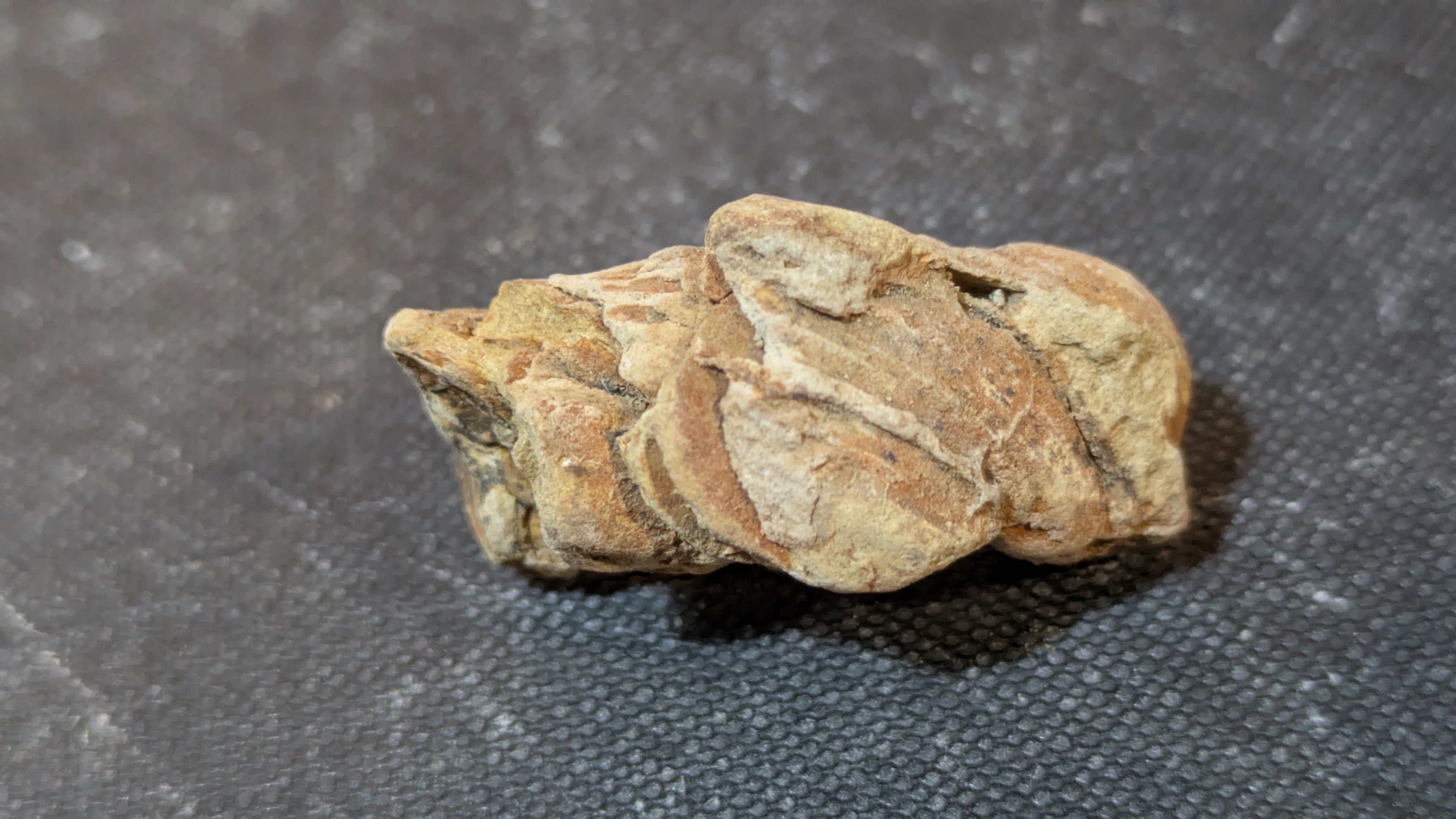
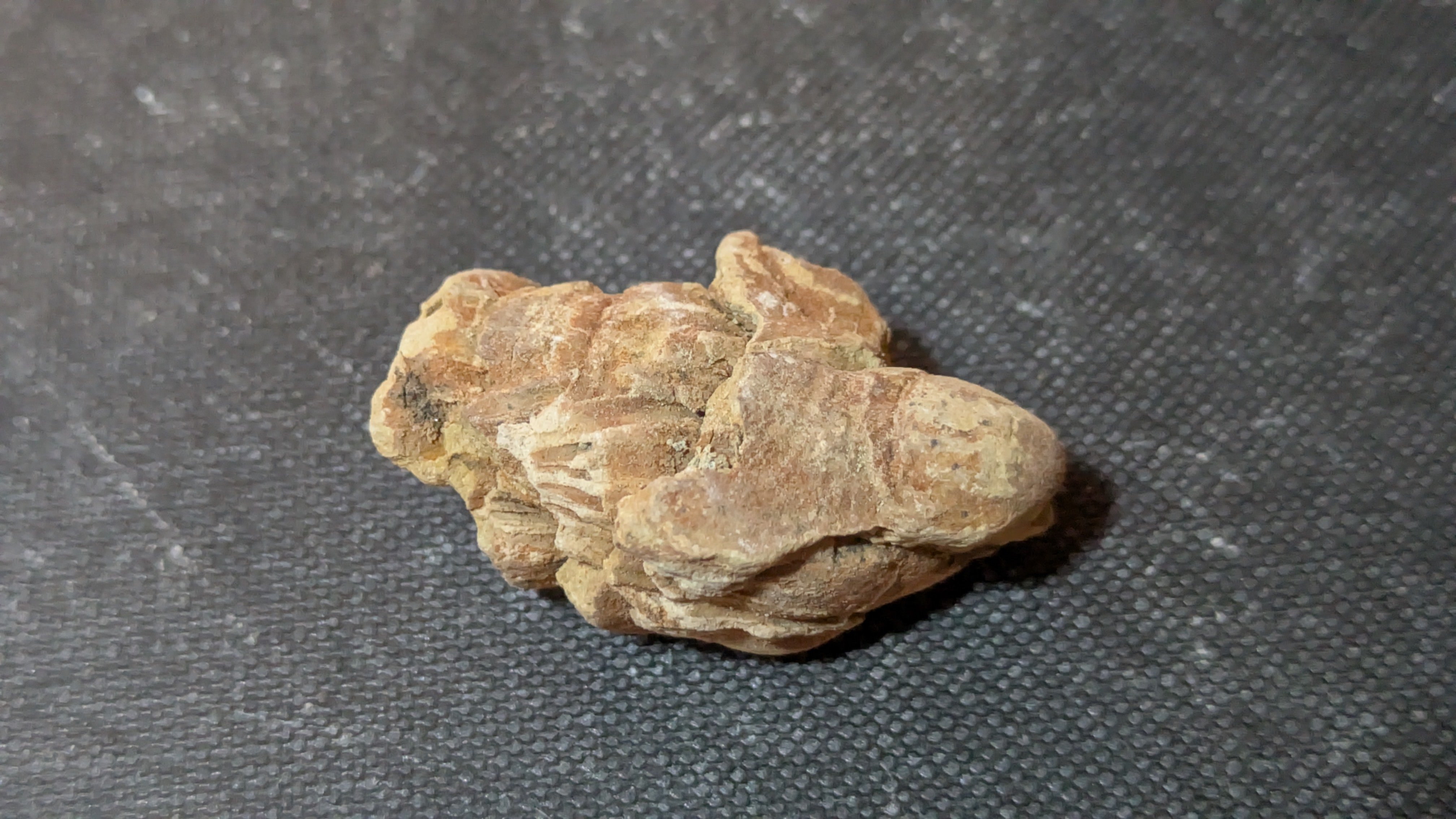
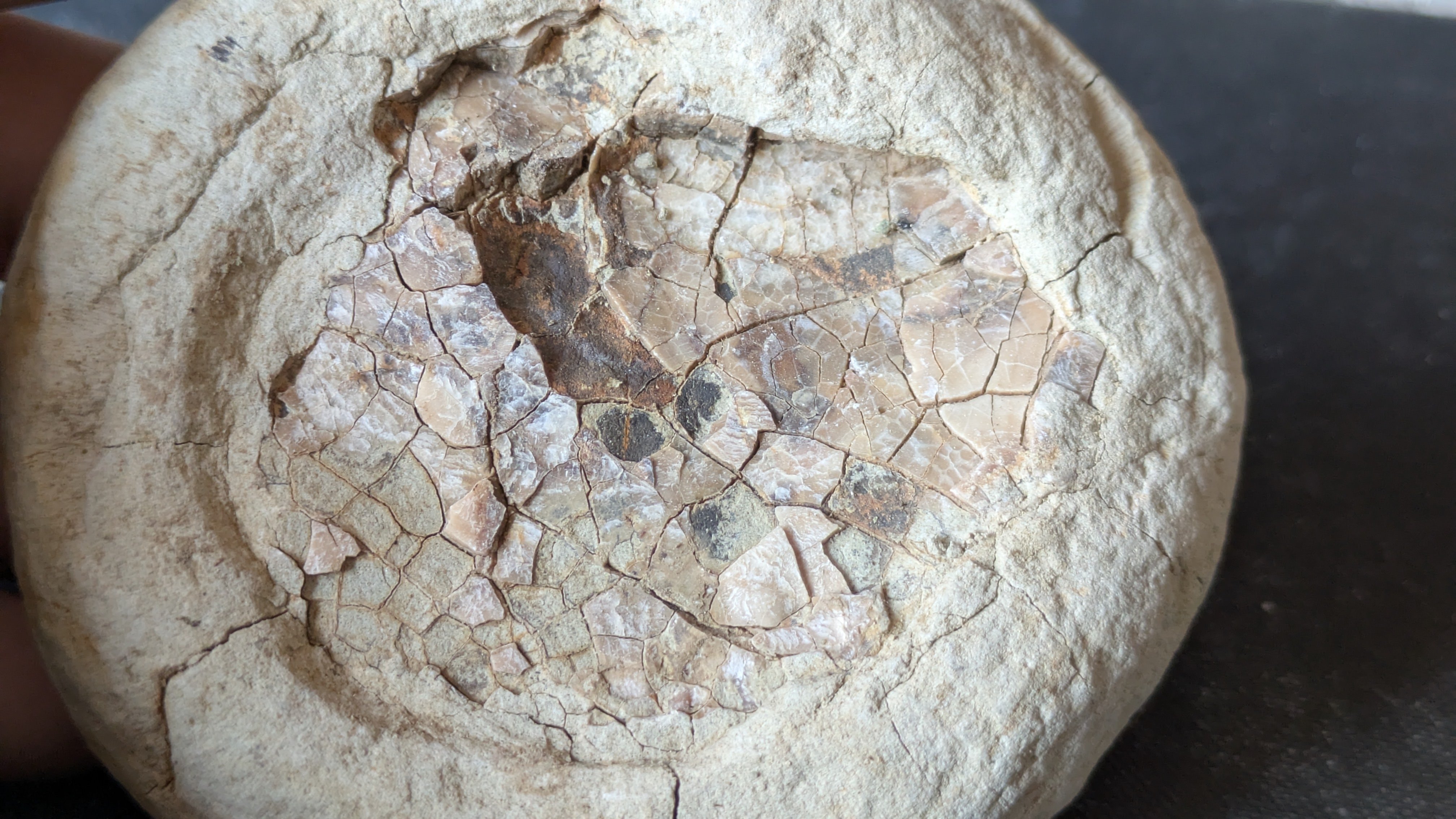
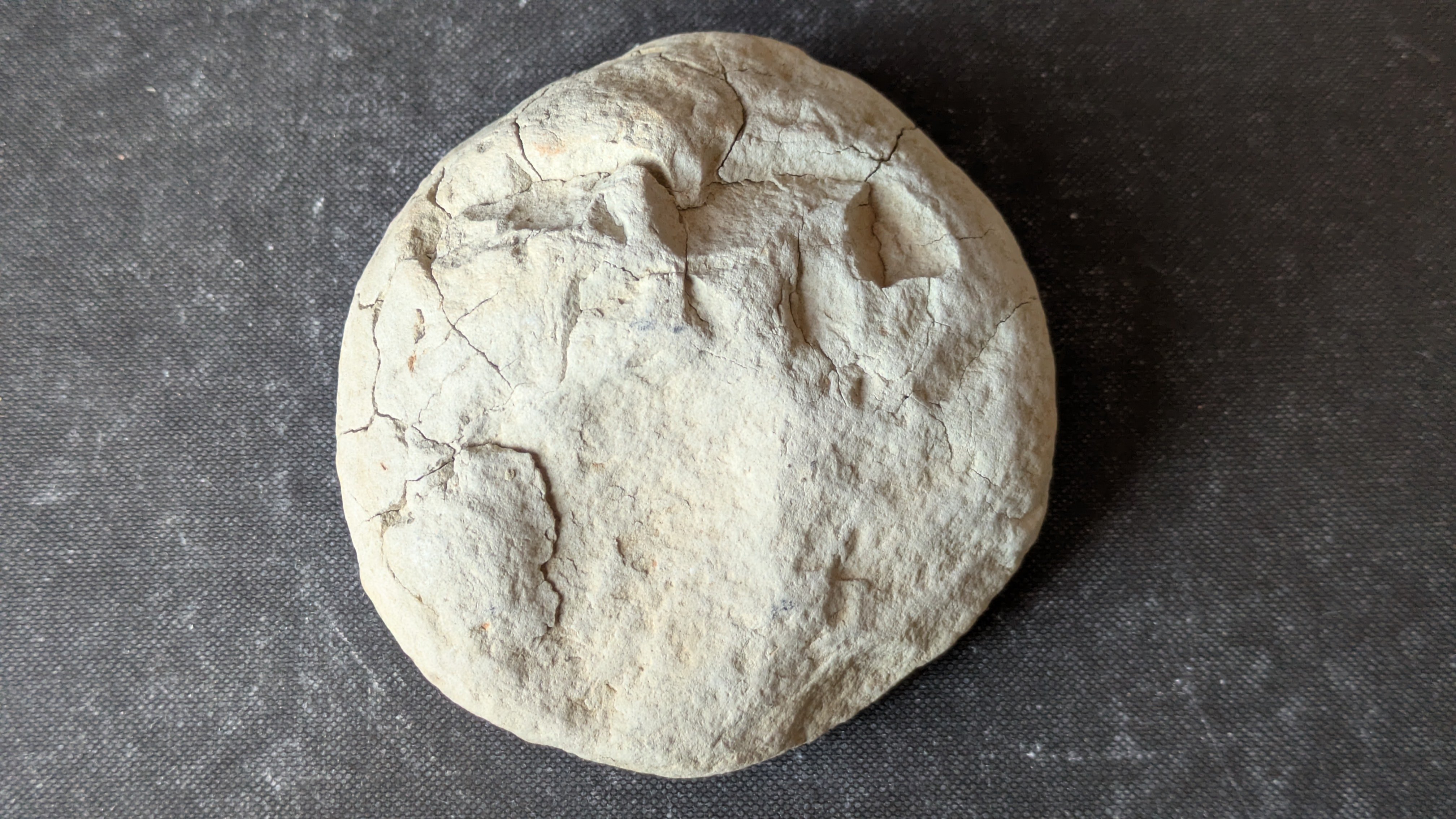
Shallow marine marl deposited on a continental shelf, with periodic terrestrial input from nearby land
Fossil types
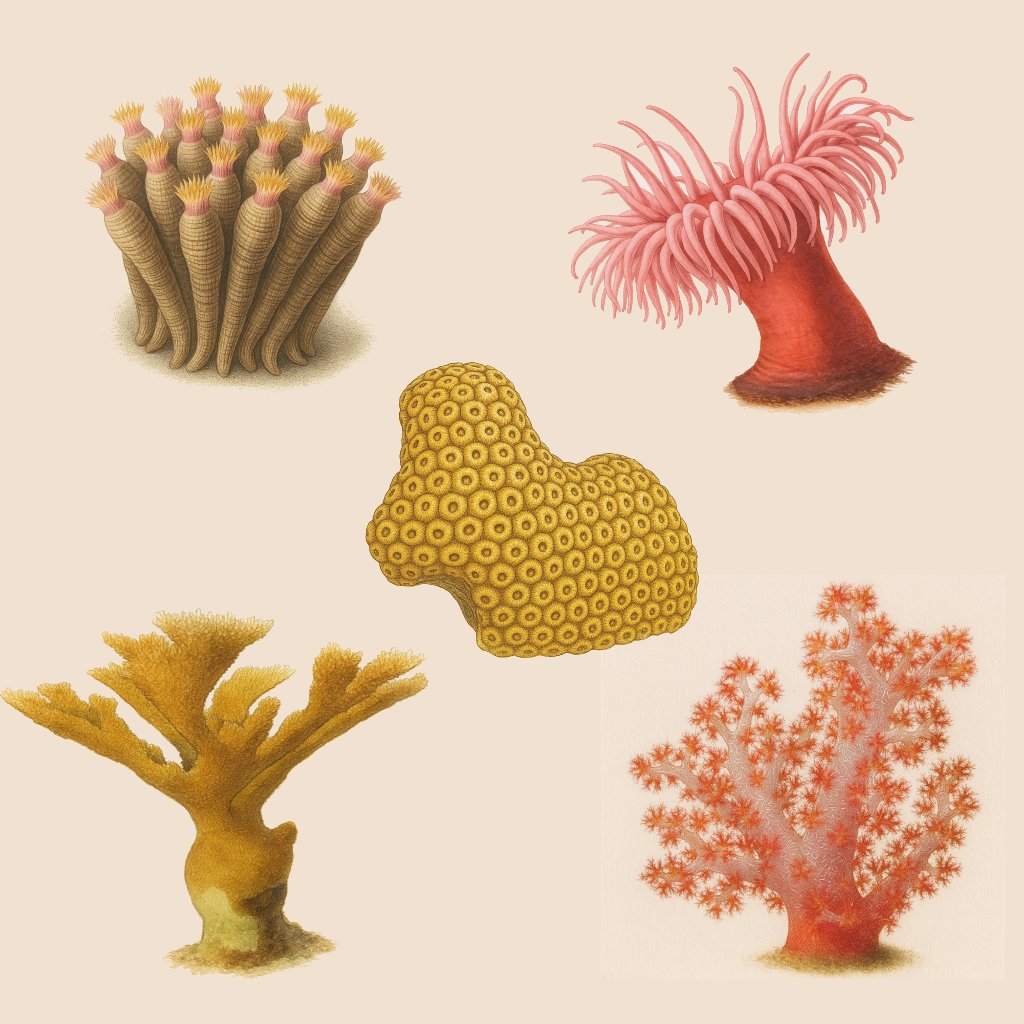
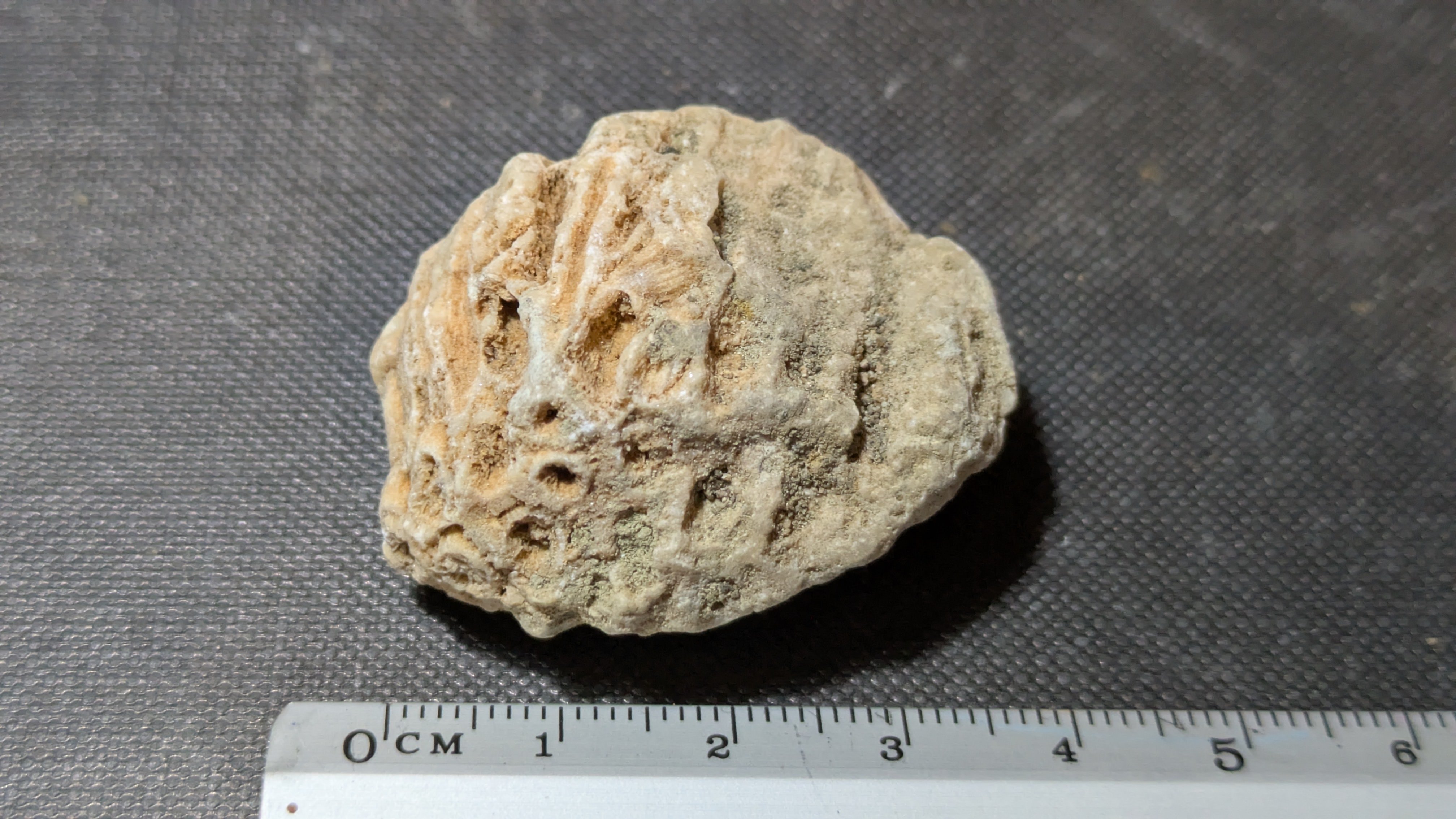
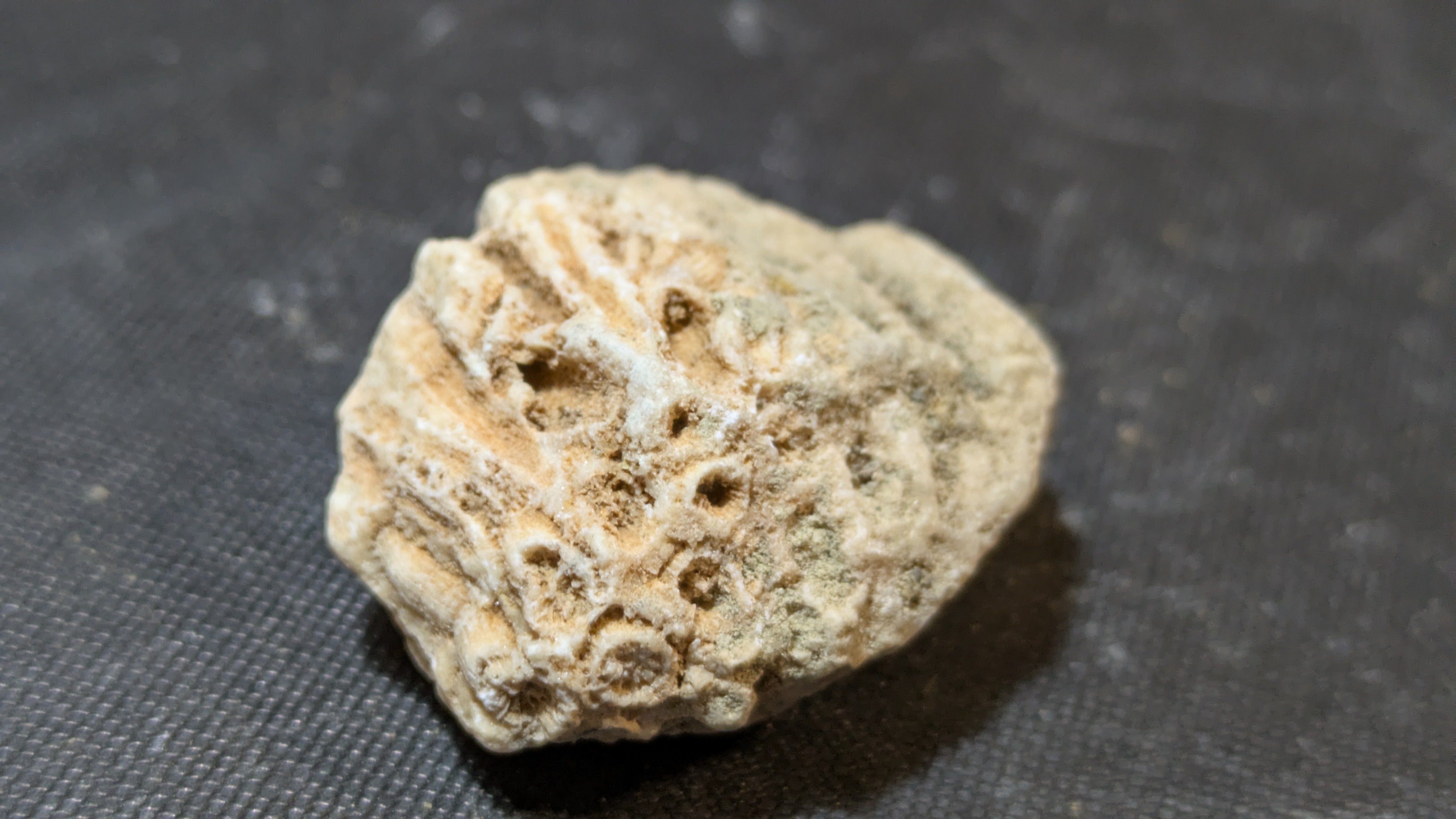
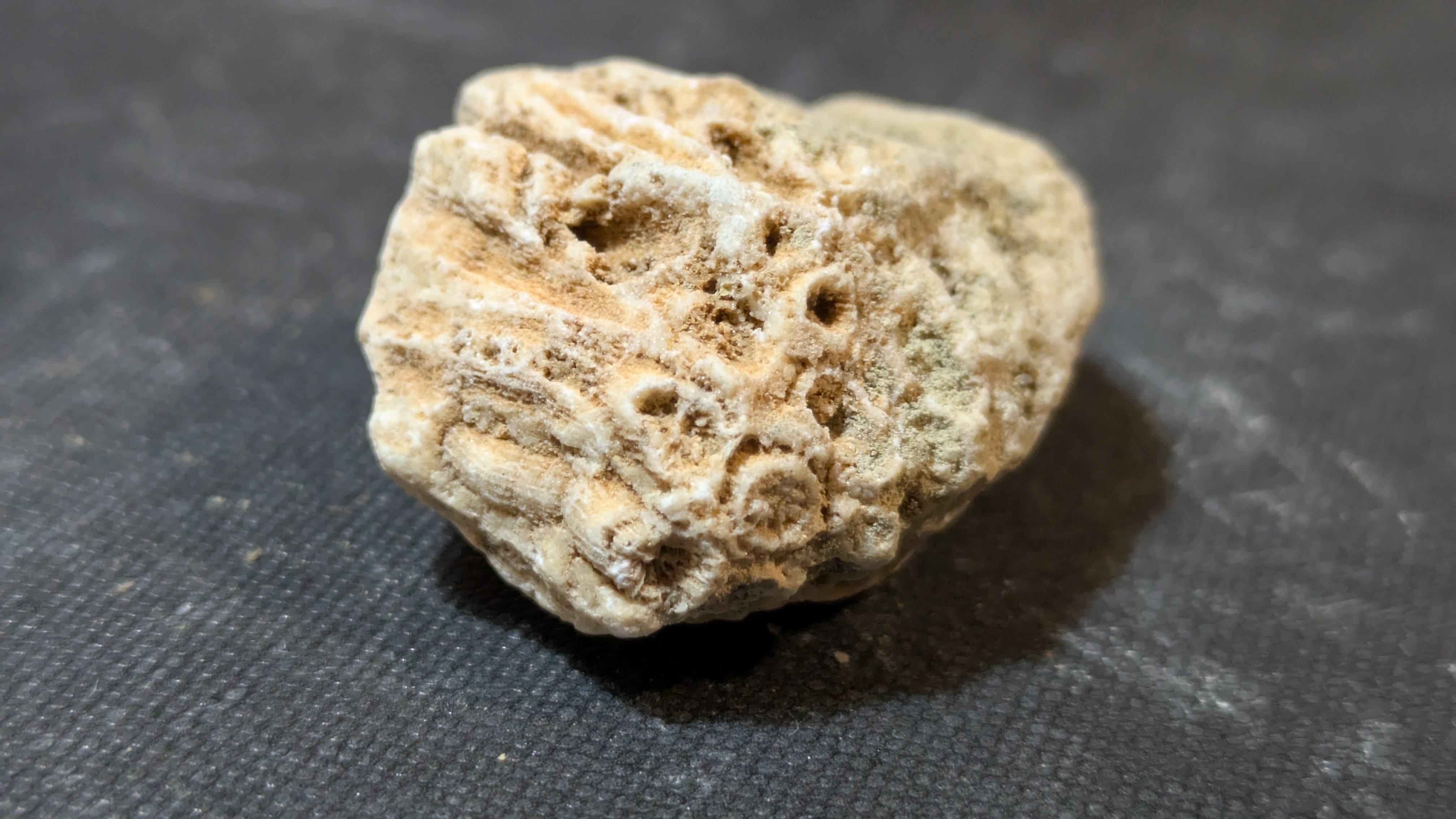
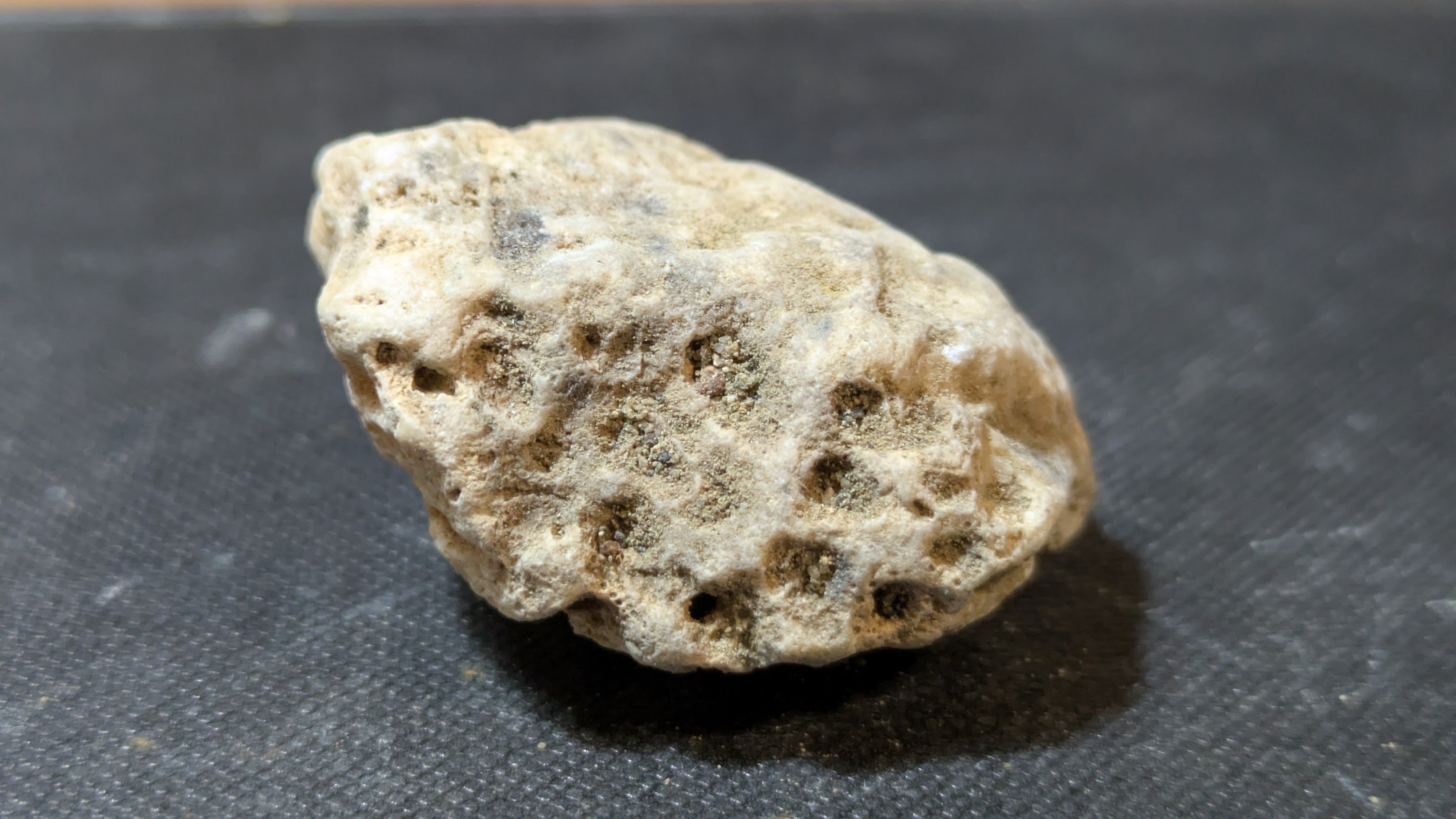
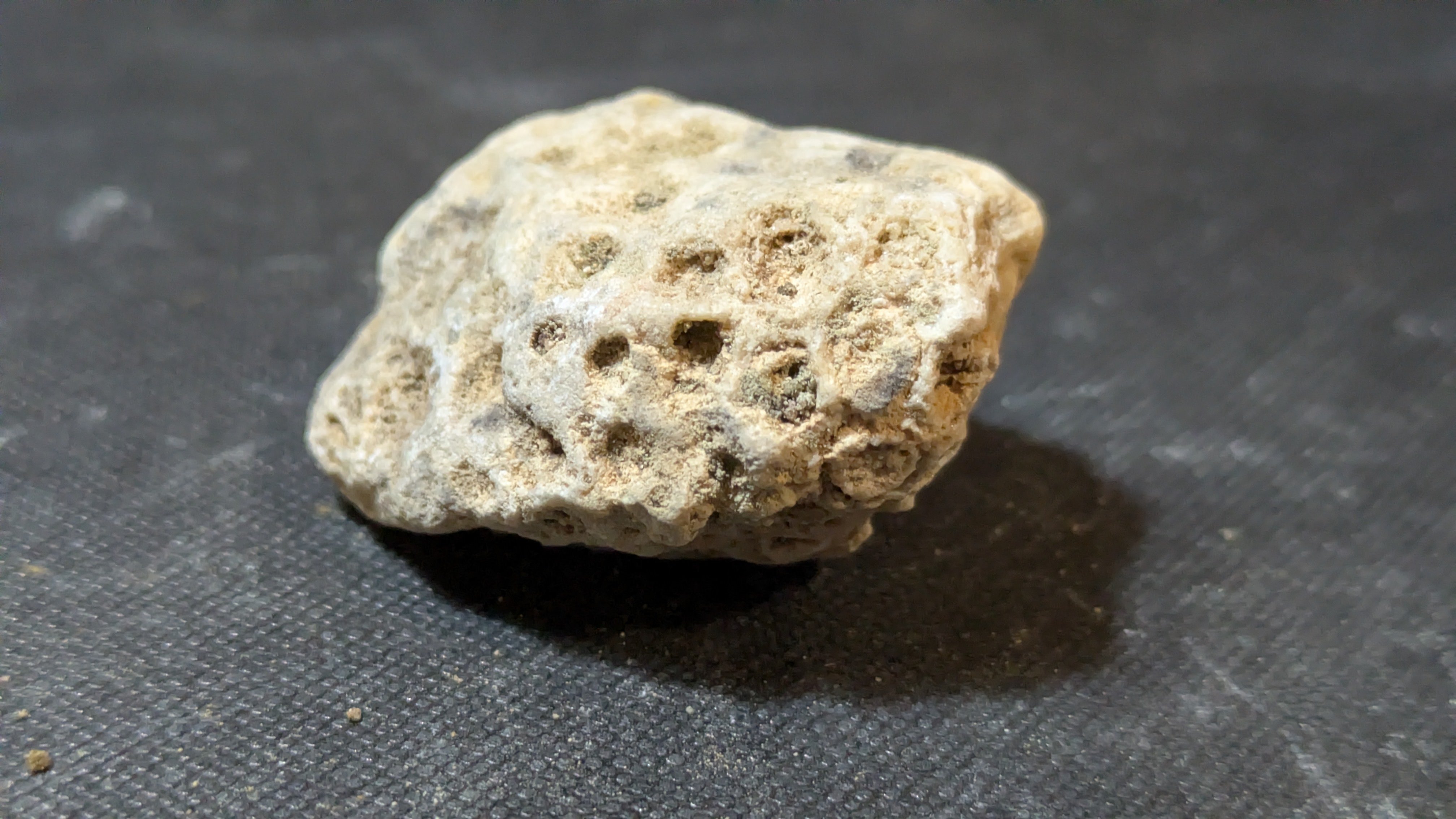
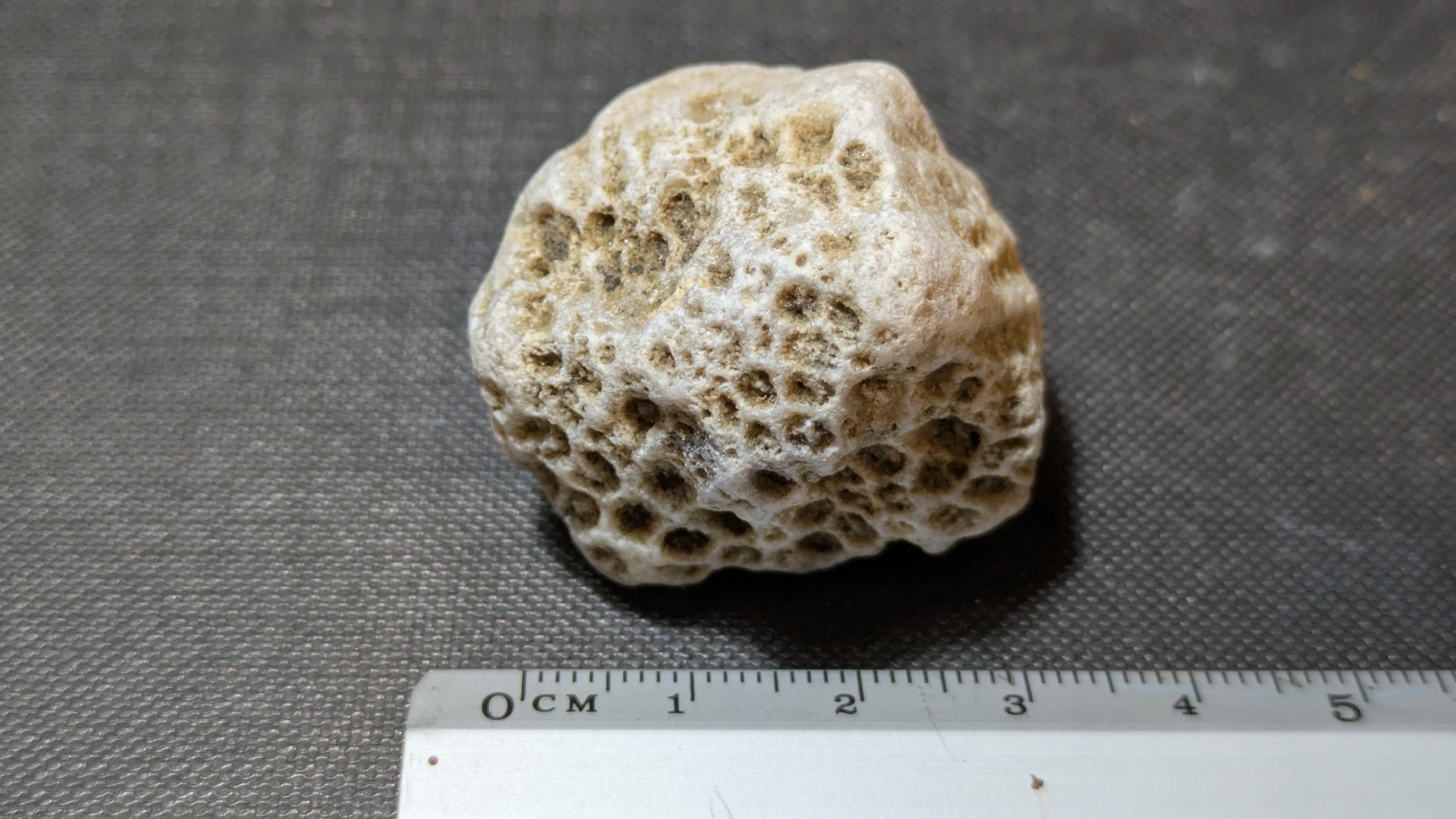
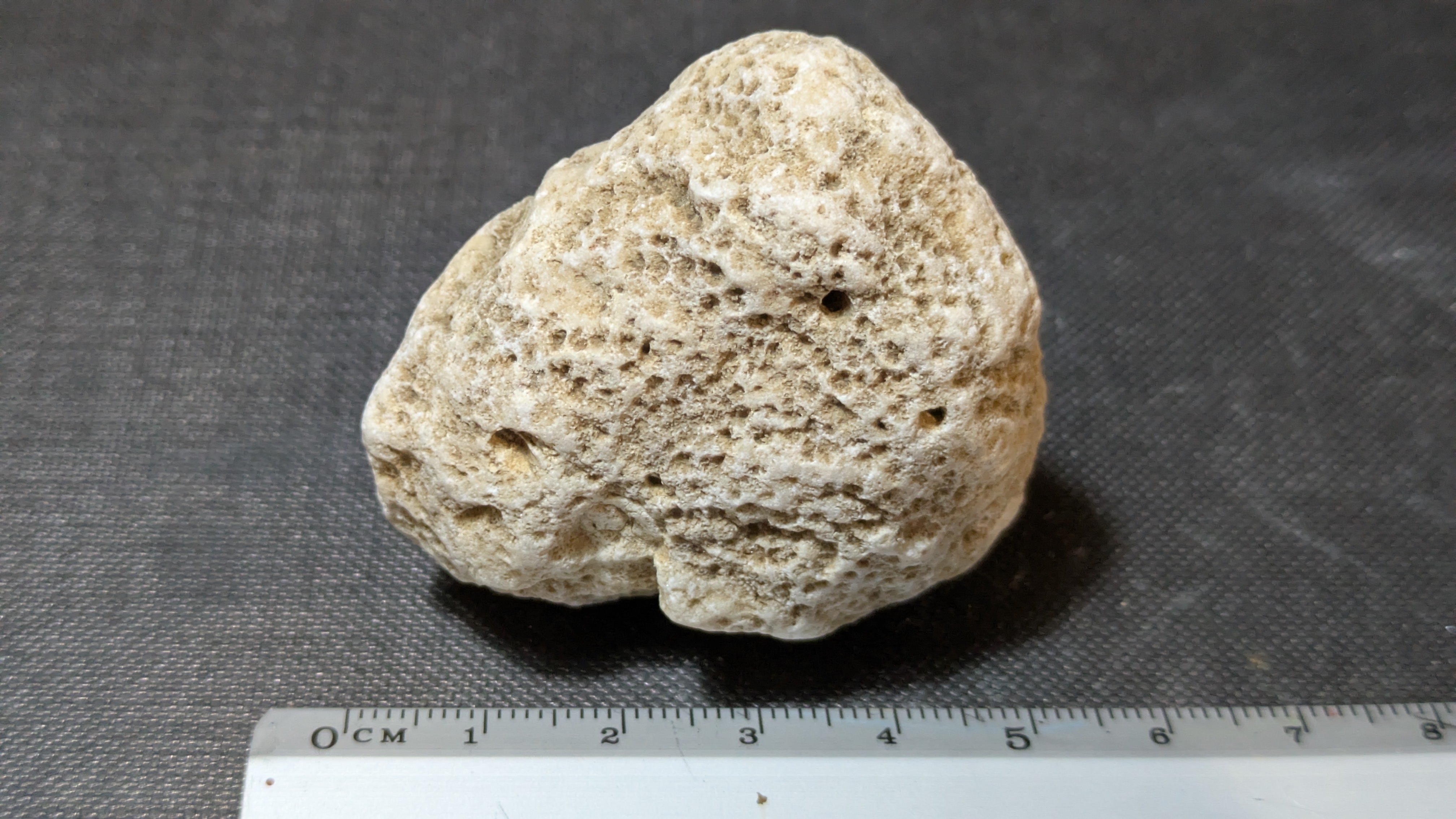
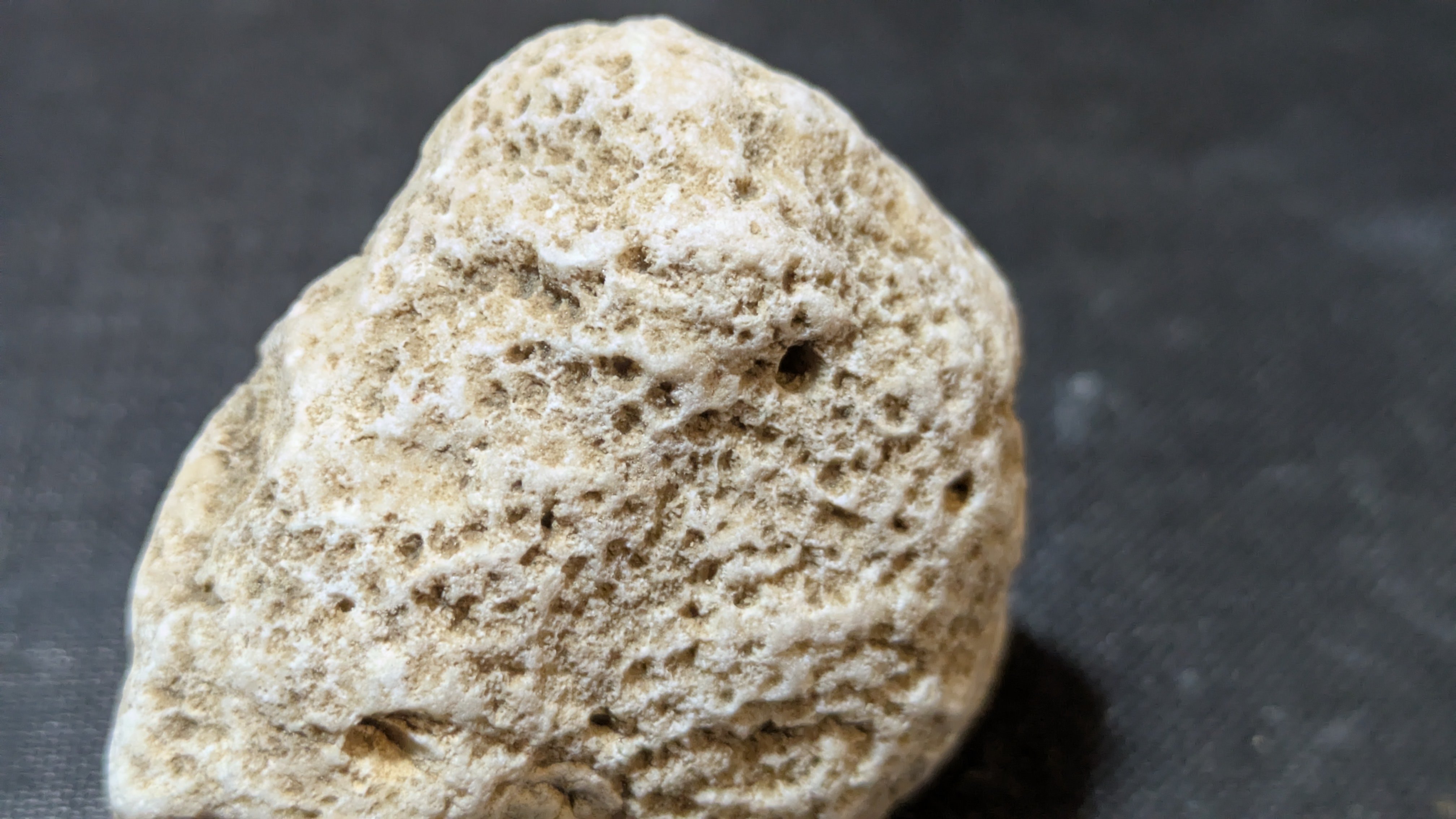
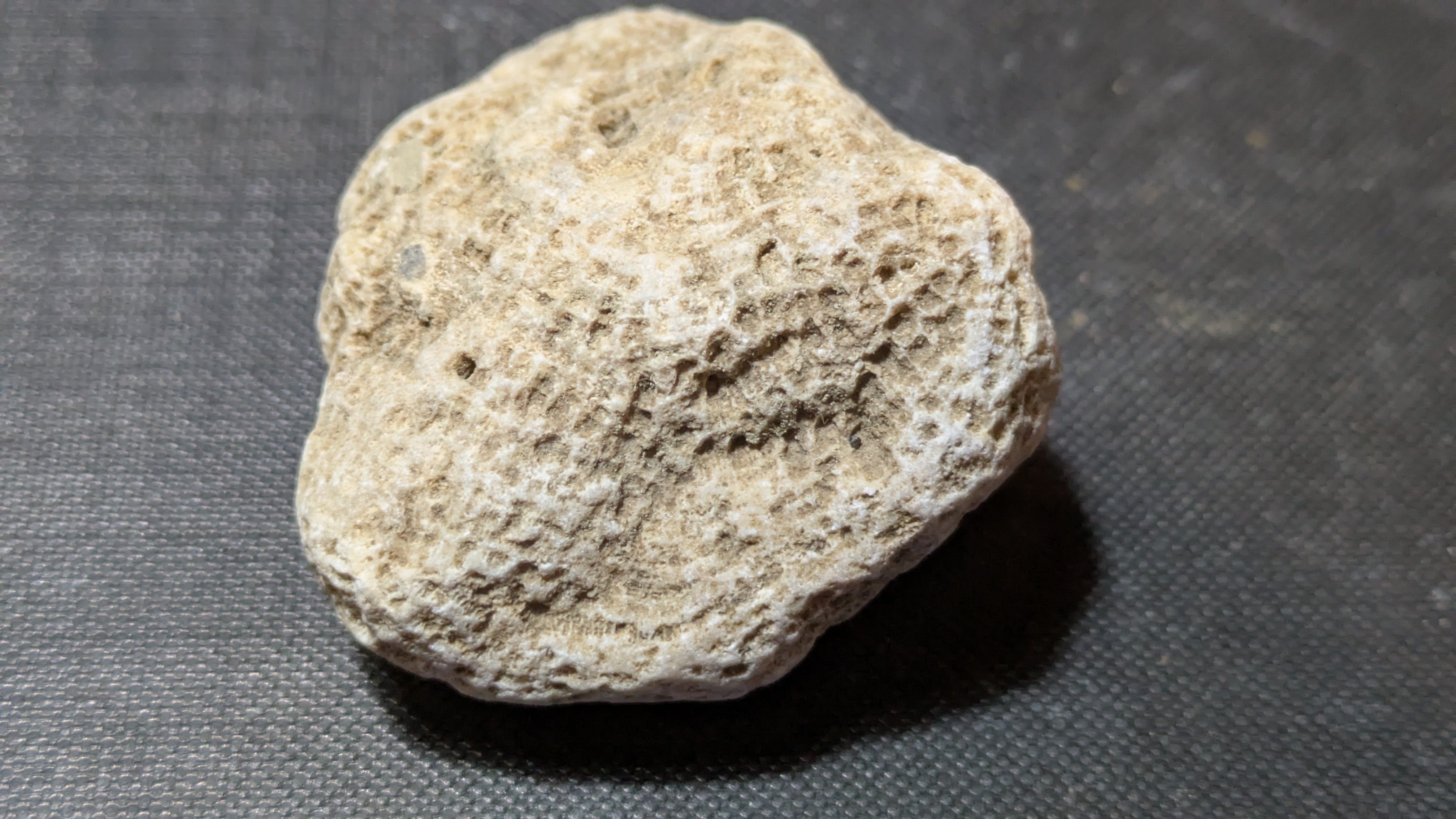
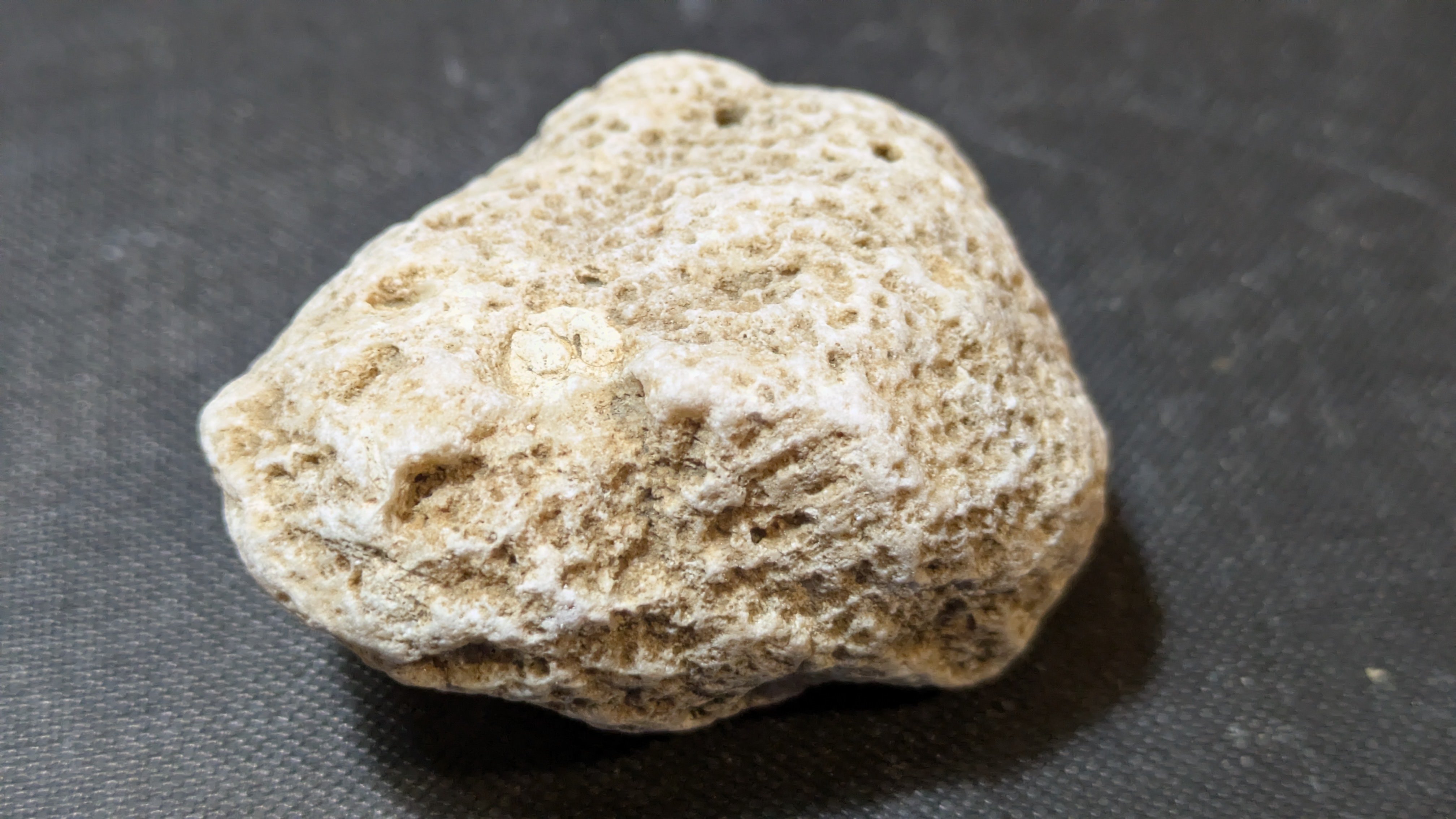
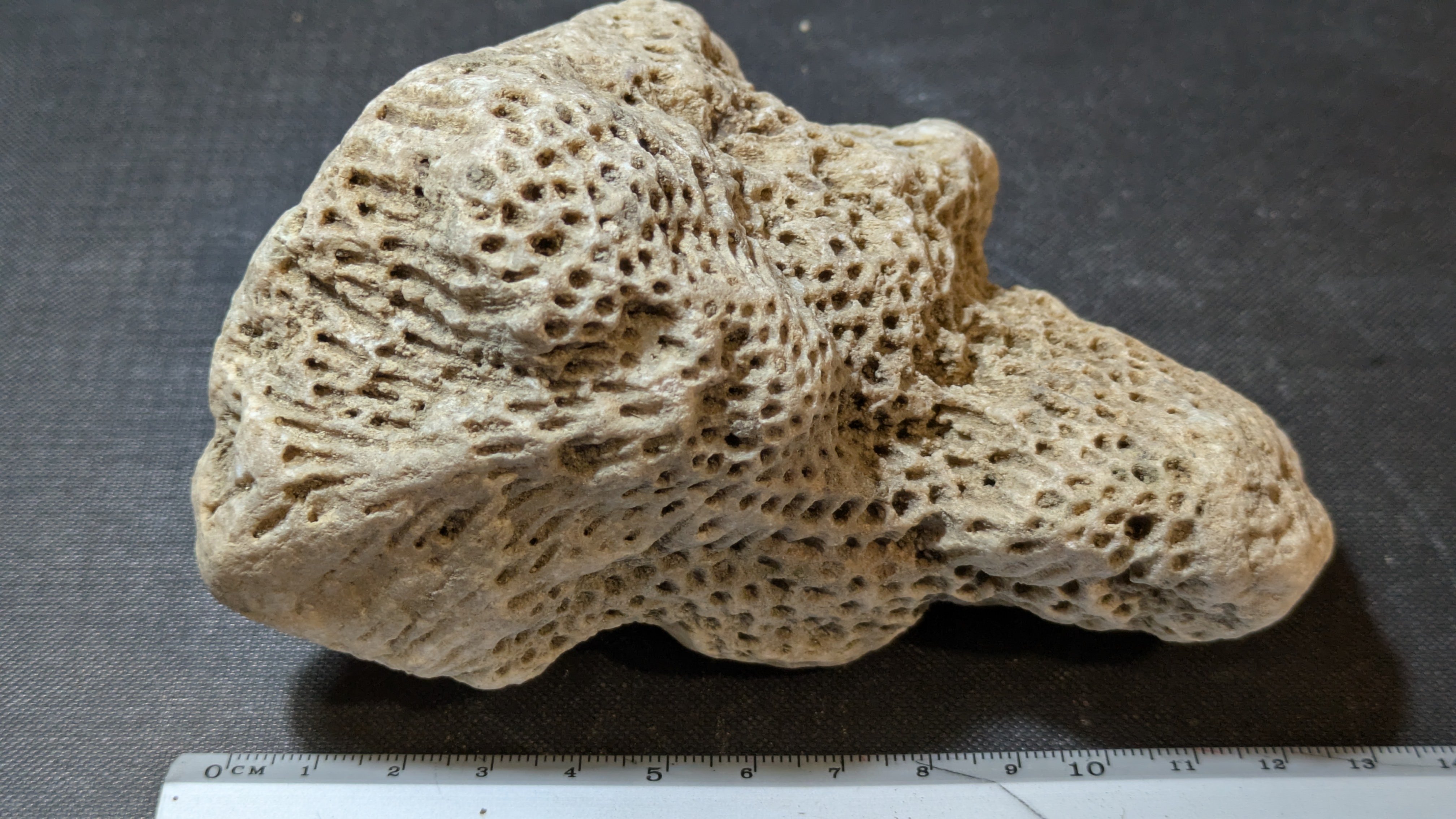
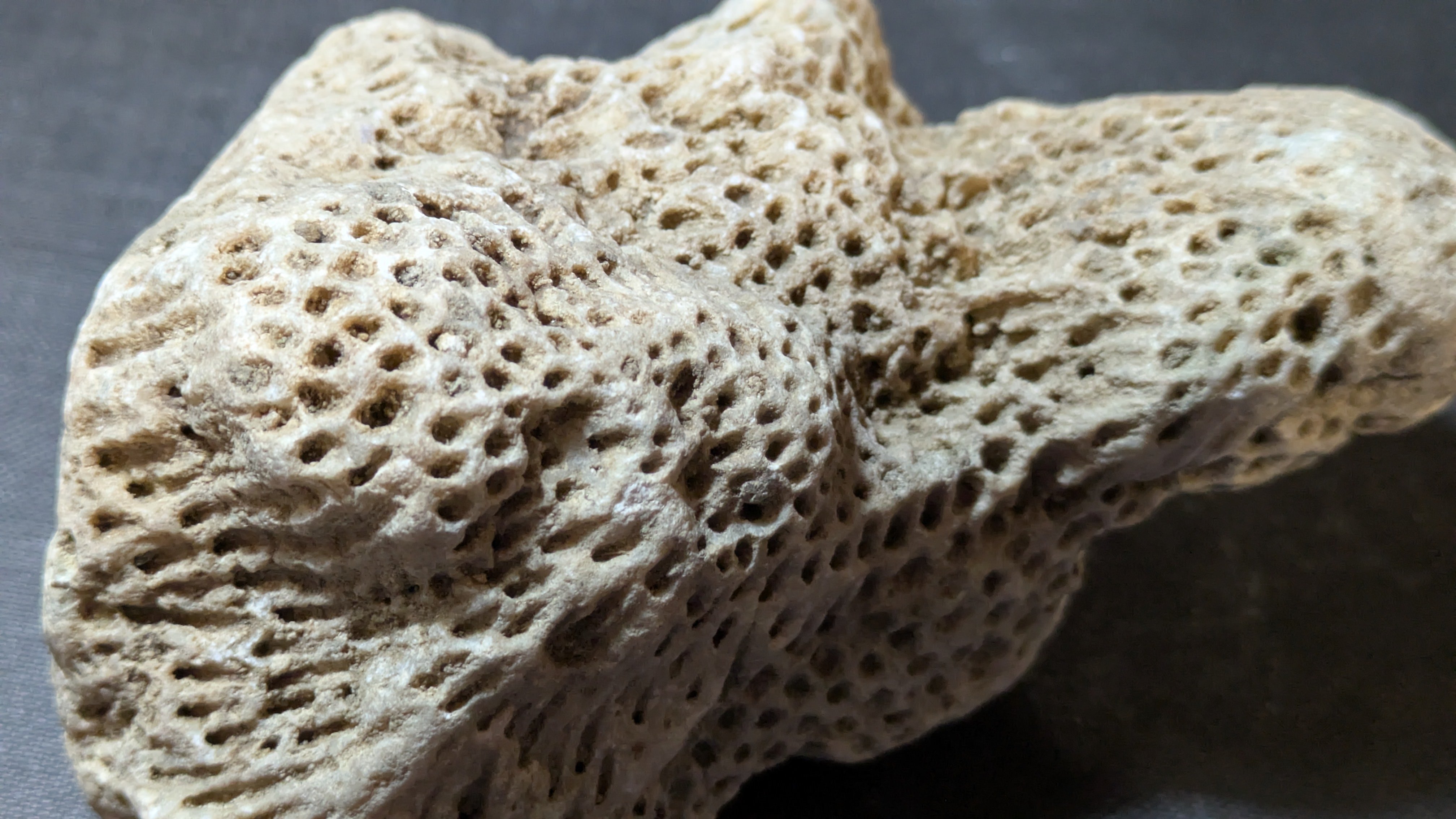
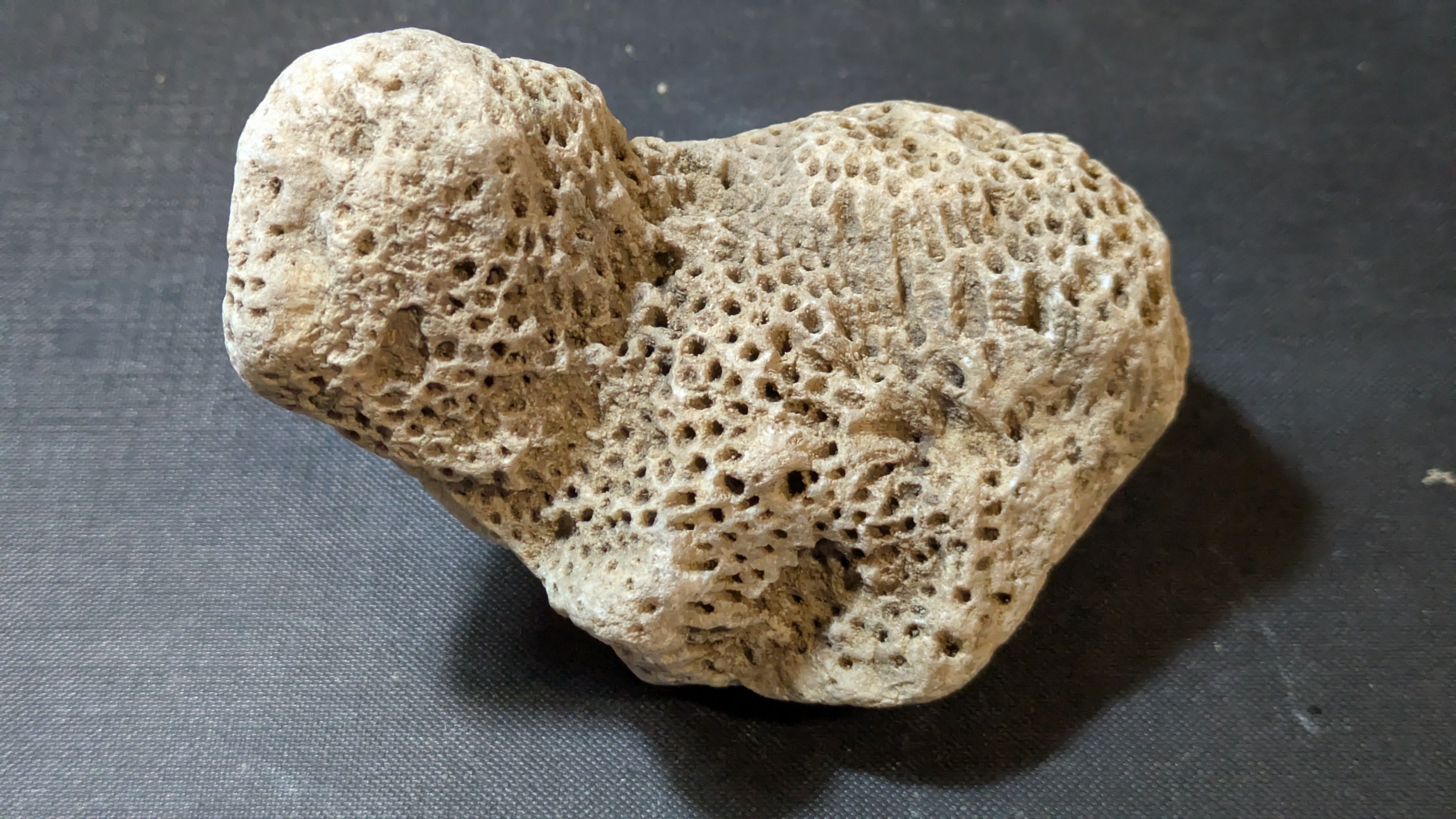
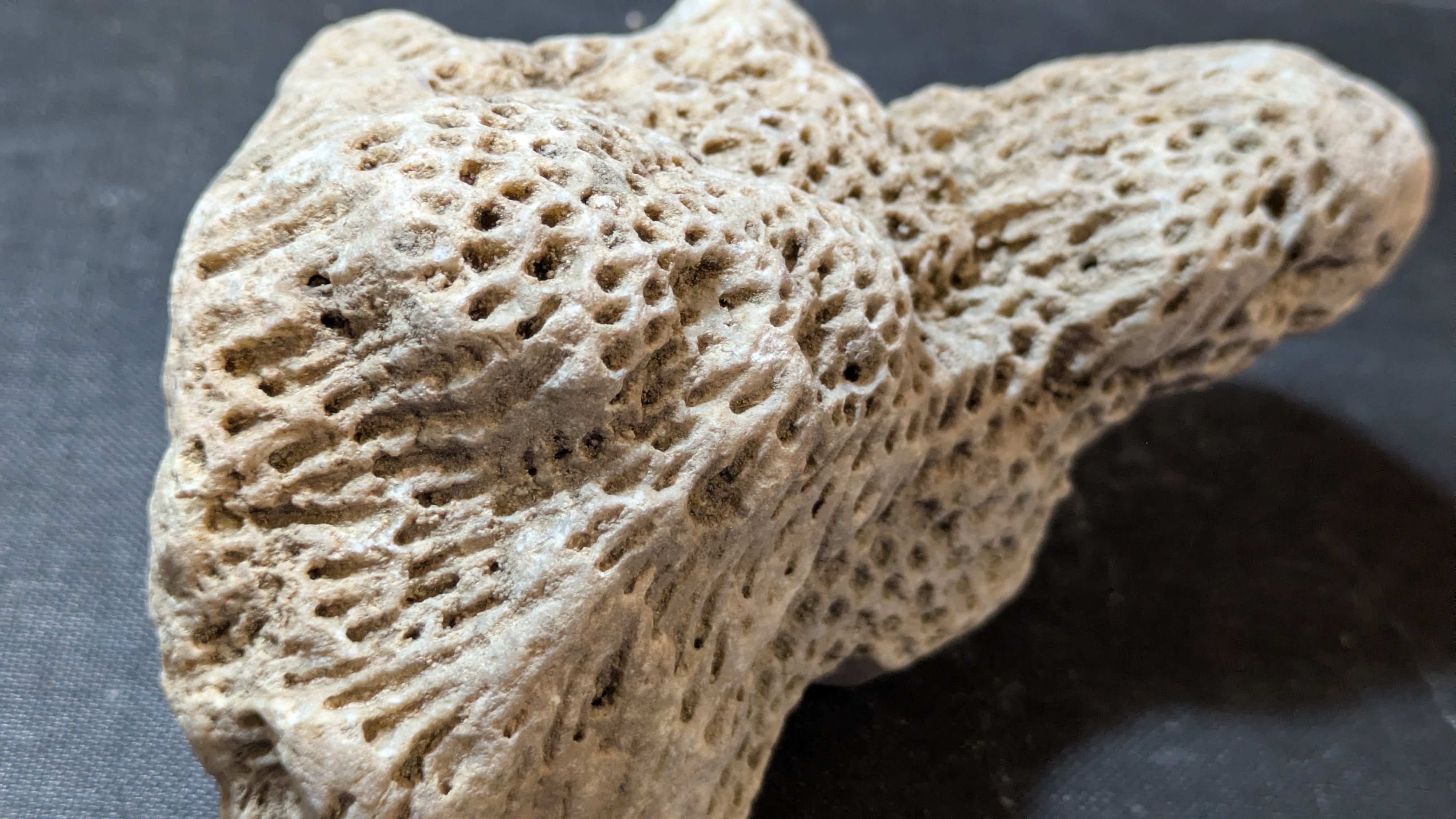
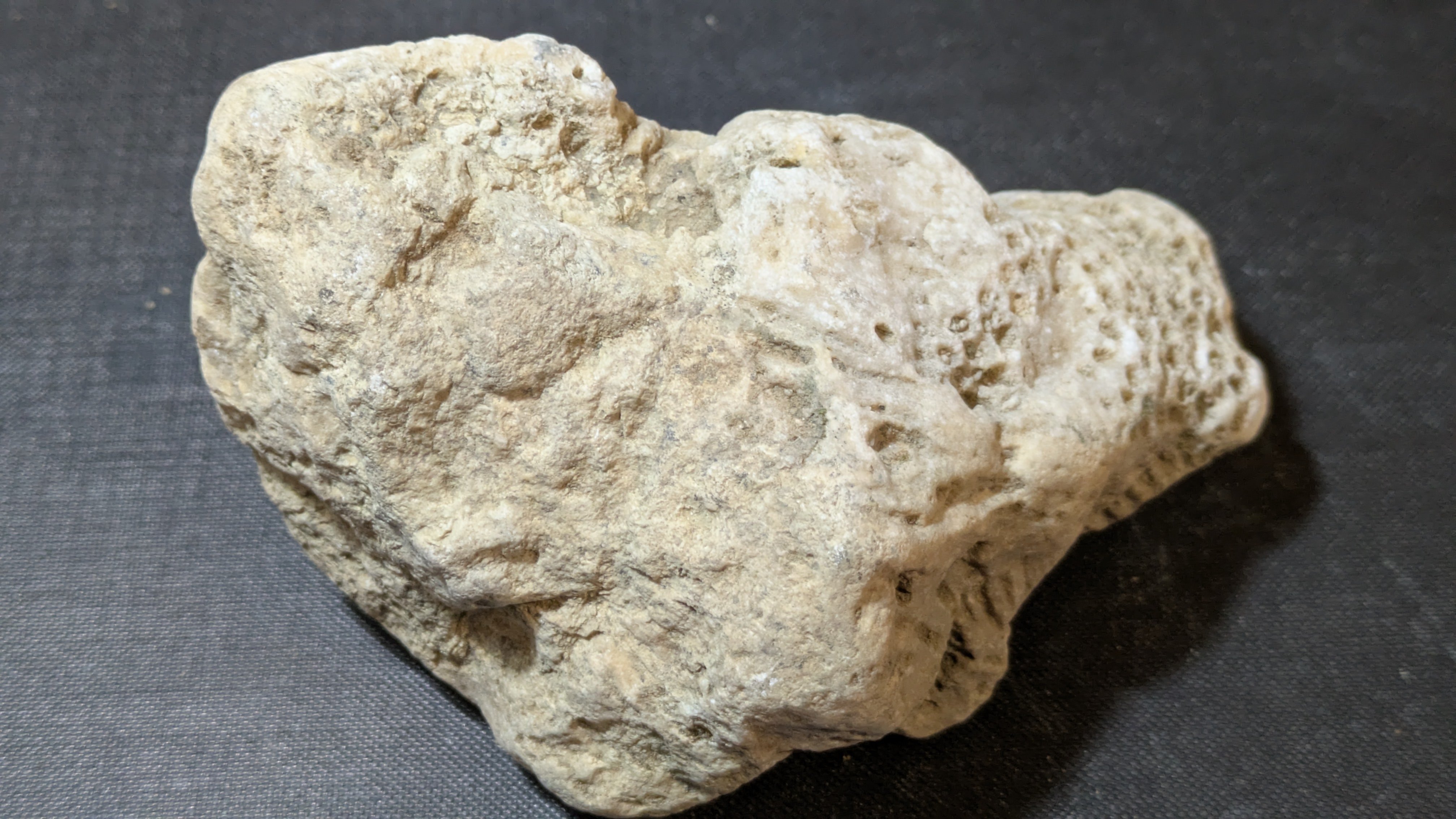
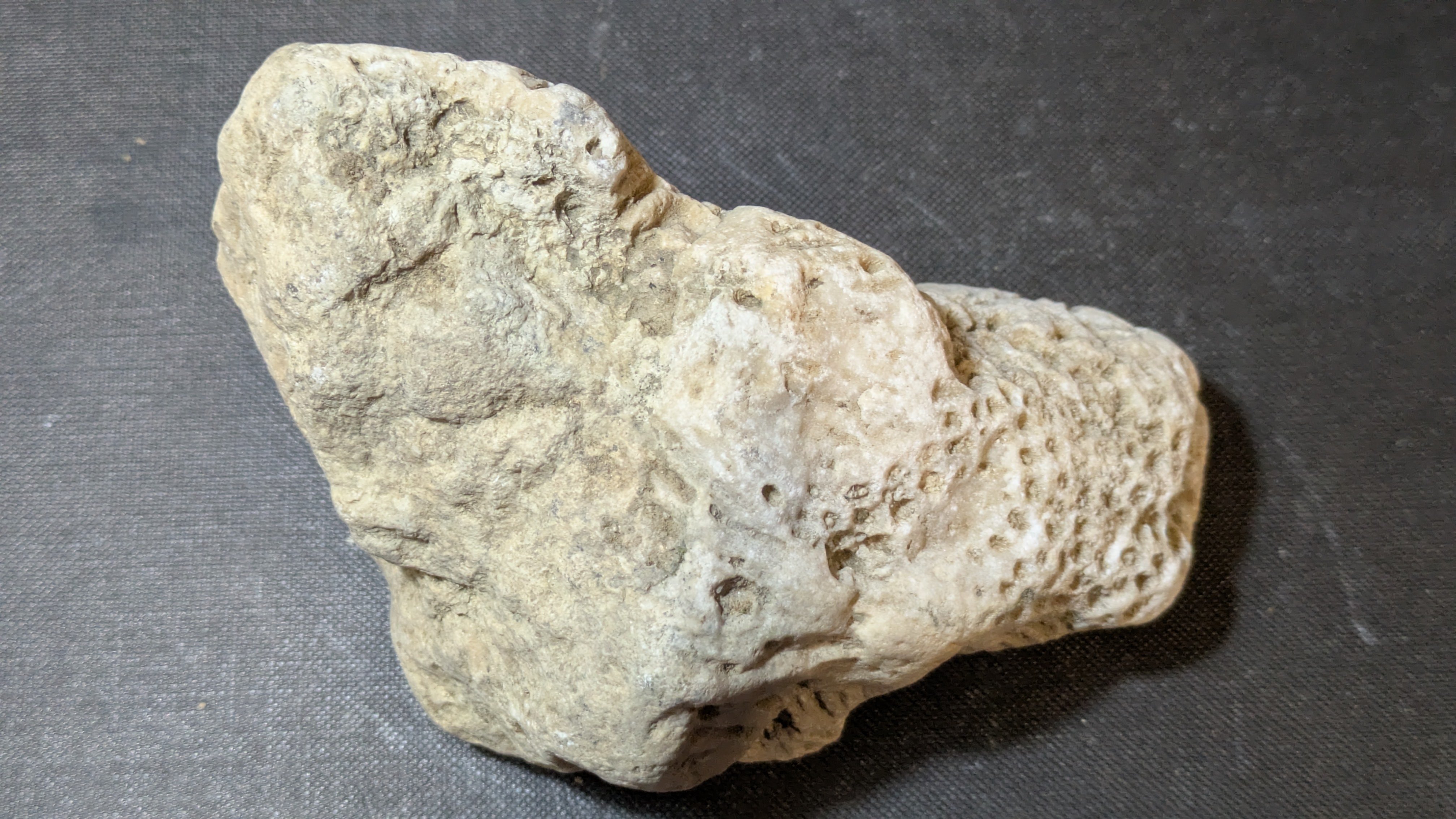
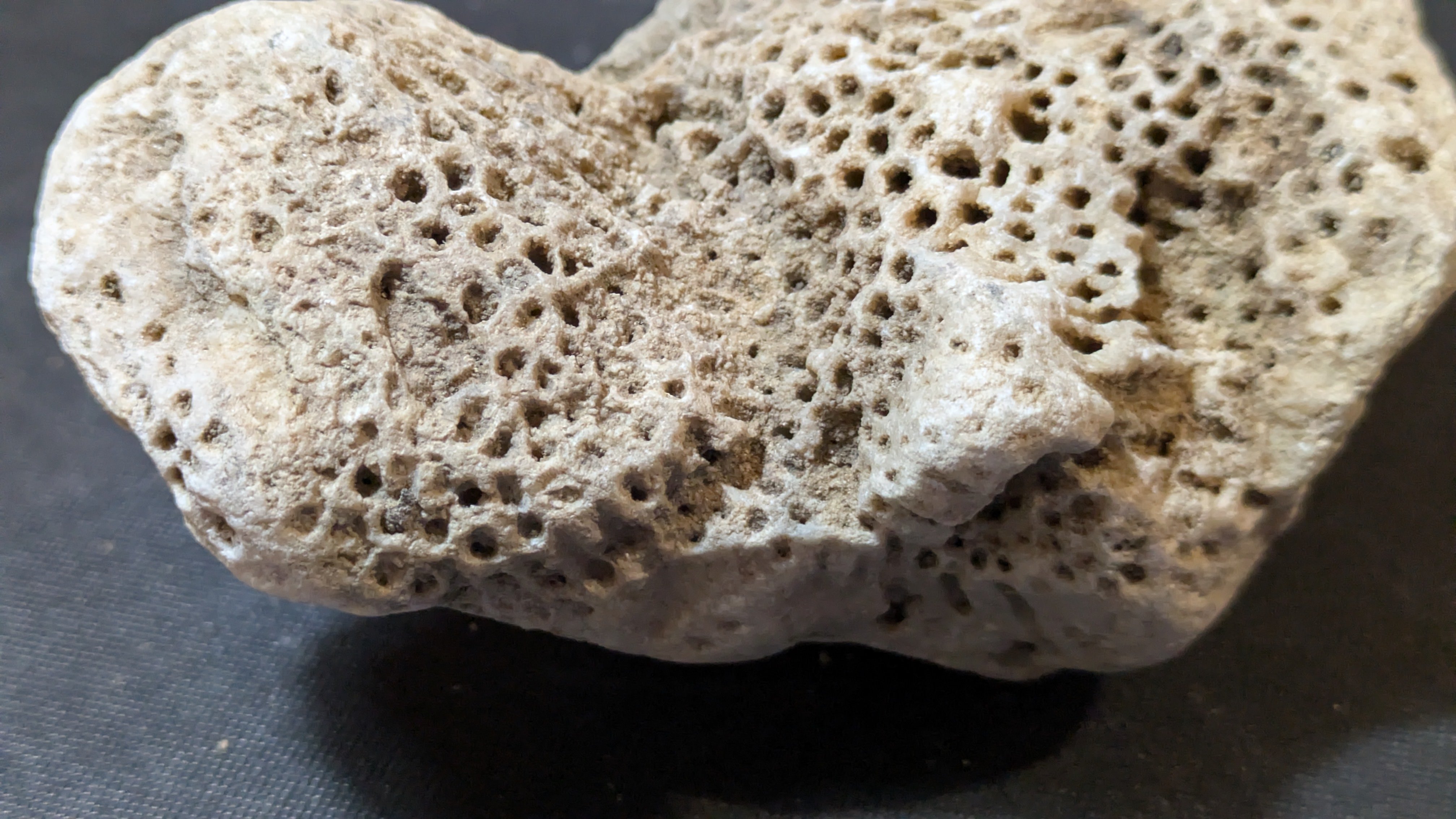
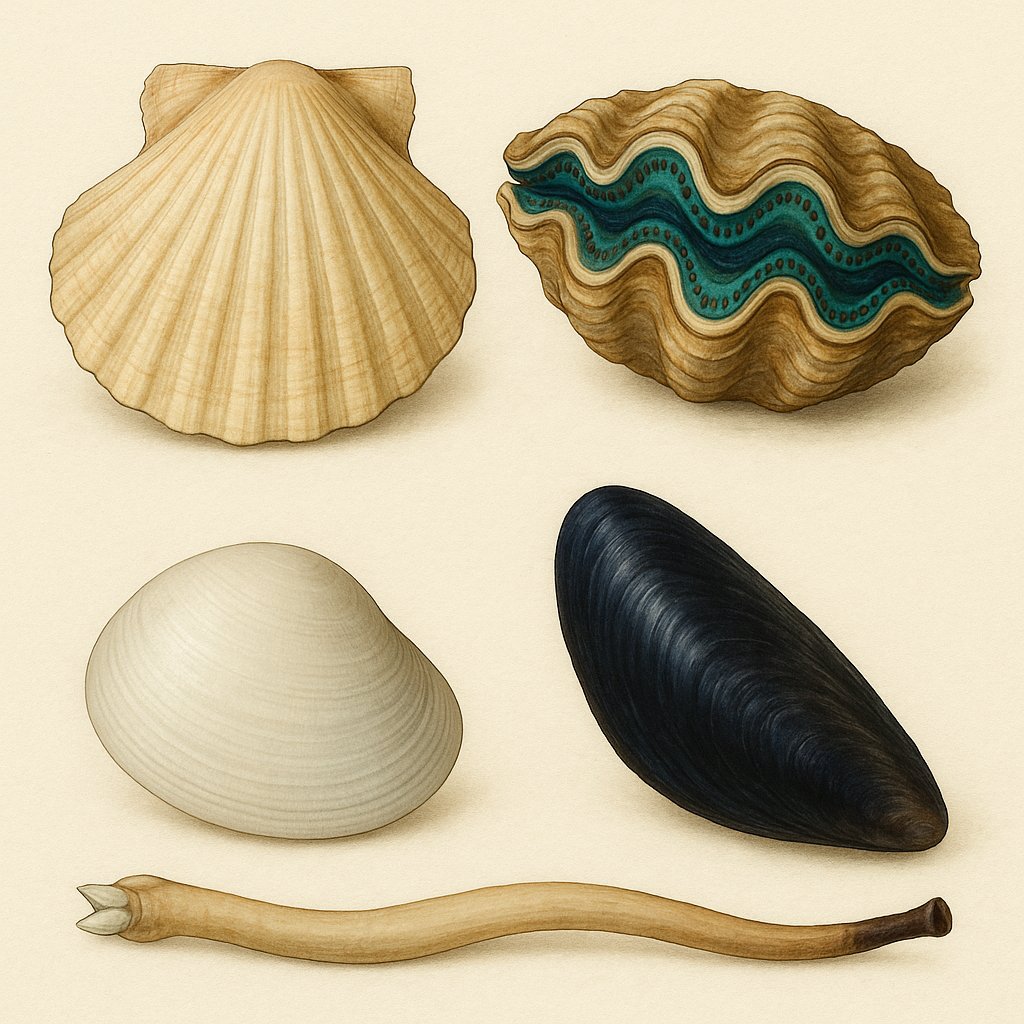
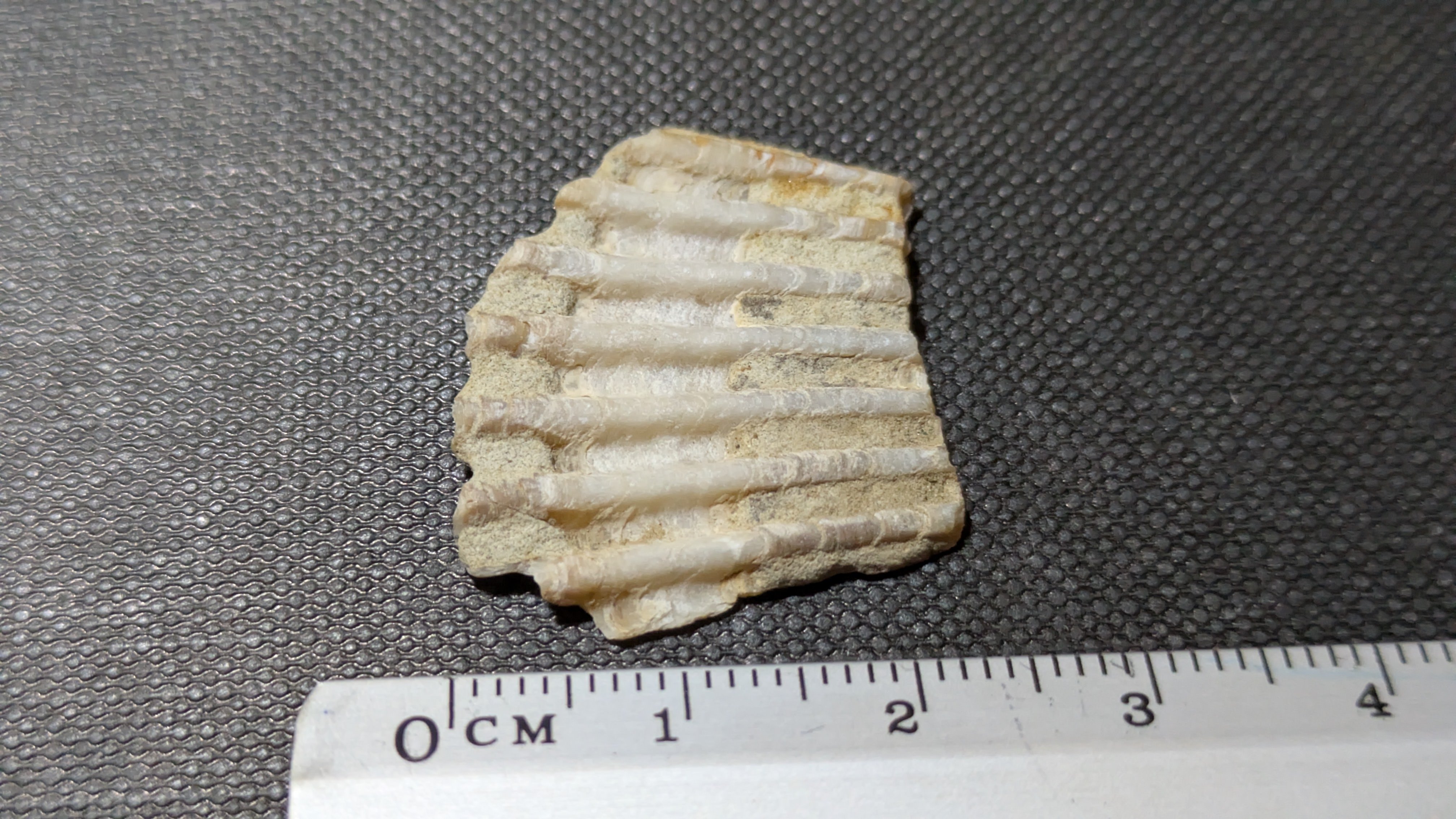
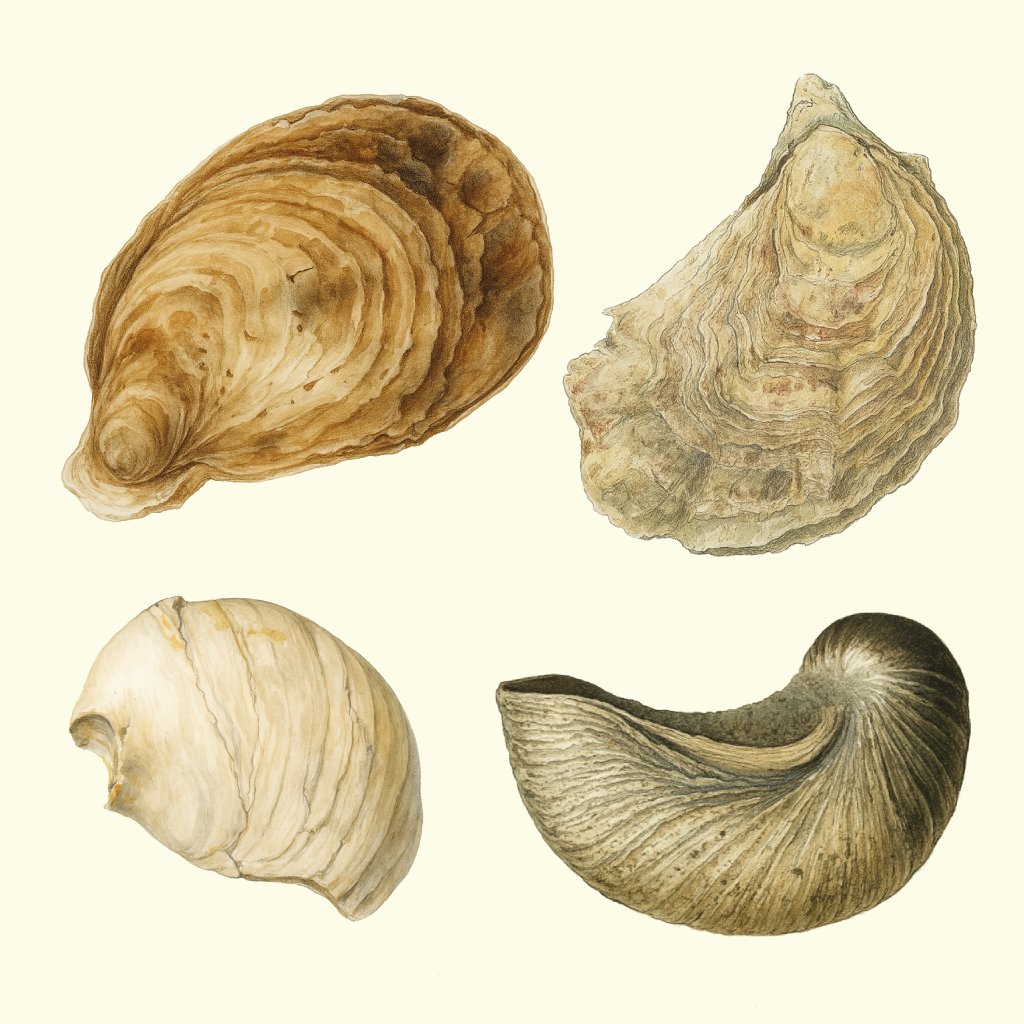
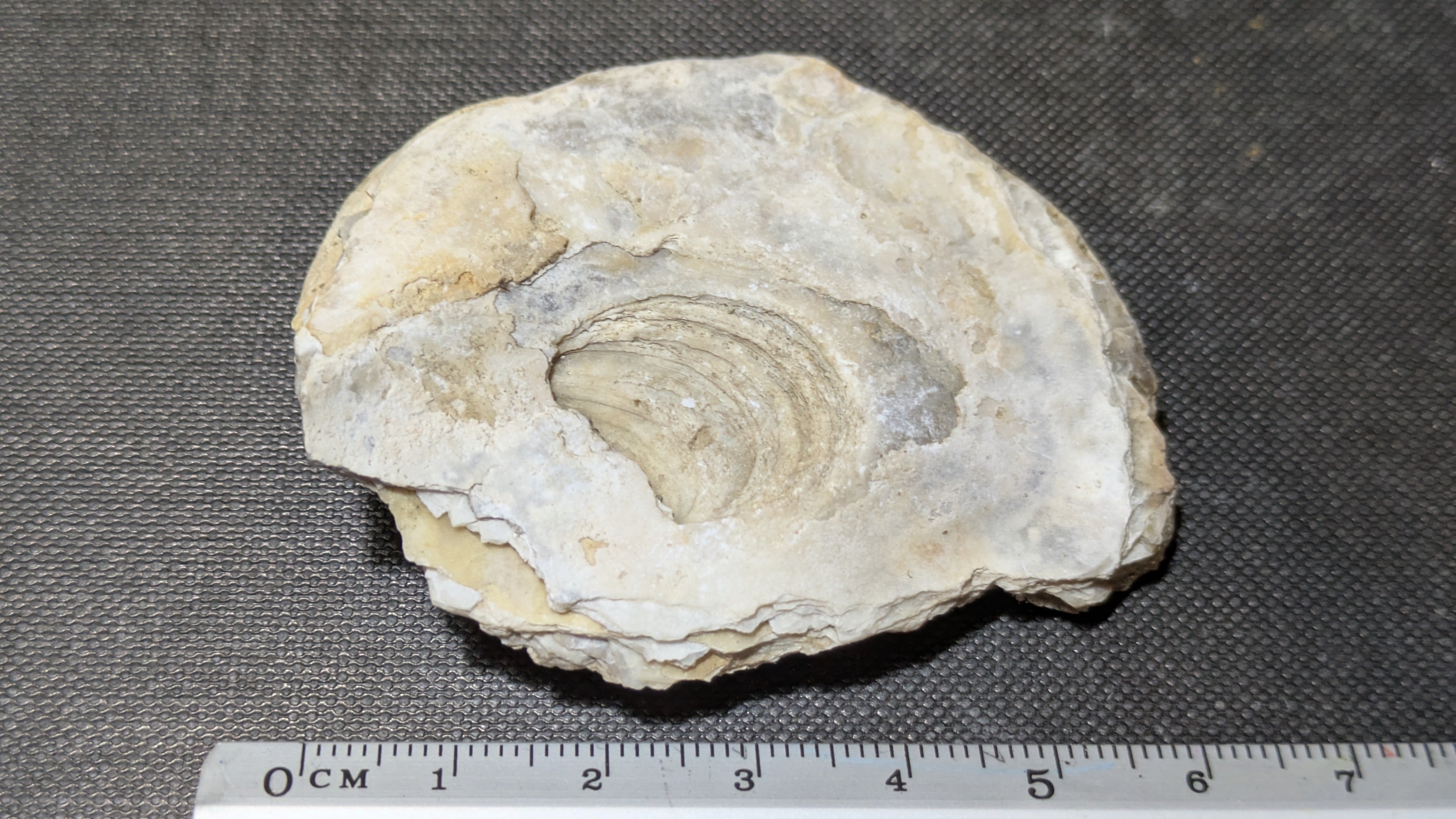
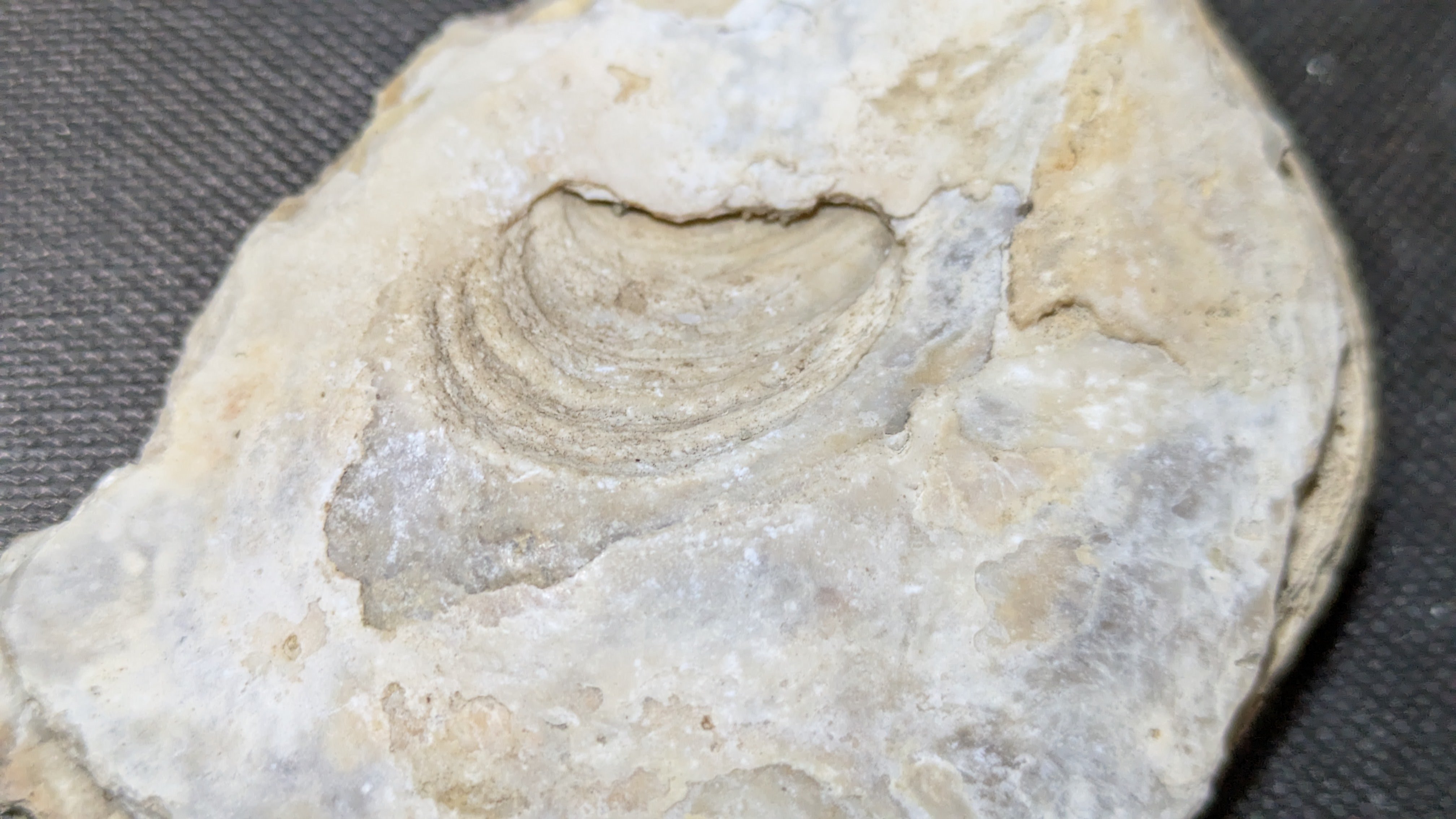
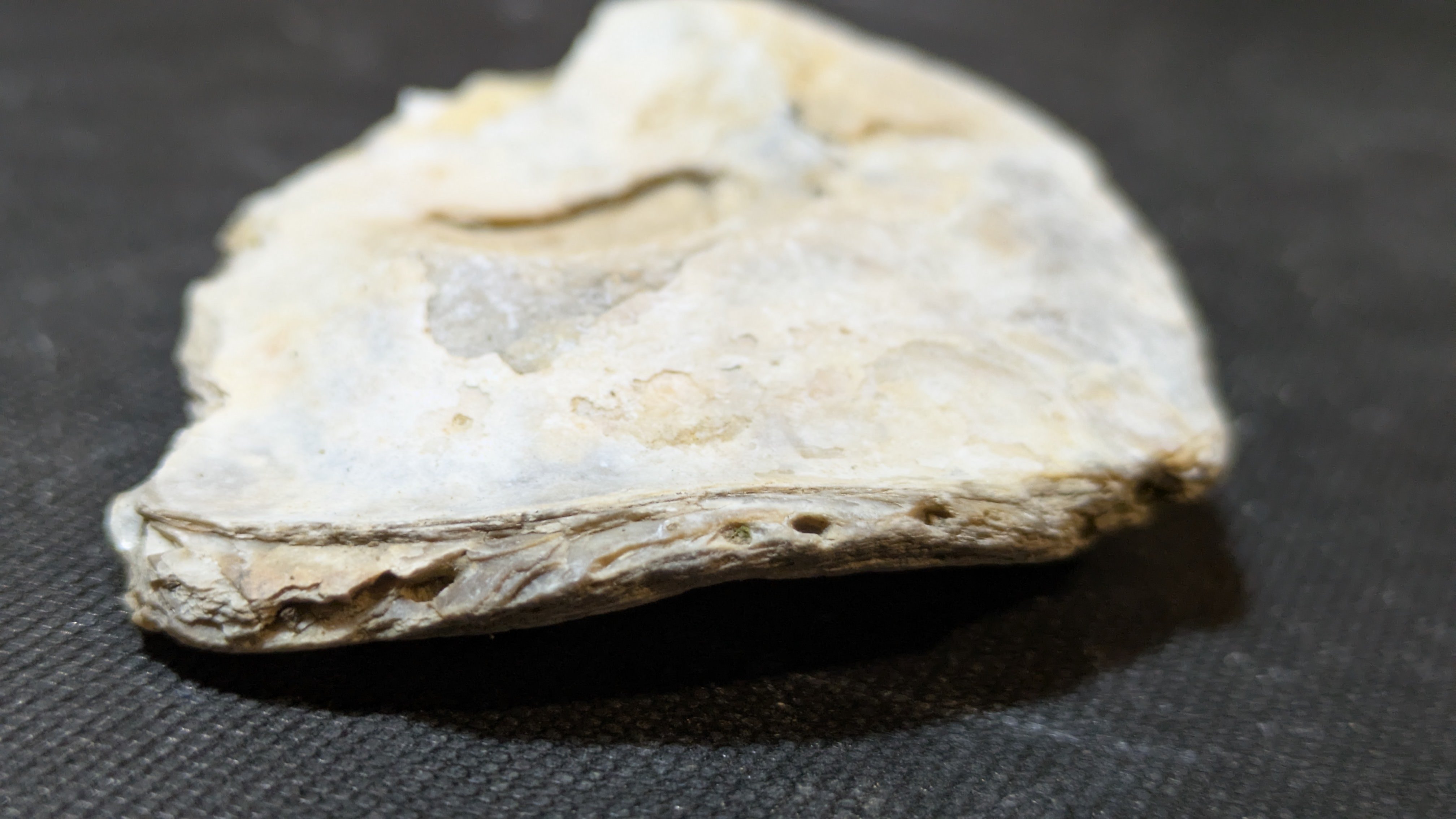
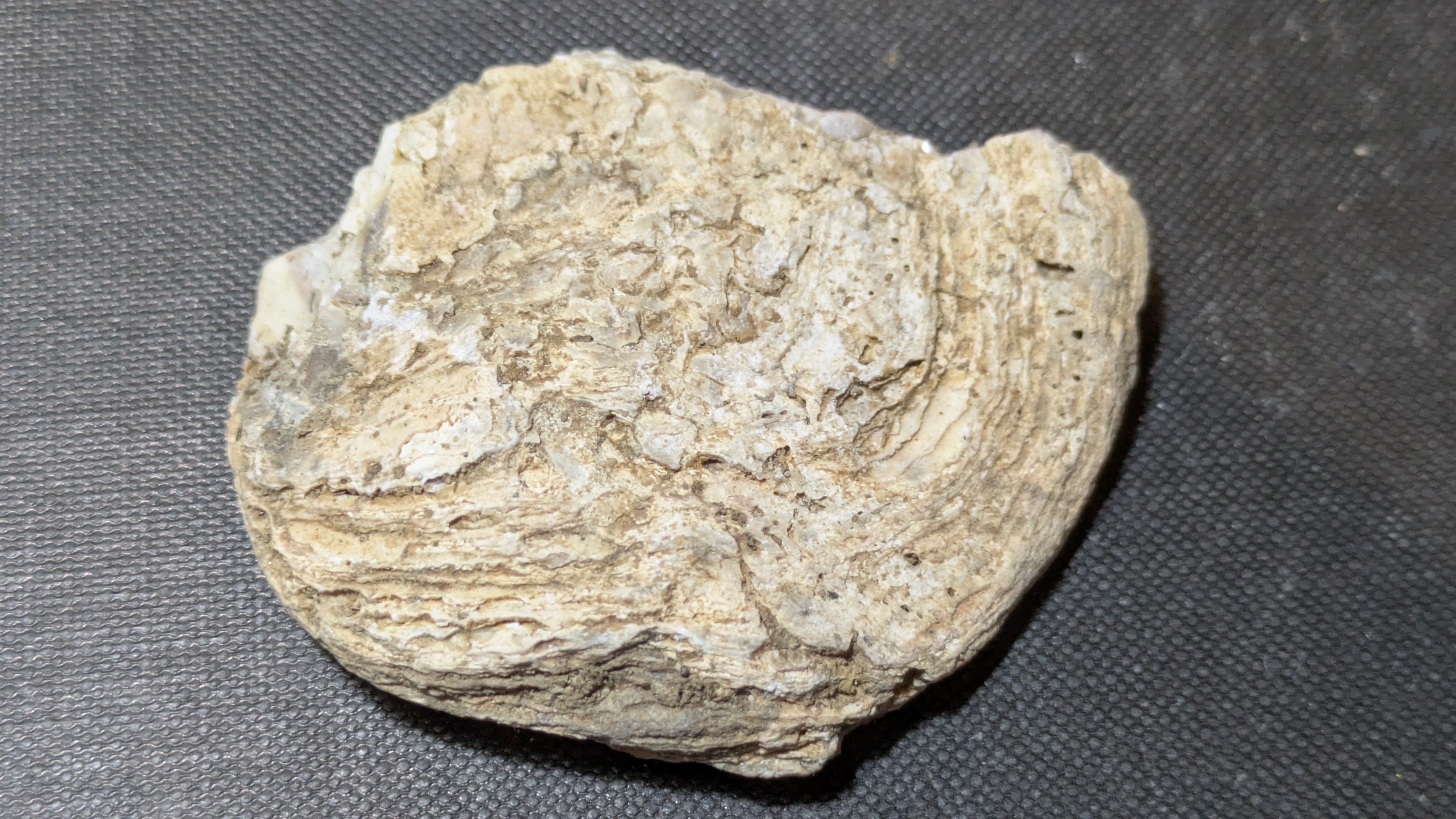
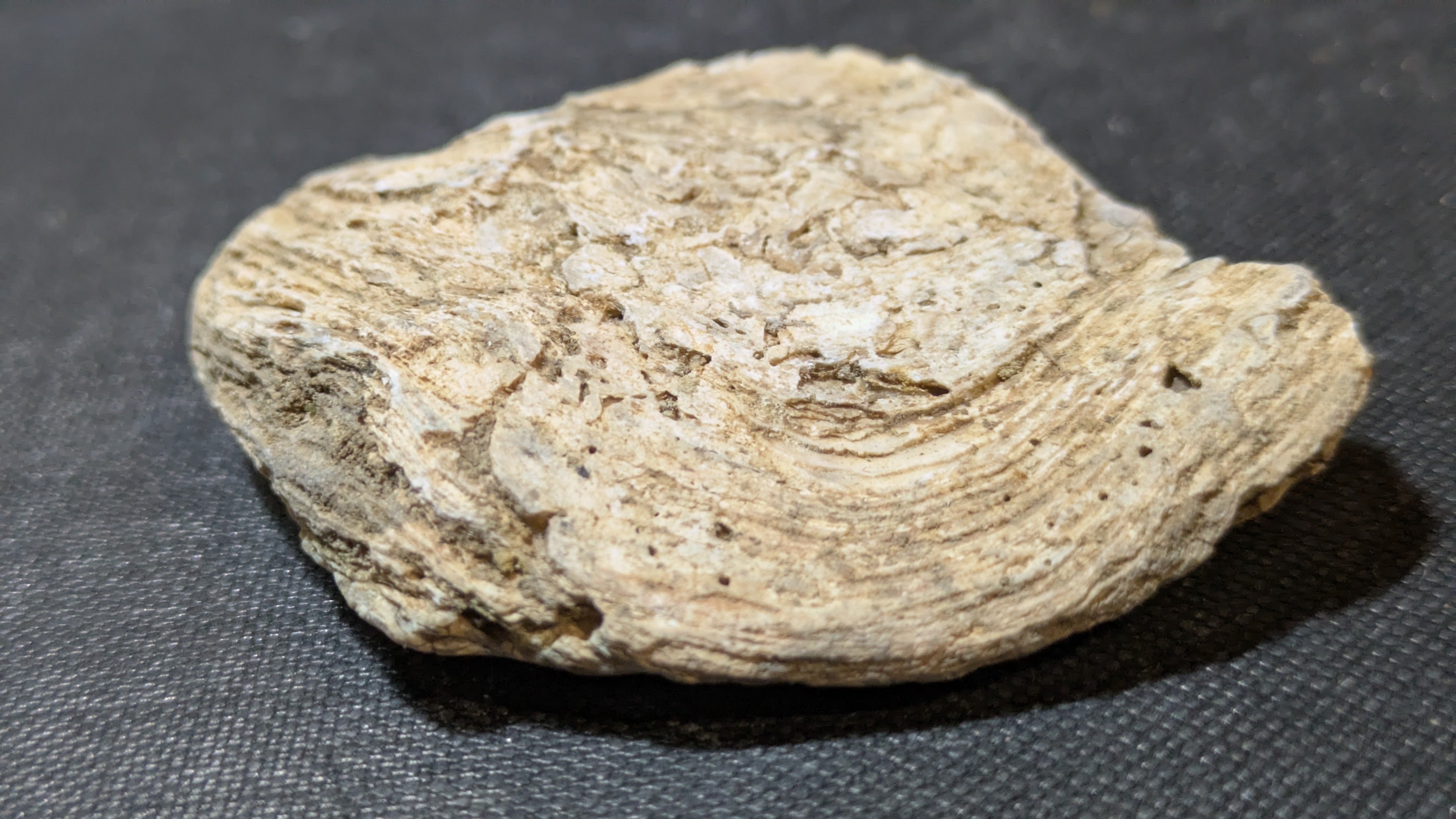
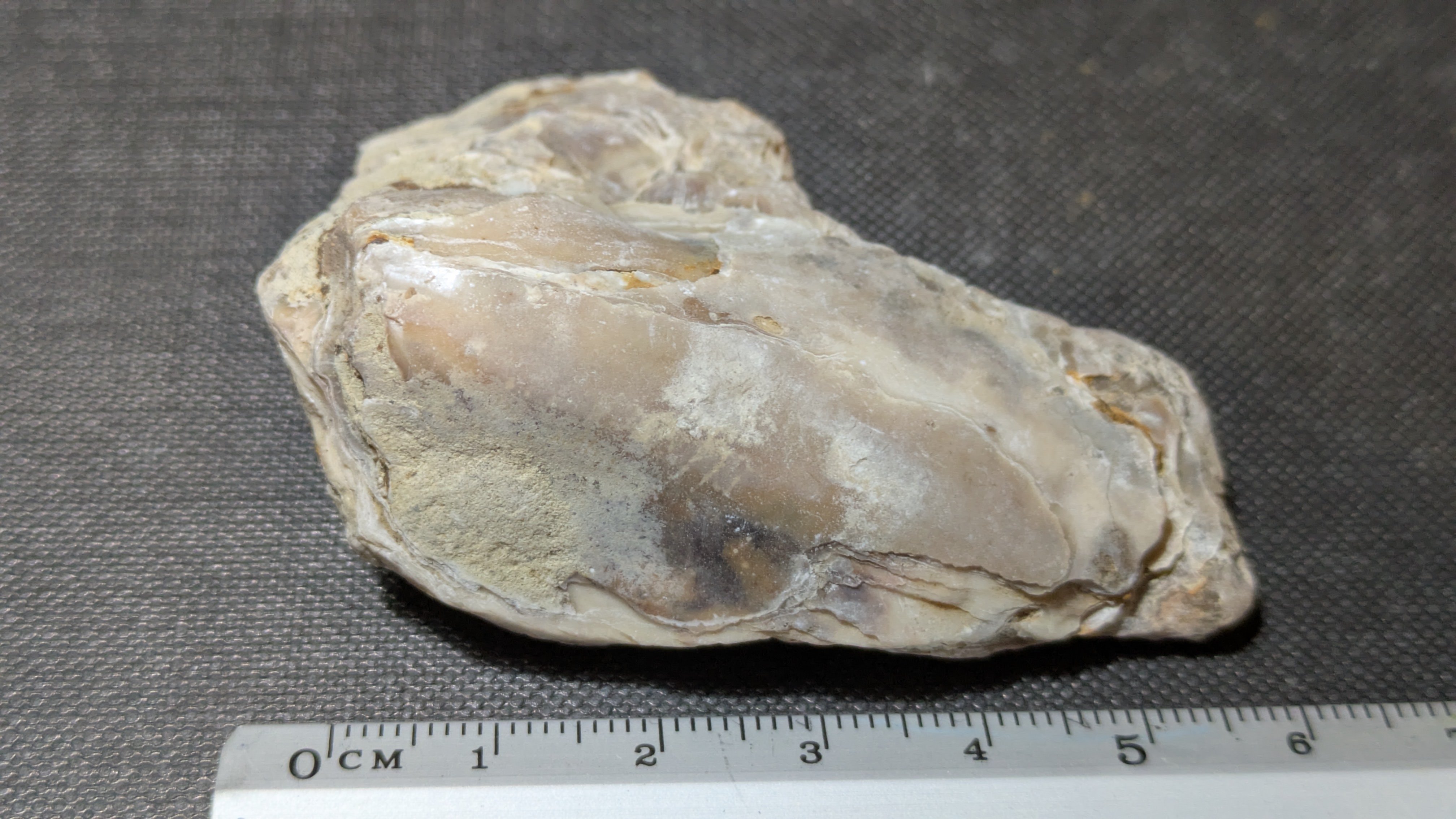
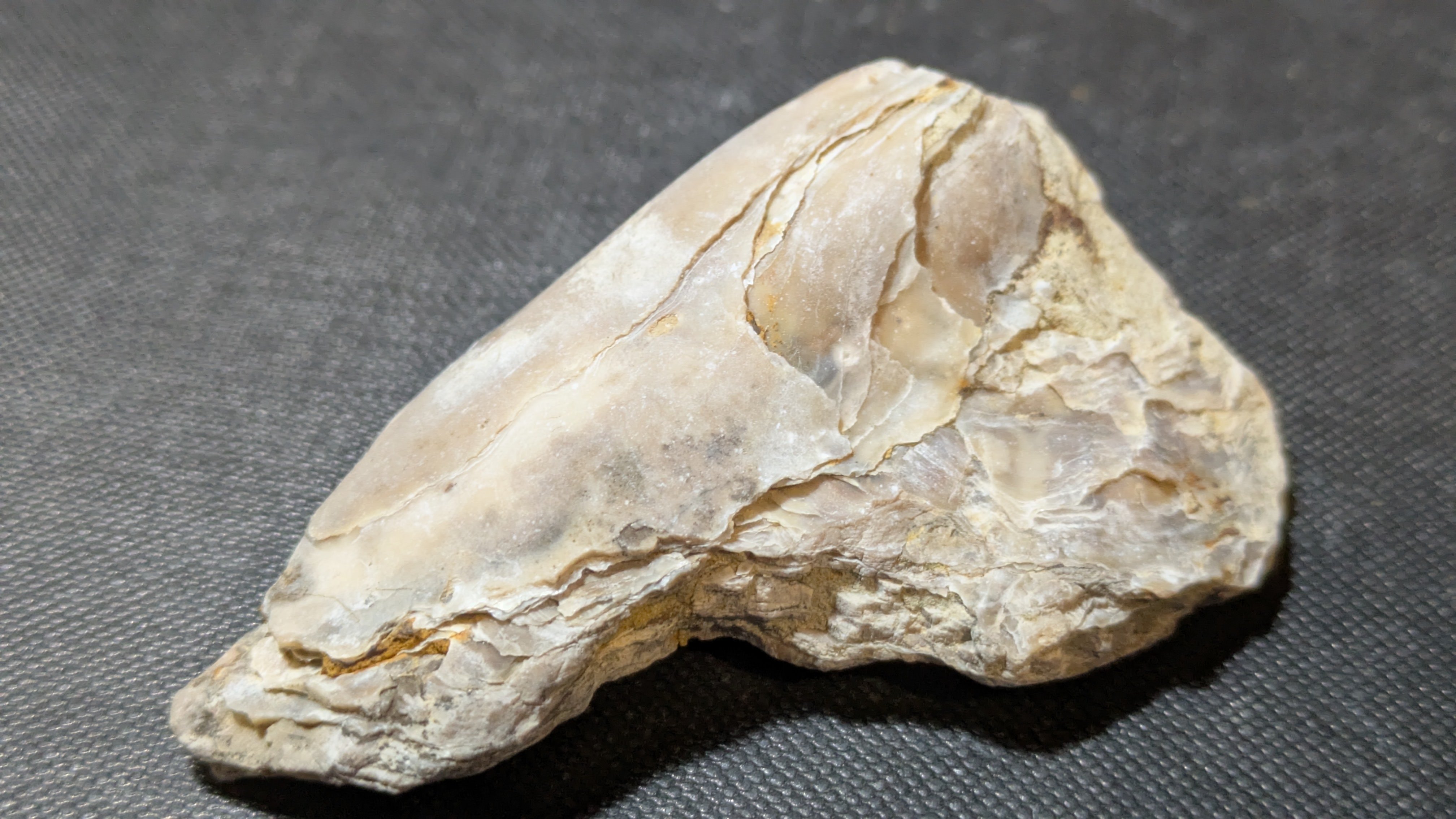
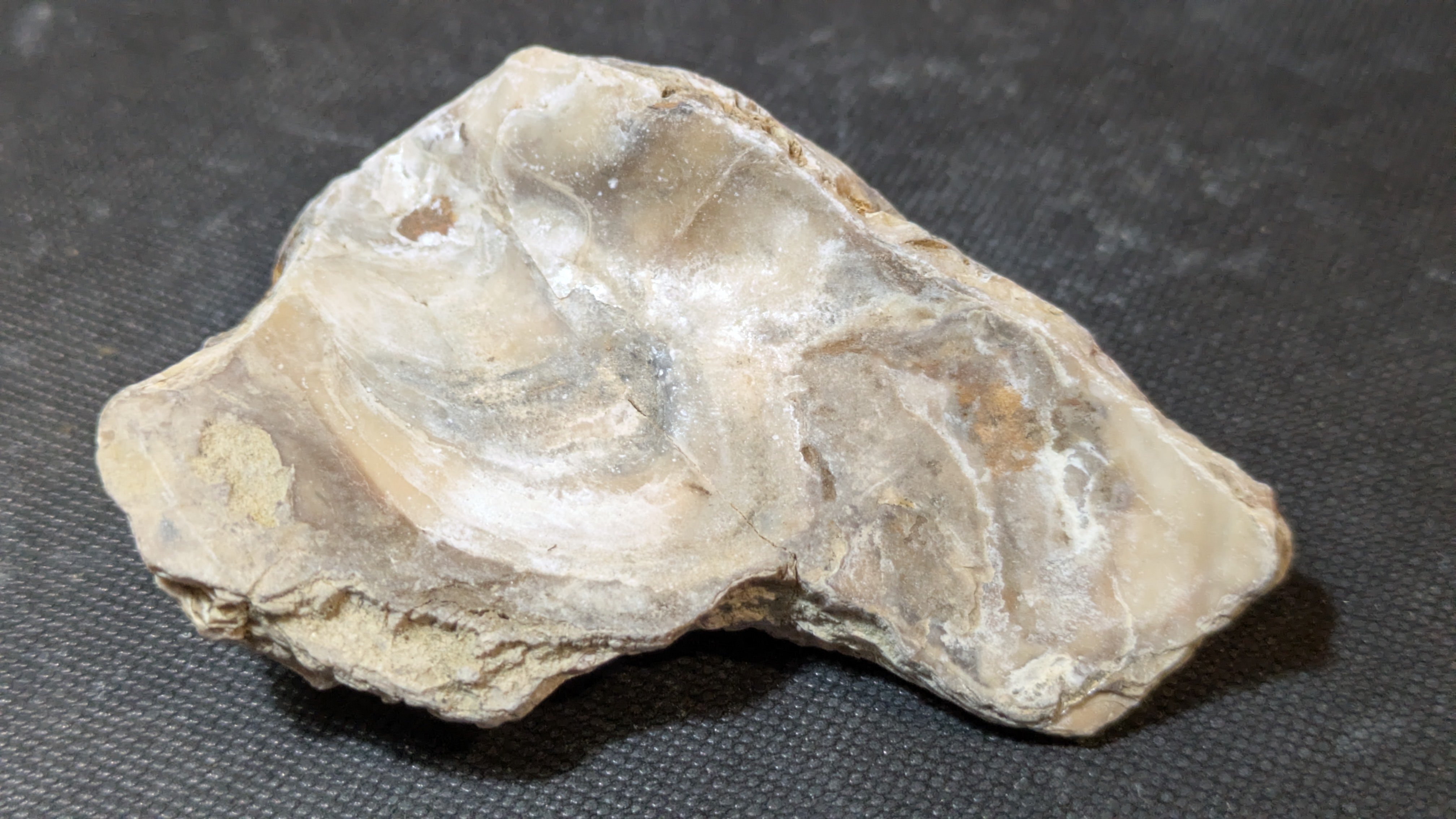
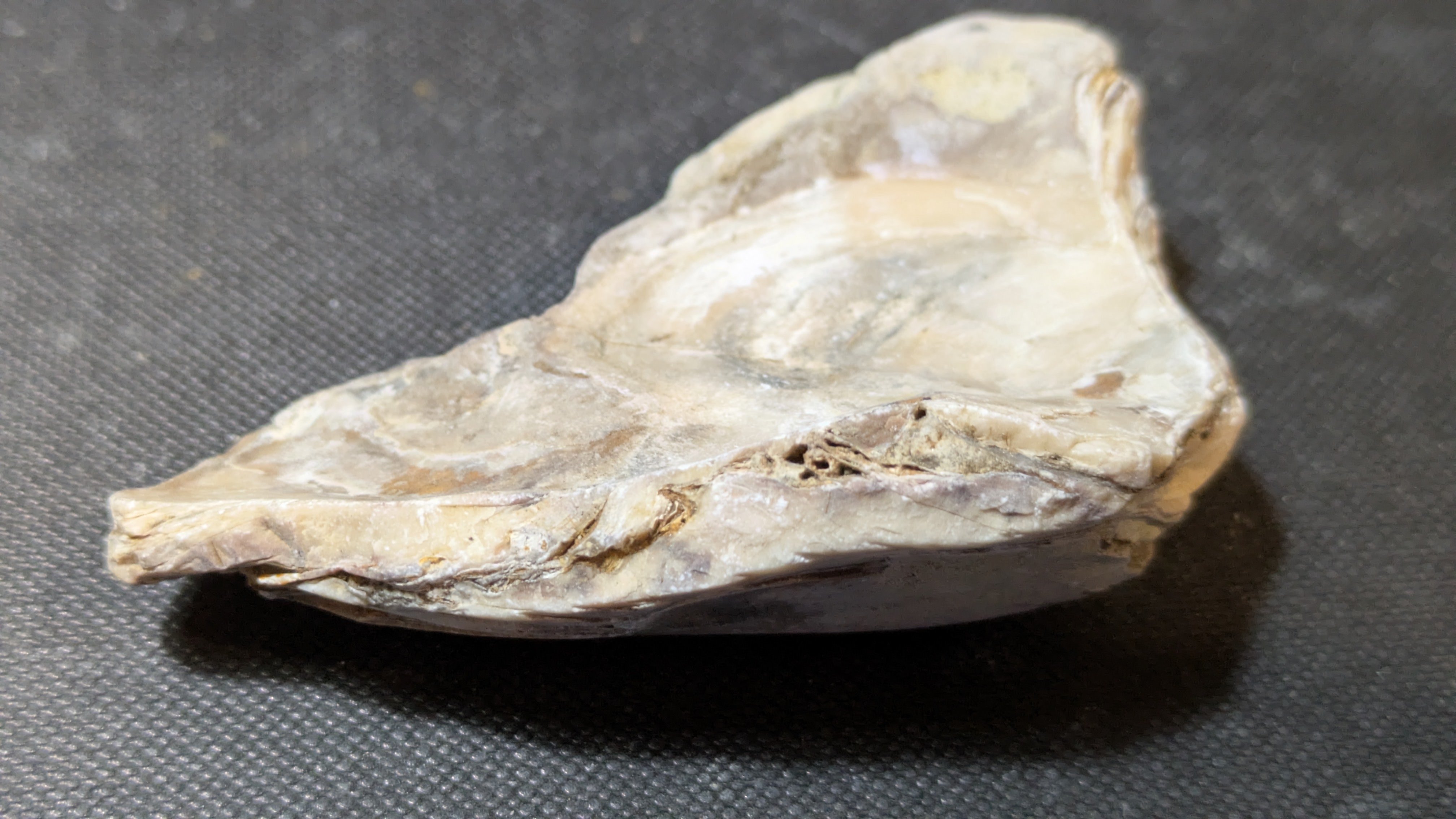
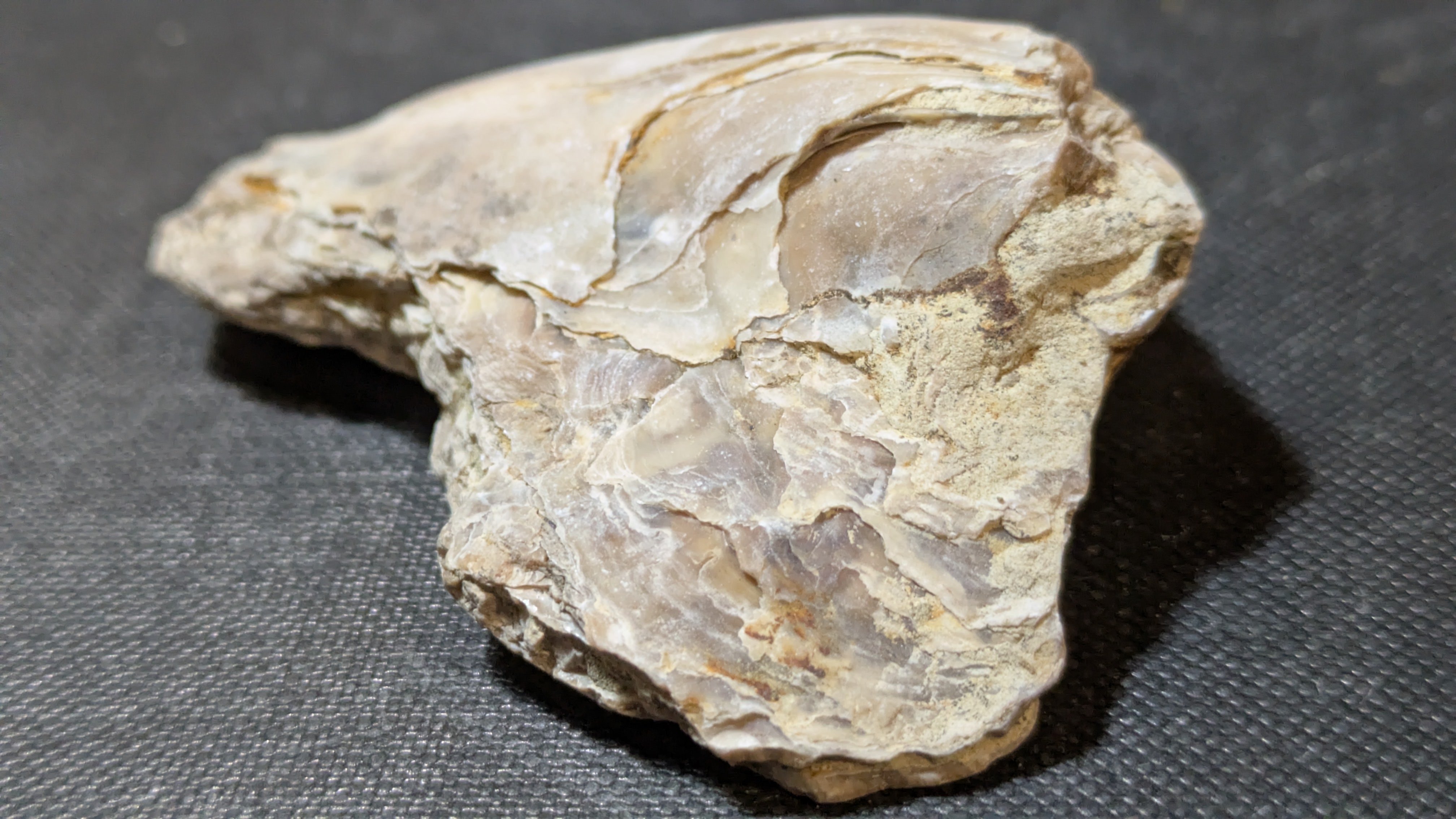
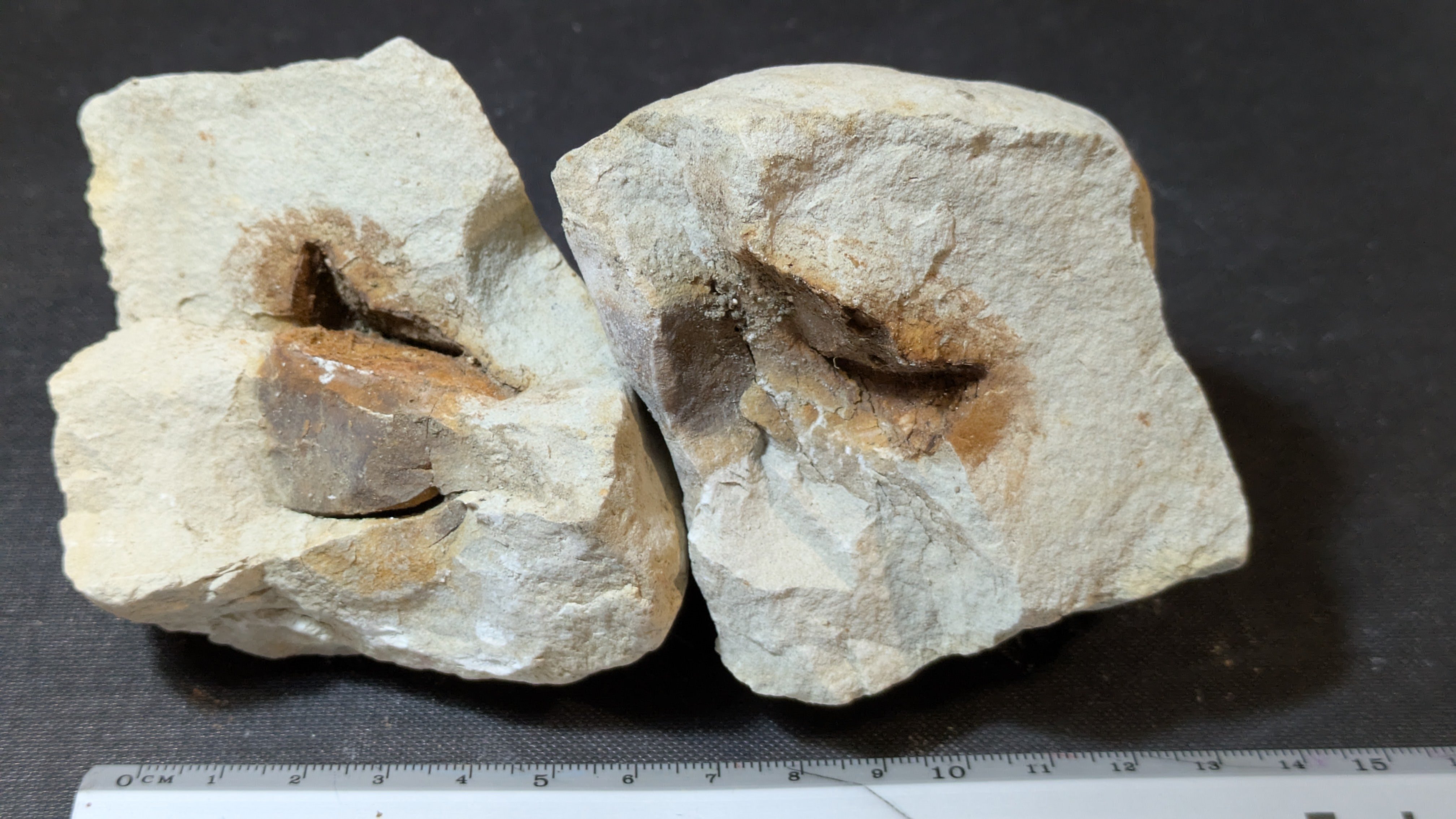
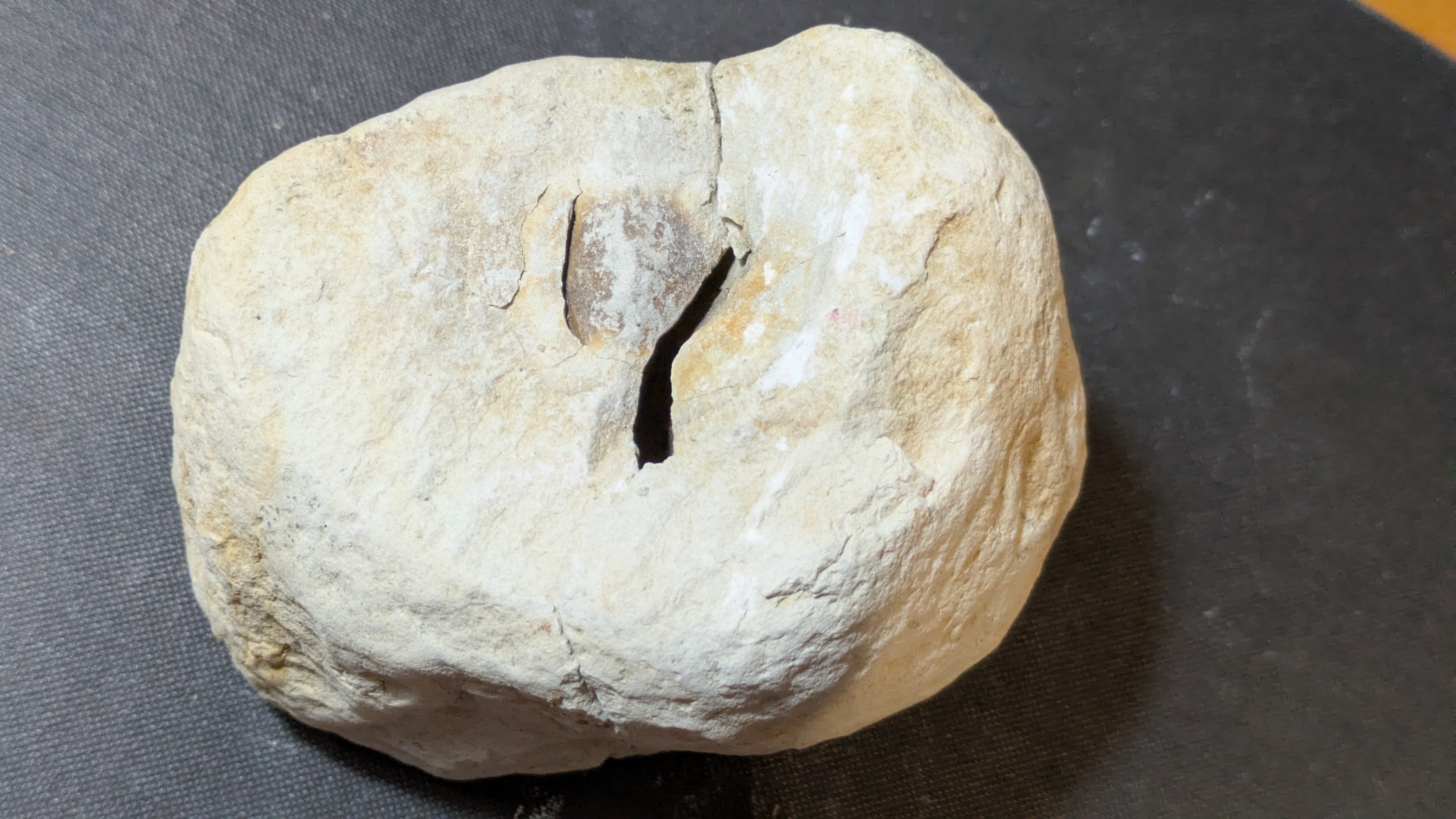
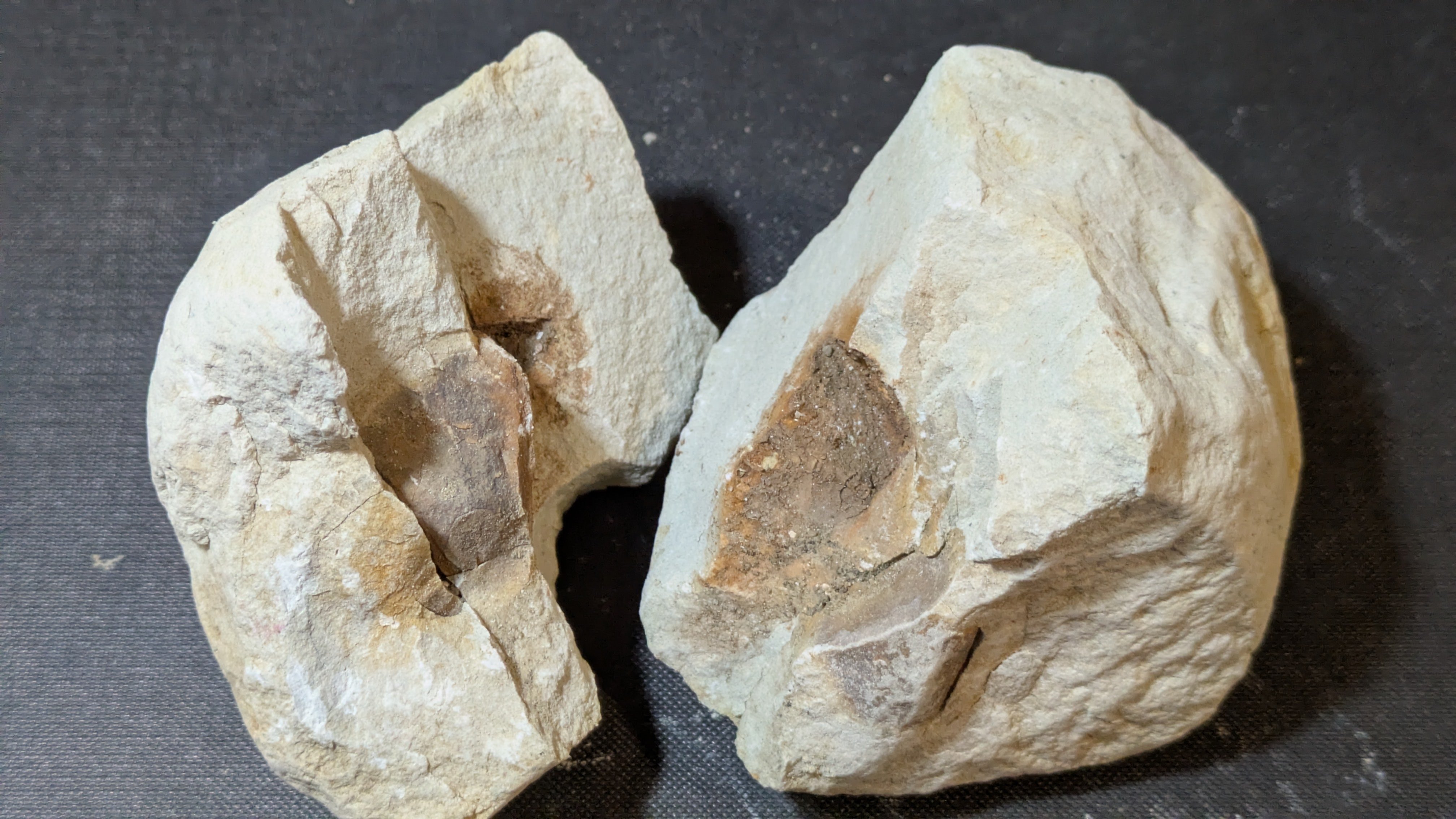
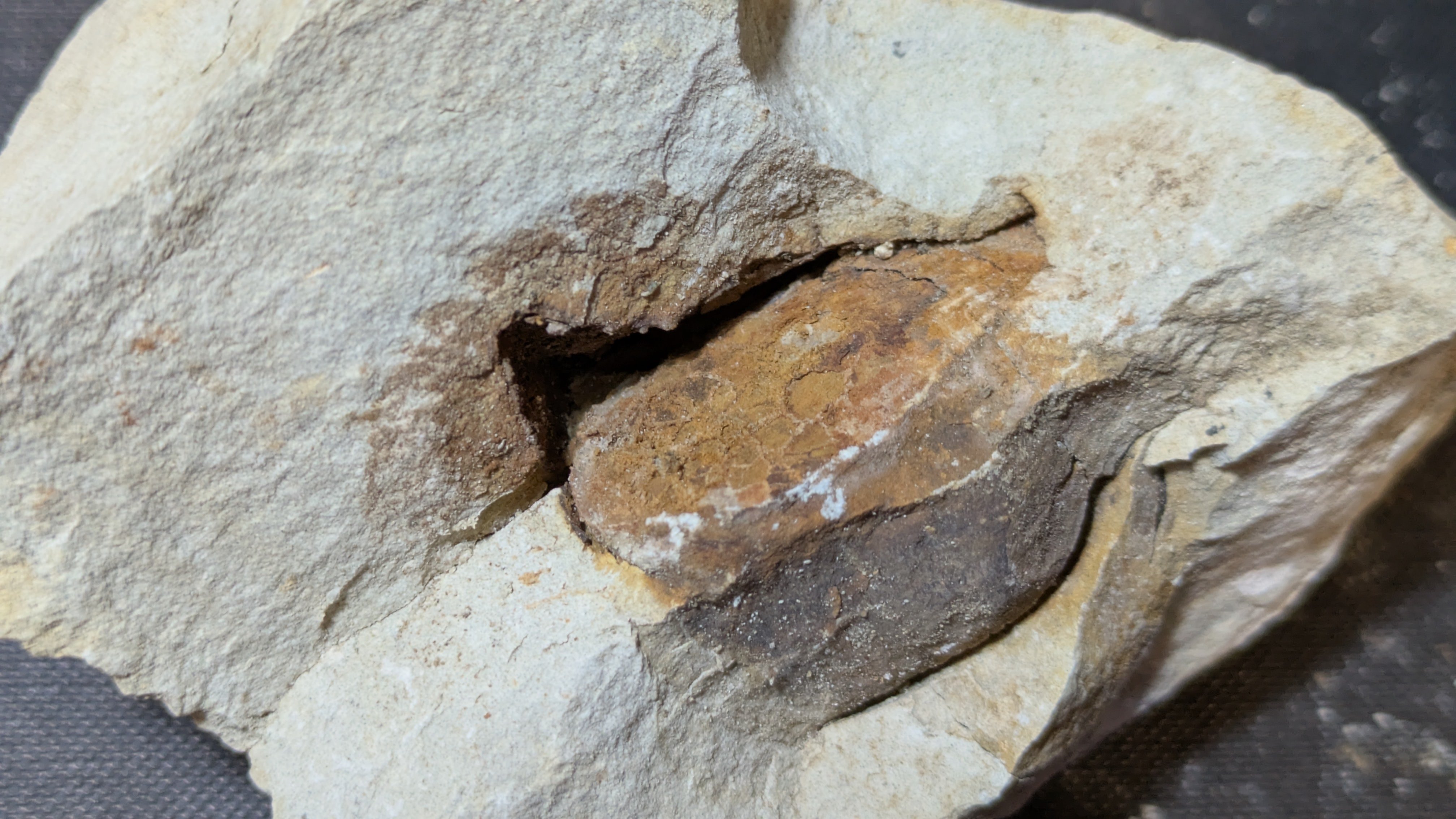
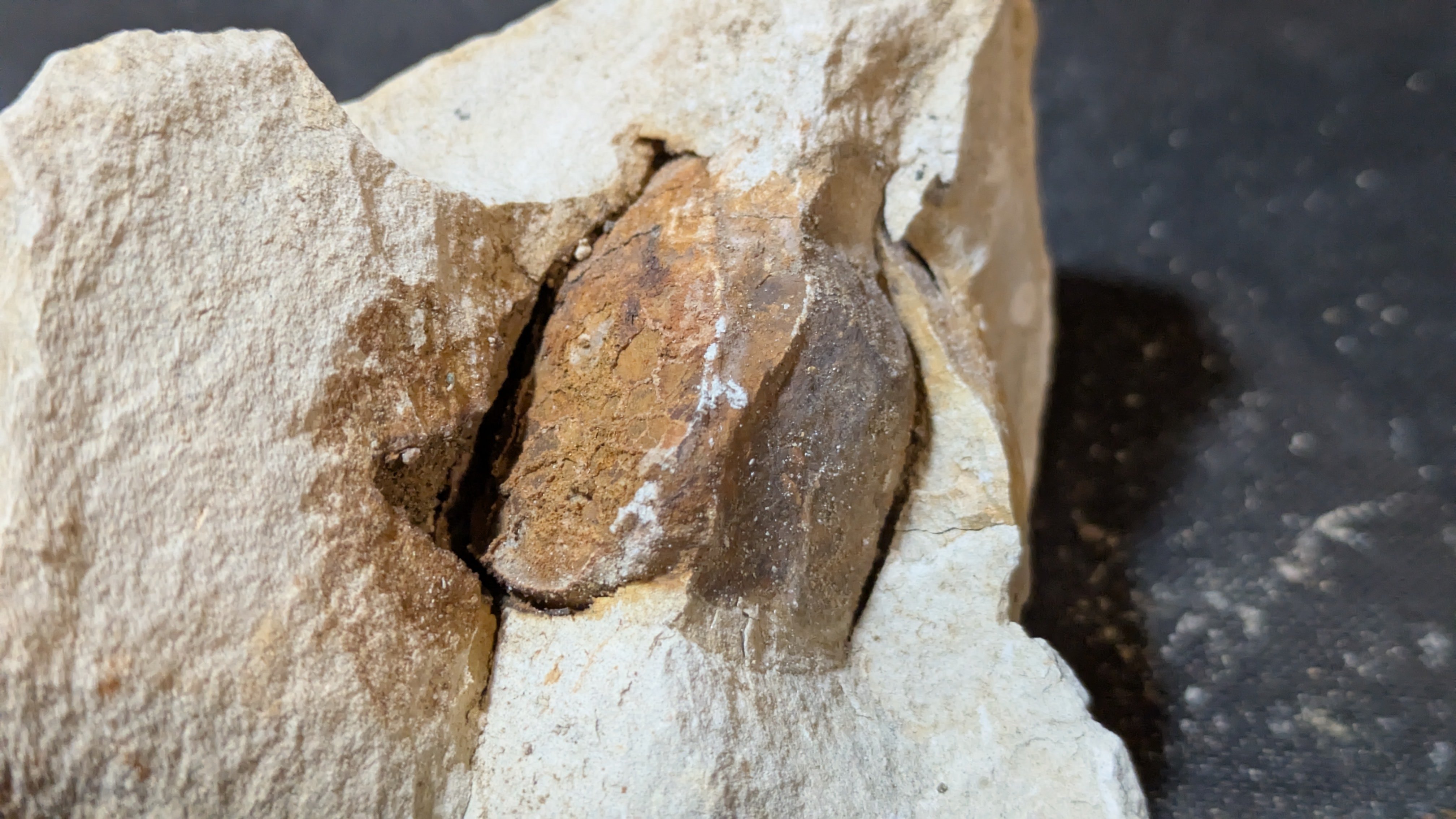
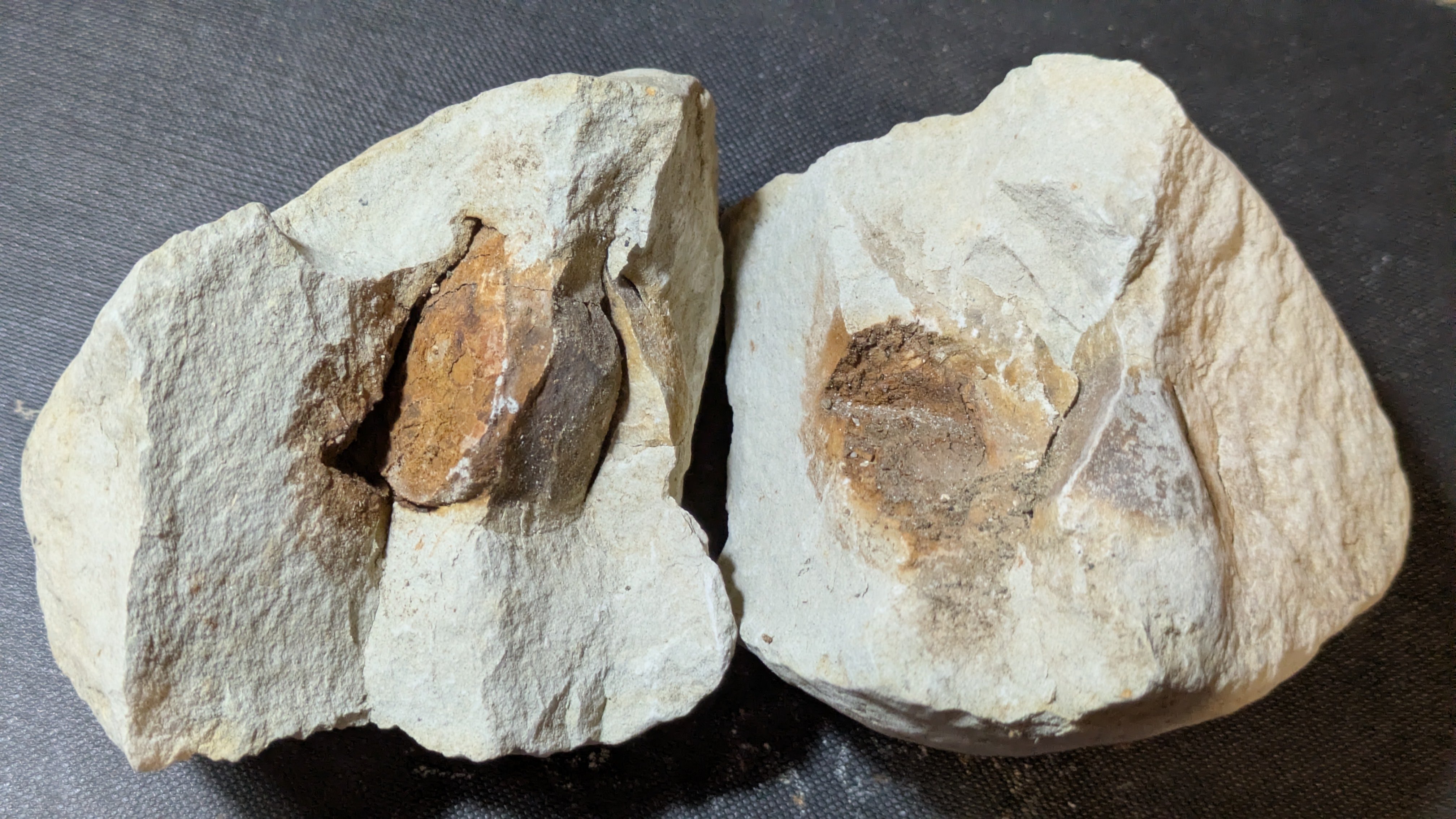
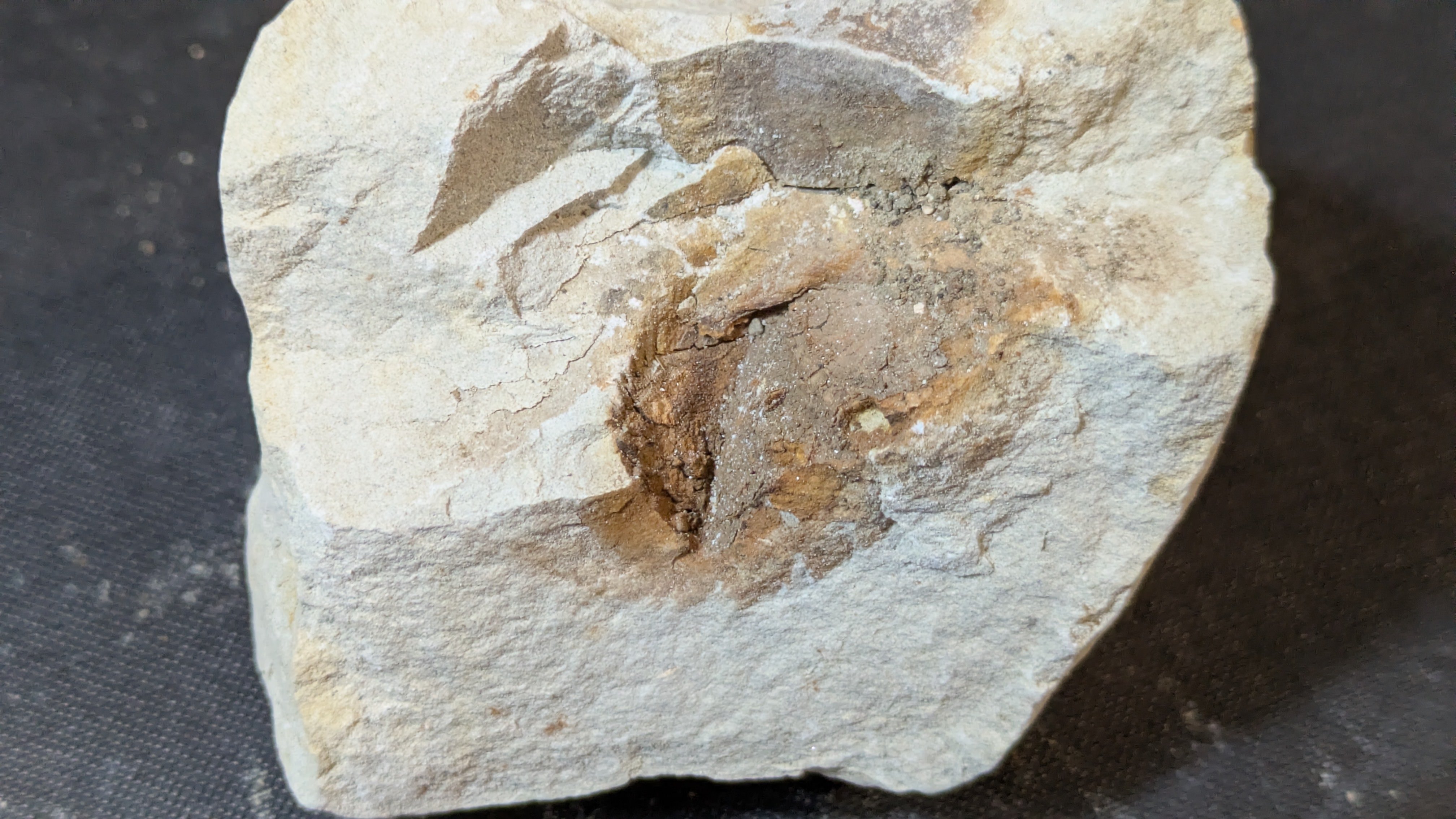
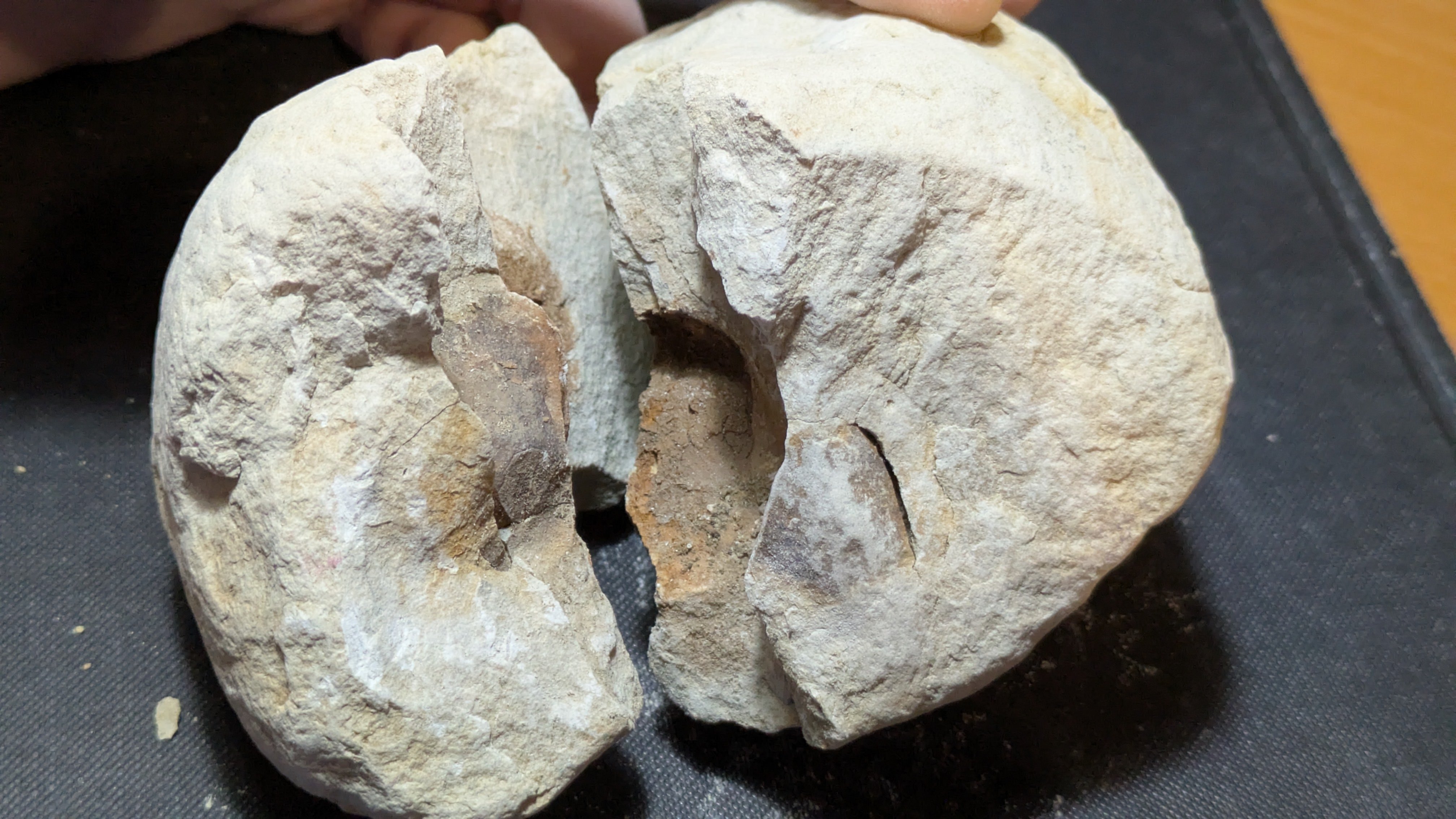
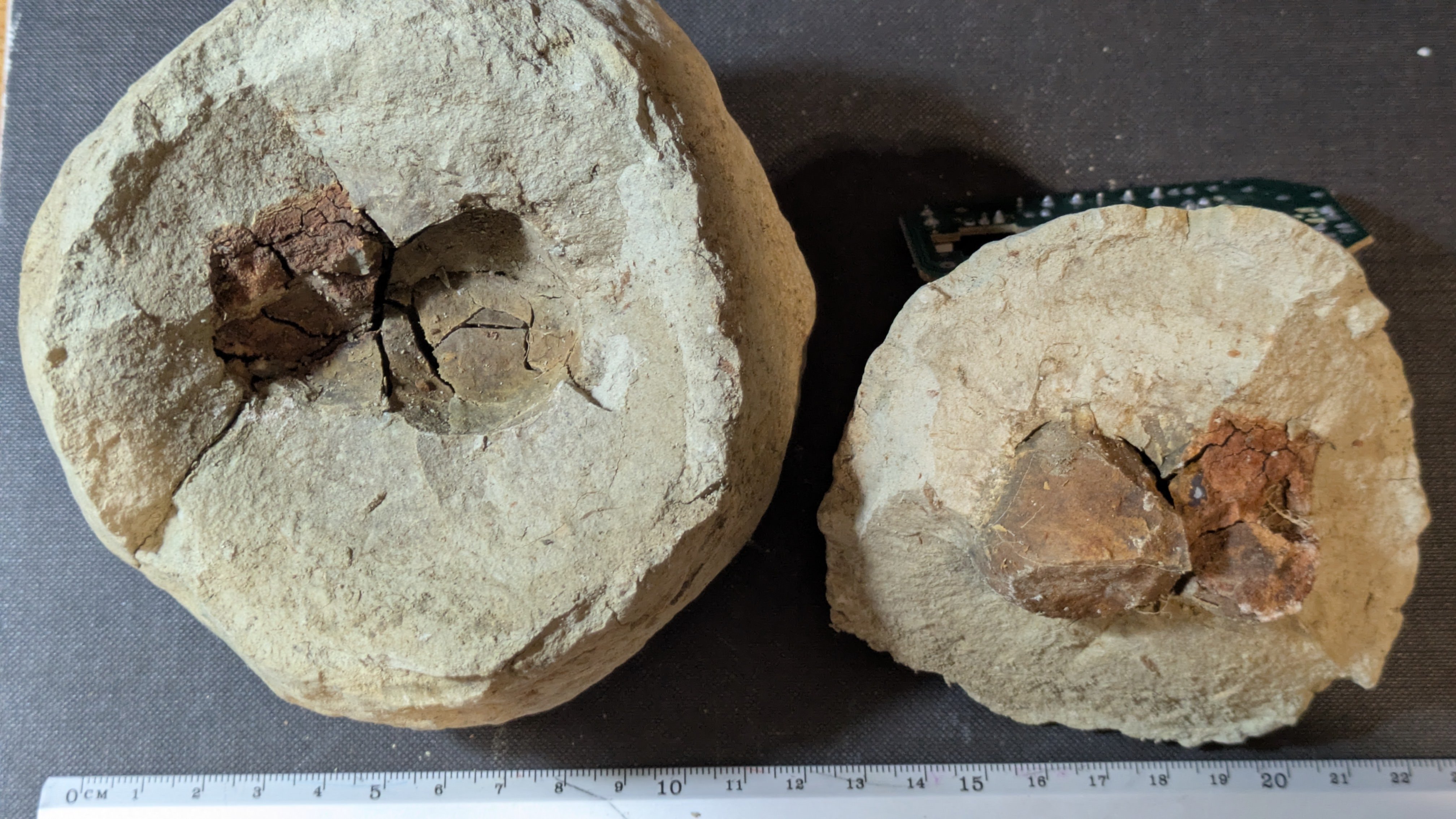
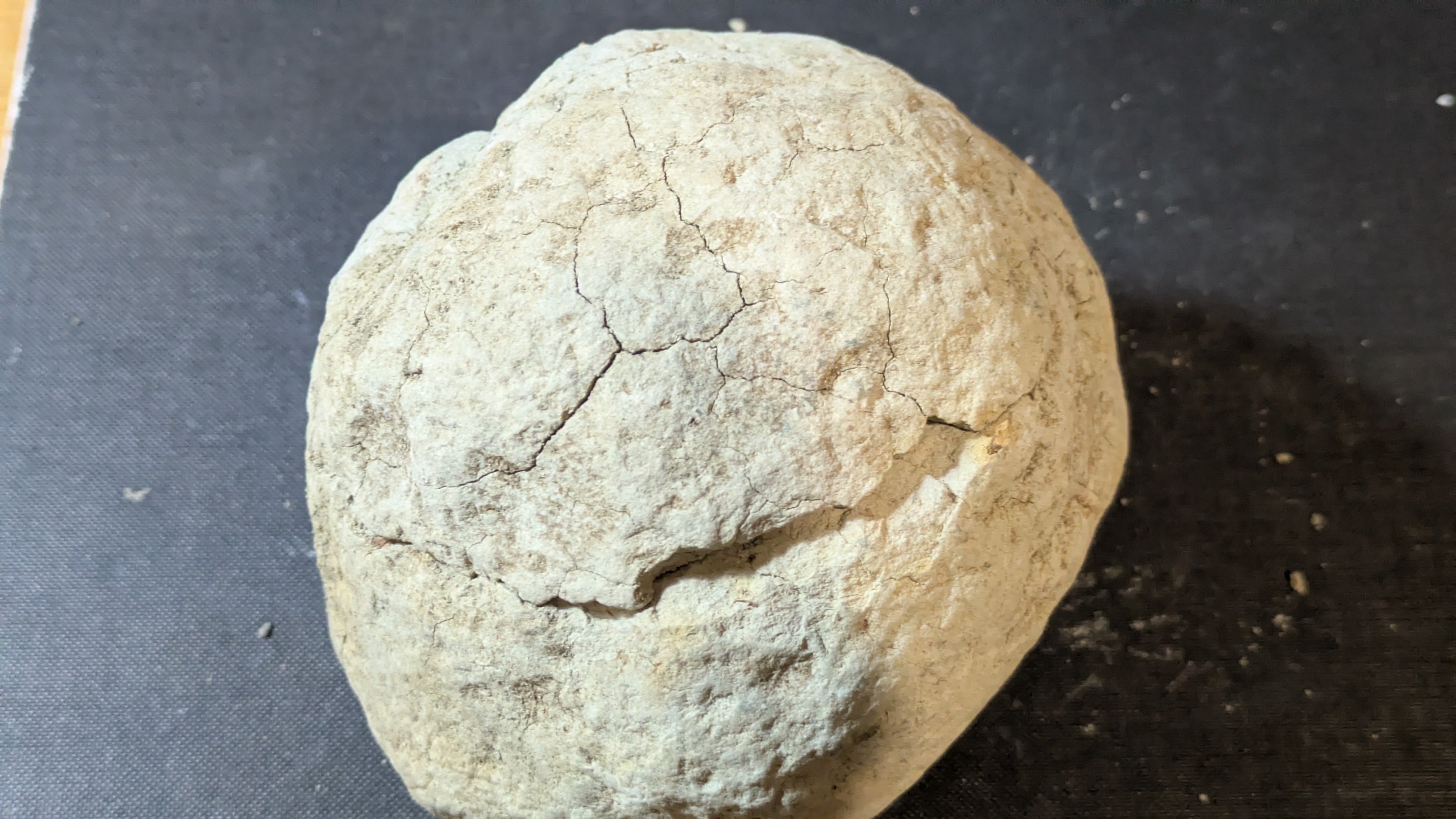
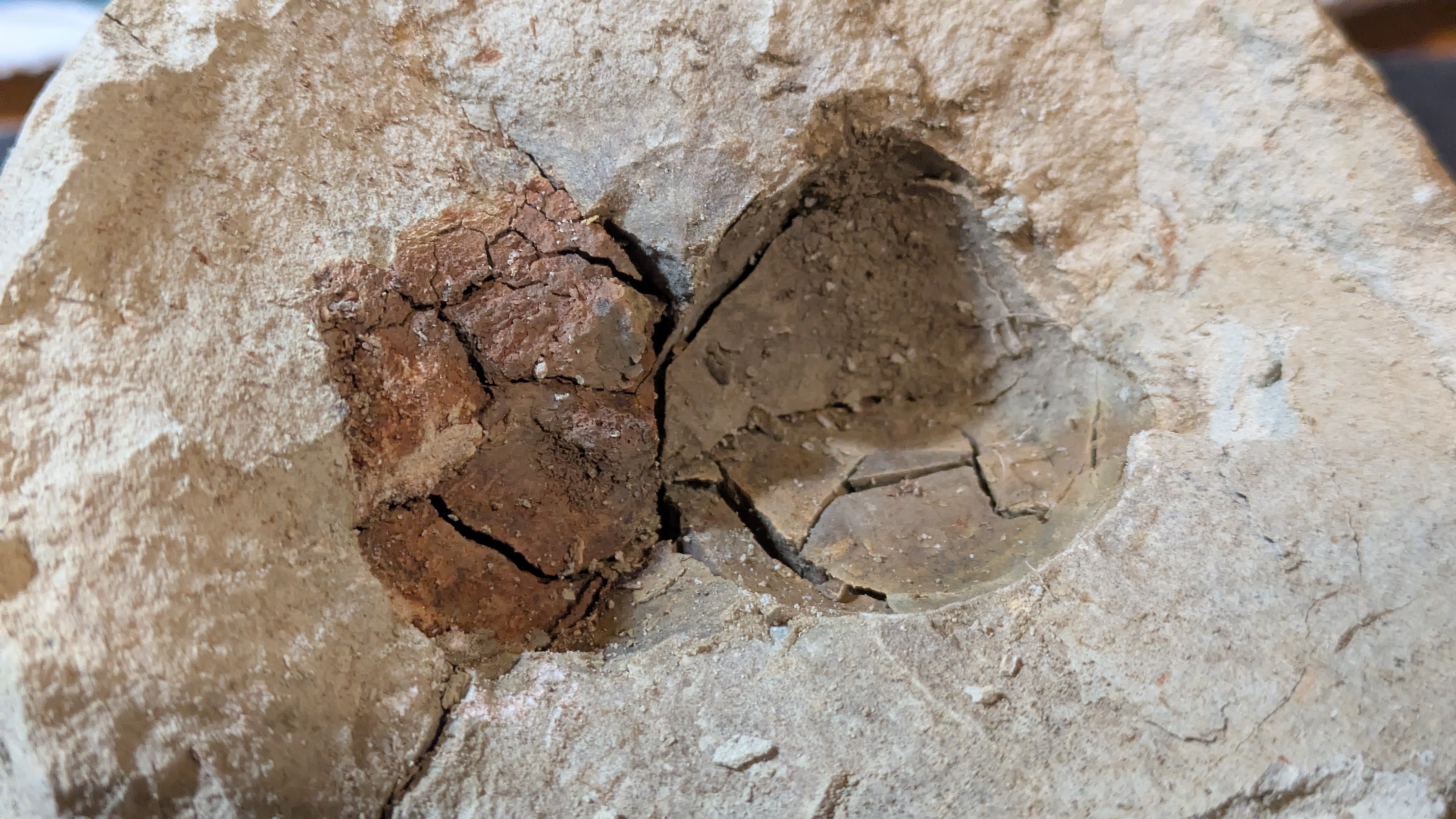
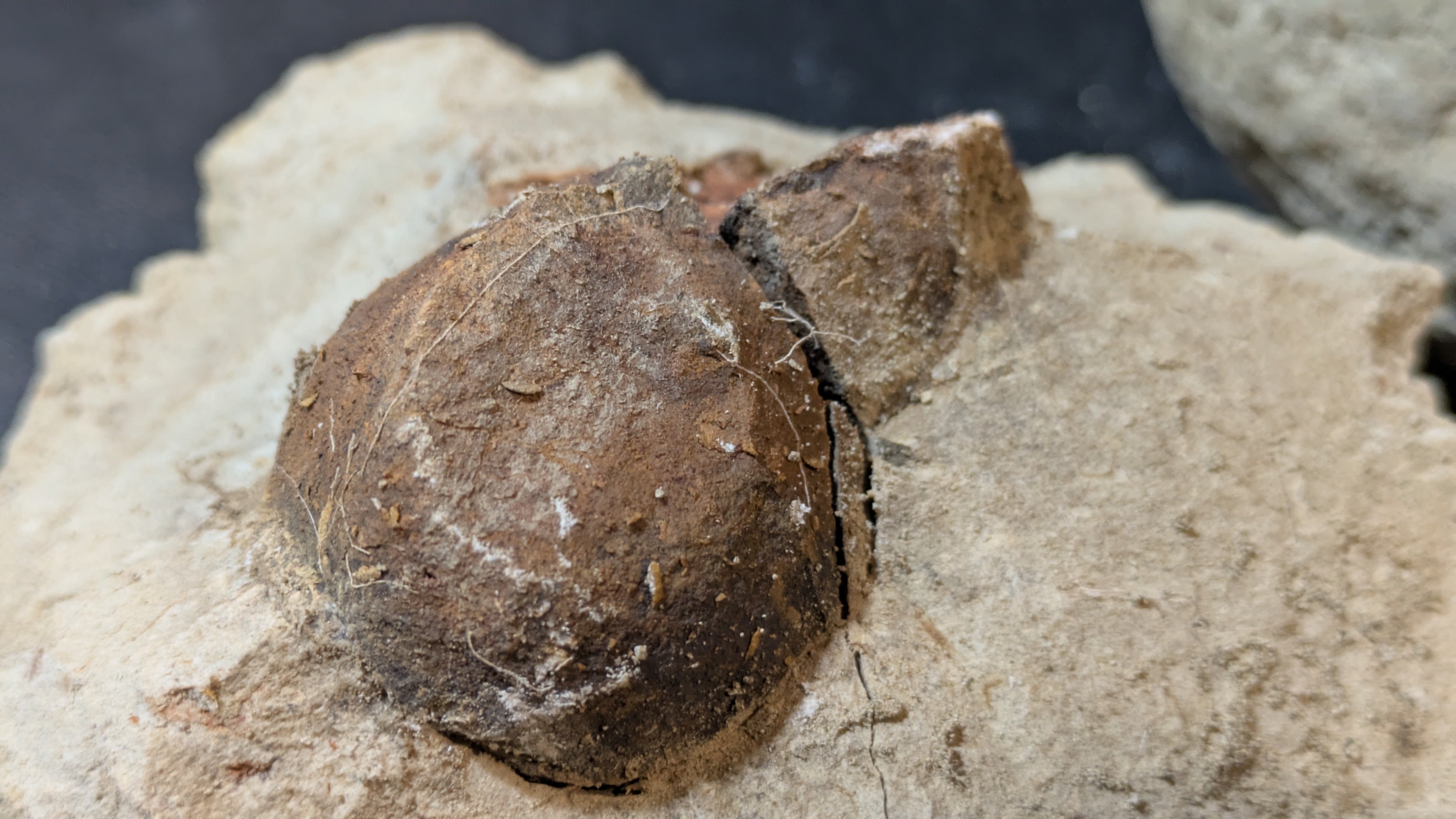
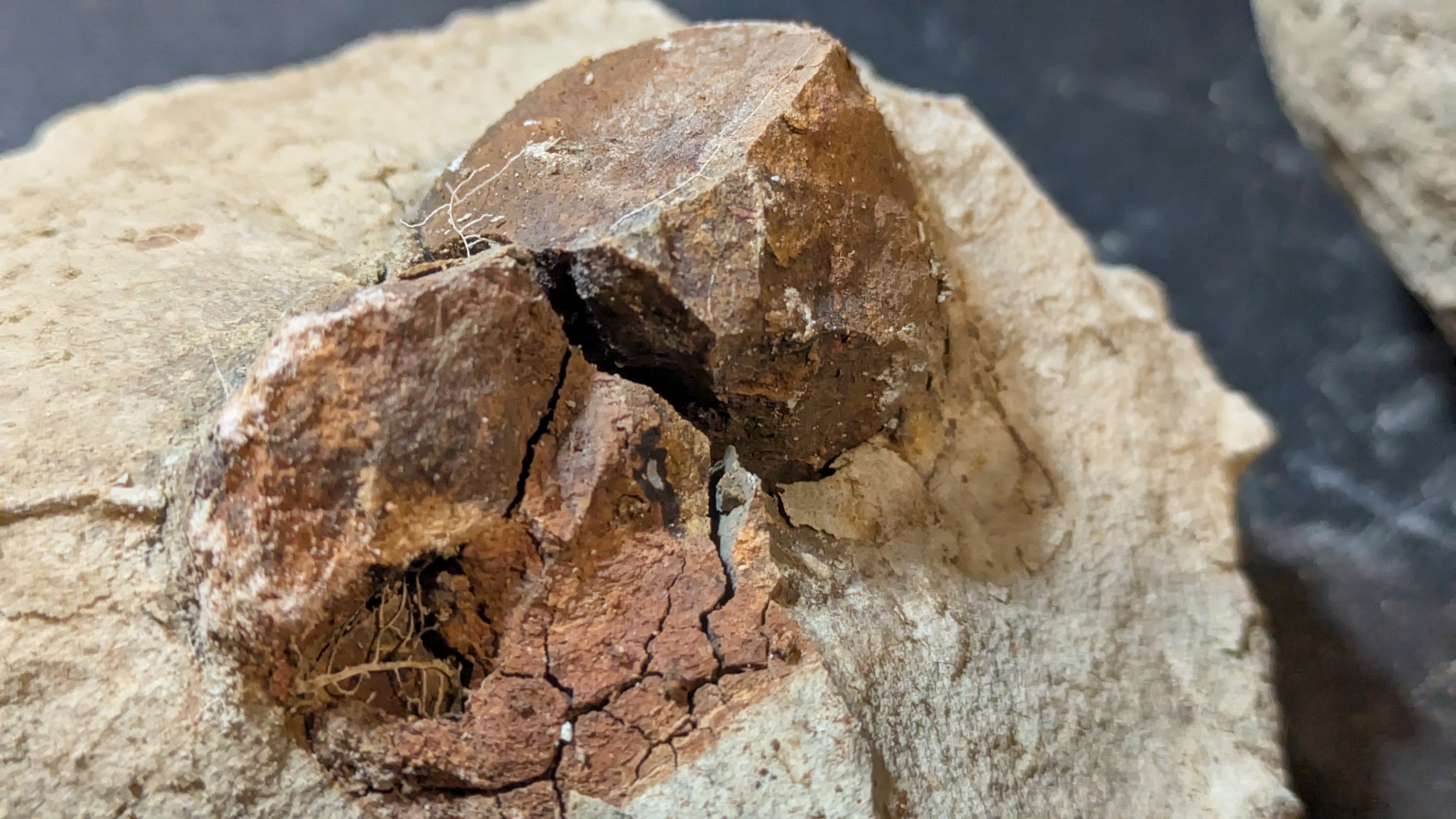
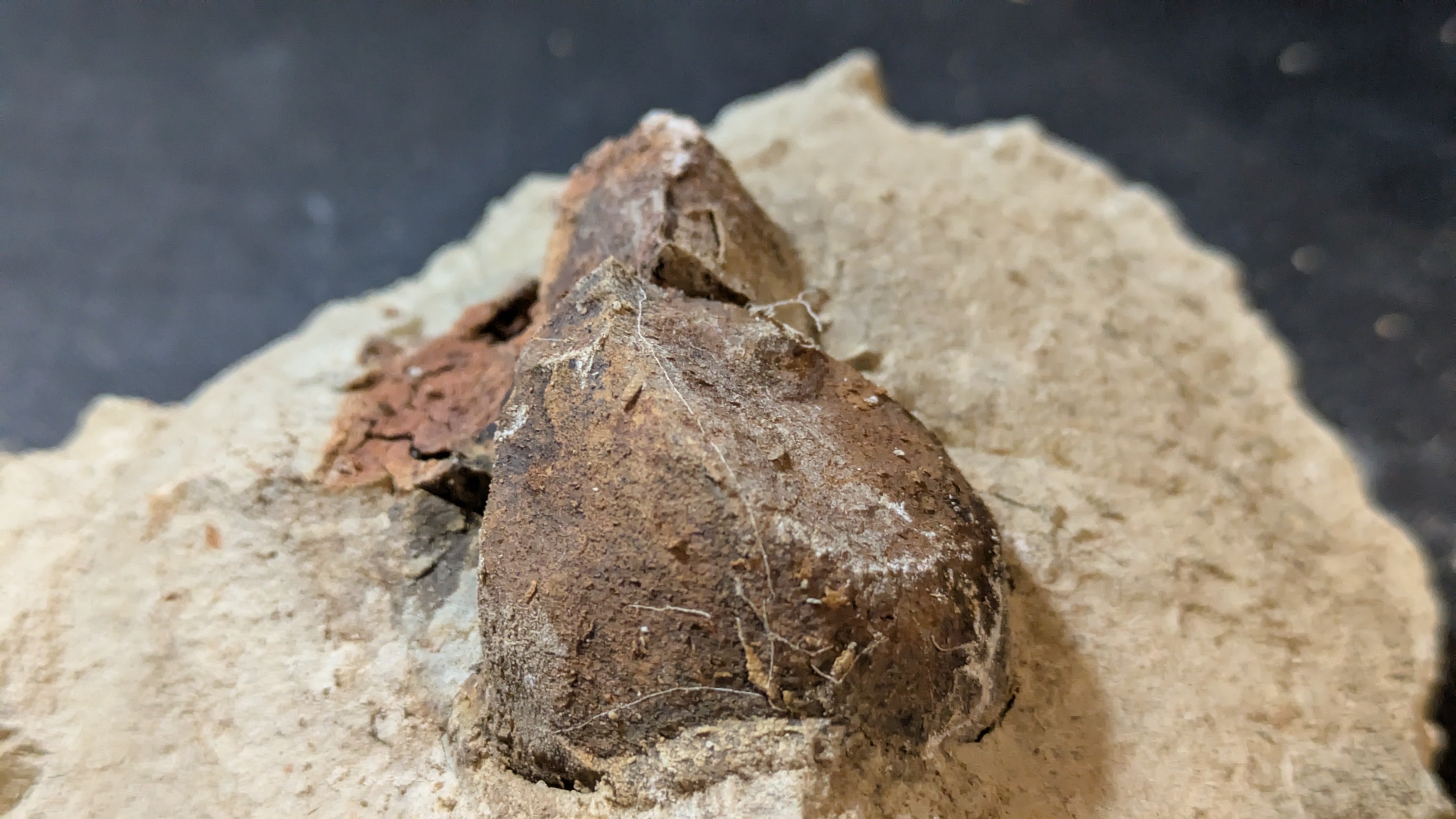
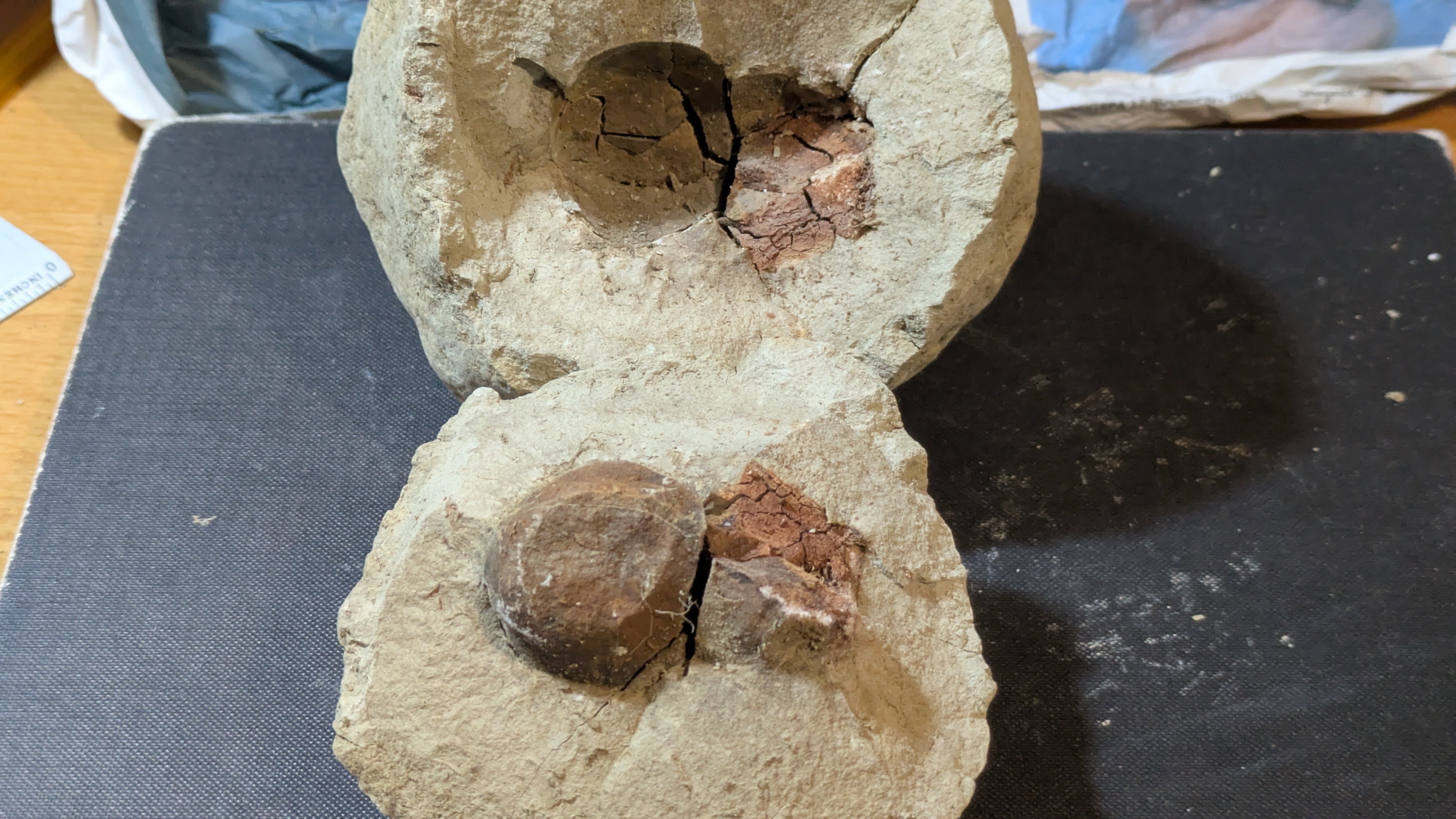
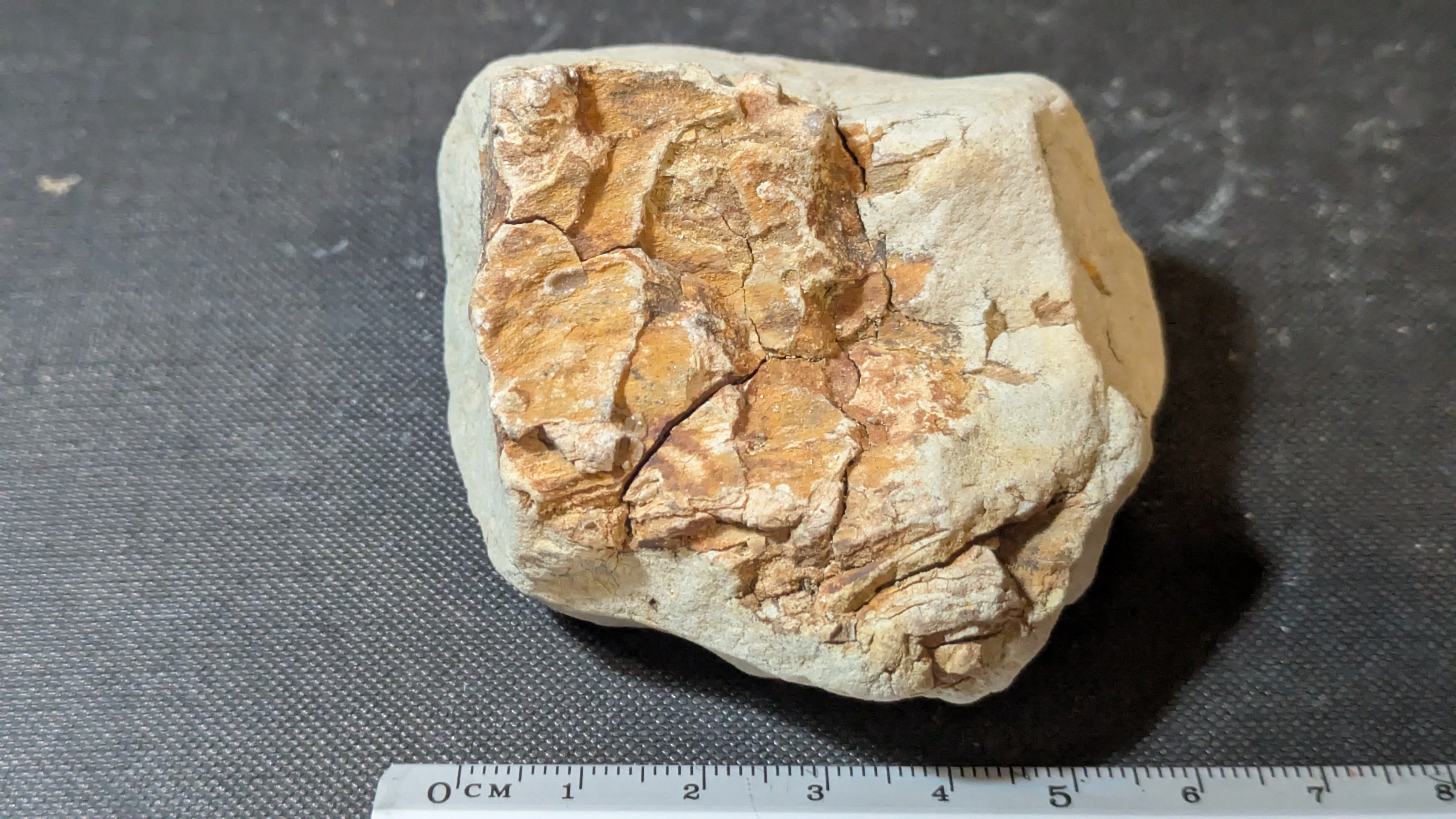
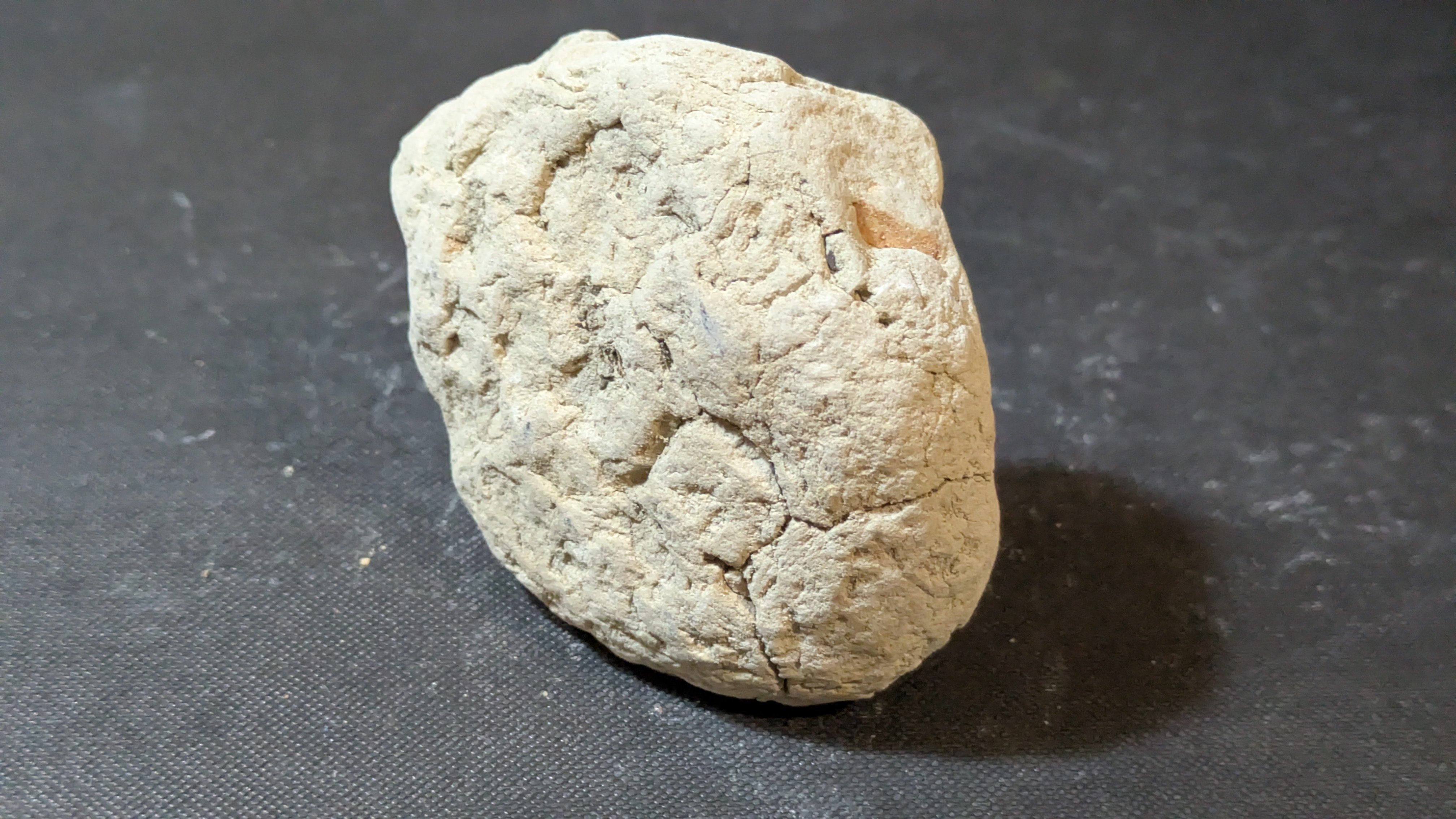
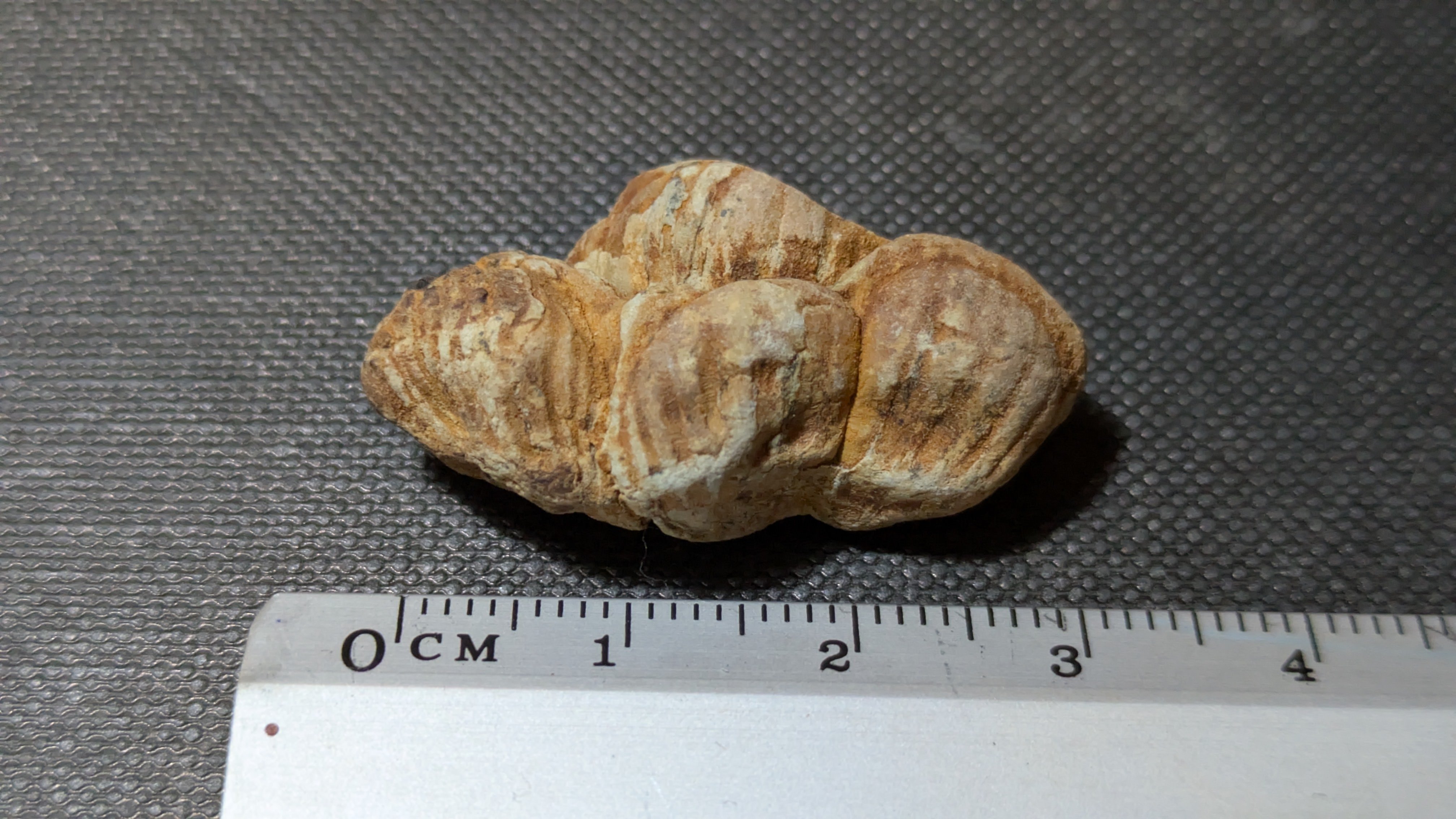
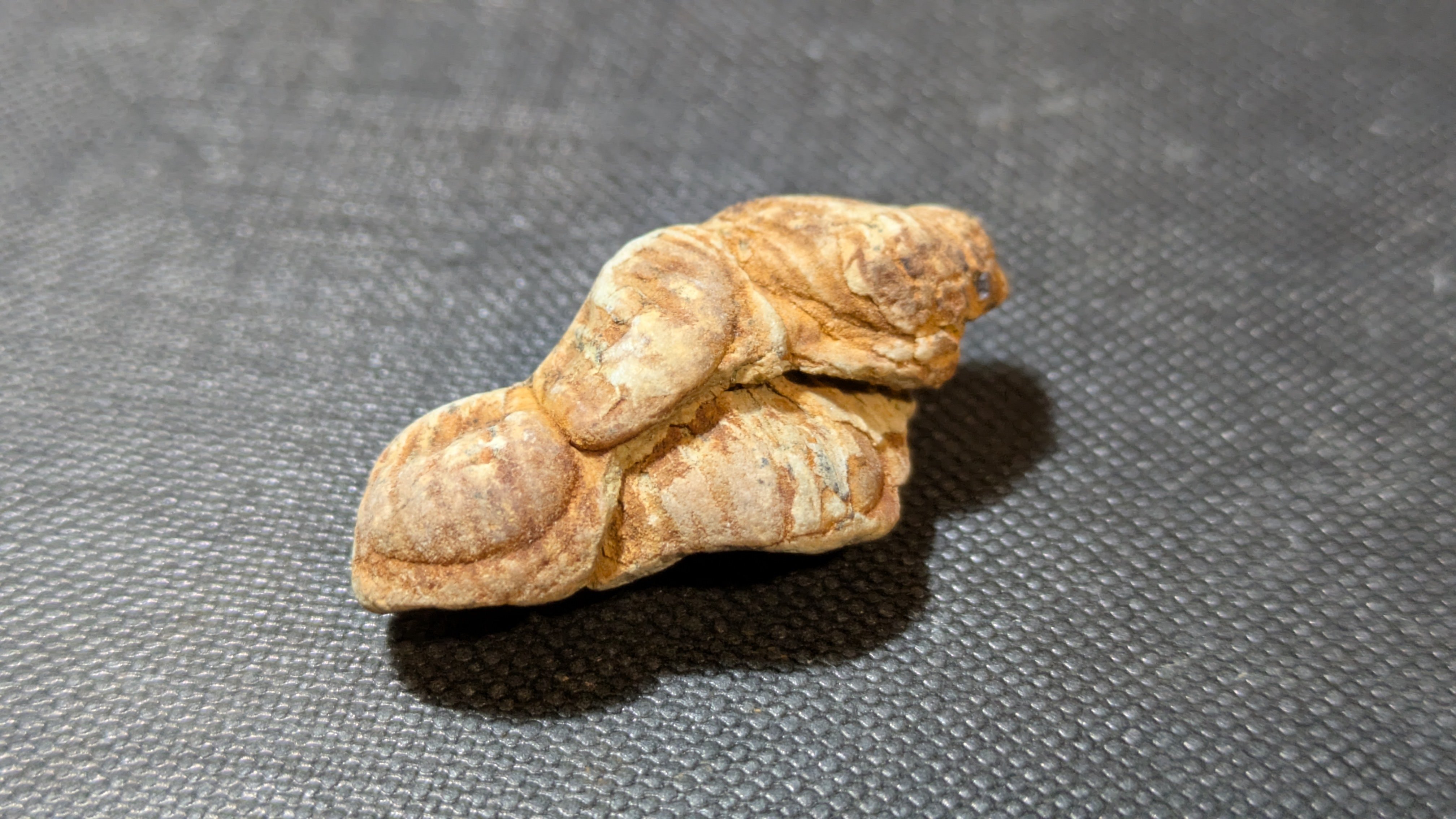
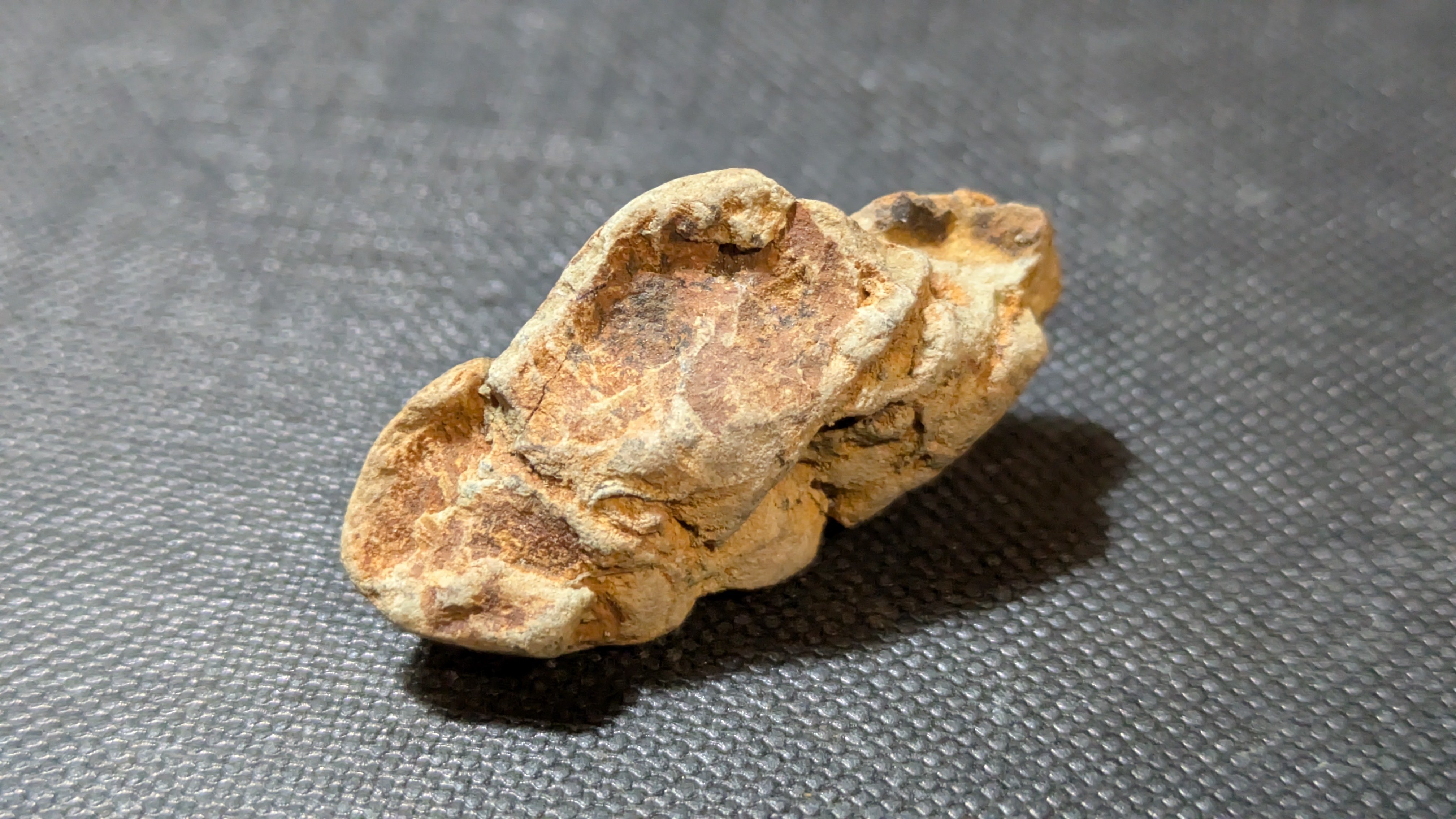
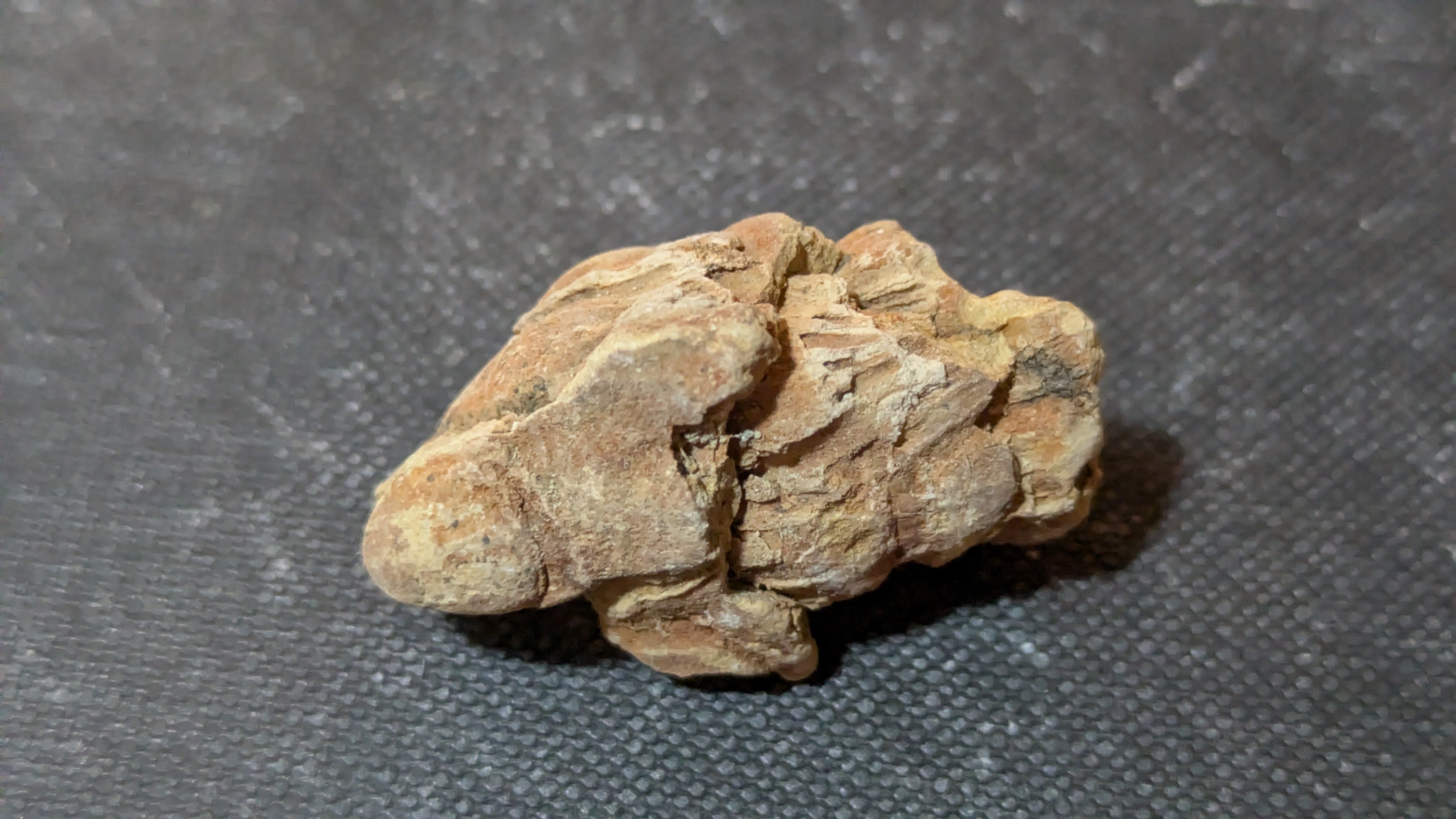
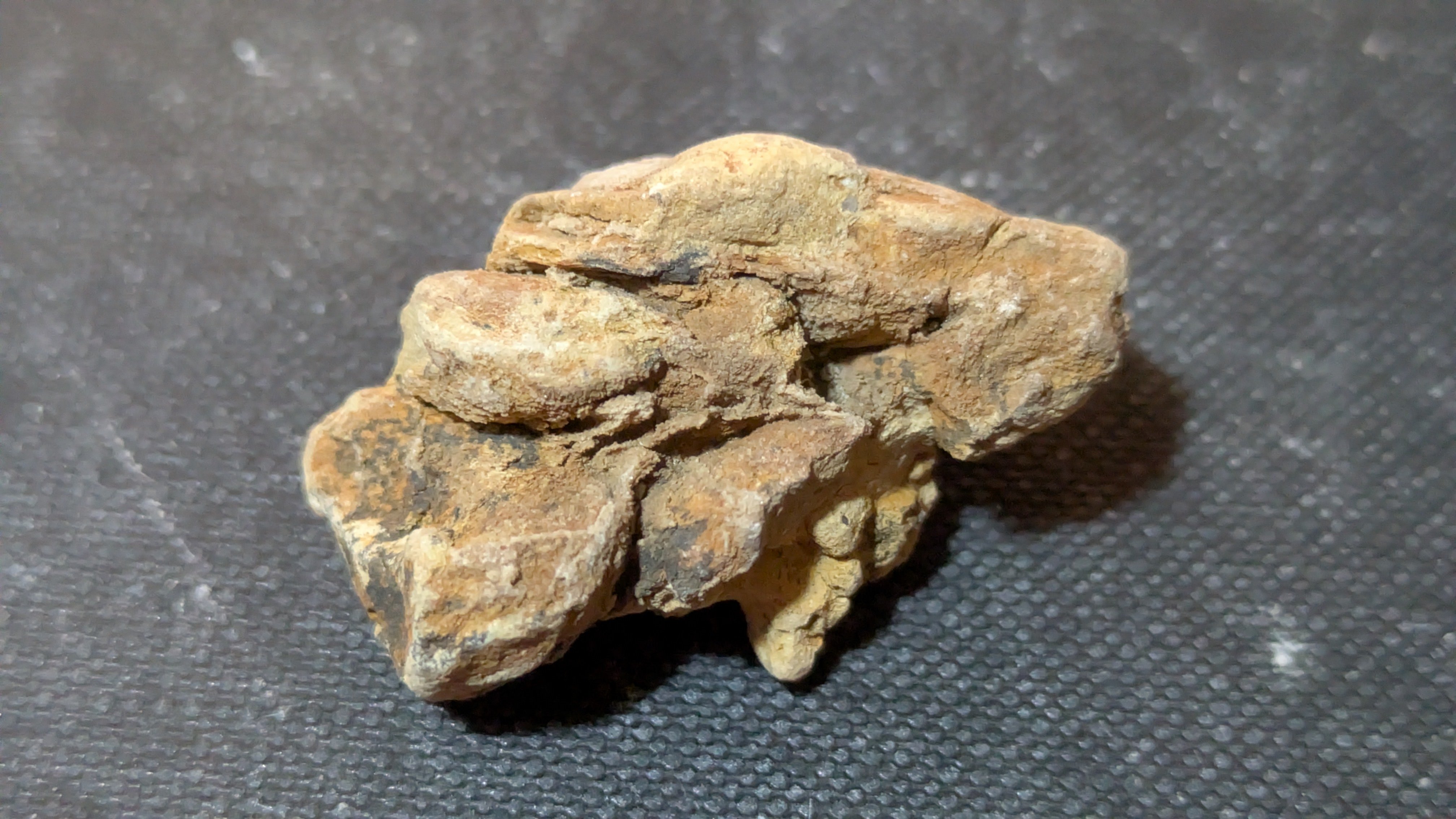
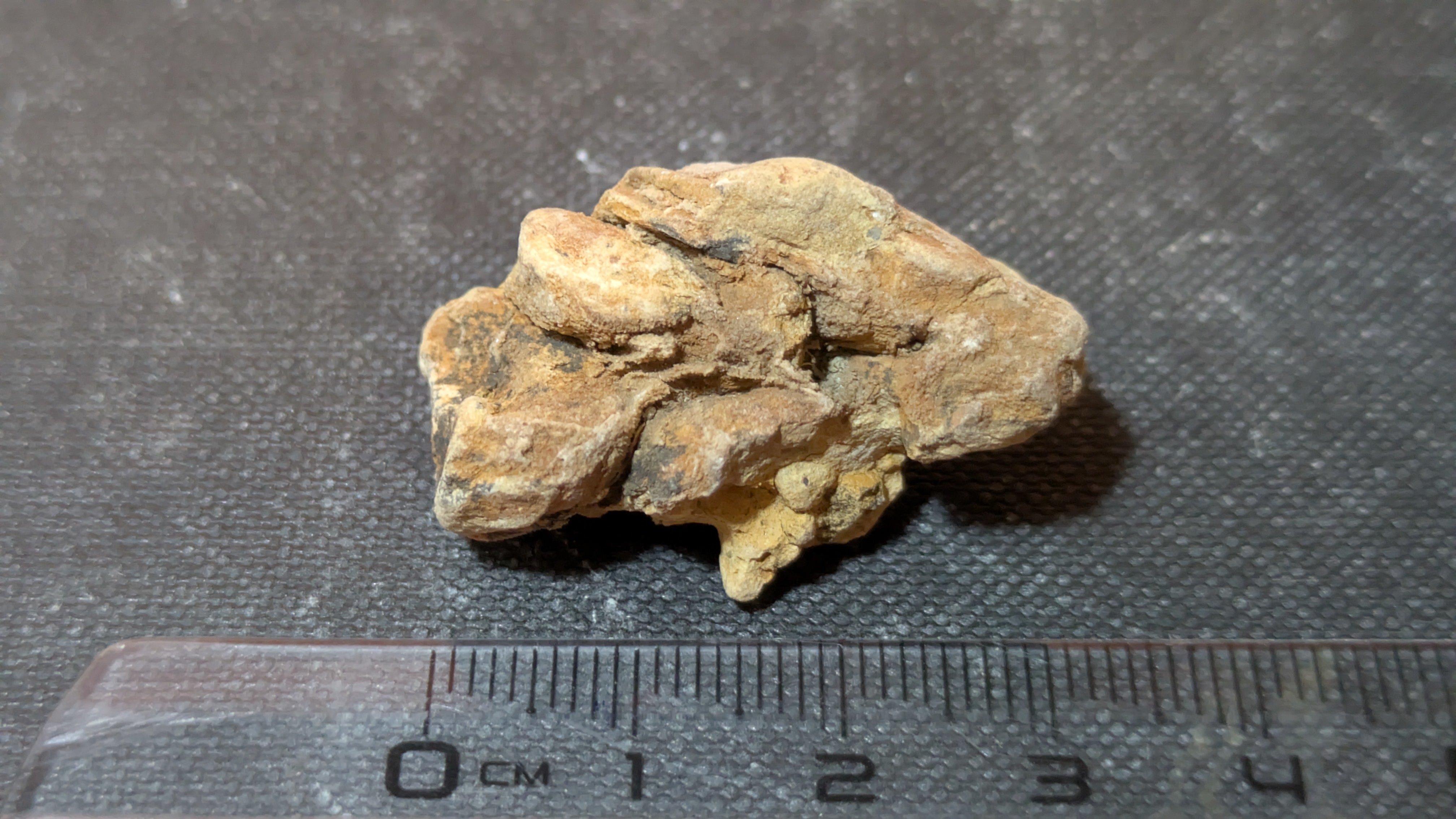
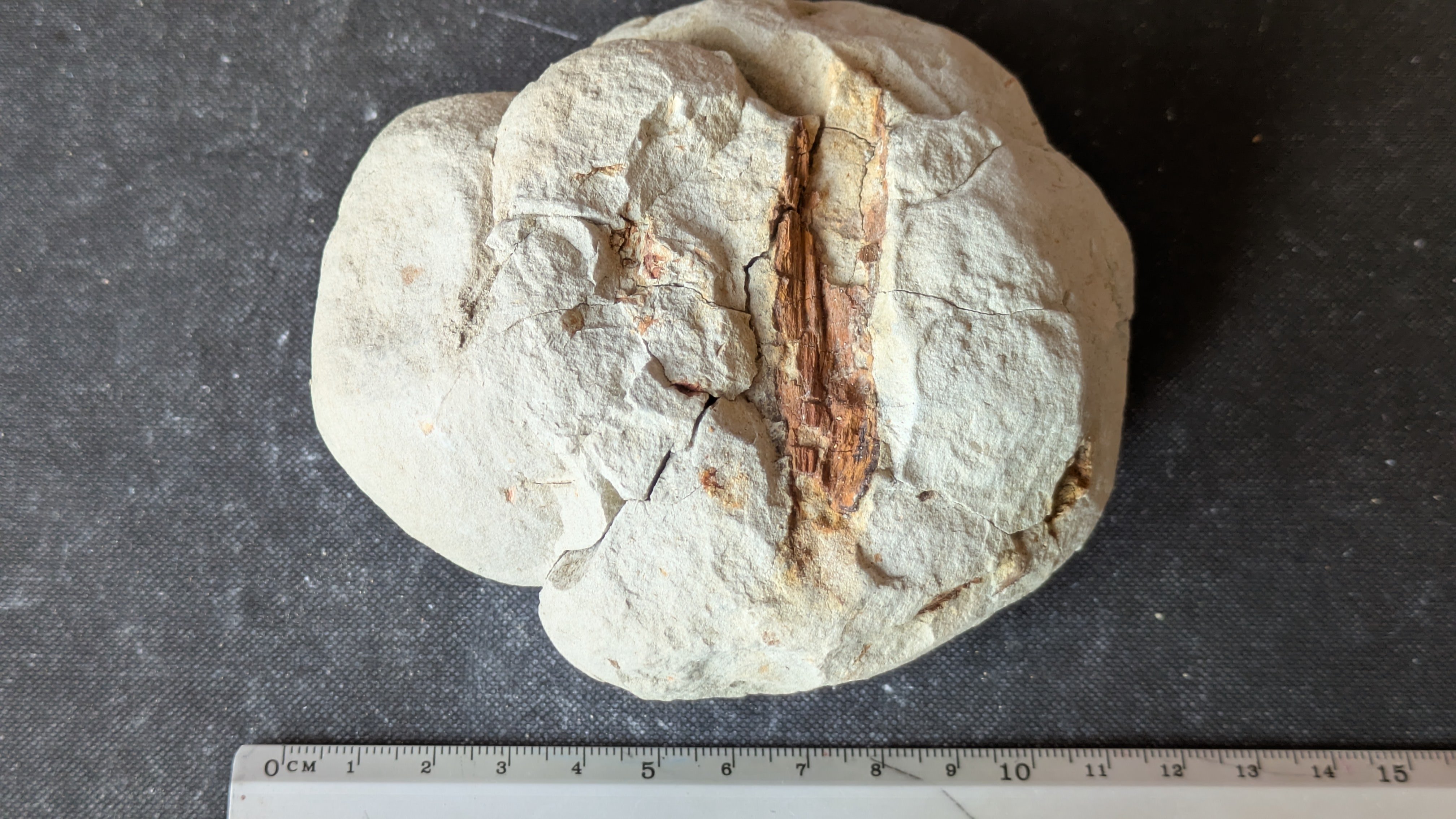
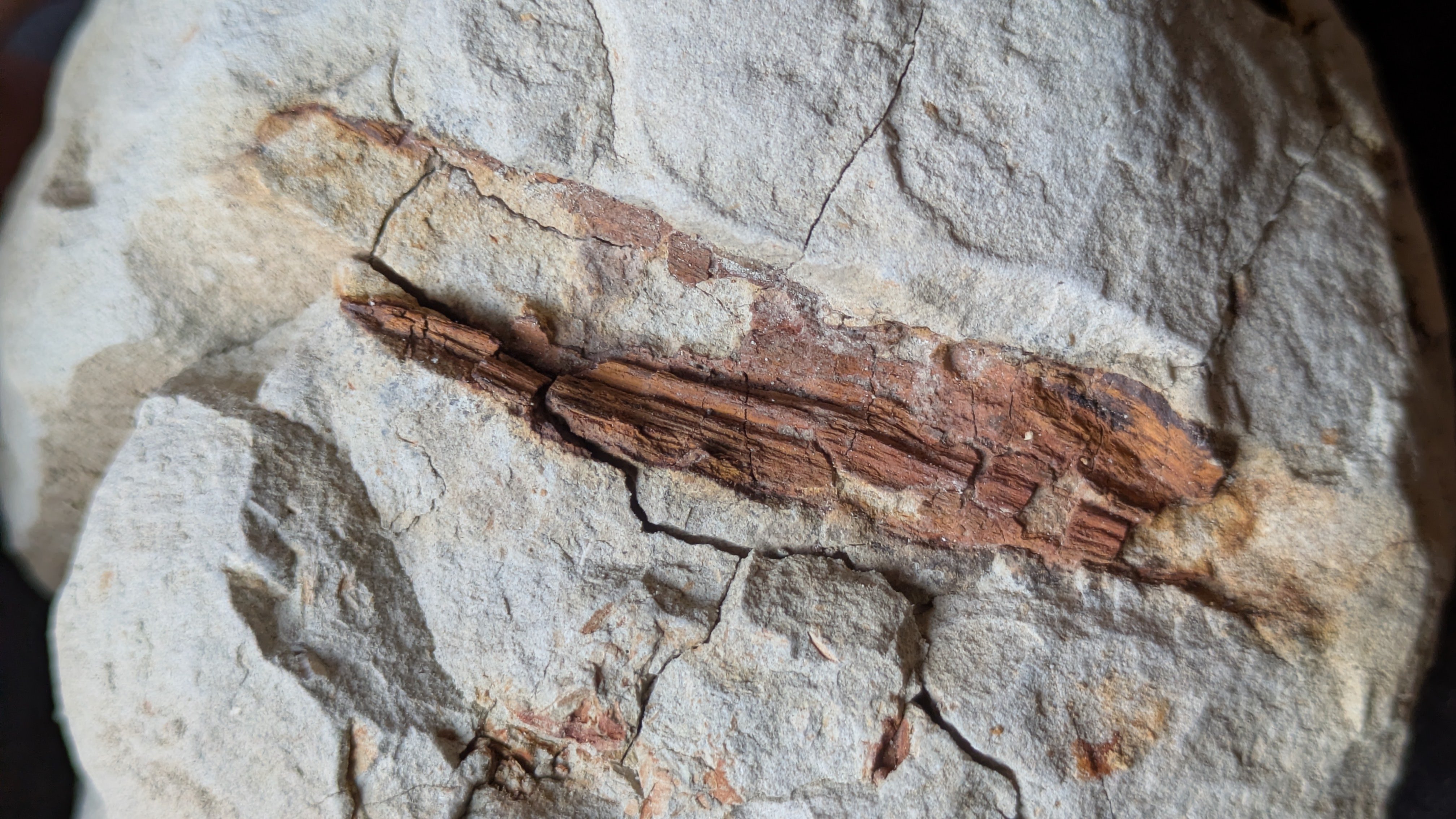
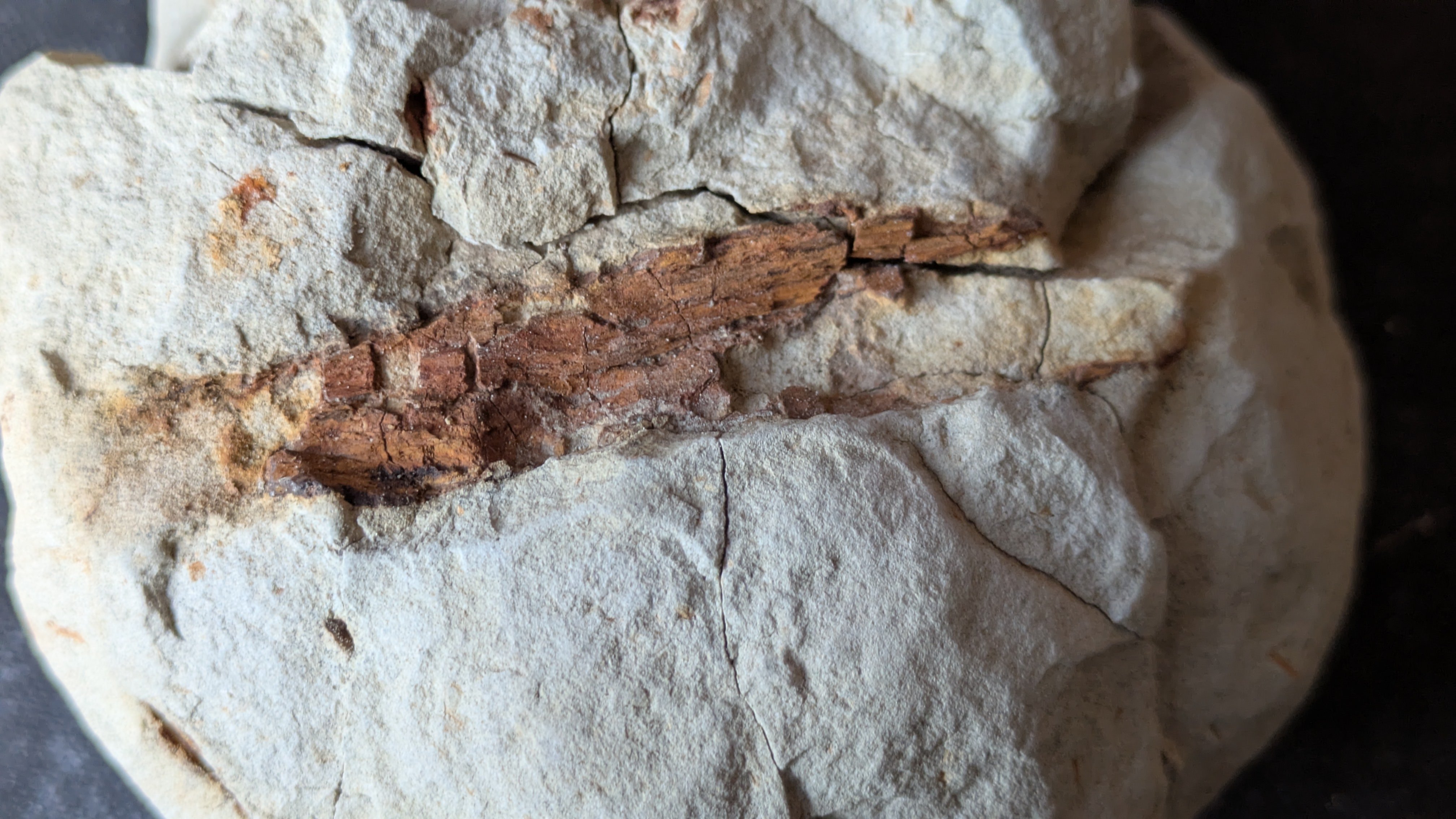
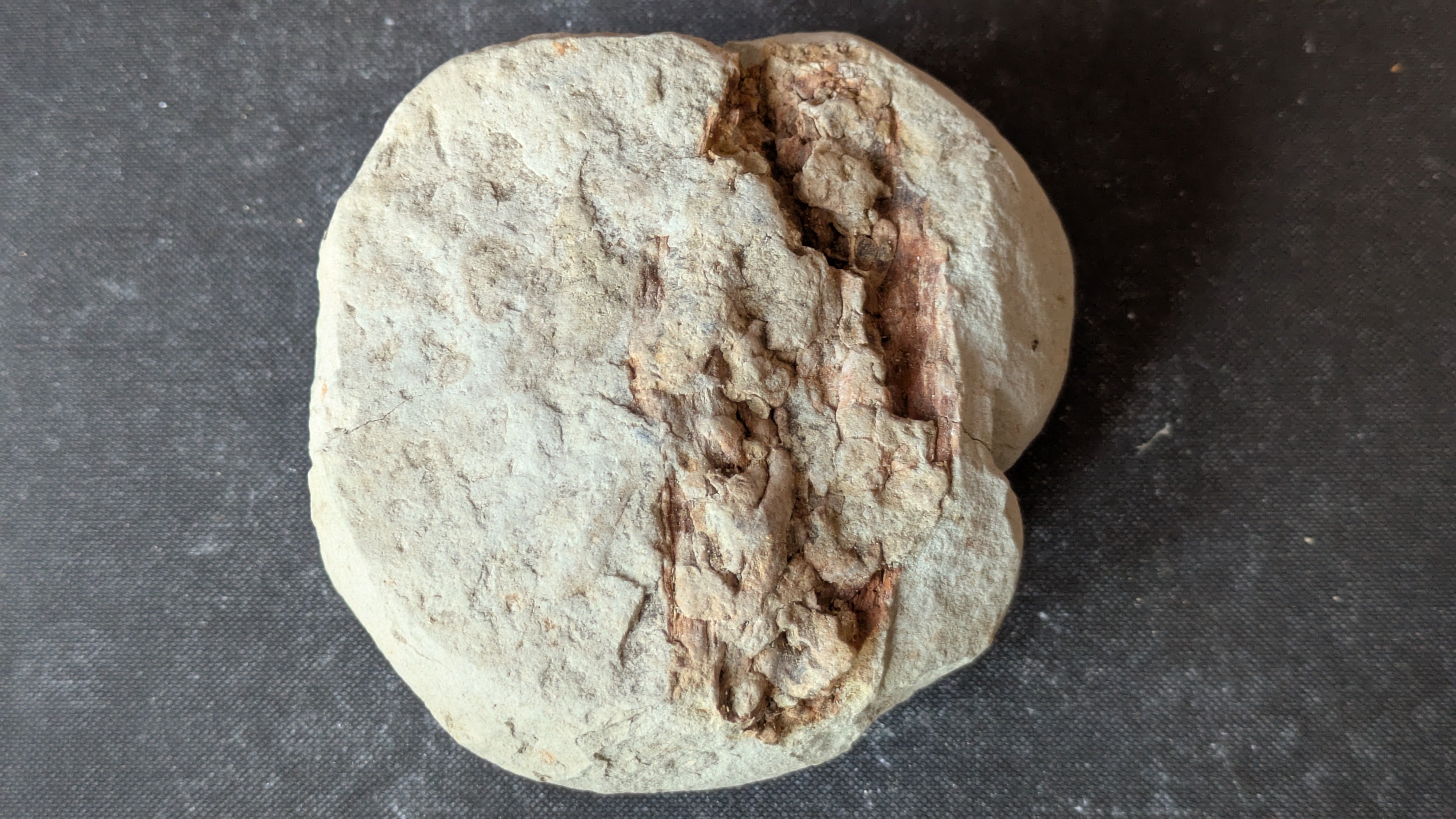
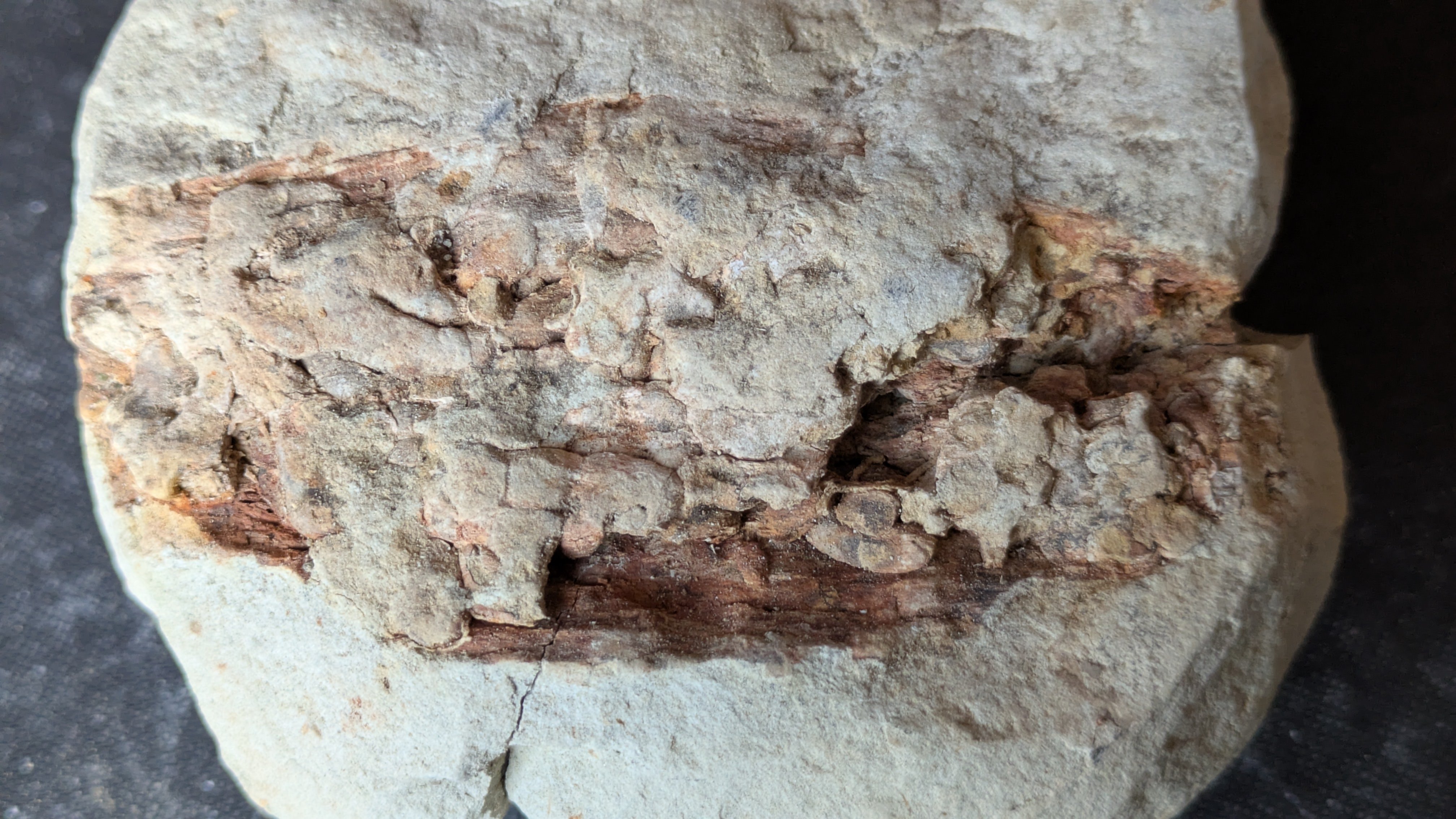
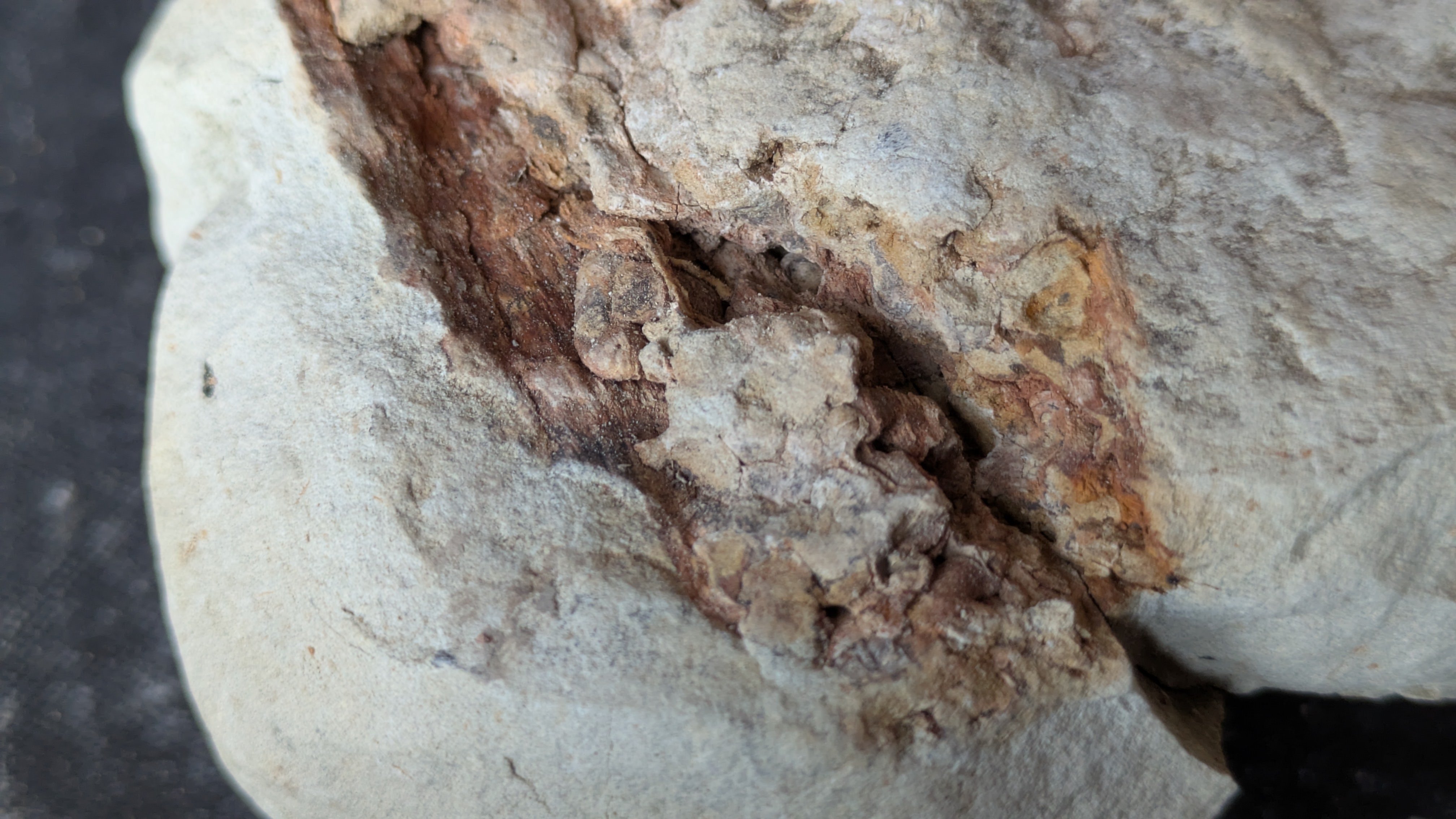
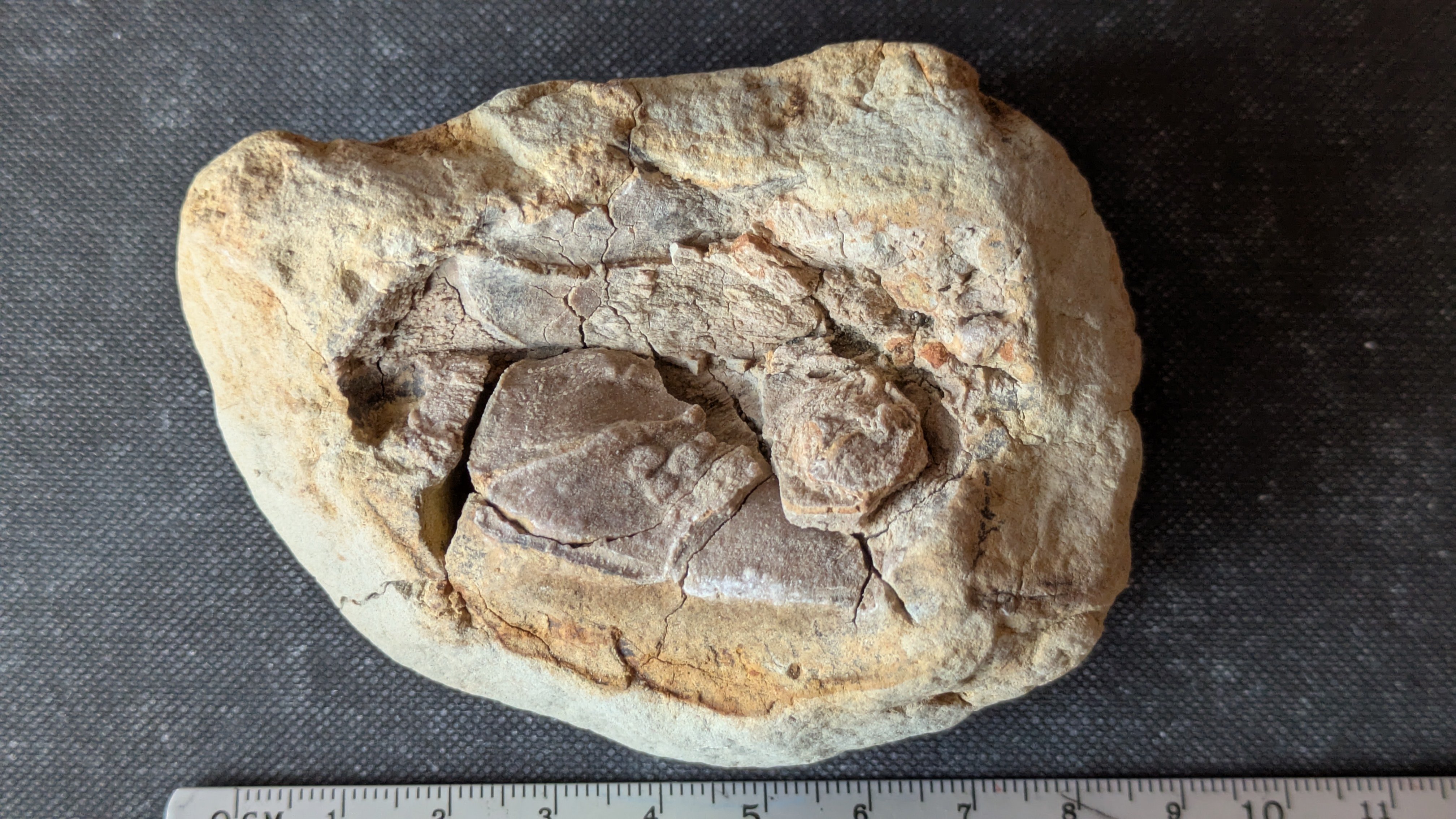
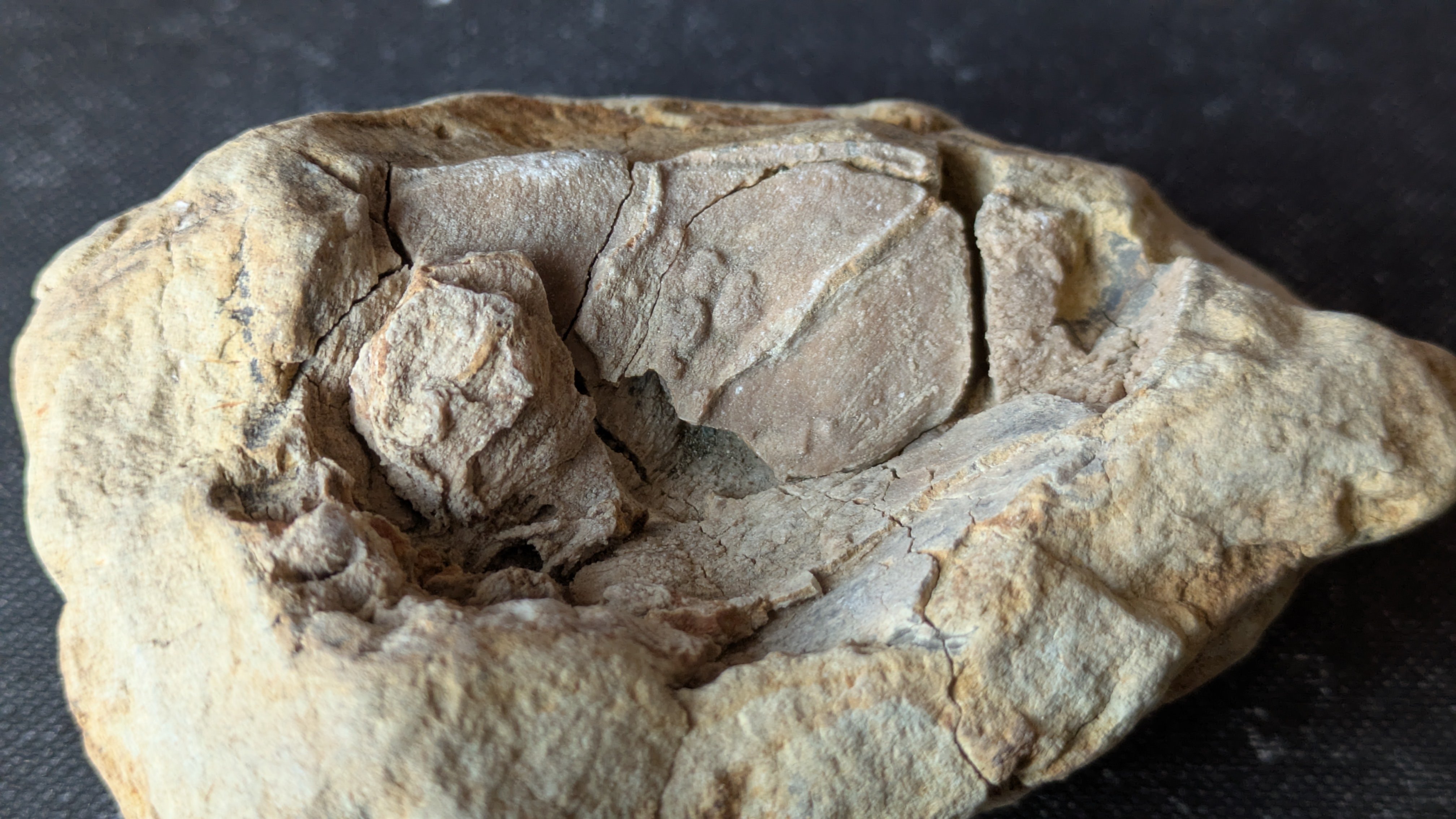
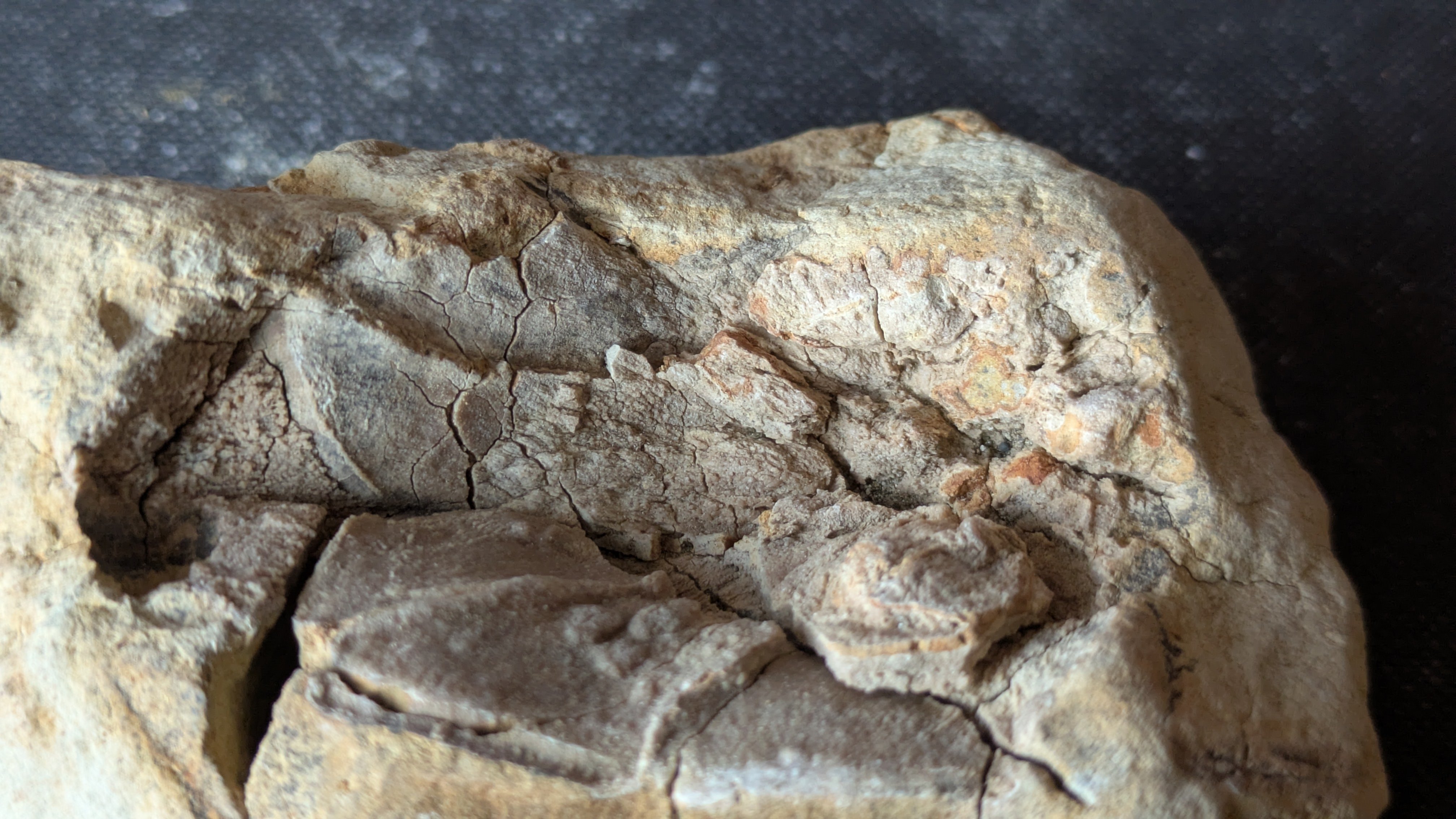
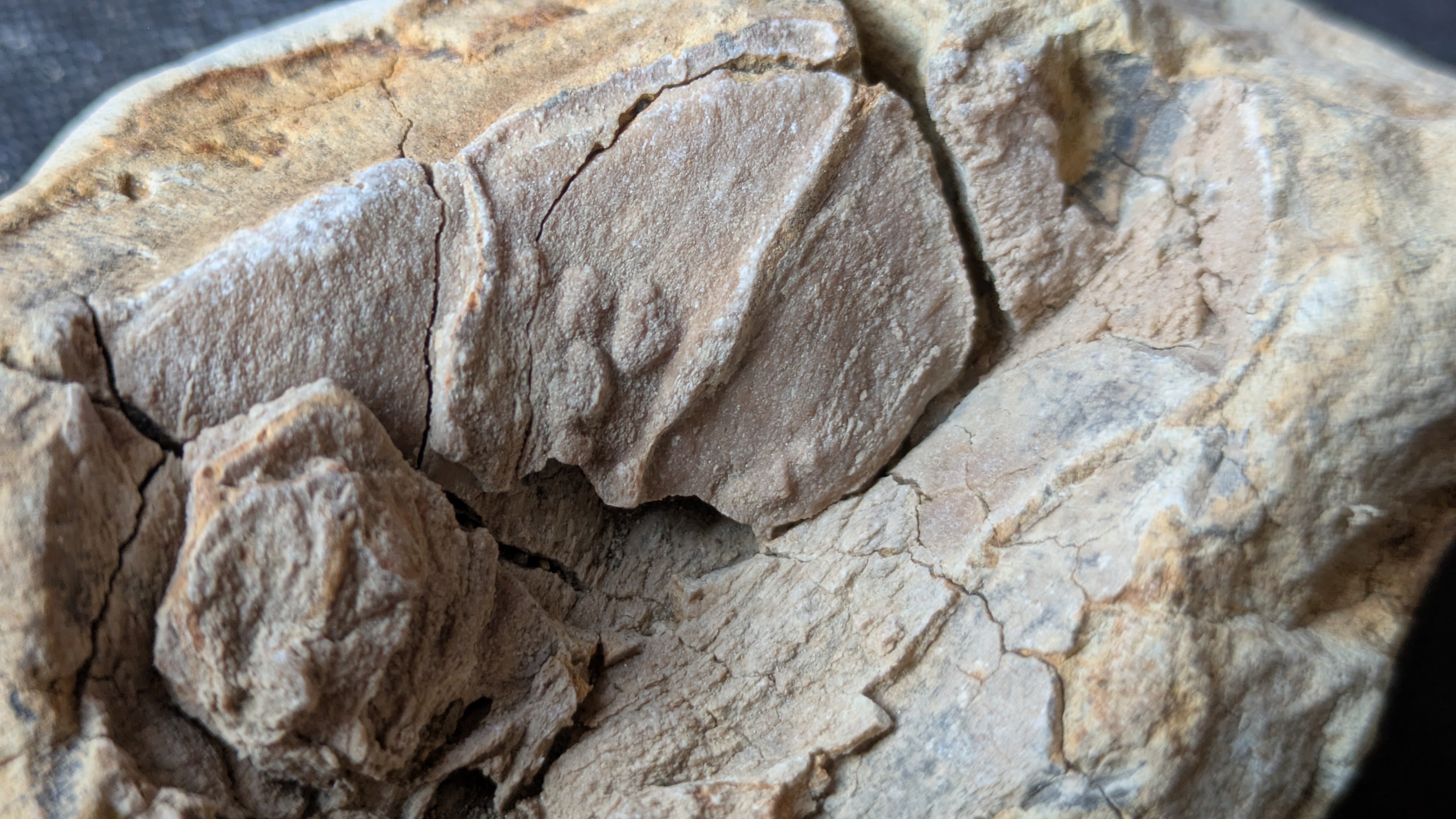
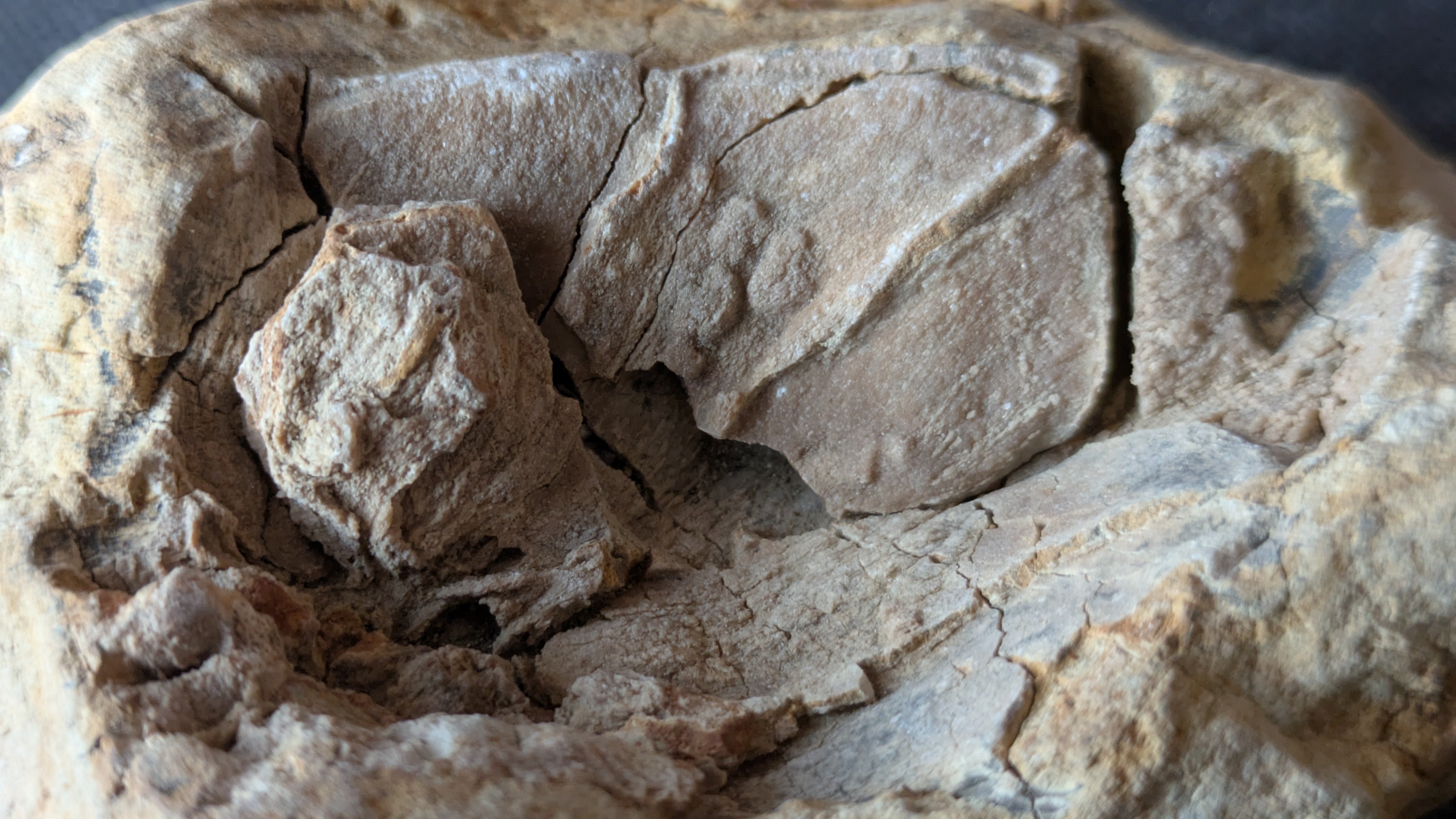
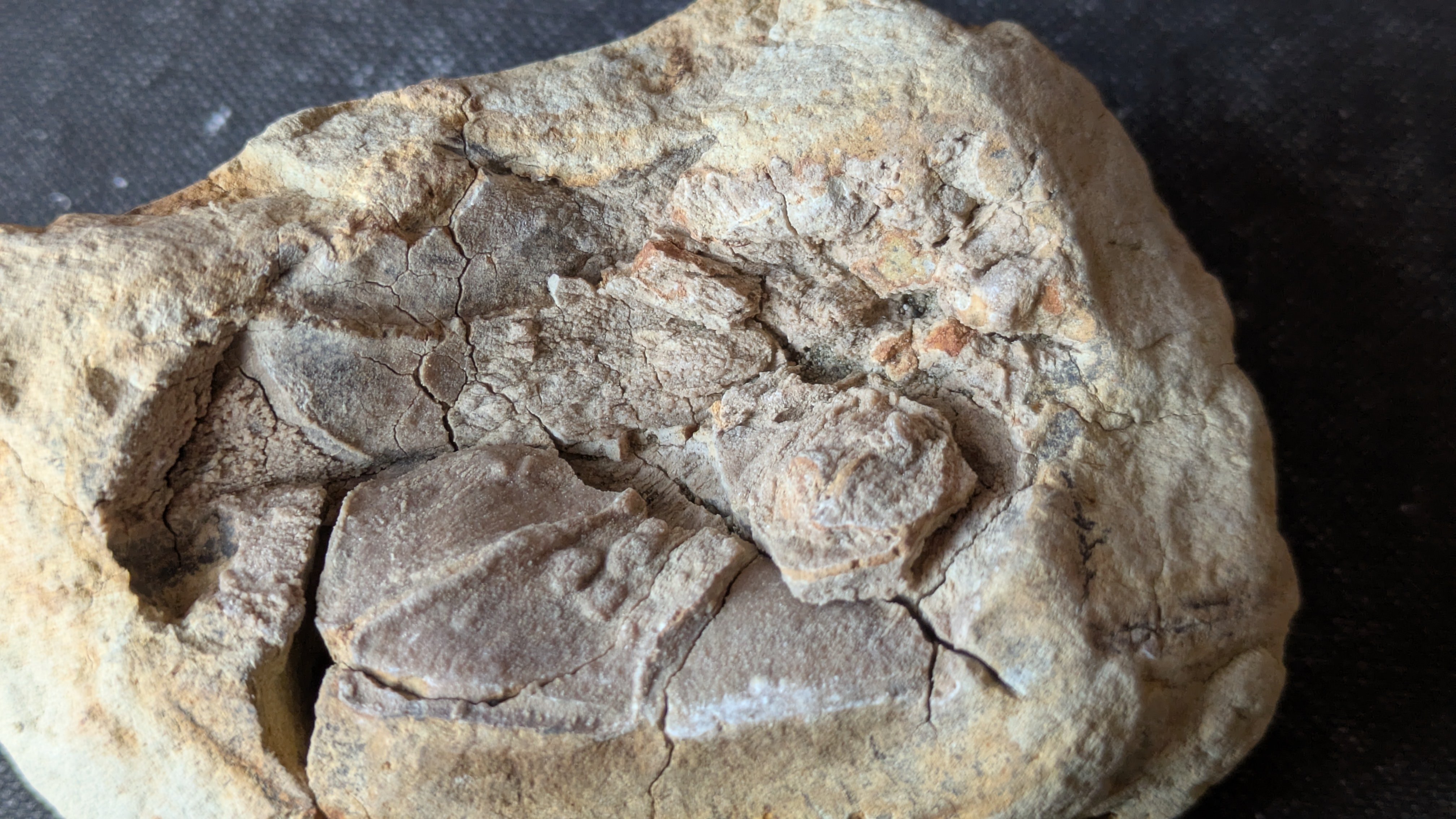
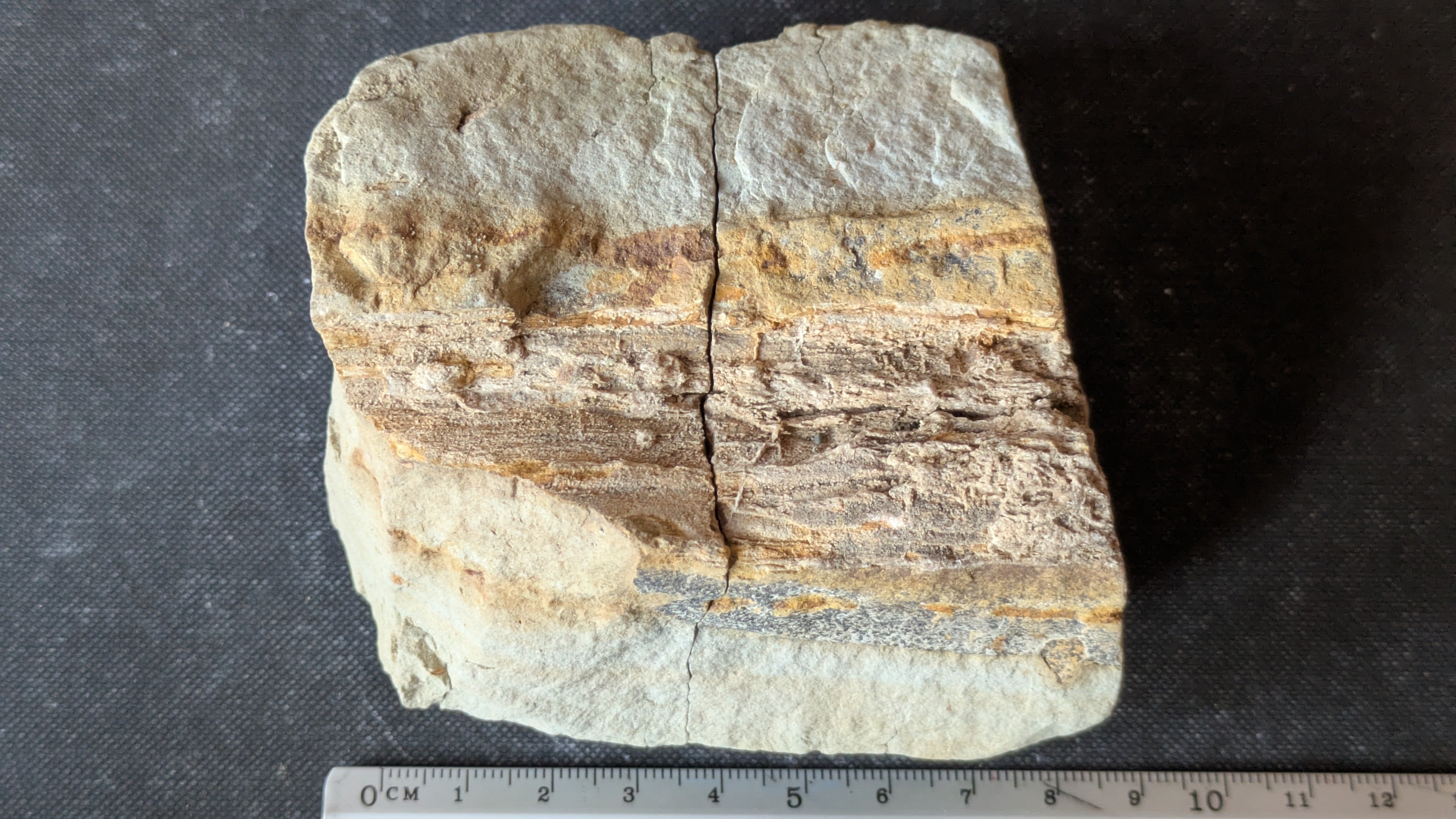
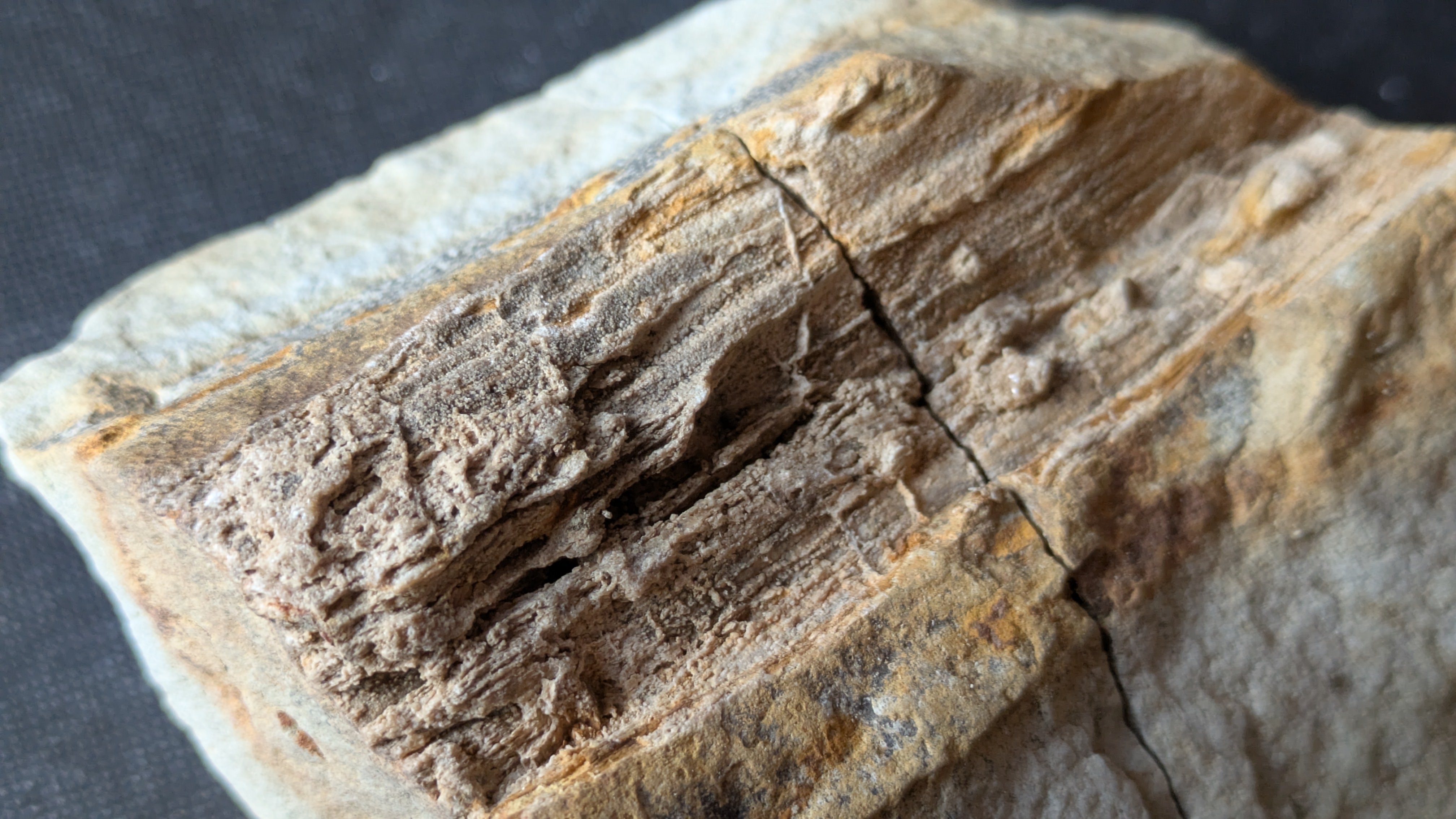
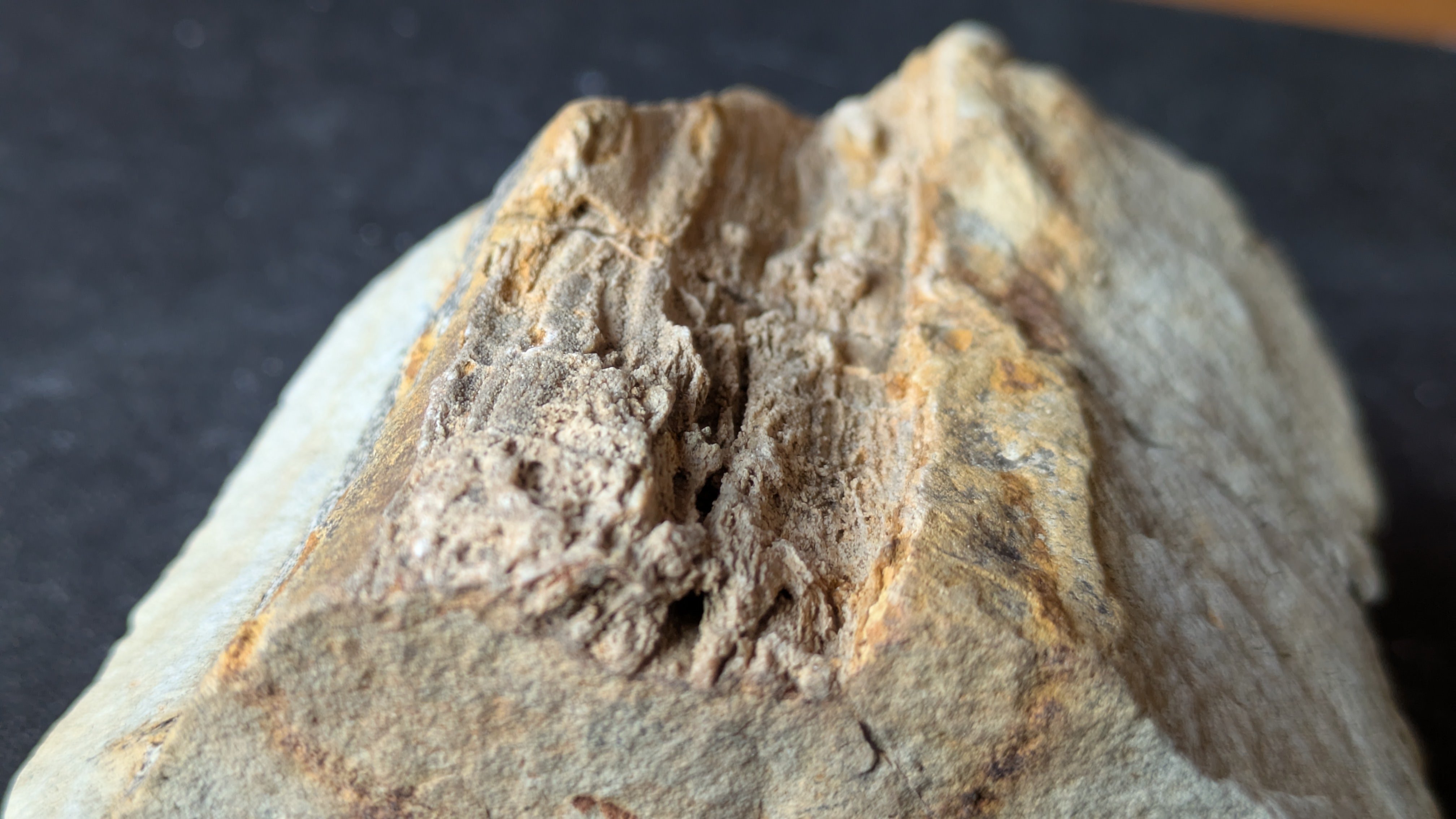
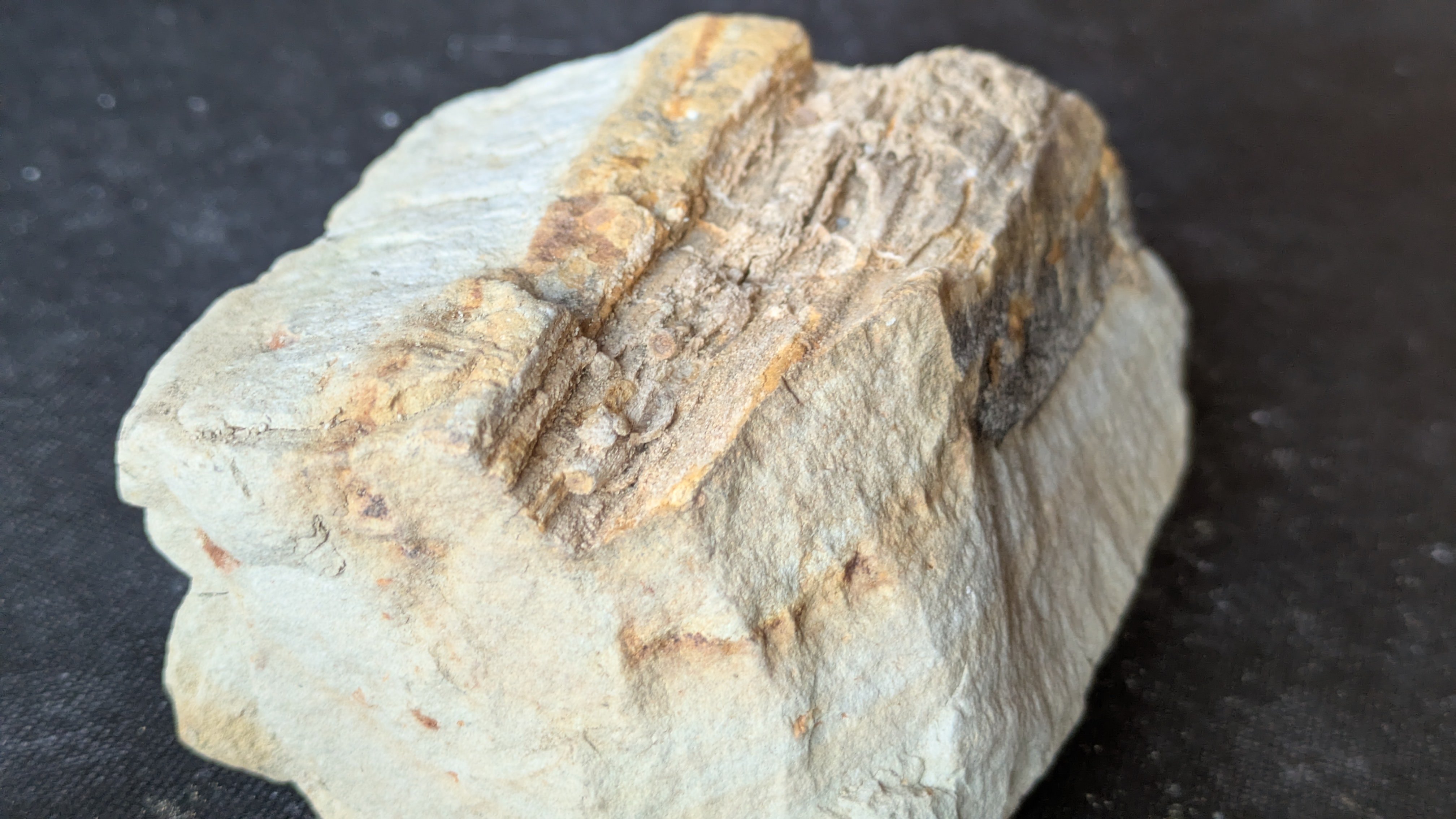
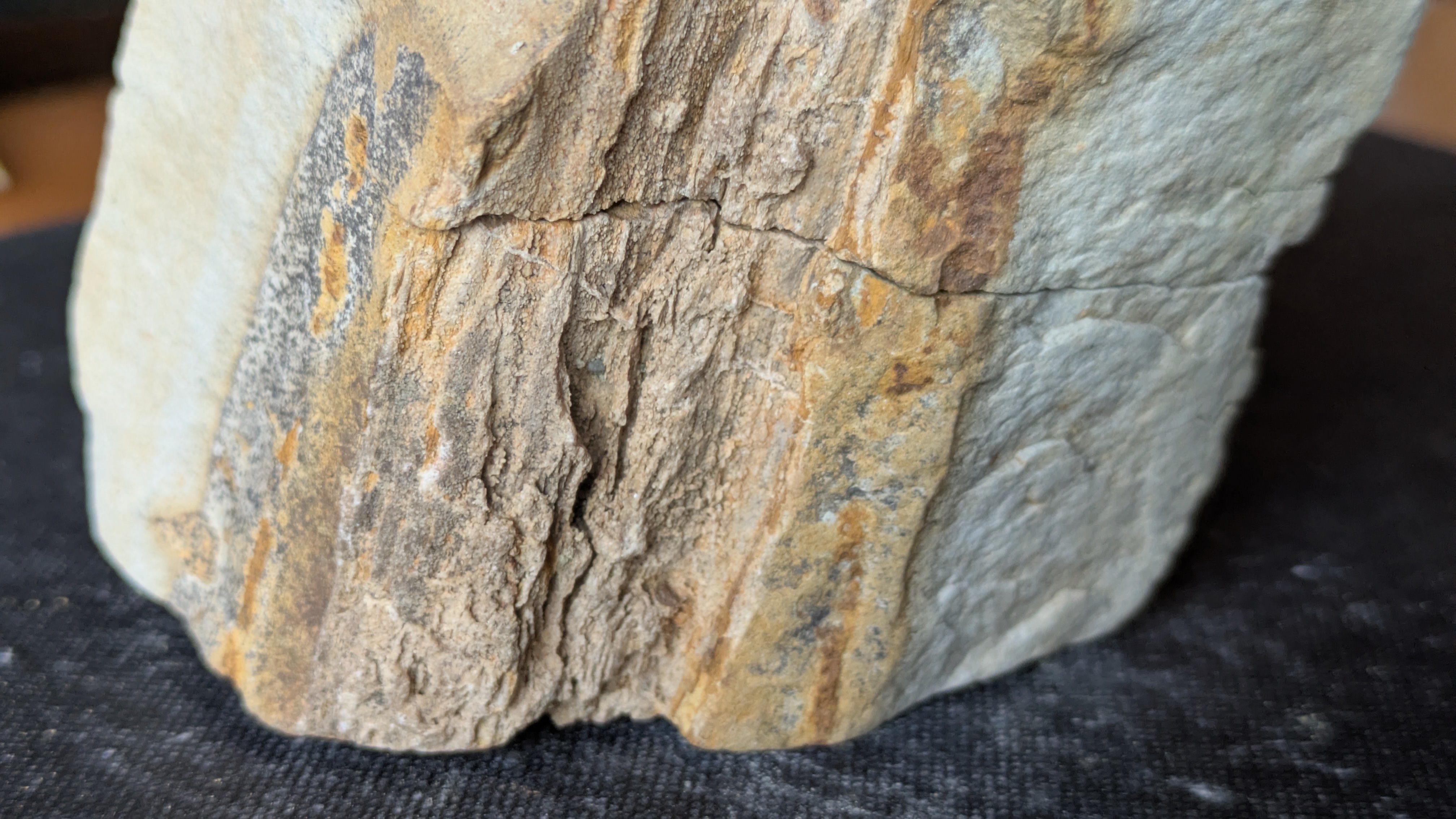
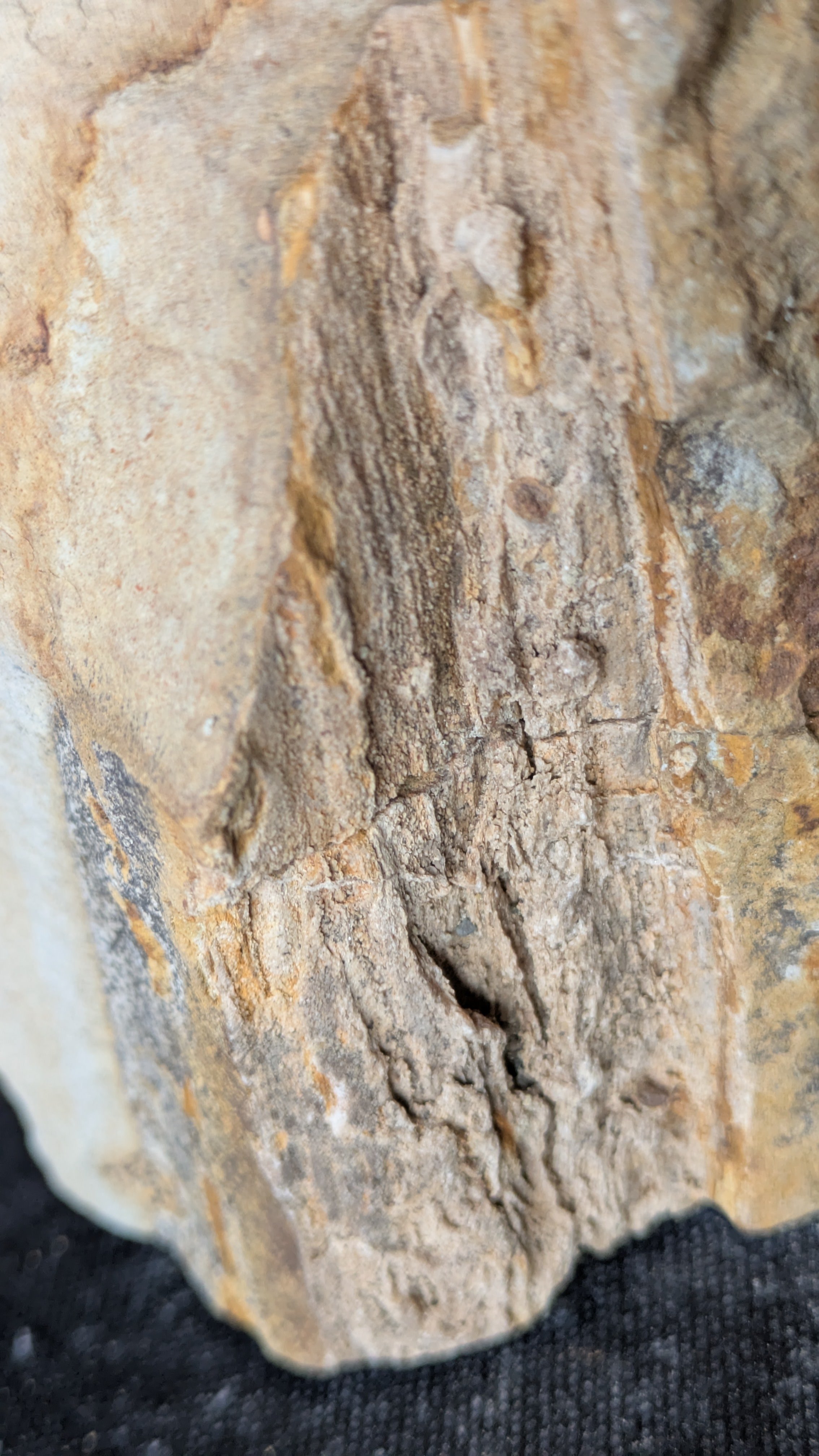
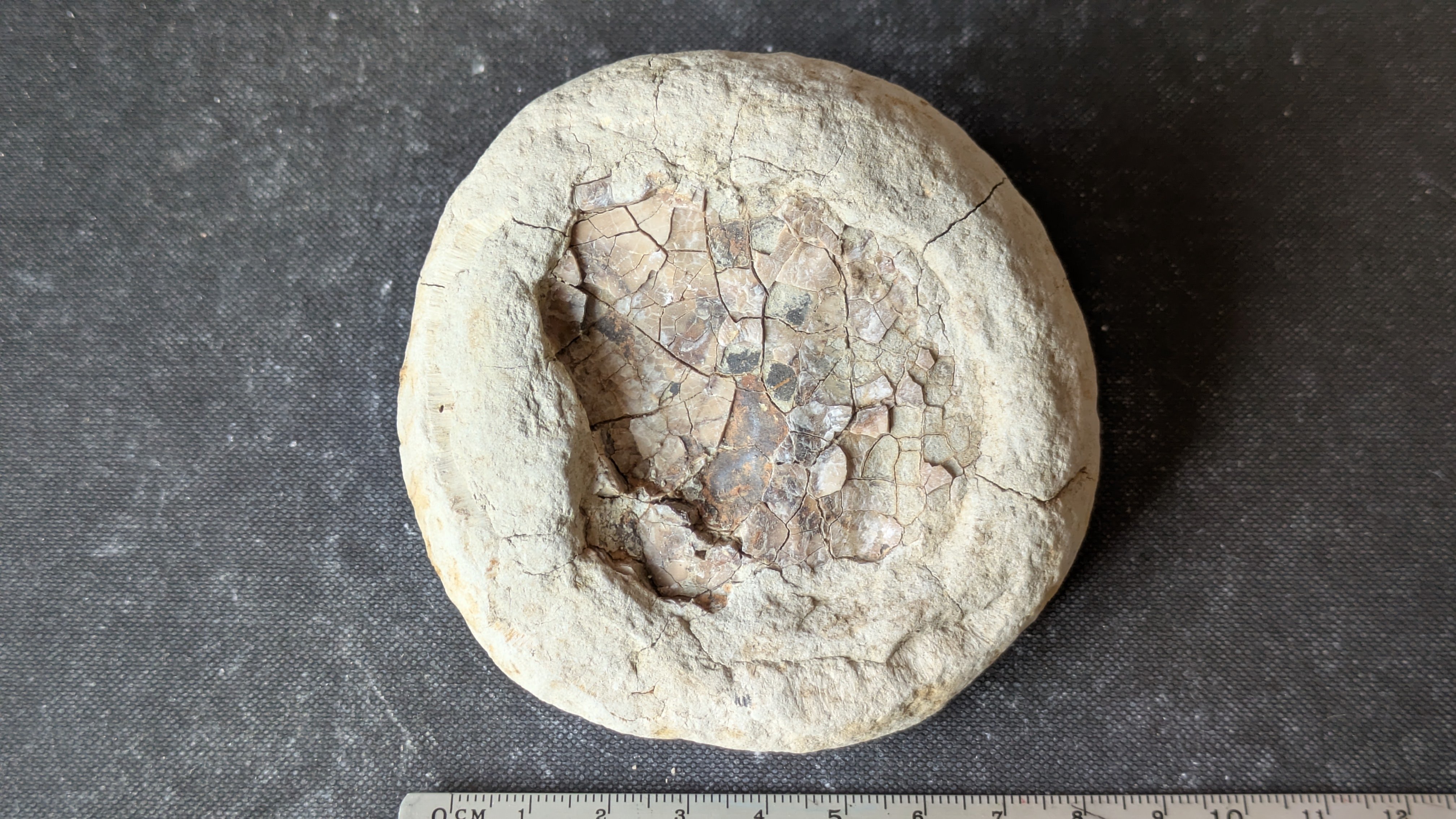
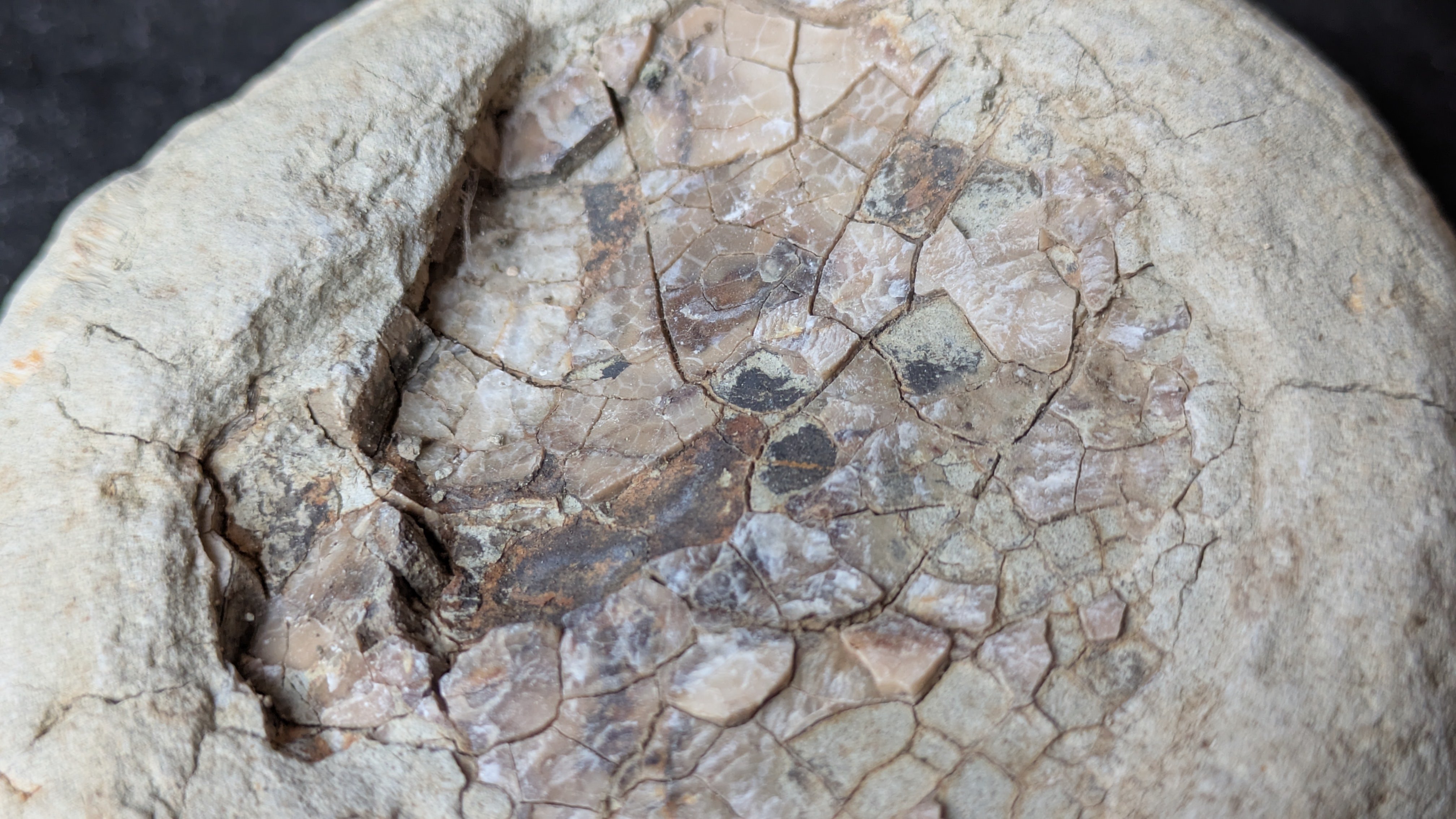
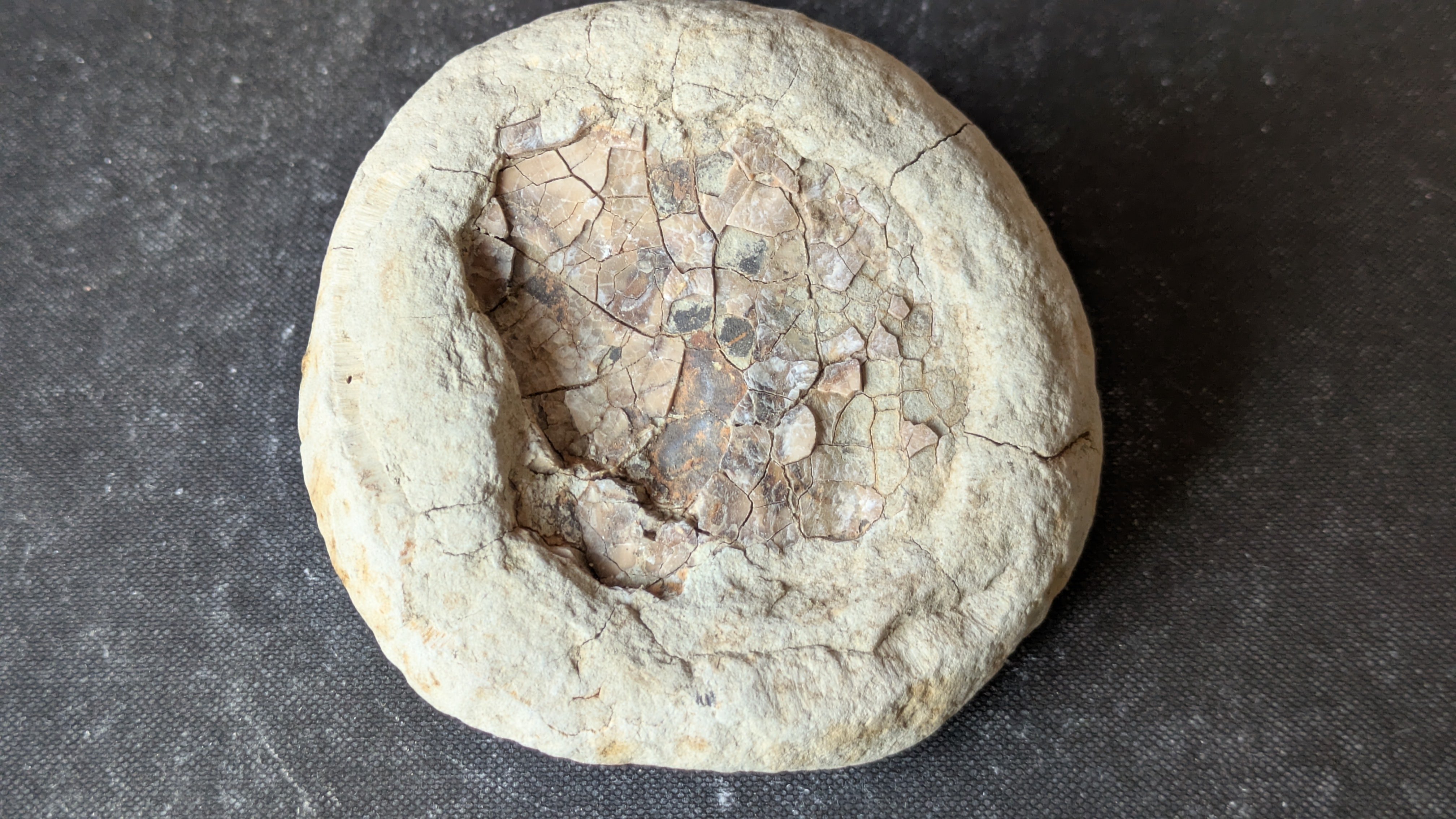
Marine mollusc shells (bivalves and gastropods), coral fragments, echinoids, barnacles, plant remains including fossilized pine cones, seeds and wood
Paleoecology highlights
Warm Pliocene shallow sea with soft muddy seafloor, rich benthic invertebrate communities, nearby conifer-dominated land vegetation, and episodic river input carrying terrestrial plant debris into the marine environment
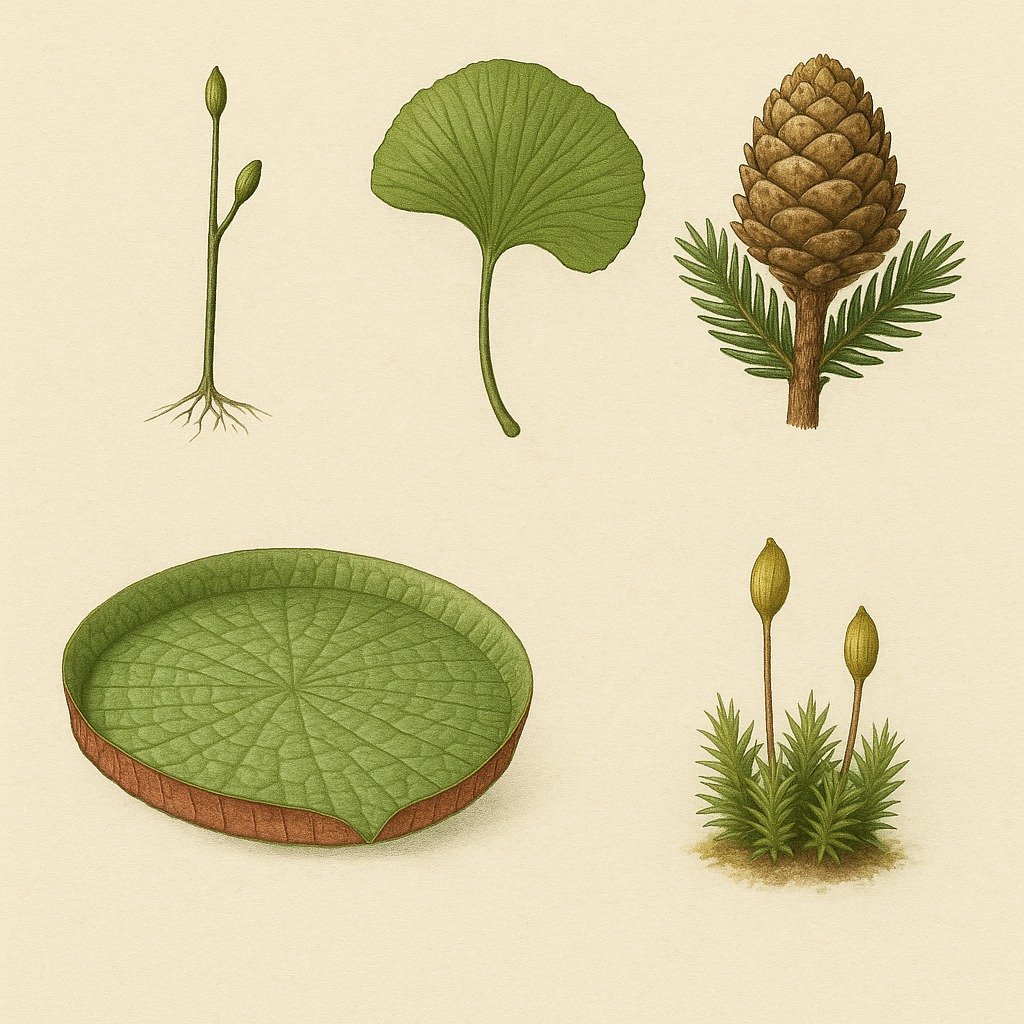
During the Pliocene, the area near modern Potami lay at the margin of a warm, shallow sea, where it merged with a river estuary draining nearby land. Fine carbonate muds accumulated on the seafloor, forming soft marls influenced by gentle currents and periodic sediment input from the river. The shoreline was low and gently sloping, backed by rolling hills covered with conifer-dominated woodland and Mediterranean-type shrub vegetation. Seasonal runoff carried terrestrial plant debris - such as pine cones, seeds, and woody fragments - into the estuary, where it mixed with and became buried in the mud.
 Ελληνικά
 English
 Ἑλληνική ἀρχαία
 Κυπριακά