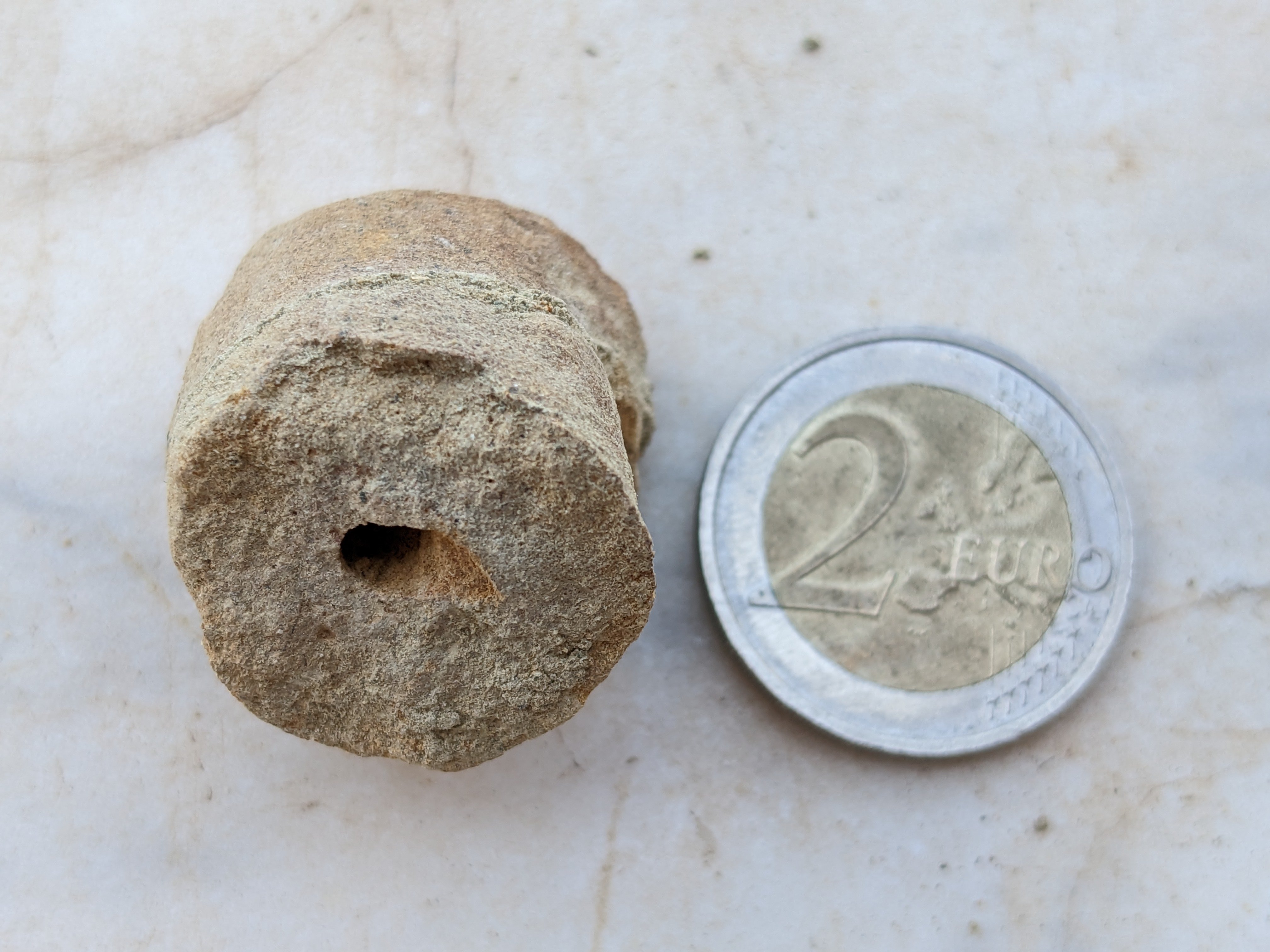
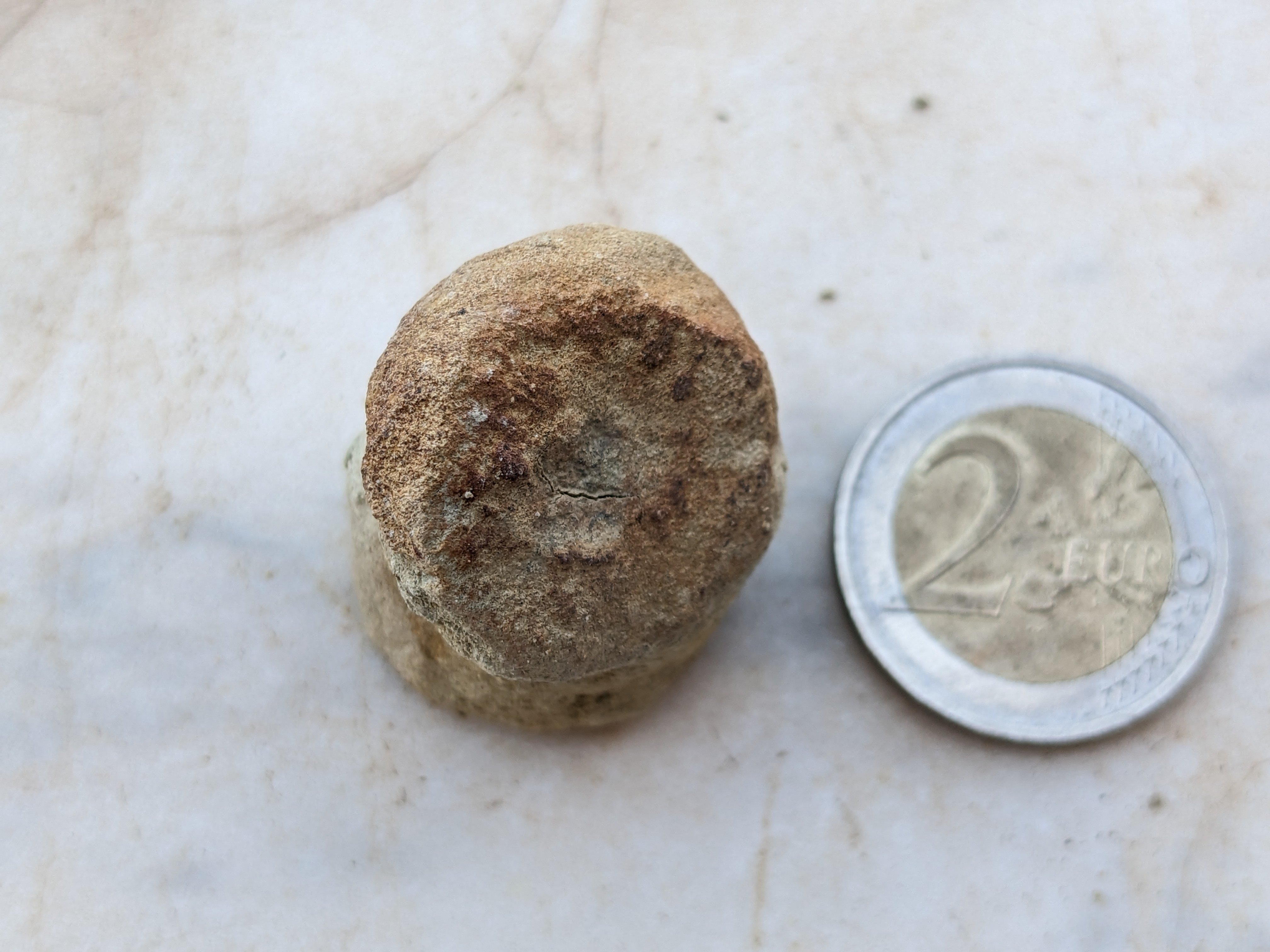
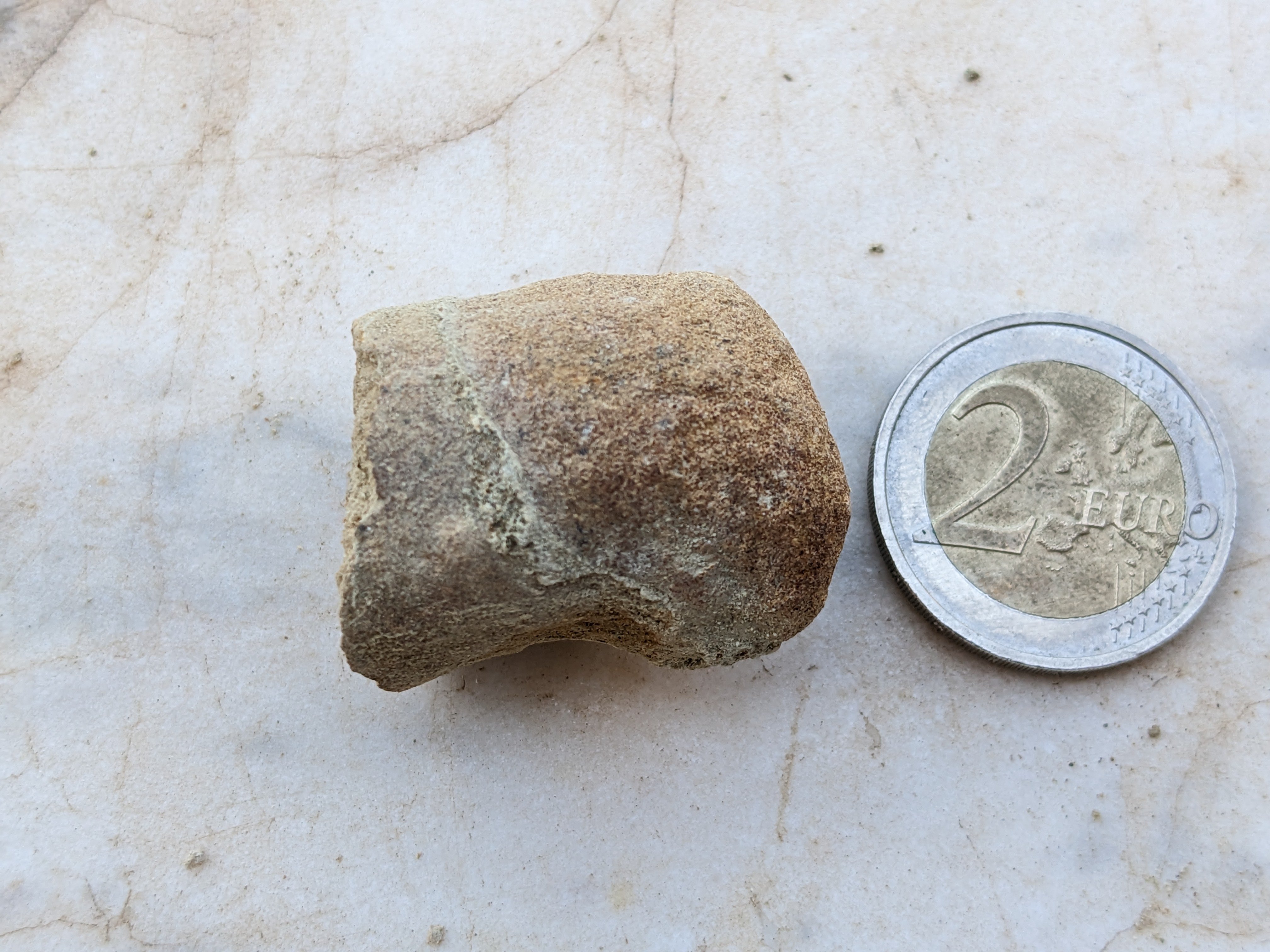
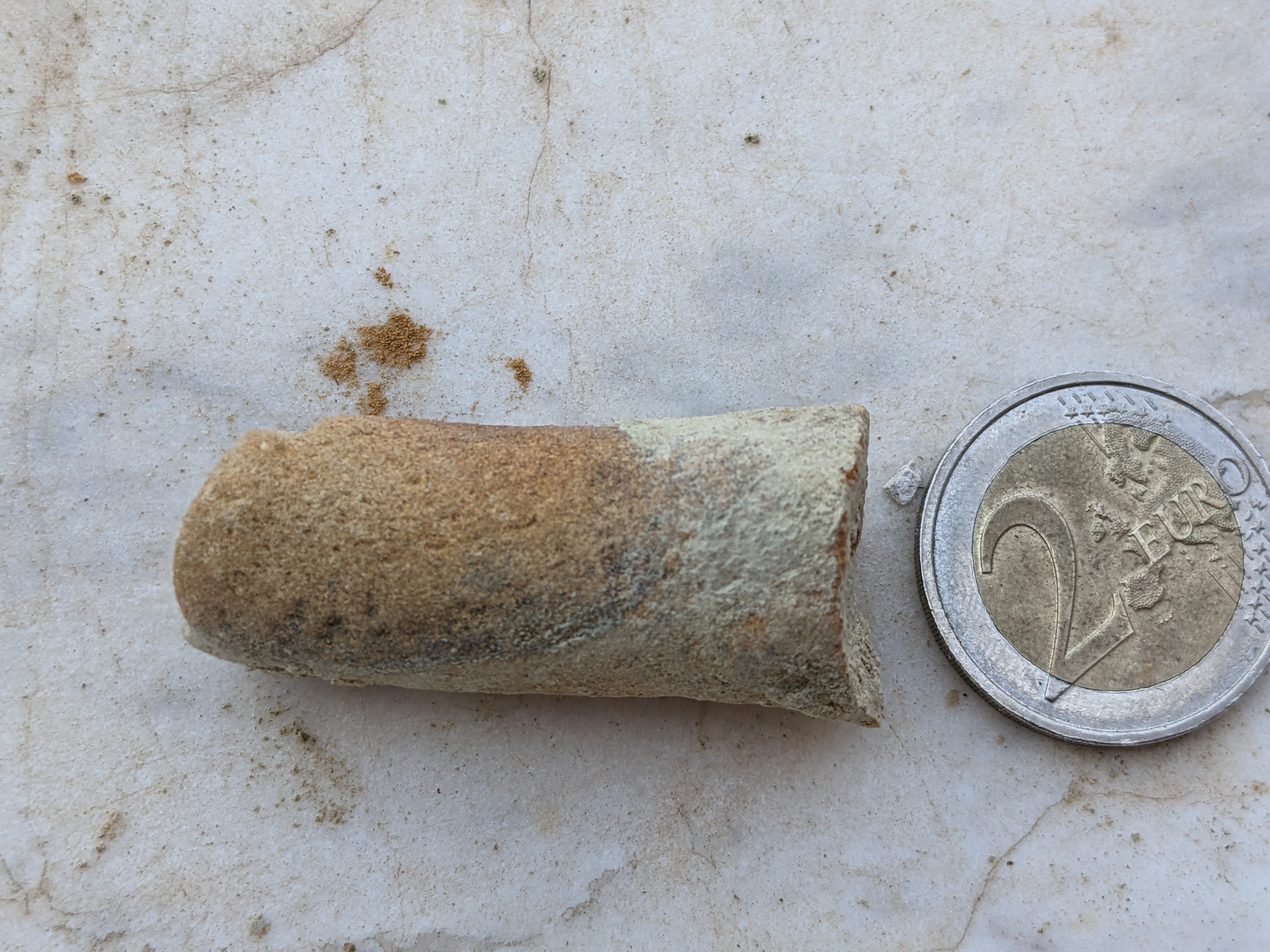
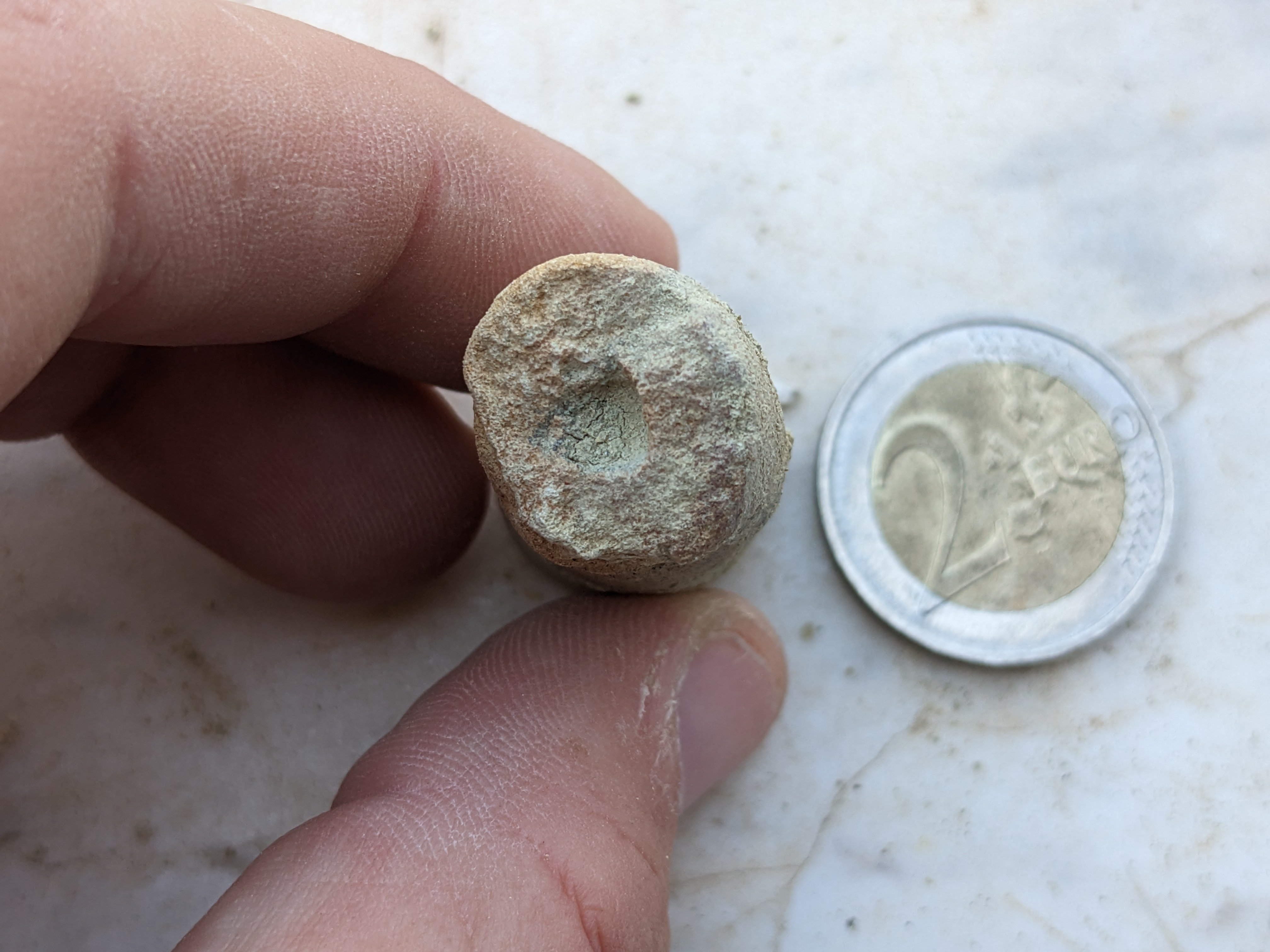
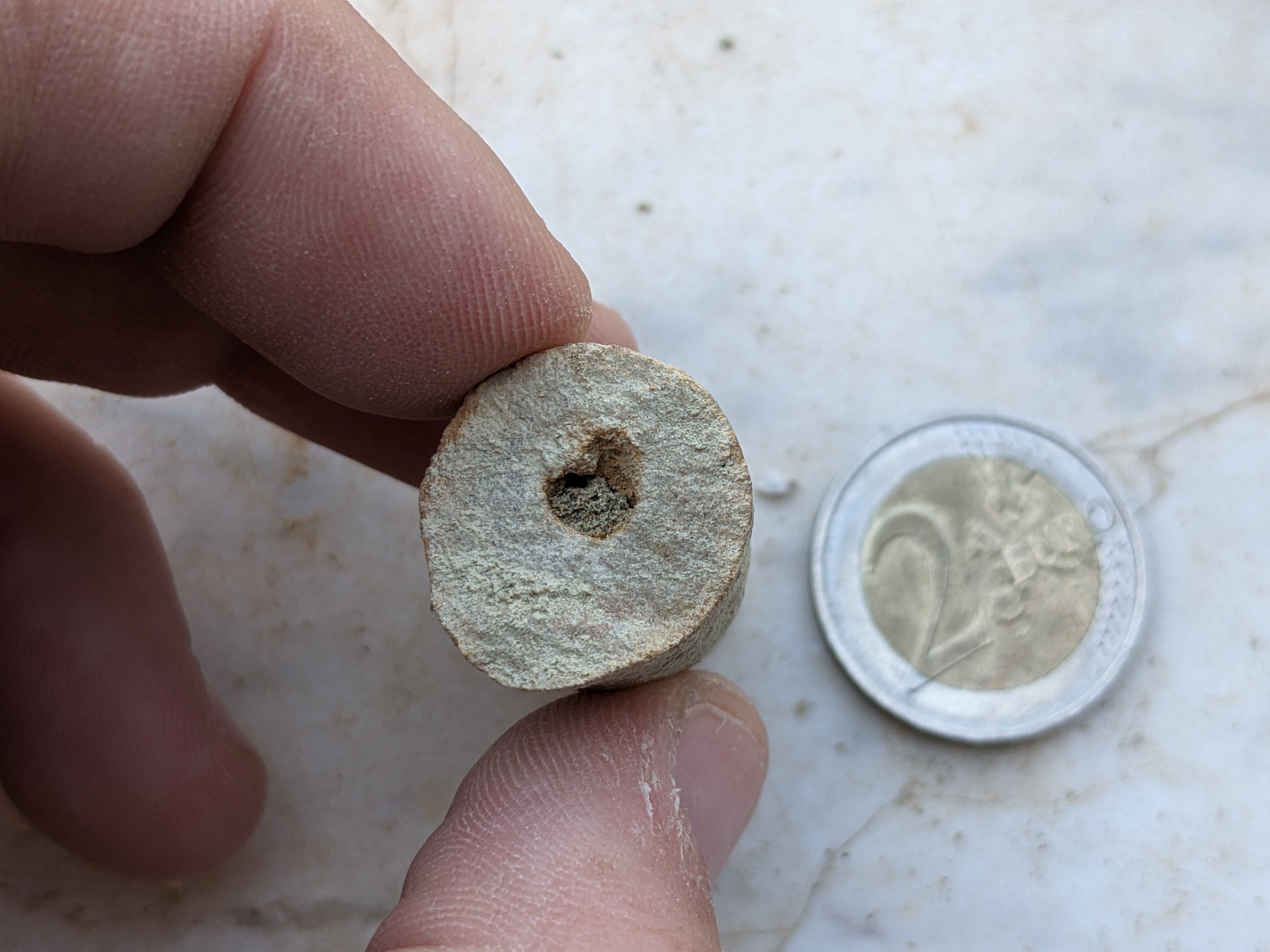
Seagrass meadows, encrusting red algae, soft bioturbated seabed, possible patch reefs
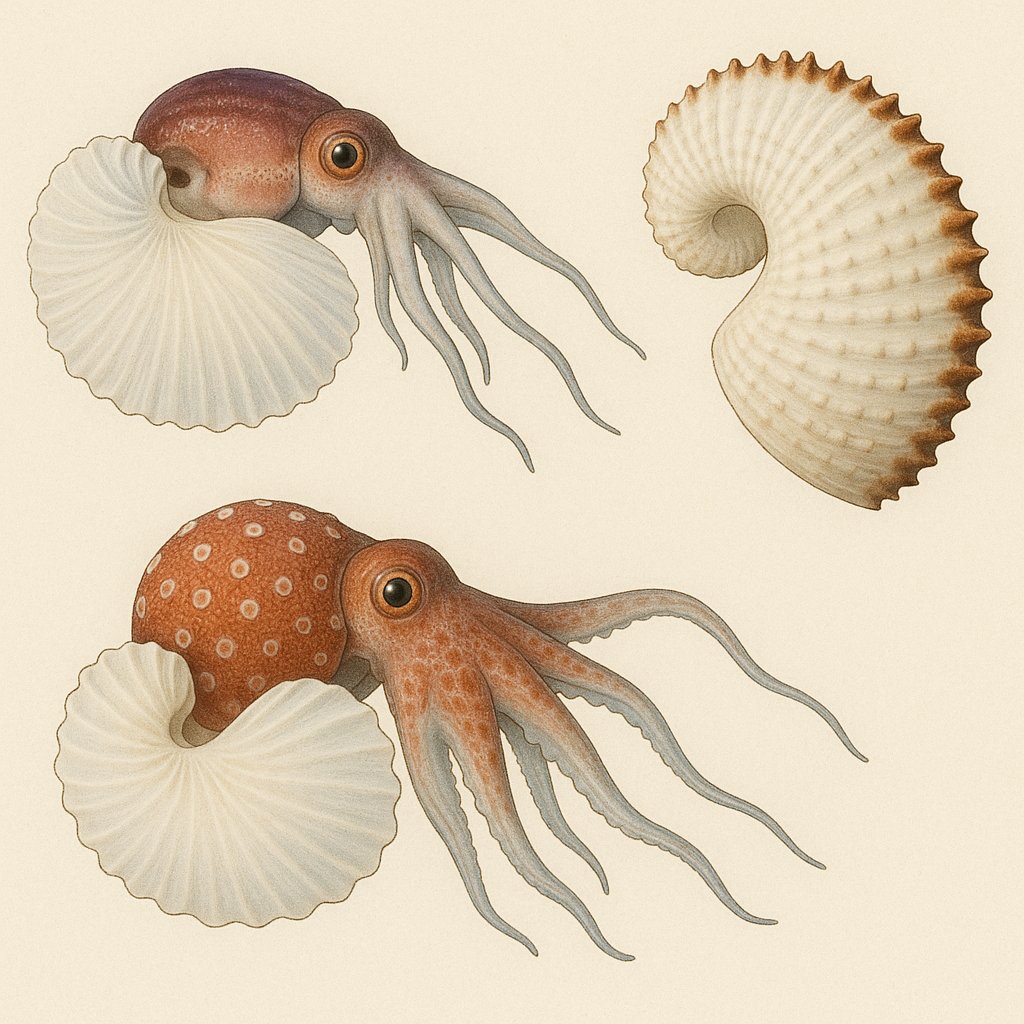
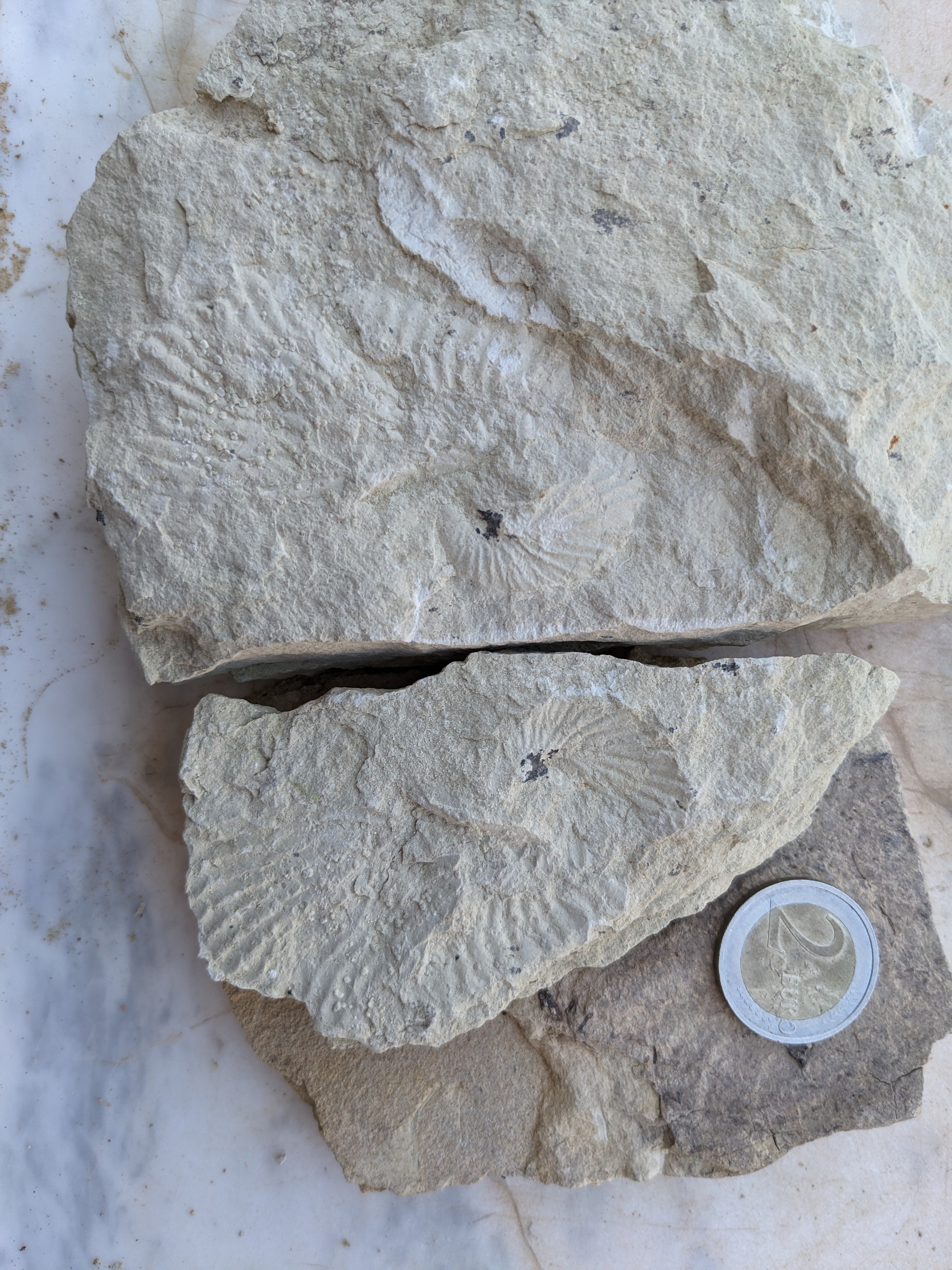
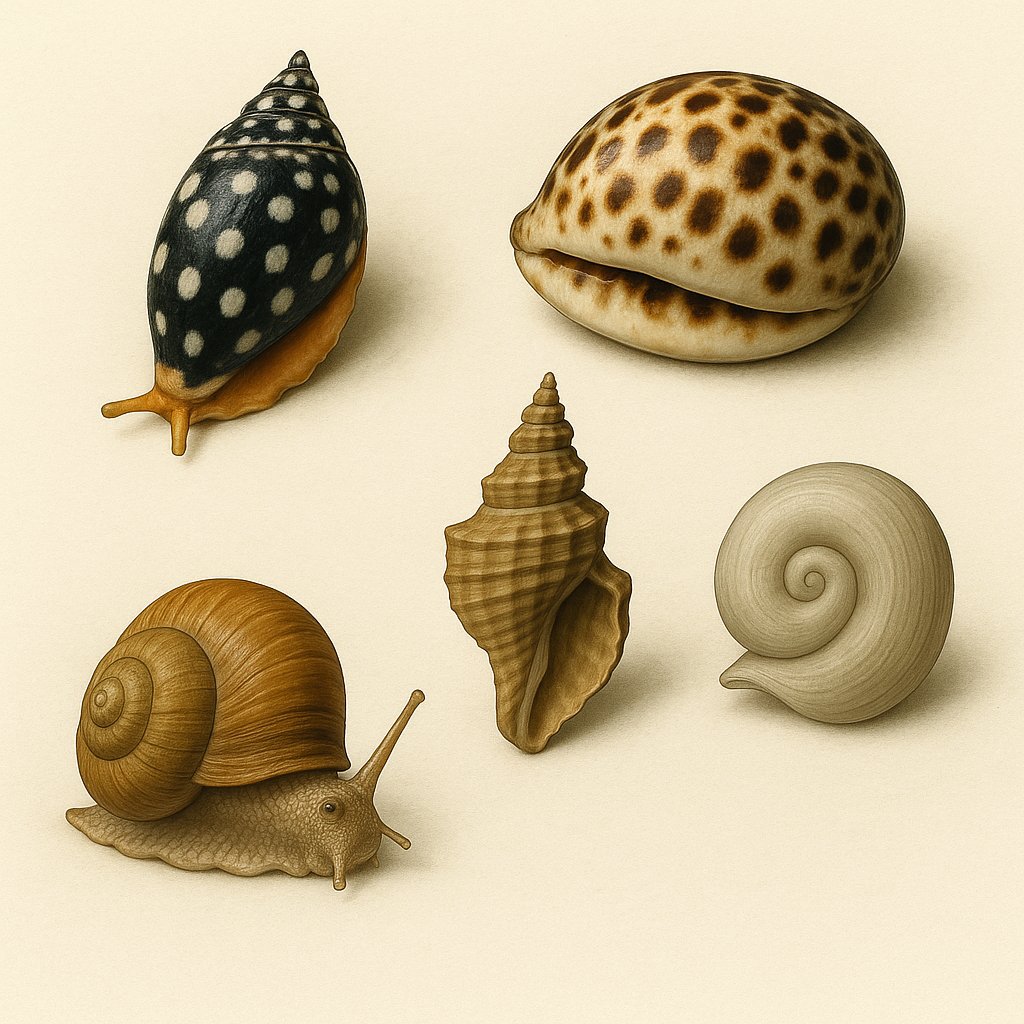
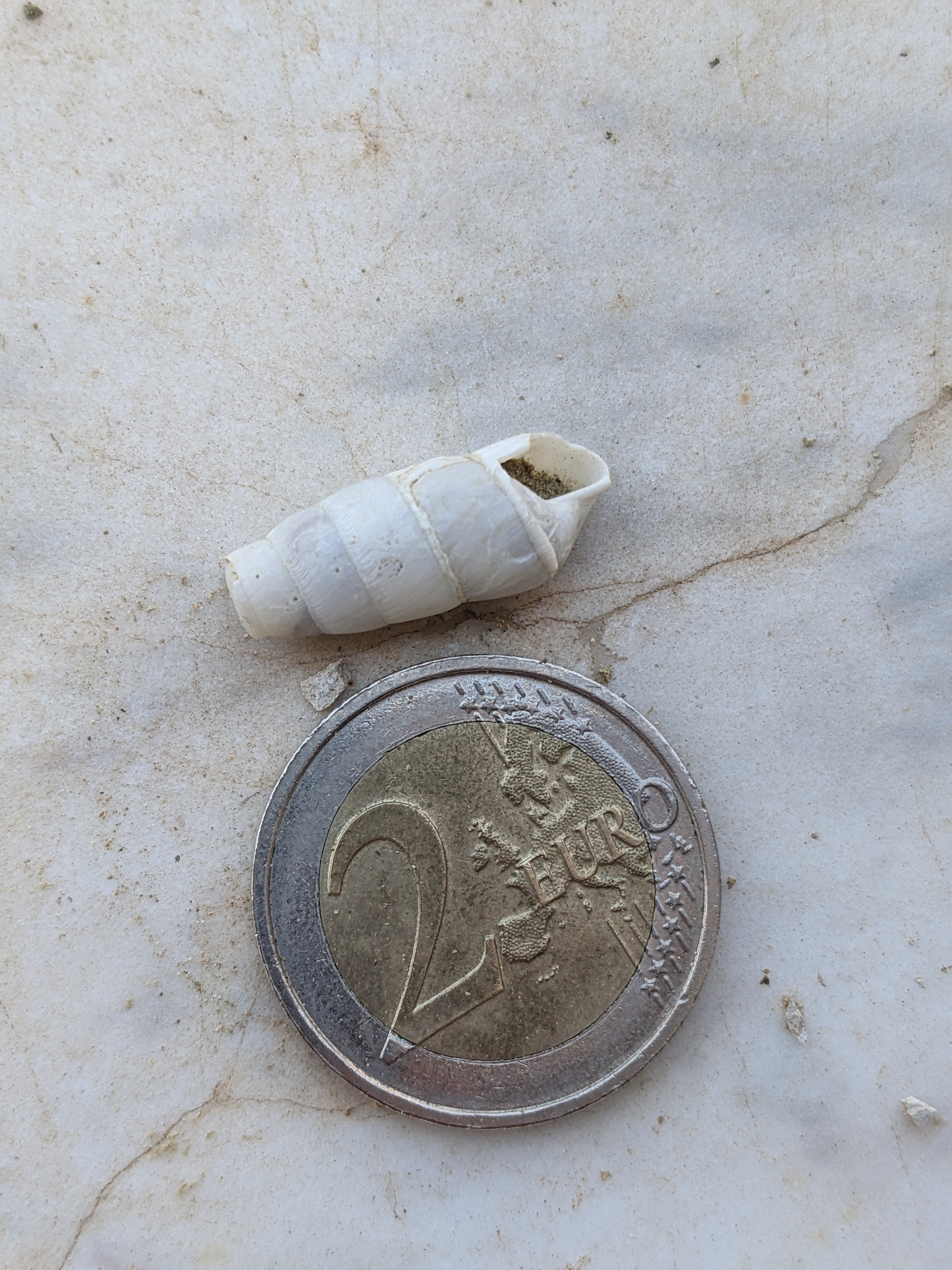
During the Pliocene, the area now known as Mari lay beneath a warm, shallow arm of the Mediterranean Sea. The seafloor was soft and gently sloping, composed of fine silts and carbonate sands, shaped by gentle currents and home to a thriving benthic ecosystem. Burrowing creatures left traces in the sediment, now preserved as fossilized holes and tunnels. Patches of Posidonia seagrass anchored themselves in the sandy bottom, swaying with the light underwater currents, while encrusting coralline red algae added pinkish hues to rocky surfaces. In places, small coral colonies may have formed low-lying reef structures. The clear water allowed plenty of sunlight to reach the seabed, illuminating a biodiverse shelf teeming with marine life.
 Ελληνικά
 English
 Ἑλληνική ἀρχαία
 Κυπριακά