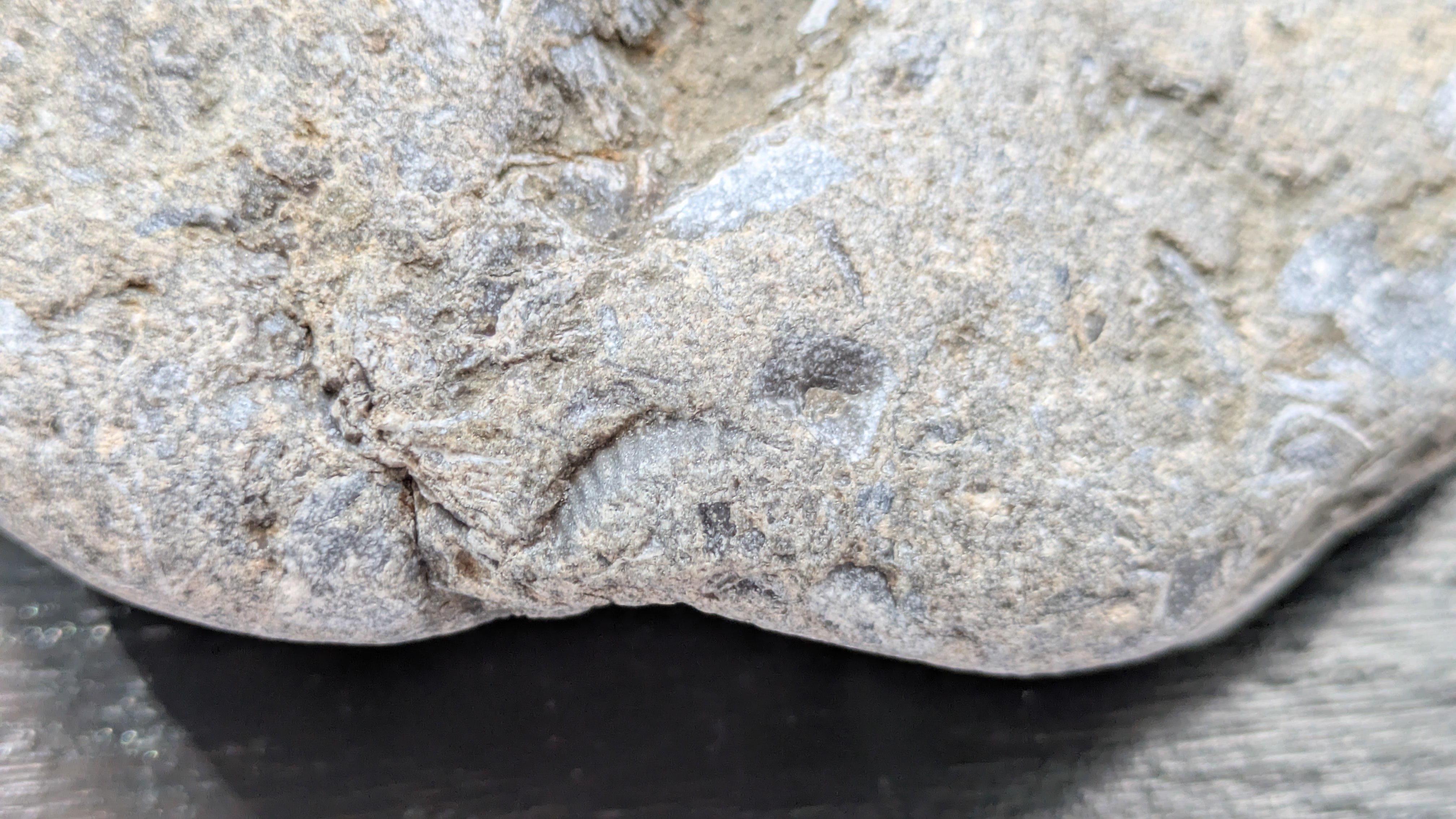
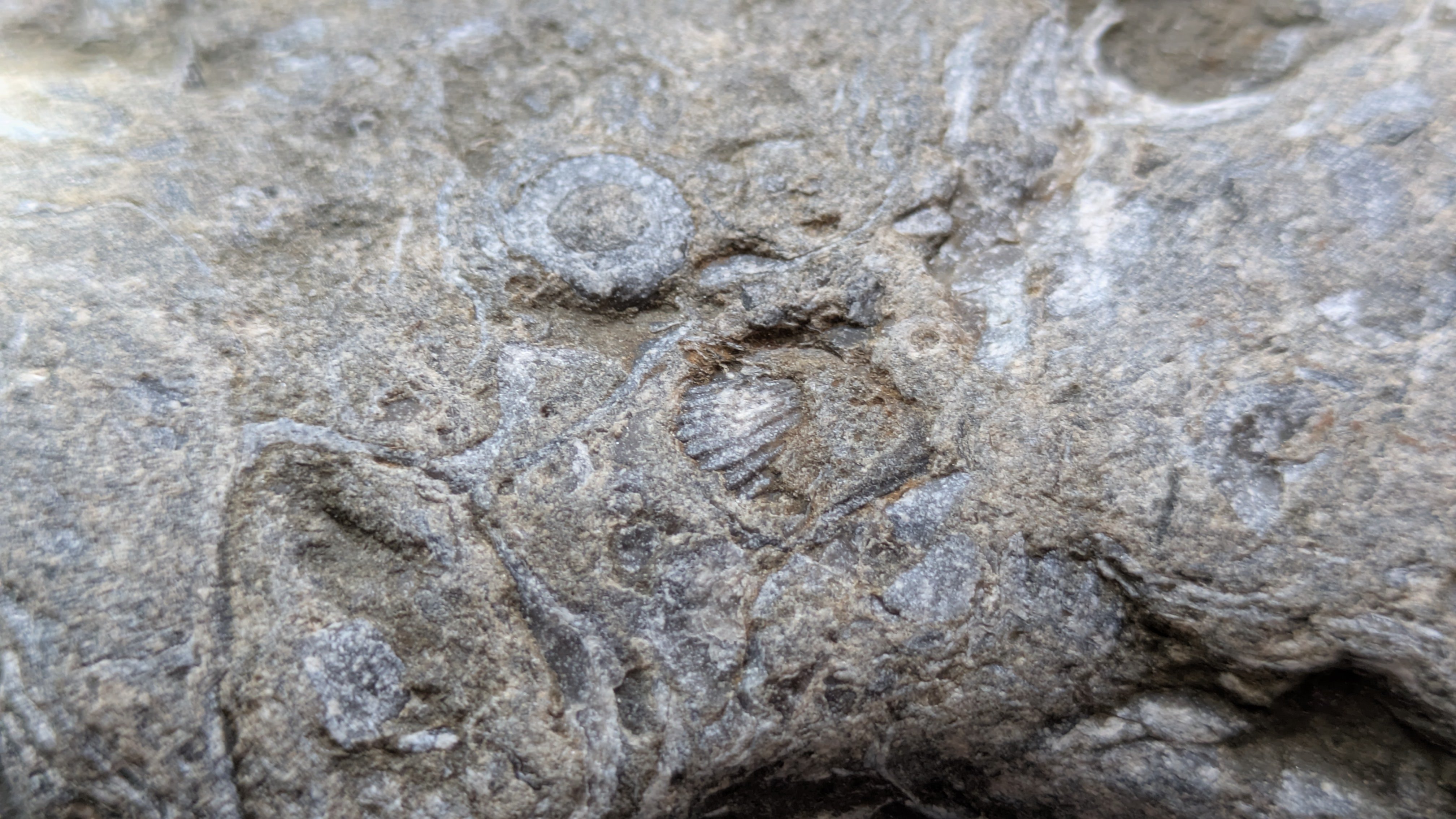
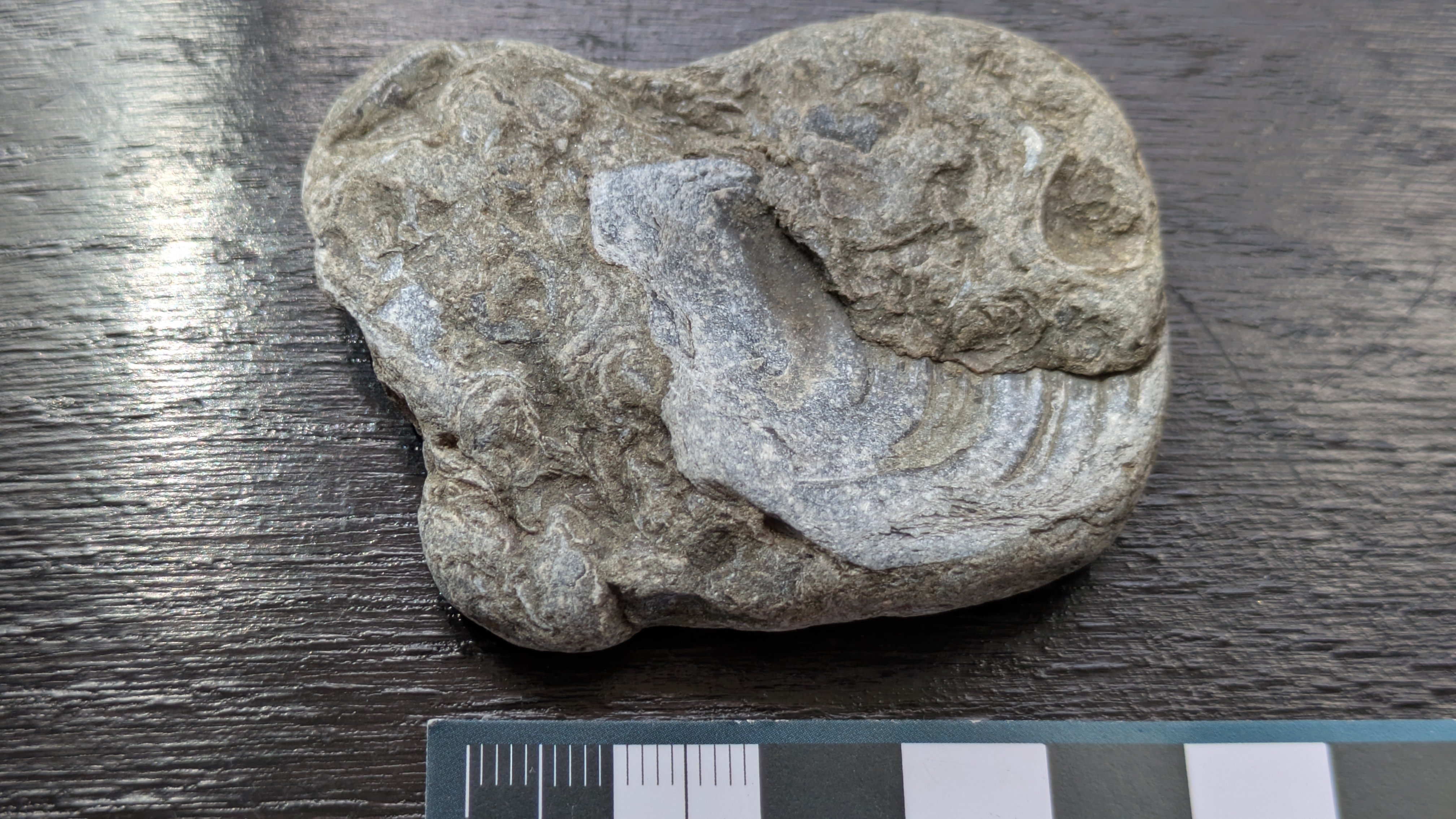
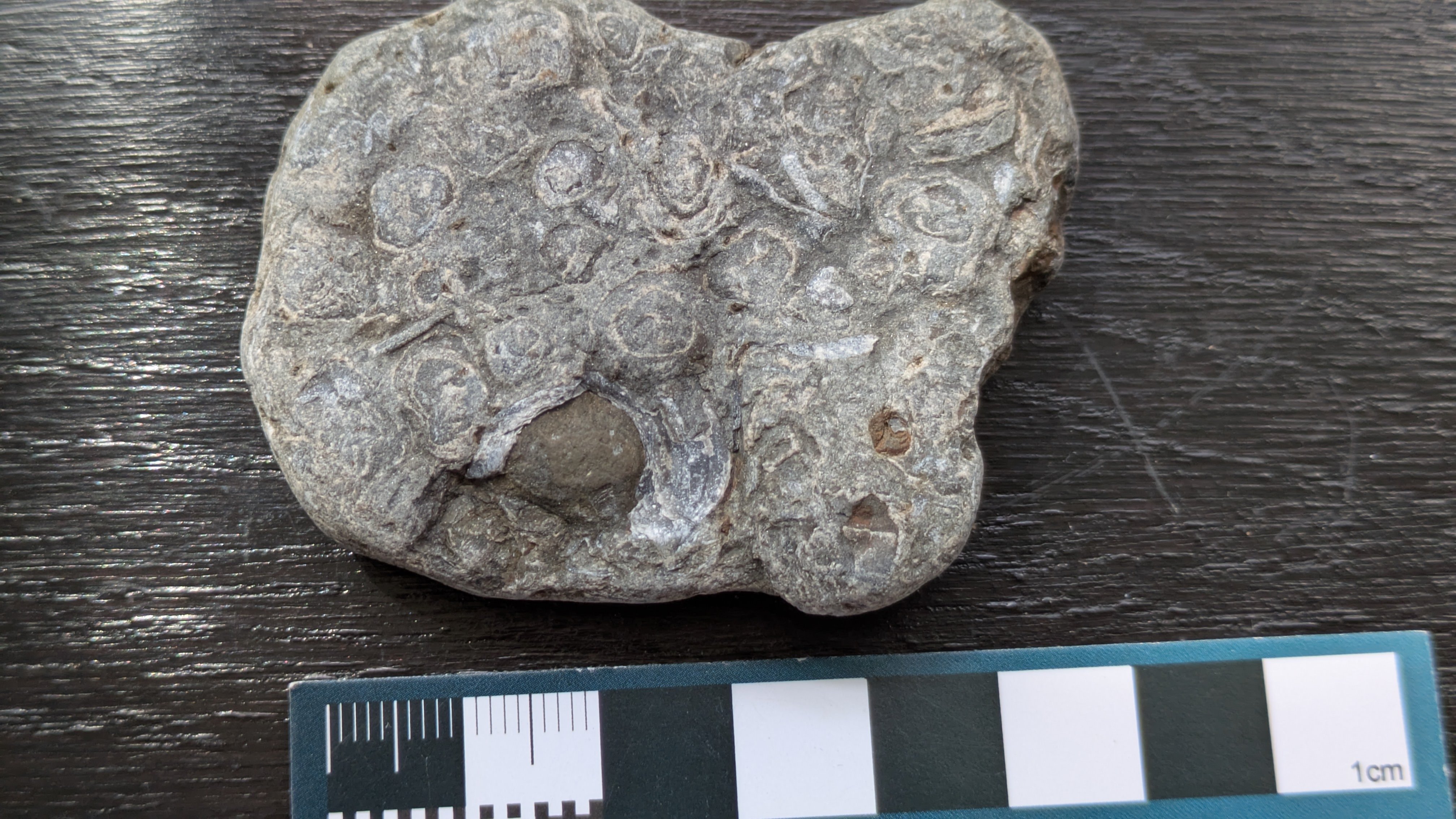
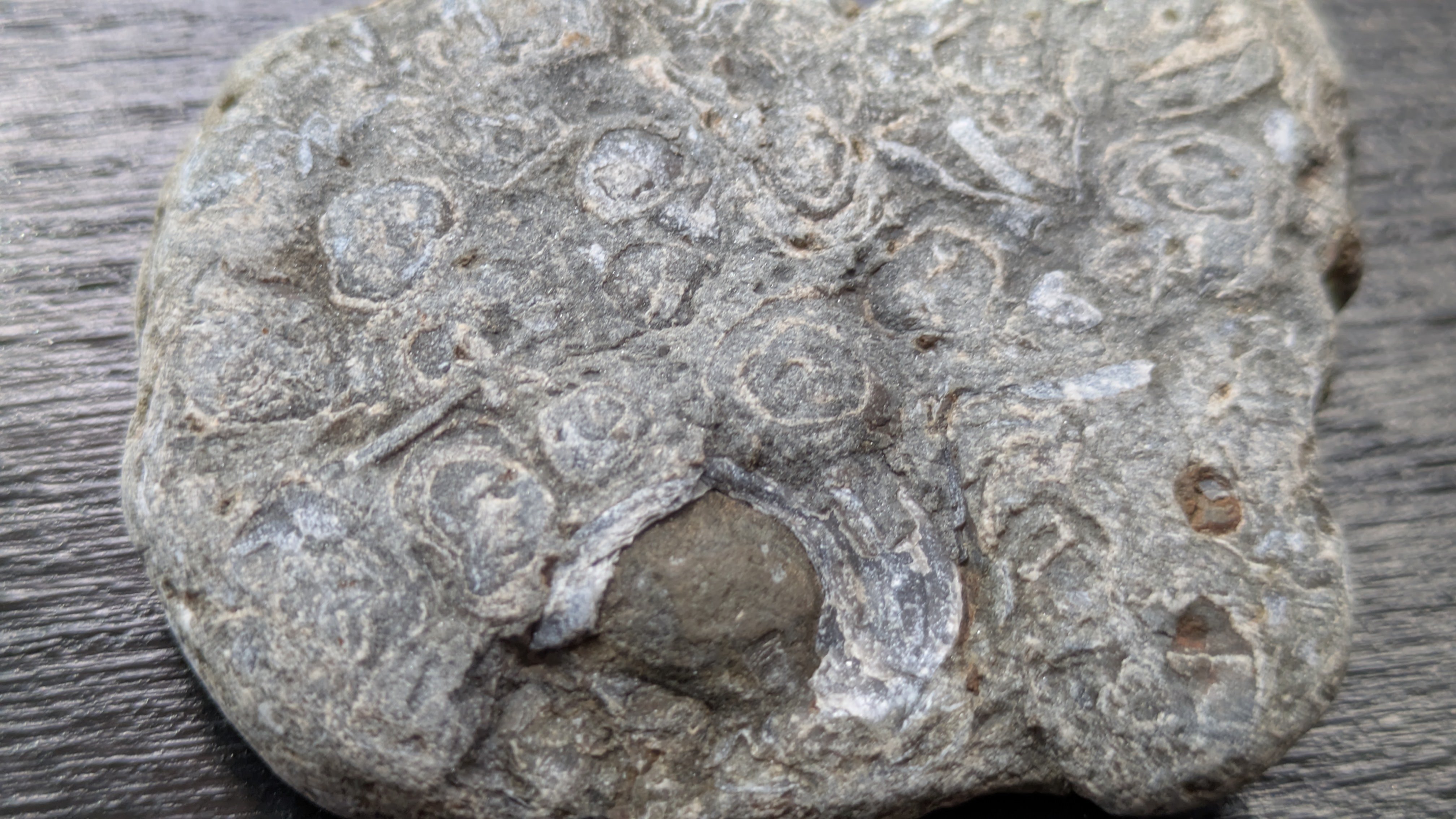
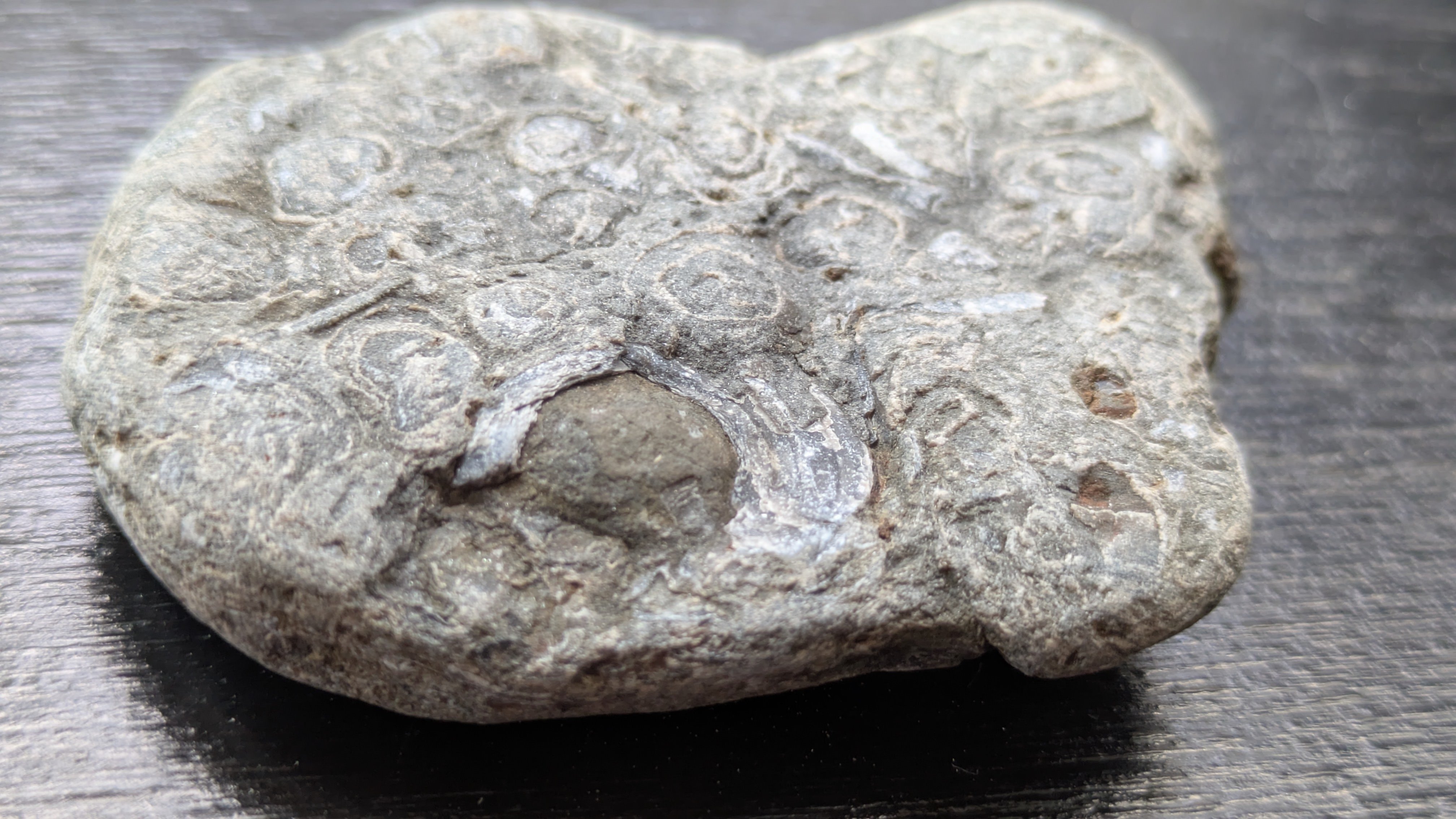
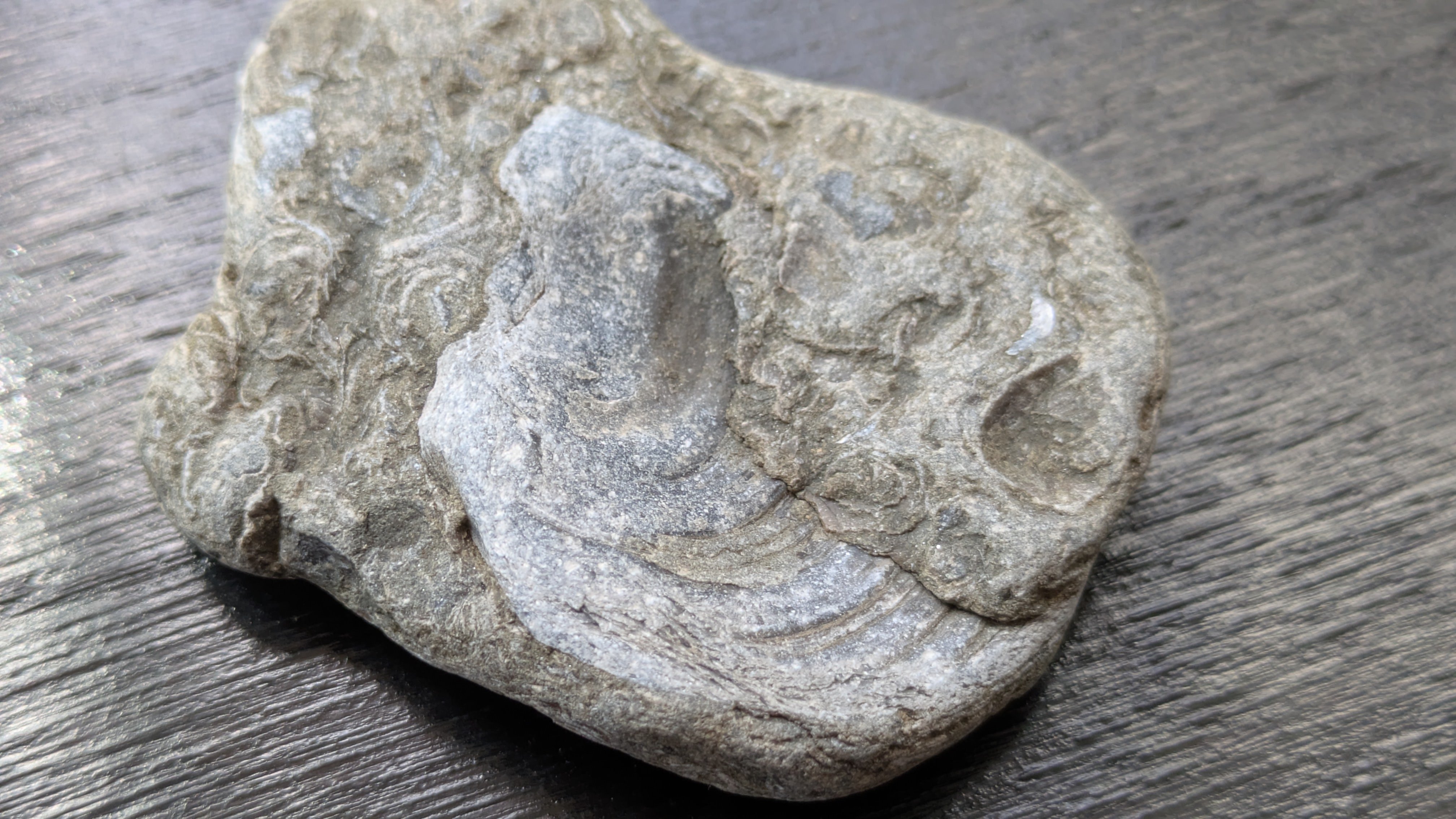
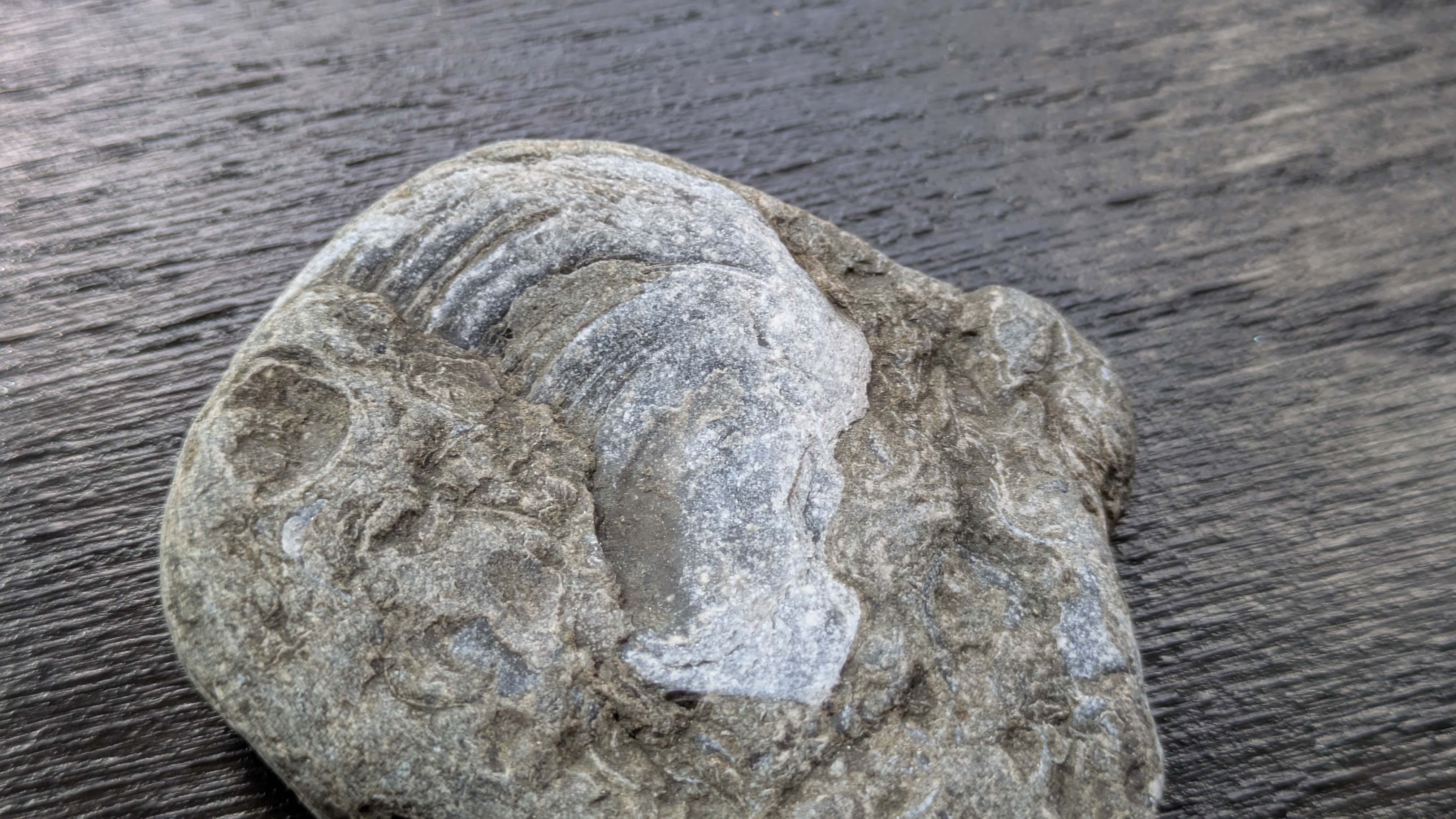
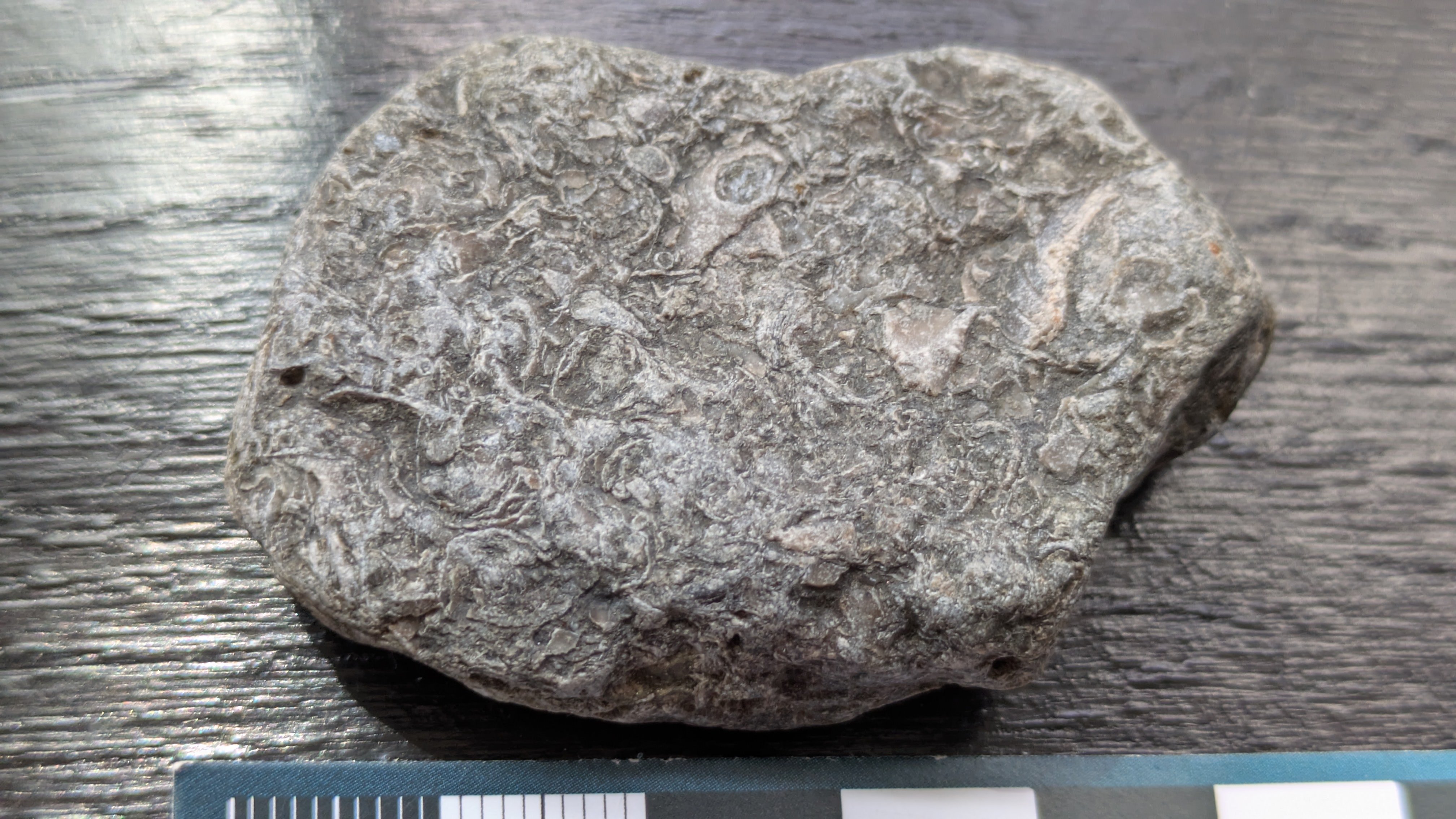
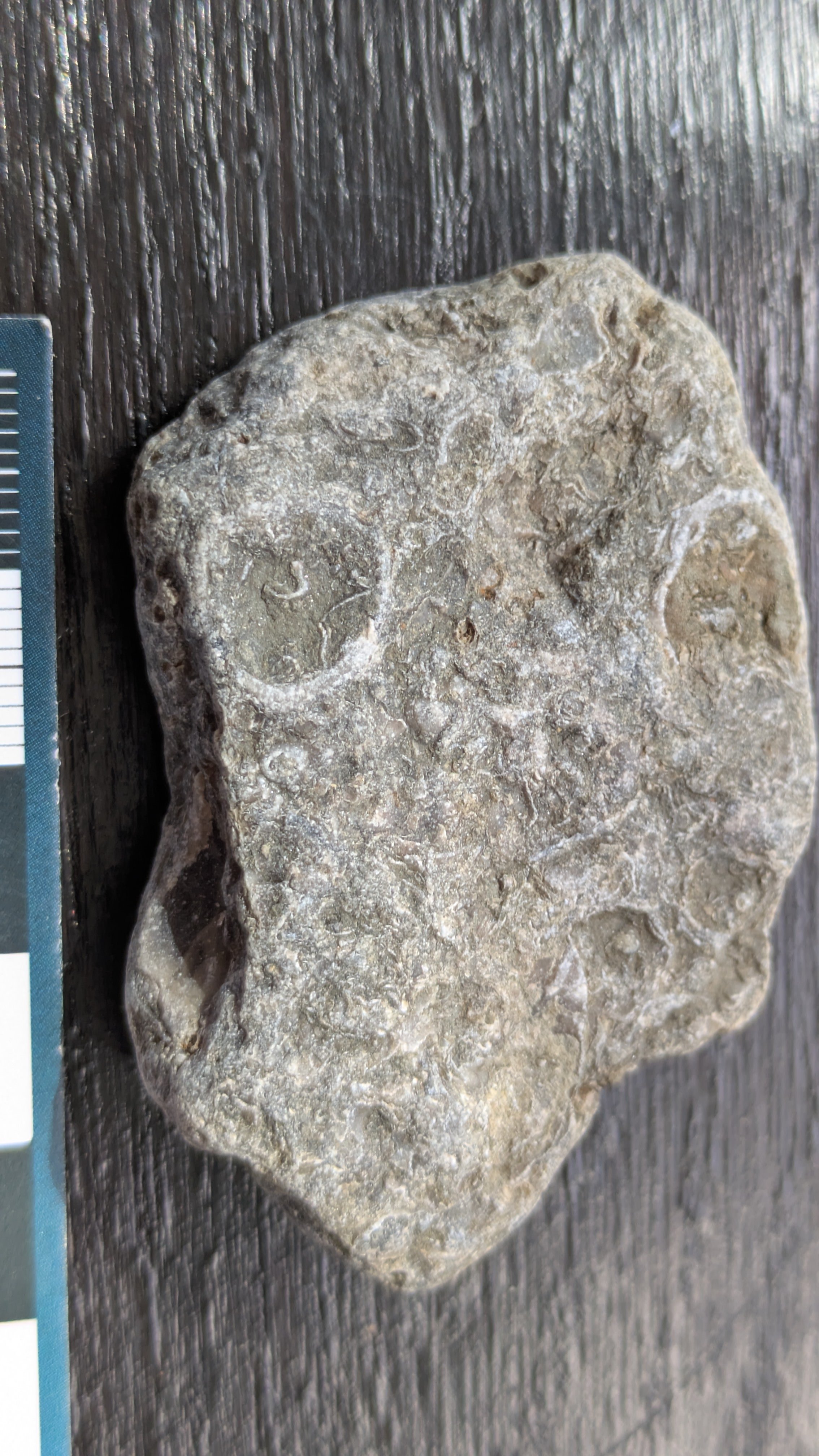
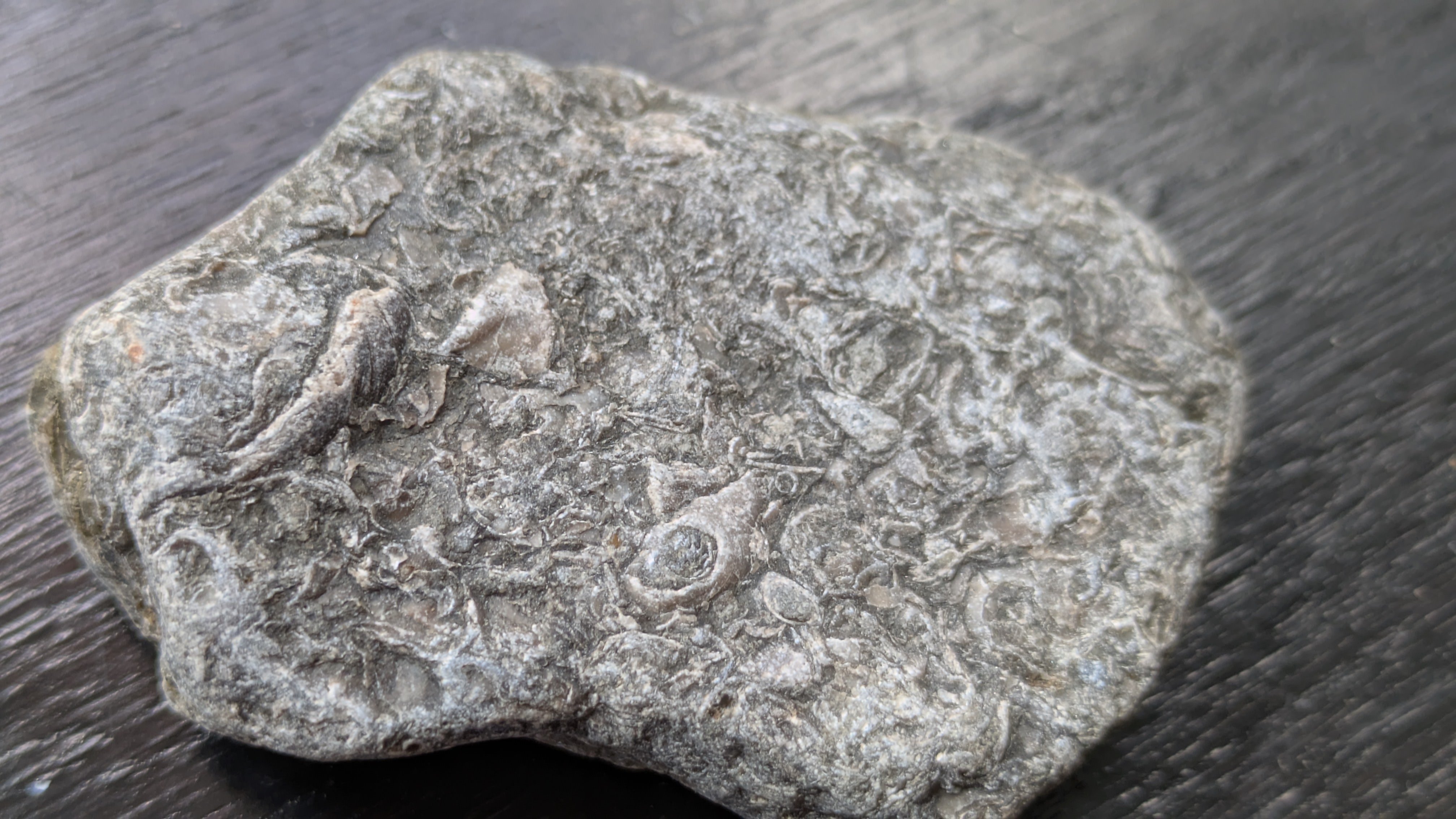
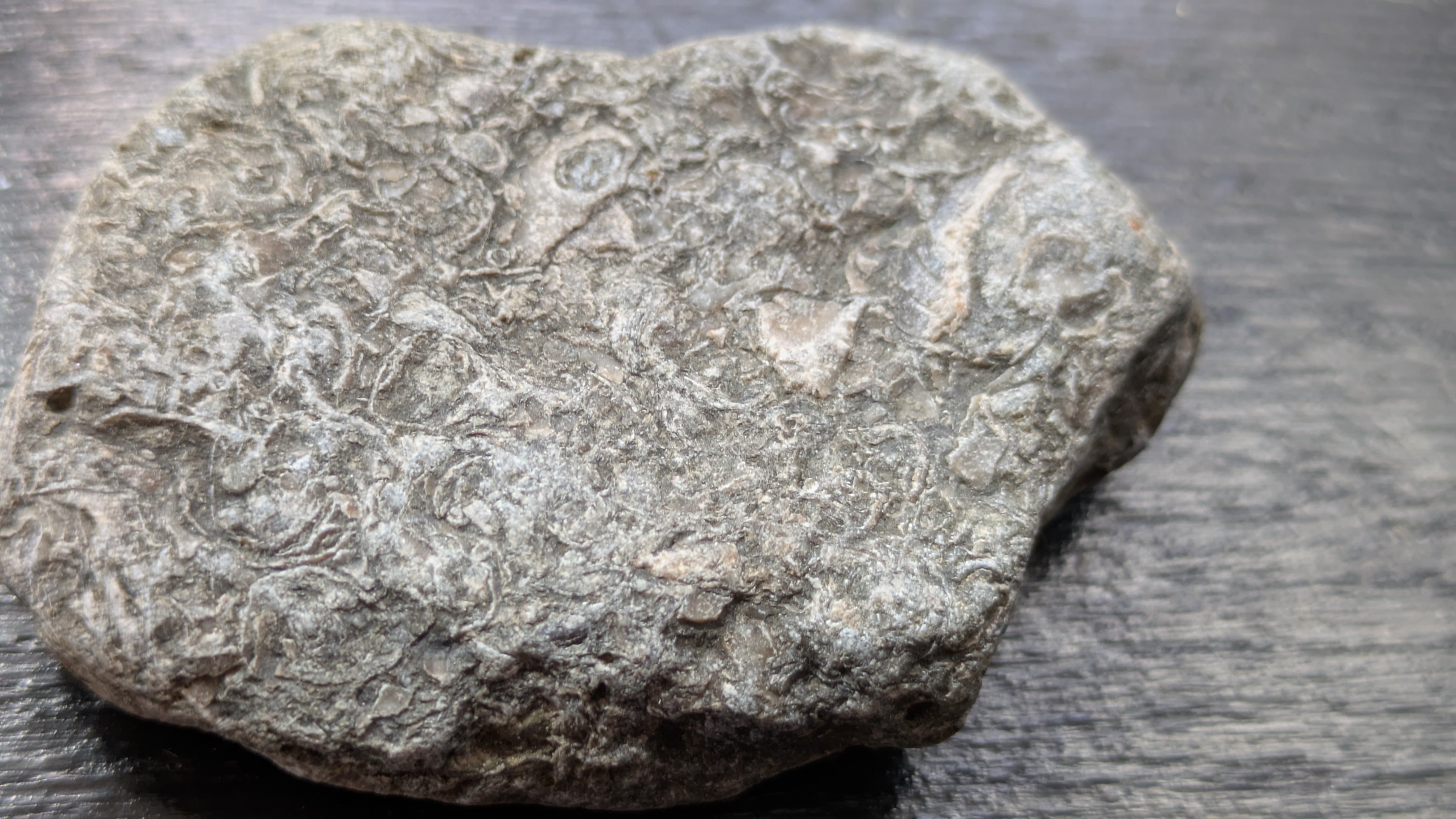
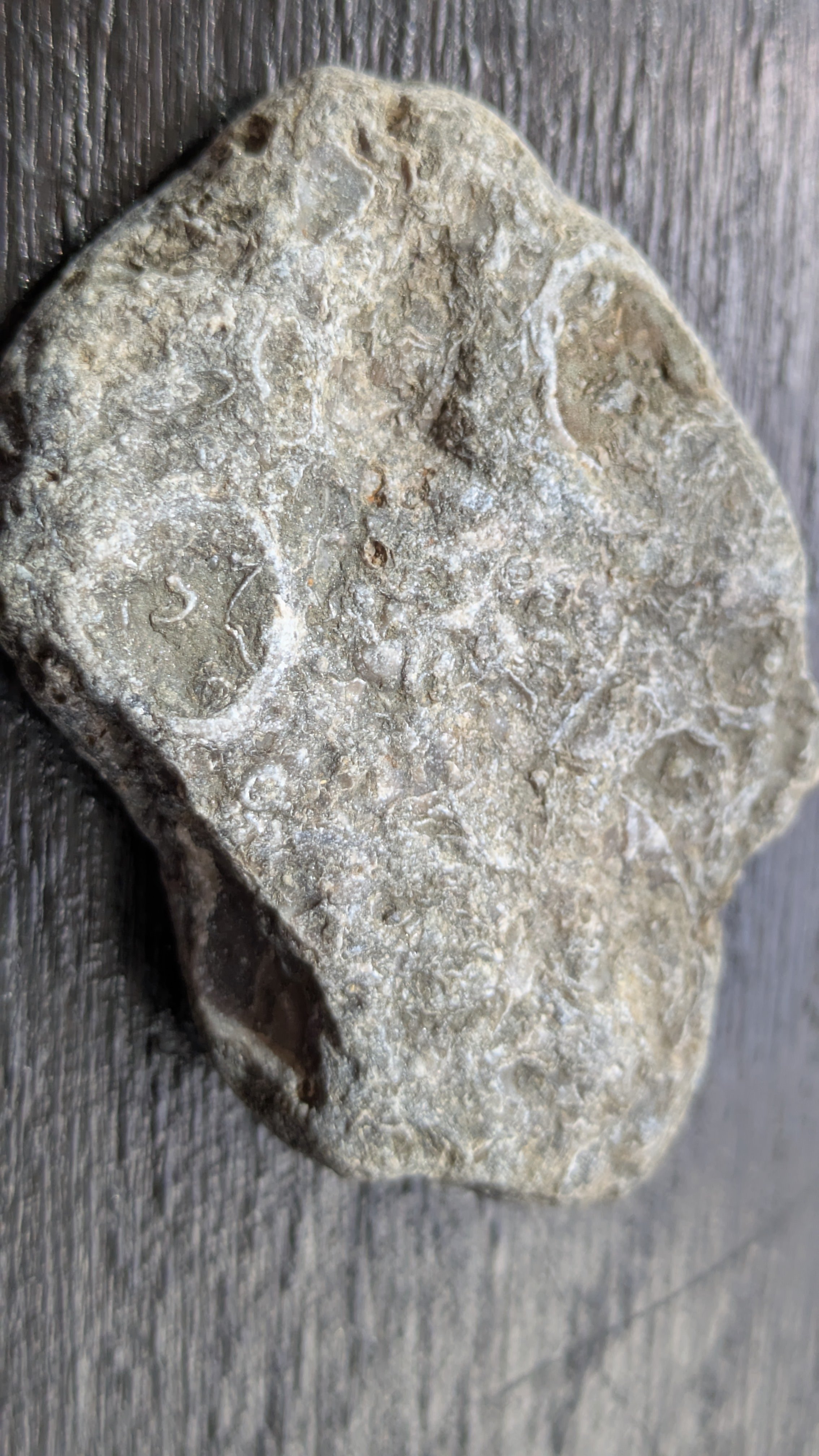
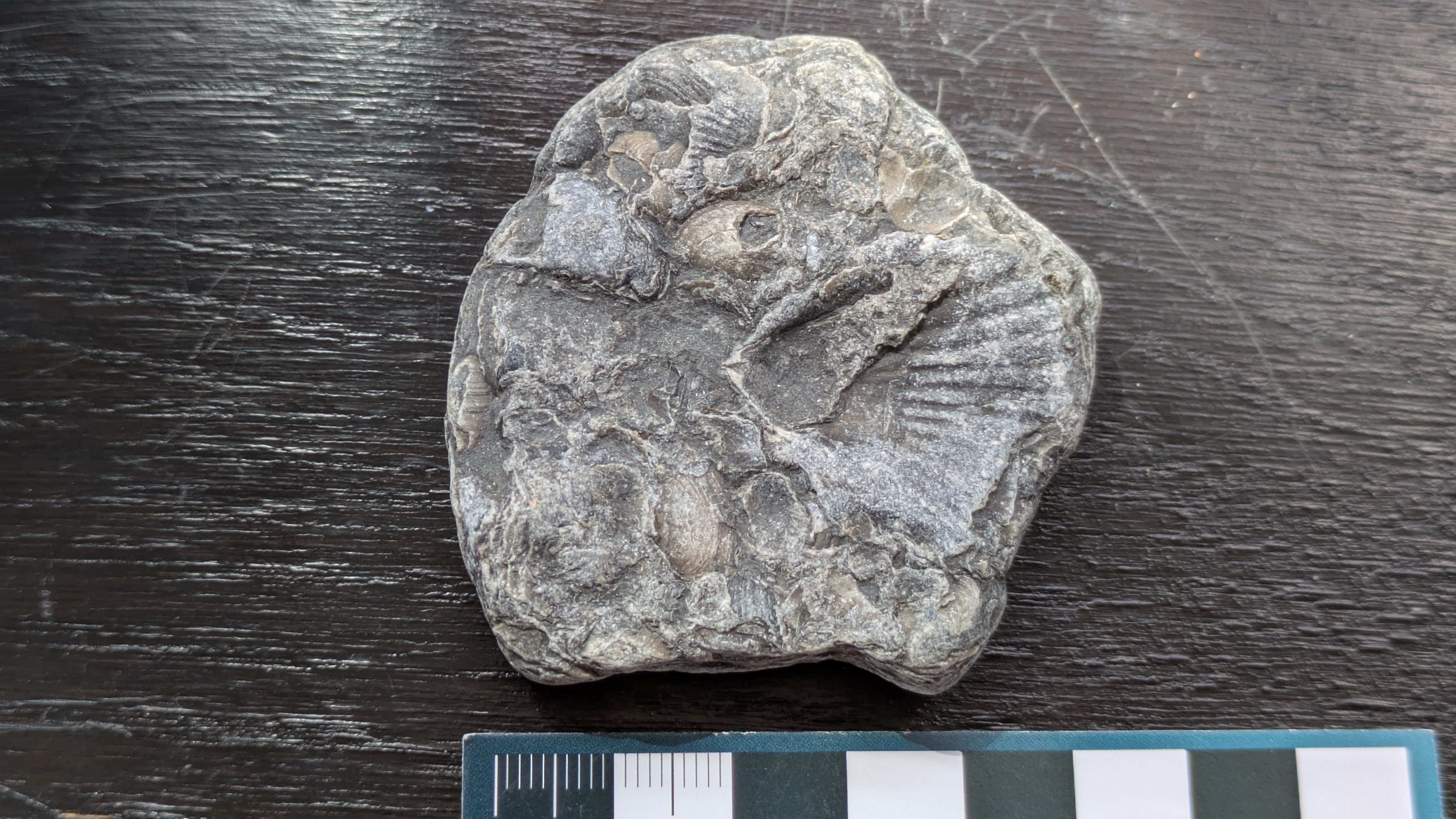
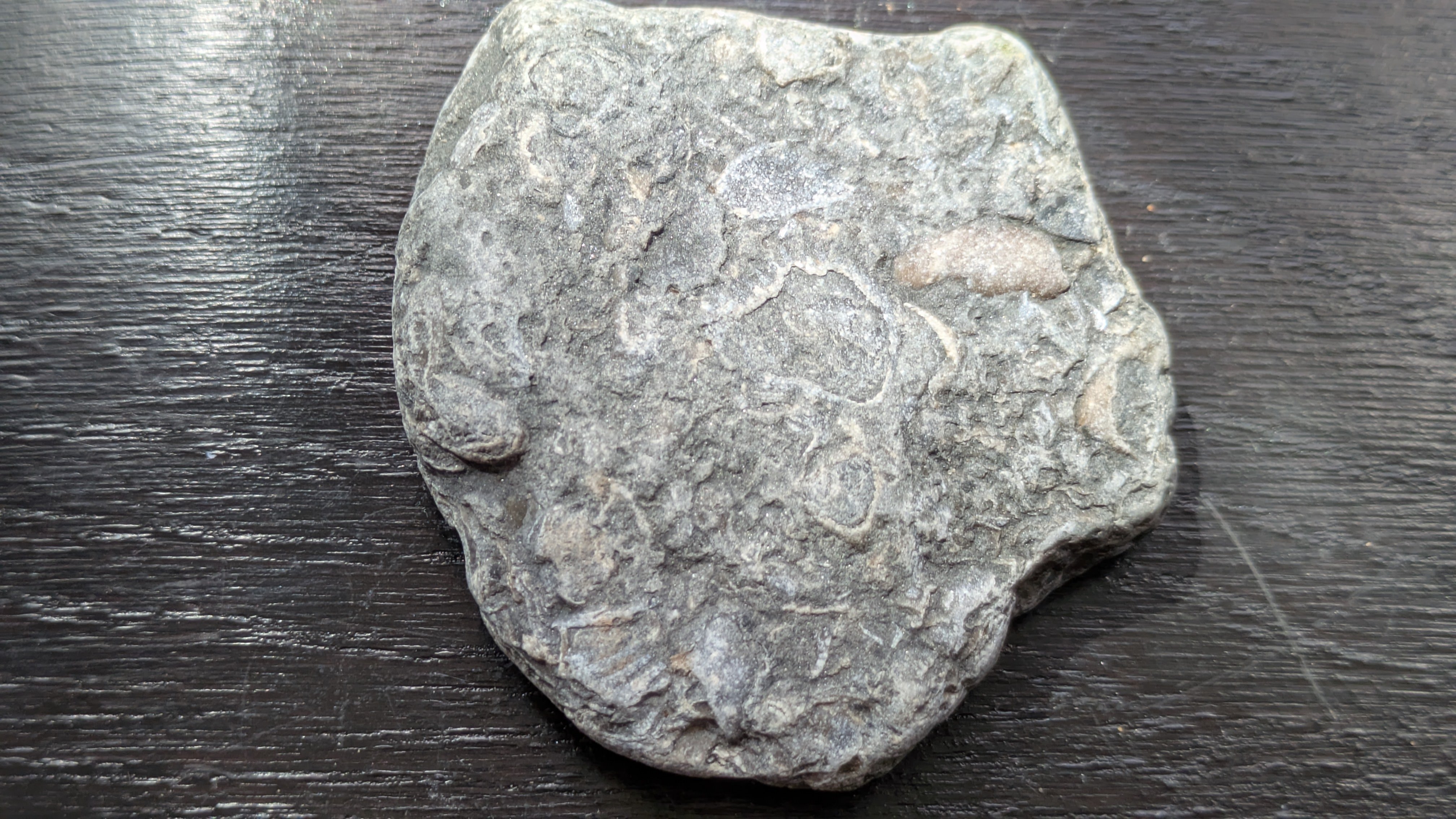
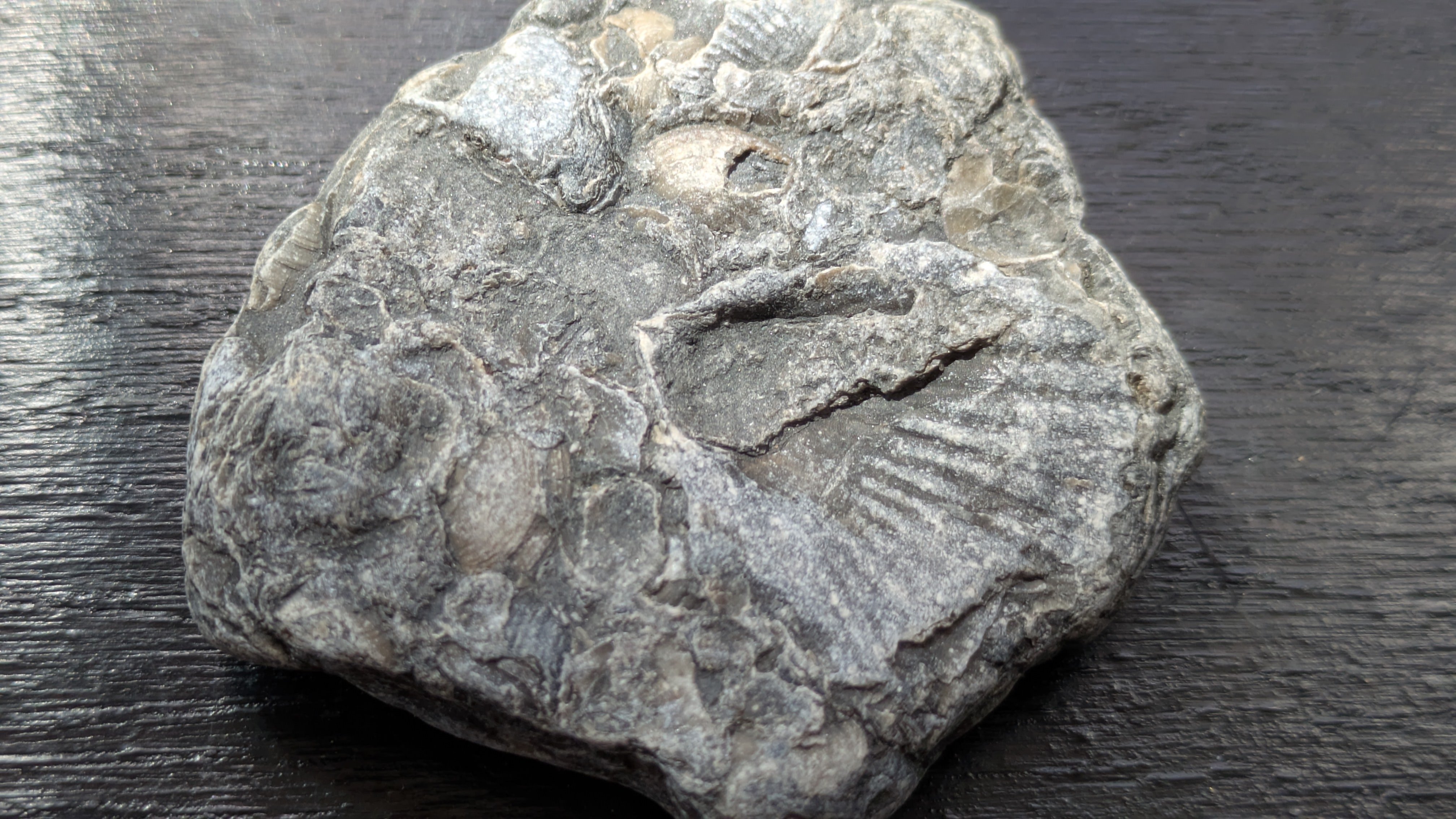
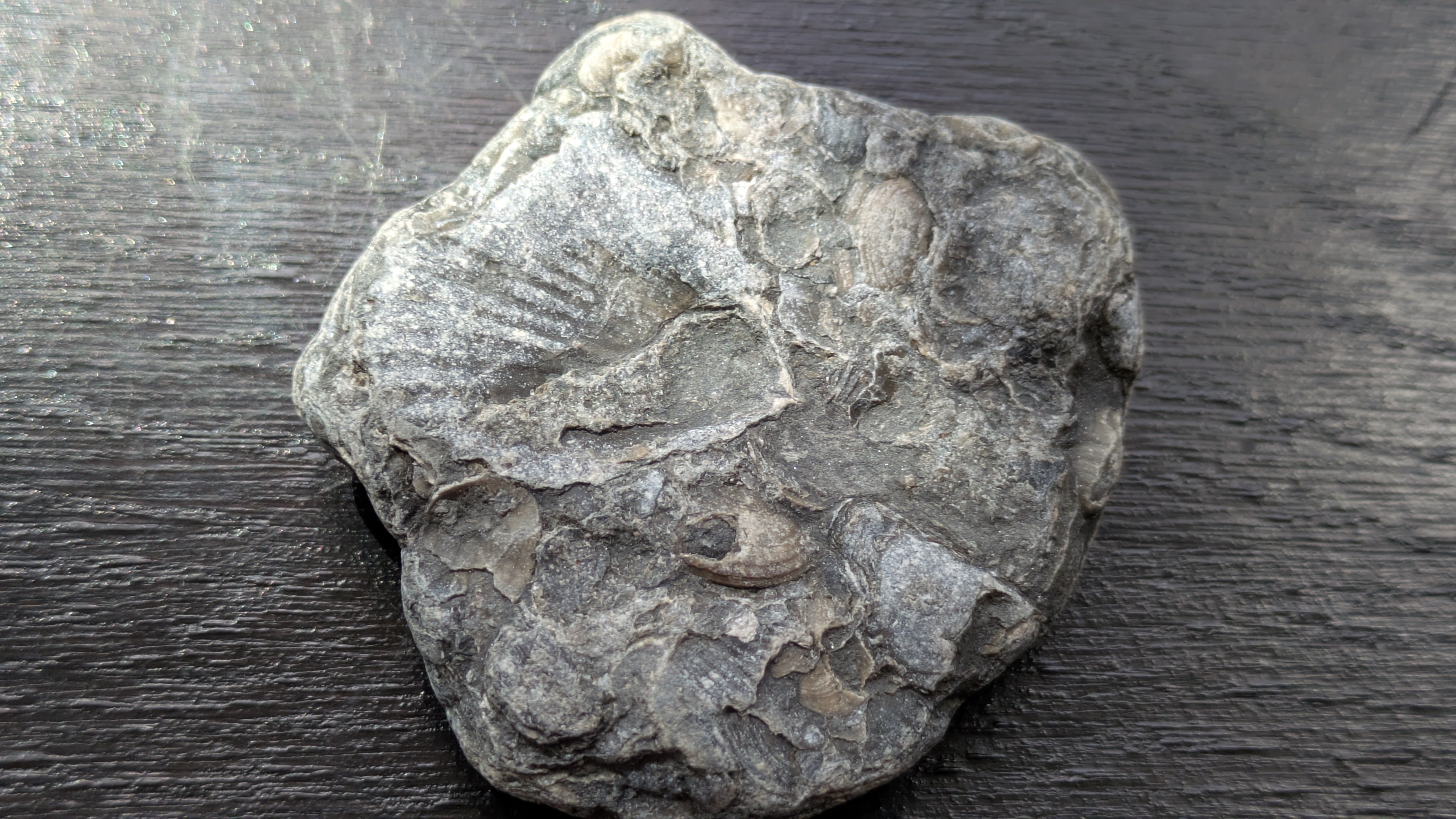
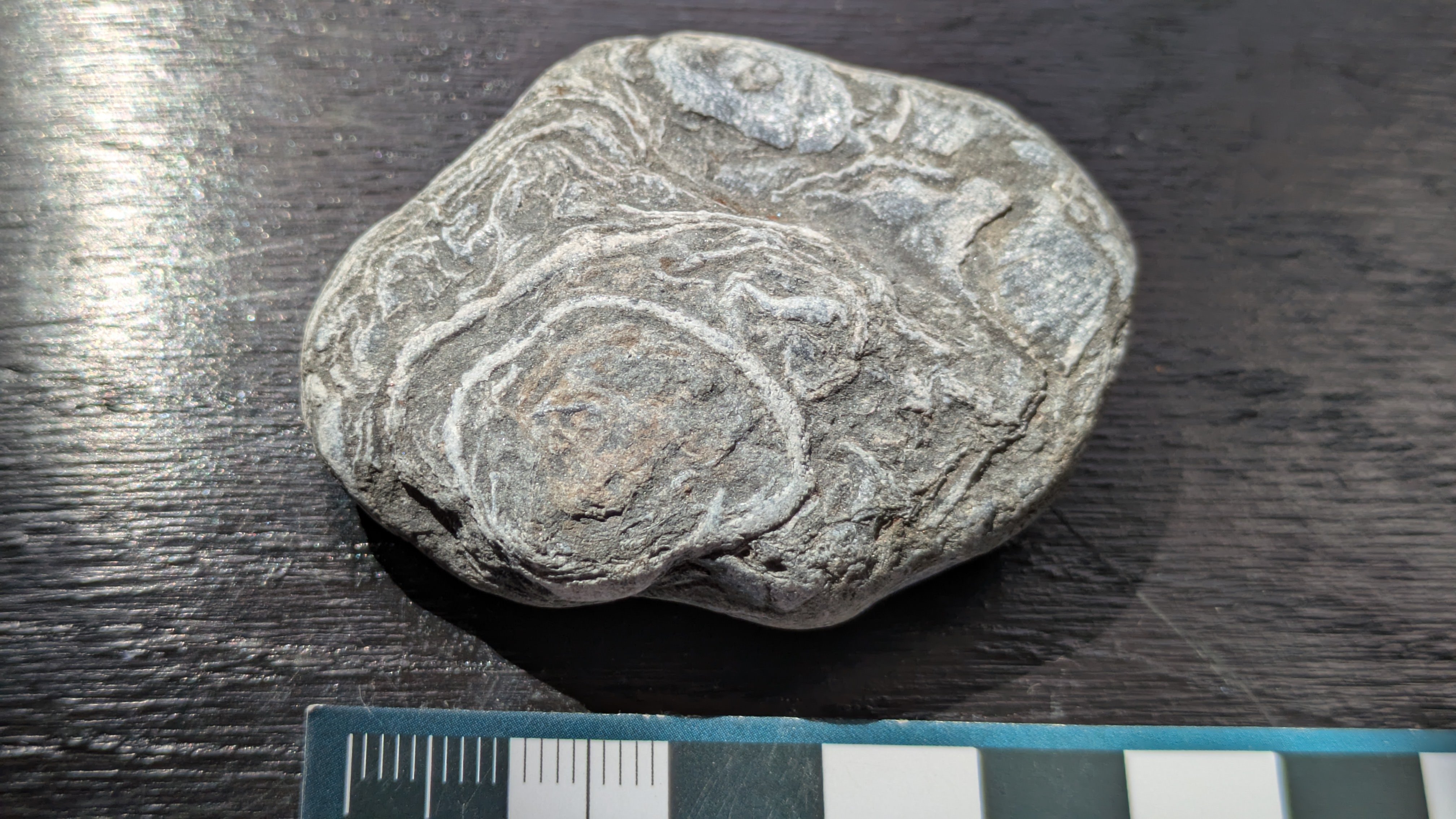
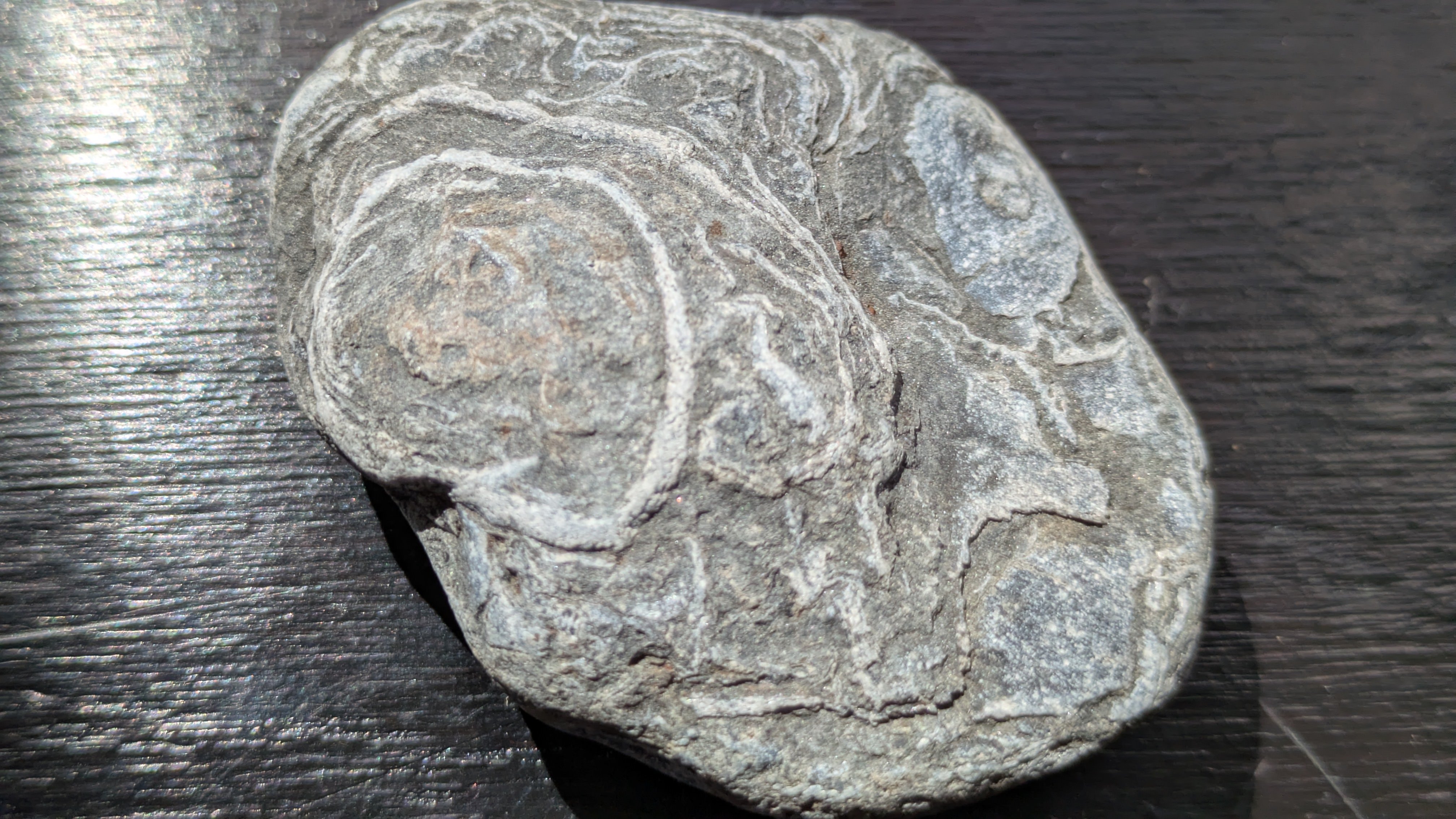
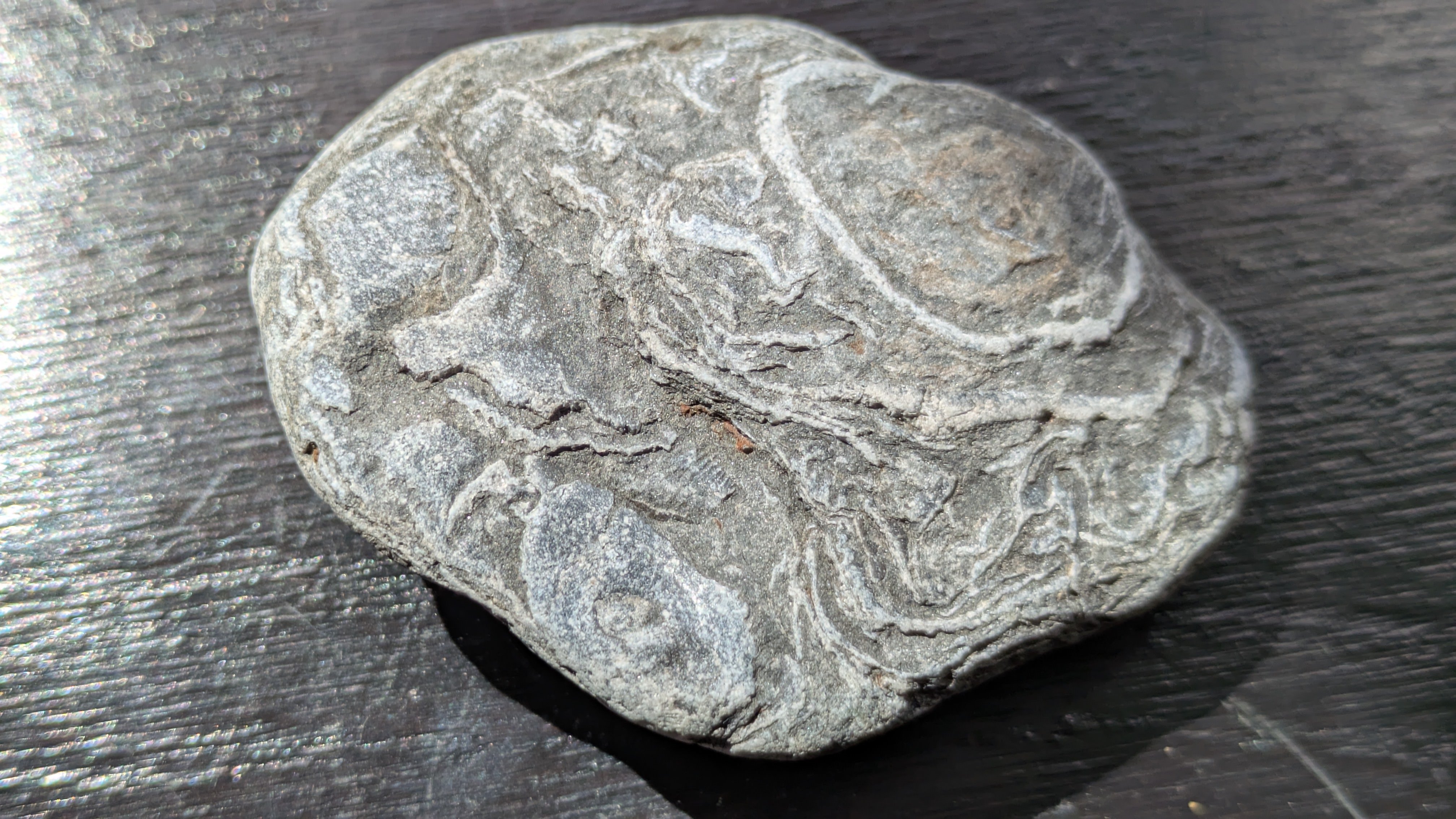
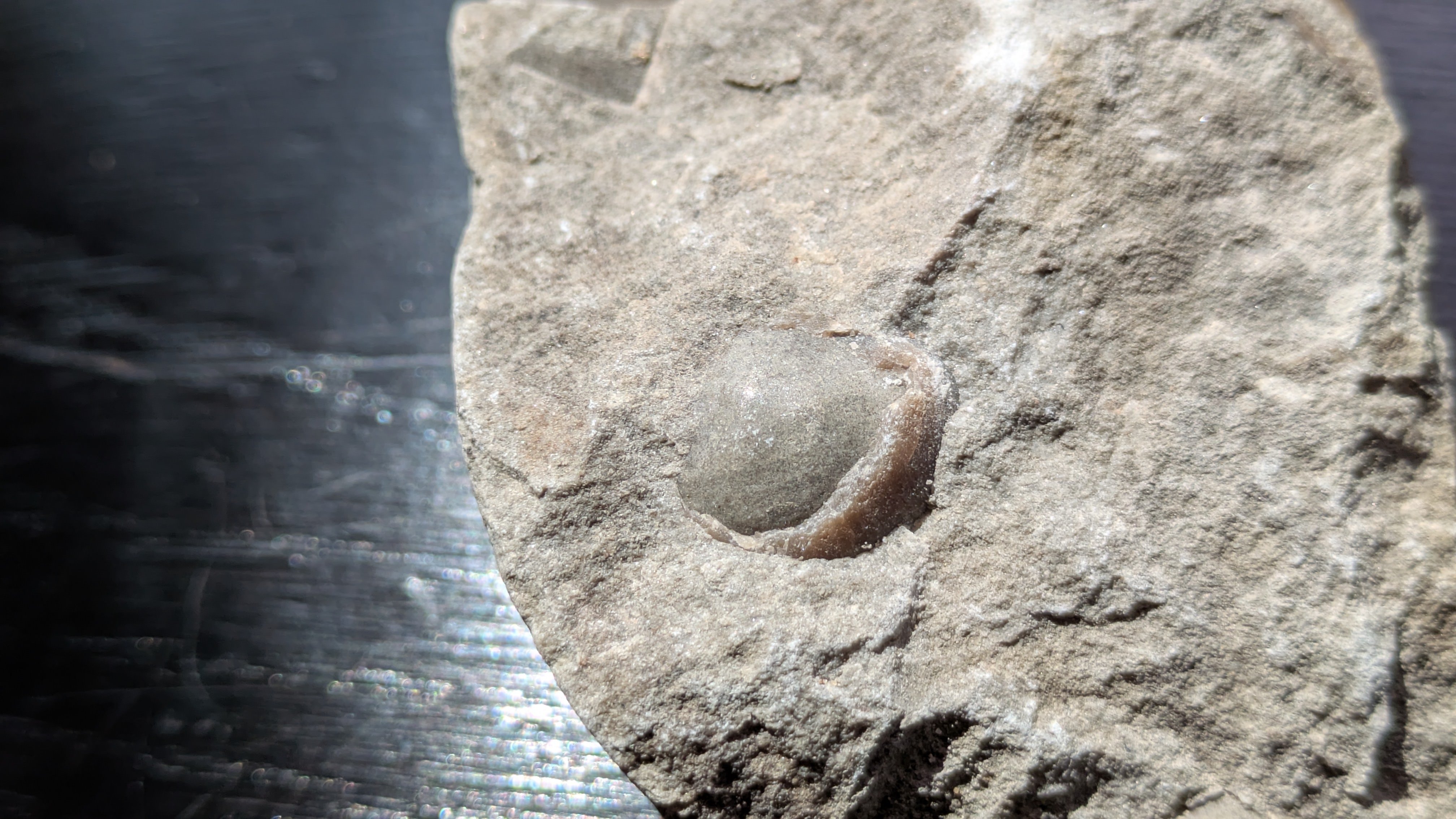
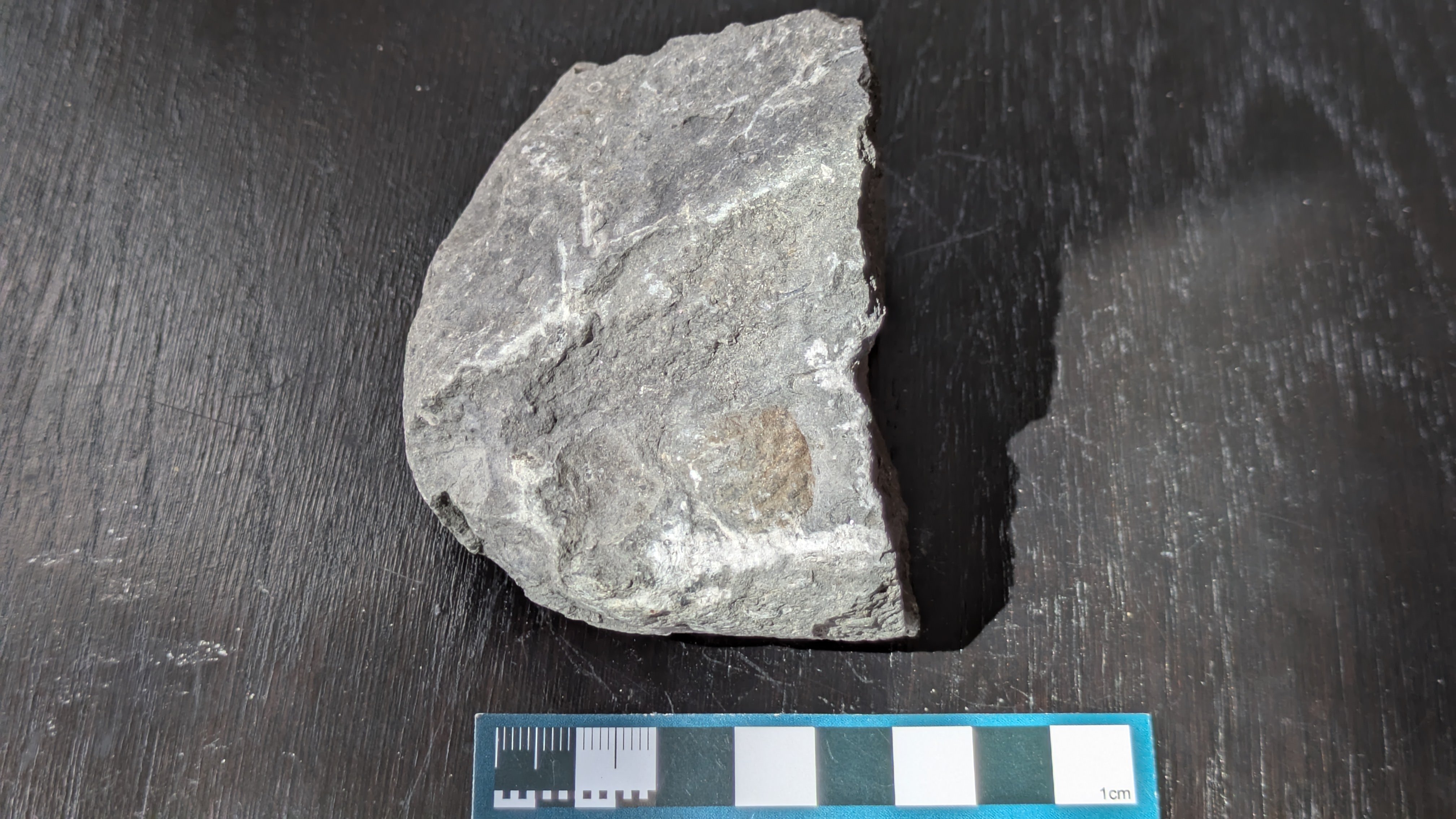
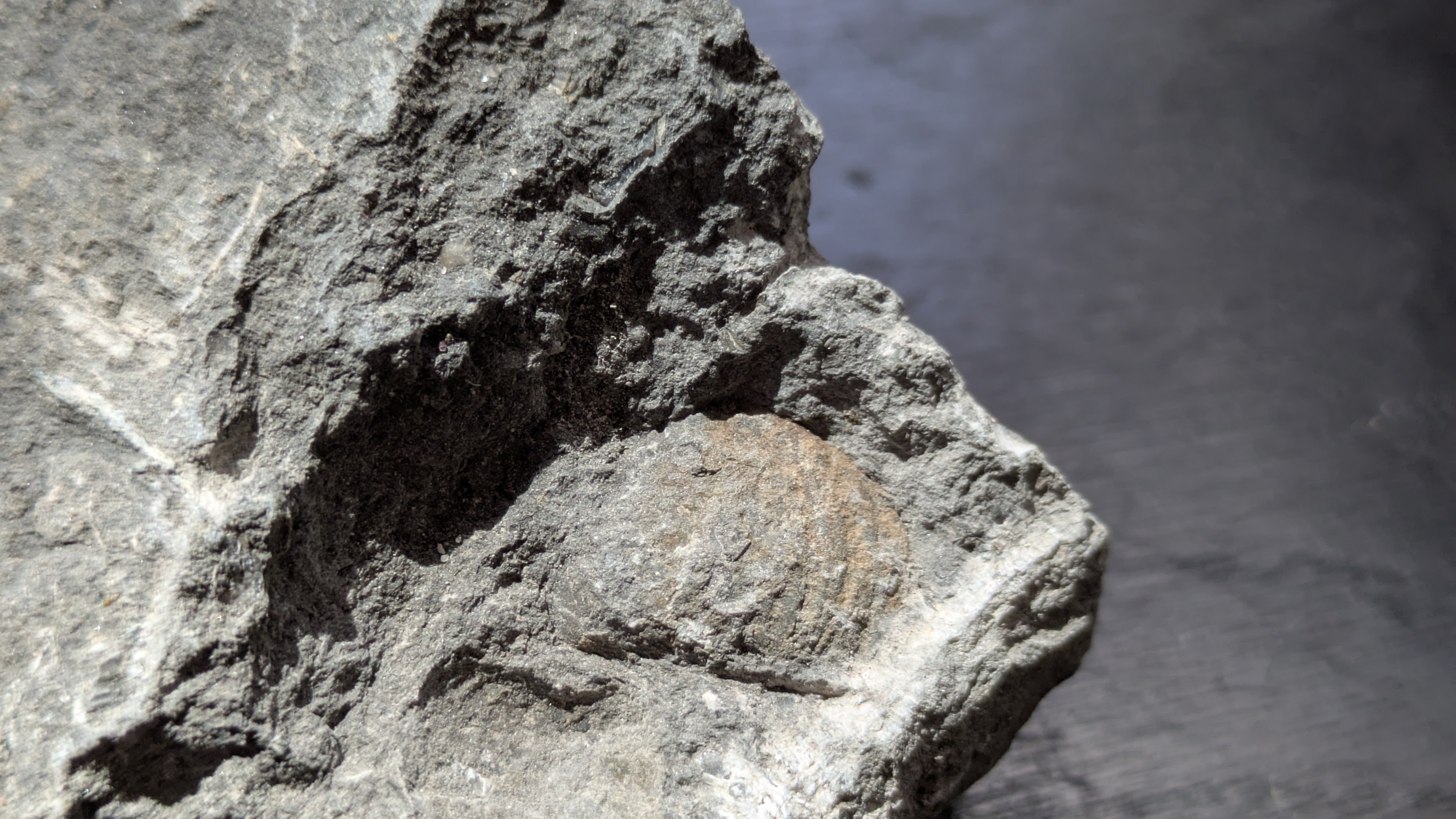
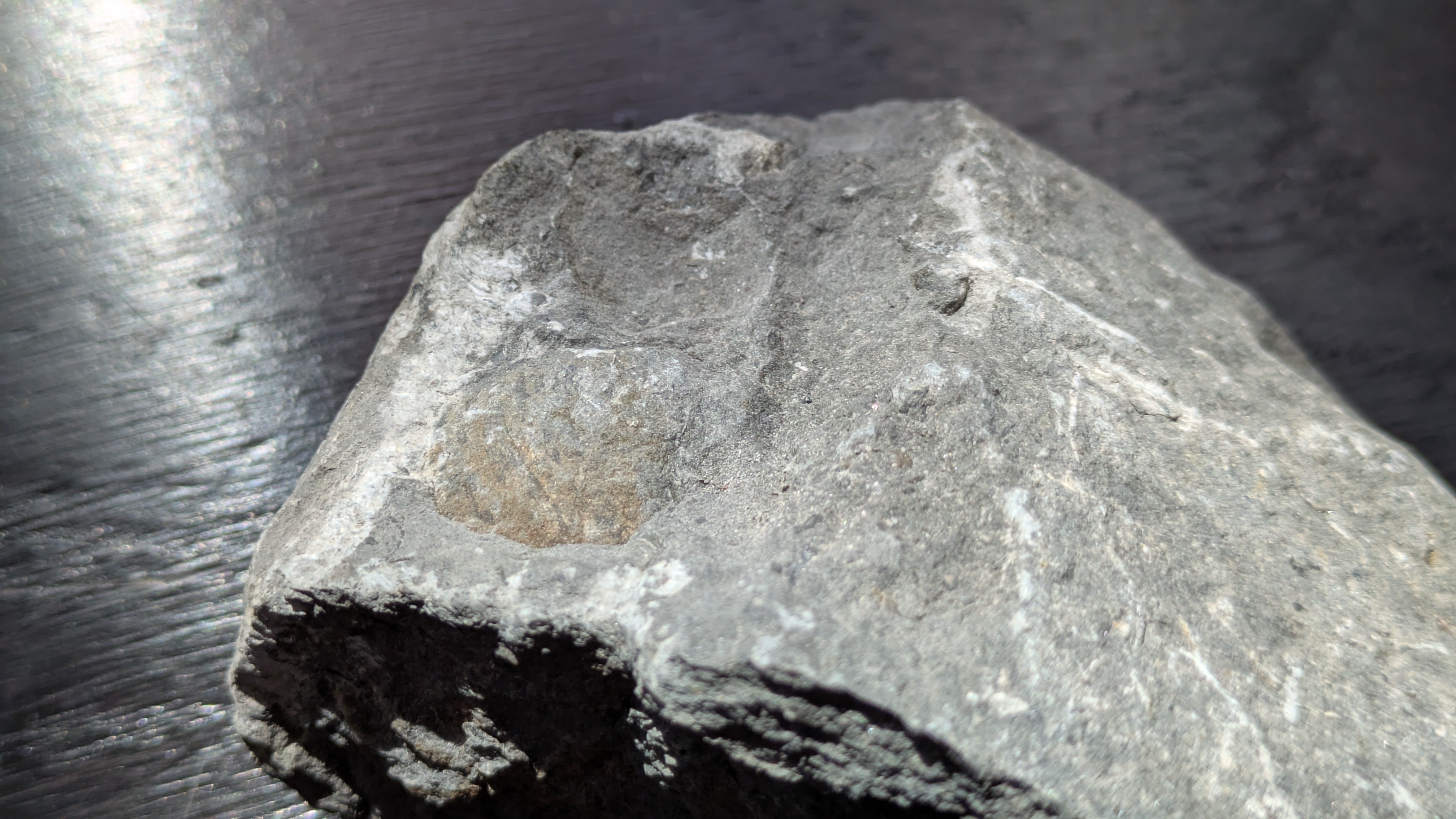
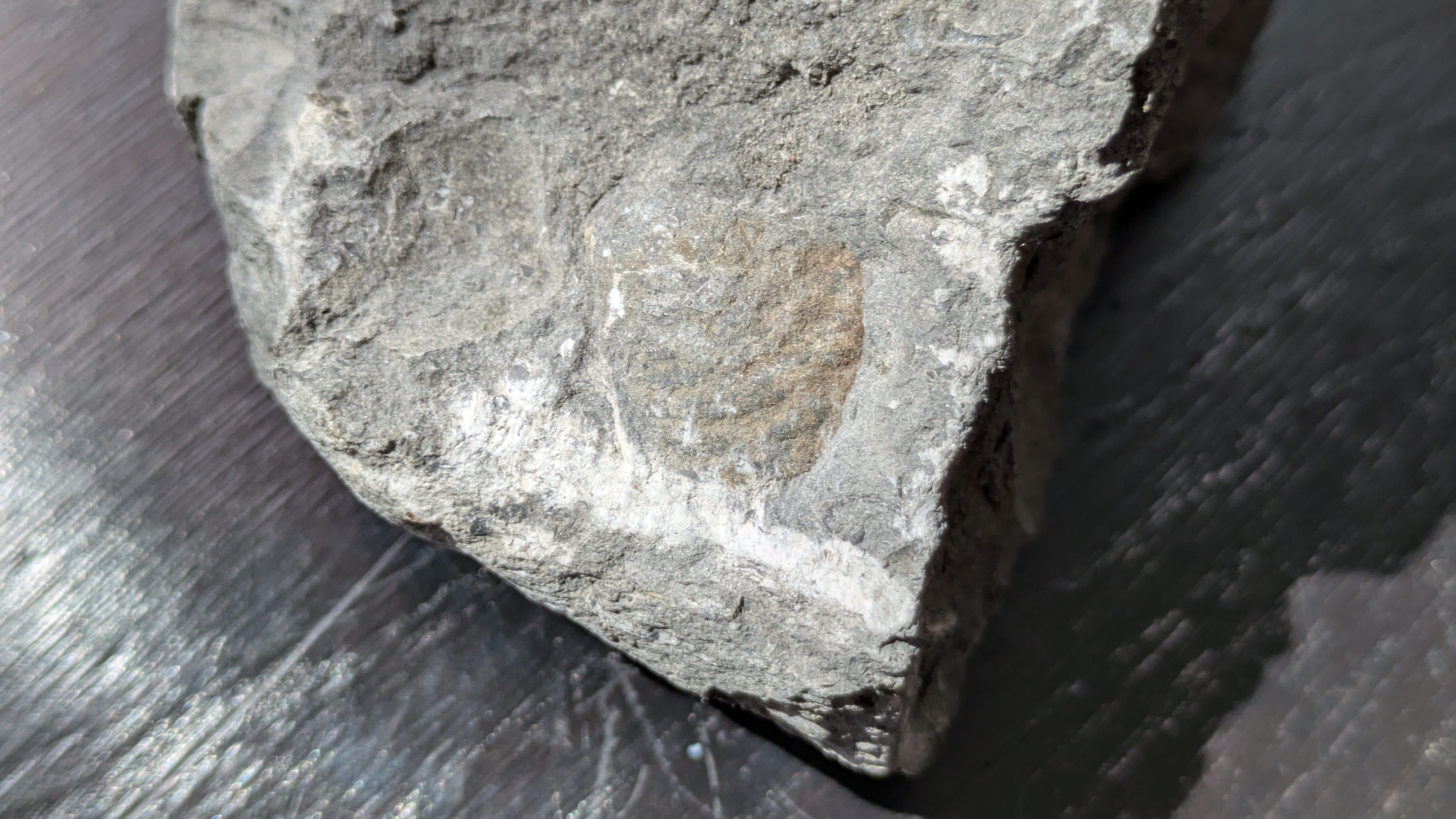
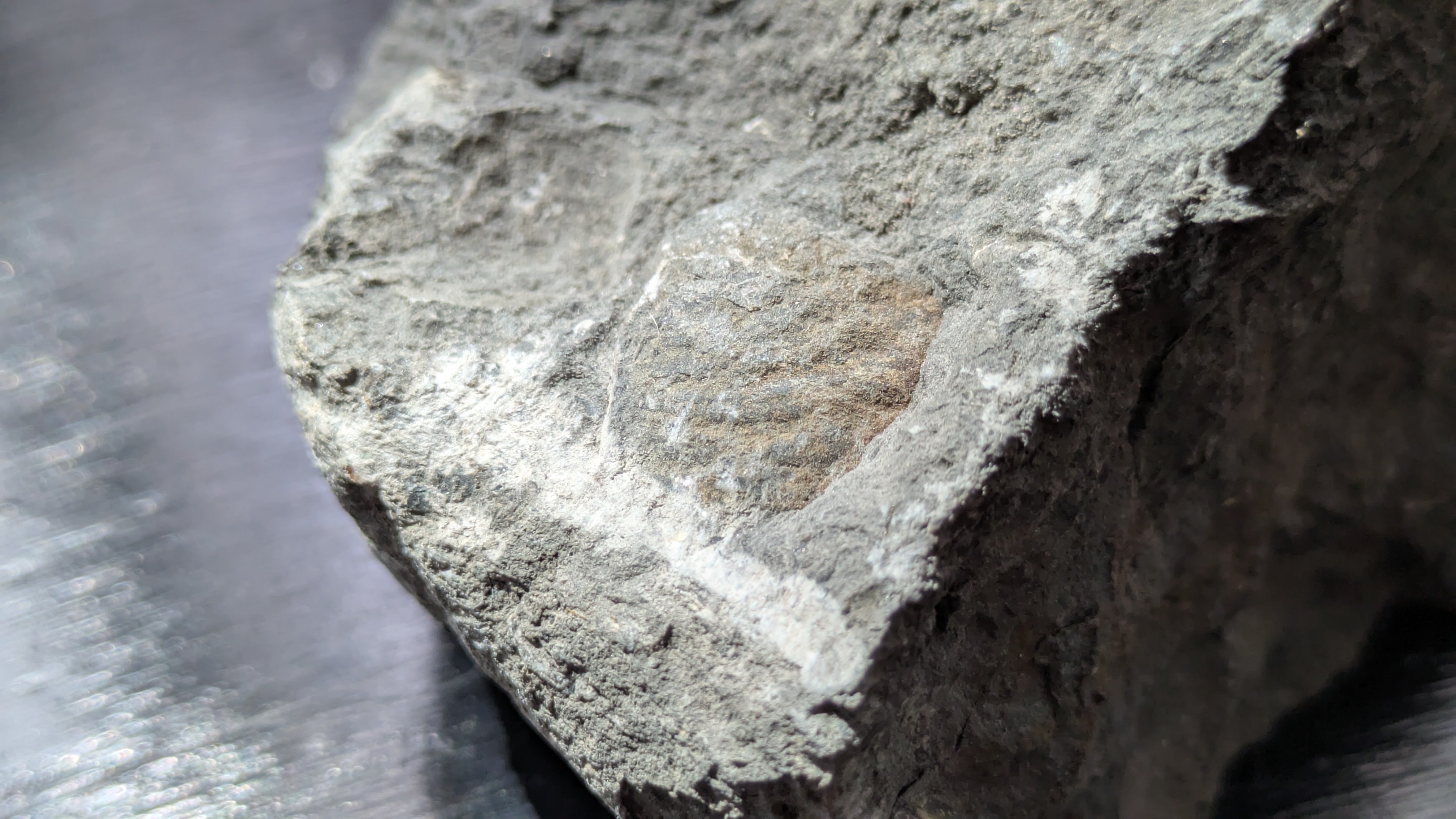
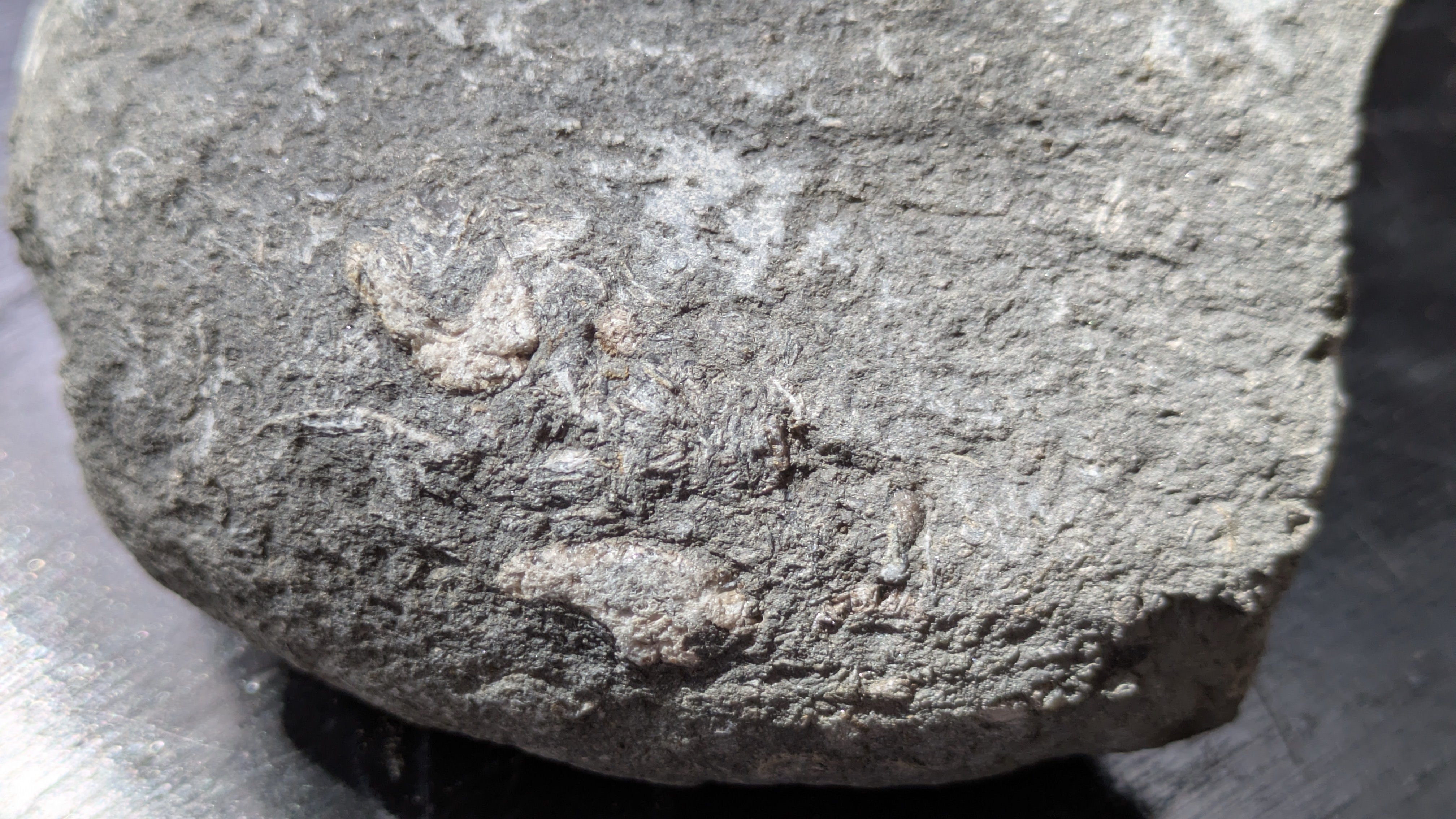
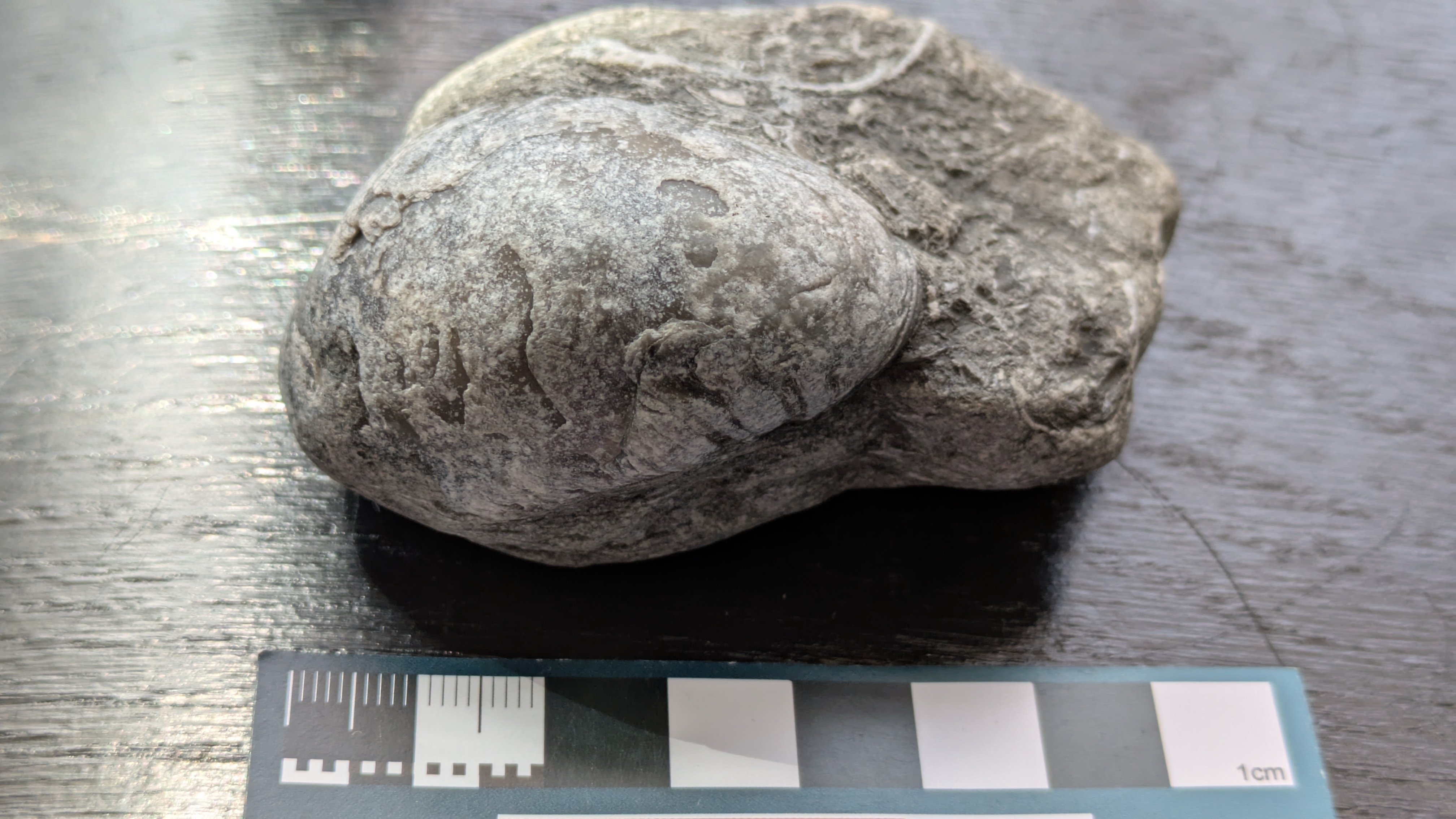
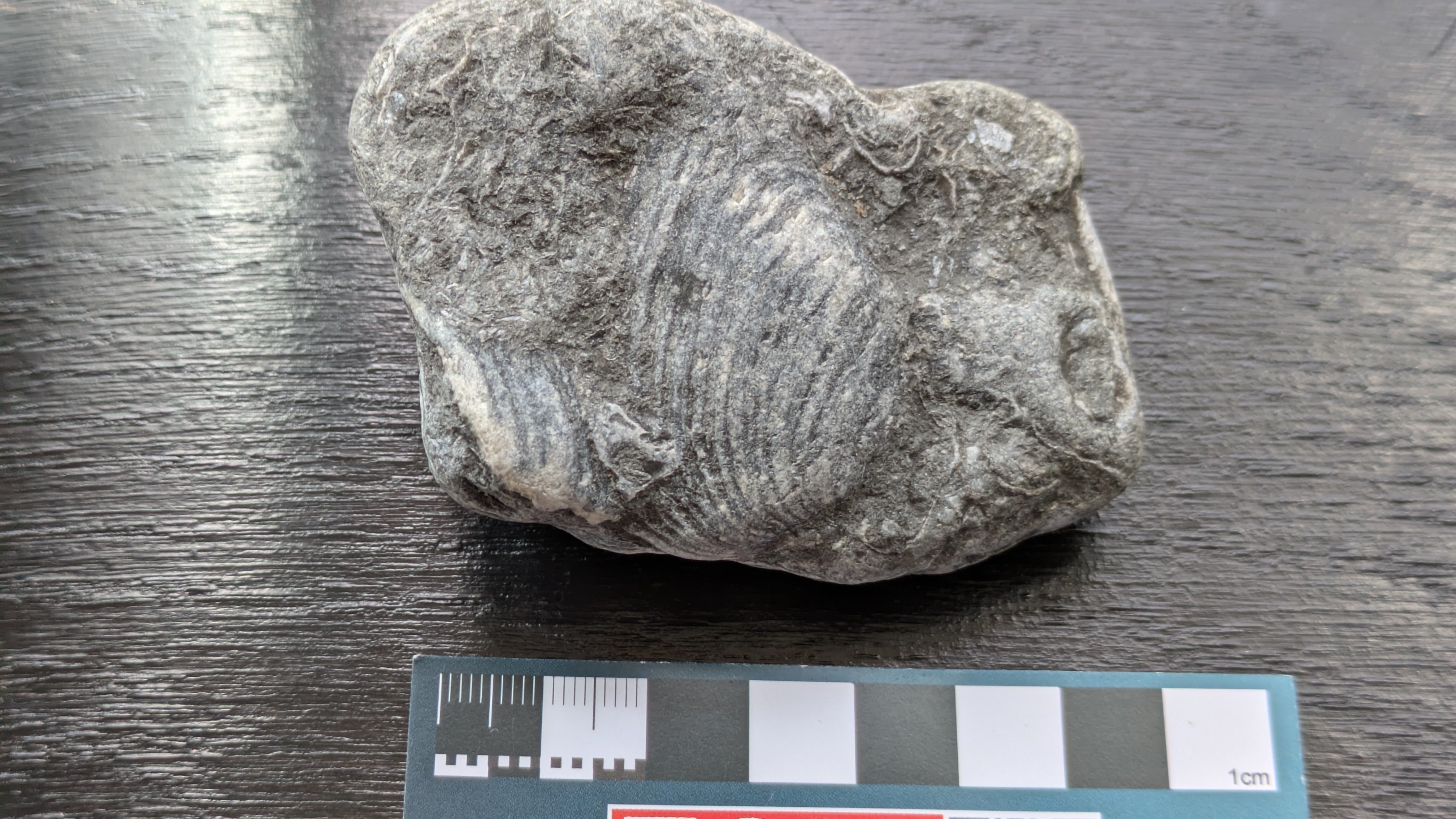
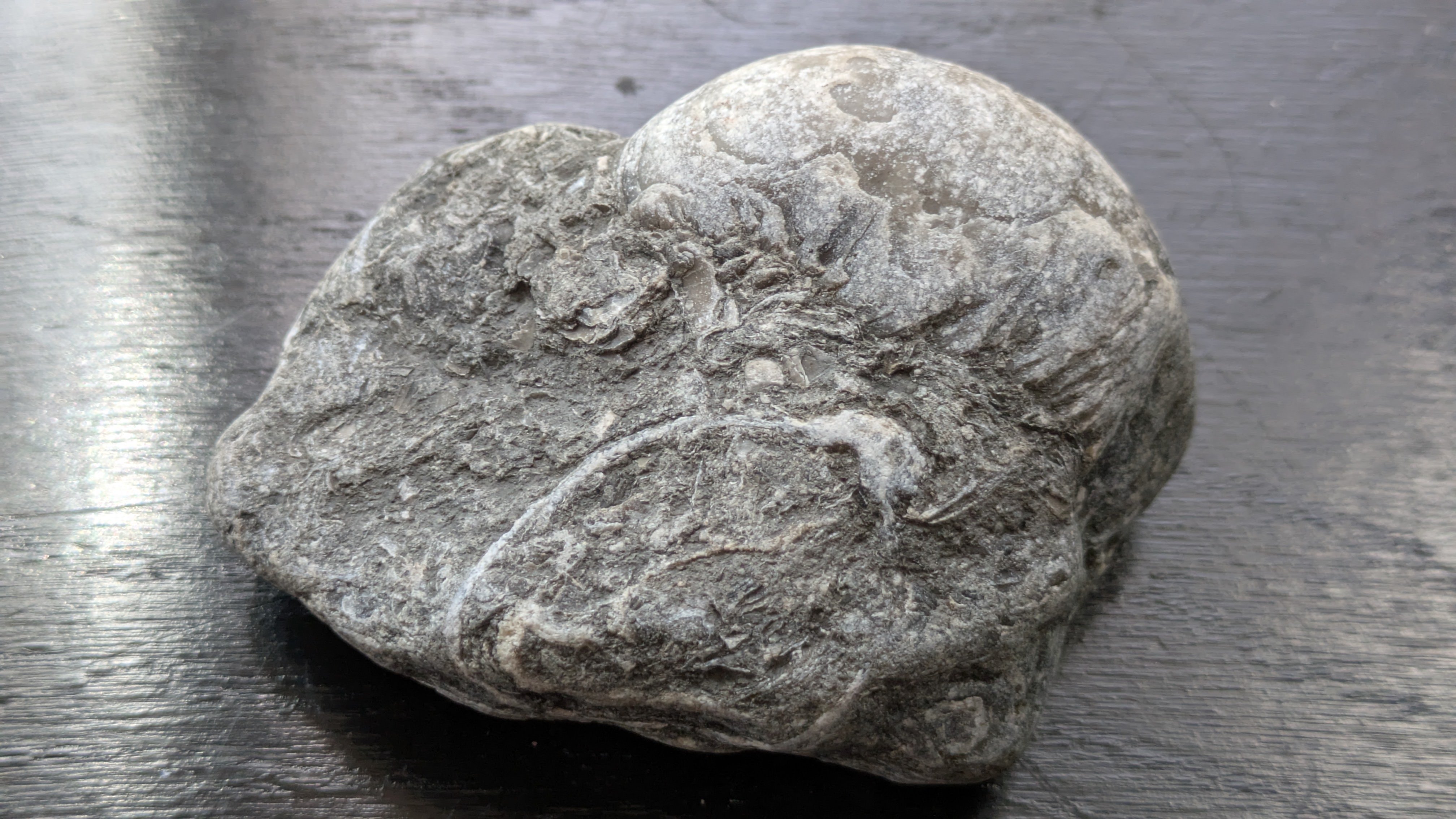
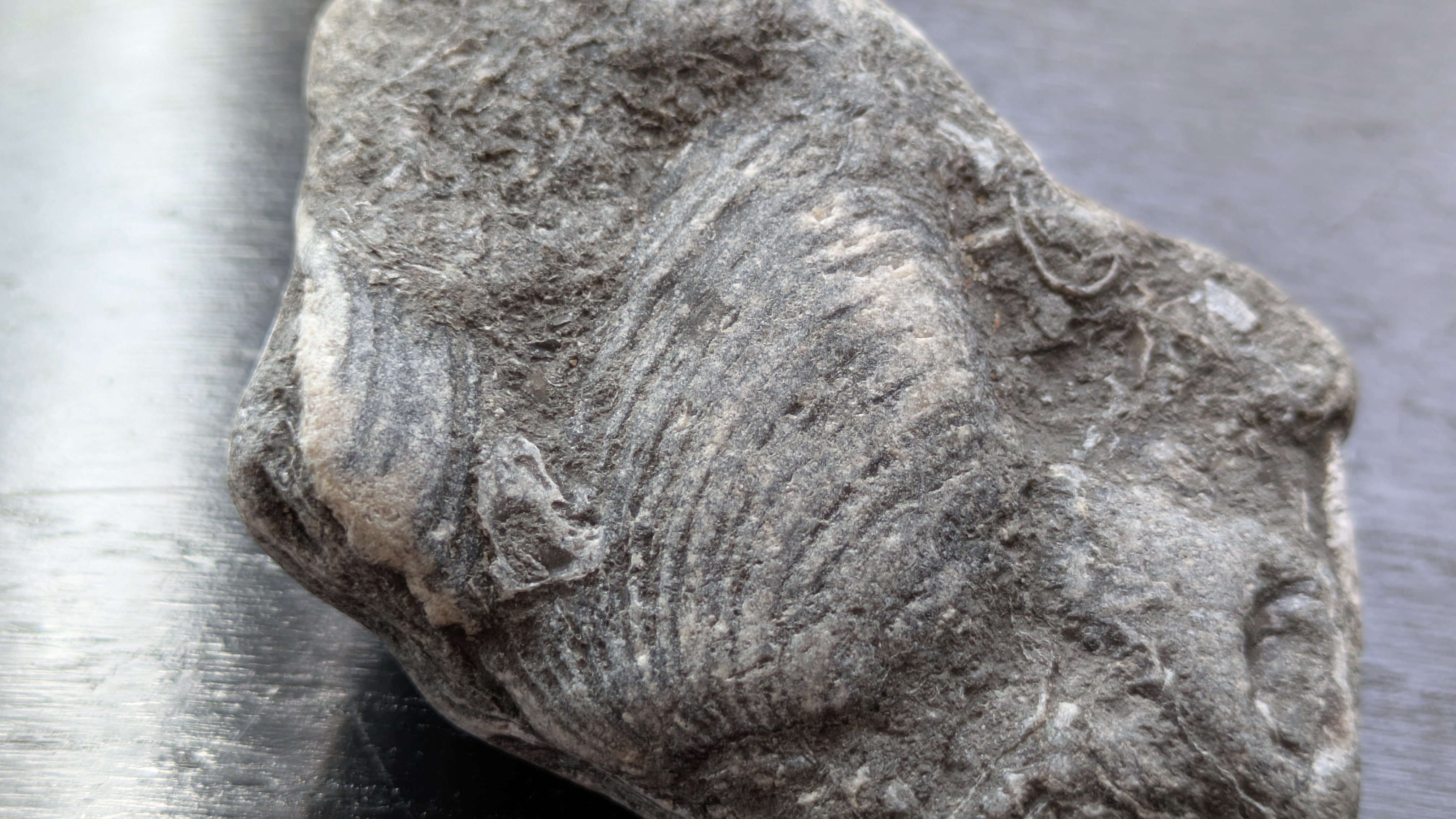
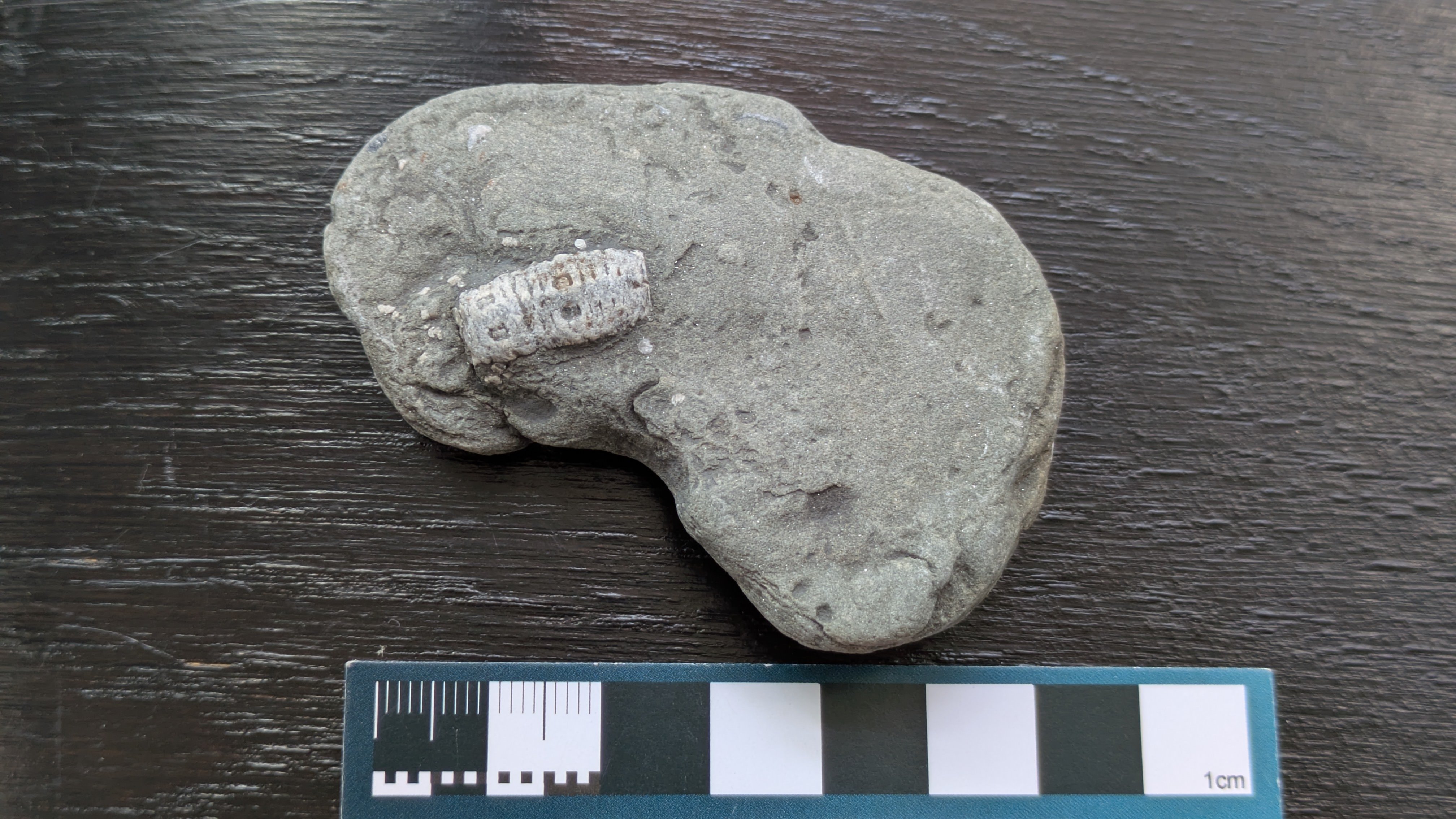
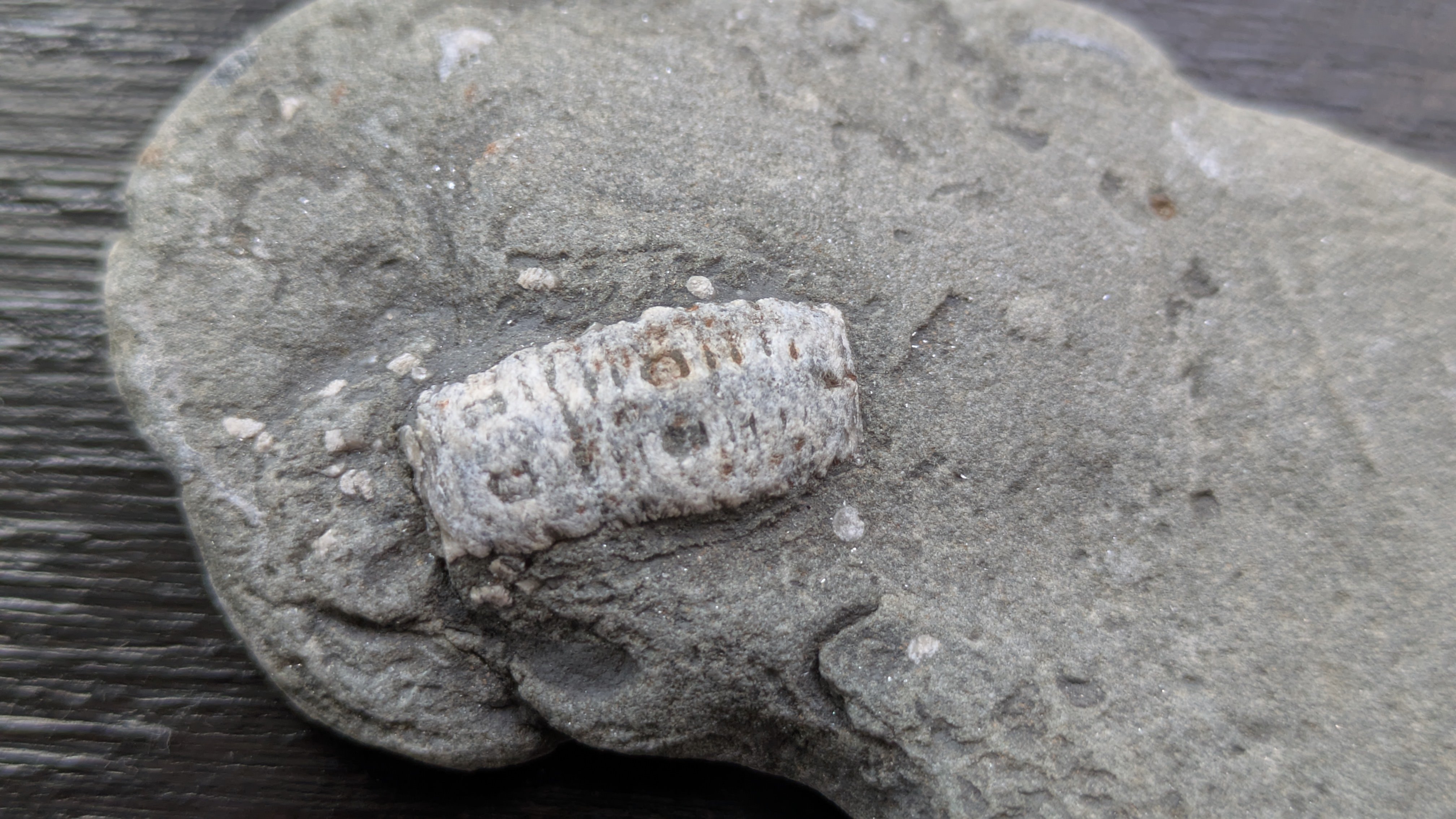
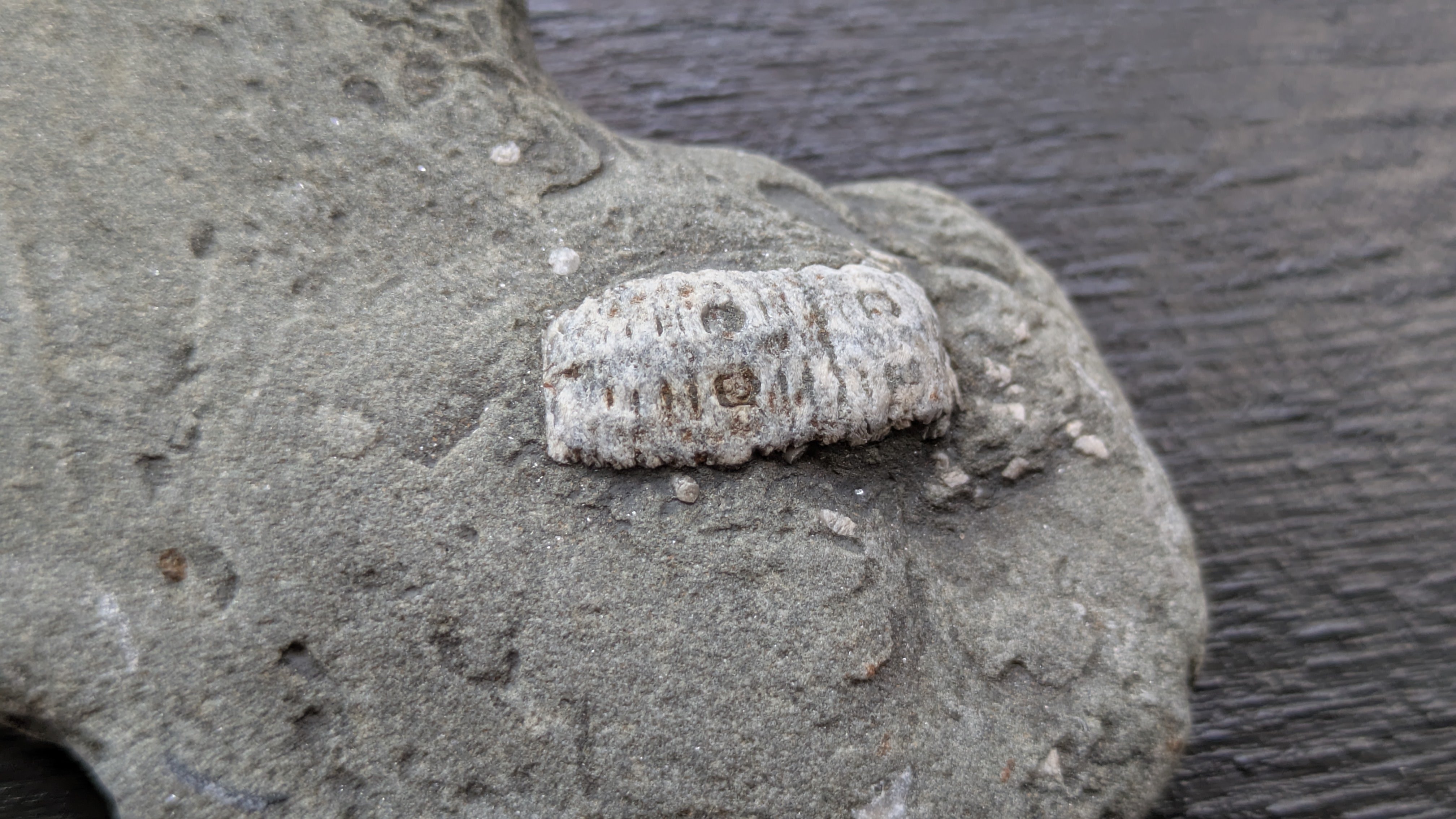
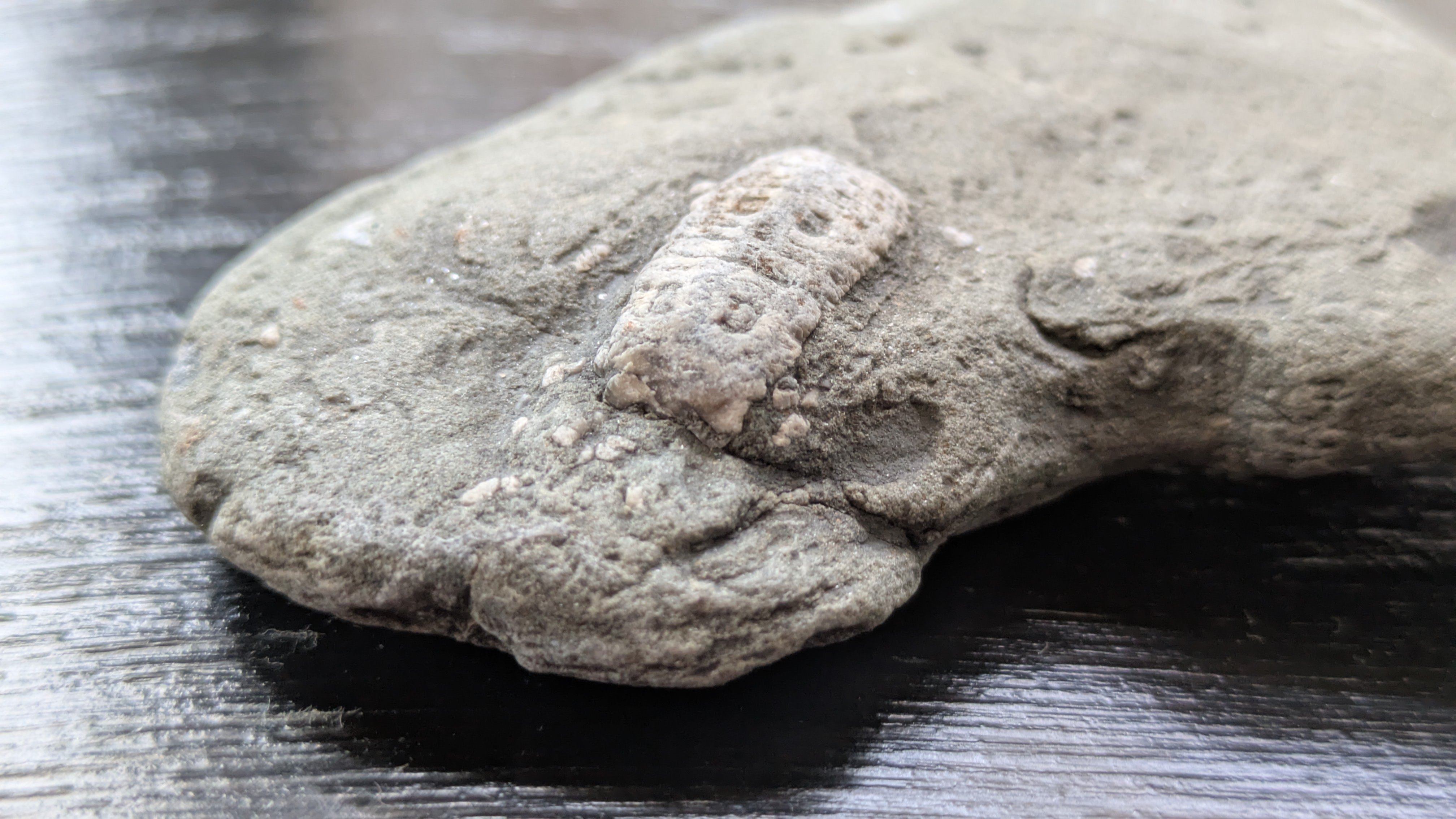
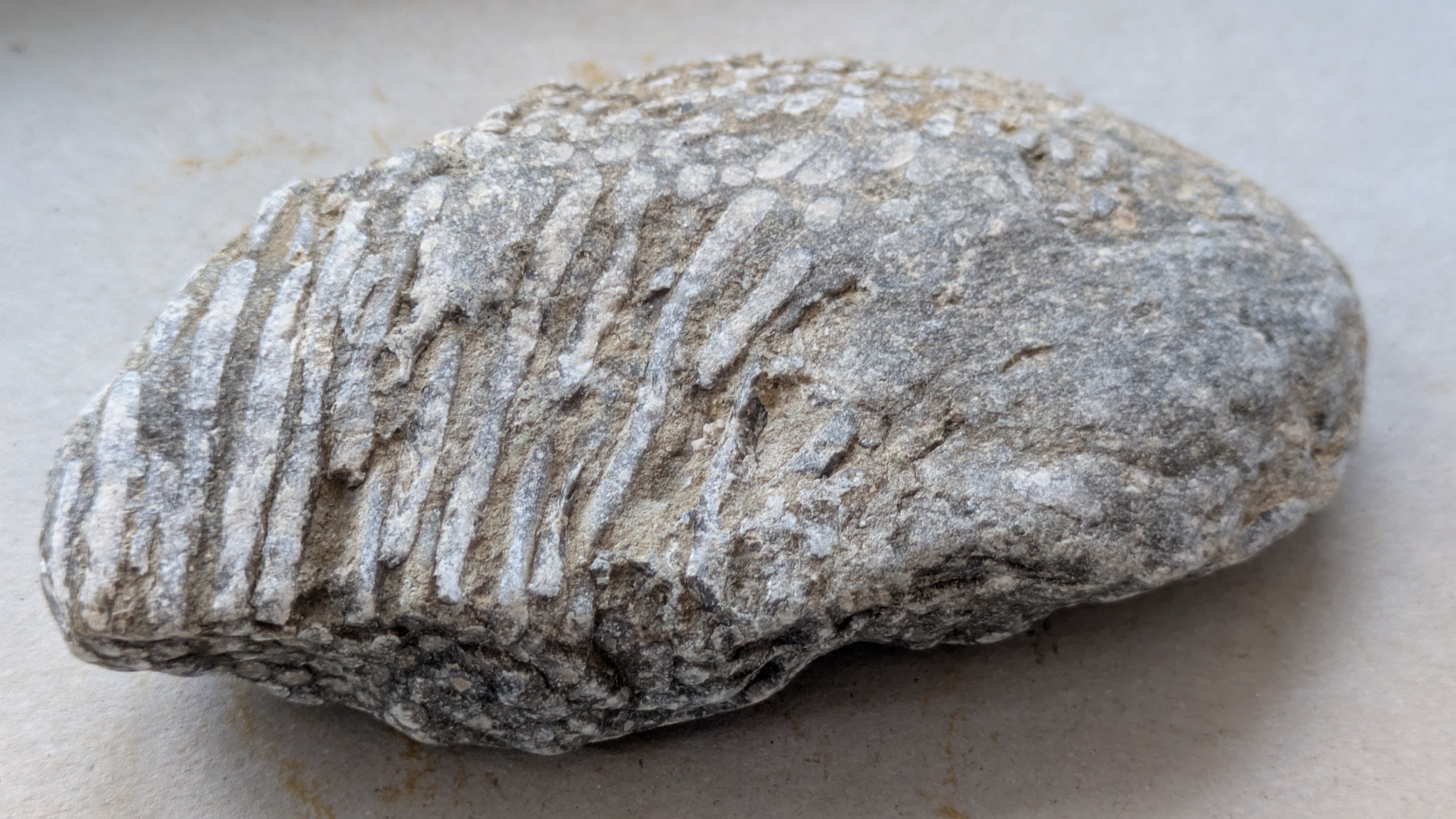
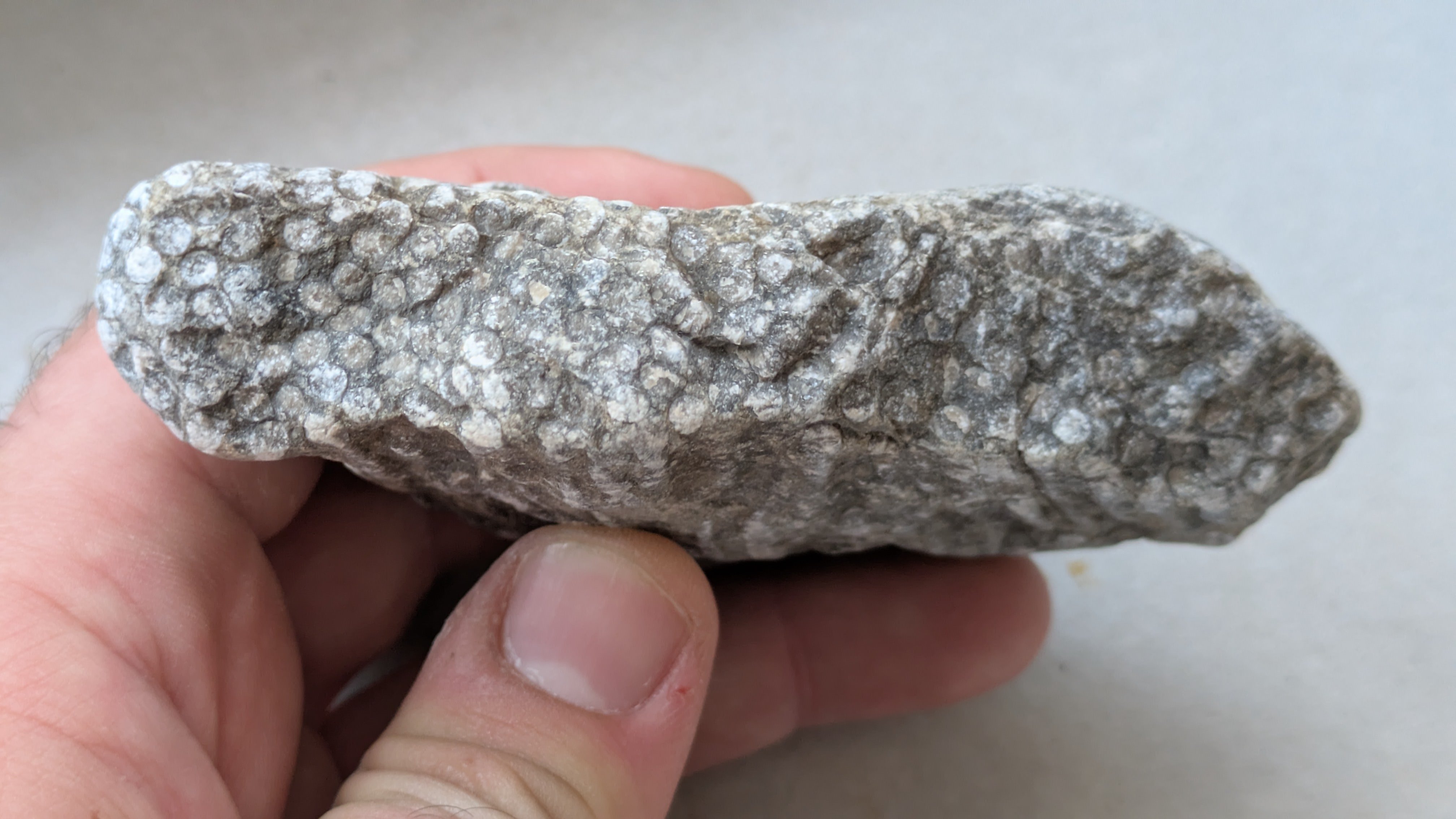
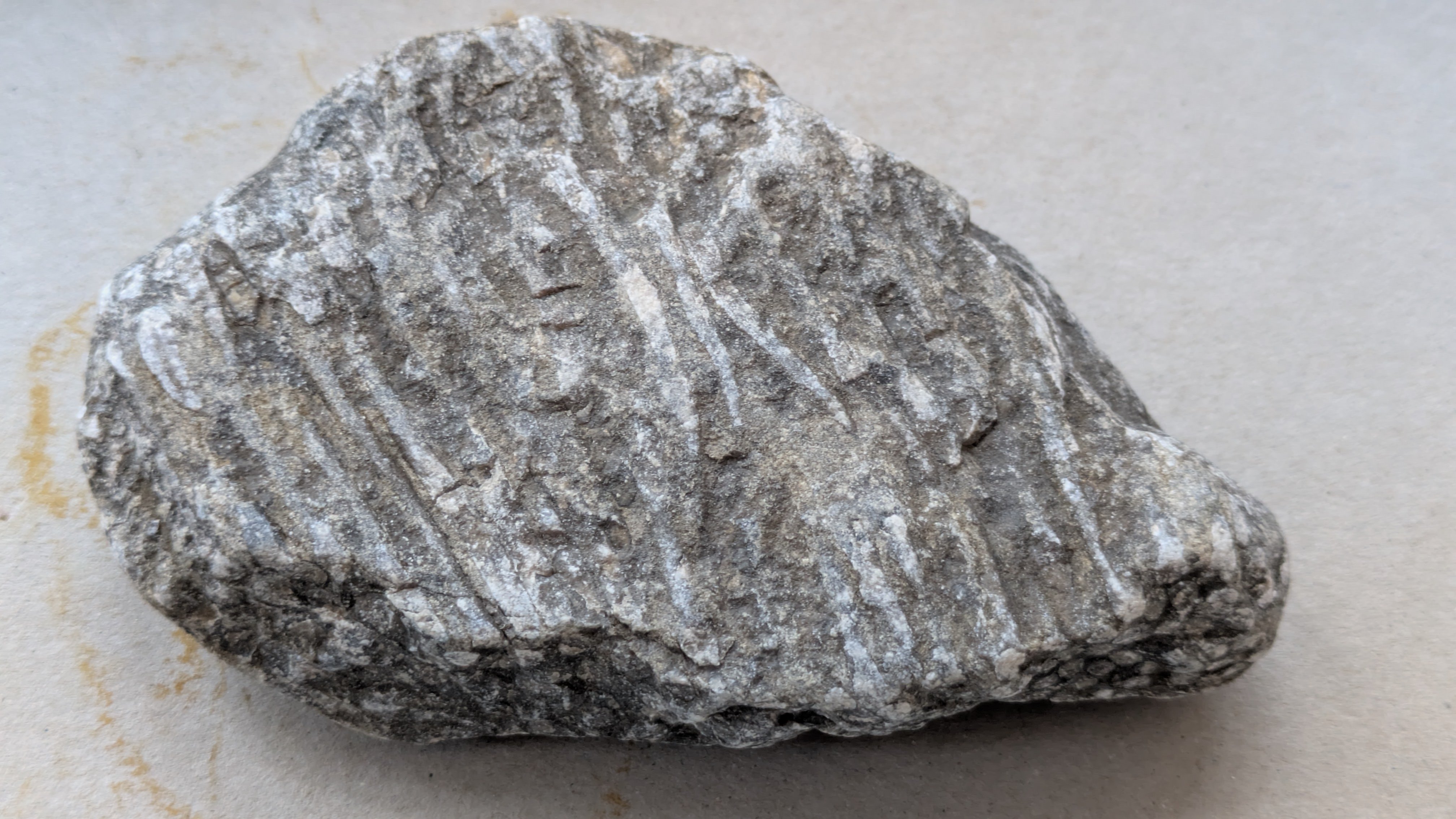
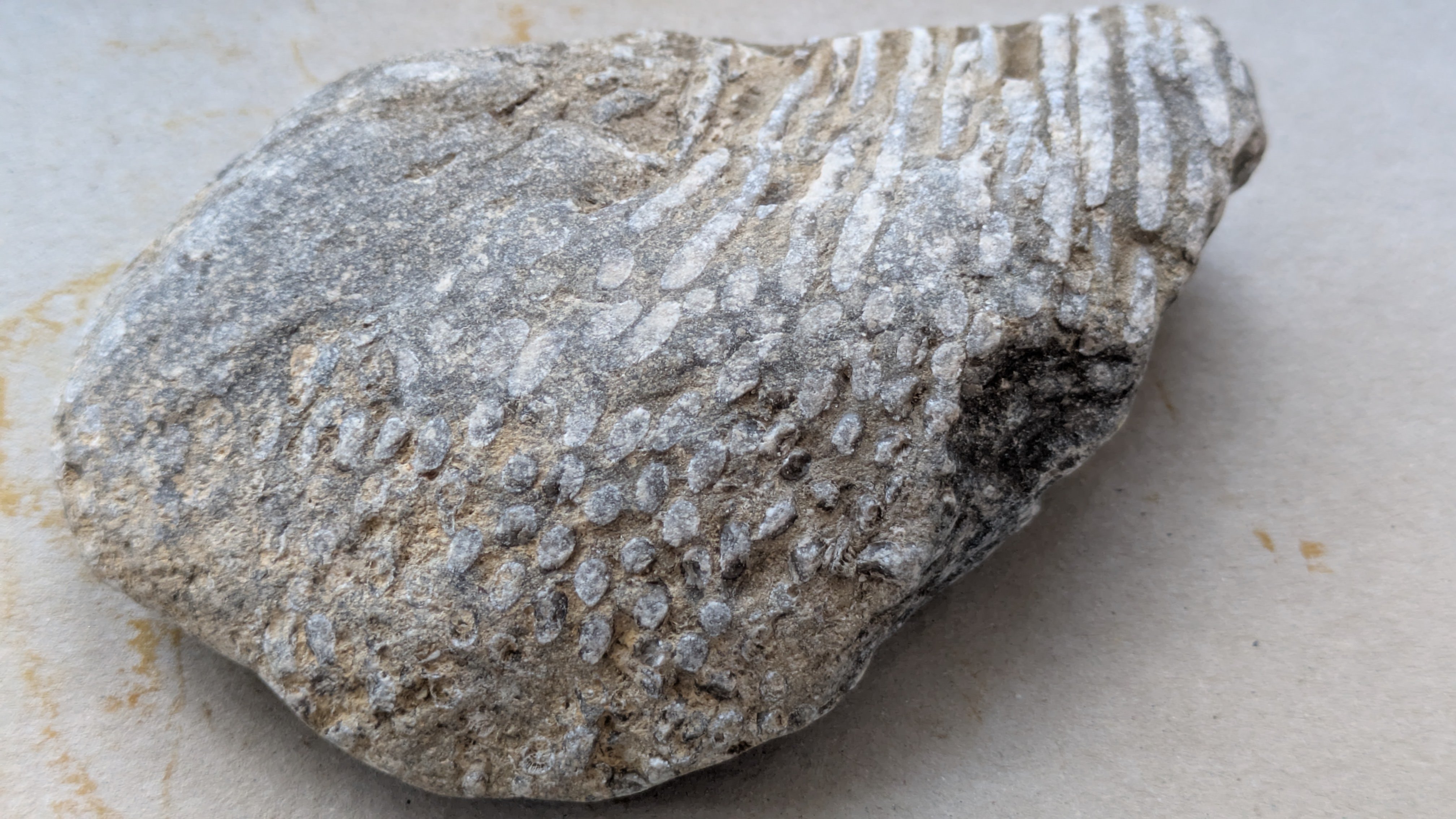
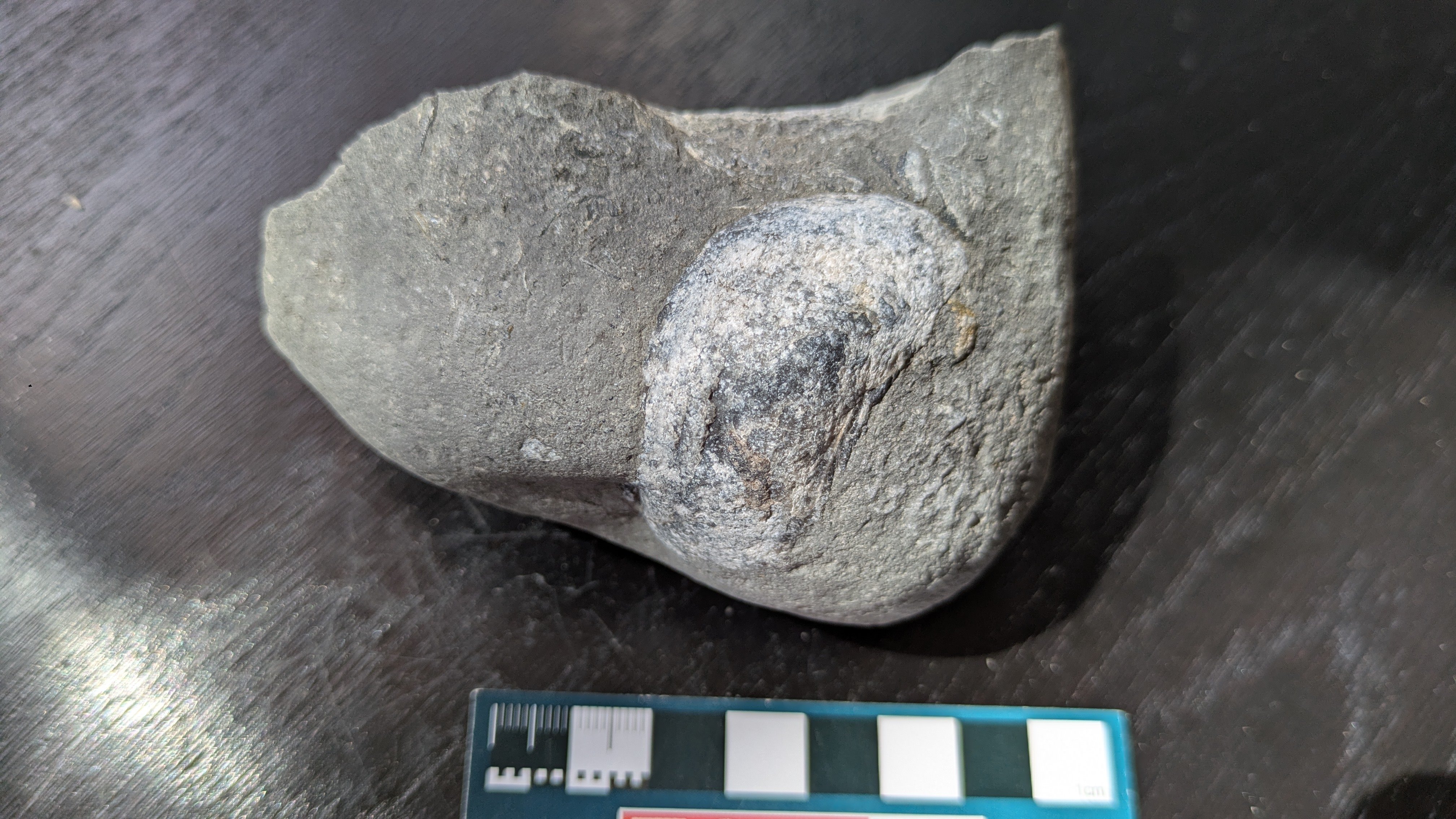
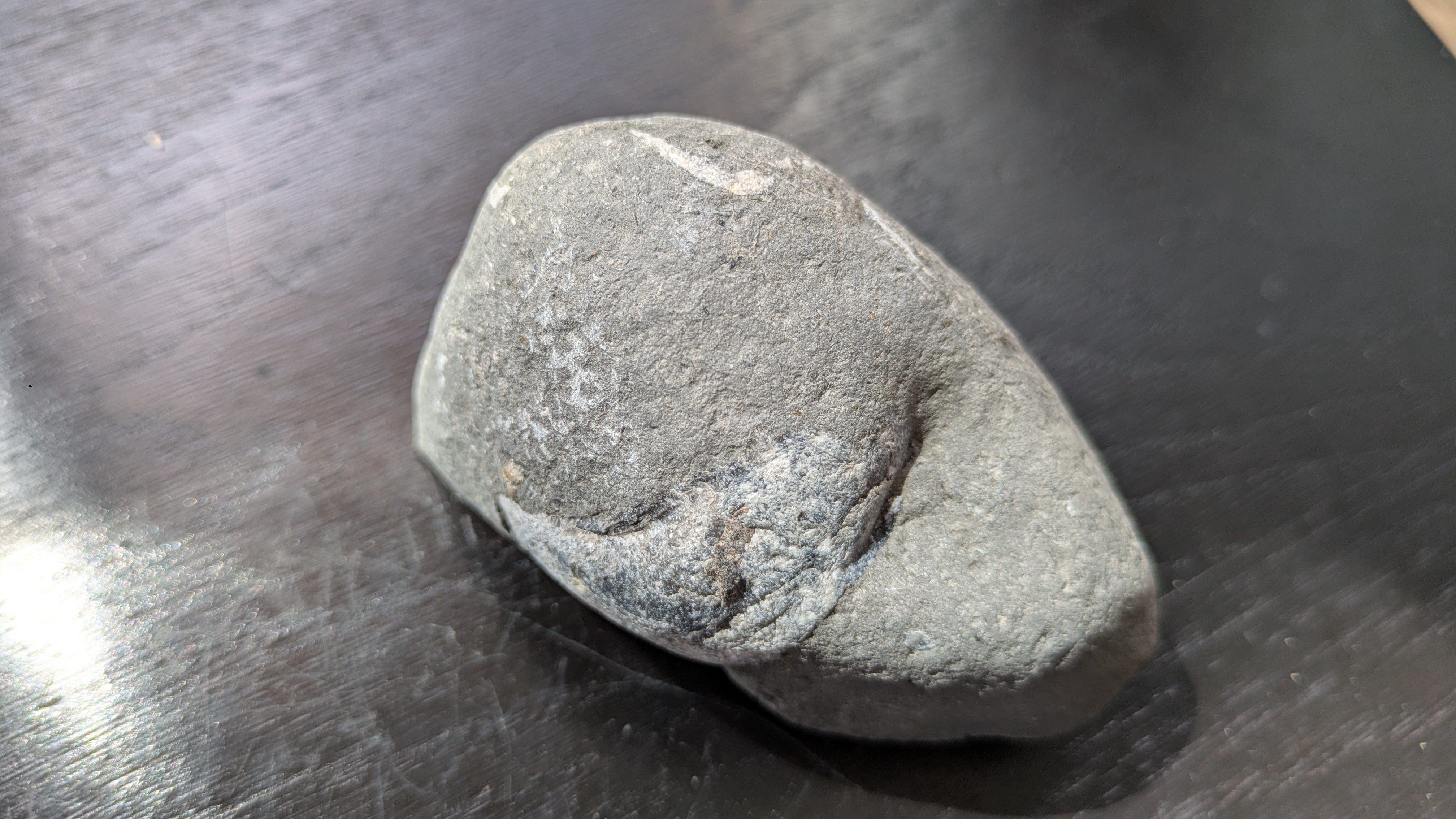
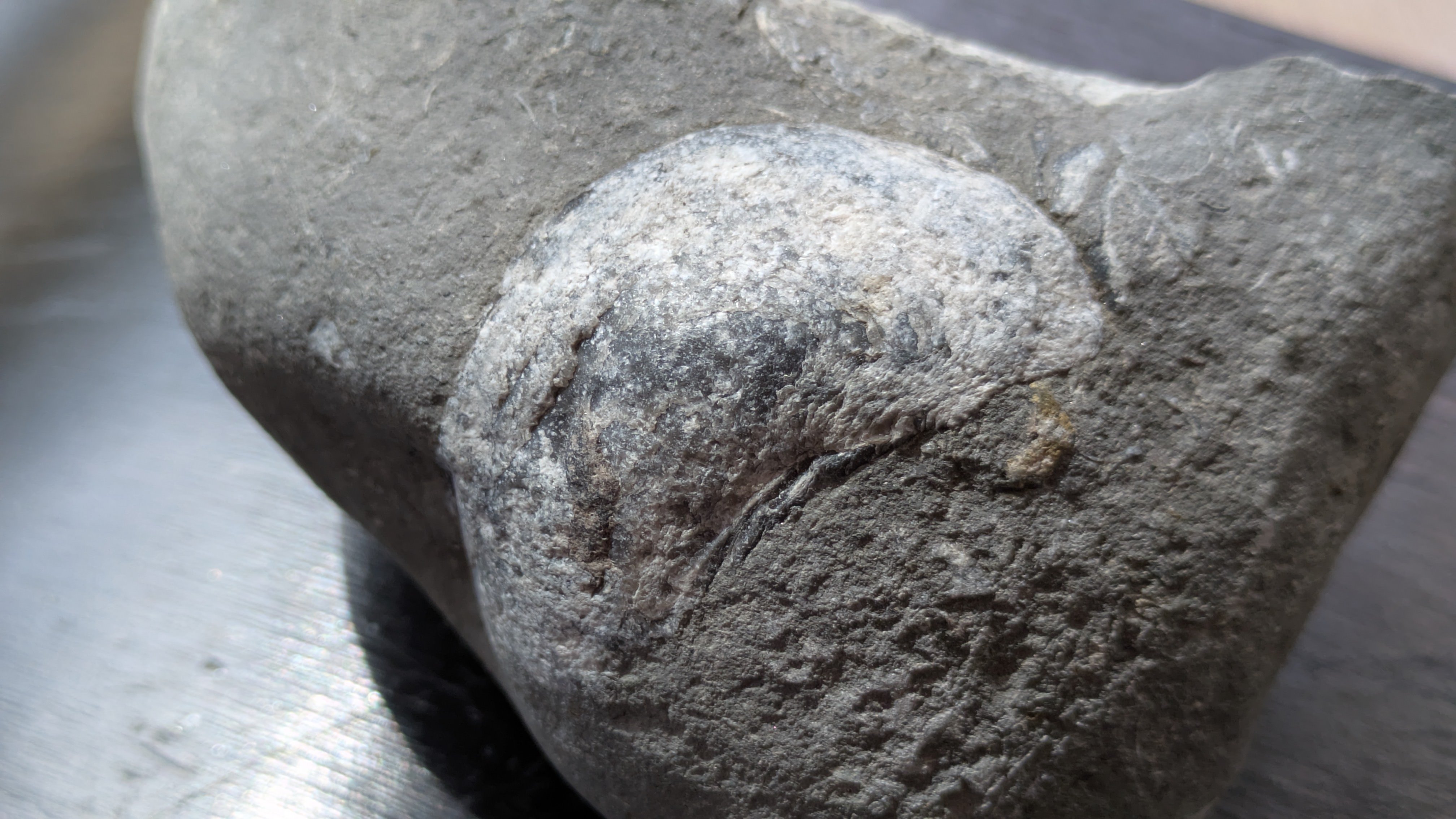
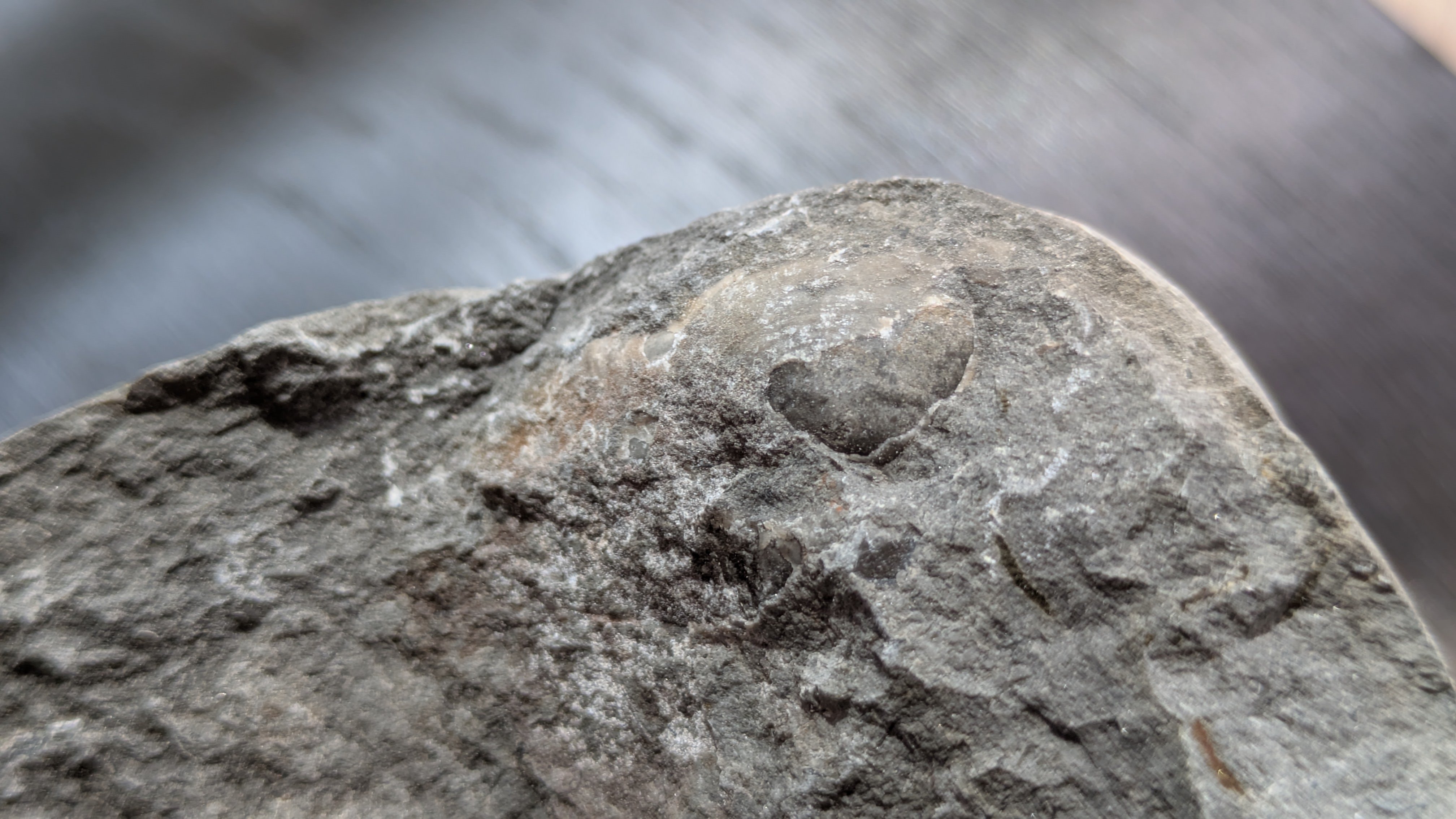
Shallow marine shelves and epicontinental seas (Jurassic to Cretaceous). Tropical reef or shallow marine environments (Carboniferous)
Fossil types
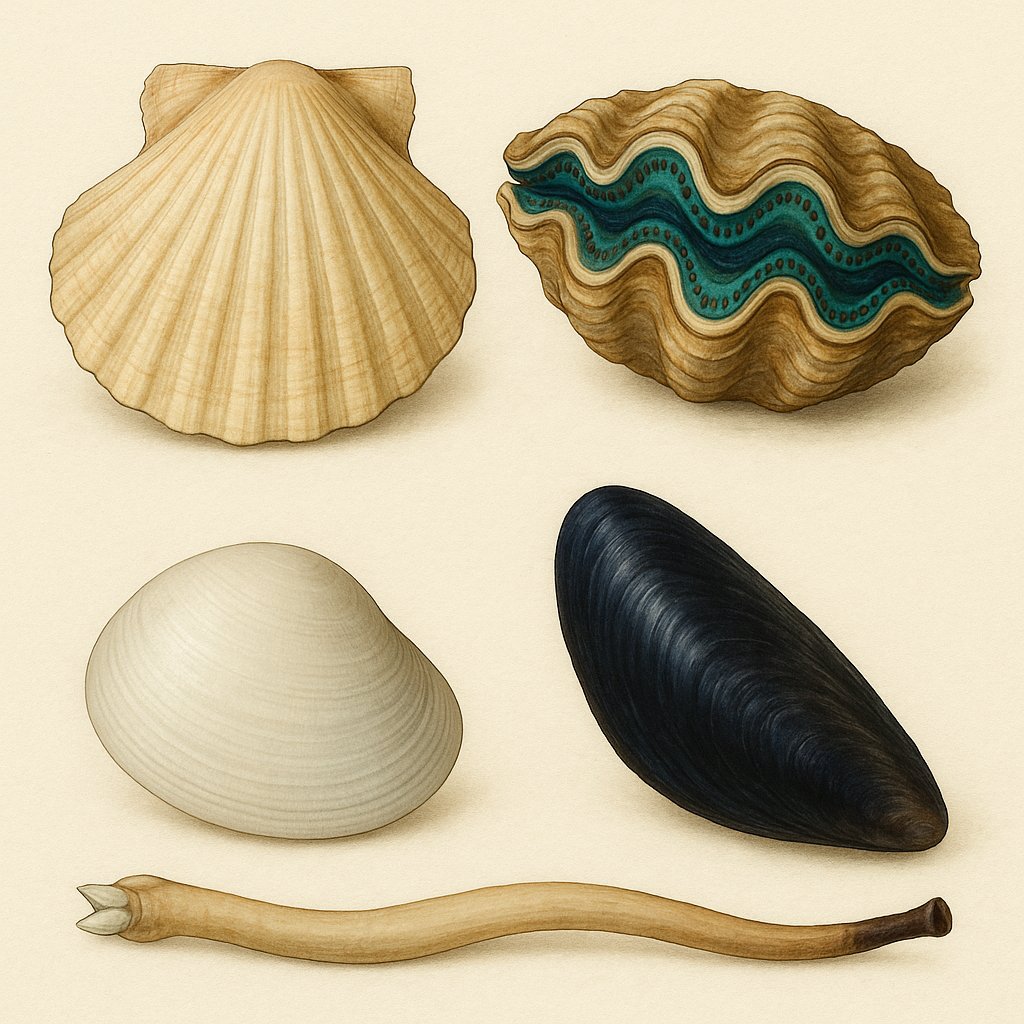
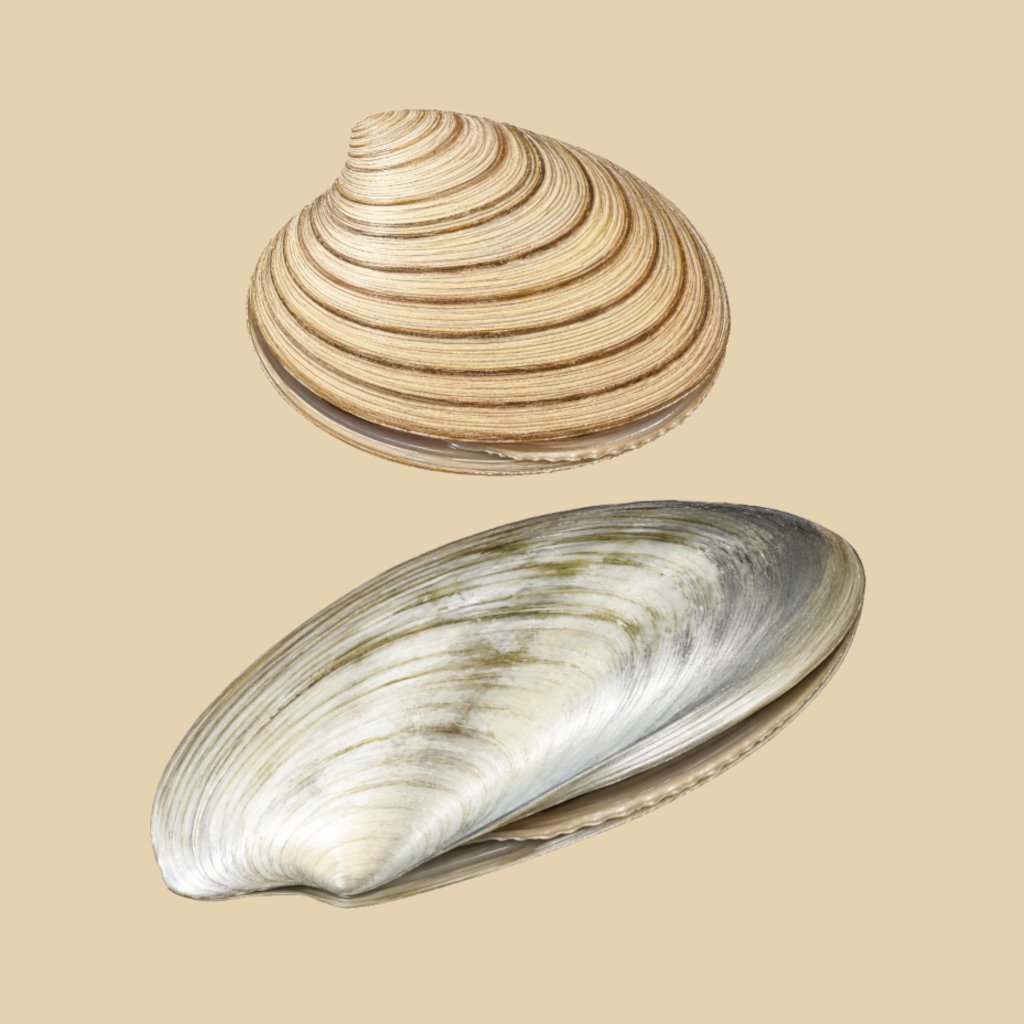
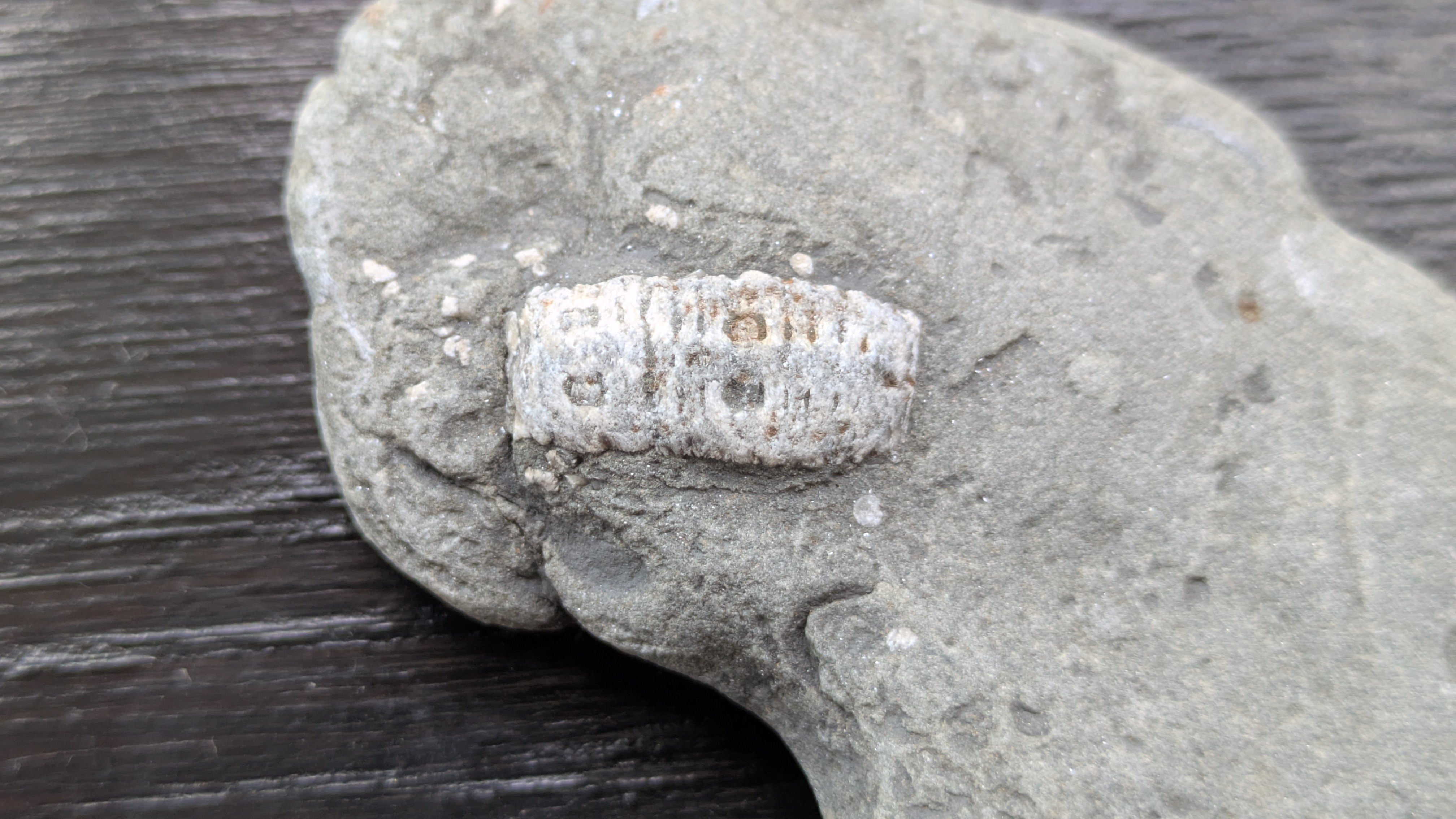
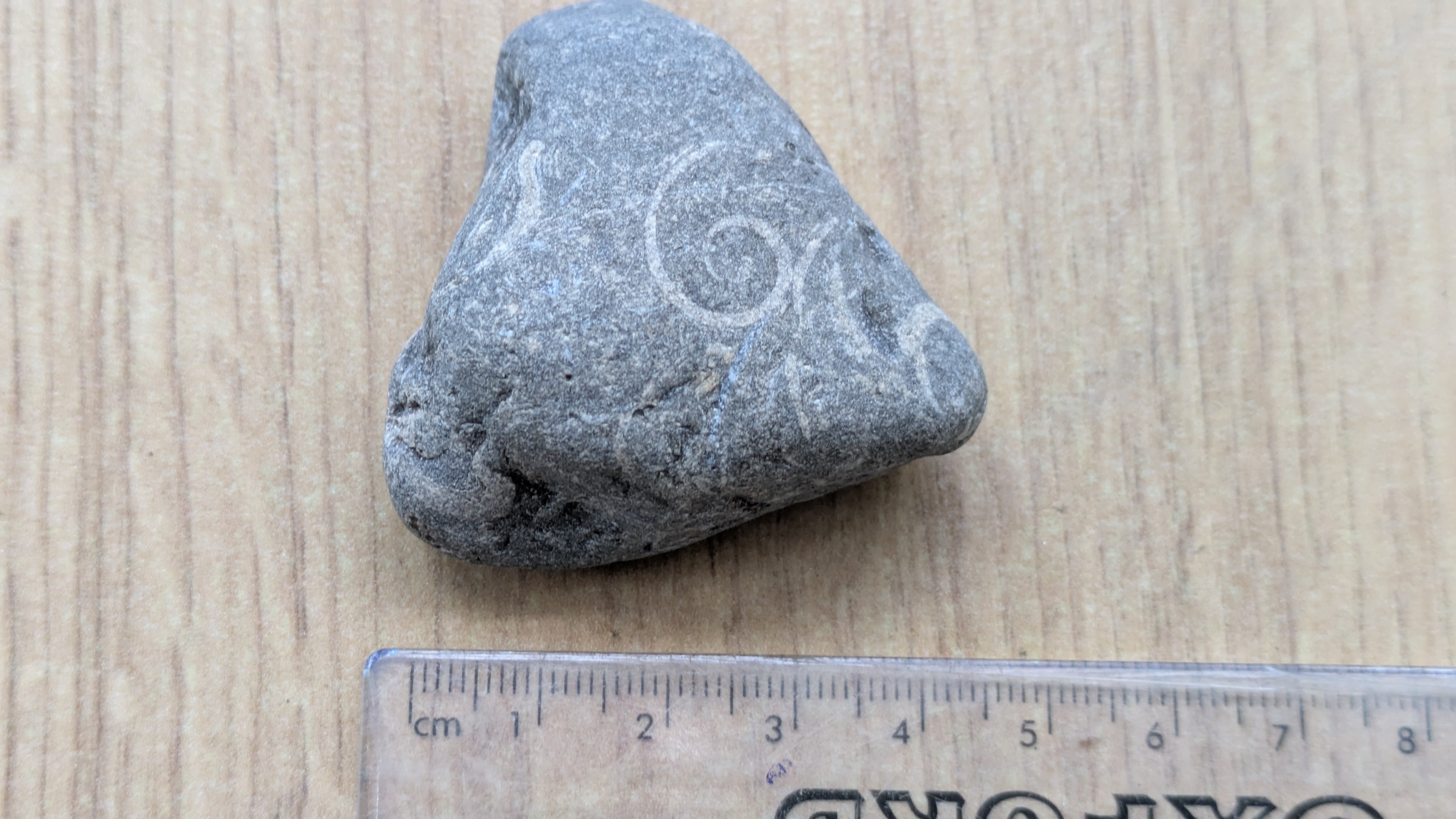
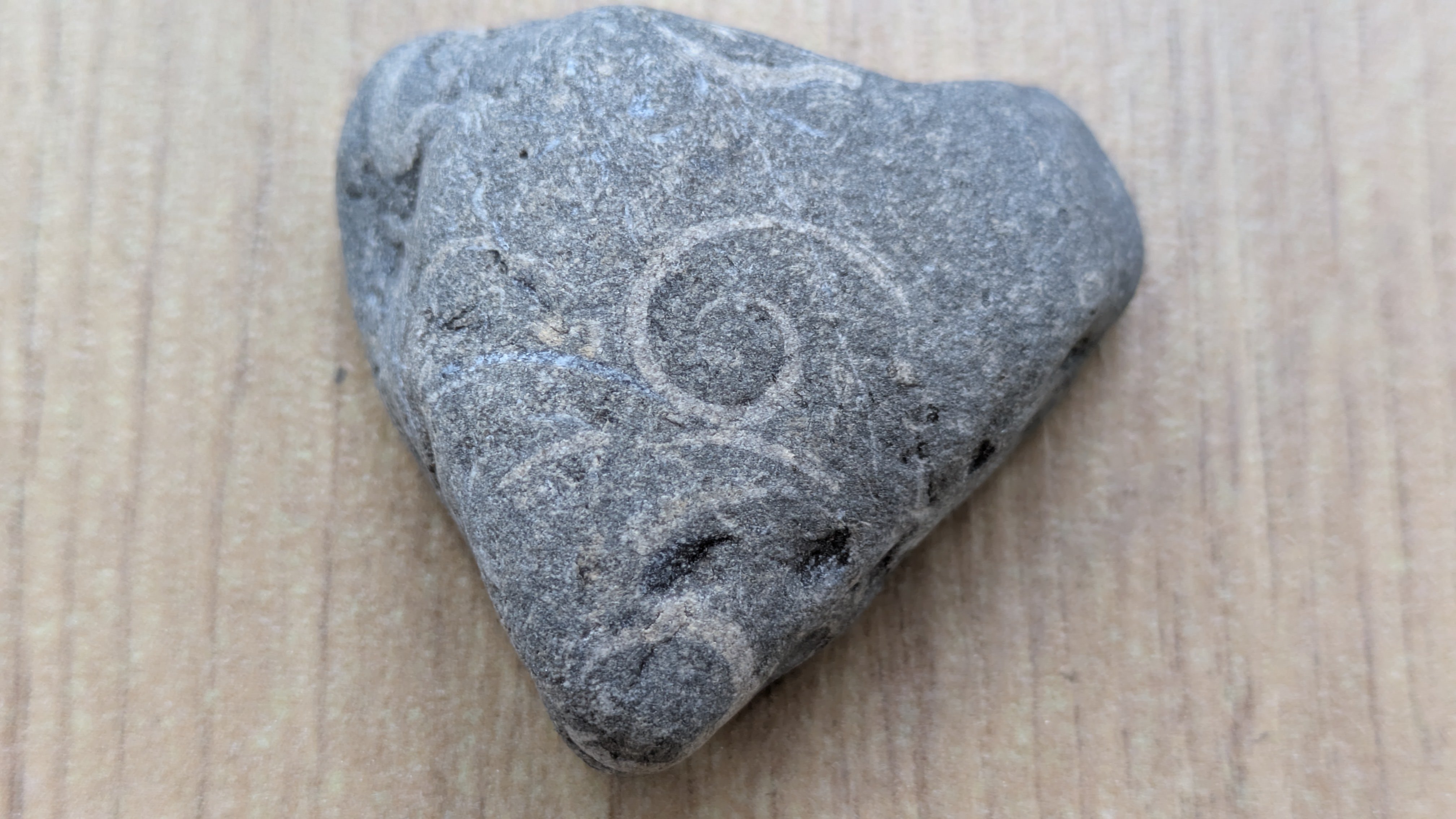
Ammonites, belemnites, echinoids, corals, bivalves, other molluscs and rare vertebrate remains
Paleoecology highlights
The fossils reflect a variety of environments, from reef builders like corals to fast-swimming predators like ammonites, offering a time-averaged window into ancient life across multiple eras.
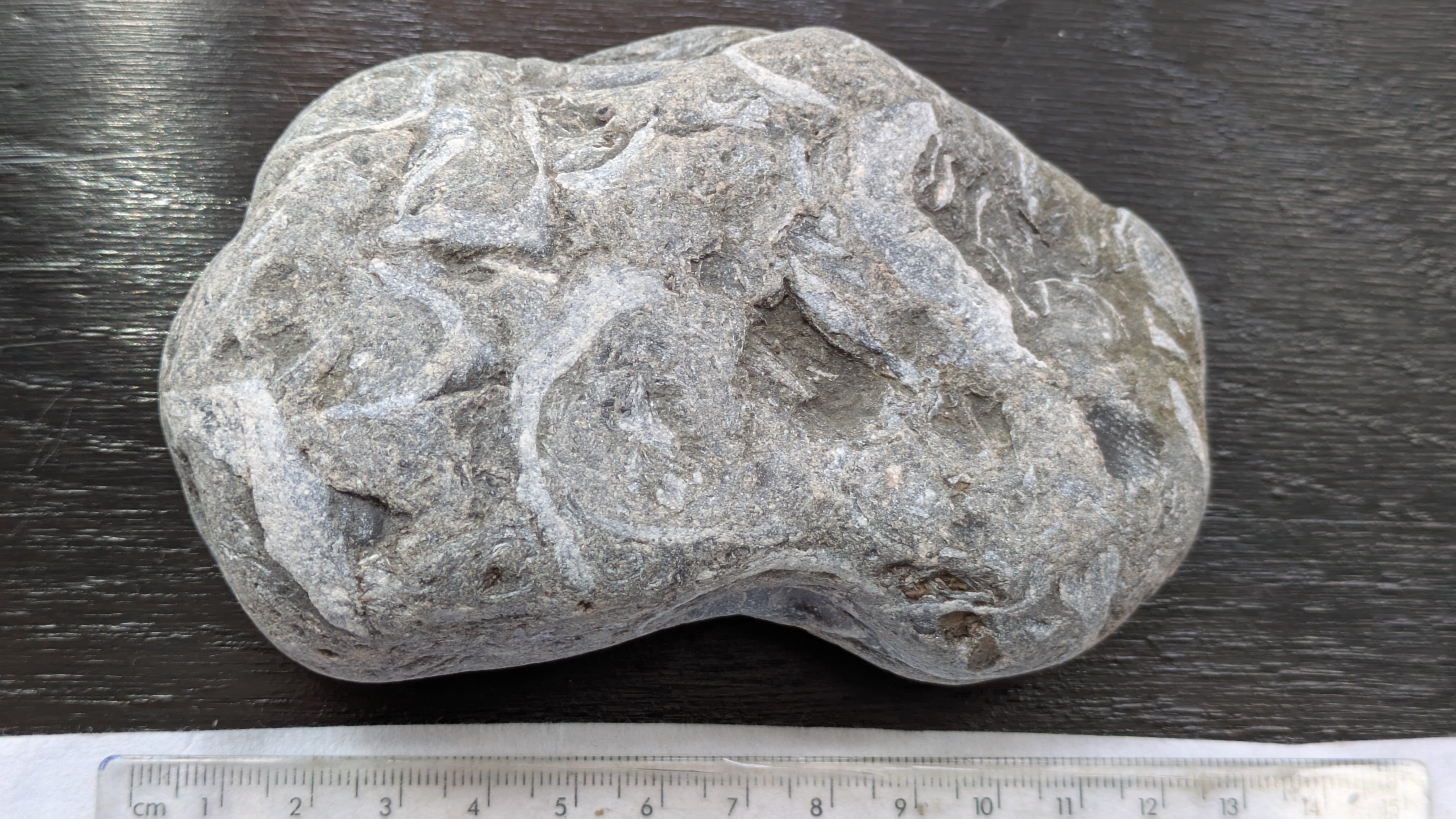
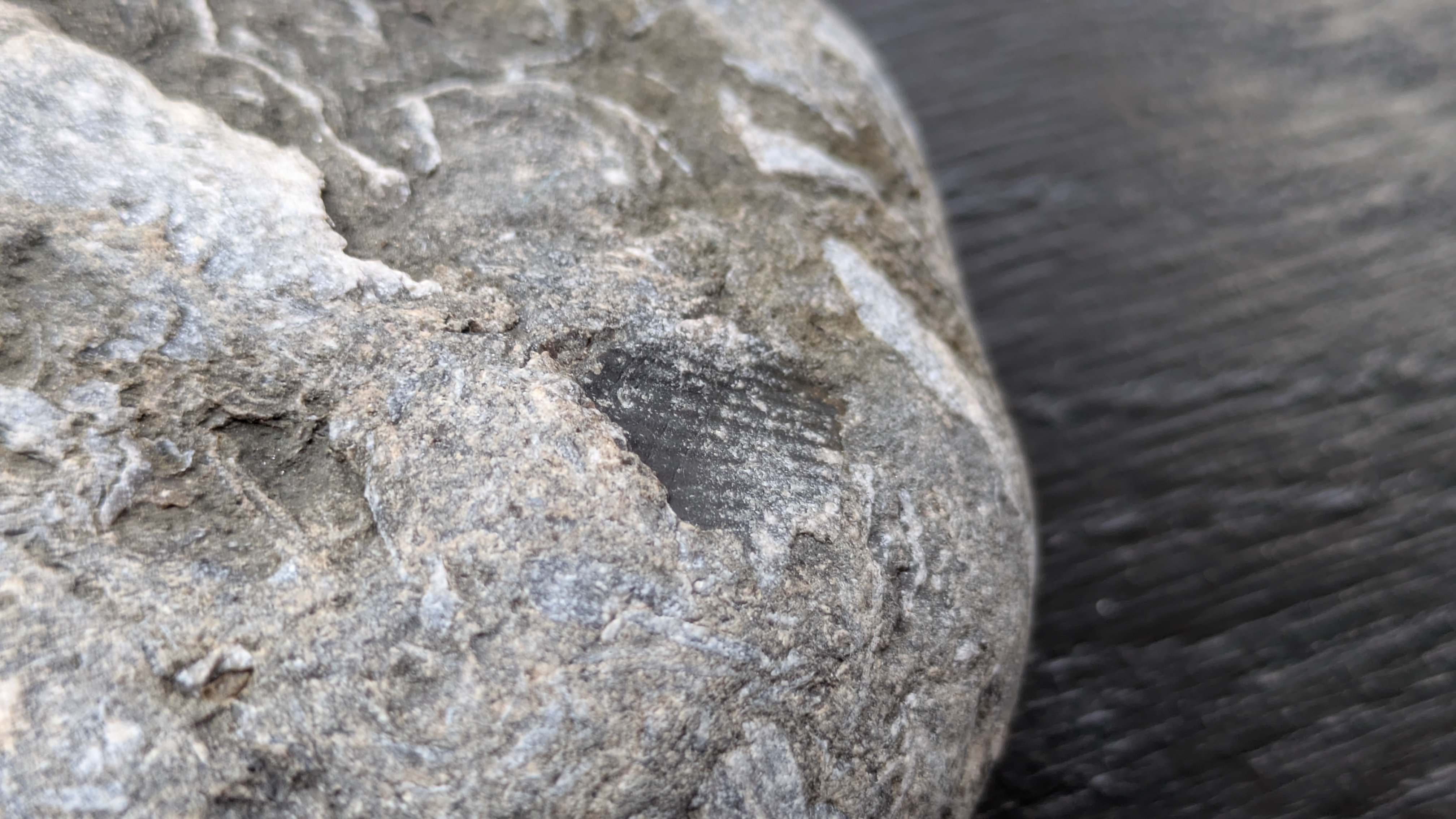
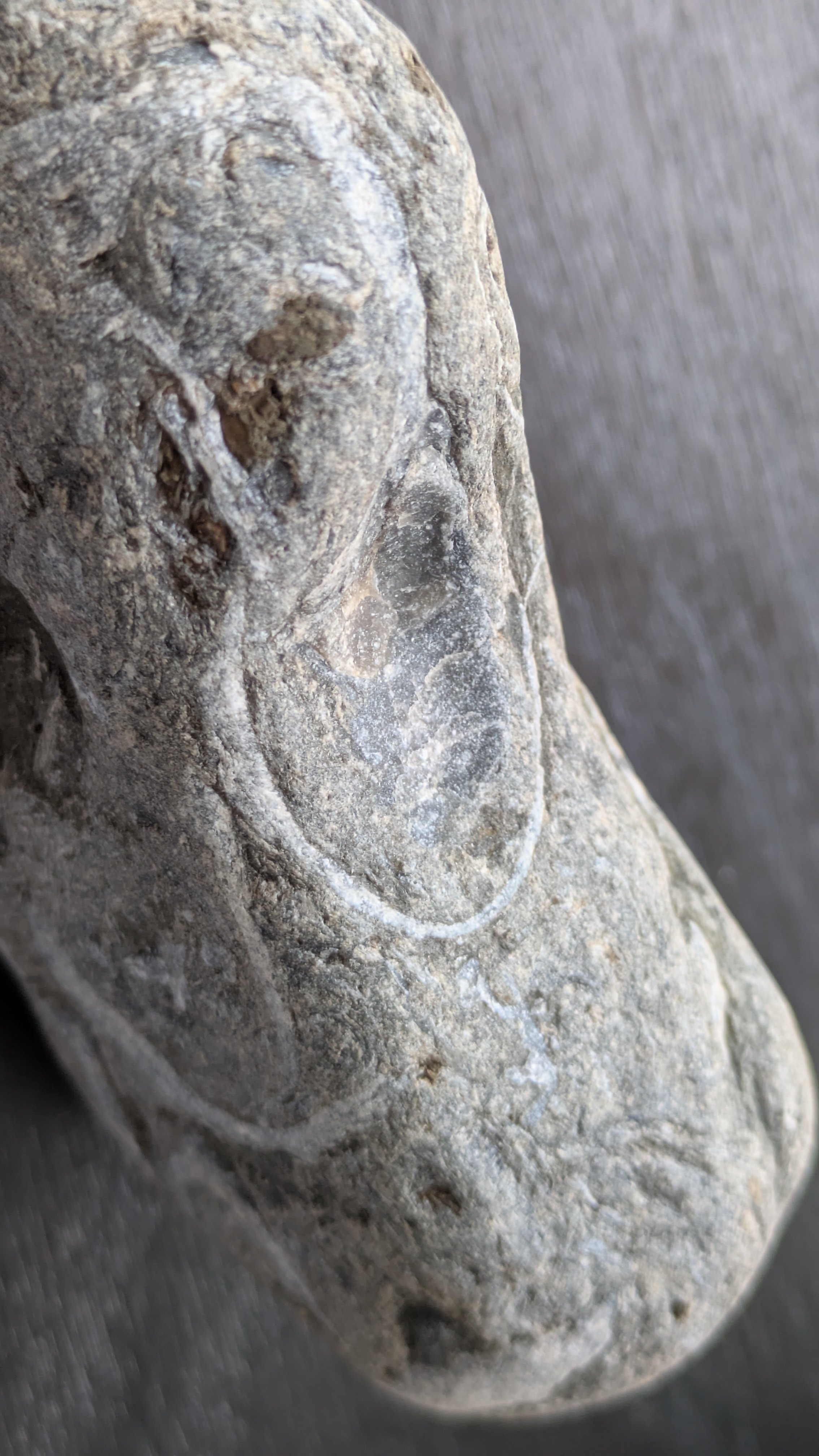
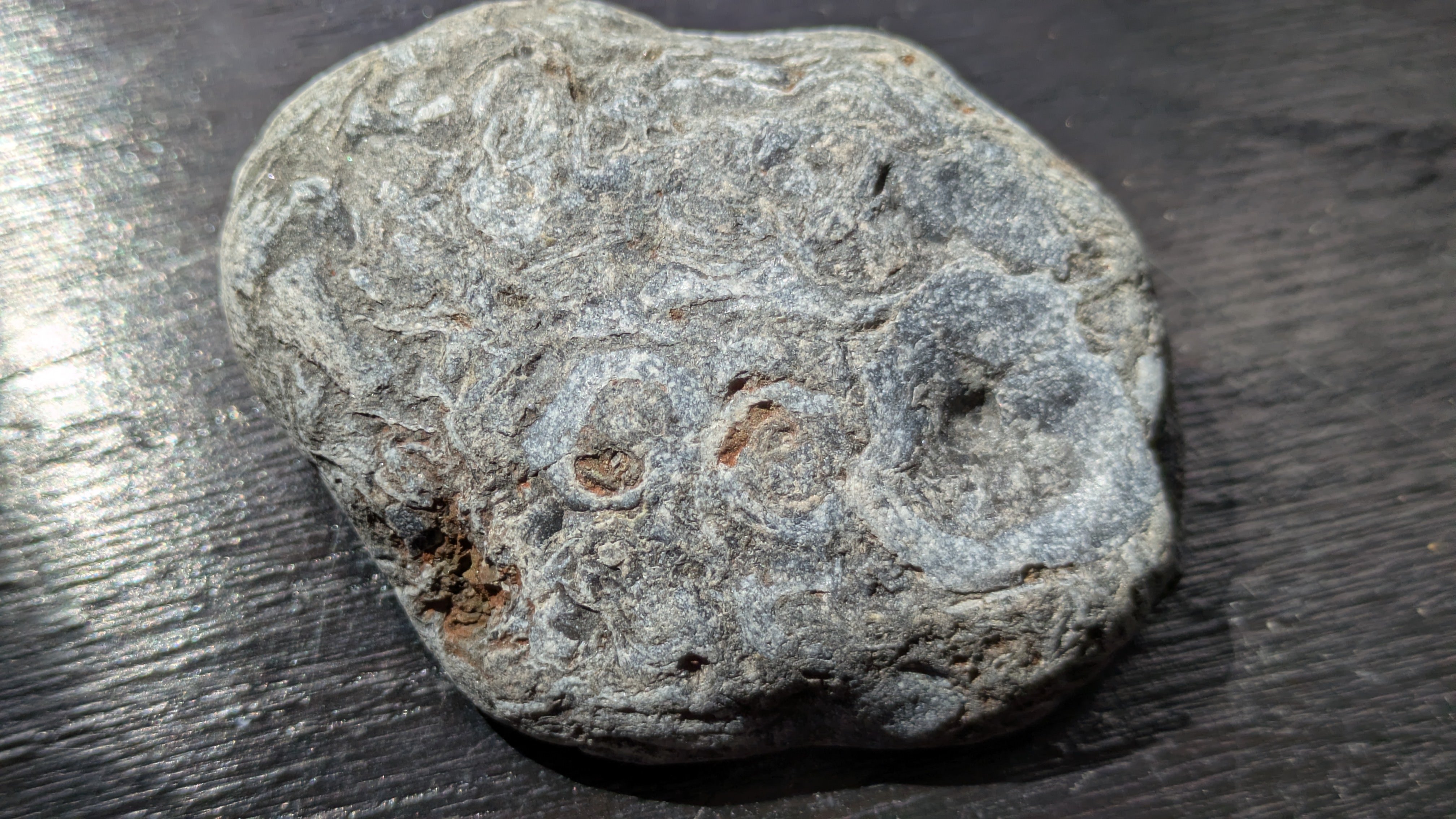
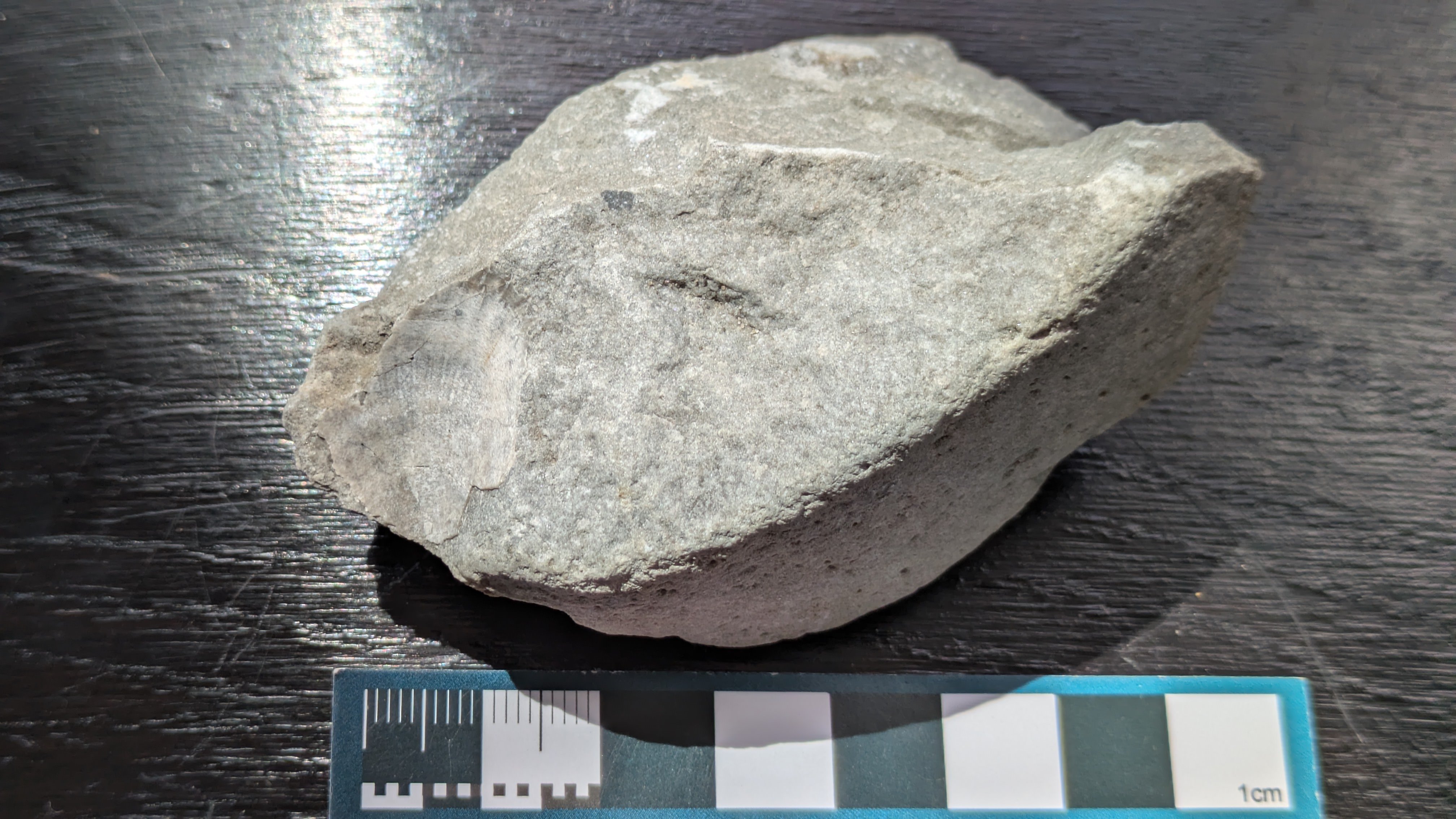
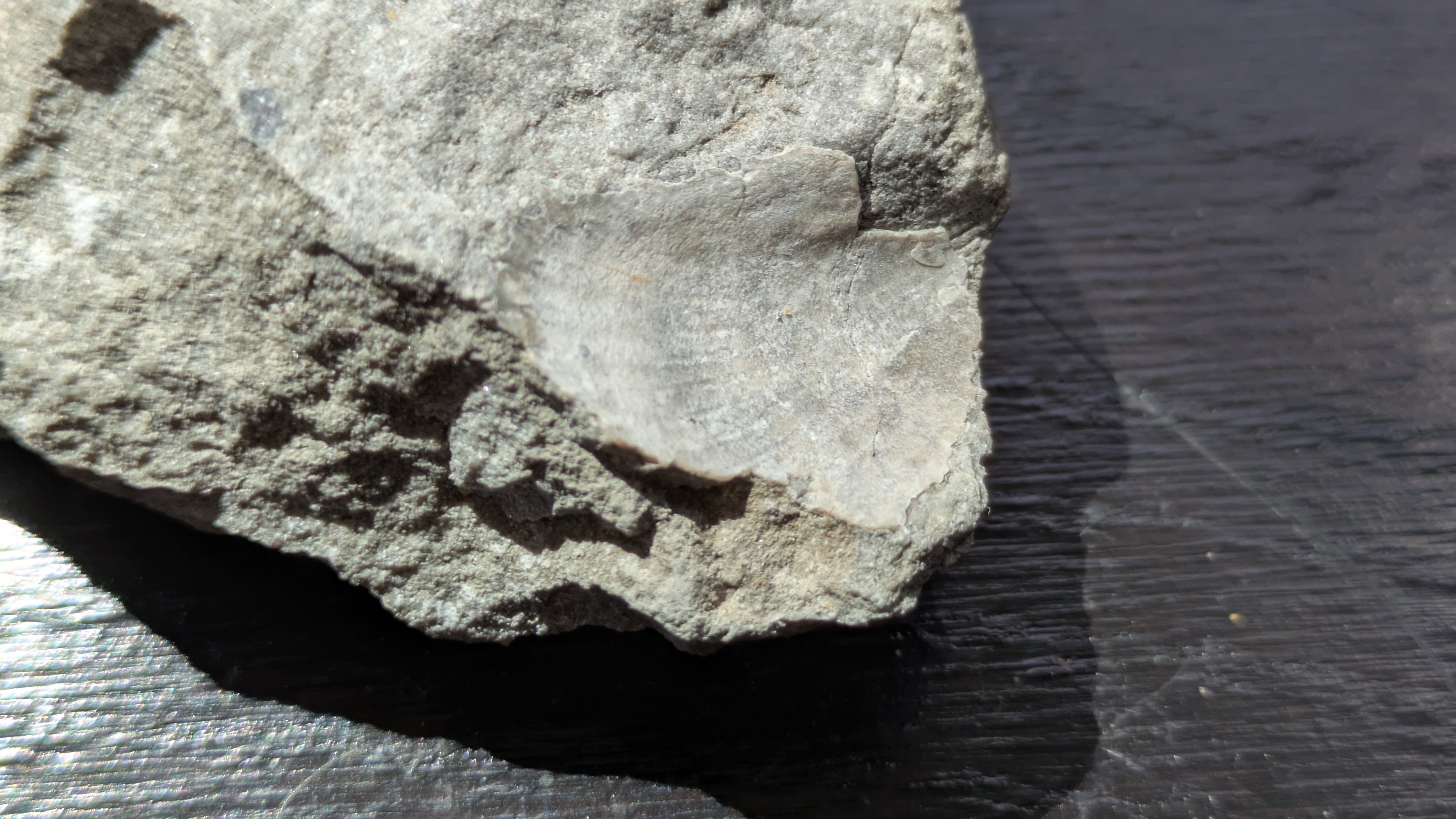
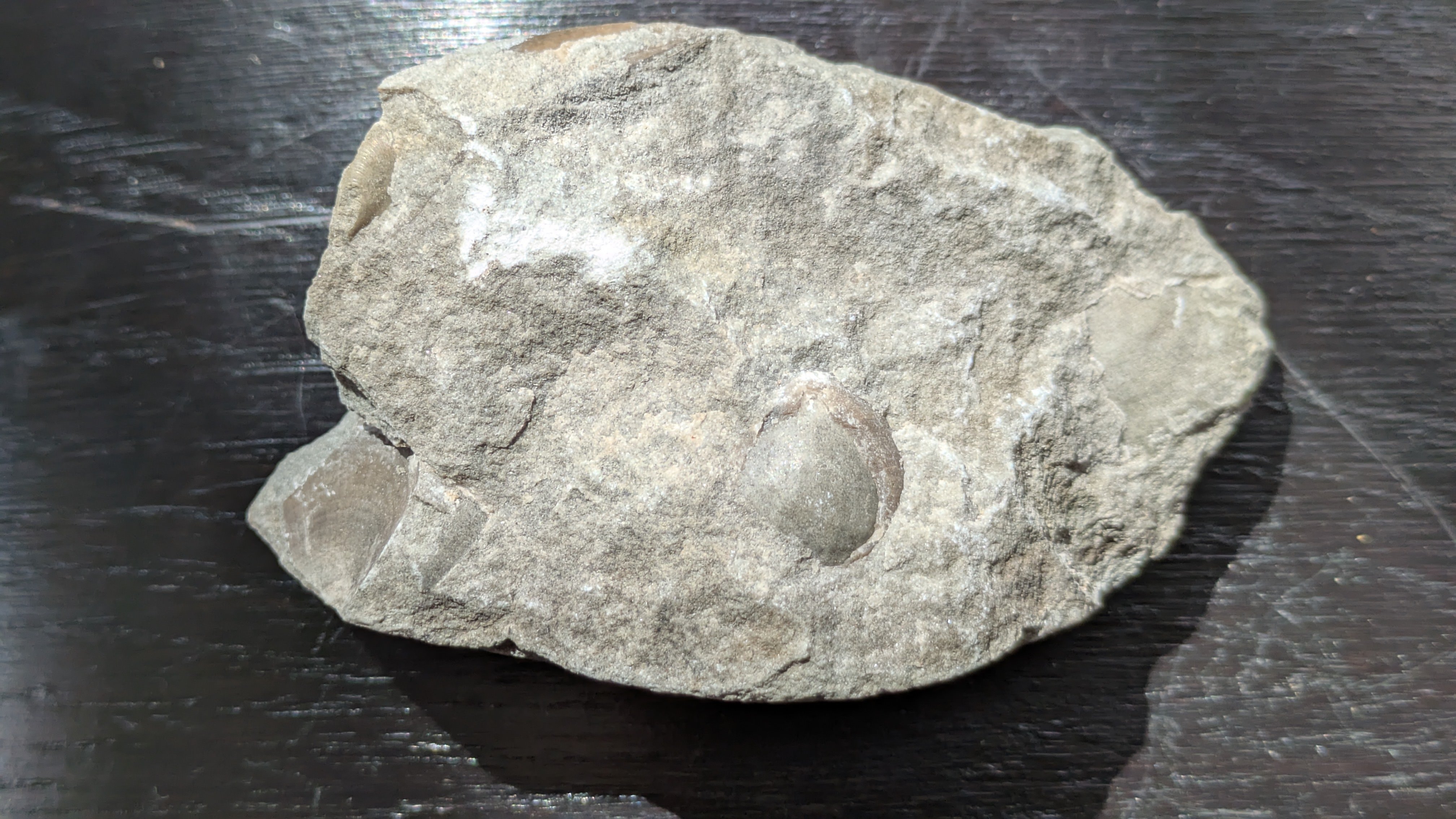
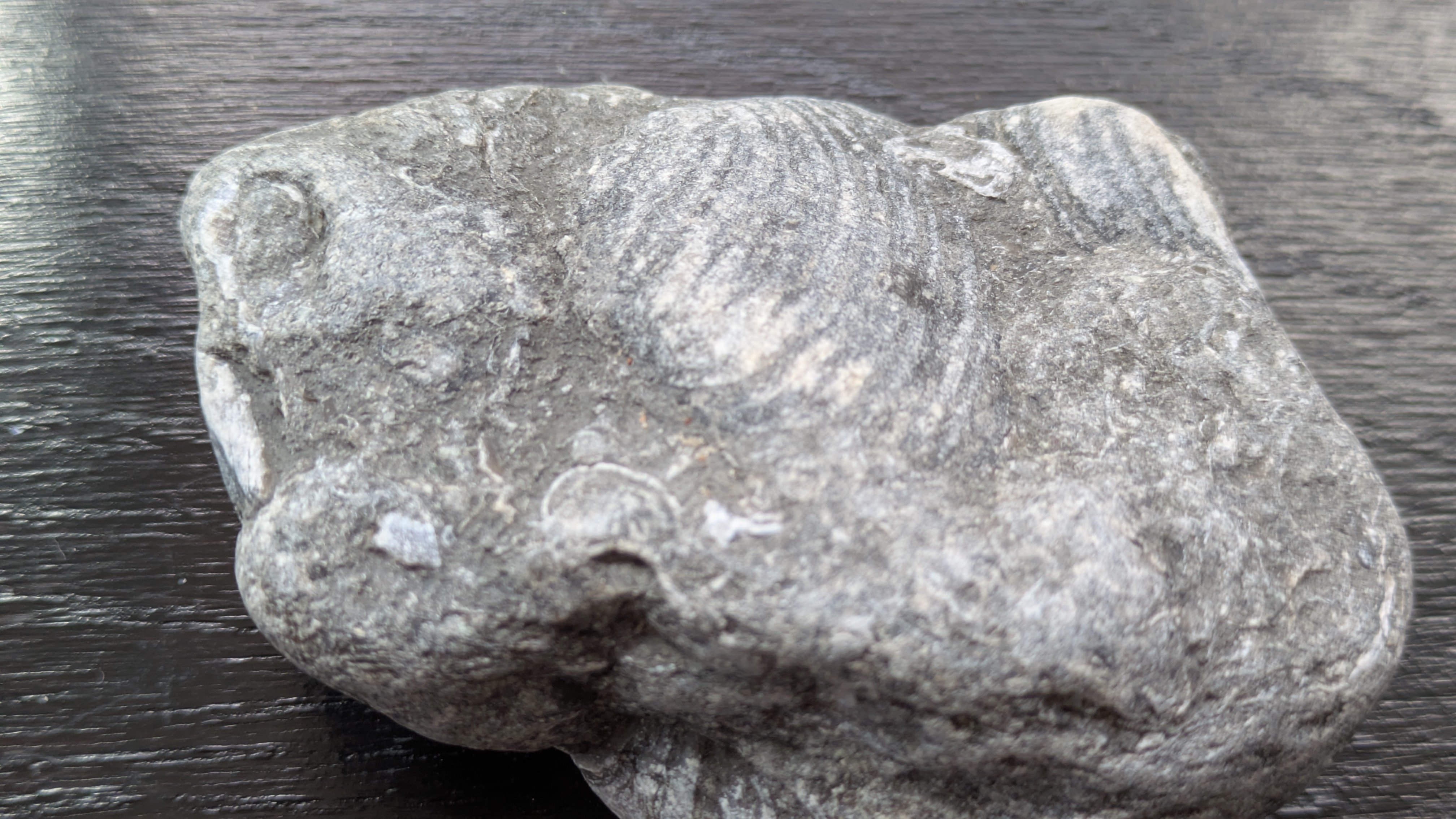
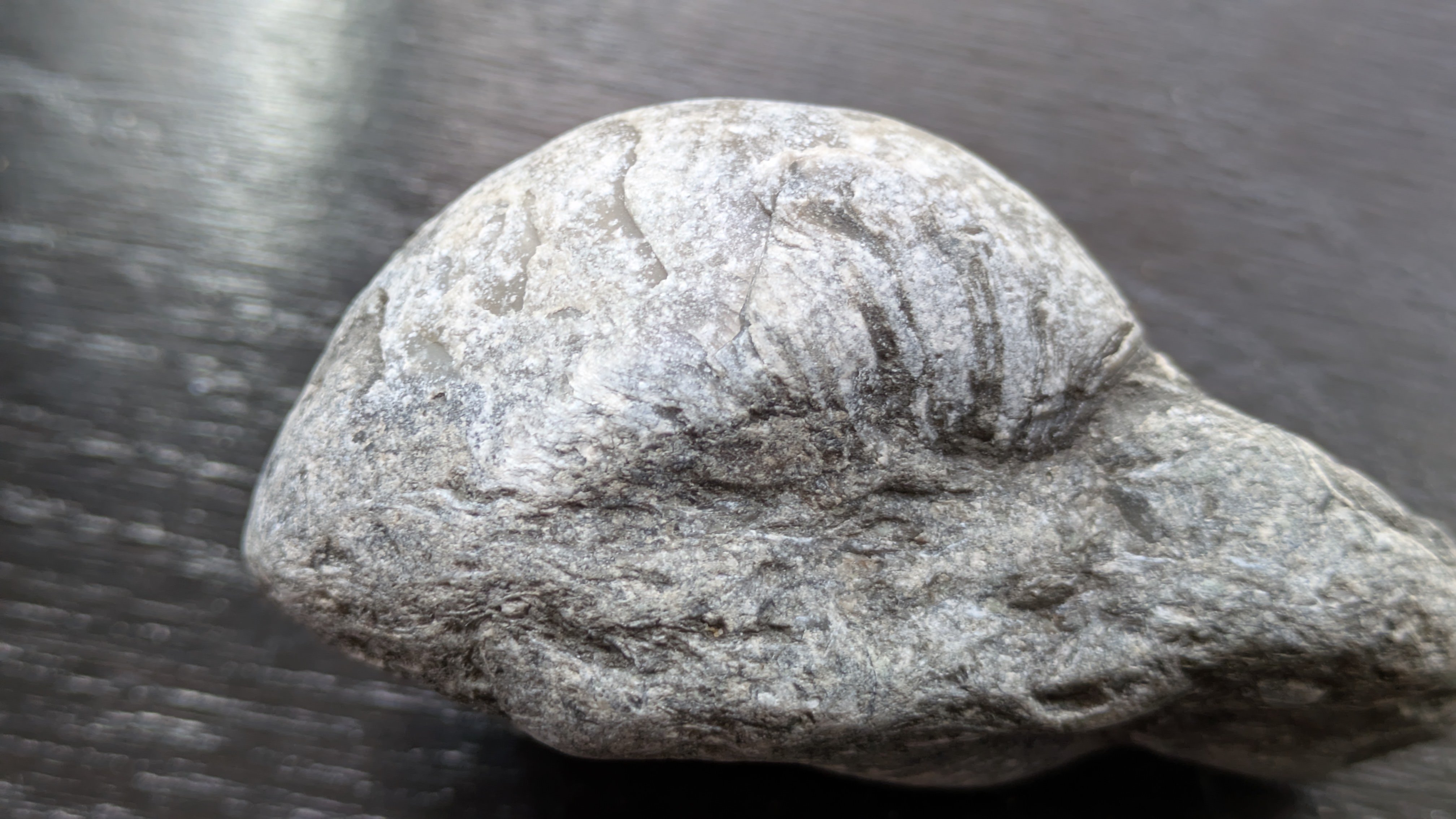
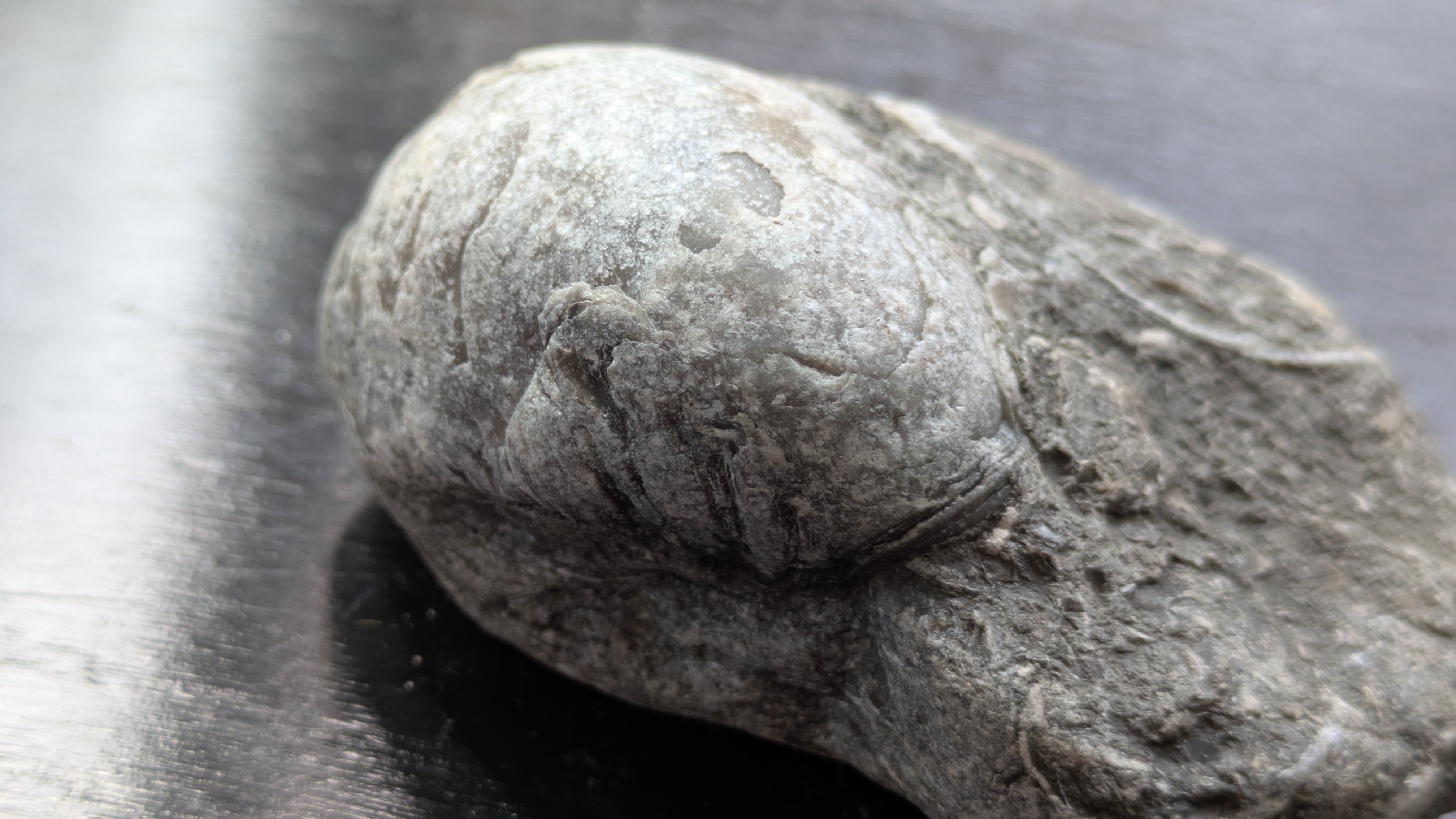
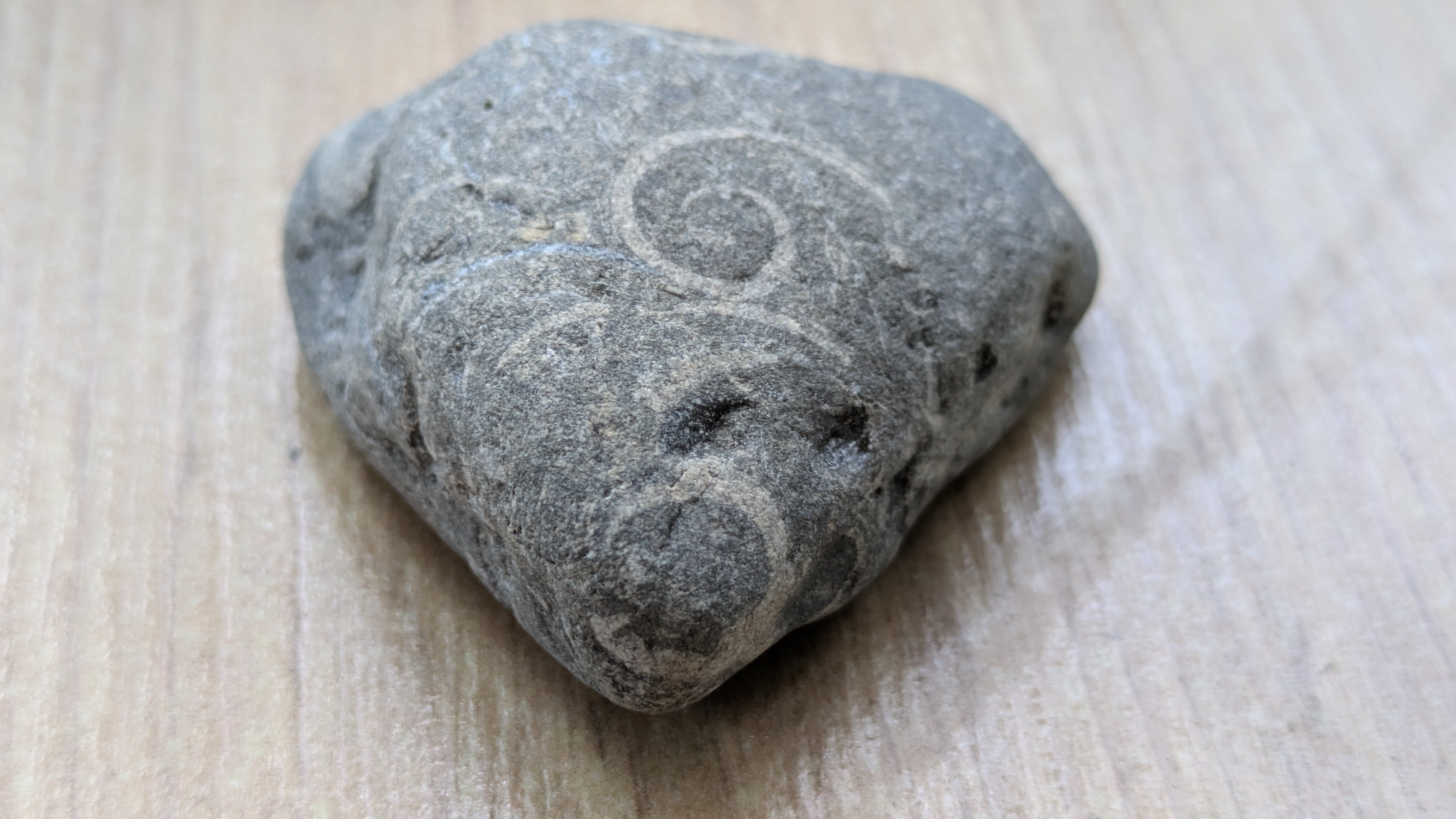
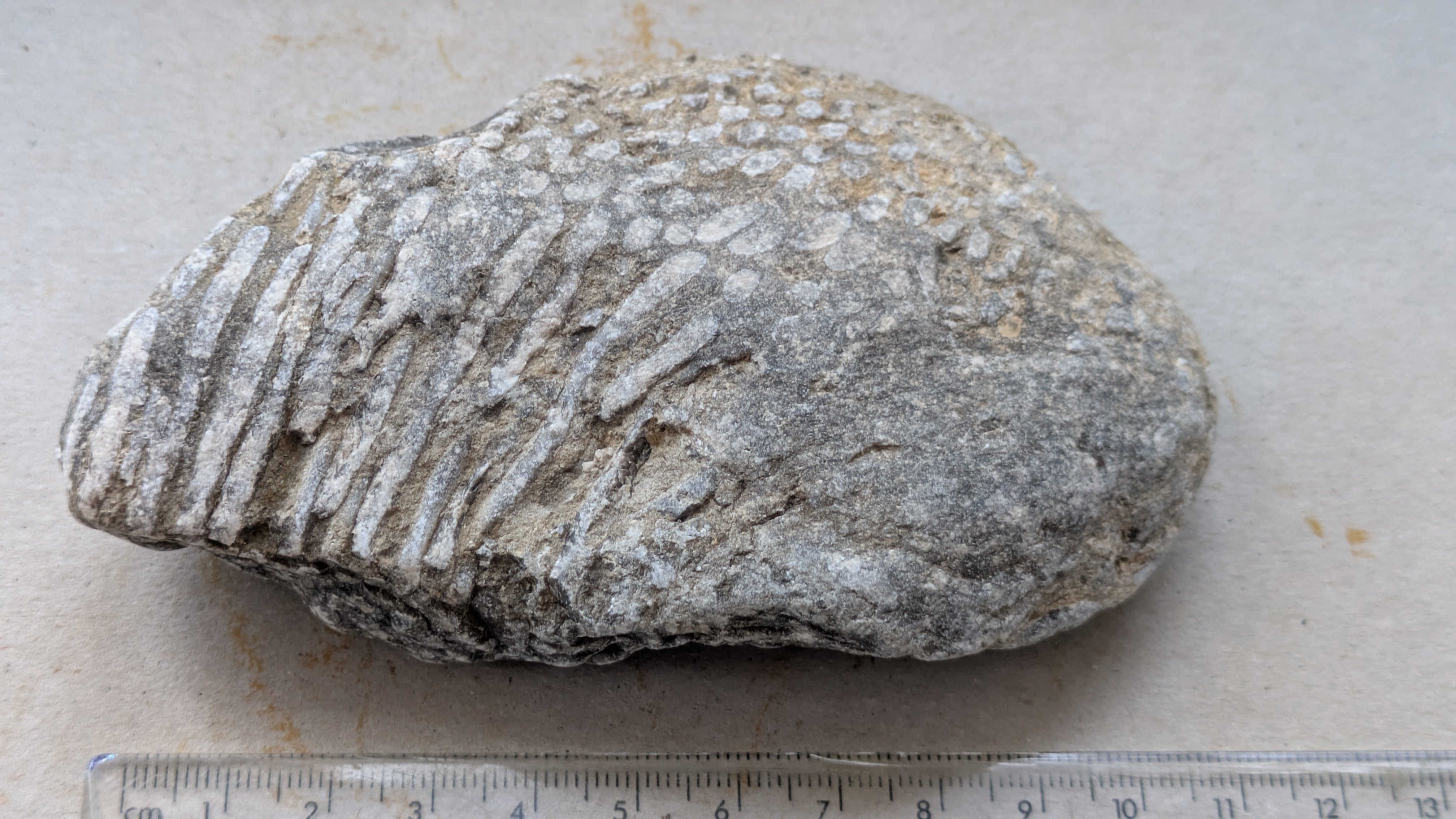
Ulrome beach, on the Holderness coast of East Yorkshire, is not a classic fossil locality; the underlying Cretaceous chalk is buried beneath thick glacial sediments and rarely exposed. The fossils here are glacial erratics: during the last Ice Age, ice from northern Britain, Scotland and Scandinavia carried rocks and fossils into the Holderness coast, rapid cliff erosion now releases them, and longshore drift redistributes them along the beach.
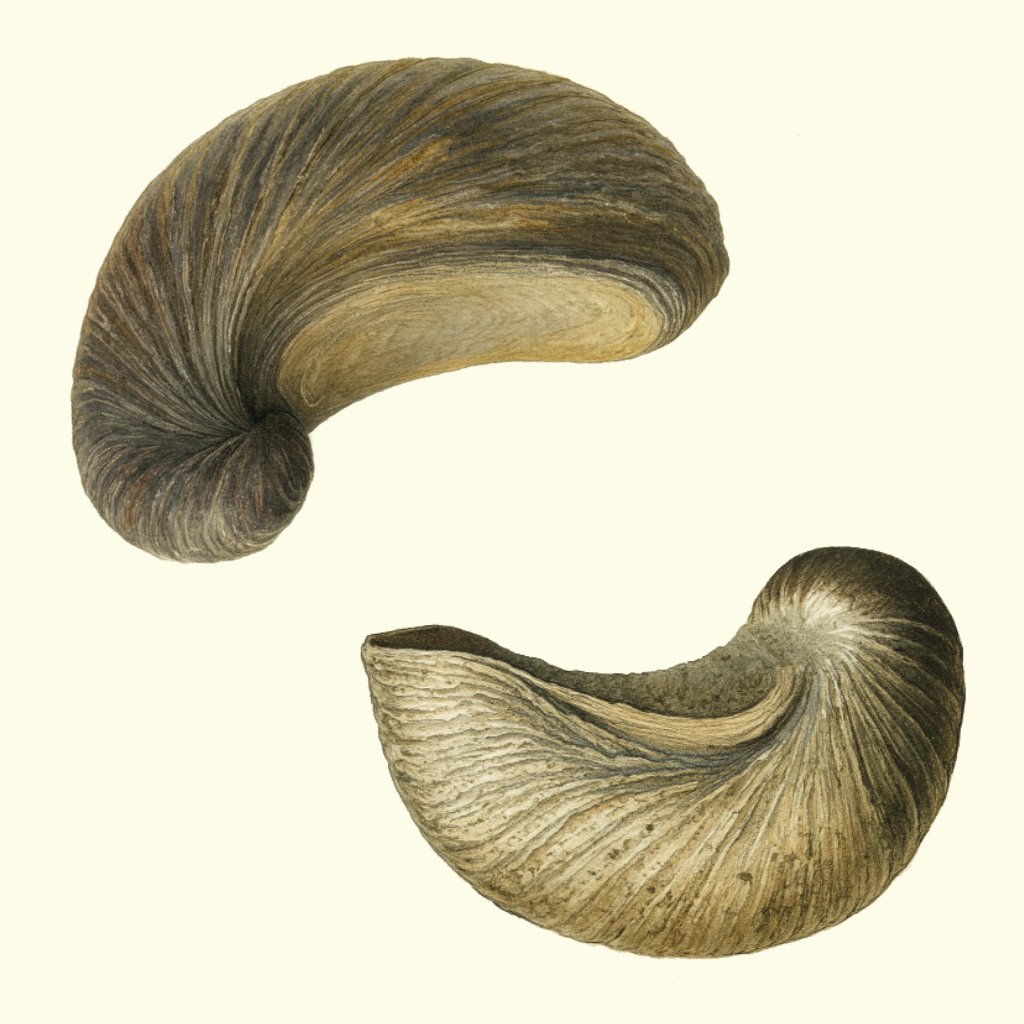
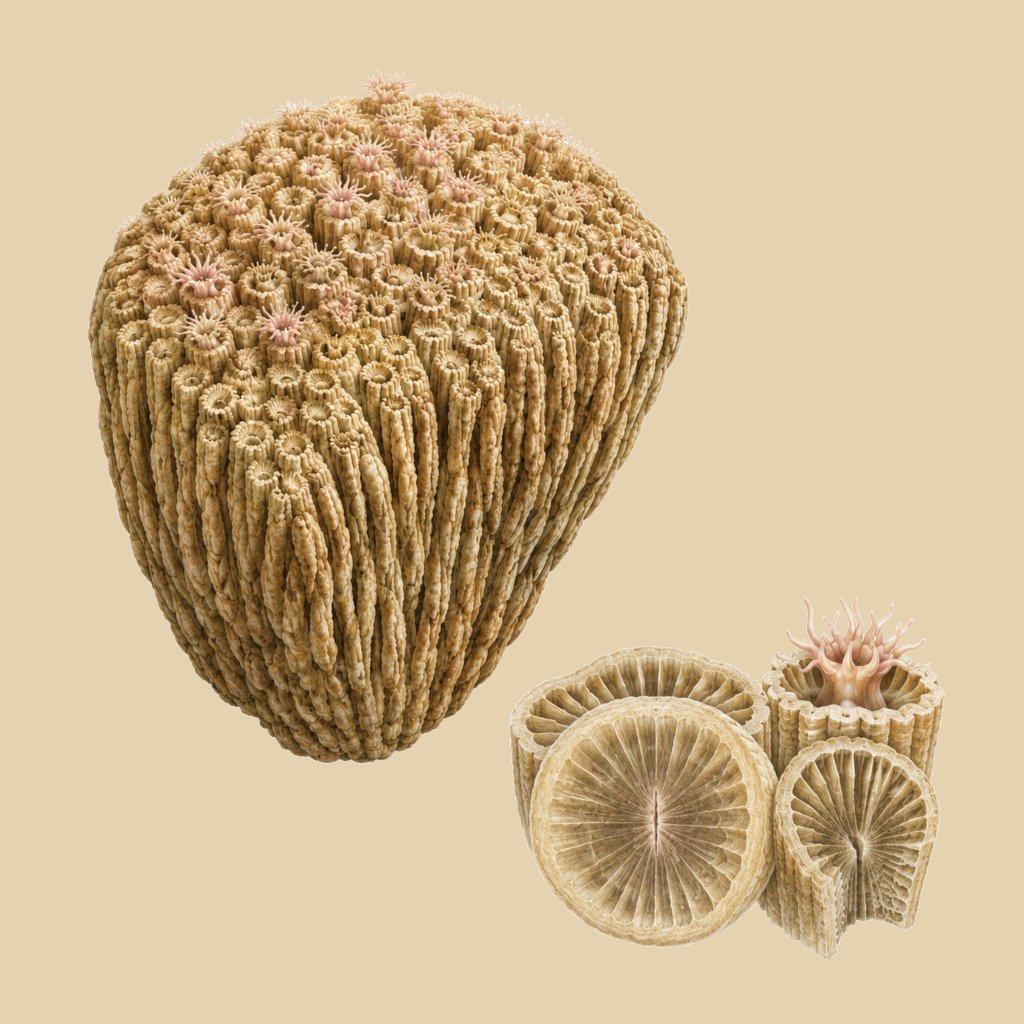
That makes Ulrome a geological grab-bag: one fossil may be Jurassic with ammonites or Gryphaea, another Cretaceous with belemnites or inoceramids, another Carboniferous with corals; the exact age and source of any single specimen is often uncertain. The palaeoenvironmental picture is therefore not a single scene but a mosaic of ancient seas: warm shallow shelves, chalky open marine settings, mollusc- and echinoid-rich seafloors, and patches of tropical coral reef.
 Ελληνικά
 English
 Ἑλληνική ἀρχαία
 Κυπριακά